Engines
The engines and the technology worth understanding.
Engines
NACS Explained: Tesla's Connector That Became the North American Standard
Engines
AUTOSAR Explained: The Software Standard Behind Modern Car Electronics
Engines
Ford EEC: The Engine Control Units Behind Ford's Engines
Engines
WP.29: The UN Forum Behind Global Vehicle Rules
Engines
Pull-Rod Suspension: How Formula One Teams Moved the Springs Inside the Car
Engines
Liquid Nitrogen Engines: Cold Power, Clean Exhaust and Hard Limits
Engines
Close-Ratio Transmission: How Tight Gear Spacing Keeps a Sports Engine in Its Power Band
Engines
Direct TPMS: How Tyre Pressure Sensors Talk to the Car
Engines
Rear Mid-Engine, Rear-Wheel-Drive Layout: Why Engineers Moved the Engine Behind the Driver
Engines
Antifreeze: How Coolant Chemistry Works, From Methanol to Modern OAT Formulas
Engines
Global Hybrid Cooperation: The Two-Mode Hybrid Built by GM, Daimler and BMW
Engines
OnStar Explained: GM's Connected Safety Service From Crash Alerts to Stolen Car Recovery
Engines
Transmission Control Unit: How the TCU Decides When Your Automatic Shifts
Engines
Impact of Self-Driving Cars: Safety, Traffic, Jobs and the Environment
Engines
ISO 26262 Explained: How the Road Vehicle Functional Safety Standard Rates Risk and ASIL Levels
Engines
Takata Corporation: From Parachute Lines to the Largest Auto Recall in History
Engines
Internal Combustion Engine Cooling: Air, Liquid and Why Cars Chose Water
Engines
Delay Box: The Drag Racing Timer That Split the Starting Line
Engines
Active Suspension: How Cars Control Each Wheel and Why Few Keep the System
Engines
OBD-II PIDs: The Codes Behind Modern Car Diagnostics
Engines
Front-Engine, Front-Wheel-Drive Layout: How FWD Cars Are Built and Why
Engines
Assured Clear Distance Ahead: The Stopping Rule Behind Driving Law
Engines
Automobile Handling: What Makes a Car Corner, Brake and Stay Stable
Engines
Automated Emergency Braking: How AEB Works, Where It Is Mandatory and What It Prevents
Engines
Regulation of Self-Driving Cars: Laws, Treaties and Testing Rules Around the World
Engines
Self-Driving Car Liability: Who Pays When an Autonomous Car Crashes?
Engines
Air Suspension: How Air Springs Work, From 1901 Patents to Modern ECAS
Engines
Trionic T5.5: Saab's Engine Management System Explained
Engines
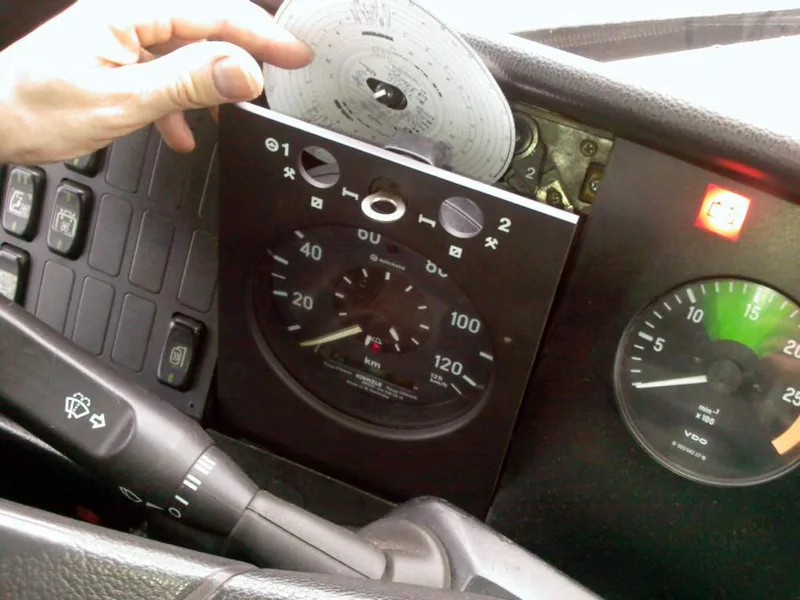
Tachographs Explained: How Drivers' Hours Are Recorded
Engines
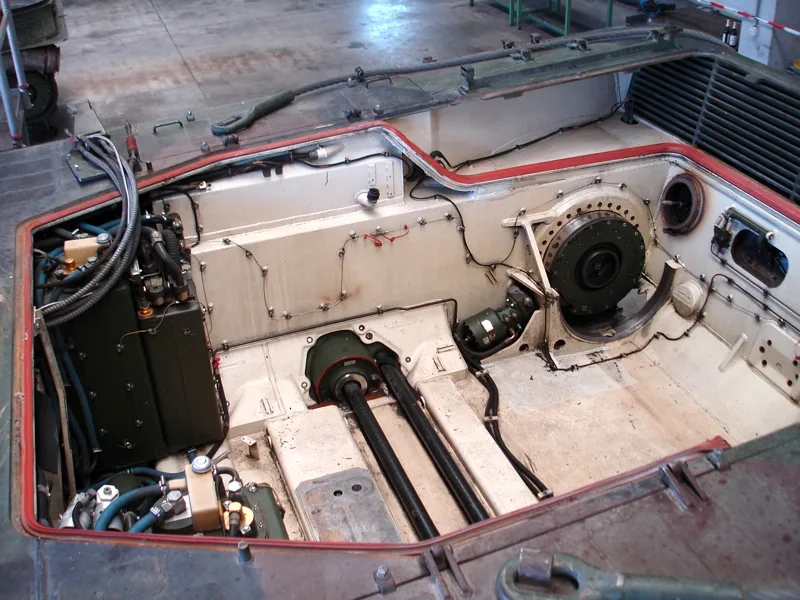
Torsion Bar Suspension: How a Twisting Steel Bar Carries the Weight
Engines
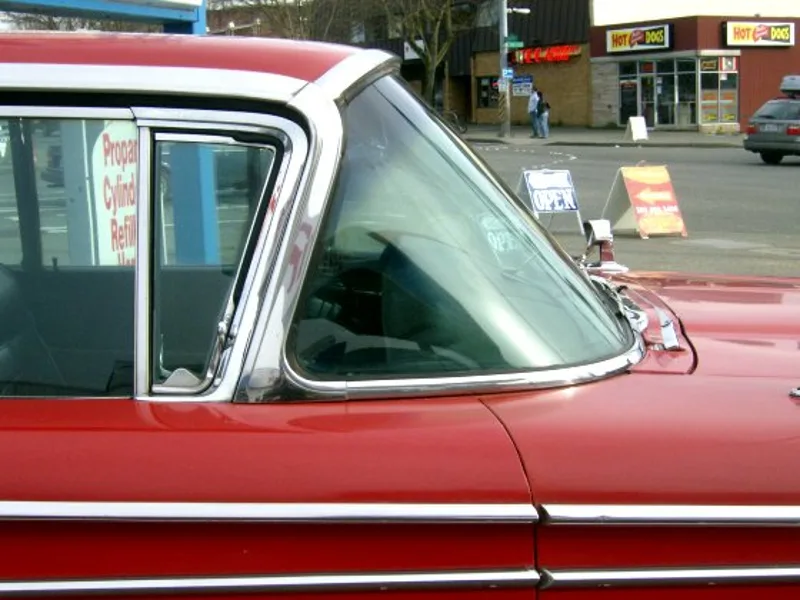
Windshields Explained: How Laminated Glass Became the Front Window Every Car Relies On
Engines
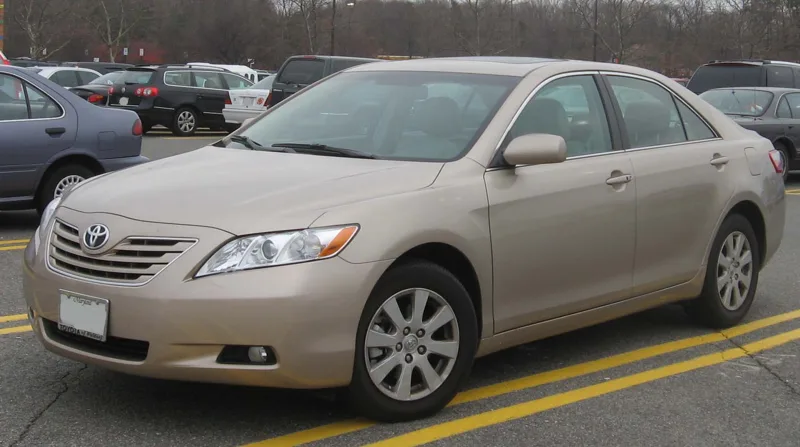
Car Platforms: How Shared Underpinnings Cut Costs and Build Model Families
Engines
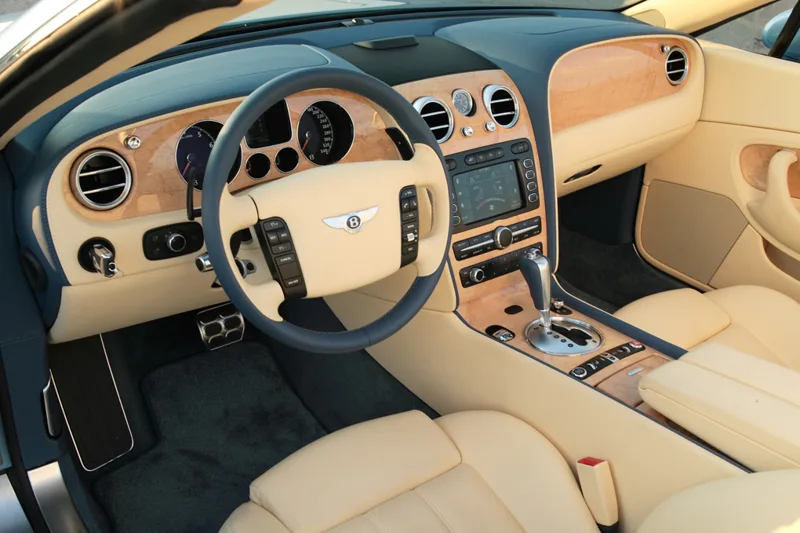
Dashboard: From Splash-Board to Digital Cockpit
Engines
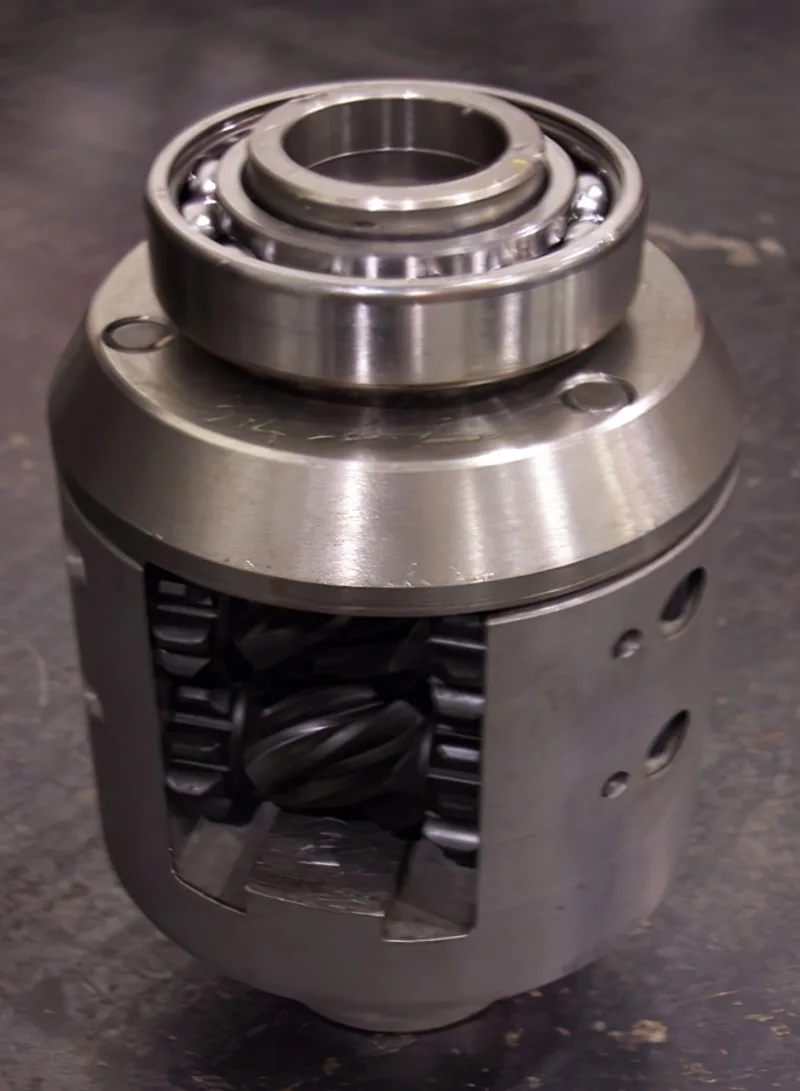
Torsen Differentials Explained: How a Torque-Sensing Gear Set Shares Power Between Wheels
Engines
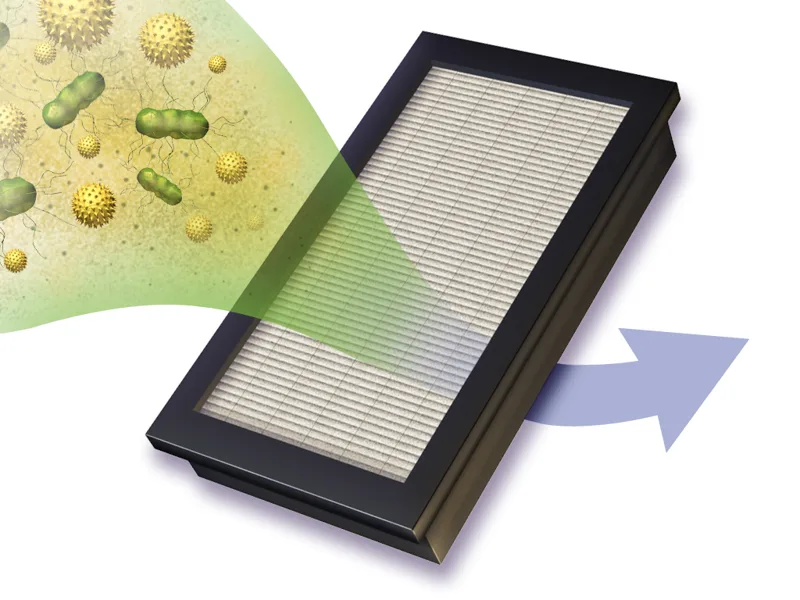
Air Filters Explained: How Engine and Cabin Filters Trap Particles
Engines
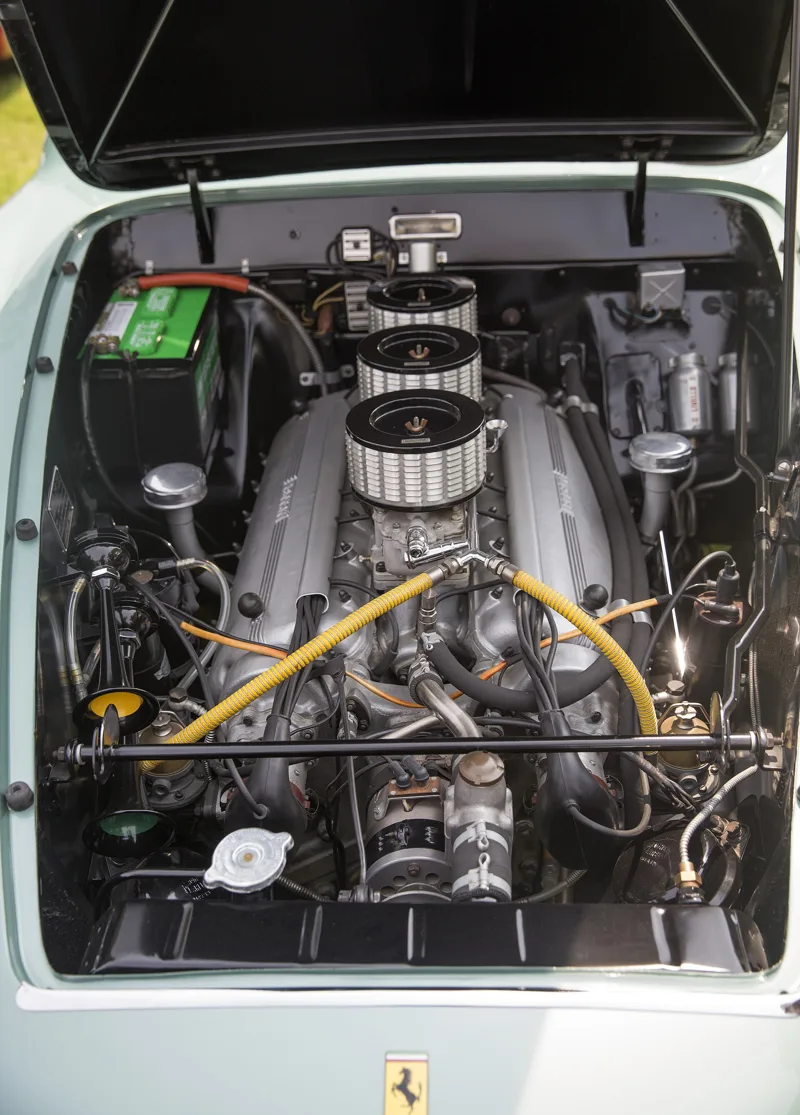
Ferrari Lampredi Engine: The V12, Four and Six Behind Ferrari's 1950s Racing
Engines
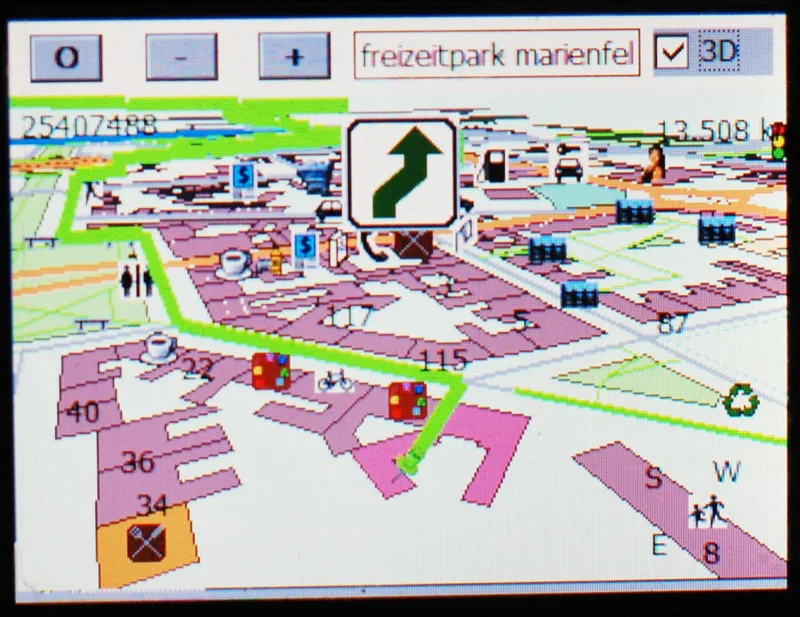
Car Navigation Systems: From 1981 Gyrocators to Self-Driving Maps
Engines
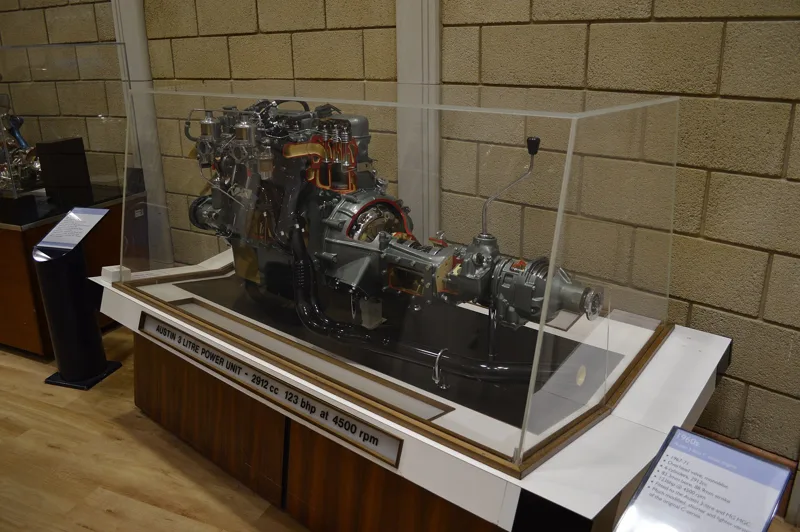
BMC C-Series Engine: The Morris-Designed Straight-Six Behind the Austin 3-Litre and MGC
Engines
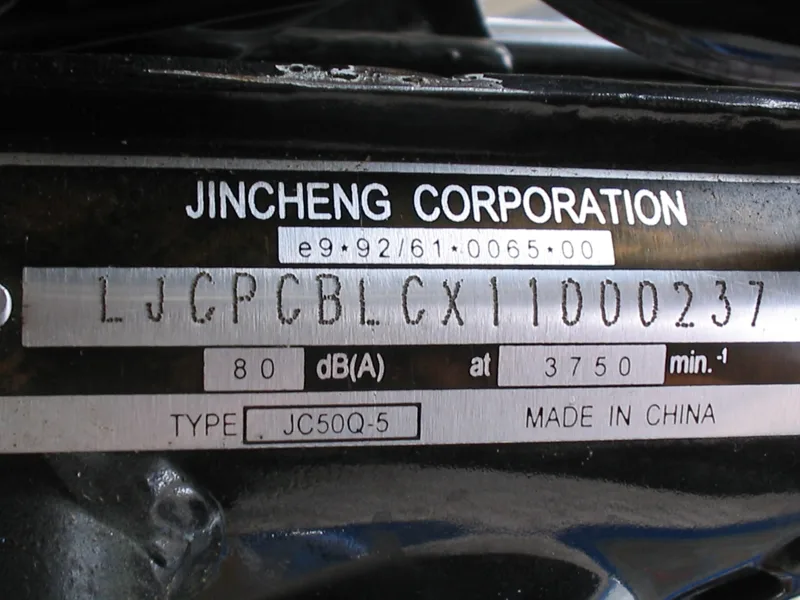
Vehicle Identification Number (VIN): The 17-Character Code Explained
Engines
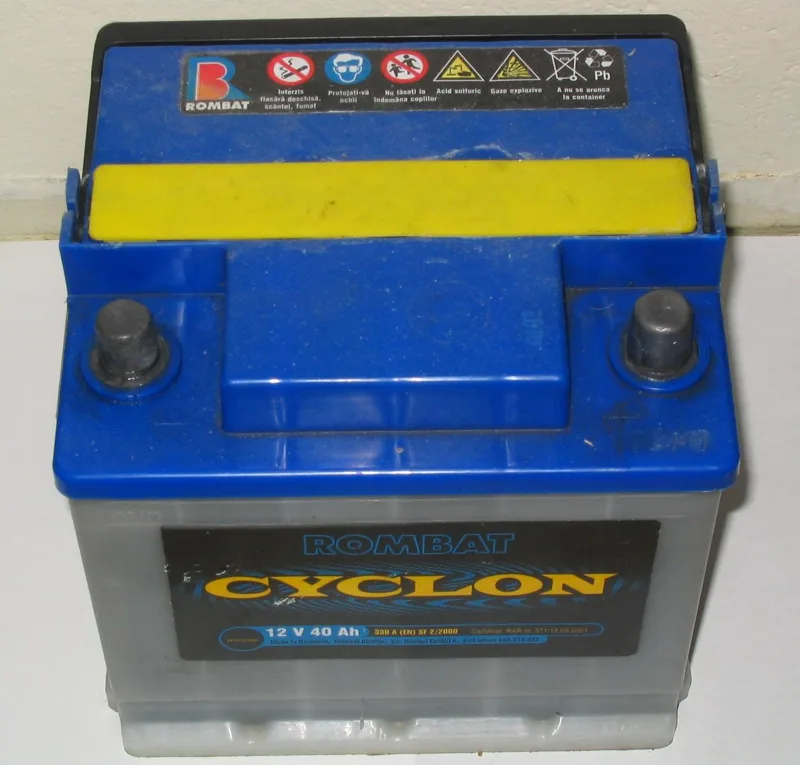
Car Batteries Explained: How They Start, Charge and Get Recycled
Engines
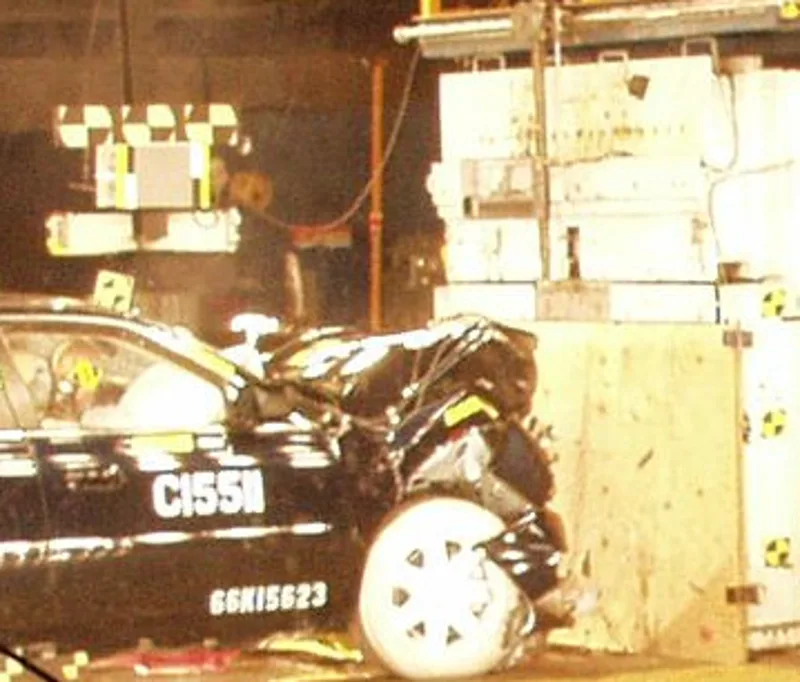
Crumple Zones: How Cars Trade Crush Distance for Occupant Safety
Engines
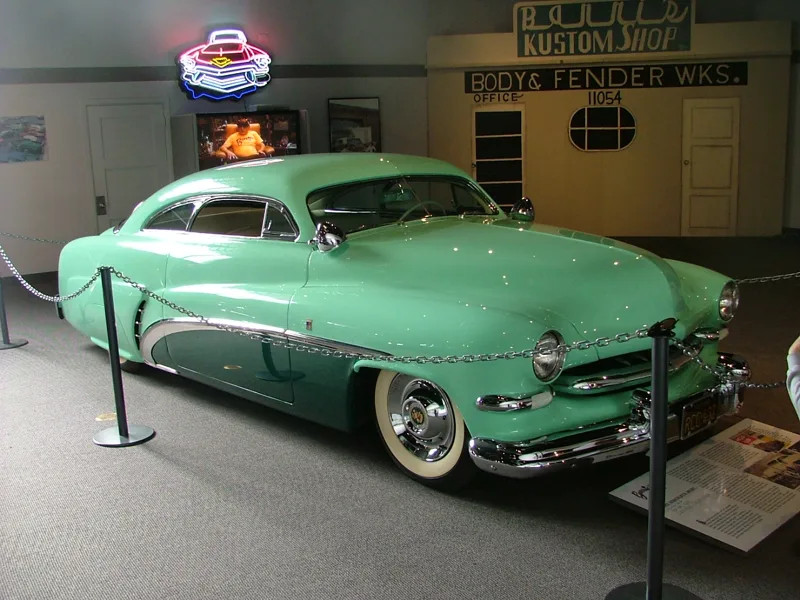
Custom Cars Explained: Hot Rods, Styles, Paint and the Awards That Count
Engines
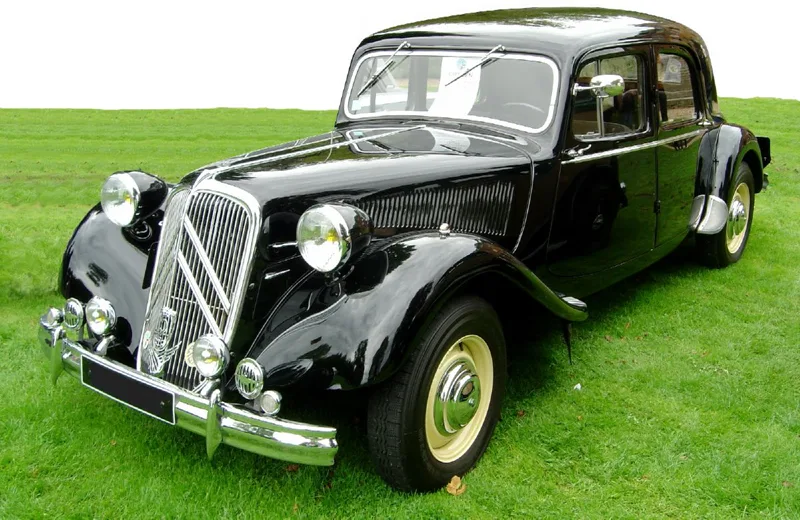
Front-Wheel Drive: How the Layout Took Over Modern Cars
Engines
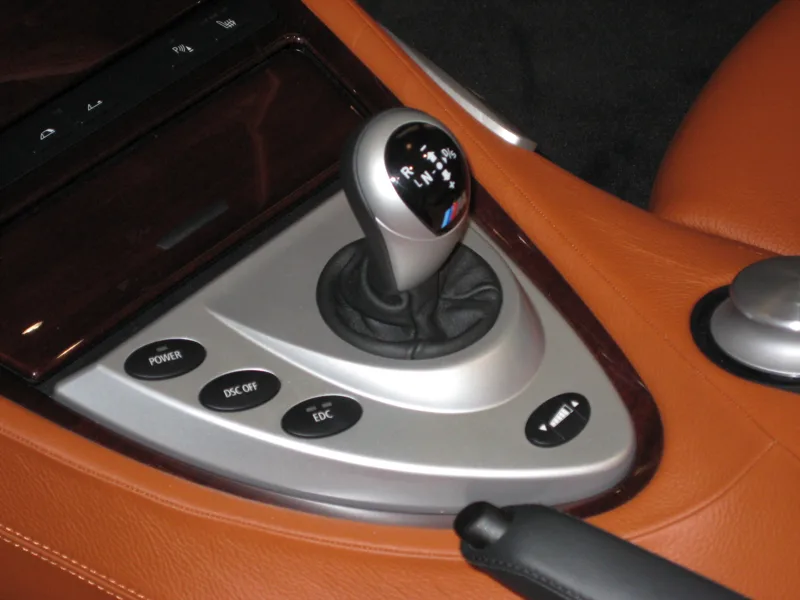
Automated Manual Transmissions: Clutchless Gearboxes From the 1940s to Today
Engines
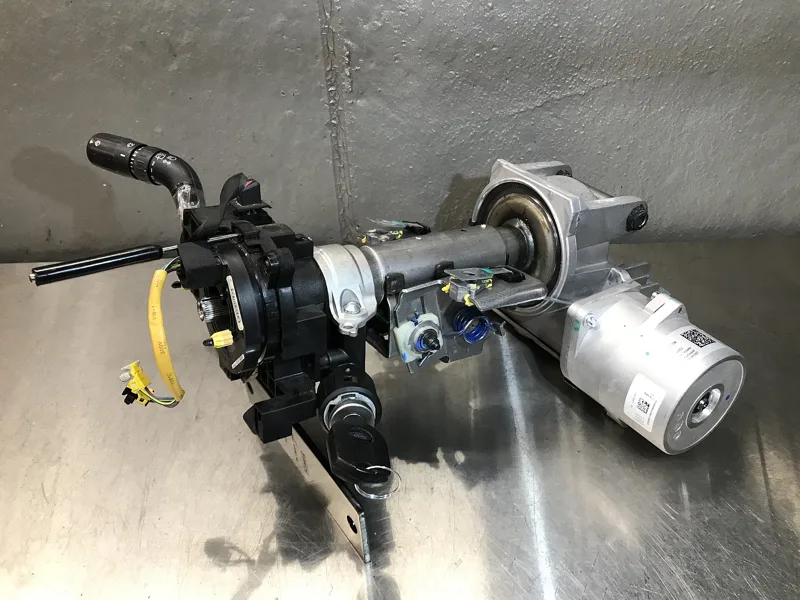
Power Steering Explained: From Hydraulic Pumps to Steer-by-Wire
Engines
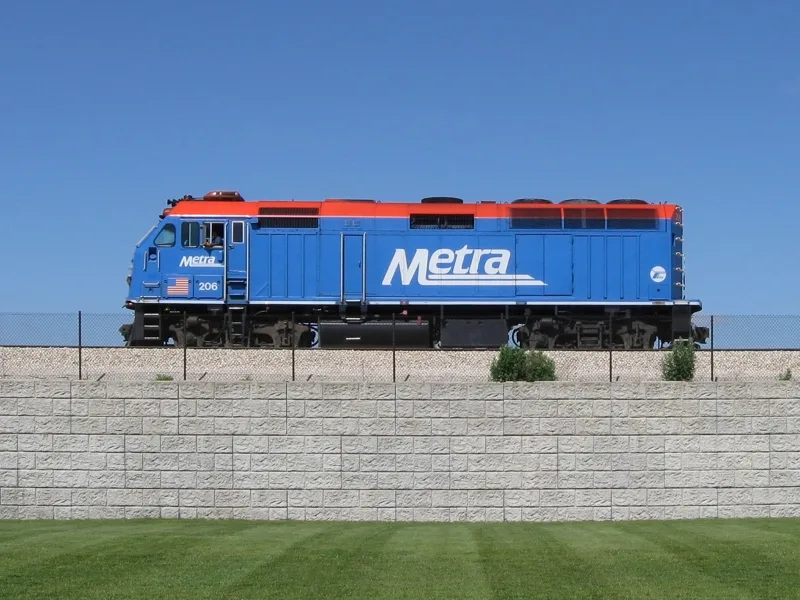
Diesel-Electric Powertrains: How Electric Drive Replaced the Gearbox at Sea, on Rails and on Road
Engines
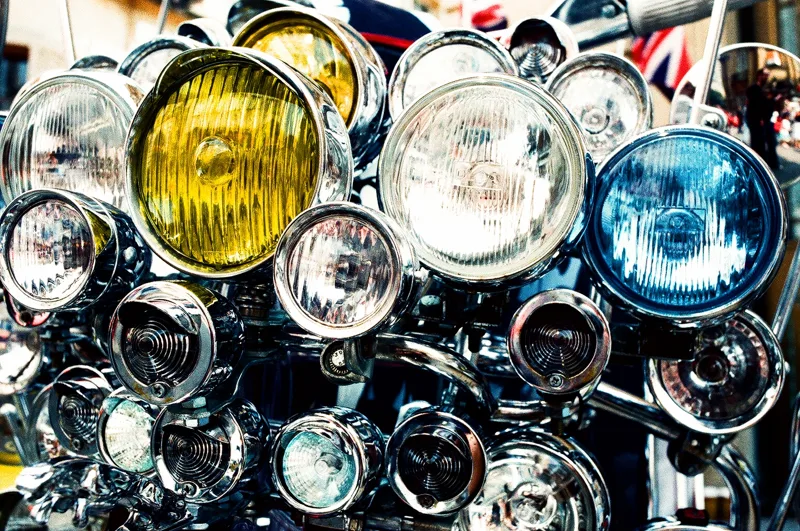
Headlamps Explained: From Candles to Laser High Beams
Engines
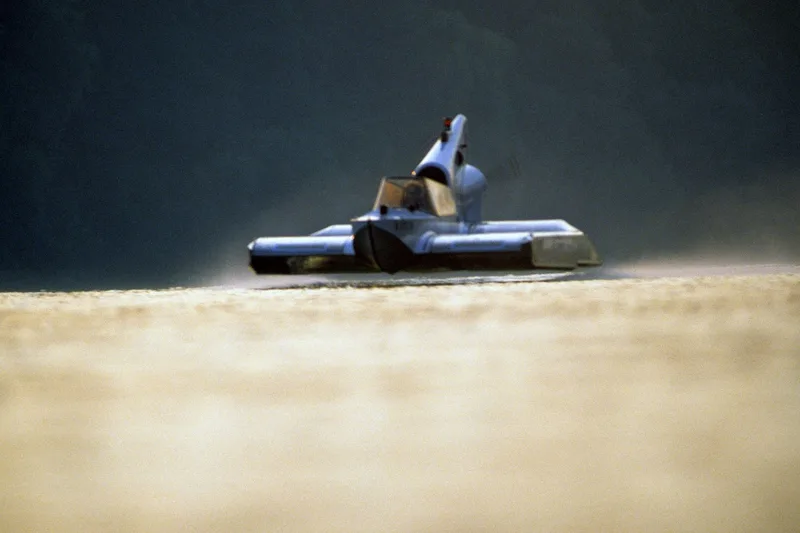
Ground Effect Explained: How Race Cars Use the Road to Stick to the Track
Engines
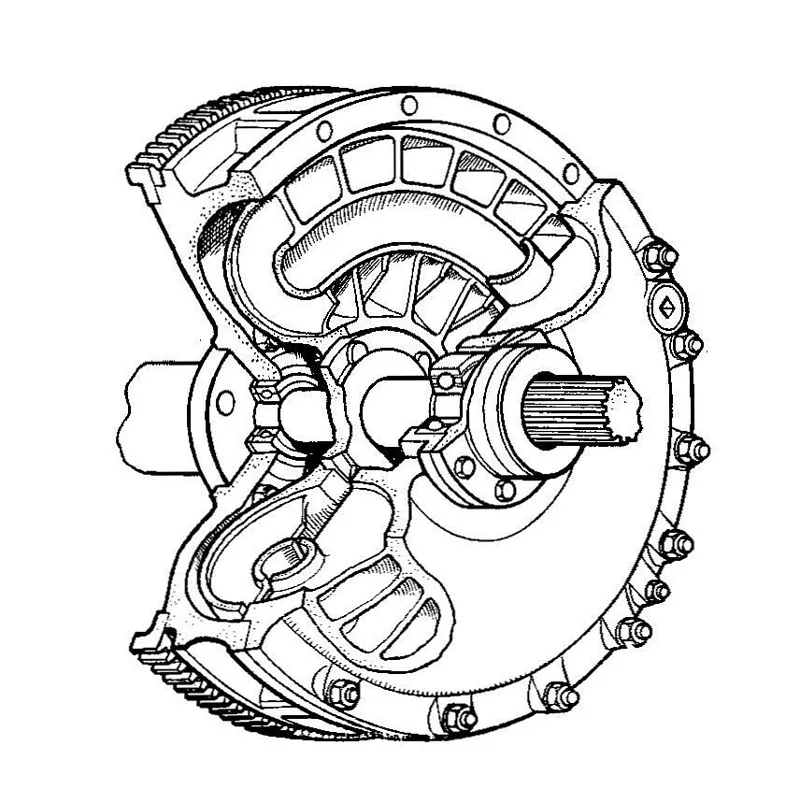
Fluid Couplings: The Hydraulic Clutch That Gave Cars Smooth Starts
Engines
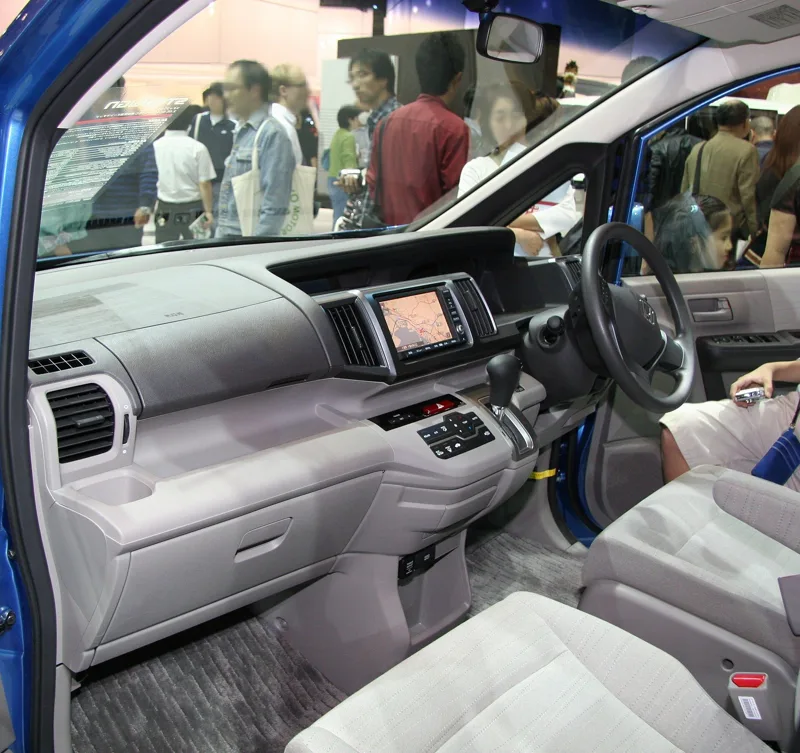
Internavi: Honda's Connected Navigation Service and Its Floating Car Traffic Network
Engines
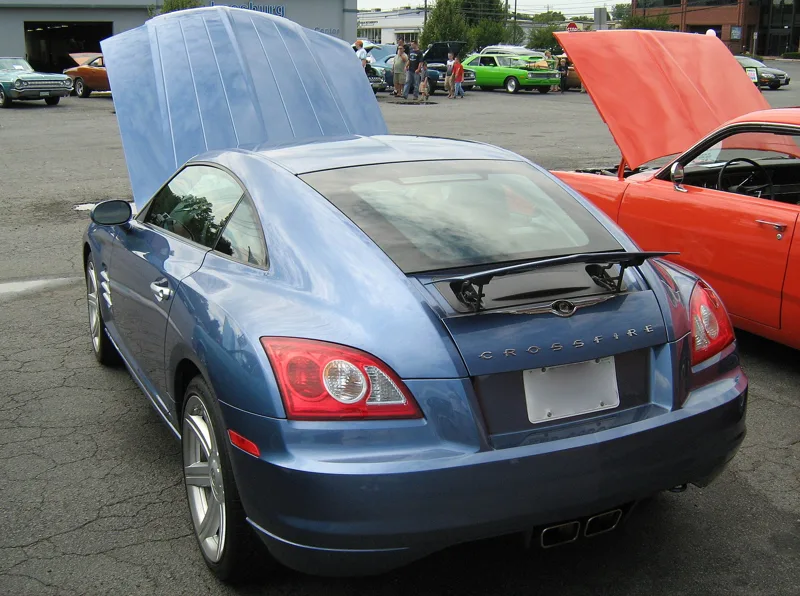
Car Spoilers: What They Do, How Racing Uses Them and Why Many Are Just for Looks
Engines
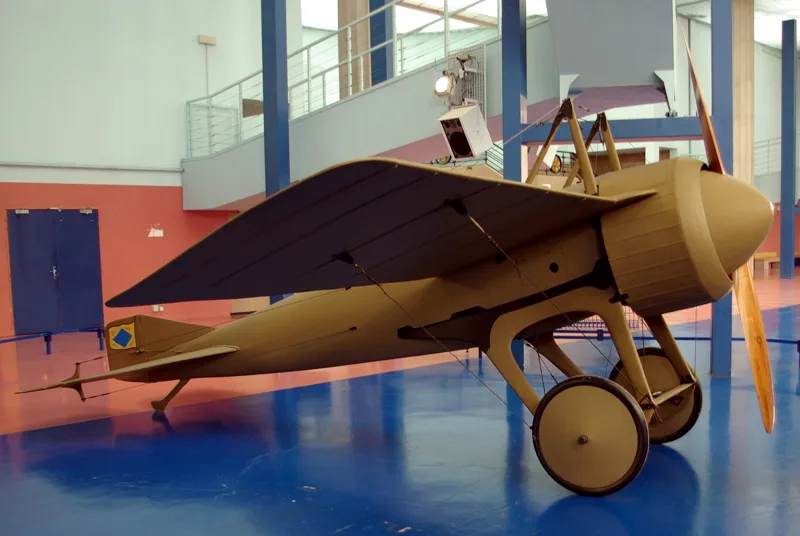
Monocoque Construction: How Stressed Skins Shaped Aircraft, Racing Cars and Bikes
Engines
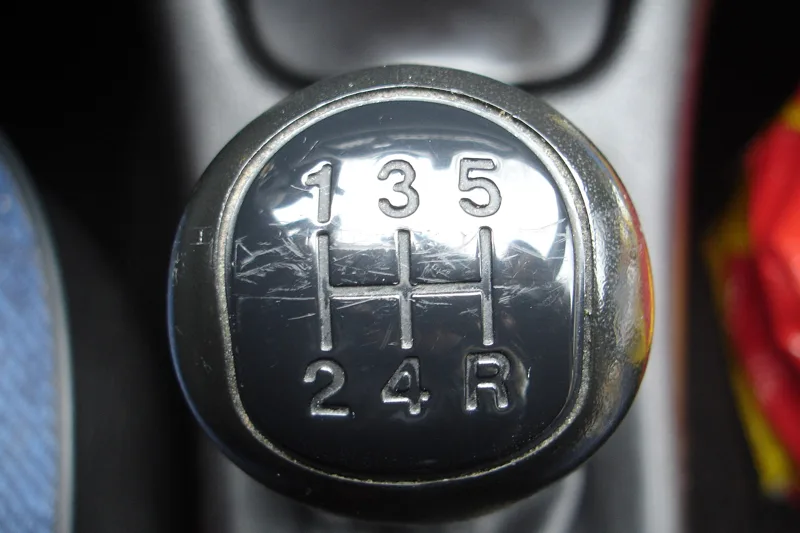
The Gear Stick Explained: Positions, Shift Patterns and the Move to Buttons
Engines
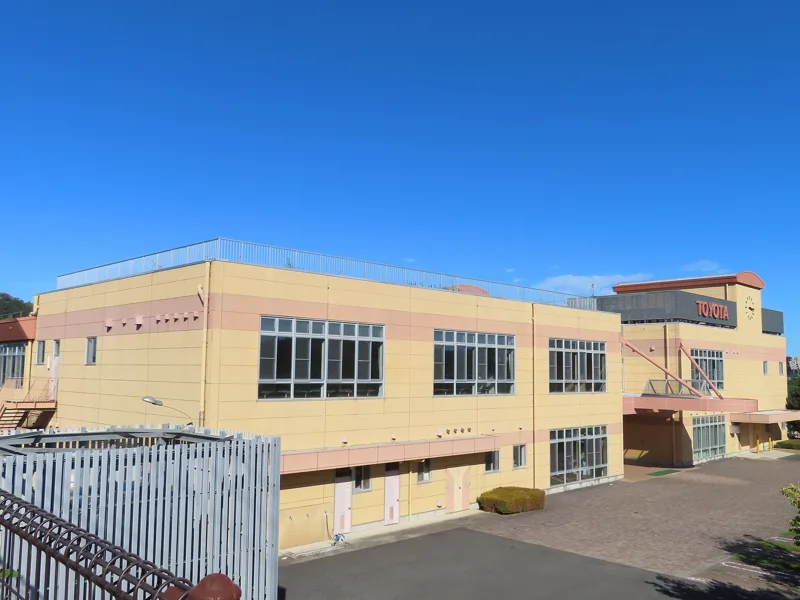
Automotive Engineering Explained: The Disciplines That Shape Every Car, From Crash Safety to Quality Control
Engines
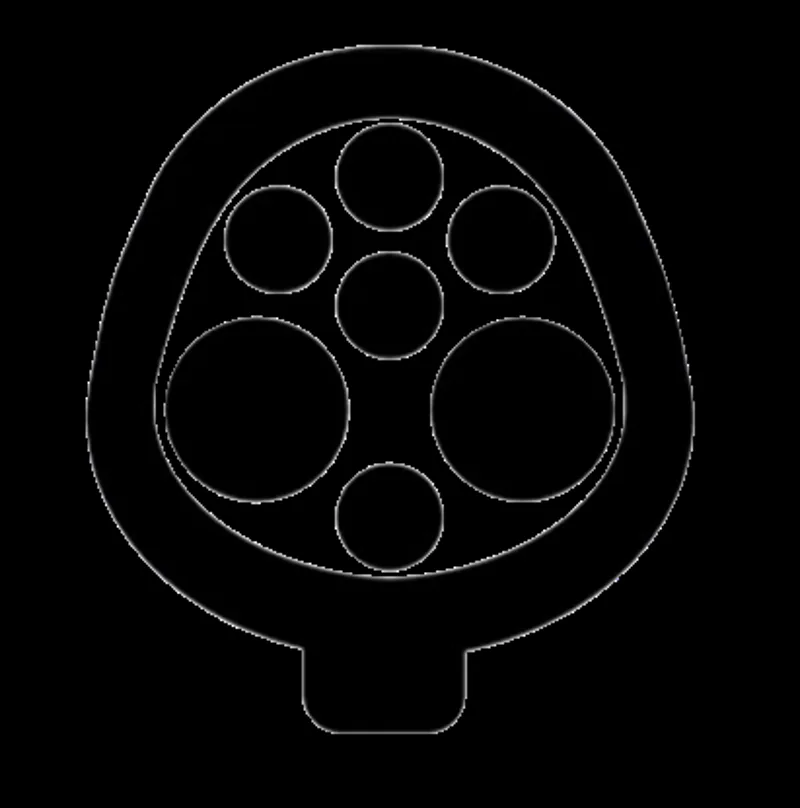
Type 6 Connector: India's DC Fast Charge Plug for Electric Two- and Three-Wheelers
Engines
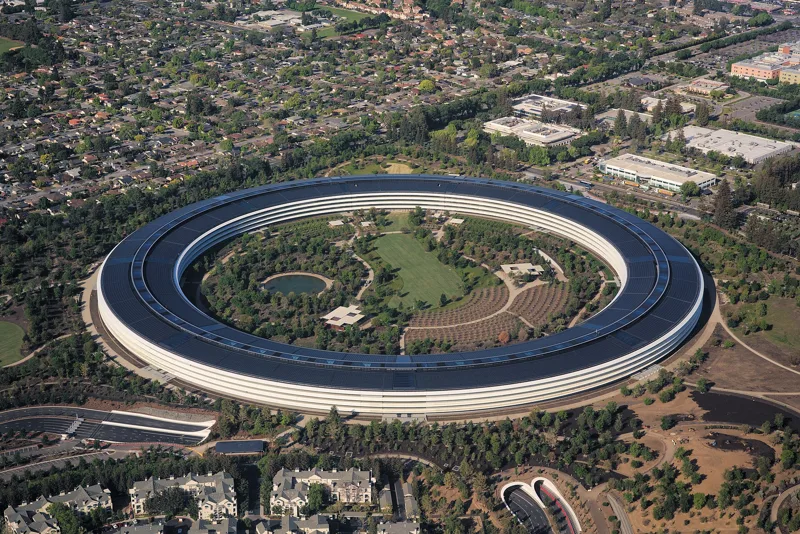
The Apple Car Project: How Titan Went From Ambitious Self-Driving Plans to Cancellation in 2024
Engines
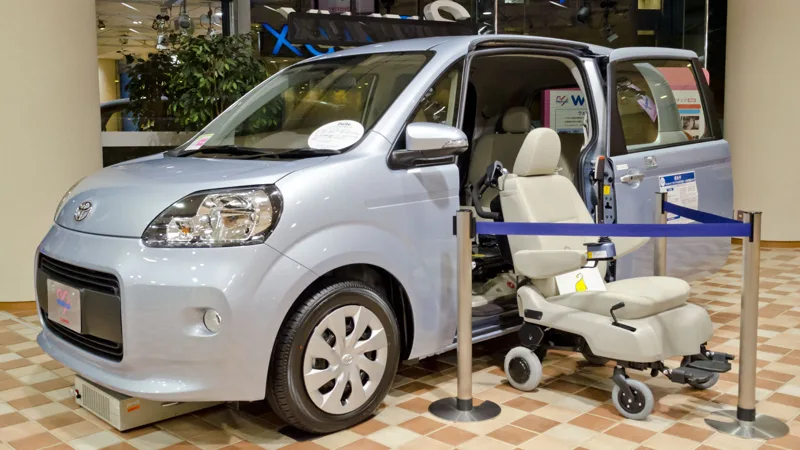
Wheelchair-Accessible Van: Side Entry, Rear Entry, Ramps and Lifts Explained
Engines
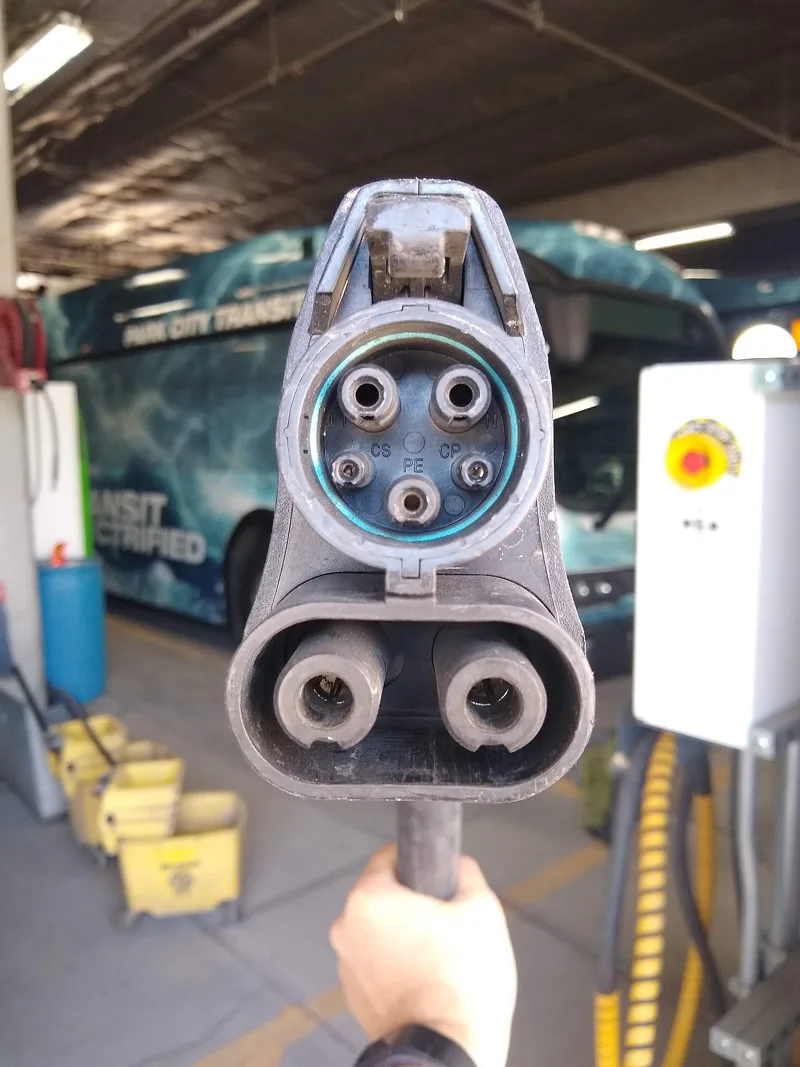
The Combined Charging System Explained: Combo Connectors, Power Limits and the Rivals
Engines
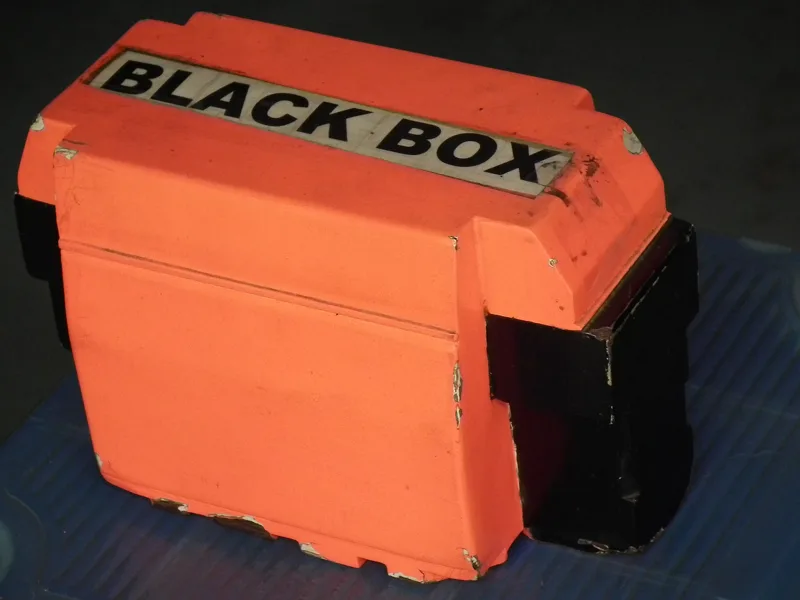
Event Data Recorders: The Car Black Box, Its Rules and Its Role in Court
Engines
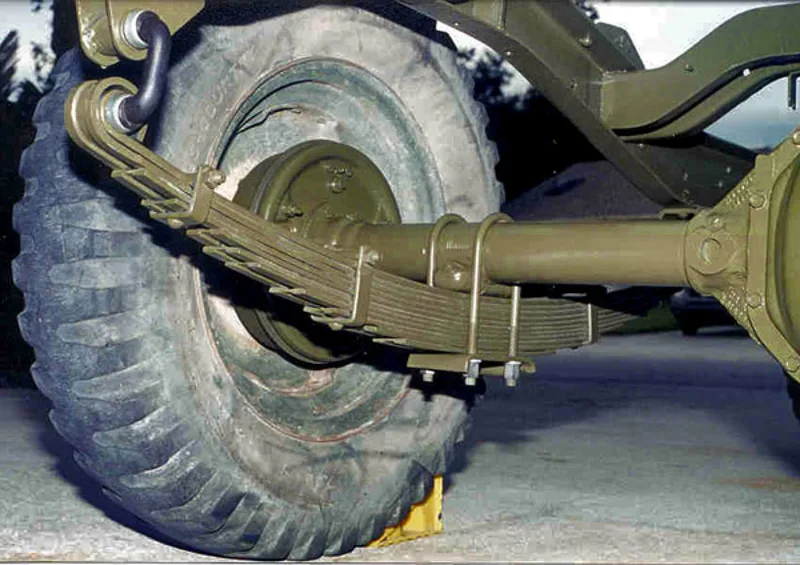
Leaf Springs: How One of the Oldest Suspension Designs Still Carries Trucks, Vans and Coaches
Engines
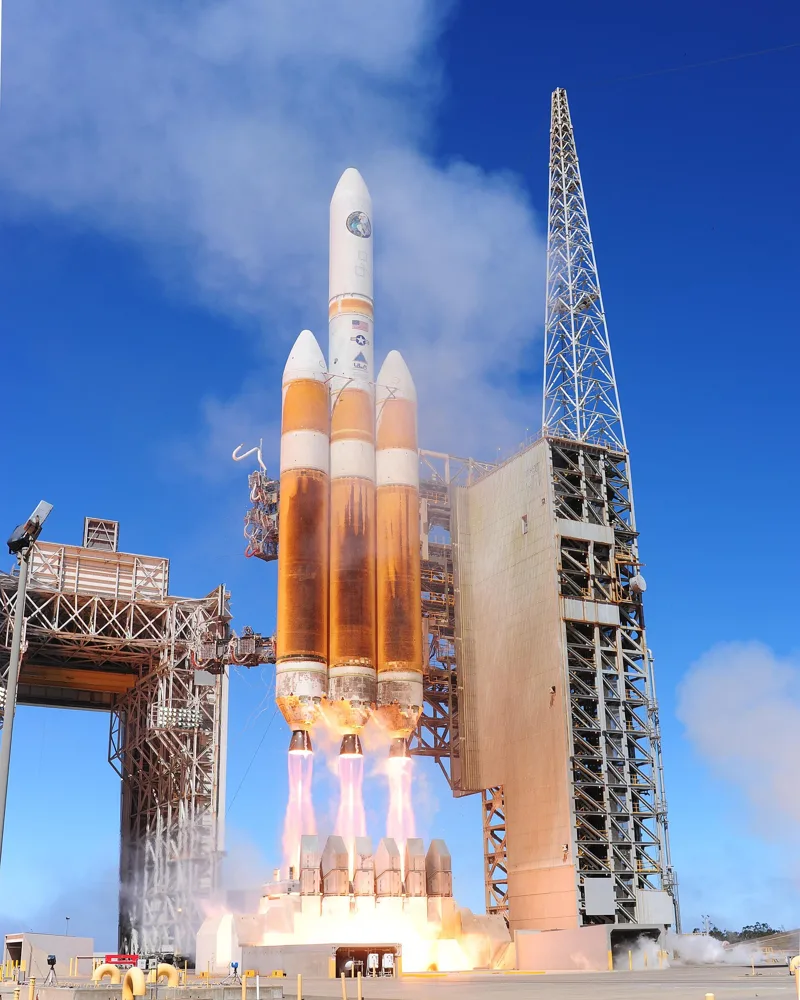
Hydrogen Vehicles: How They Work, Where They Stand and Why Critics Doubt Them
Engines
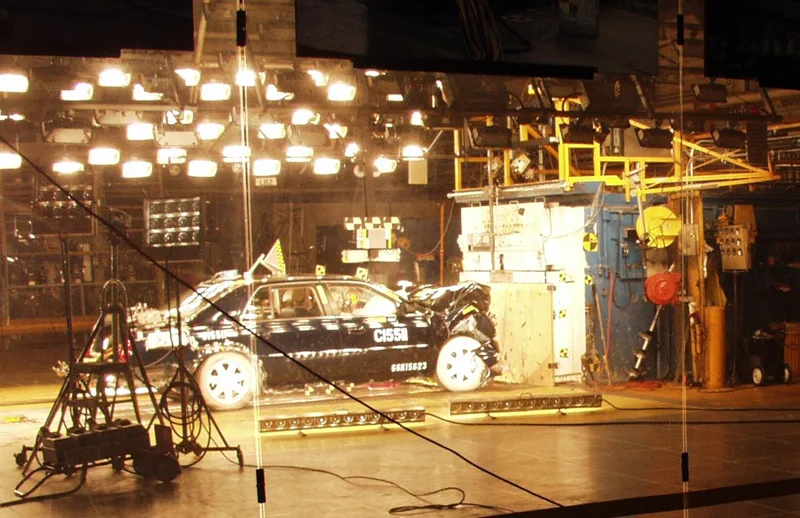
Vehicle Safety Technology: From Safety Glass to Automatic Emergency Braking
Engines
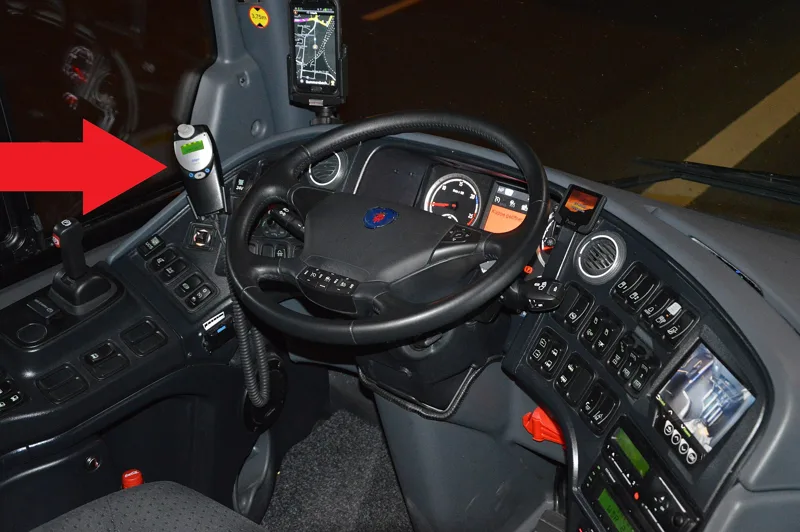
Ignition Interlock Devices: How Breath Tests Keep Cars From Starting
Engines
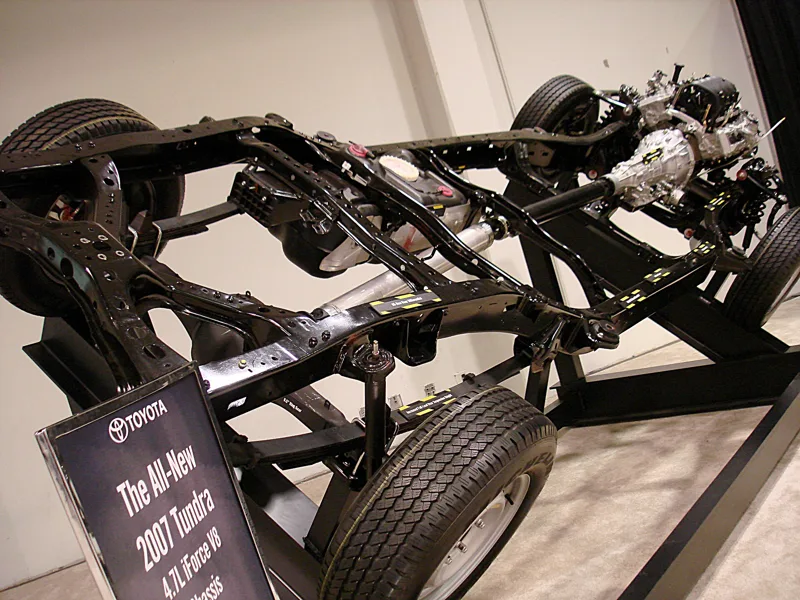
Vehicle Frames: From Ladder Chassis to Unibody Structures
Engines
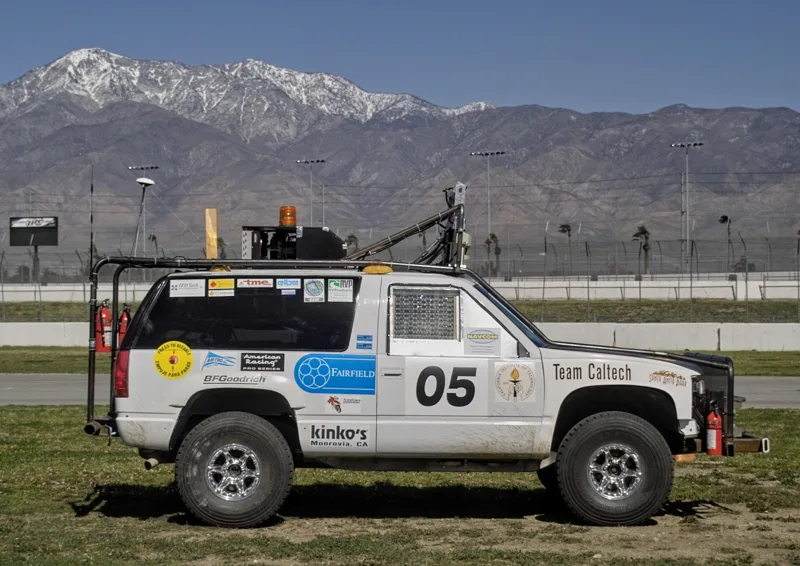
DARPA Grand Challenge: How a Desert Race Launched the Driverless Car
Engines
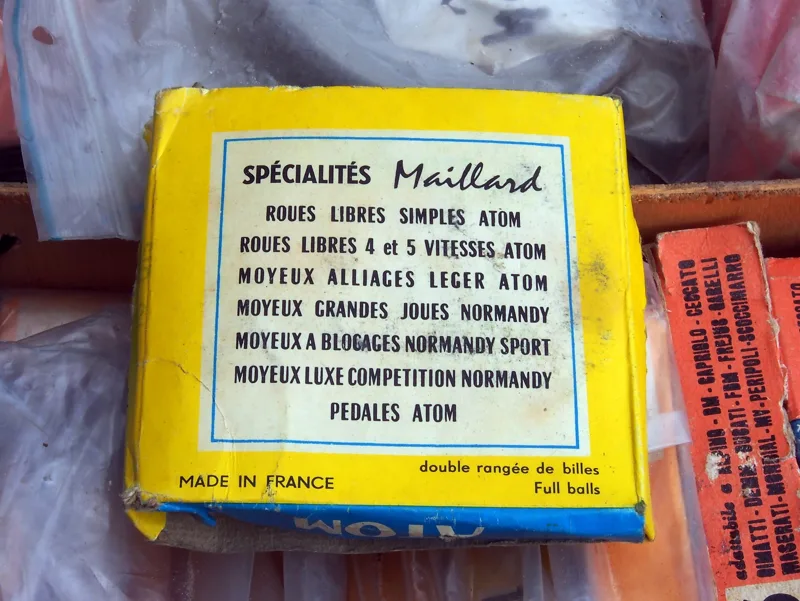
Freewheels and Overrunning Clutches: How Bicycles, Cars and Starters Let Parts Spin Free
Engines
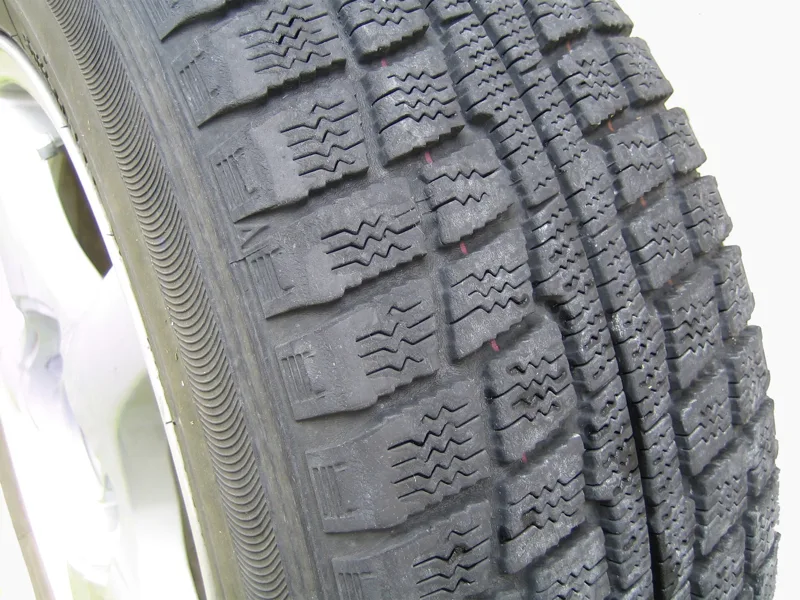
Snow Tyres Explained: How Winter Rubber Grips Snow, Ice and Packed Roads
Engines
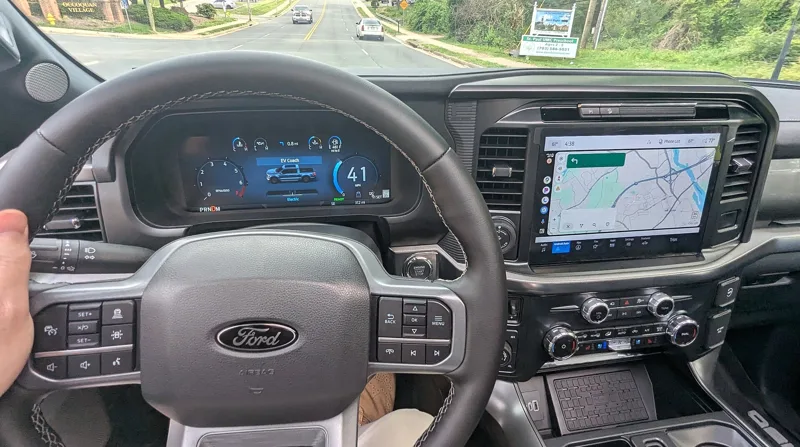
Ford SYNC: How a Voice-Controlled Car System Grew Into Android
Engines
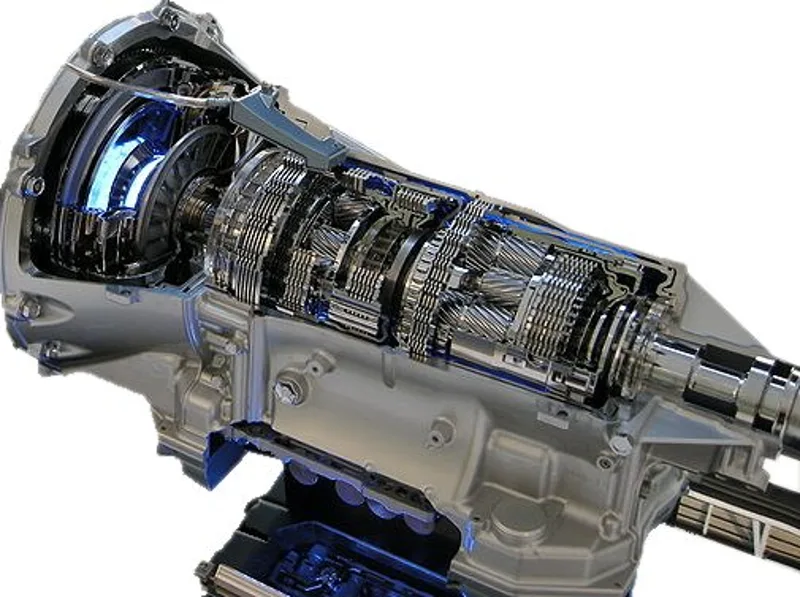
Automatic Transmissions: From the 1904 Sturtevant to the Ten-Speed
Engines
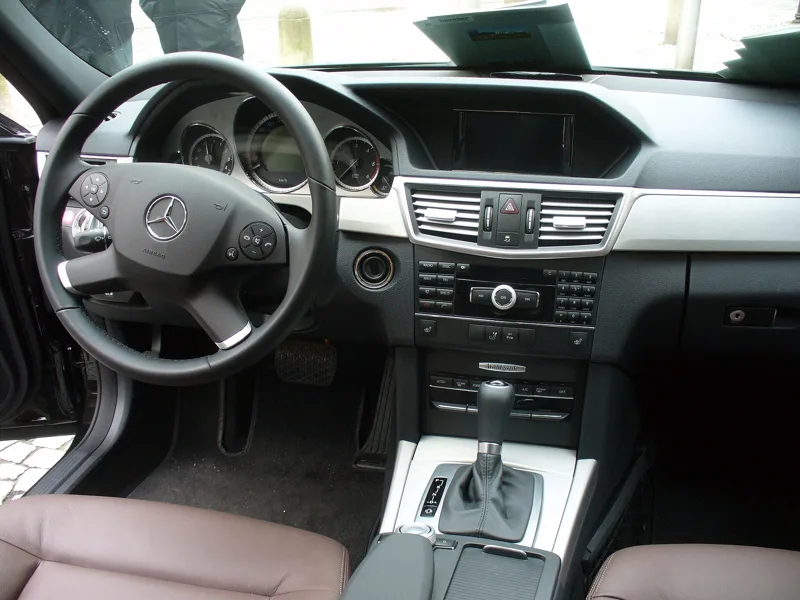
Mercedes-Benz COMAND: The Cockpit System From COMAND 2.5 to NTG5
Engines
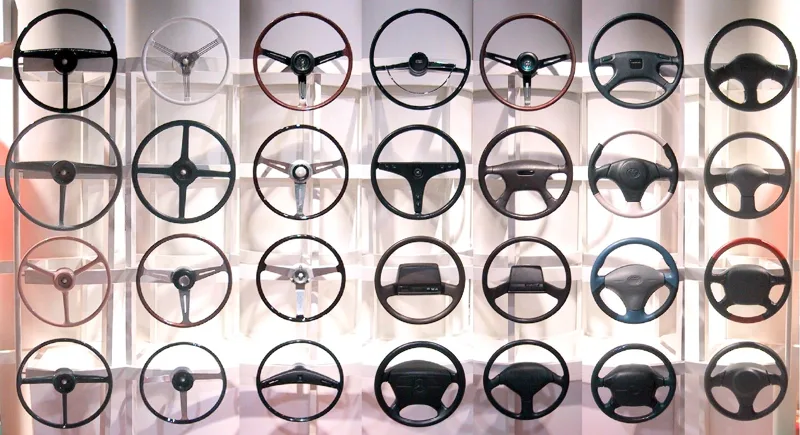
The Steering Wheel: From Tillers to Yokes and Squircles
Engines
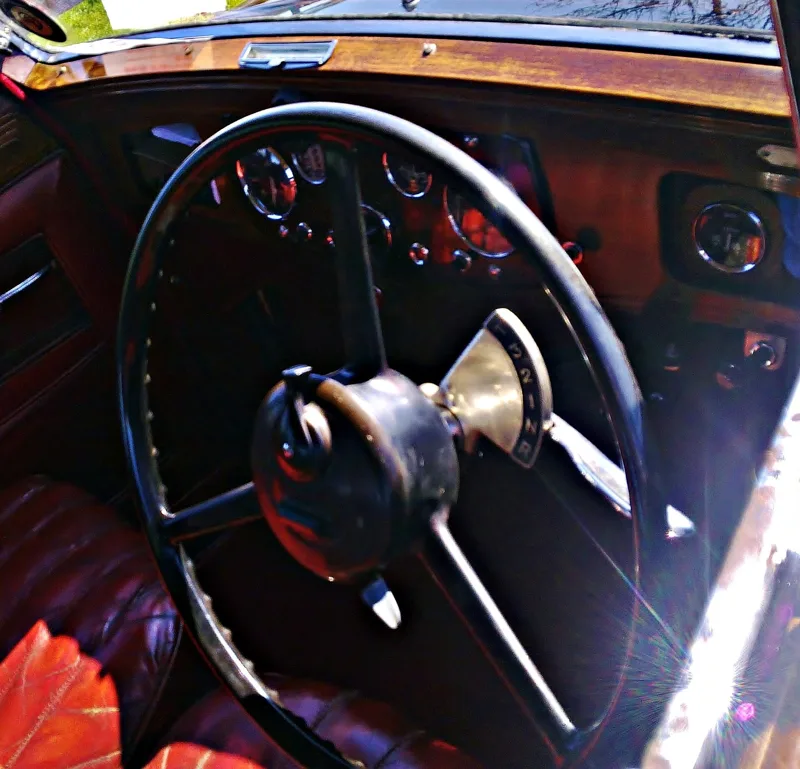
Preselector Gearboxes: How Pre-Selection Shaped 1930s Cars, British Buses and Wartime Tanks
Engines
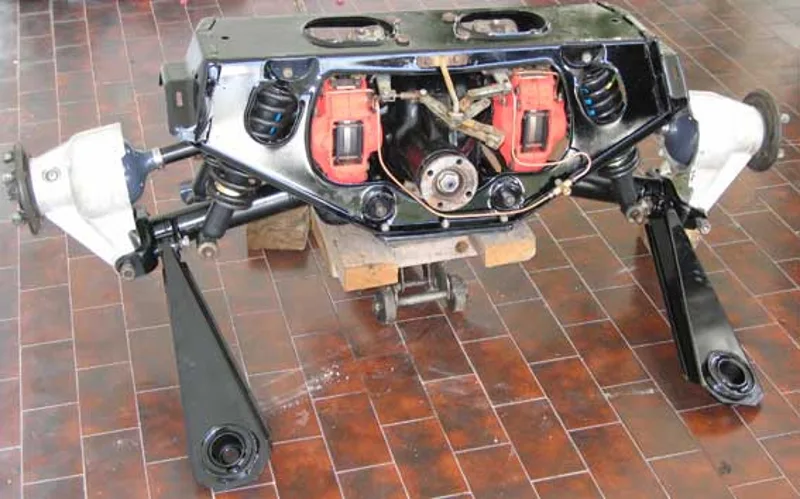
Jaguar Independent Rear Suspension: The Crossbeam Design Behind Jaguar's Smooth Ride
Engines
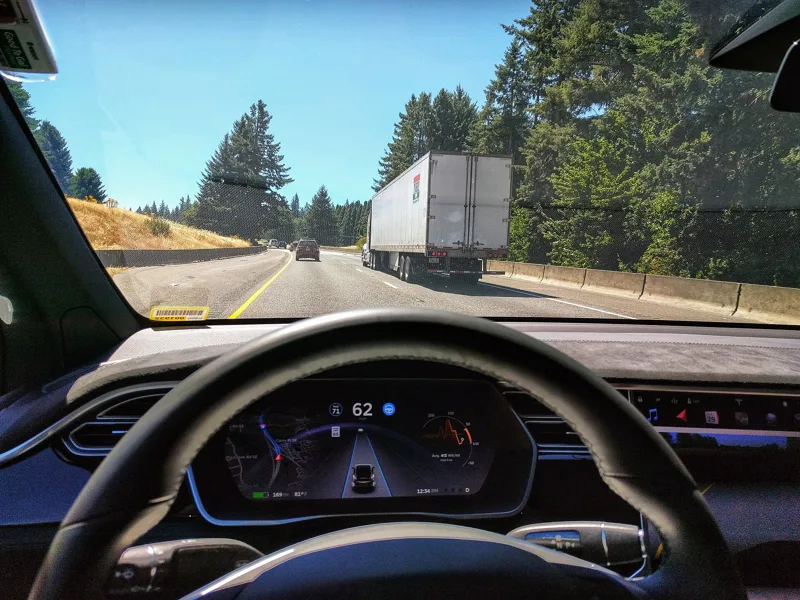
Tesla Autopilot Hardware: From Mobileye Cameras to Camera-Only Vision
Engines
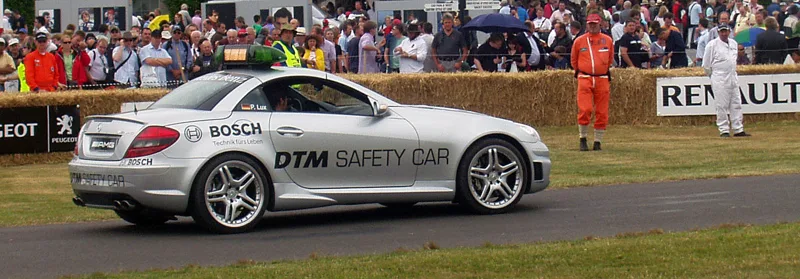
The Safety Car: How Racing's Slow Lead Car Works, From Indianapolis to the Virtual Version
Engines
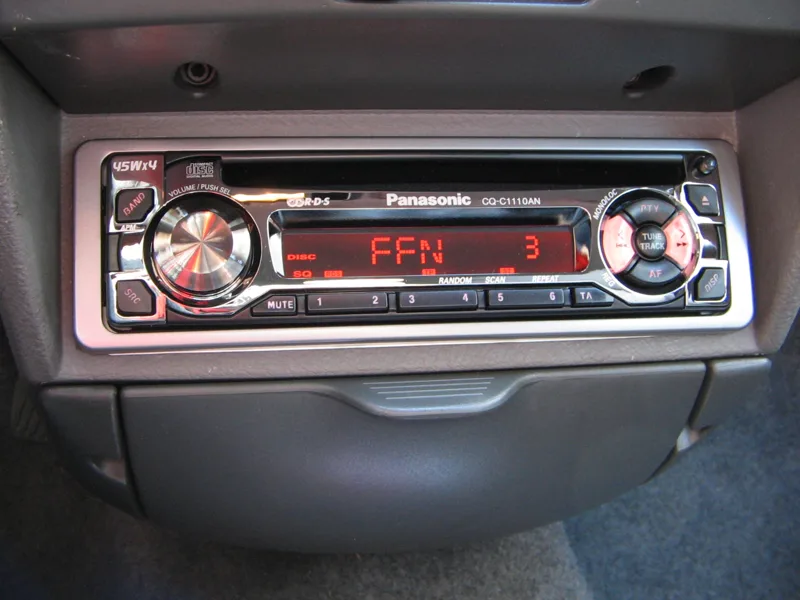
Vehicle Audio: From AM Radios to Noise Cancelling and Smartphone Screens
Engines
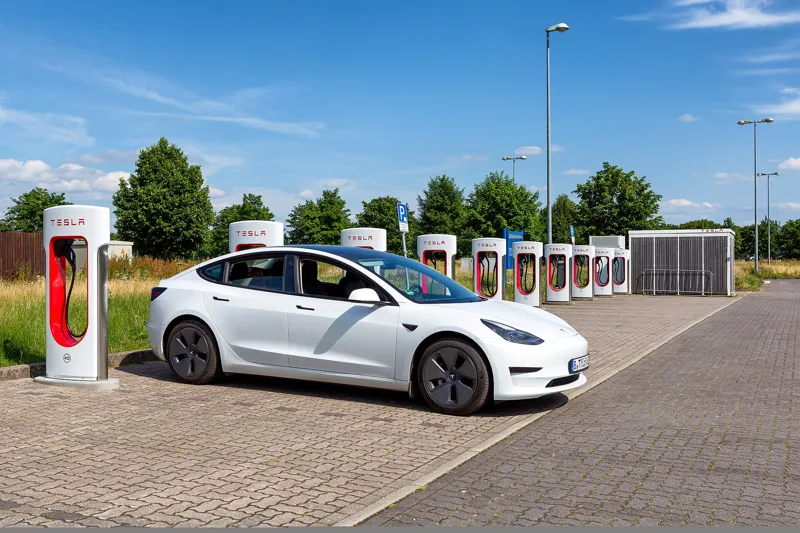
Tesla Superchargers Explained: From Six Stations in 2012 to a Global DC Fast-Charging Network
Engines
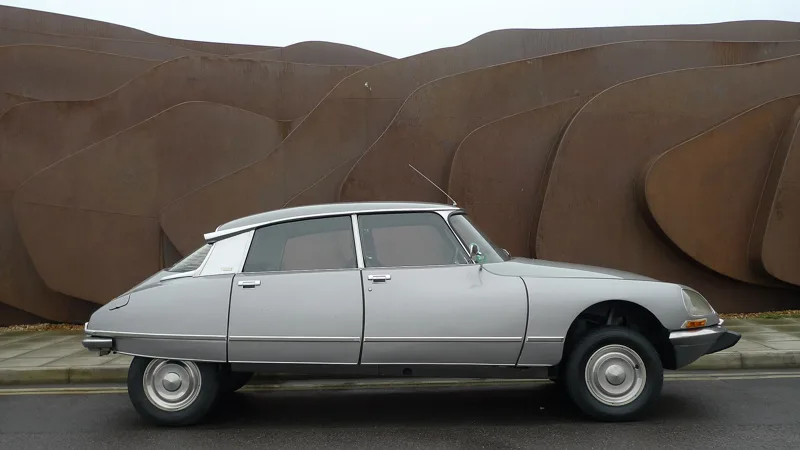
Hydropneumatic Suspension: The Oil-and-Gas System Behind Citroen's Smooth Ride
Engines
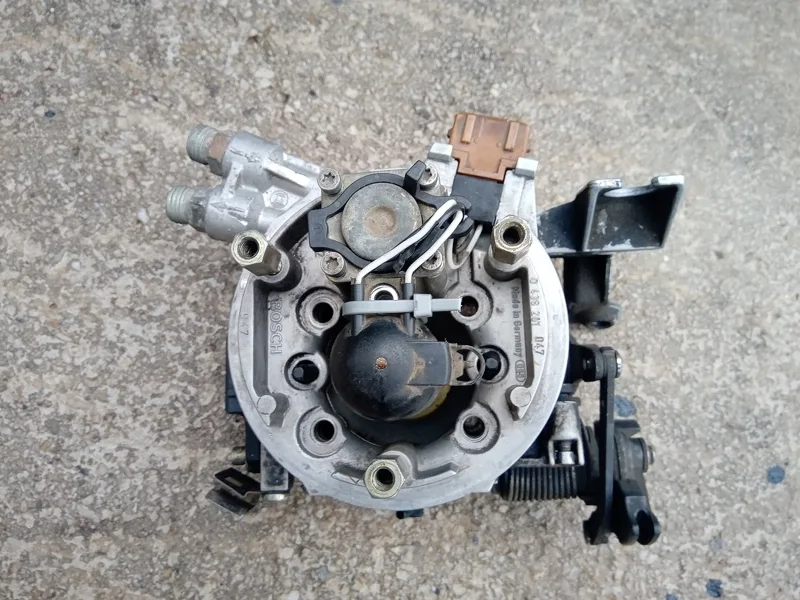
Motronic: How Bosch Put Fuel and Spark in One Engine Computer
Engines
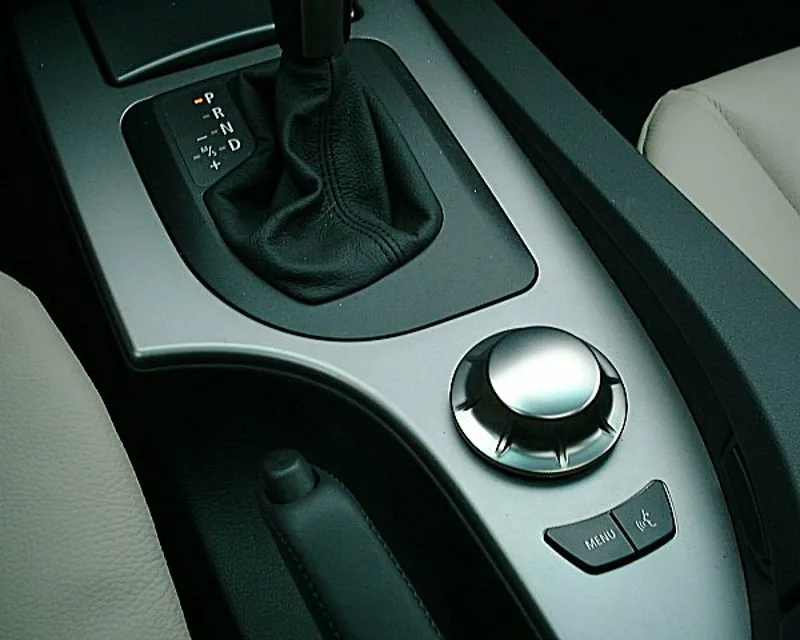
BMW iDrive: How the Car Controller Grew From 2001 to iDrive 9
Engines
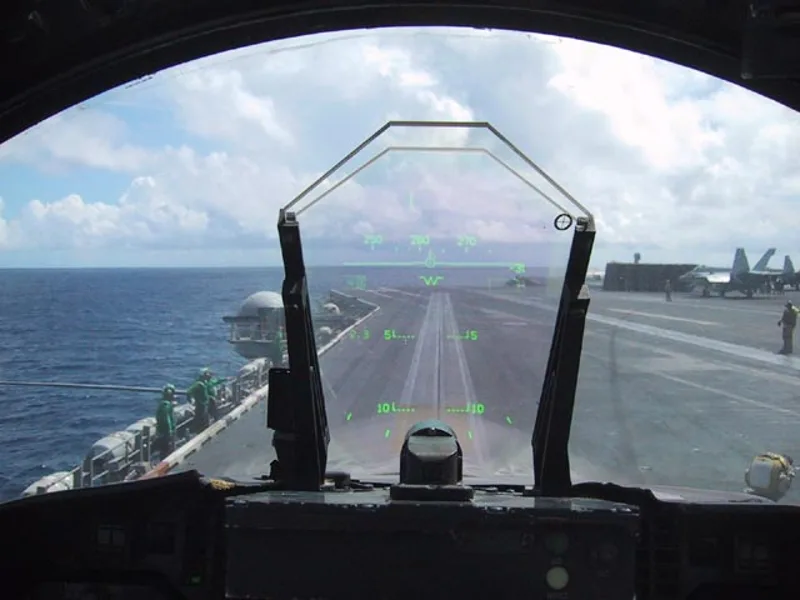
Head-Up Displays Explained: From Wartime Night Fighters to Car Windscreens and Tank Helmets
Engines
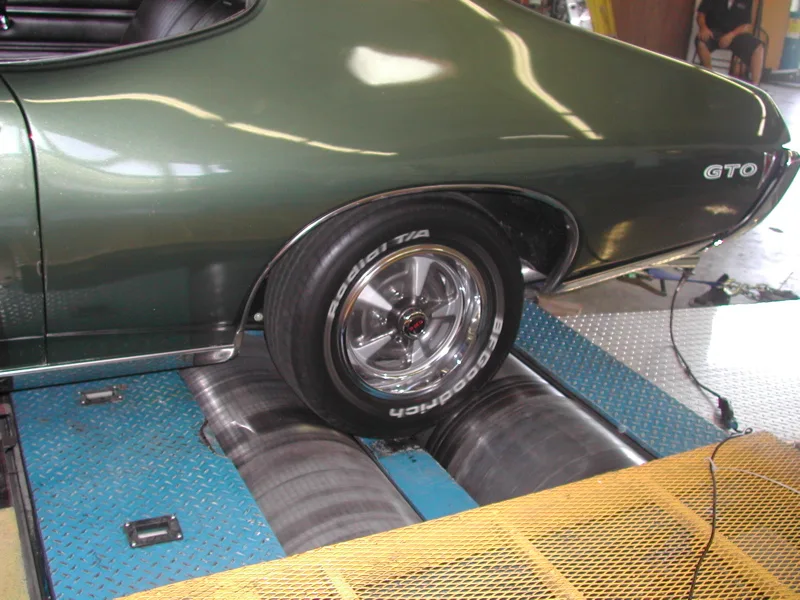
The Dynamometer: How Engines Are Measured, From Graham's 1719 Machine to Modern Dynos
Engines
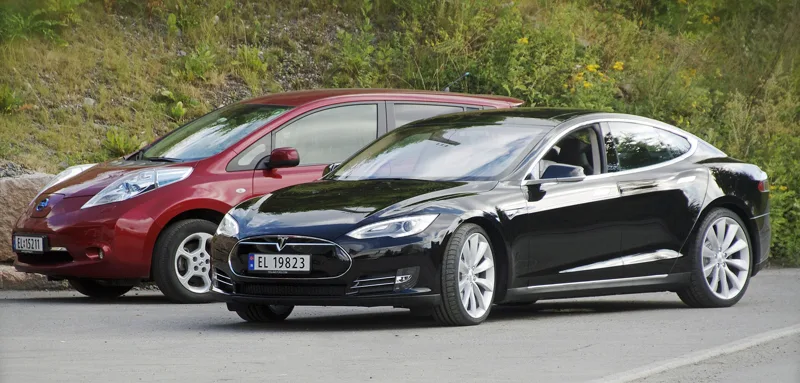
Battery Electric Vehicles: How BEVs Work, From Milk Floats to Tesla Model Y
Engines
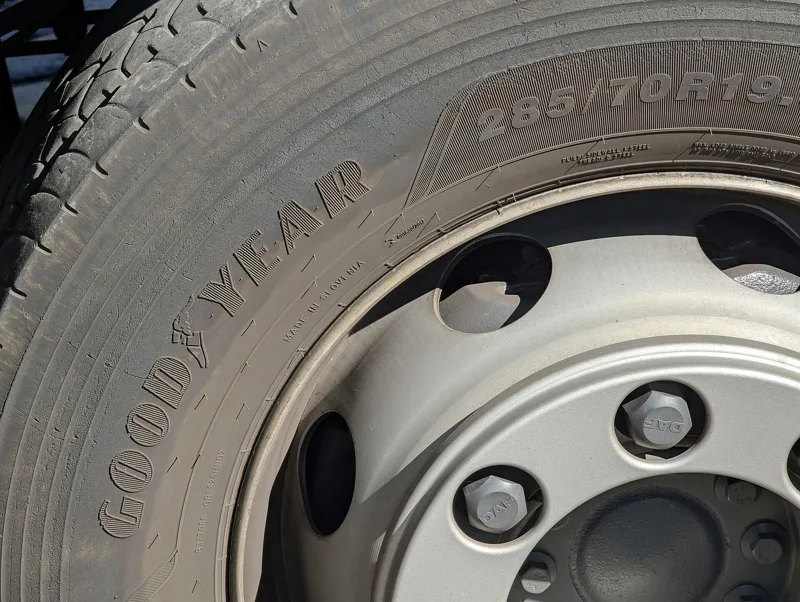
Tyres Explained: From Dunlop's 1888 Pneumatic Design to the Radial Tyre on Today's Cars
Engines
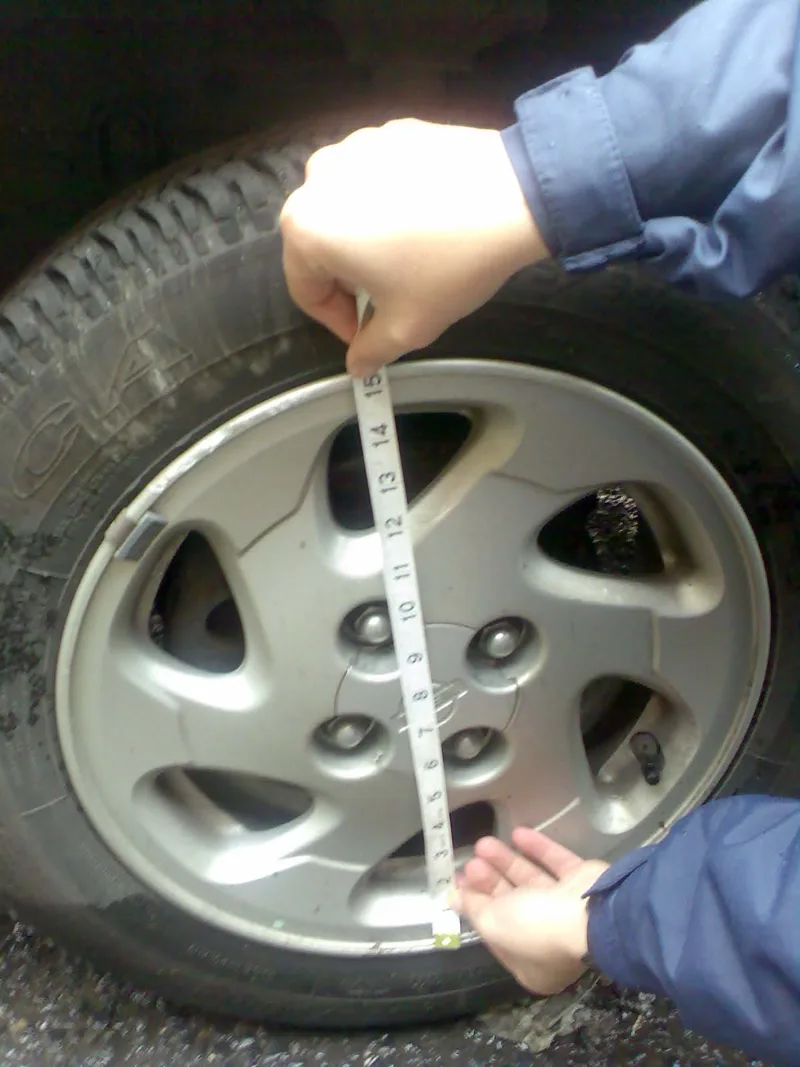
Wheel Sizing Explained: Diameter, Offset, Bolt Patterns and Tyre Codes
Engines
Start-Stop Systems: How Cars Switch Off at Traffic Lights and Restart in a Blink
Engines
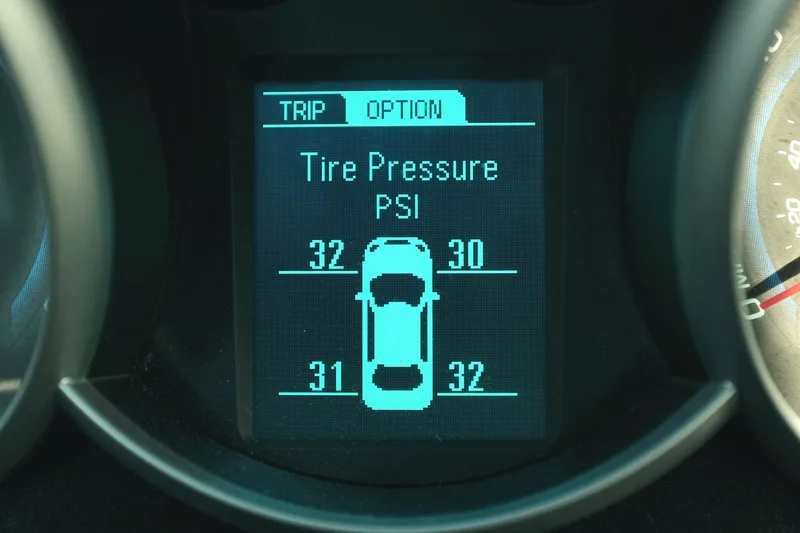
Tyre Pressure Monitoring Systems Explained: Direct and Indirect Sensors, Mandates and the Cost of Low Pressure
Engines
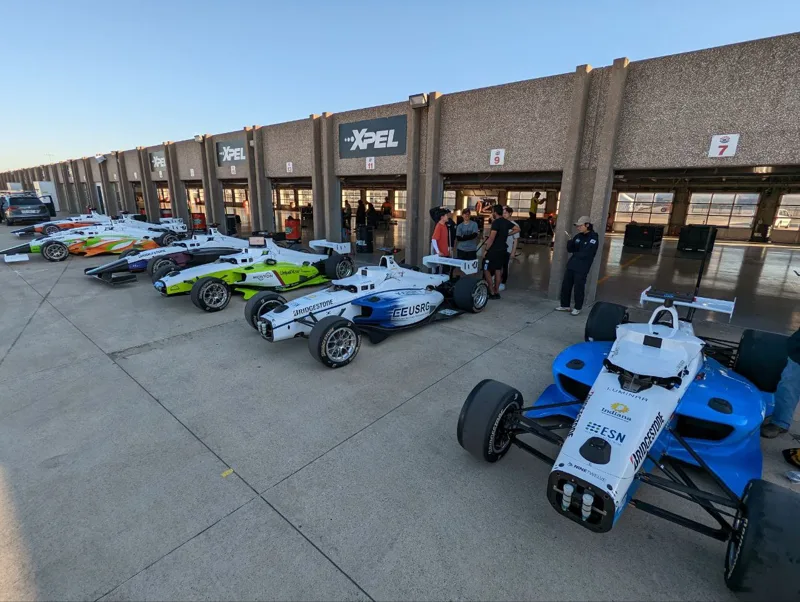
Indy Autonomous Challenge: The Racing Series for Driverless Cars

Engines
Seat Belts: From Glider Straps to the Three-Point Belt That Saved Millions
Engines
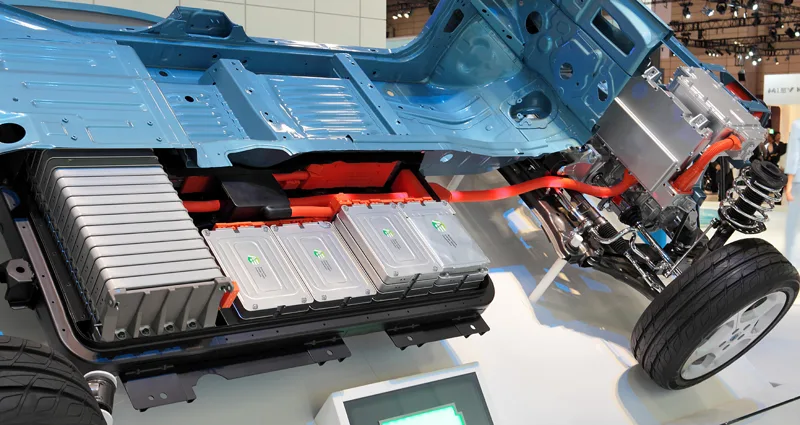
Electric Vehicle Batteries Explained: Chemistries, Costs, Charging and Recycling
Engines
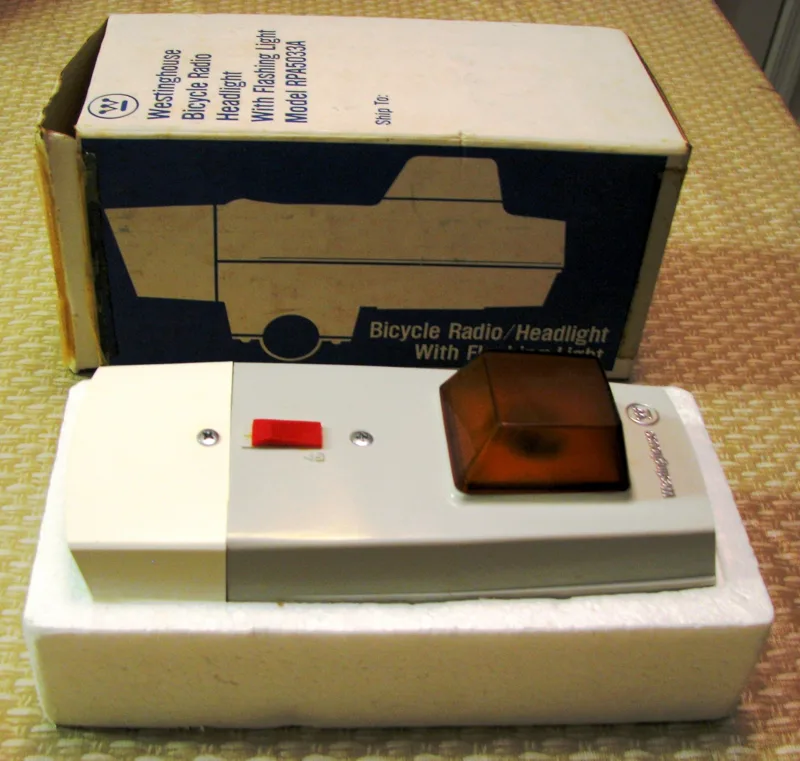
Headlight Flashing: The Driver Signal Caught Between Courtesy, Law and Myth
Engines
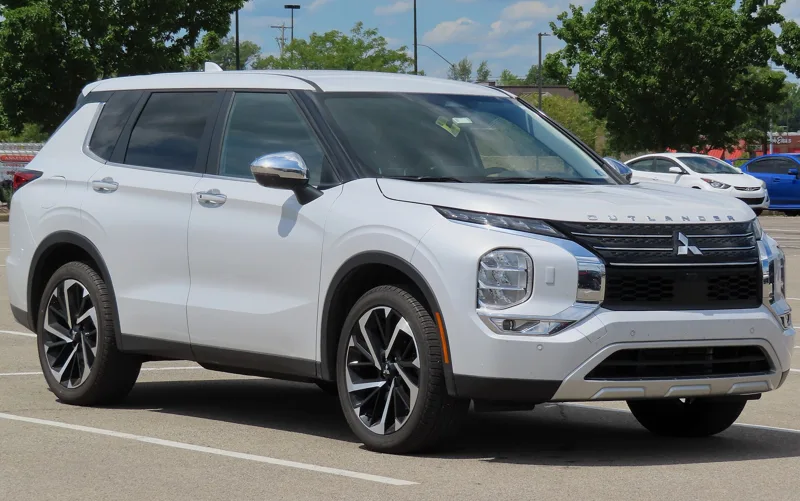
Mitsubishi S-AWC: Super All Wheel Control and the Yaw Rate Feedback Behind It
Engines
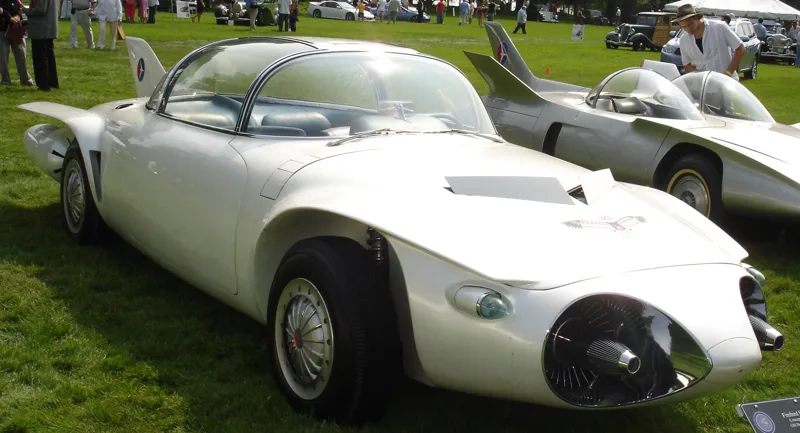
Self-Driving Car History: From 1925 Radio Control to Robotaxis
Engines
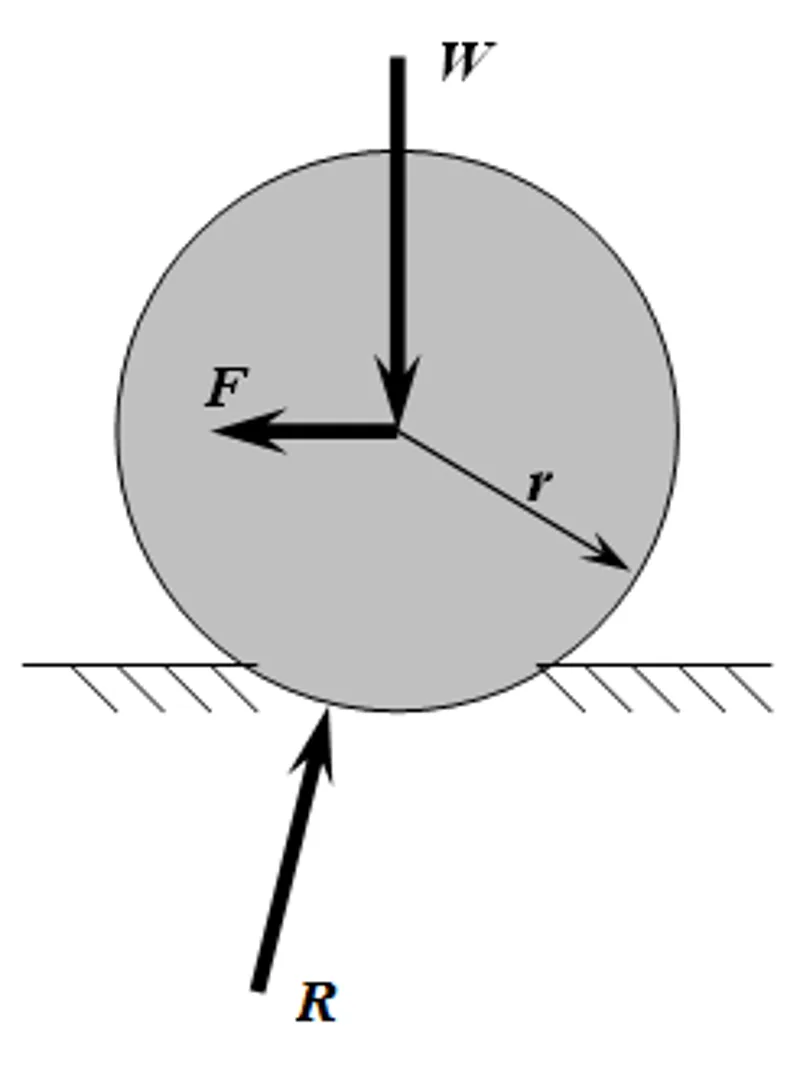
Rolling Resistance Explained: Why Tyres, Wheels and Trains Lose Energy as They Roll
Engines
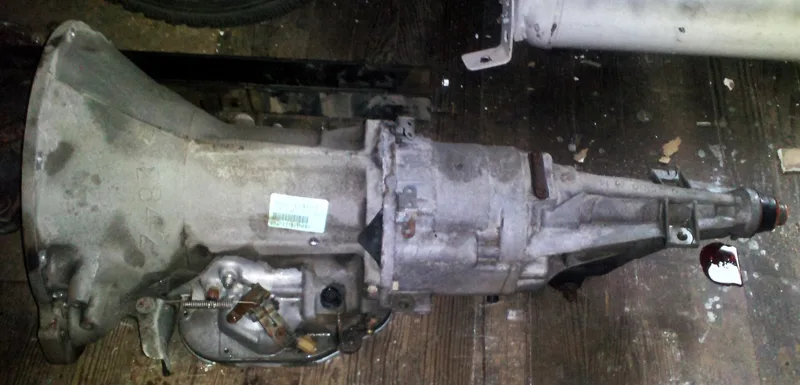
TorqueFlite: Chrysler's Automatic Transmission Family From 1956 to the Eight-Speed
Engines
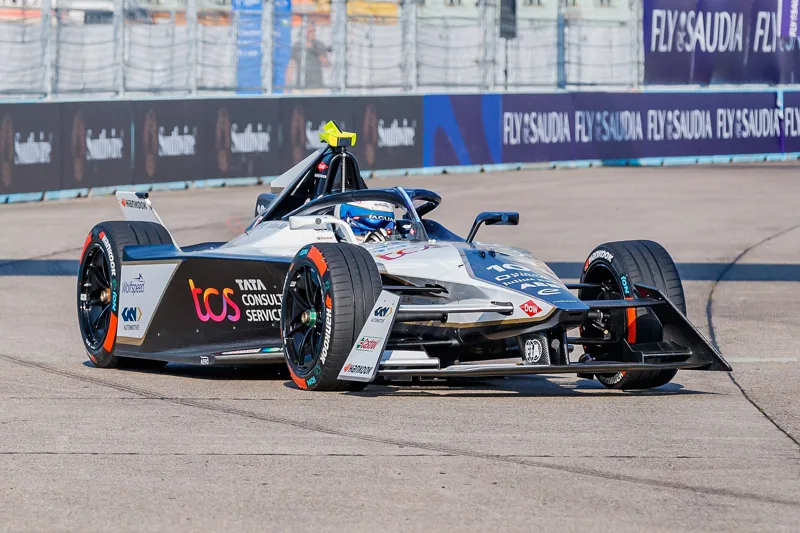
Electric Motorsport: From 1899 Speed Records to Pikes Peak, Formula E and Beyond
Engines
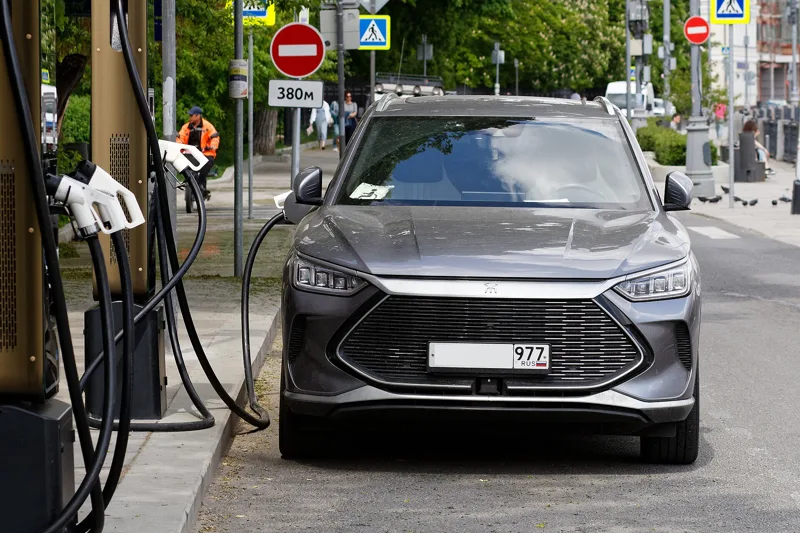
Plug-in Hybrids Explained: How PHEVs Work, Their History and Whether They Save Money
Engines
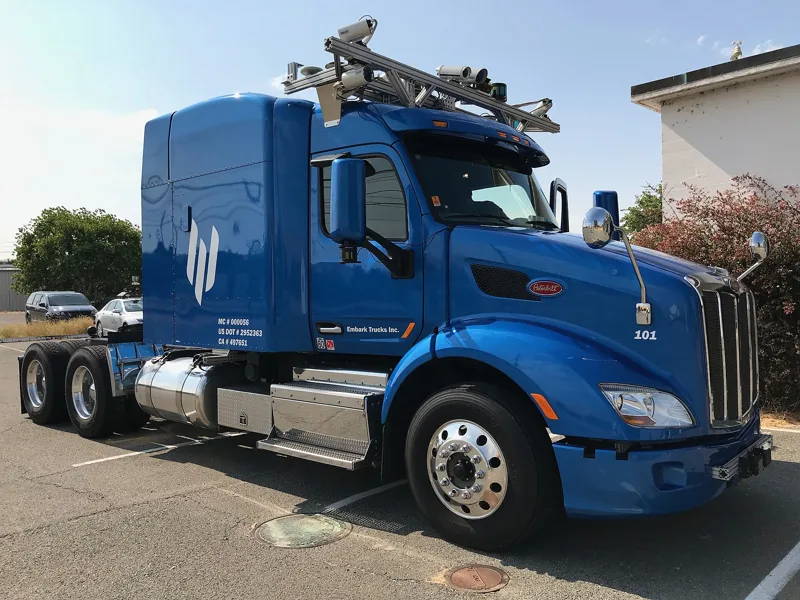
Self-Driving Trucks: How Robo-Trucks Work, Where They Run and What Comes Next
Engines
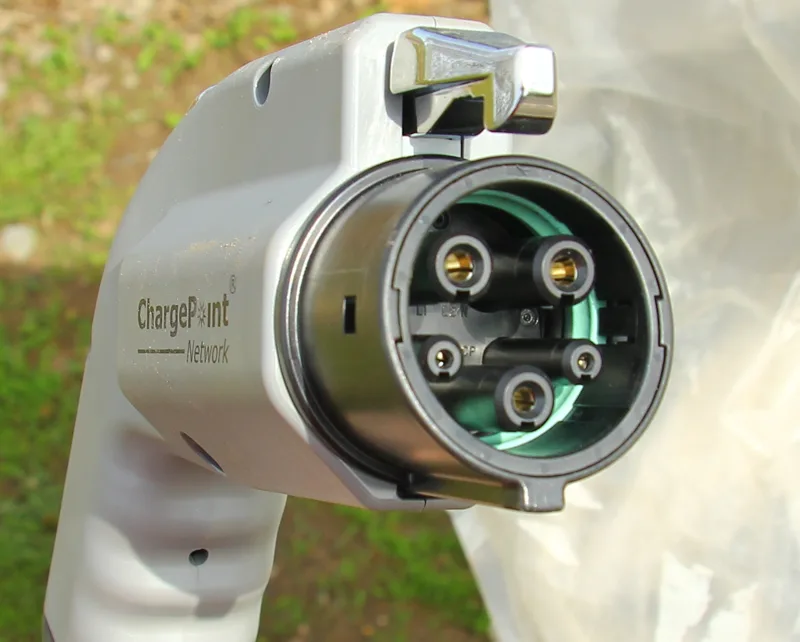
SAE J1772: The Connector Behind North American EV Charging
Engines
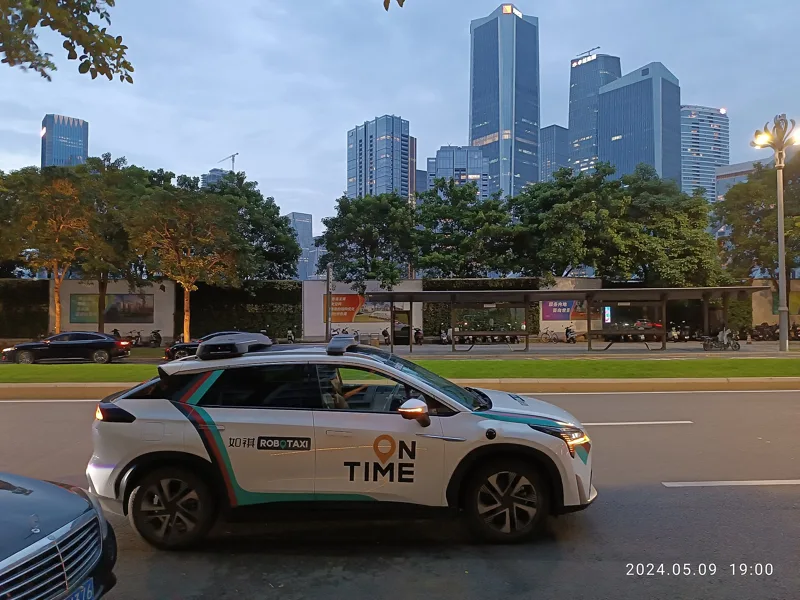
Robotaxis: How Driverless Taxi Services Work, Who Runs Them and What They Cost
Engines
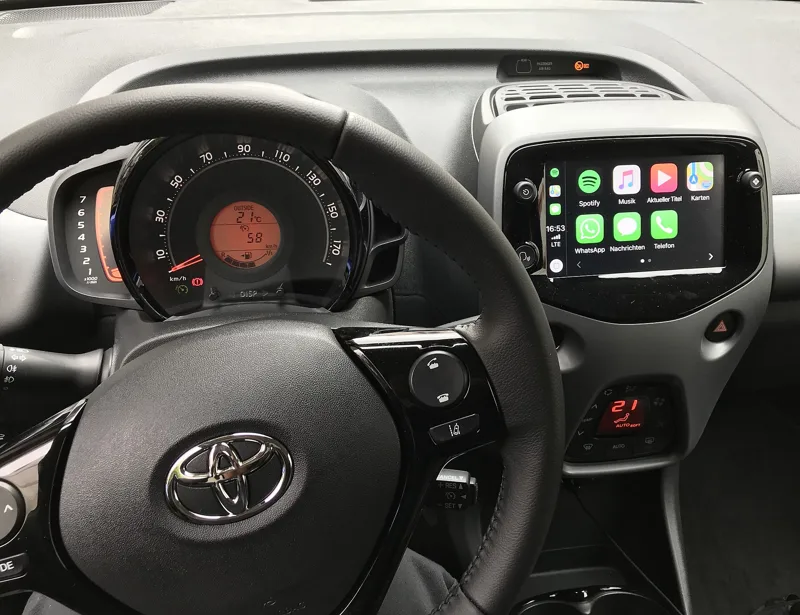
Apple CarPlay Explained: How the Dashboard Standard Works, Its History and CarPlay Ultra
Engines
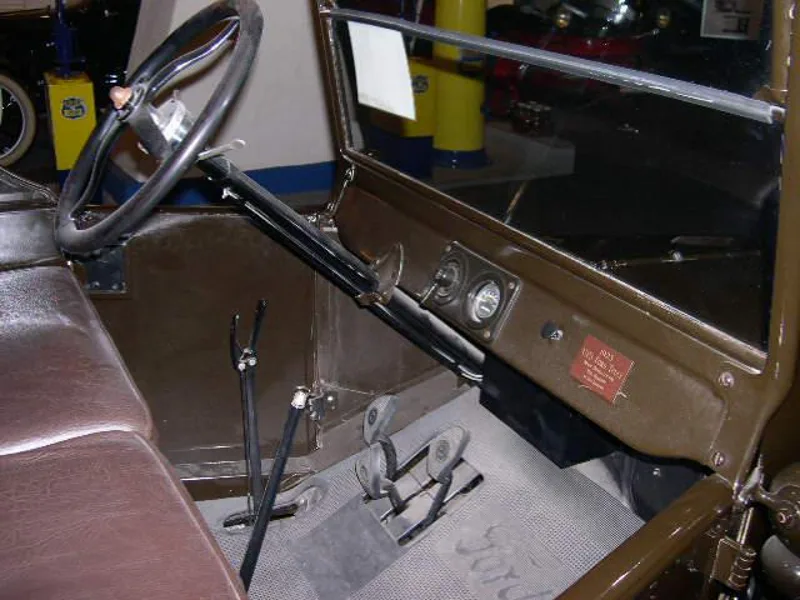
Car Controls: The Steering, Pedals, Gears and Switches Behind Every Drive
Engines
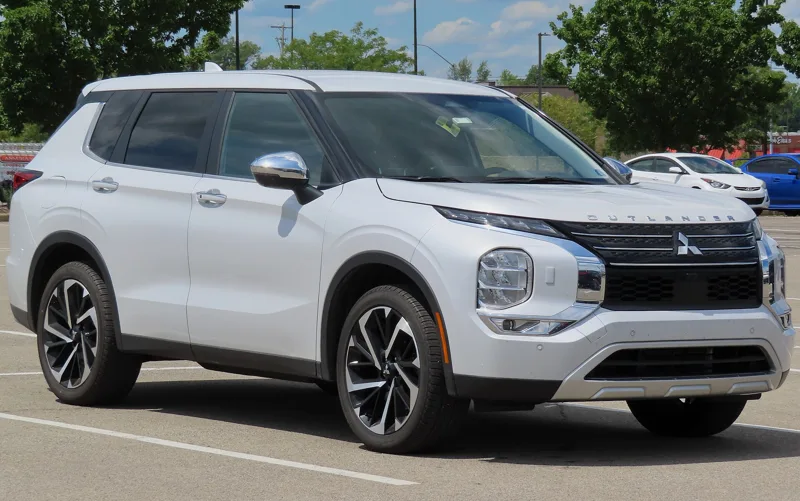
Mitsubishi AWC: How All Wheel Control Joined Drive, Brakes and Suspension
Engines
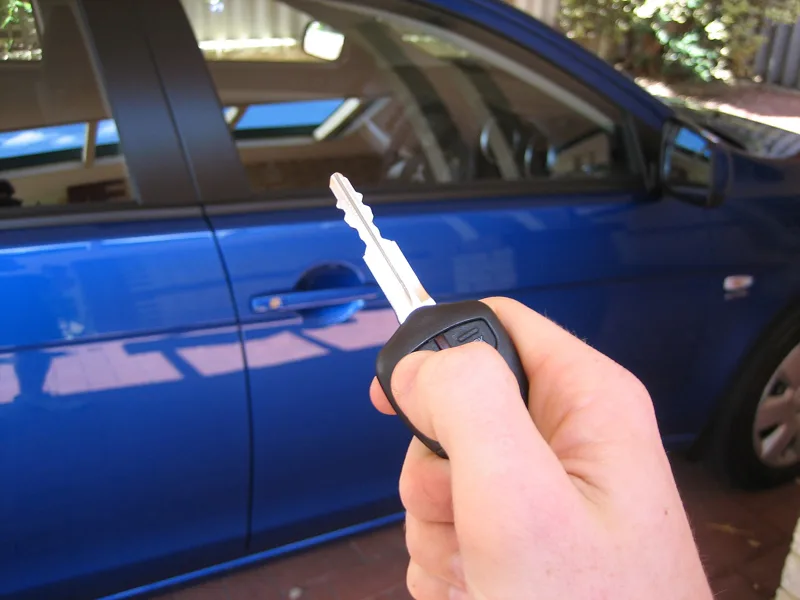
Remote Keyless Systems: How Key Fobs Work, From the 1981 Patent to Passive Entry
Engines
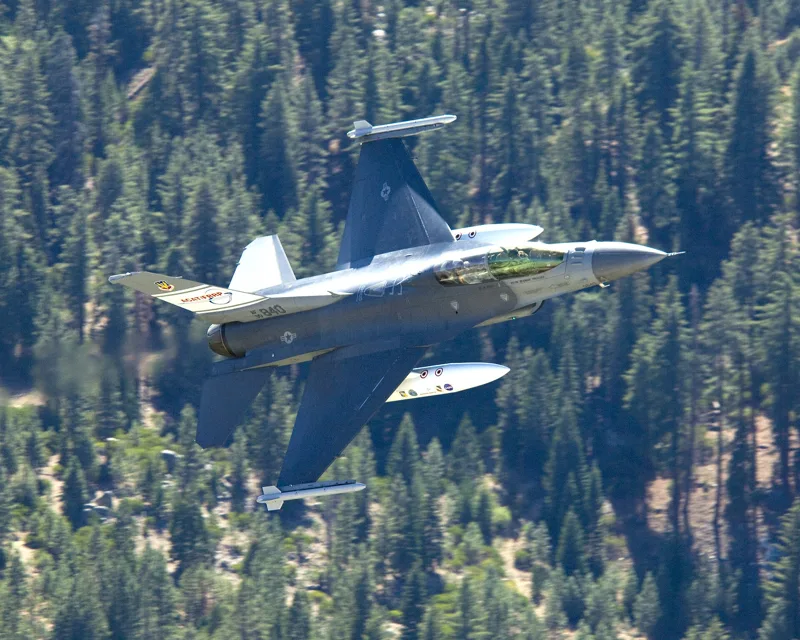
Collision Avoidance Systems: How Cars Warn, Brake and Steer to Prevent Crashes
Engines
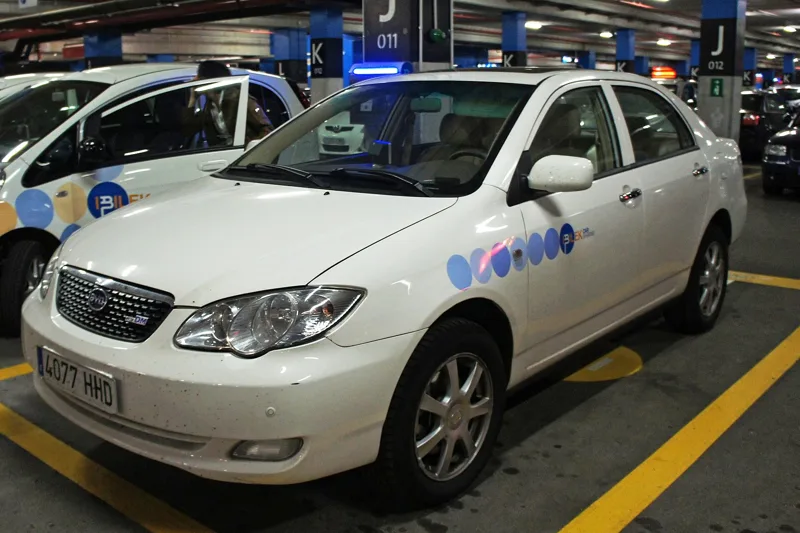
Plug-In Hybrid History: From Early Prototypes to 25 Million Cars on the Road
Engines
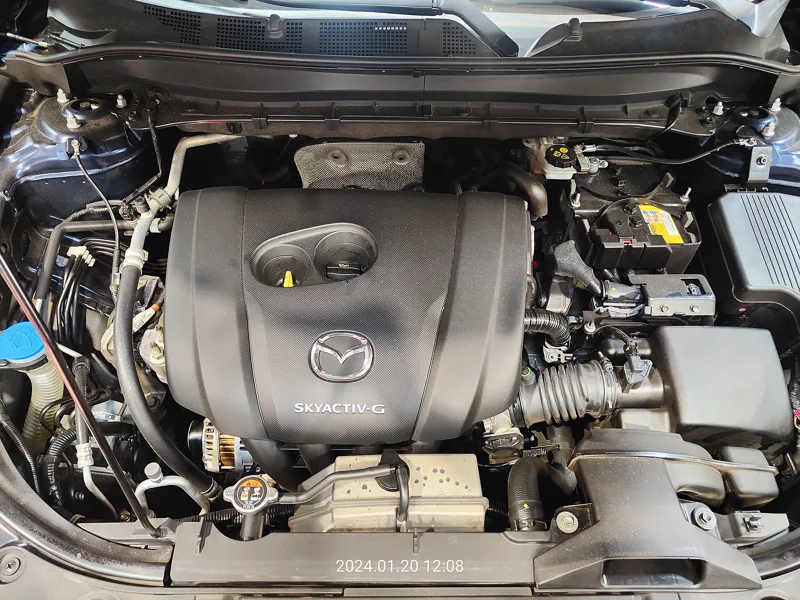
Skyactiv Explained: Mazda's Engine, Diesel and Transmission Family
Engines
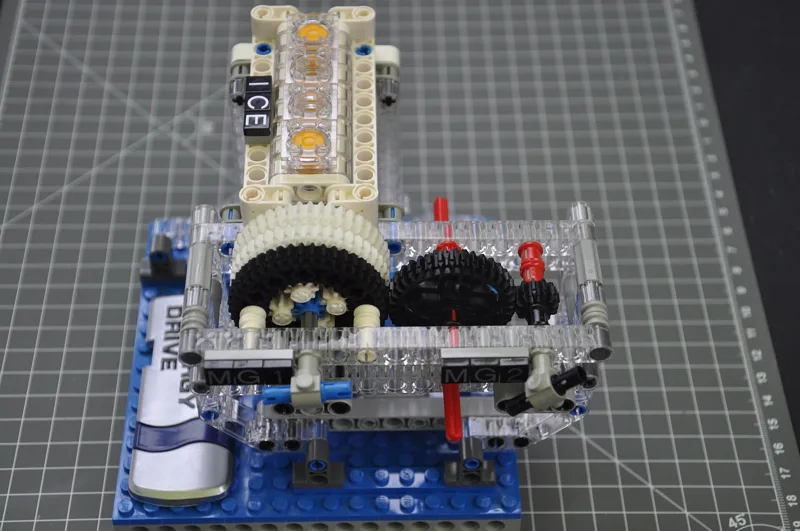
Hybrid Synergy Drive: How Toyota's Power-Split Hybrid Works
Engines
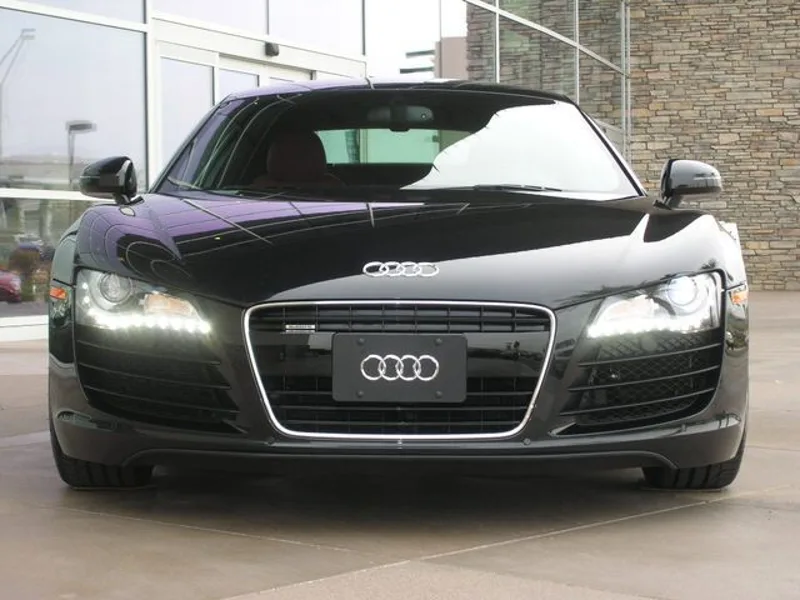
Daytime Running Lamps Explained: Why Cars Keep Their Lights On and What the Evidence Shows
Engines
Automotive Lighting: From Carbide Headlamps to LED Signals
Engines
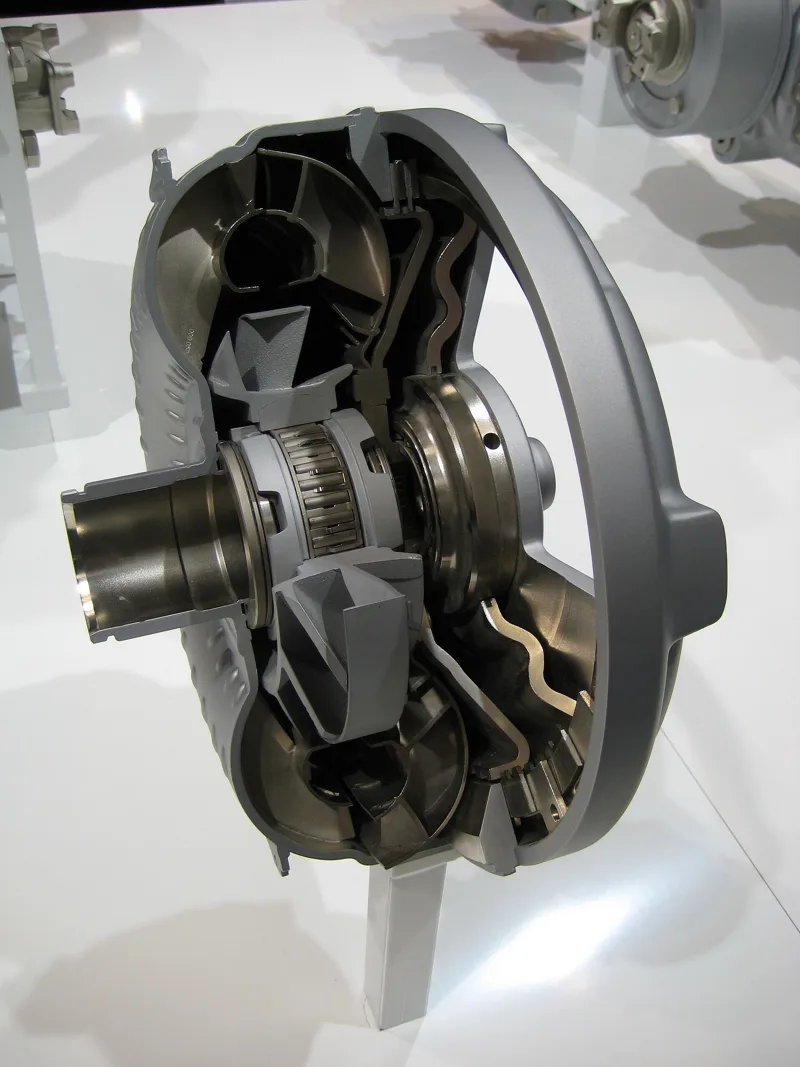
Torque Converters Explained: How Automatic Transmissions Multiply Torque Without a Clutch Pedal
Engines
Adaptive Cruise Control: How Radar, Lidar and Cameras Keep a Car Its Distance
Engines
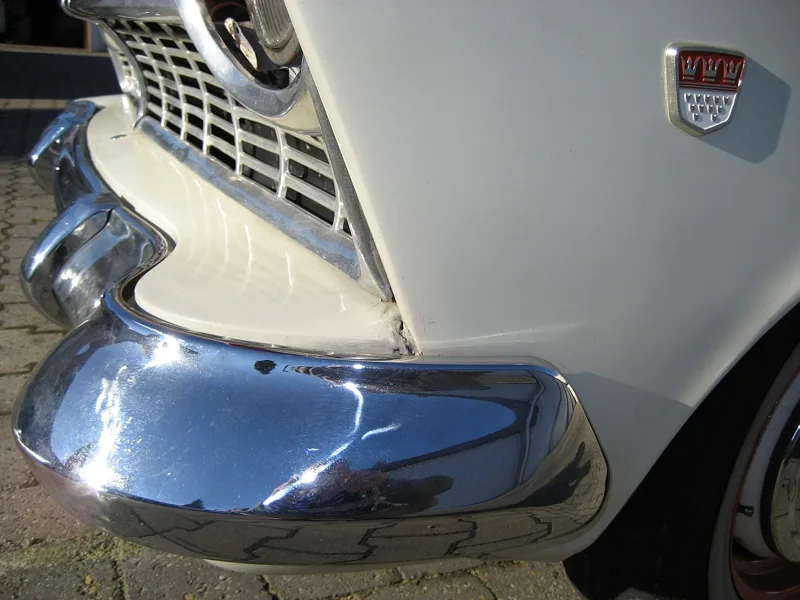
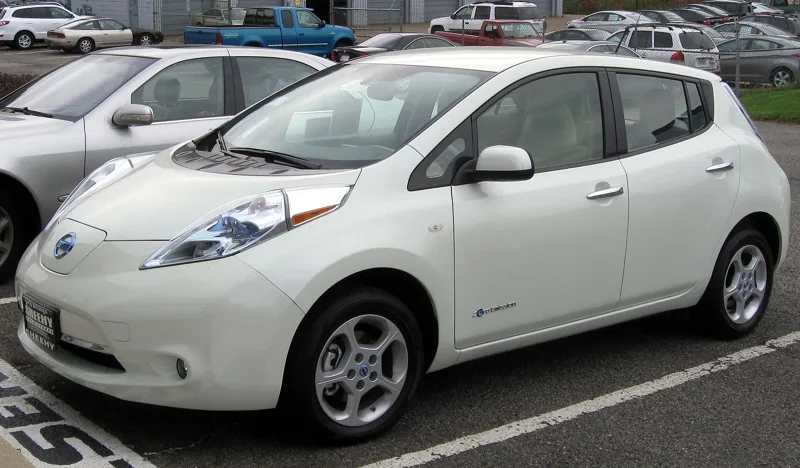
Car Bumpers: From Rigid Iron Bars to Pedestrian-Friendly Plastic
Engines
Electric Vehicle Warning Sounds: Why Quiet Cars Gained Pedestrian Alerts
Engines
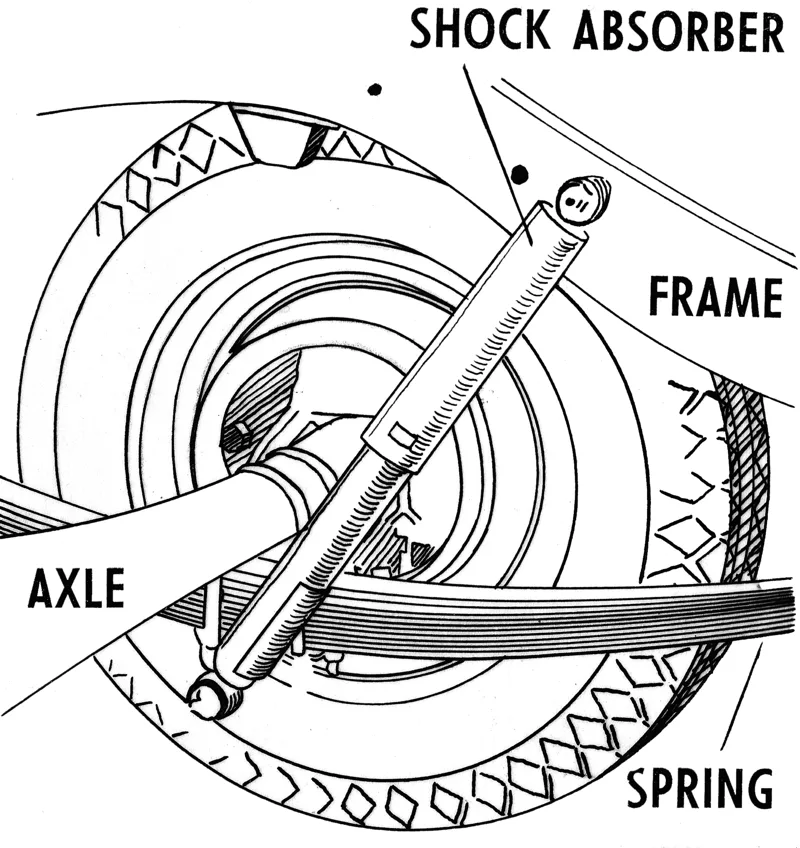
Car Suspension: How Springs, Dampers and Linkages Balance Grip and Comfort
Engines
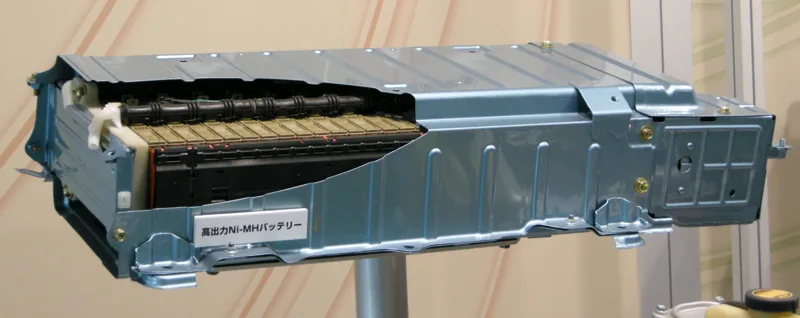
Patent Encumbrance of Large Automotive NiMH Batteries: The Dispute Over Nickel Metal Hydride EV Packs
Engines
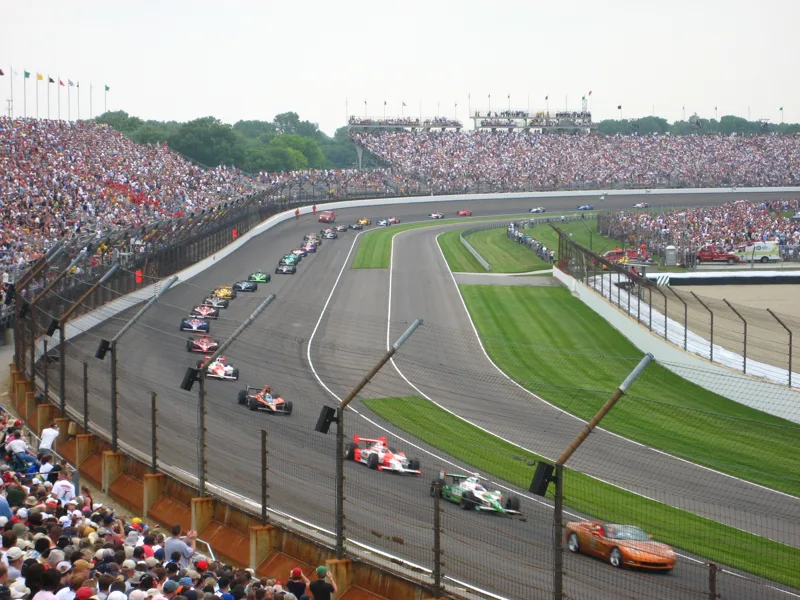
Indianapolis 500 Pace Cars: How the Race's Lead Car Shaped the Start and the Show
Engines
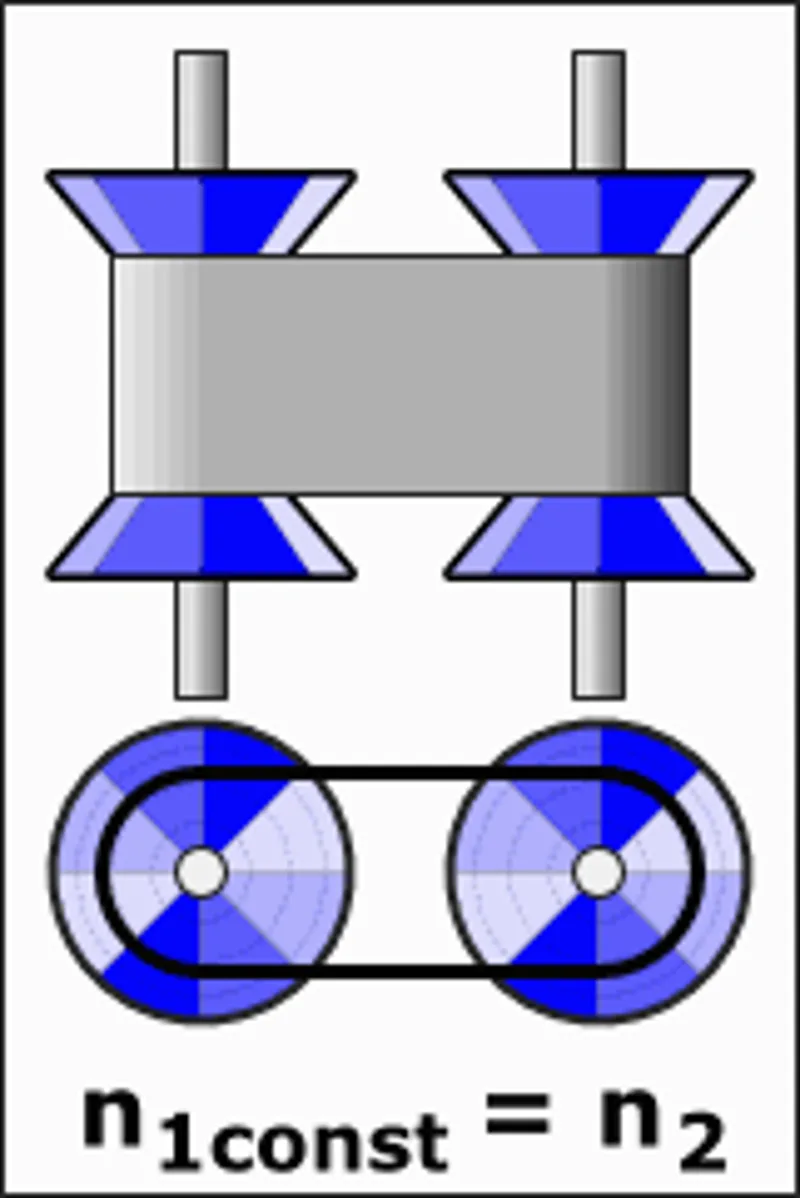
Continuously Variable Transmissions Explained: Belts, Cones, Toroids and the Endless Ratio
Engines
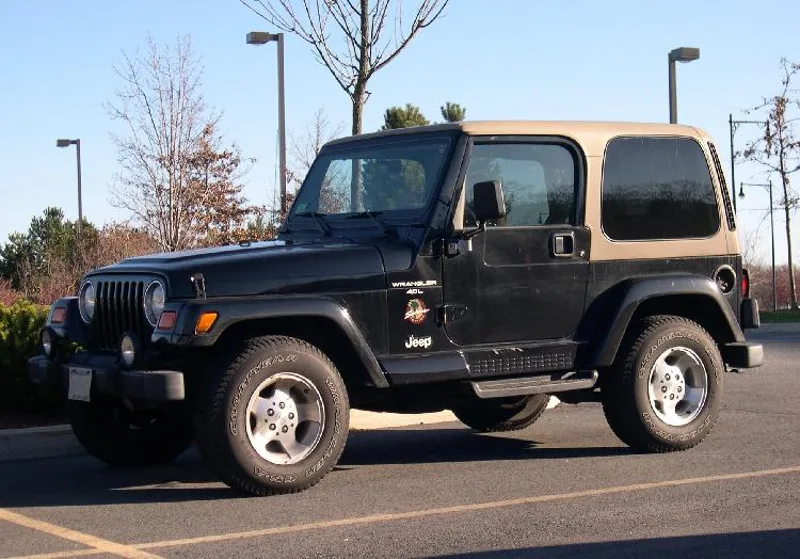
Four-Wheel Drive Explained: From 1893 Steam Engines to Modern AWD
Engines
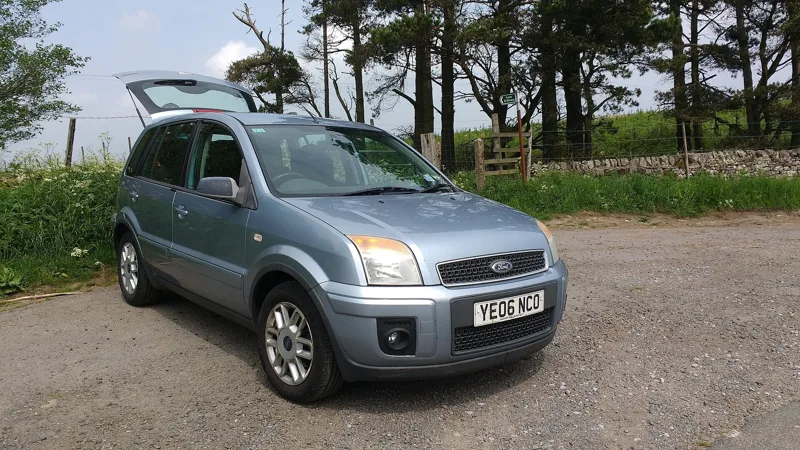
Semi-Automatic Transmissions: From 1930s Self-Shifters to Paddle-Shift Formula One
Engines
Conservation and Restoration of Road Vehicles: Restoration, Restomods and Preservation Explained

Engines
Steering Systems: From Rack and Pinion to Steer-by-Wire and Rear-Wheel Turn
Engines
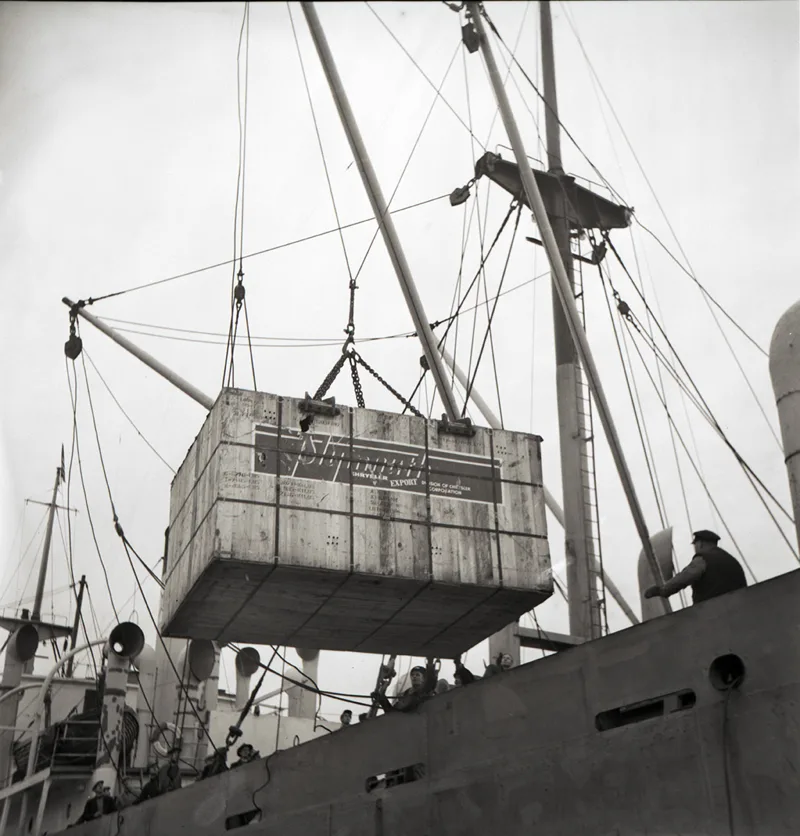
Knock-Down Kits: How Cars, Buses, Trains and Furniture Were Shipped in Parts and Built Abroad
Engines
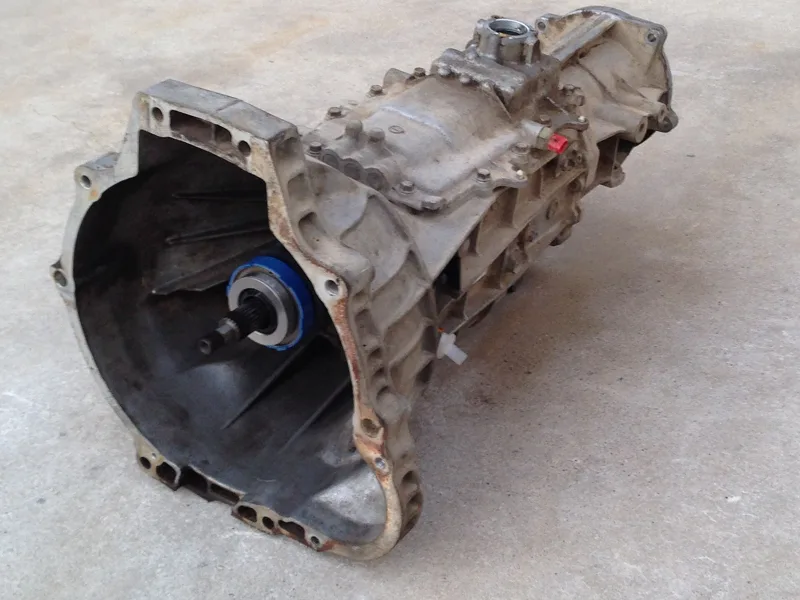
Manual Transmission: How the Stick Shift Works, From Crash Boxes to Seven Speeds
Engines
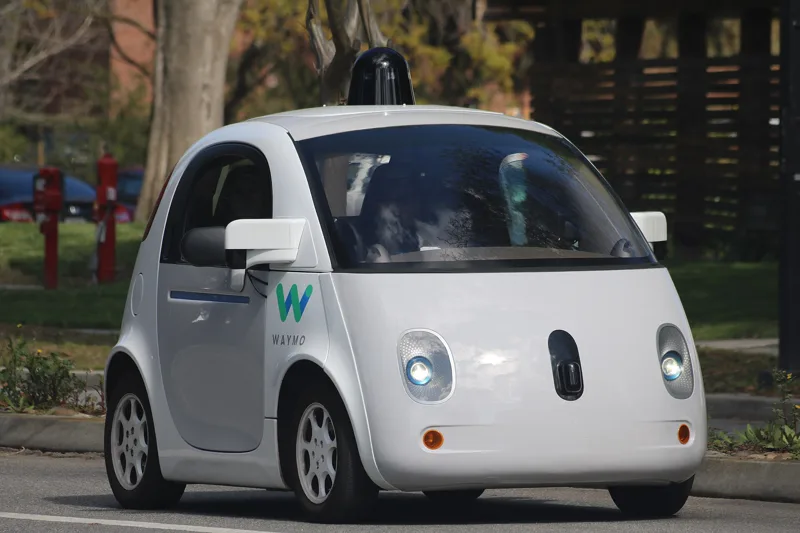
Self-Driving Cars: How They Sense, Where They Operate and How Safe They Are
Engines
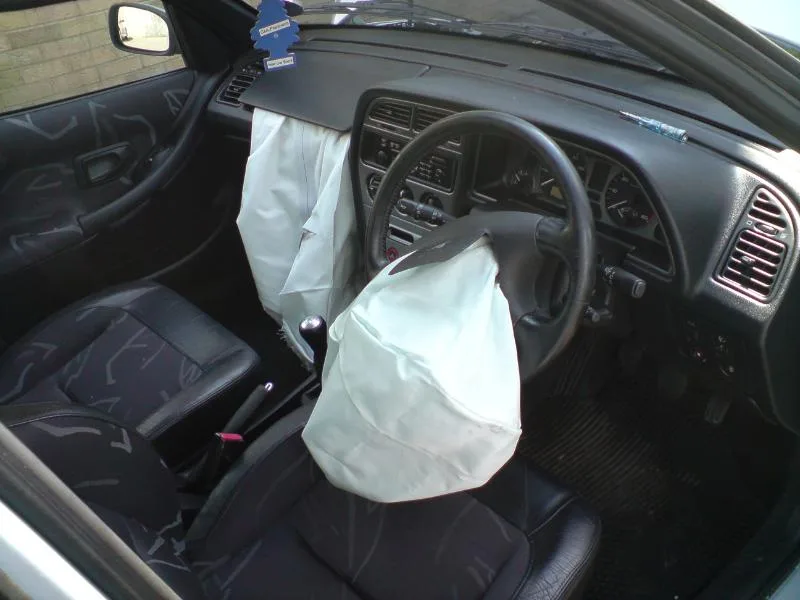
Airbags: How They Fire, Who Invented Them and Where They Are Required
Engines
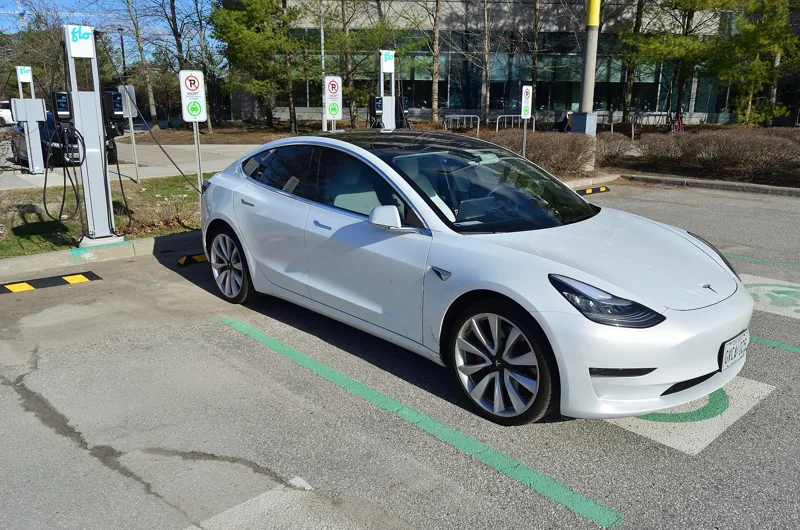
Electric Cars: How Battery Cars Work, What They Cost and Where They Sell
Engines
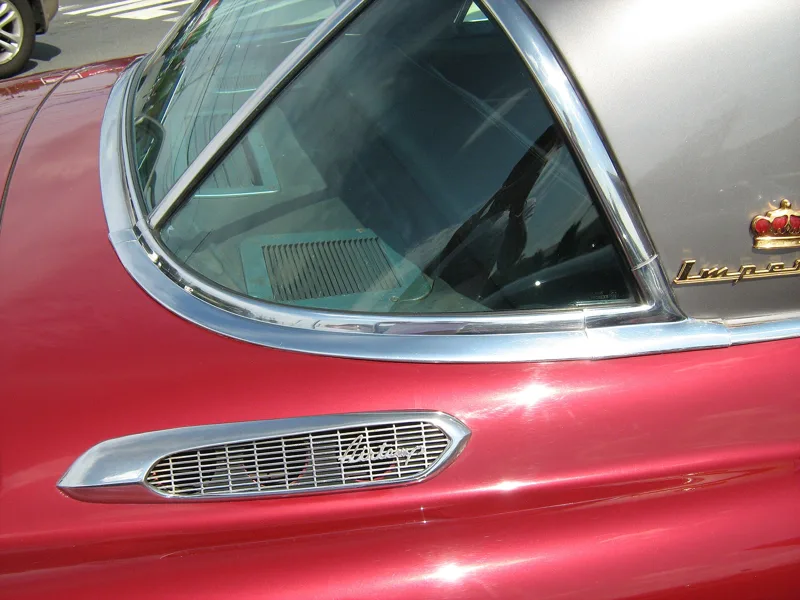
Automotive Air Conditioning: From Packard's 1940 Option to R-1234yf
Engines
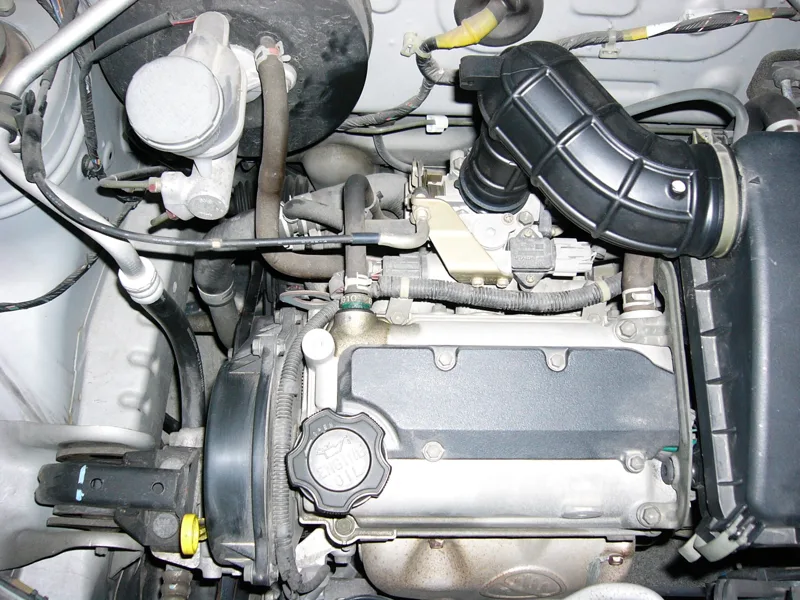
Suzuki F Engine: The Three and Four Cylinder Family From the F8A to the F10D
Engines
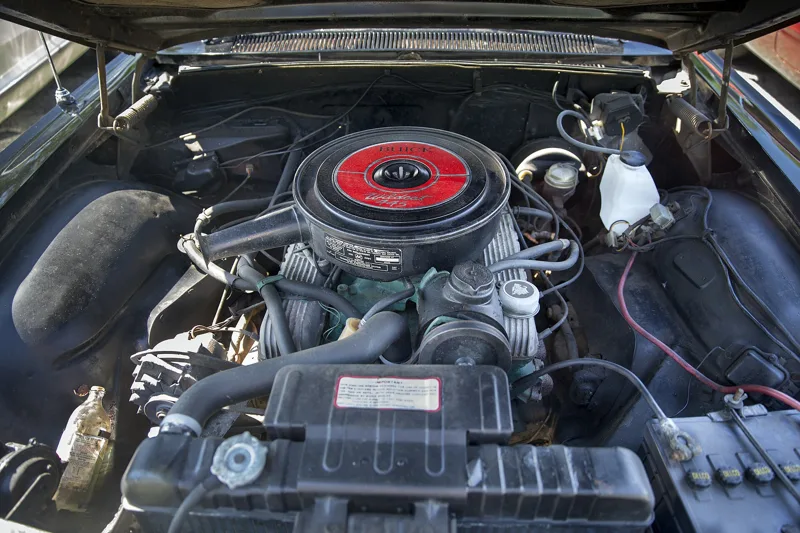
Buick V8 Engine: Nailhead, Aluminium 215 and the 455 Big Block Explained
Engines
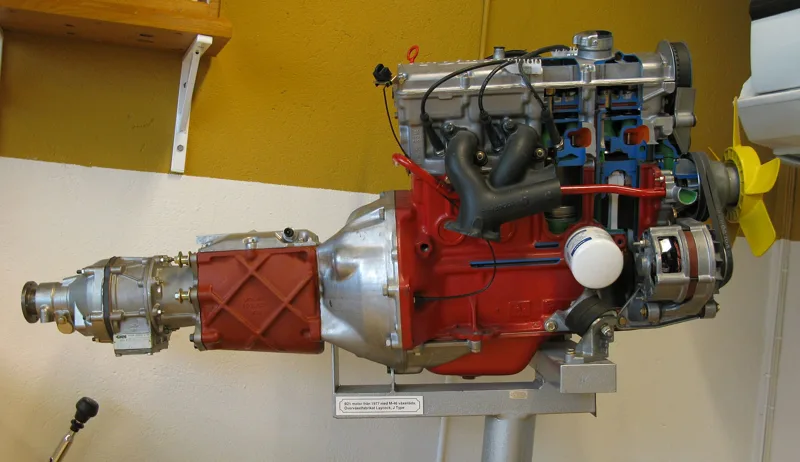
Volvo Redblock Engine: The B21 to B234 Slant-Four Family
Engines
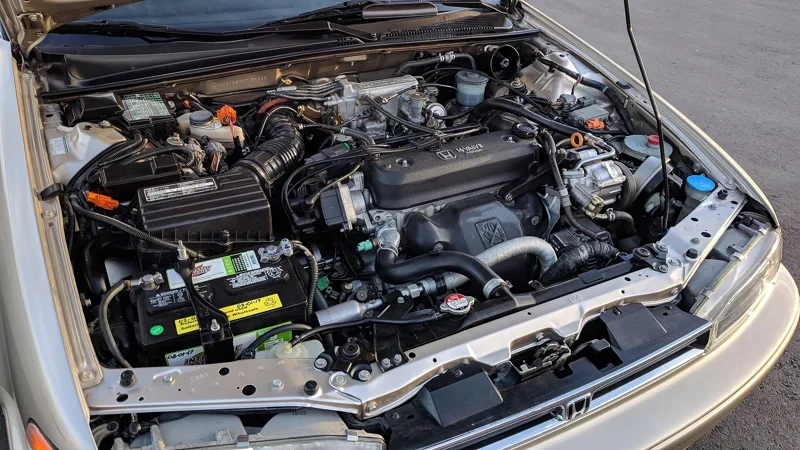
Honda F Engine: The Four-Cylinder Family From SOHC Economy to VTEC Performance
Engines
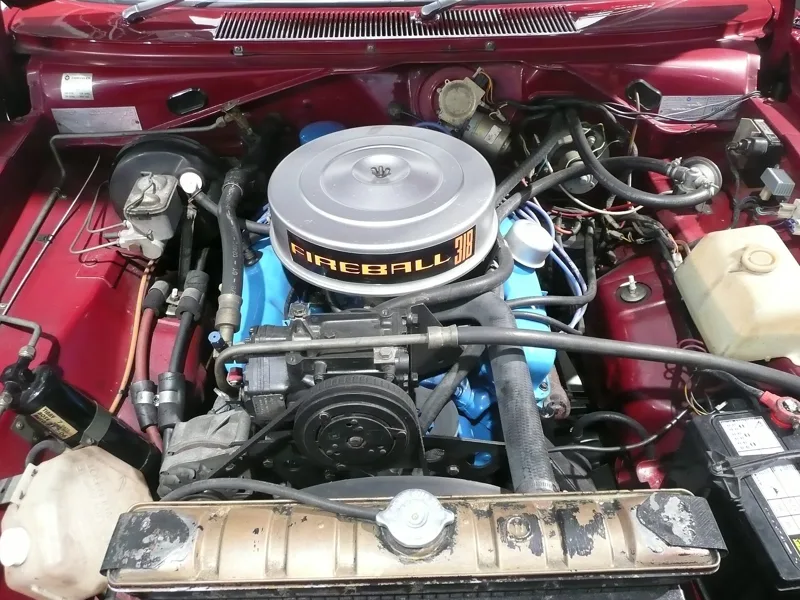
Chrysler LA Engine: The Small-Block Wedge From 1964 to the Magnum Era
Engines
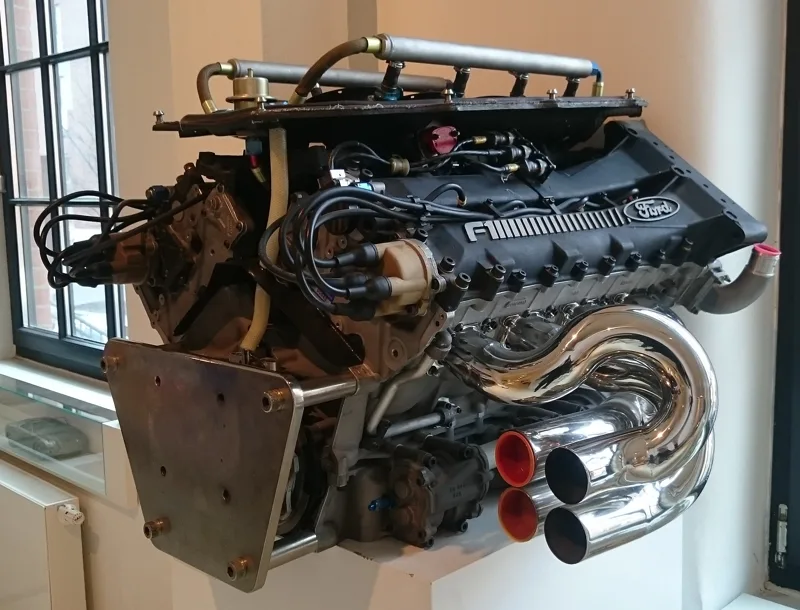
Ford-Cosworth HB Engine: The 3.5-Litre V8 That Powered Benetton, McLaren and the Customer Grid
Engines
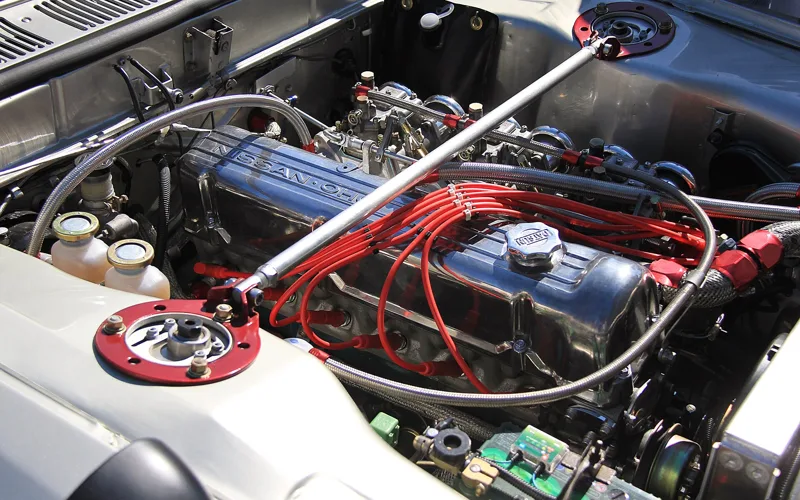
Nissan L Engine: The Four and Six That Powered the Datsun 510 and 240Z
Engines
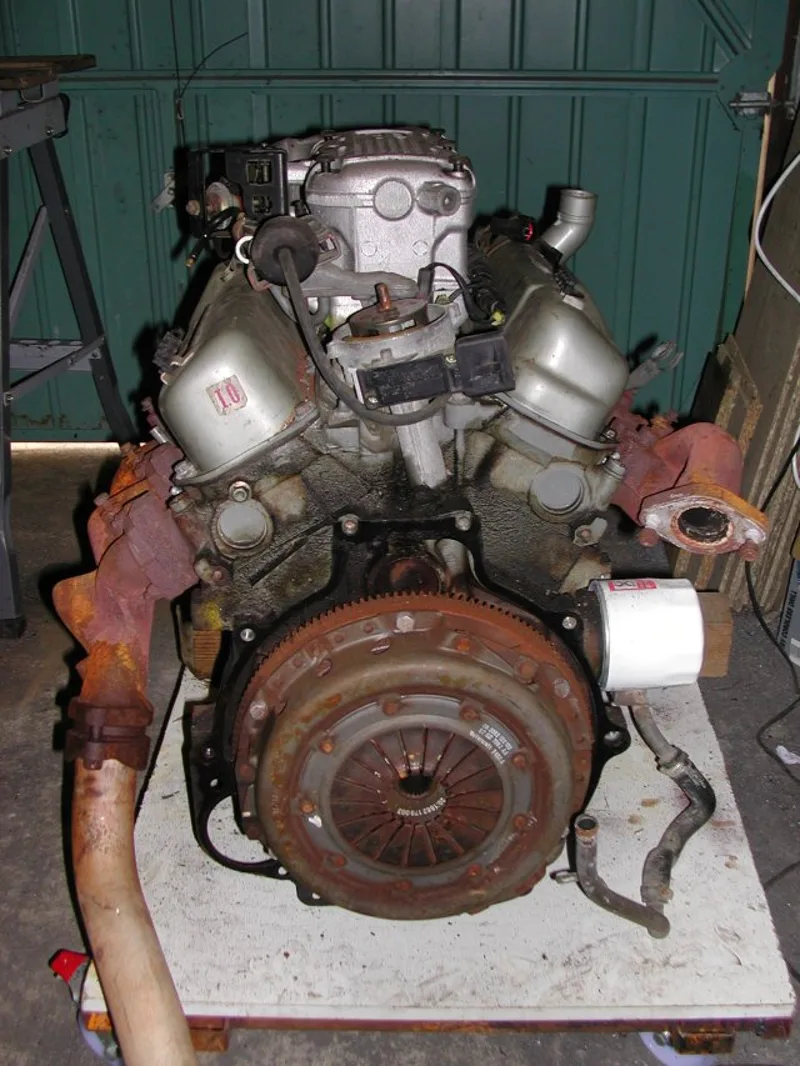
Ford Cologne V6 Engine: Four Decades of Pushrod V6s From 1.8 to 4.0 Litres
Engines
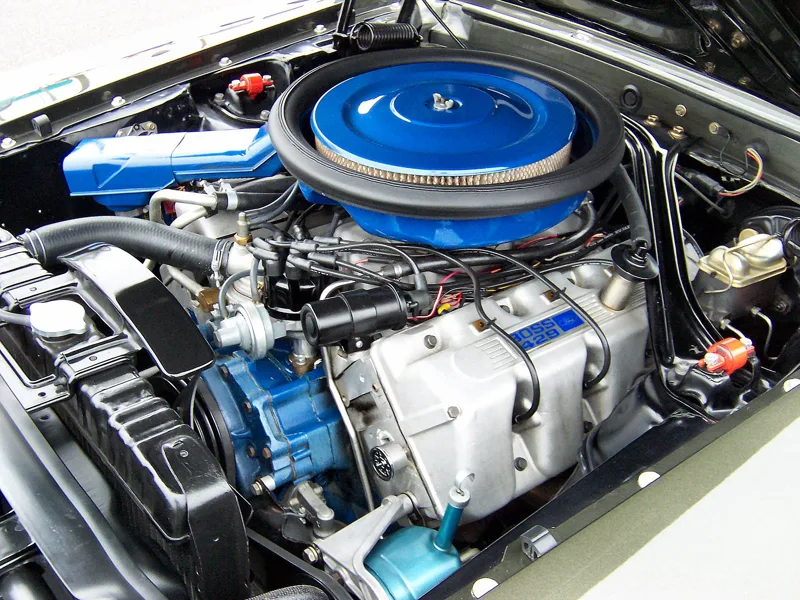
Ford 385 Engine: The Big-Block V8 Family From the 460 to the Lima Plant
Engines
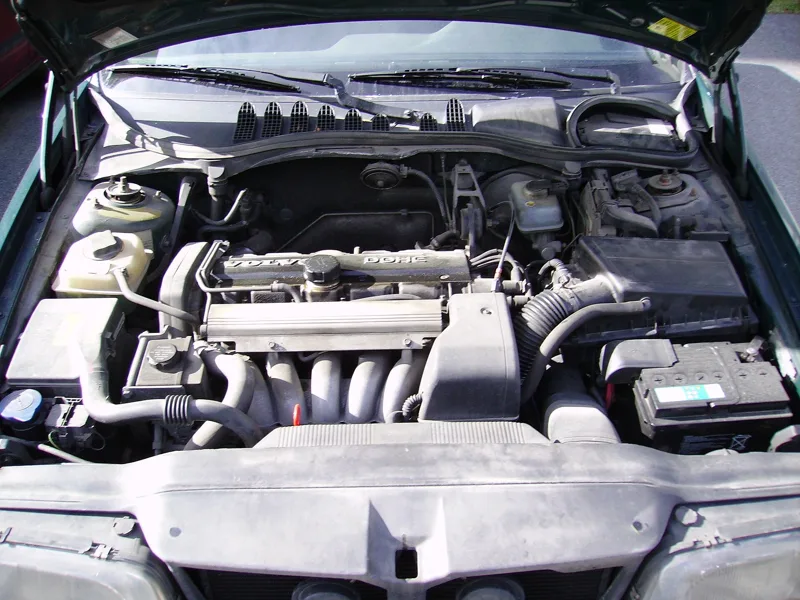
Volvo Modular Engine: The Aluminium Four, Five and Six From 1990 to 2016
Engines
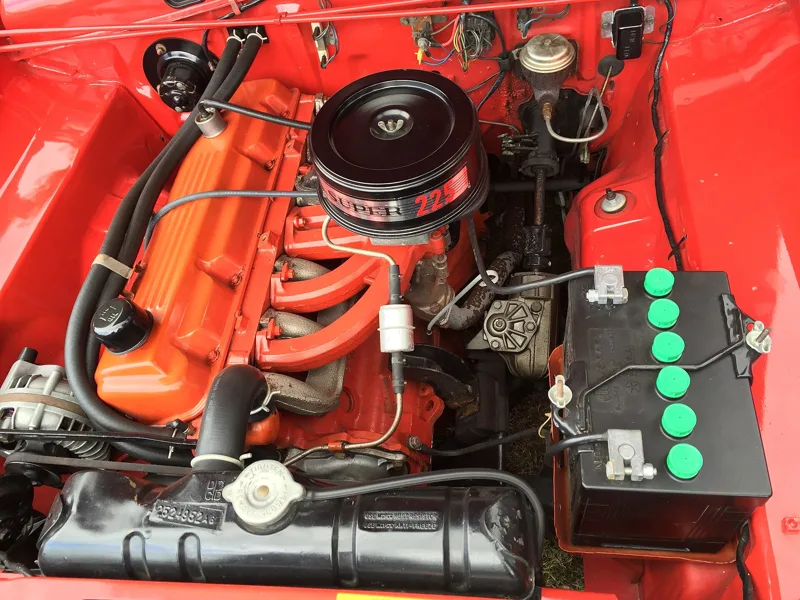
Chrysler Slant-Six: The Inclined Inline-Six That Ran for Three Decades
Engines
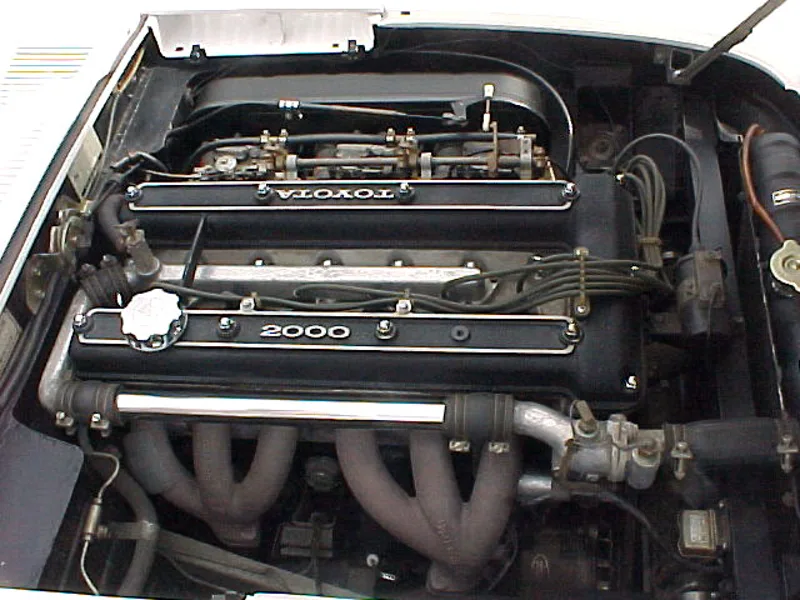
Toyota M Engine: The Straight-Six Family From the 2000GT to the 7M-GTE
Engines
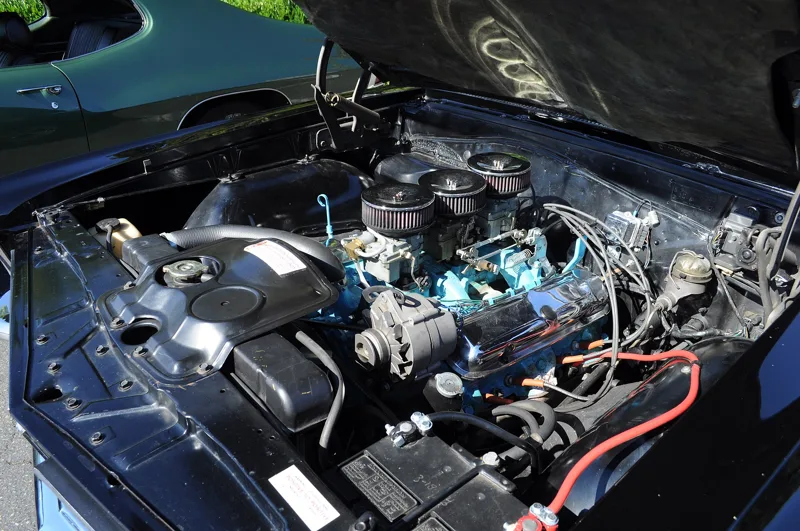
Pontiac V8 Engine: The Trophy, Ram Air and Super Duty Family From 1955 to 1981
Engines
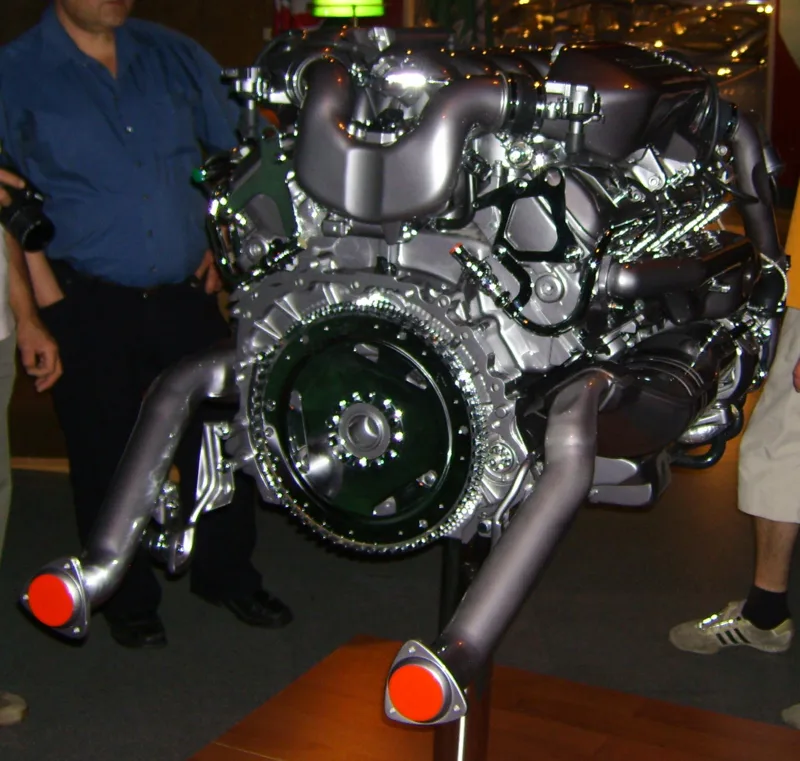
Rolls-Royce and Bentley L-series V8: The Engine That Ran From 1959 to 2020
Engines
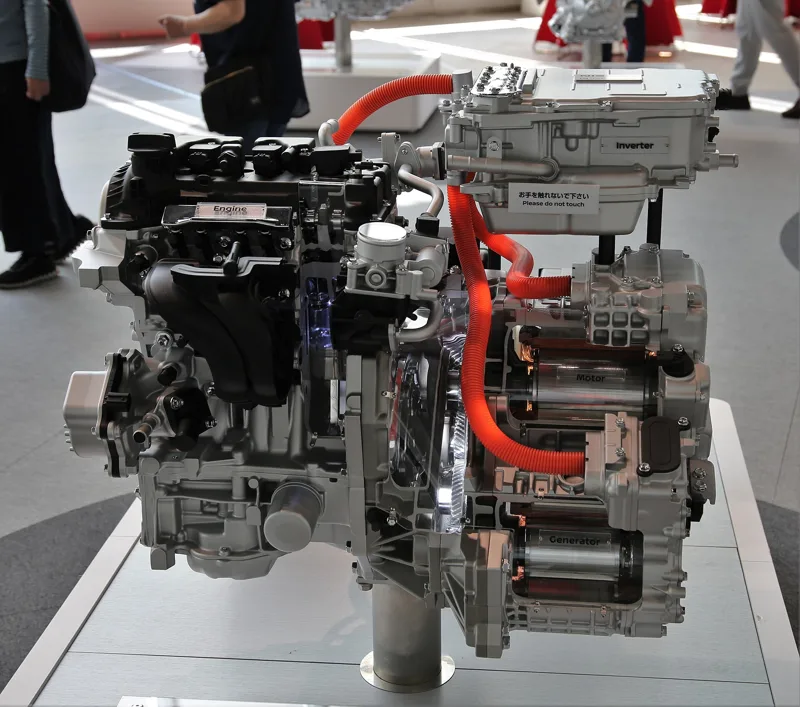
Nissan HR Engine: The Three-Bore Family Behind Tiida, Micra and e-Power
Engines
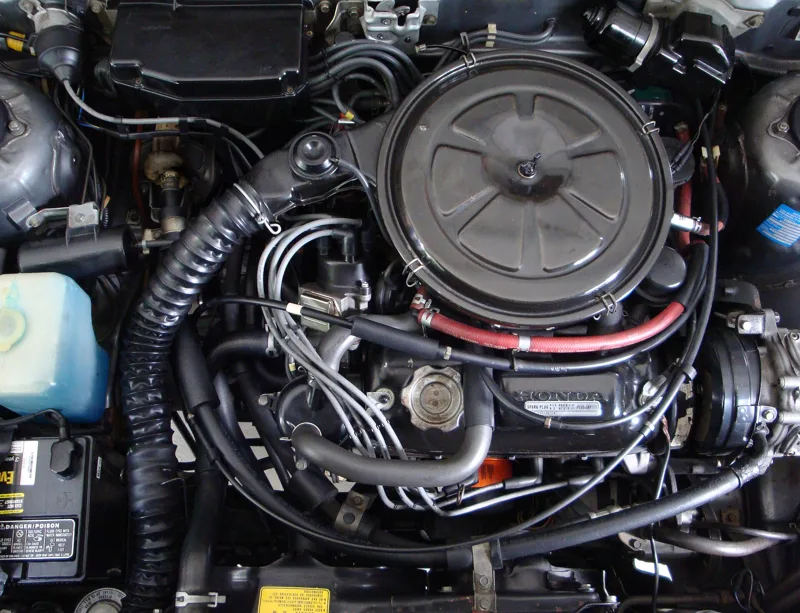
Honda E-Series Engines: How CVCC Shaped Honda's Four-Cylinder Family
Engines
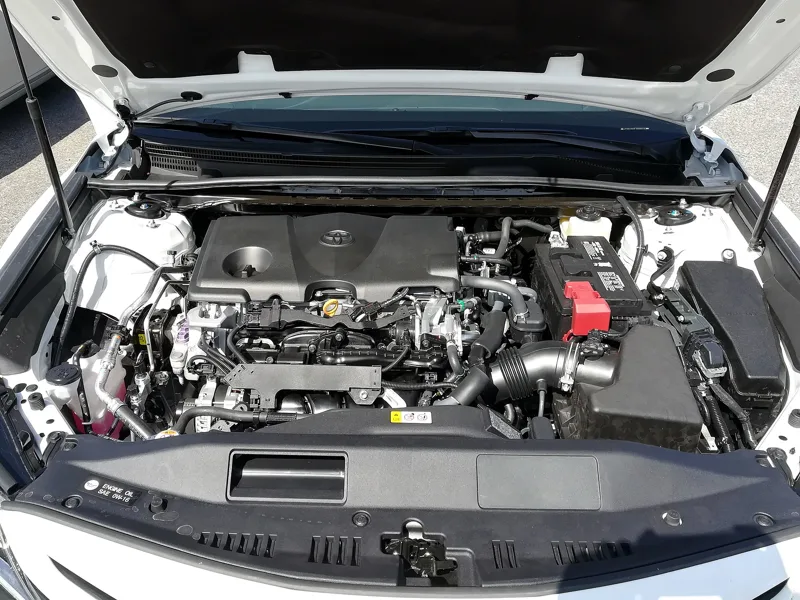
Toyota Dynamic Force Engines: The TNGA Family, Its Hybrids and the V35A Recalls
Engines
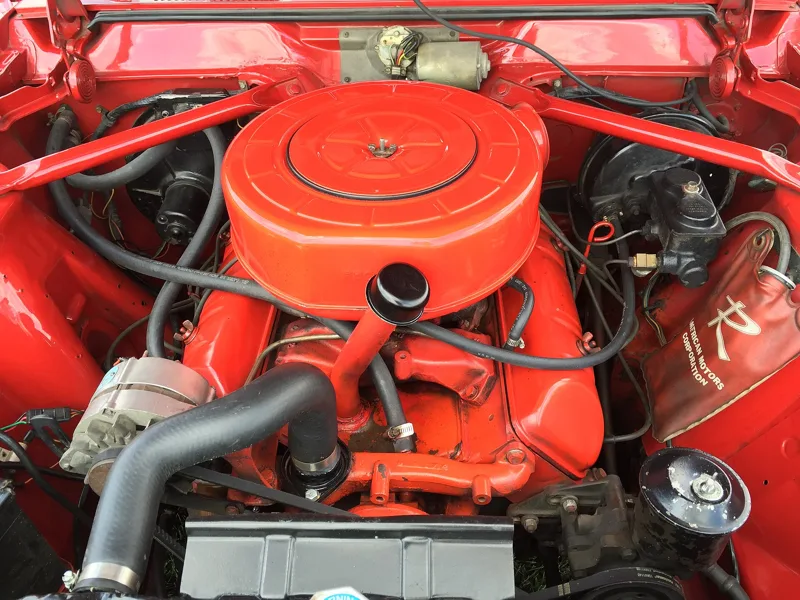
AMC V8 Engine: American Motors' Own Eight From 1956 to the 360 of 1991
Engines
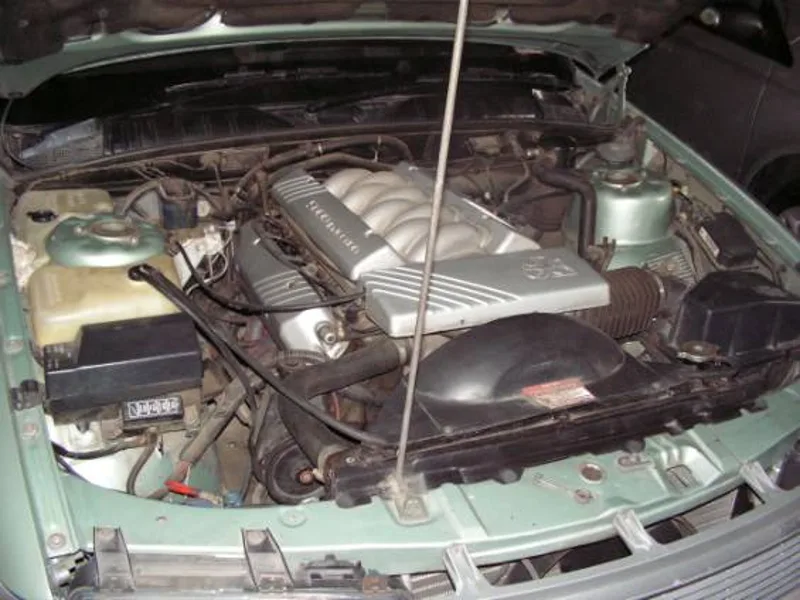
Holden V8 Engine: The Iron Lion From the HT to the Last VS Ute
Engines
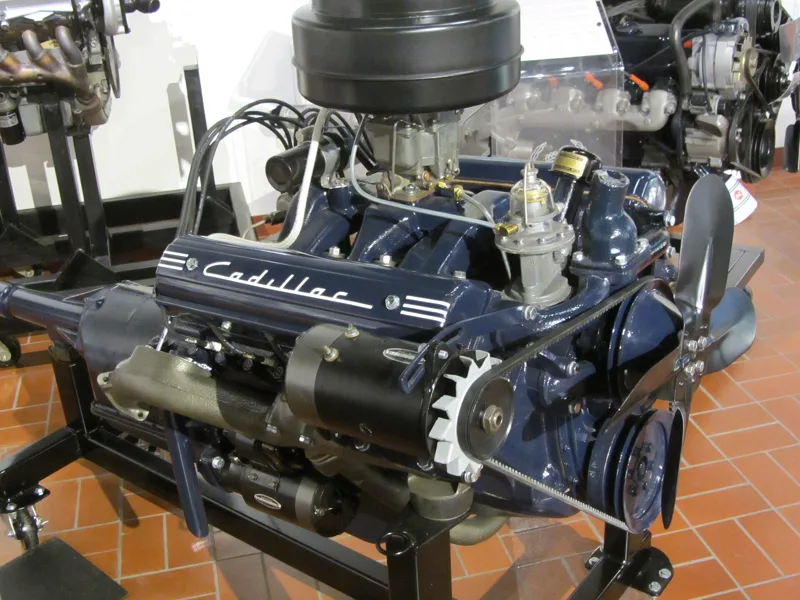
Cadillac V8 Engine: From the 1914 Type 51 to the Blackwing LT4
Engines
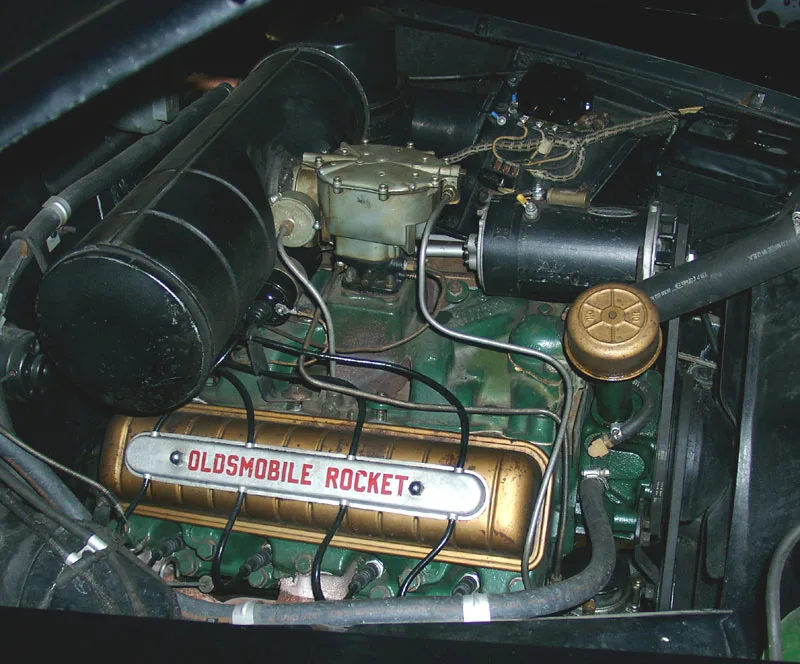
Oldsmobile V8 Engine: The Rocket That Started GM's Pushrod V8 Era
Engines
Weslake V12 Engine: The 60-Degree Racing V12 From Rye to the BRM P351
Engines
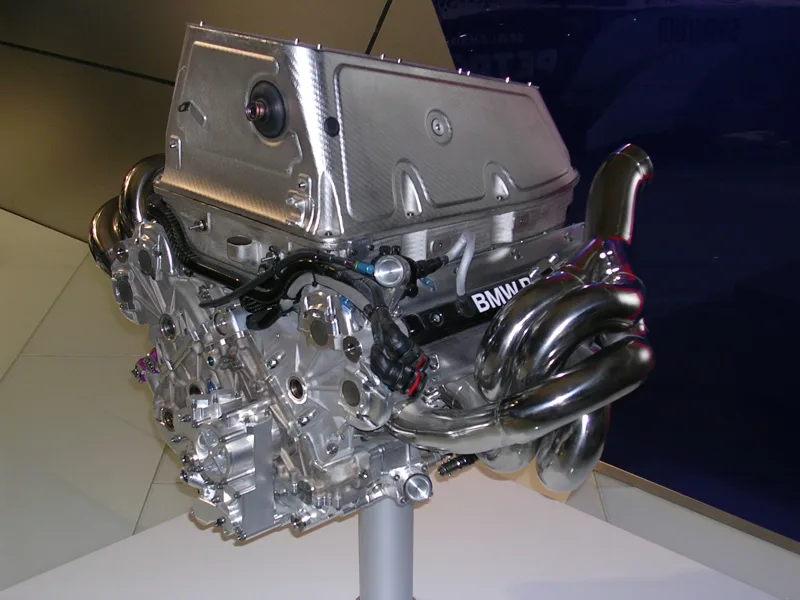
BMW E41 and P80 Engines: The V10s That Brought BMW Back to Formula One
Engines
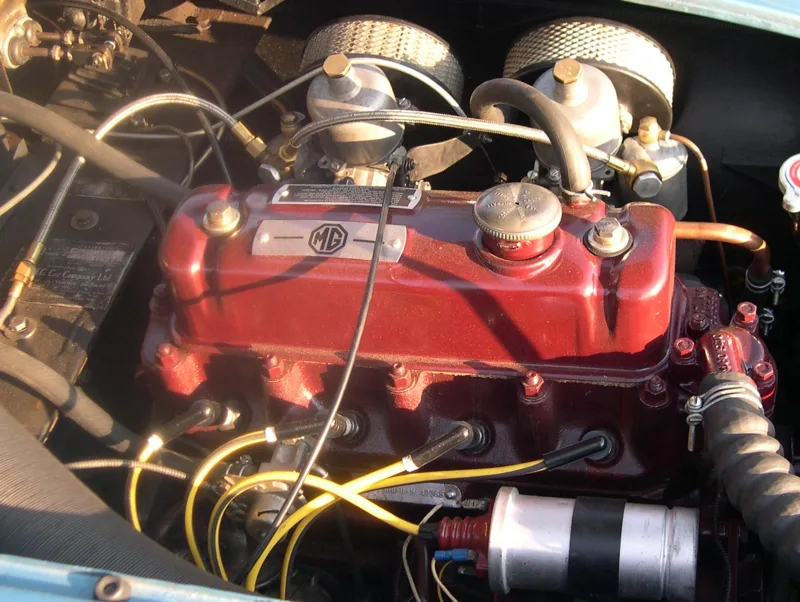
BMC B-Series Engine: From the Austin 1200 to the 1.8 Litre and Blue Streak
Engines
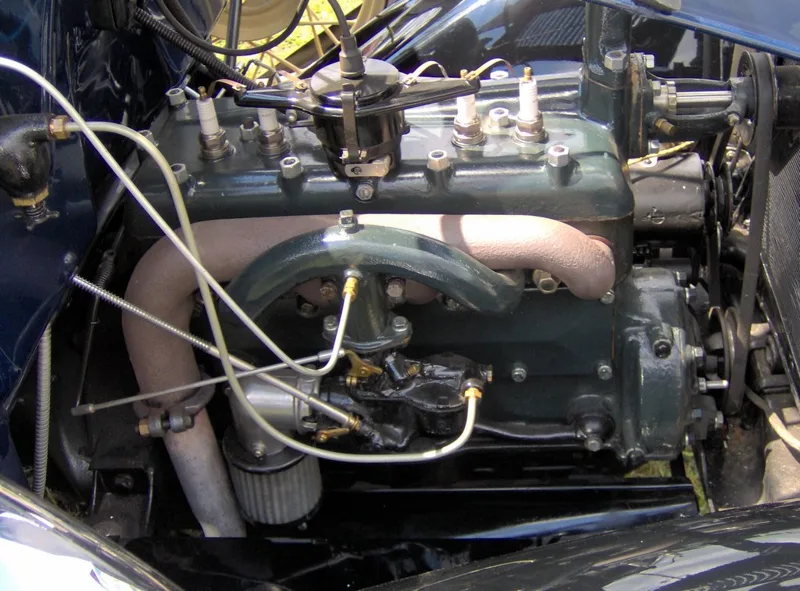
Ford Model A Engine: The 40 hp Four That Powered Cars, Trucks and Tractors
Engines
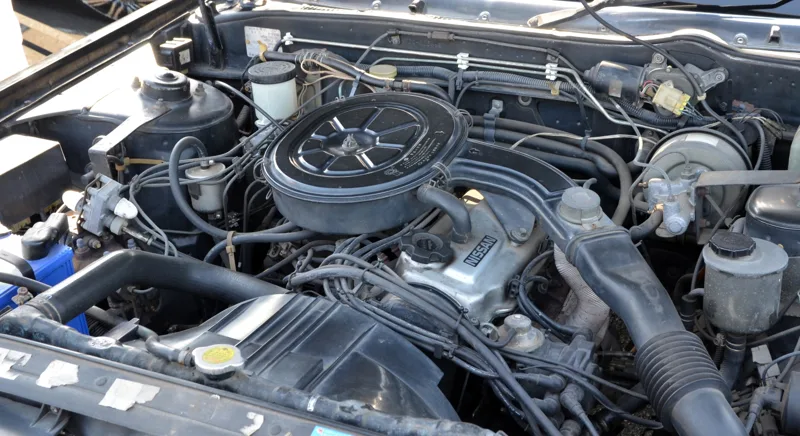
Nissan CA Engine: The Clean Air Four From 1.6 to 2.0 Litres
Engines
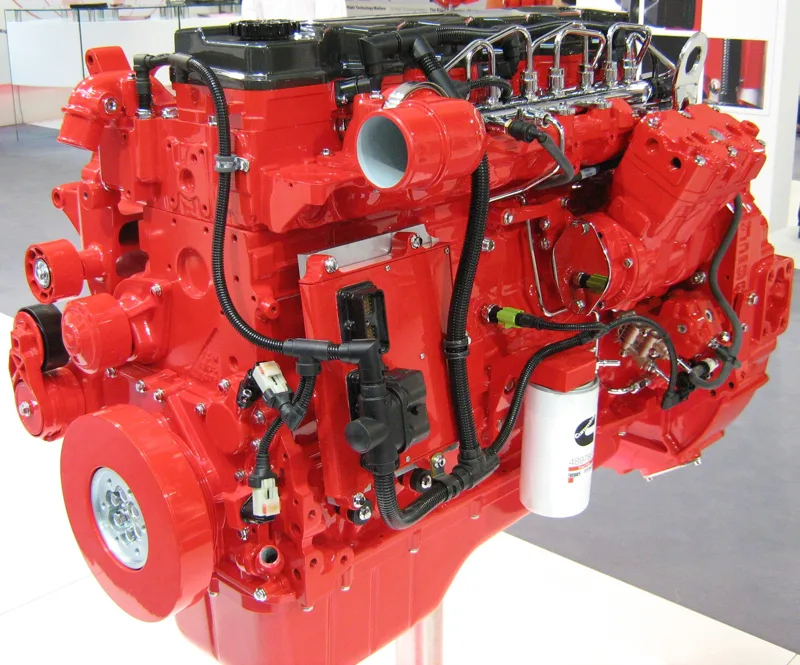
Cummins B Series Engine: From the 4B to the B7.2 Diesel Family
Engines
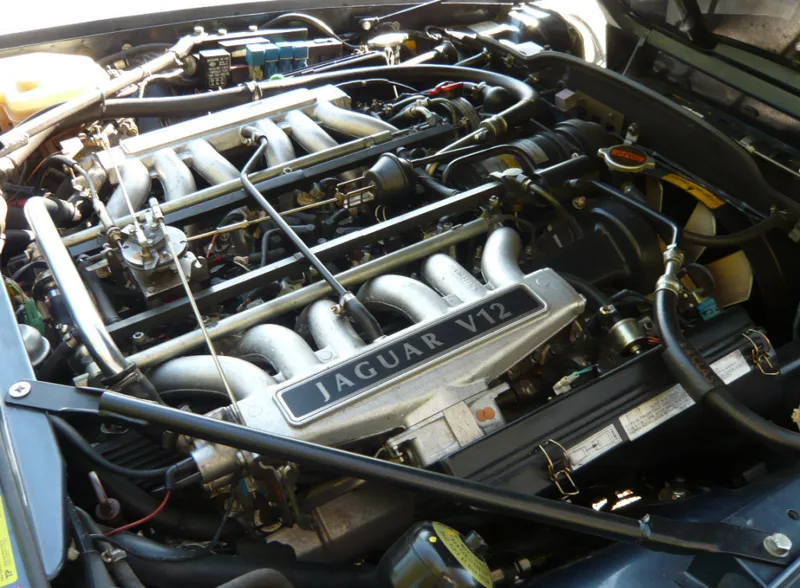
Jaguar V12 Engine: The SOHC 5.3 Litre From the E-Type to the Last 1997 Build
Engines
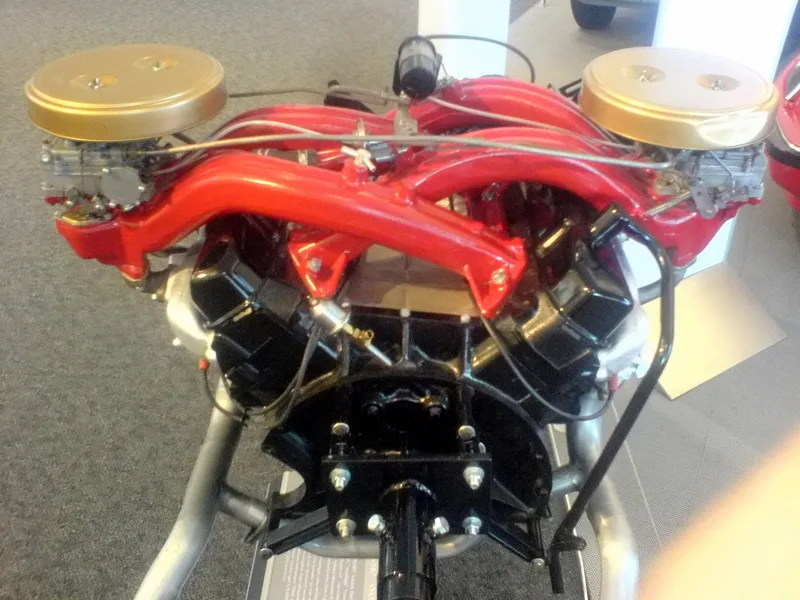
Chrysler B and RB Engines: The Wedge Big-Blocks From 1958 to 1978
Engines
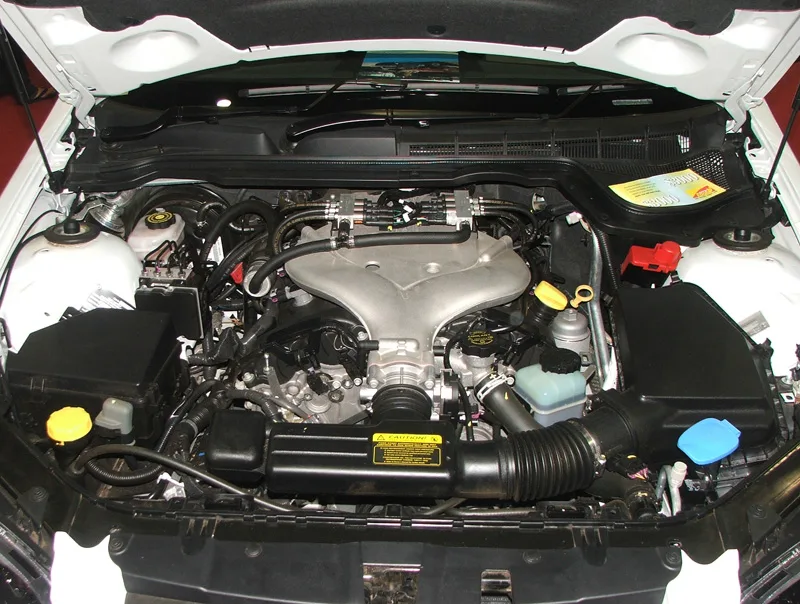
GM High Feature V6: The Aluminium Engine Family From Holden to Cadillac
Engines
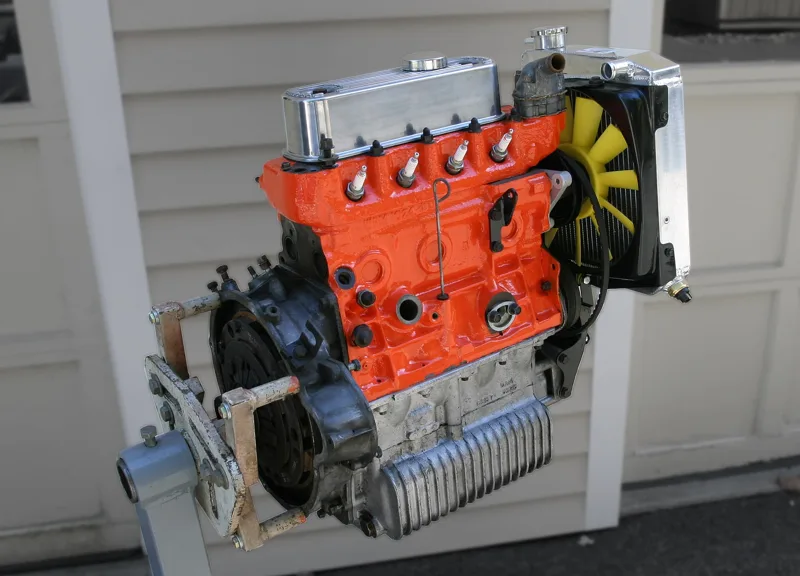
BMC A-Series Engine: The Small Four That Powered the Mini for Half a Century
Engines
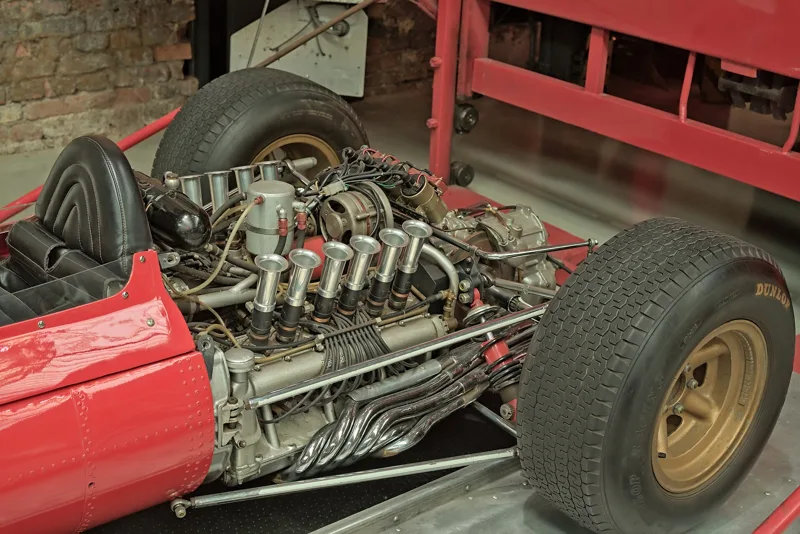
Ferrari Flat-12 Engine: From the 1964 Formula One Car to the F512 M
Engines
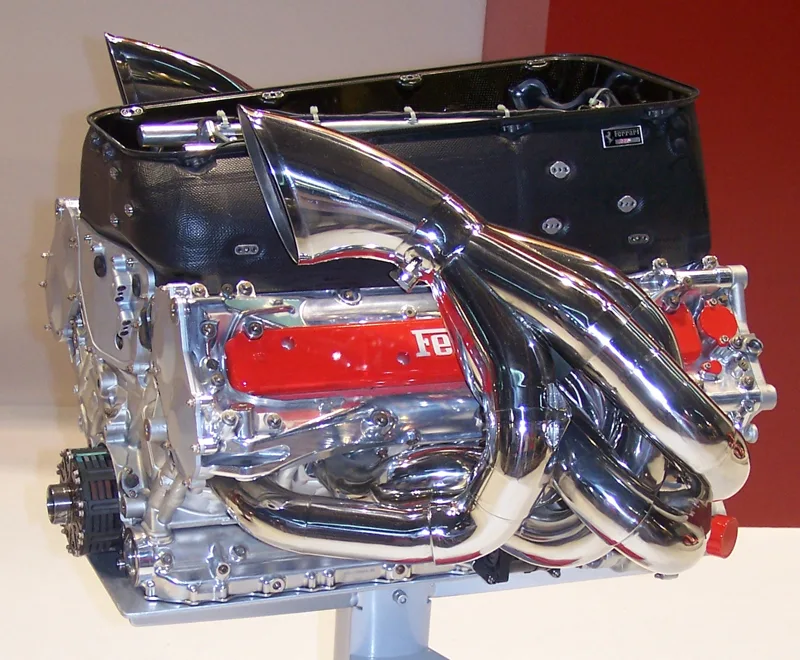
Ferrari V10 Engine: The Naturally Aspirated Formula One Ten From 1996 to 2005
Engines
Automobile Engine Replacement: Short Blocks, Long Blocks and Crate Engines
Engines
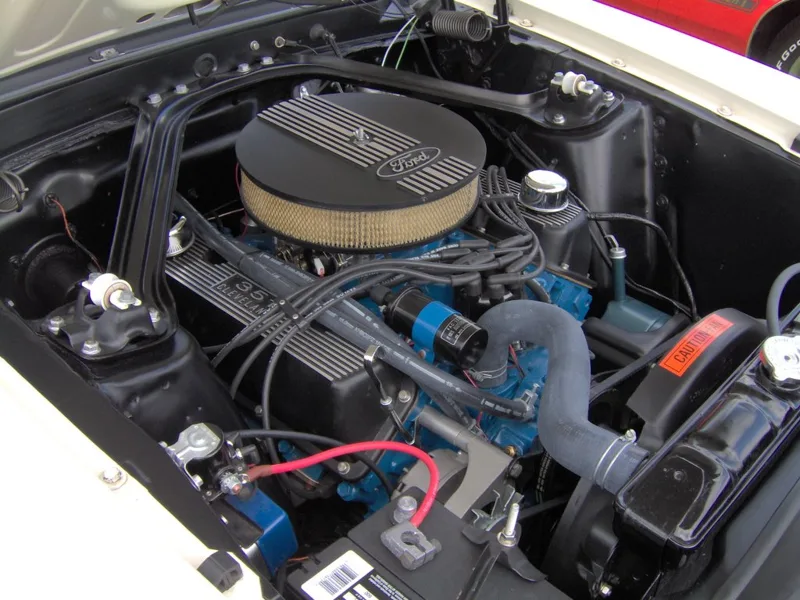
Ford 335 Engine: The Cleveland V8 Family From 1969 to 1982
Engines
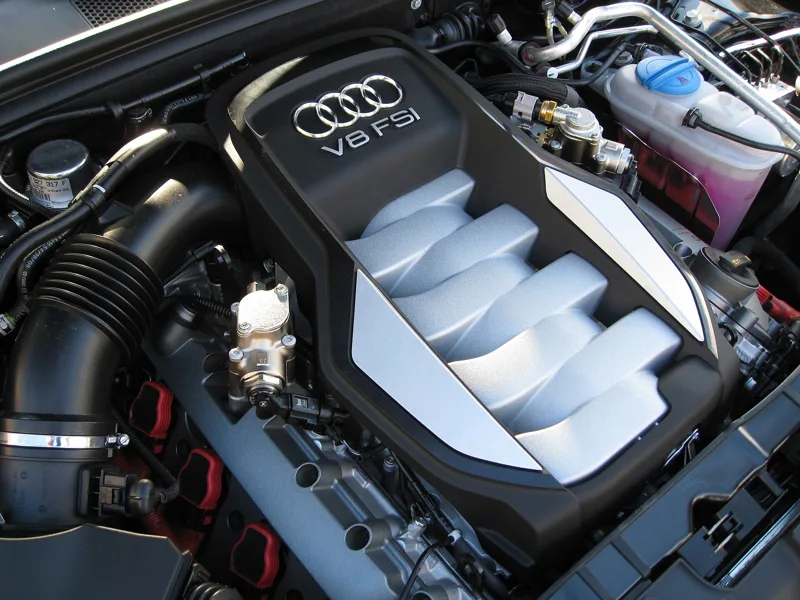
Volkswagen-Audi V8 Engine: From the 1988 Audi V8 to the DTM Racing Family
Engines
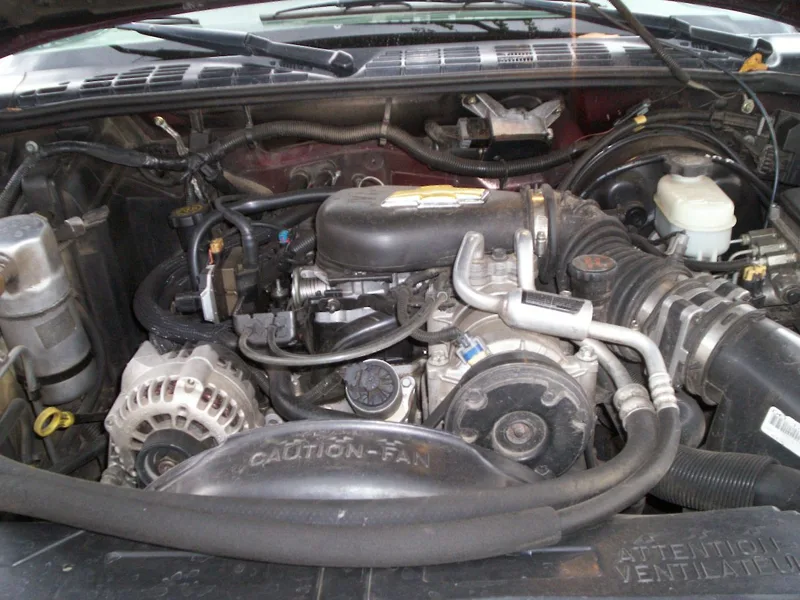
Chevrolet 90-Degree V6 Engine: From the 200 to the 4.3-Litre Vortec
Engines
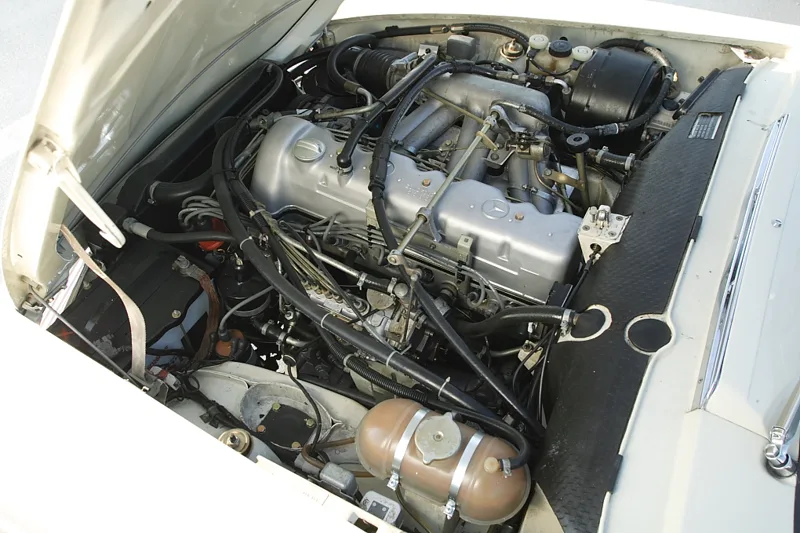
Mercedes-Benz M180 Engine: The Inline-Six Family From 1951 to 1976
Engines
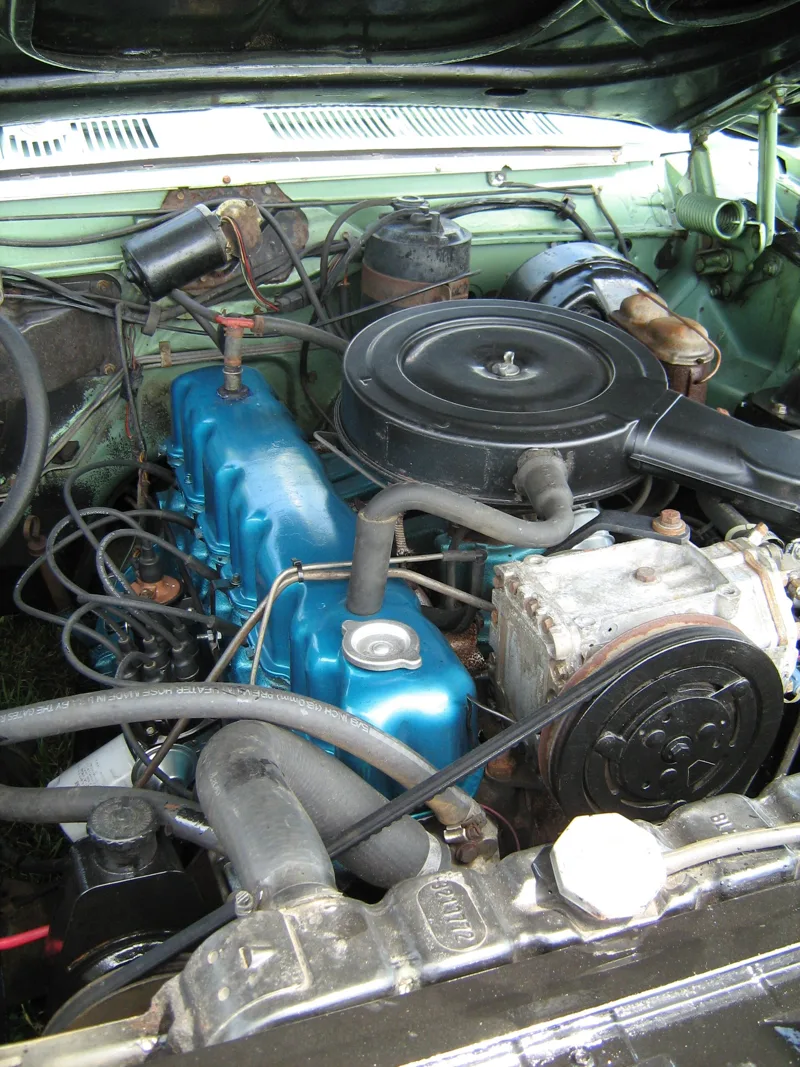
AMC Straight-Six Engine: From the Nash Lineage to the Jeep 4.0 That Lasted to 2006
Engines
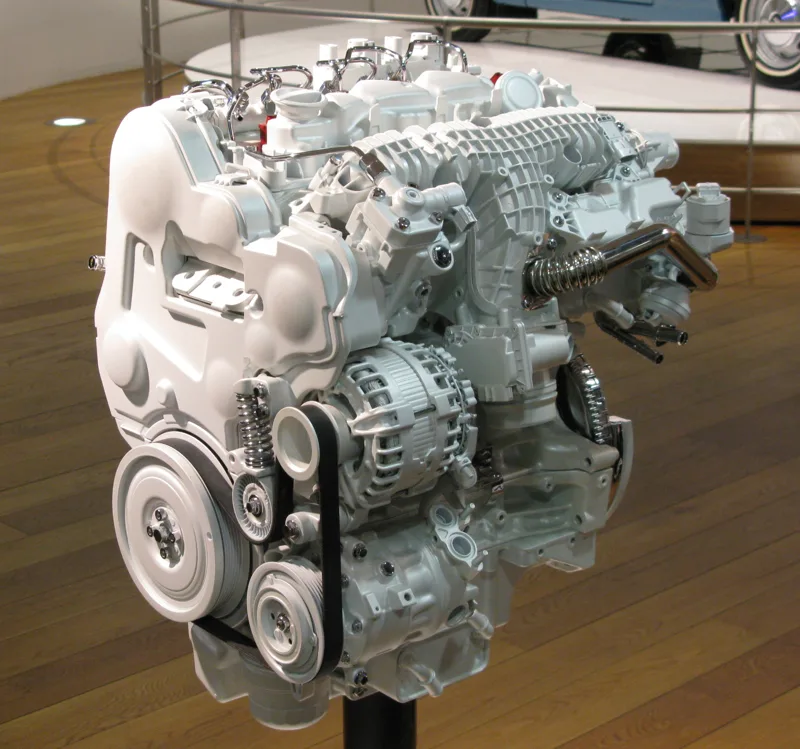
Volvo Engine Architecture: The Three- and Four-Cylinder Family Behind Drive-E
Engines
Ford-Cosworth EC and ED Engines: The Ford-Backed V8s of Formula One 1994 to 1997
Engines
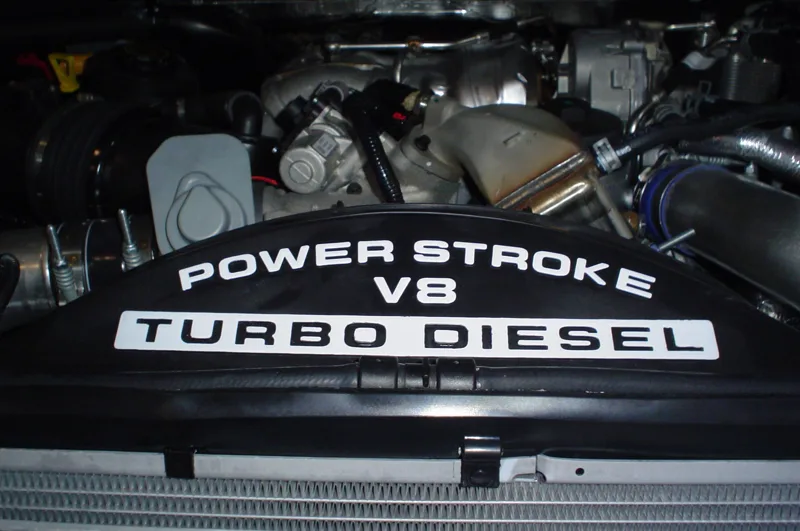
Ford Power Stroke Engine: From the 7.3 L T444E to the 6.7 L and 3.0 L Lion
Engines
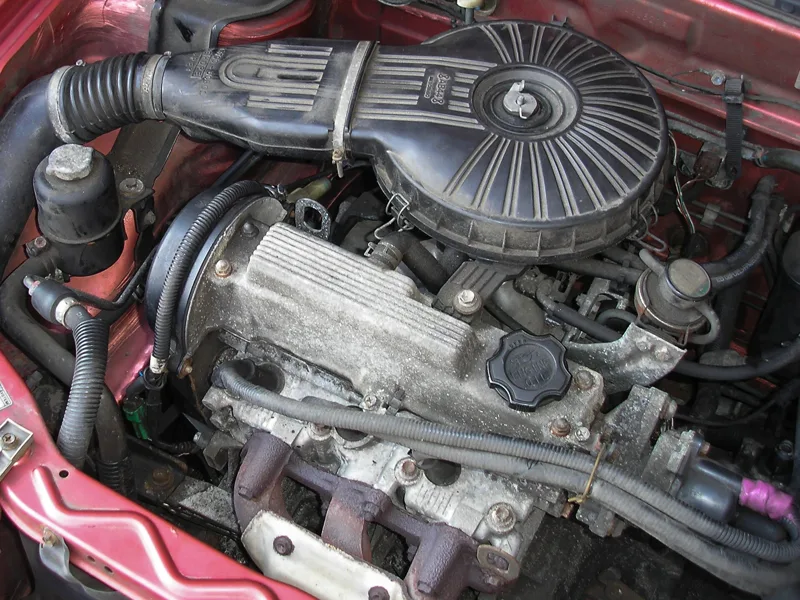
Suzuki G Engine: The Three and Four Cylinder Family From the G10 to the G16
Engines
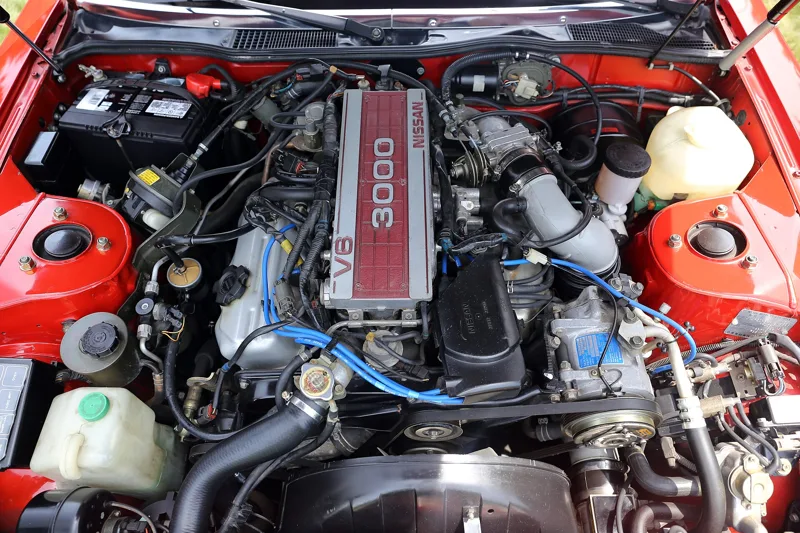
Nissan VG Engine: Japan's First Mass-Produced V6 From 1983 to 2004
Engines
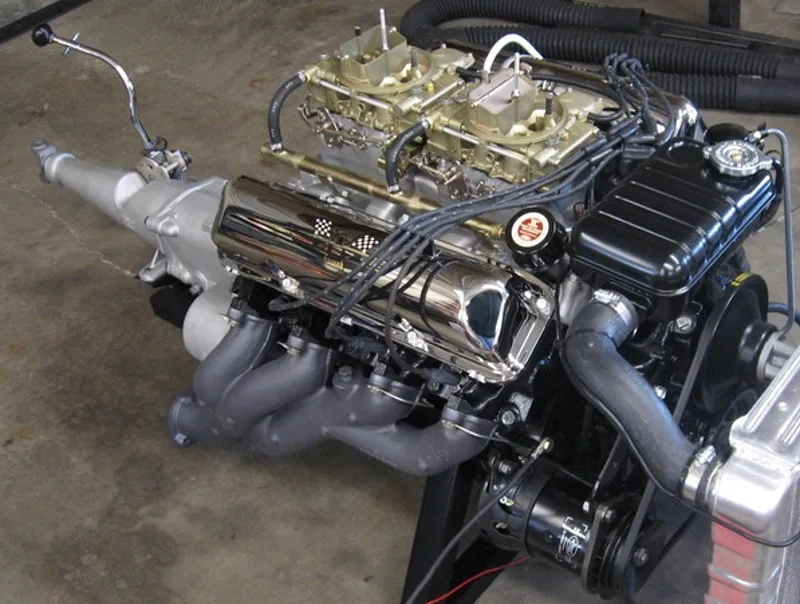
Ford FE Engine: The Big-Block V8 That Powered the GT40 and the Cobra
Engines
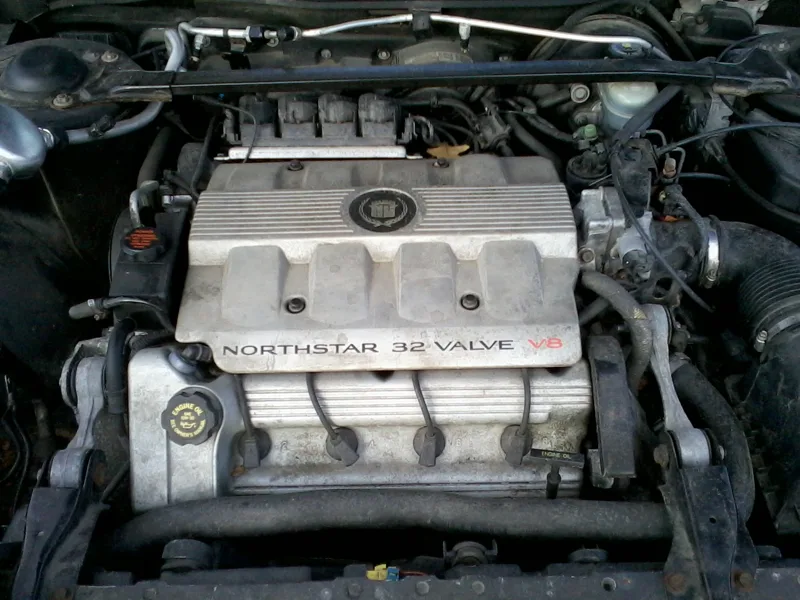
Northstar Engine Series: GM's Complex Aluminium V8 From Cadillac to the Aurora
Engines
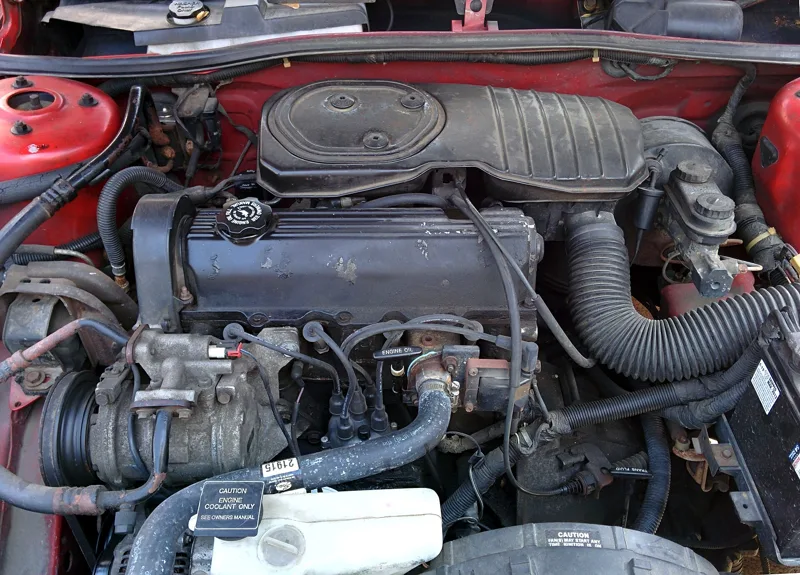
Chrysler 2.2 and 2.5 Engine: The Trenton Four-Cylinder and Its Turbo Family
Engines
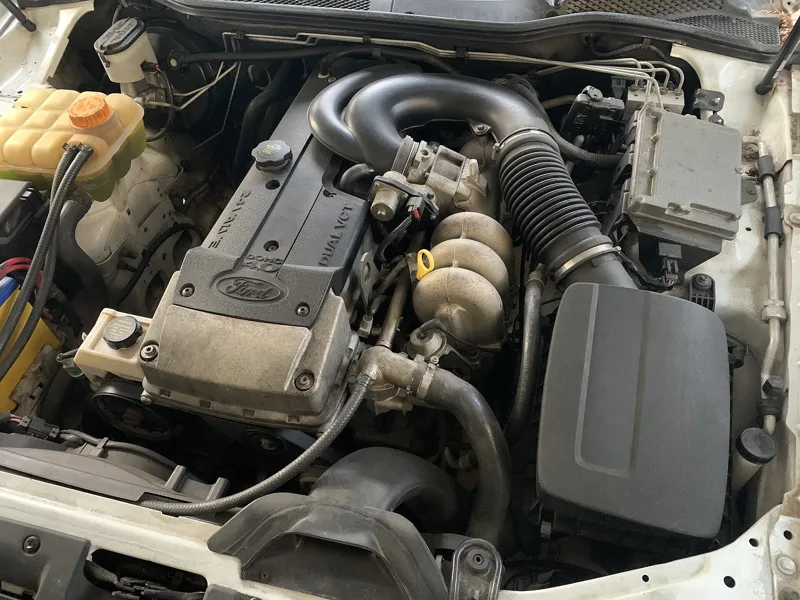
Ford Straight-Six Engine: From the Model K to the Barra
Engines
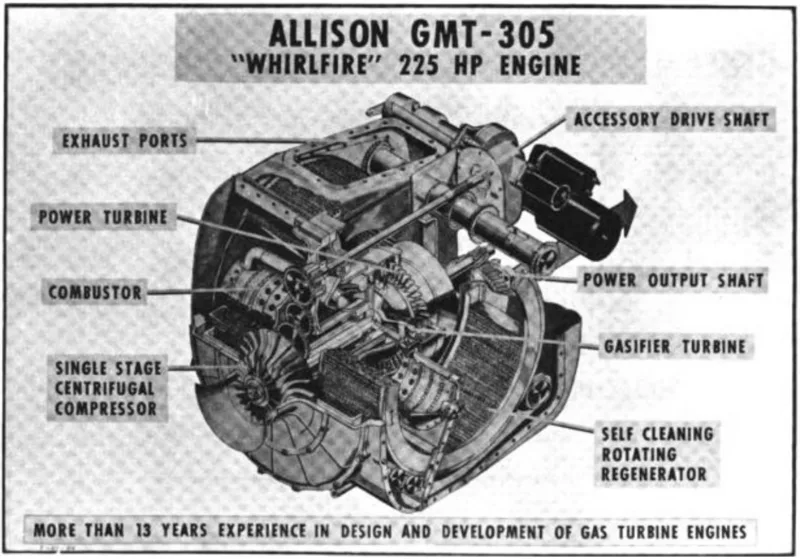
GM Whirlfire Engine: The Gas Turbine Family From Firebird to Transit Bus
Engines
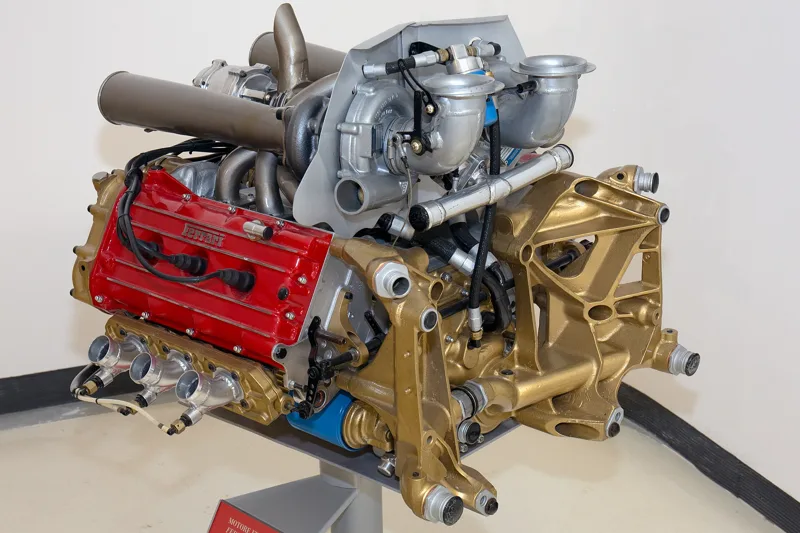
Ferrari Turbocharged V6 F1 Engine: The 1.5-Litre Turbo Years, 1981 to 1988
Engines
GM Ecotec Engine: The L850 Four-Cylinder Family From the Gen I to Gen III
Engines
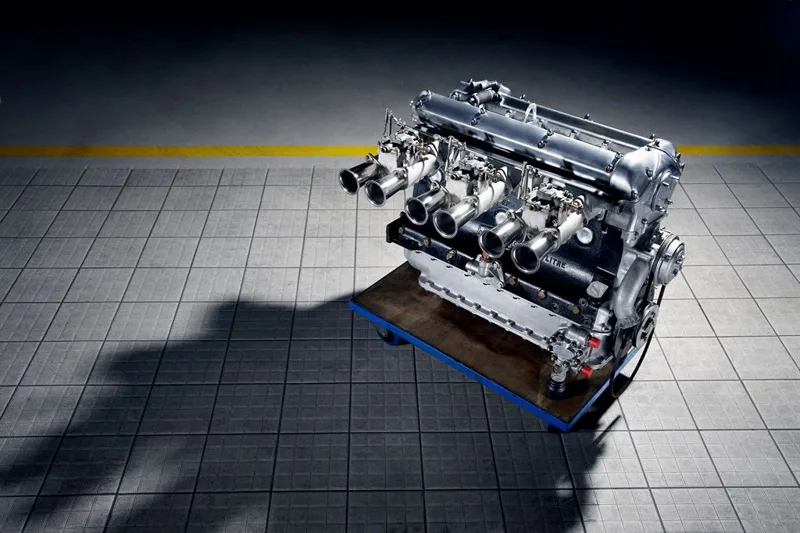
Jaguar XK Engine: The Inline-Six That Ran From 1948 to 1992
Engines
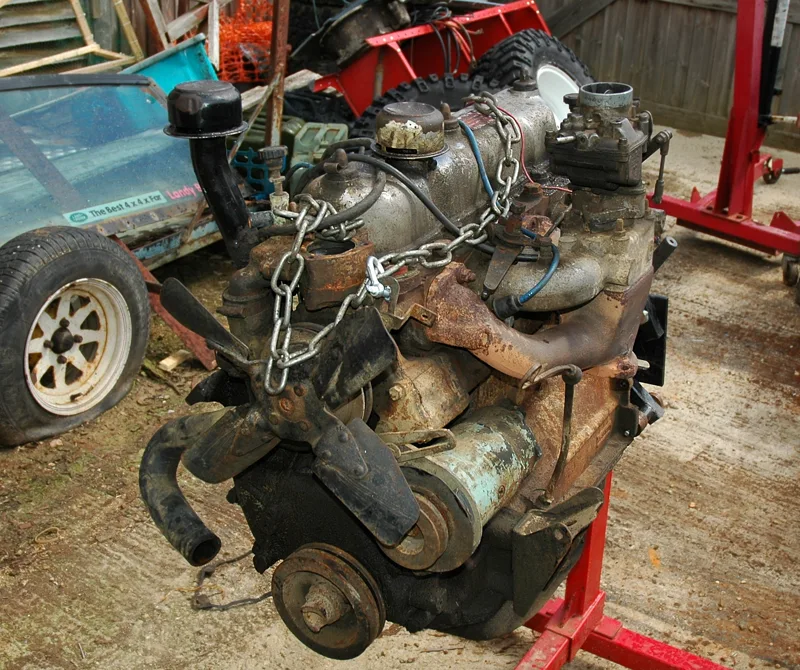
Land Rover Engines: From the 1948 Petrol to the Td5 and the Santana Sixes
Engines
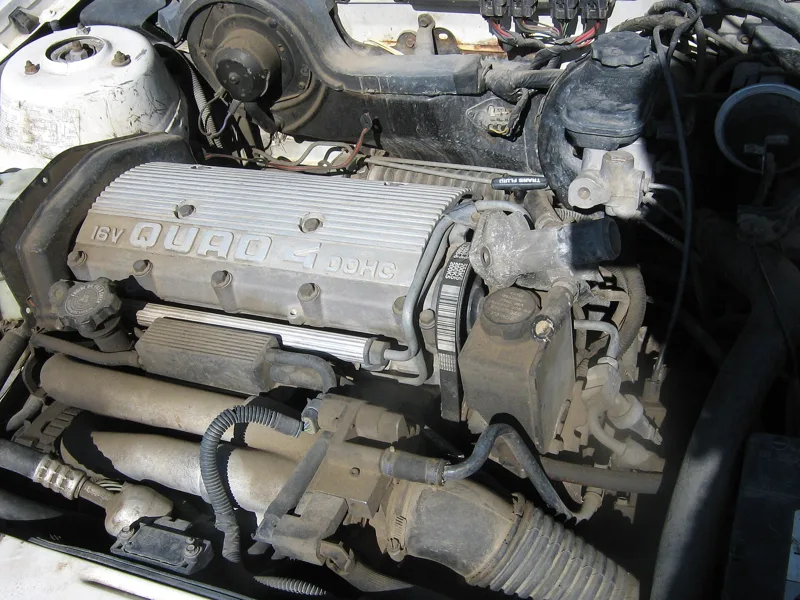
Quad 4 Engine: The Oldsmobile DOHC Four From 1988 to the Twin Cam
Engines
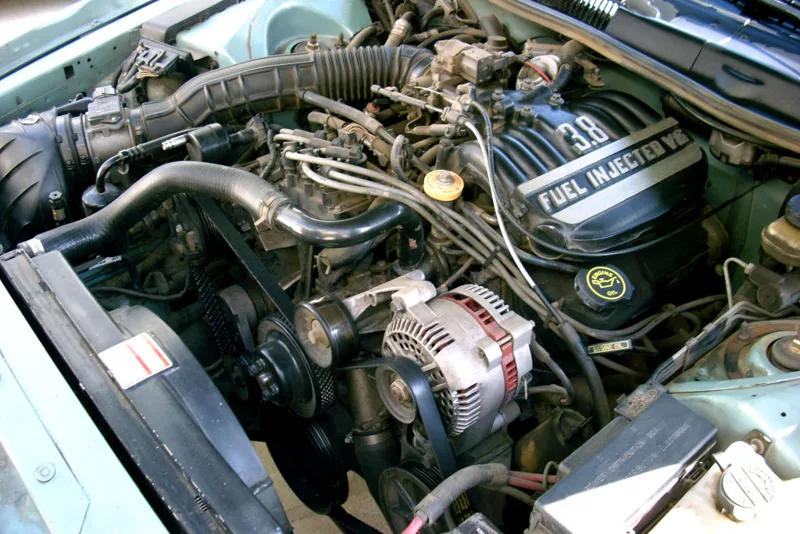
Ford Essex V6 Engine: The Canadian-Built 90-Degree V6 From 1982 to 2008
Engines
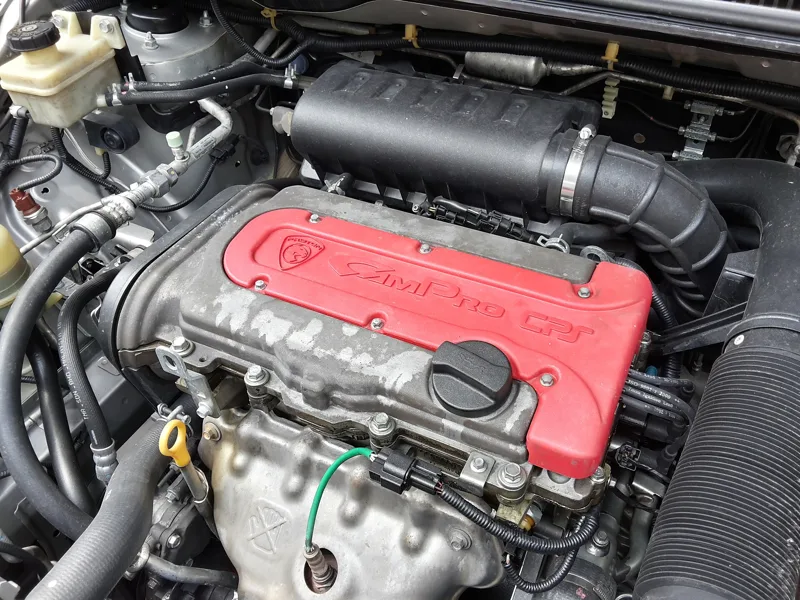
Proton CamPro Engine: Malaysia's First In-House Engine Family, From 2004
Engines
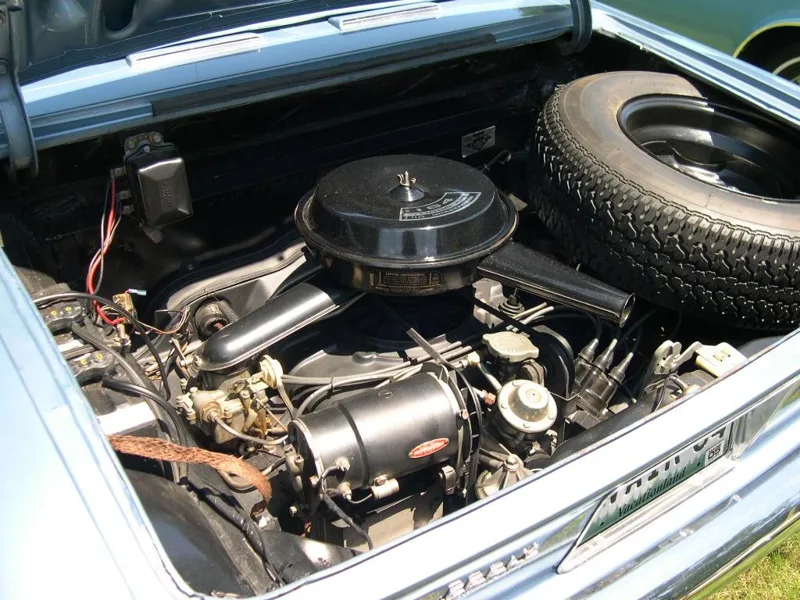
Chevrolet Turbo-Air 6: The Air-Cooled Flat-Six That Powered the Corvair
Engines
Toyota S Engine: The 1.8 to 2.2 Litre Family, From the 1S to the 3S-GE and 5S
Engines
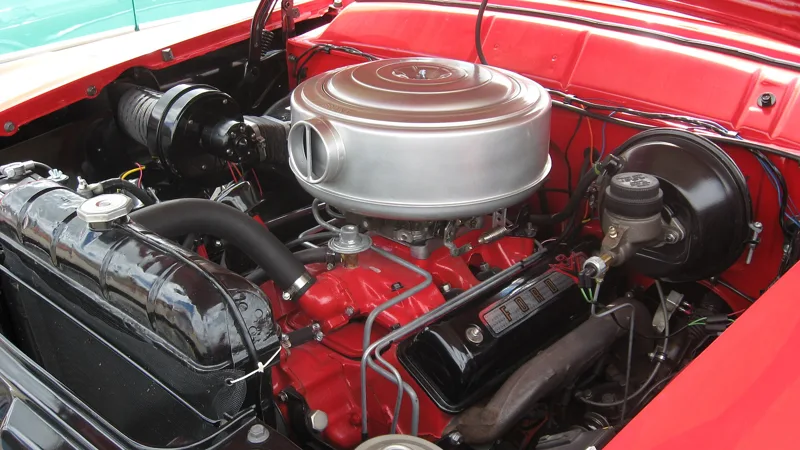
Ford Y-Block Engine: The Overhead-Valve V8 That Replaced the Flathead
Engines
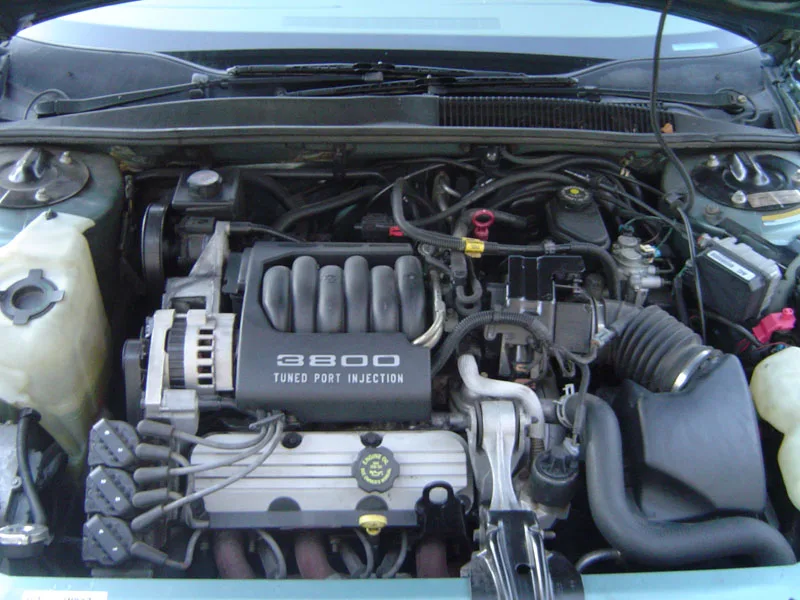
Buick V6 Engine: From the 1962 Fireball to the 3800 That Built Over 25 Million
Engines
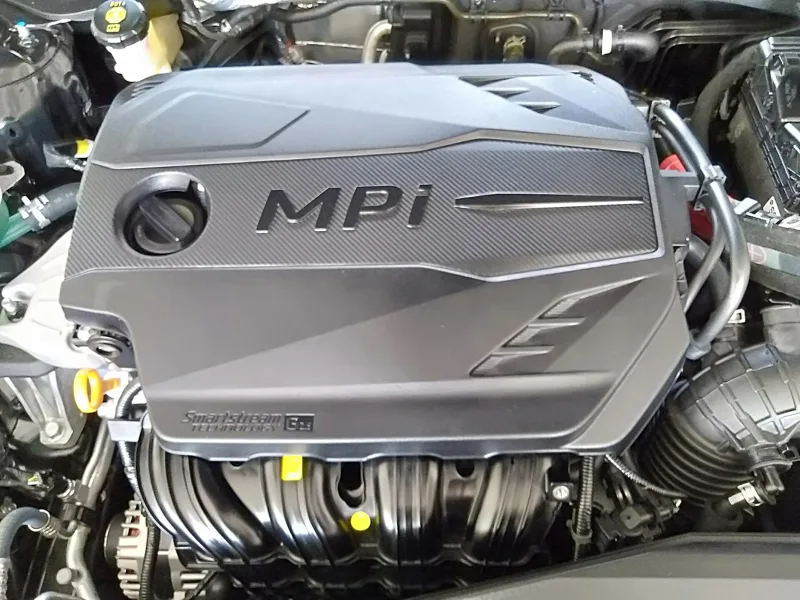
Hyundai Smartstream Engine: Gasoline, LPG, Diesel and Hybrid Units Under One Name
Engines
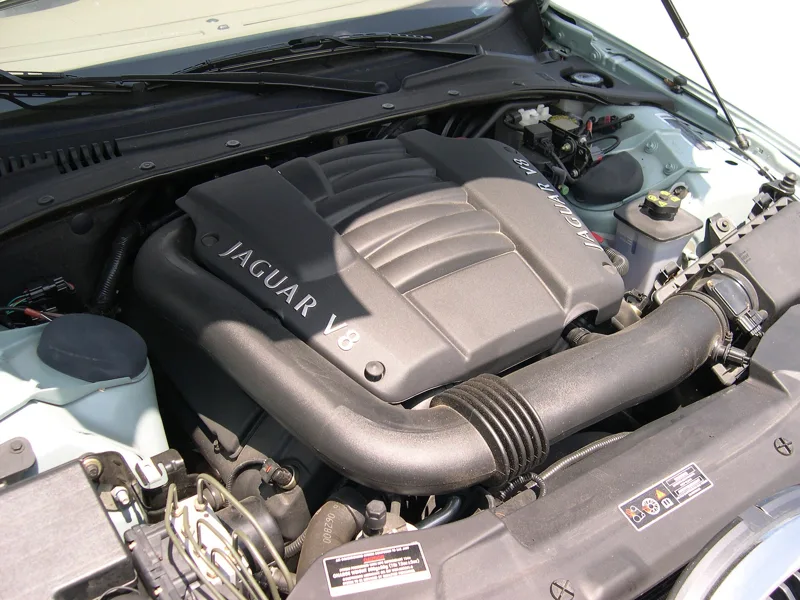
Jaguar AJ-V8 Engine: The Compact DOHC V8 That Replaced the Straight-Six and V12
Engines
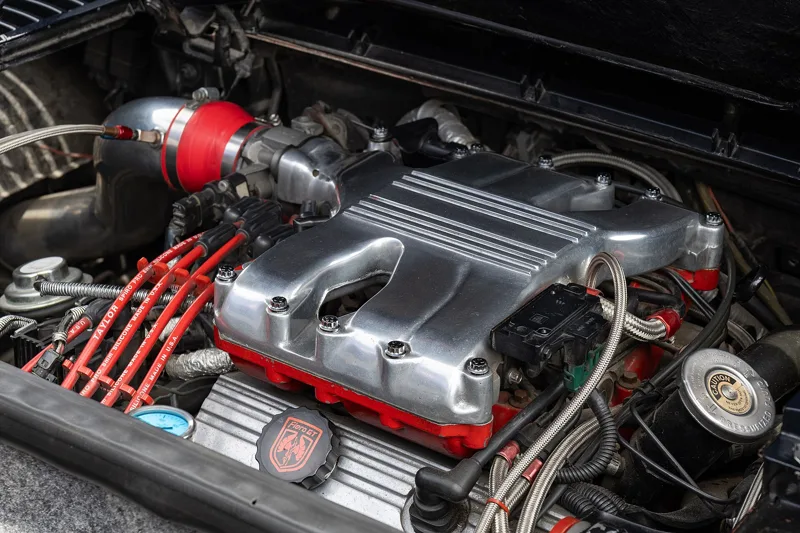
General Motors 60-Degree V6 Engine: The Family From X-Body Cars to Chinese-Built Units
Engines
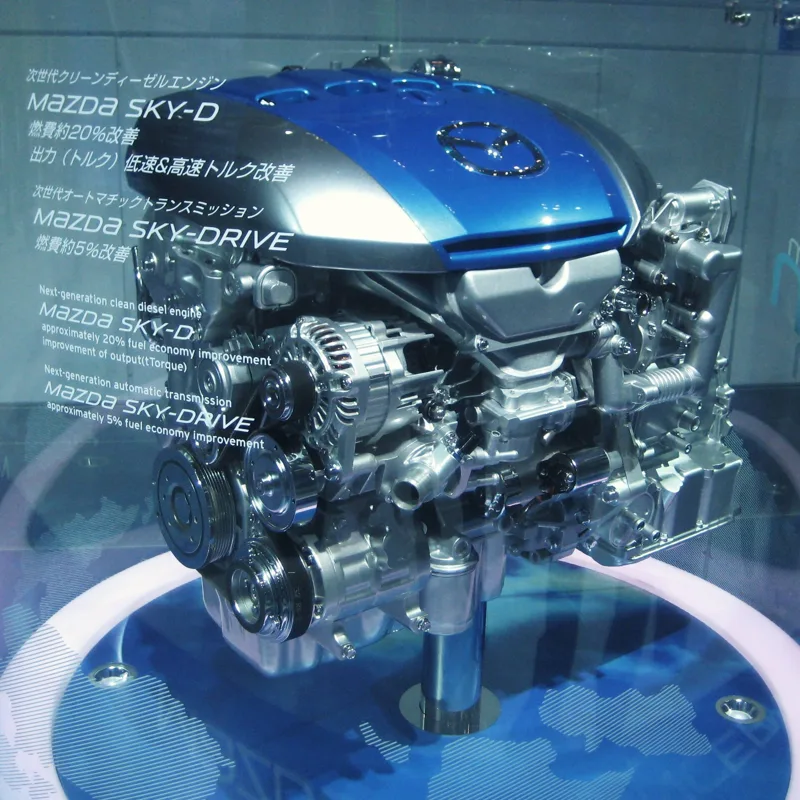
Mazda Diesel Engines: From Licence-Built Fours to the SKYACTIV-D
Engines
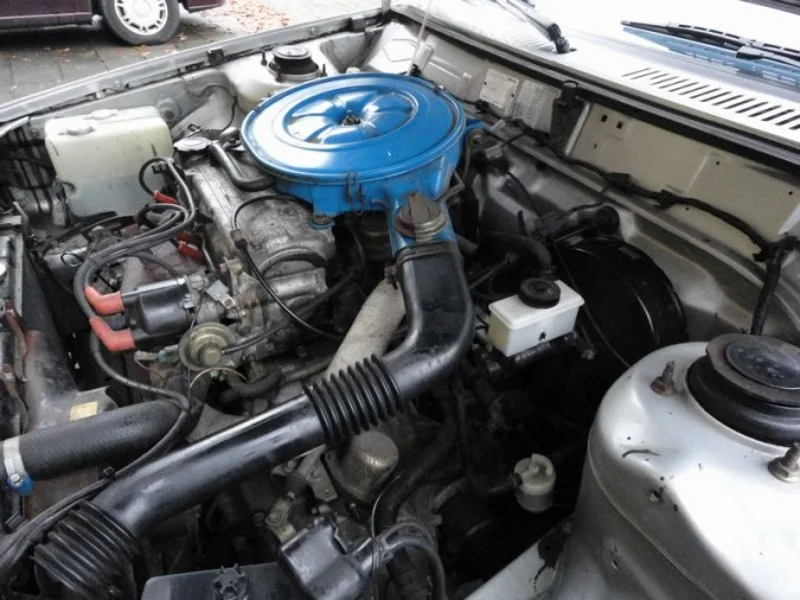
Mazda F Engine: The Inline-Four Family From the 1.6-Litre F6 to the FS and FP
Engines
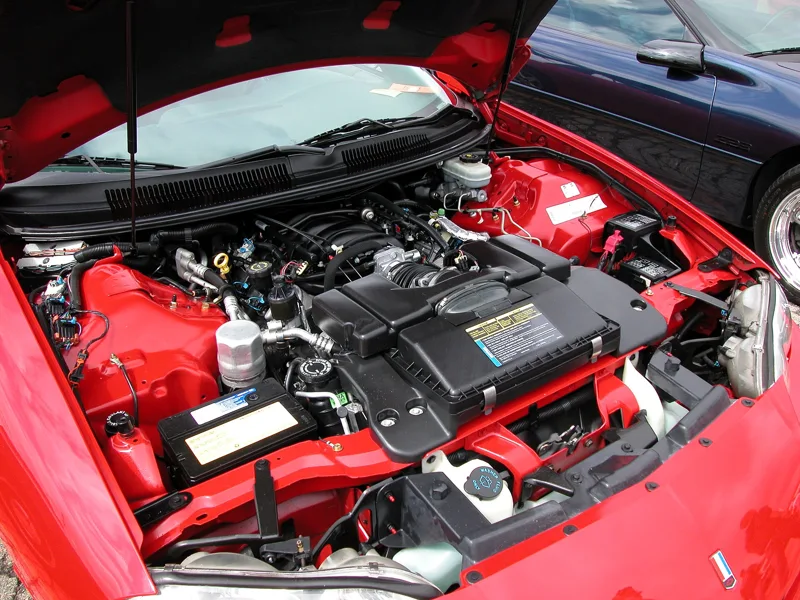
GM LS Engines: The Small-Block Family From the LS1 to the Gen V LT
Engines
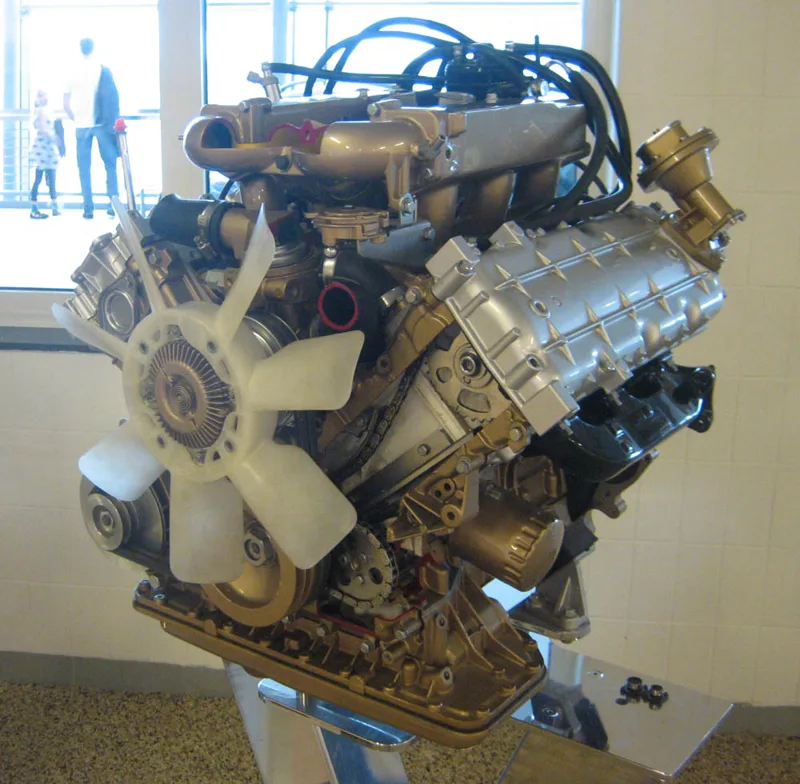
PRV Engine: The Peugeot, Renault and Volvo V6 That Ran for 24 Years
Engines
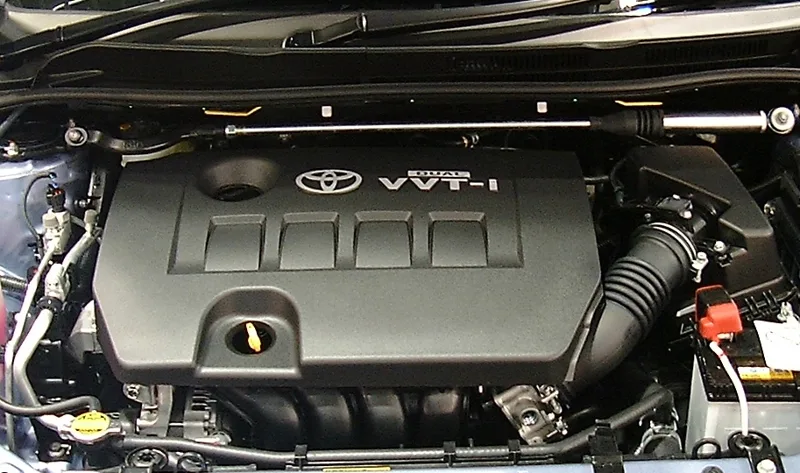
Toyota ZR Engine: The 1.6 to 2.0 Litre Family With Valvematic
Engines
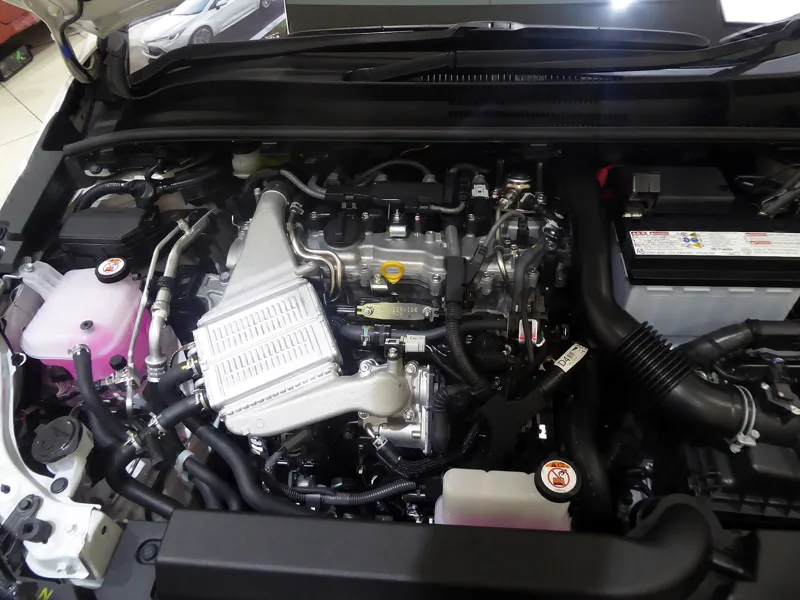
Toyota NR Engine: The Small Four-Cylinder Family From 1.2 to 1.5 Litres
Engines
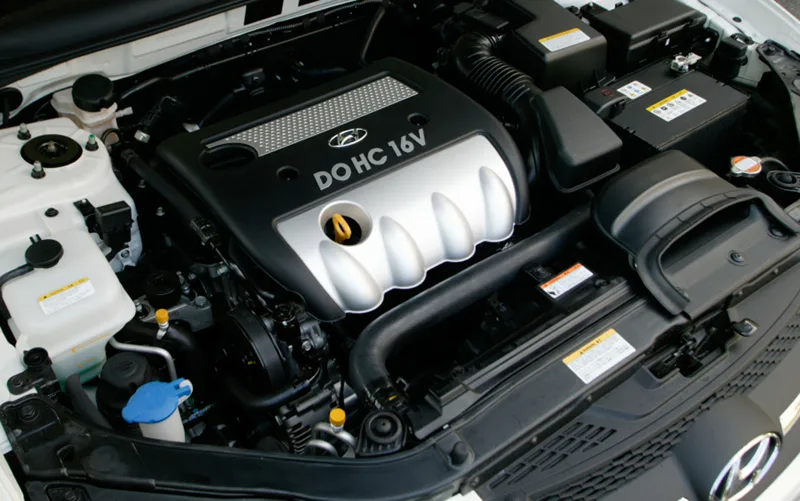
Hyundai Theta Engine: The Four-Cylinder Family From the Sonata to the Genesis
Engines
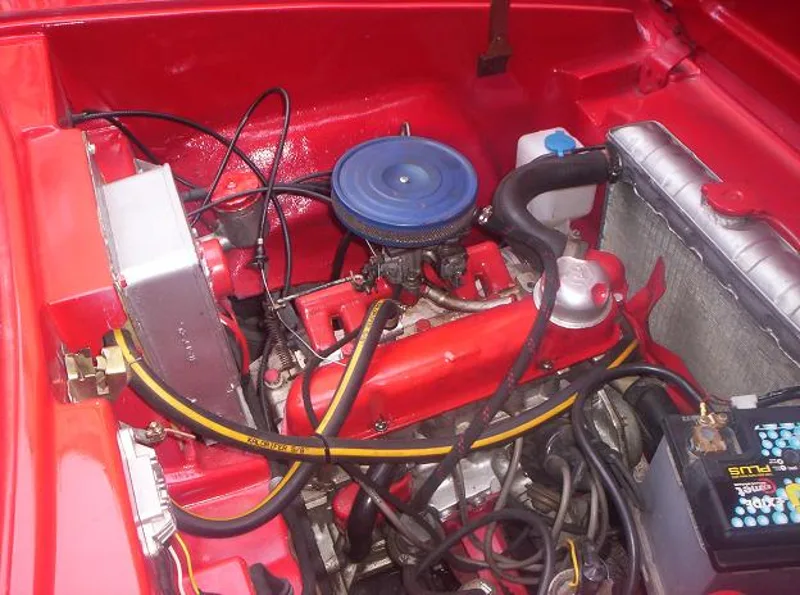
Ford Kent Engine: The Pushrod Four That Built a Motorsport Foundation
Engines
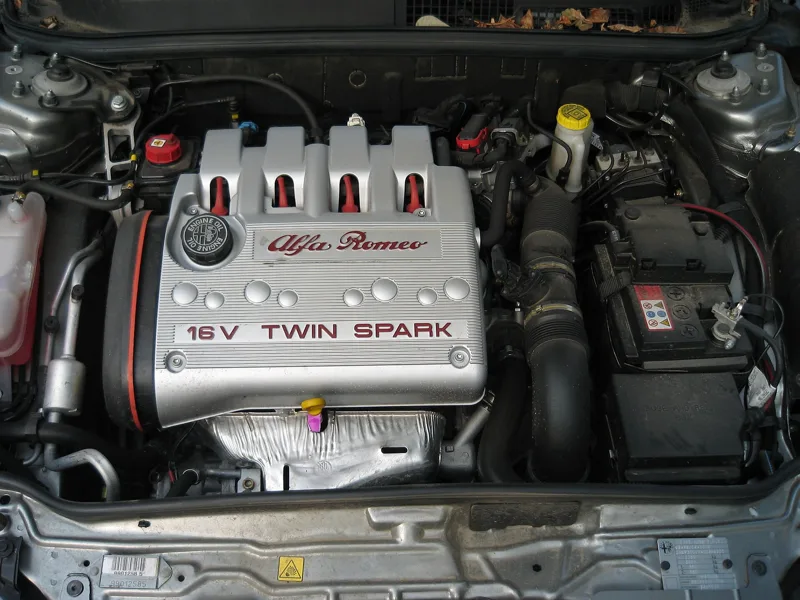
Alfa Romeo Twin Spark Engine: Two Plugs, Variable Cams and the 16-Valve Story
Engines
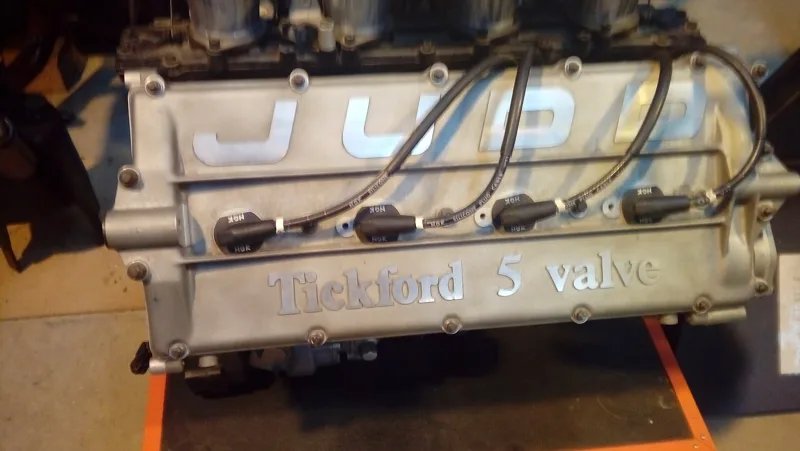
Judd Engines: The British Privateer Behind Brabham, March and a Generation of Racers
Engines
Fiat JTD and Multijet Engines: The Diesel Family Built with General Motors
Engines
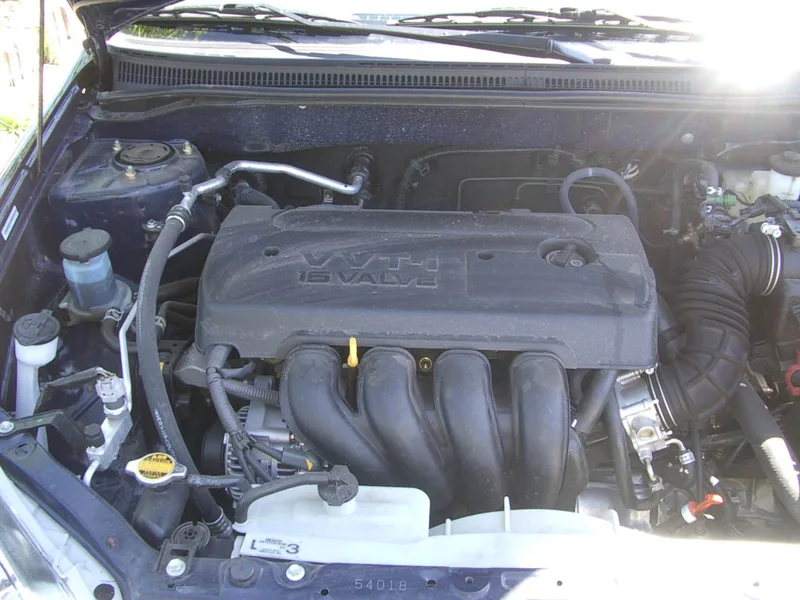
Toyota ZZ Engine: The Aluminium Four-Cylinder Family Behind the 1ZZ and 2ZZ
Engines
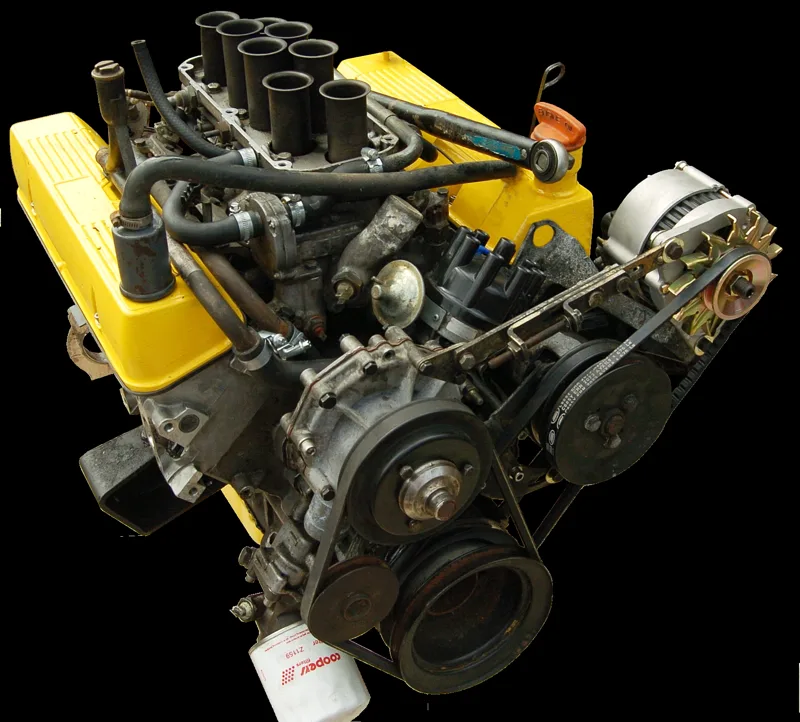
Rover V8 Engine: The Buick-Derived Aluminium V8 That Ran for 37 Years
Engines
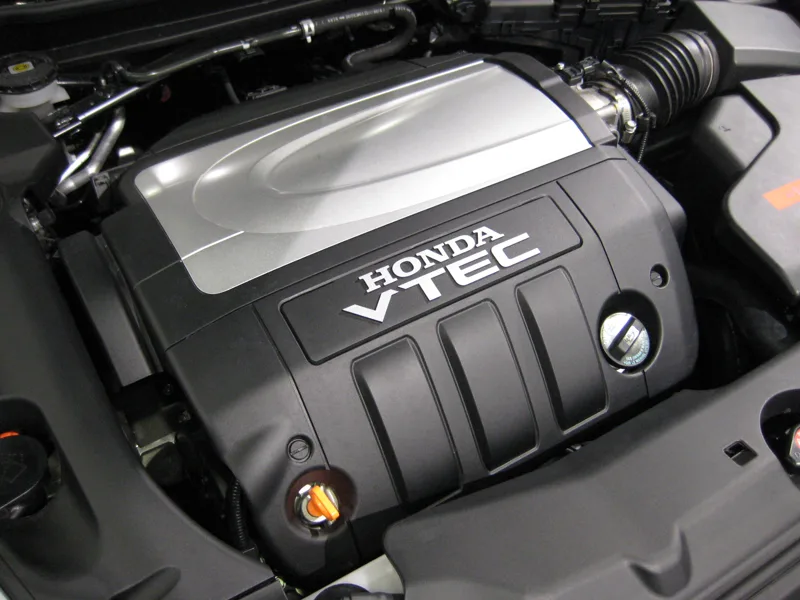
Honda J-Series V6: The Transverse Family From the Accord to the Pilot
Engines
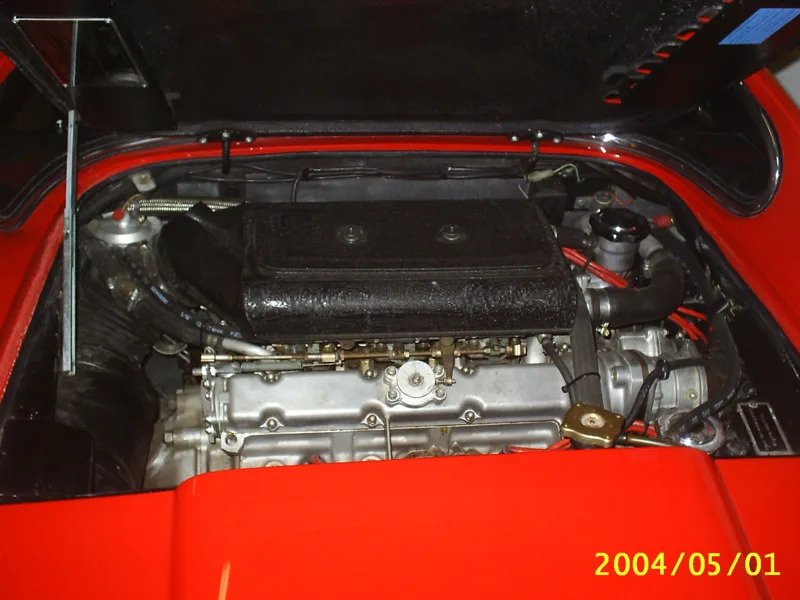
Ferrari Dino Engine: The V6 and V8 Family From the 1950s to 2004
Engines
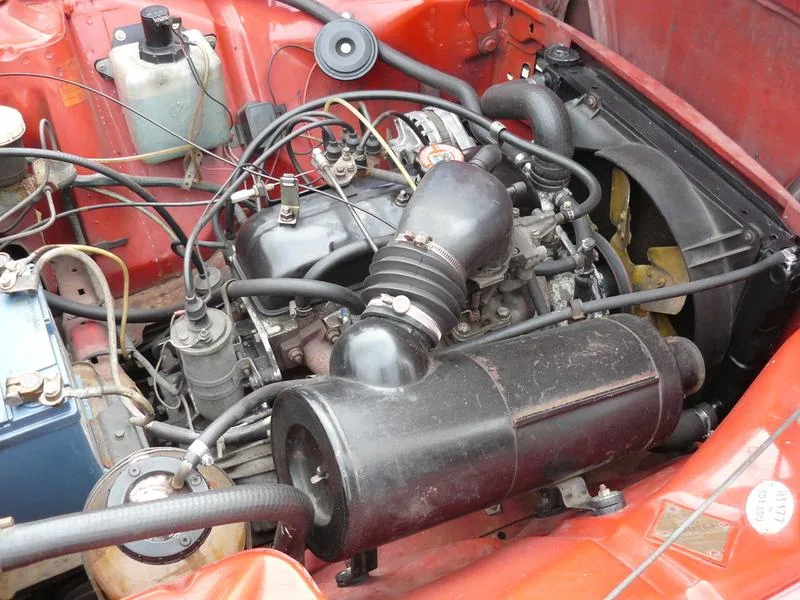
Renault Cleon-Fonte Engine: The Four That Lasted Nearly Half a Century
Engines
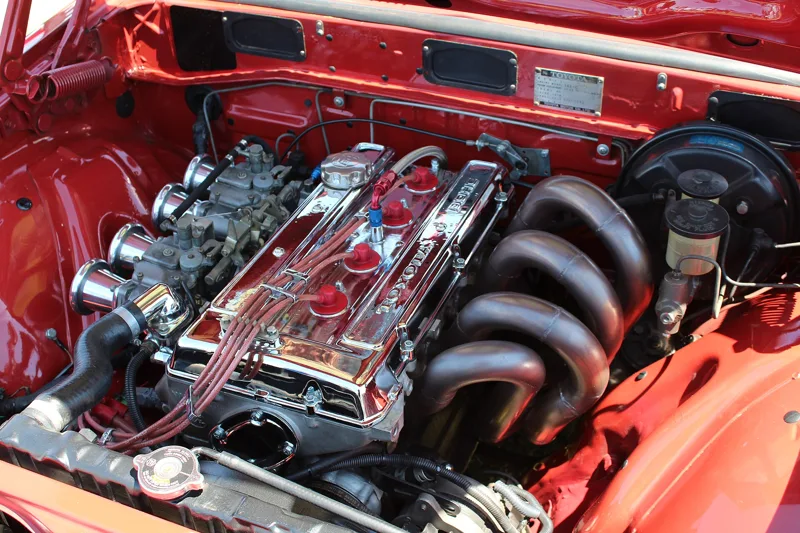
Toyota R Engine: The Inline-Four Family From 1953 to 1997
Engines
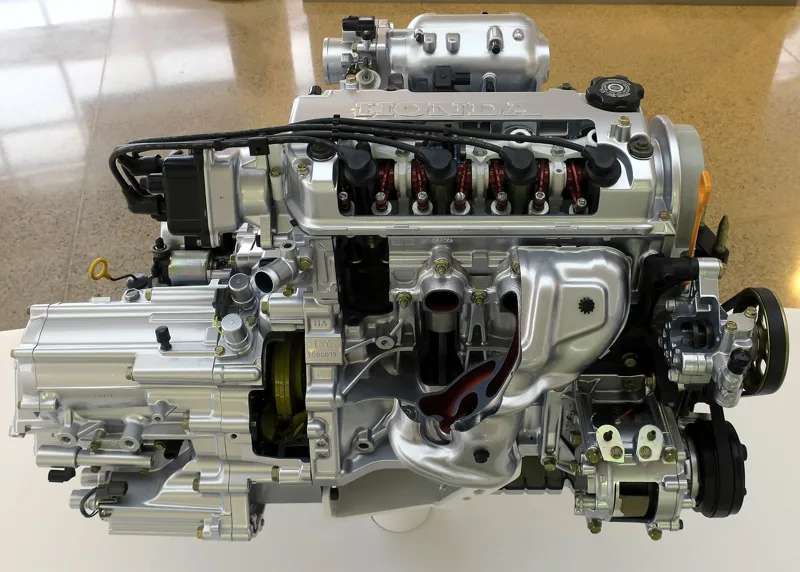
Honda D-Series Engine: The Compact Inline-Four Behind the Civic and CRX
Engines
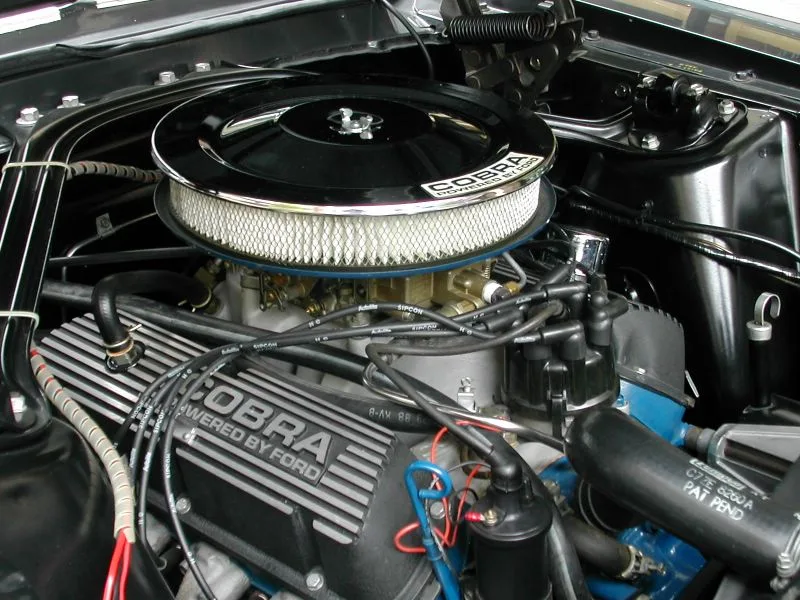
Ford Small-Block V8: The Engine That Powered Four Decades of Mustangs and Trucks
Engines
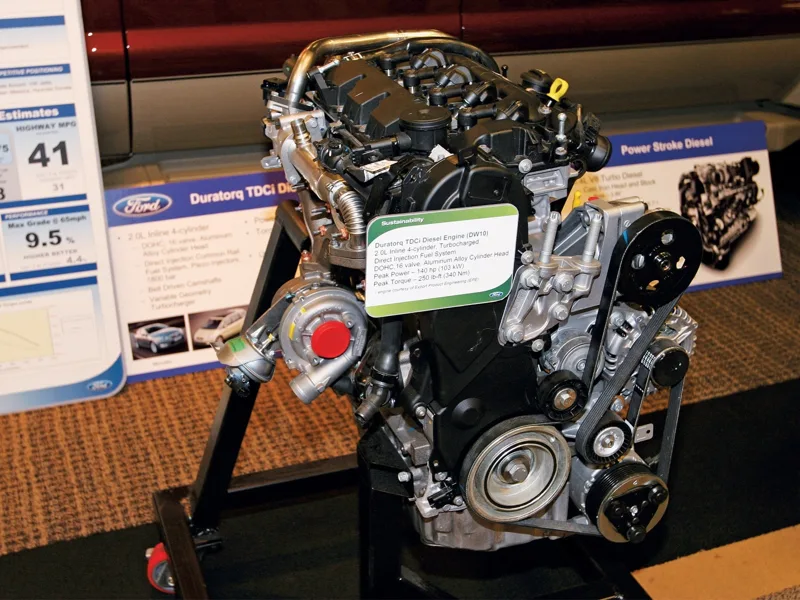
Ford Duratorq Engine: The Diesel Family from Puma to the V8
Engines
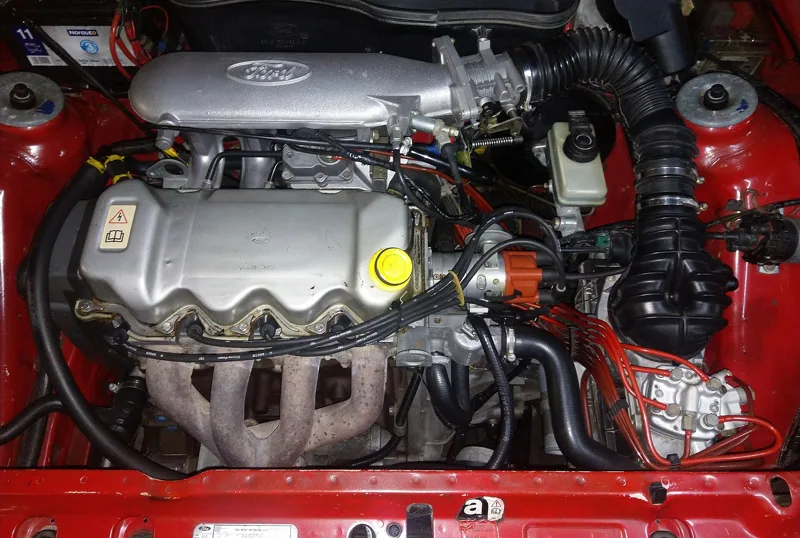
Ford CVH Engine: The Hemispherical Four Behind the Escort, Fiesta and Focus
Engines
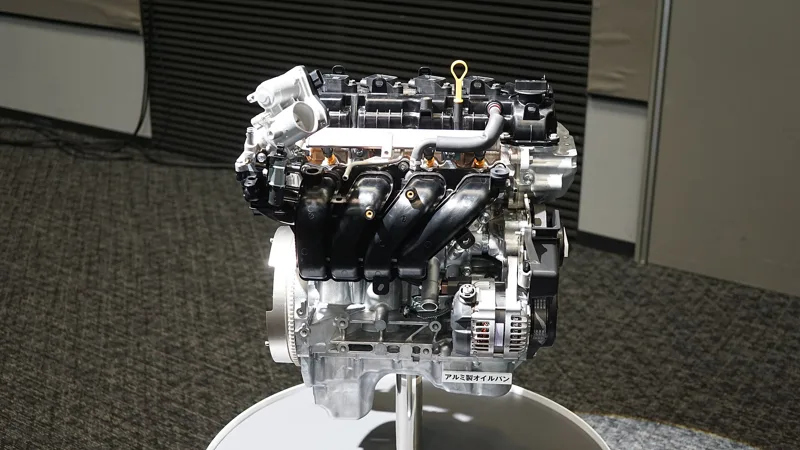
Suzuki K Engine: Three Decades of Small Petrol Engines From the K6A to the K15C
Engines
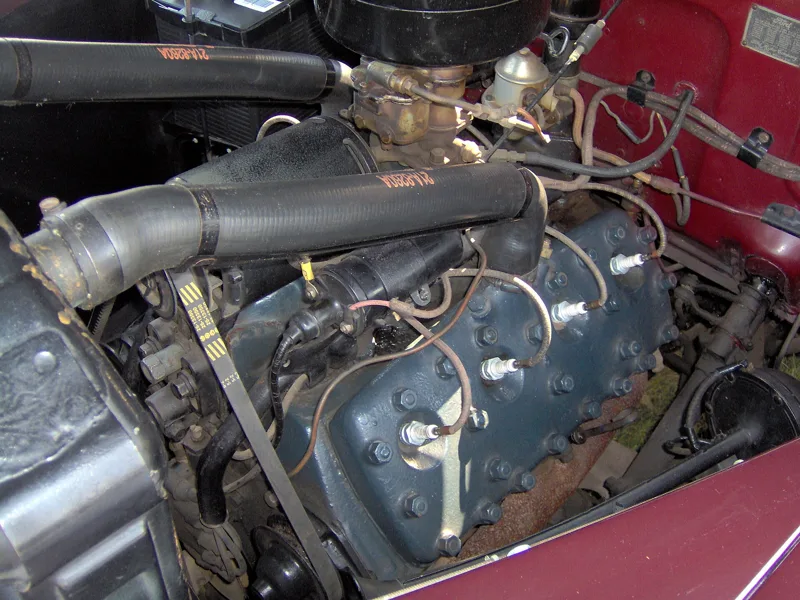
Ford Flathead V8: The Affordable 1932 V8 That Became a Hot Rod Legend
Engines
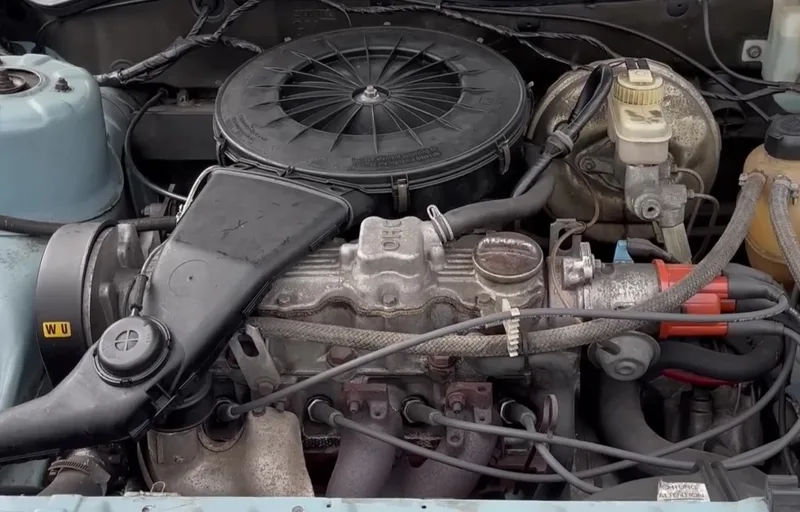
GM Family II Engine: The Big Block Four That Carried Opel and Vauxhall Through the 1980s
Engines
Formula One Engines: From 4.5-Litre Atmospherics to the 2026 Hybrid Power Units
Engines
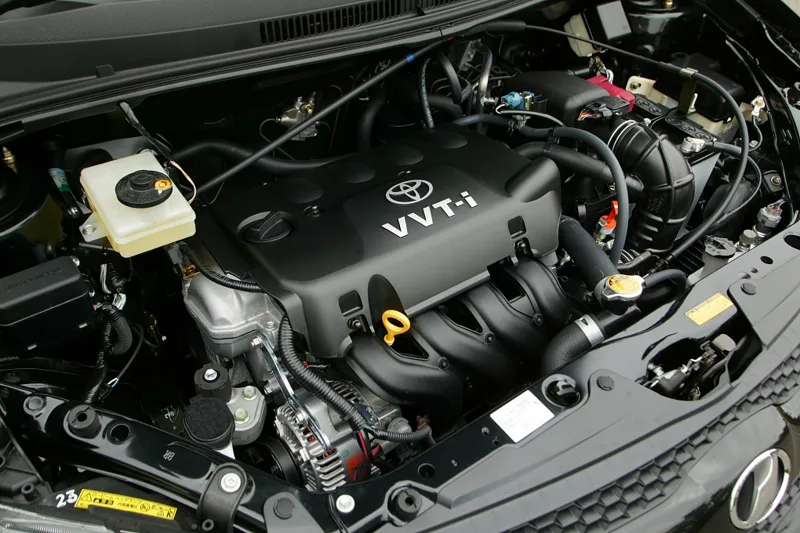
Toyota NZ Engine: The Four-Cylinder Family From the Prius Hybrid to the Turbo Vitz
Engines
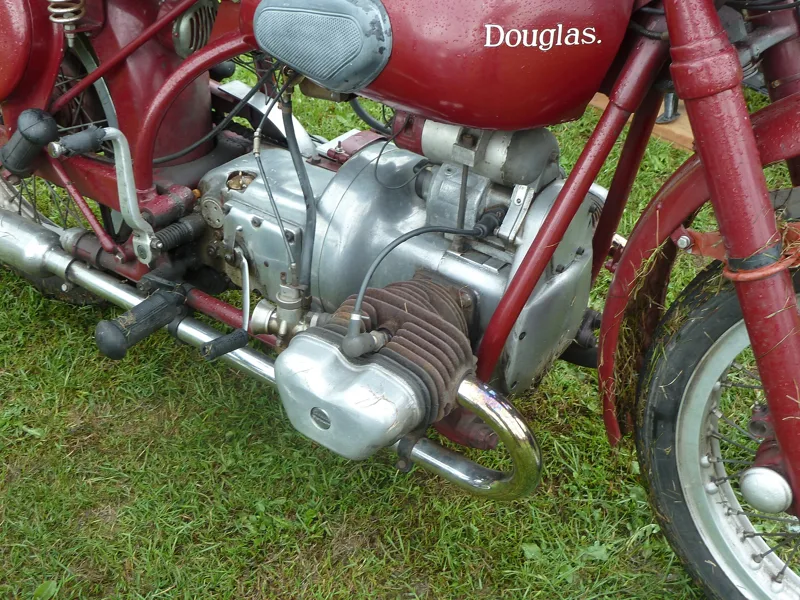
Flat-Twin Engine: How Opposed Cylinders Shaped Cars, Motorcycles and Aircraft
Engines
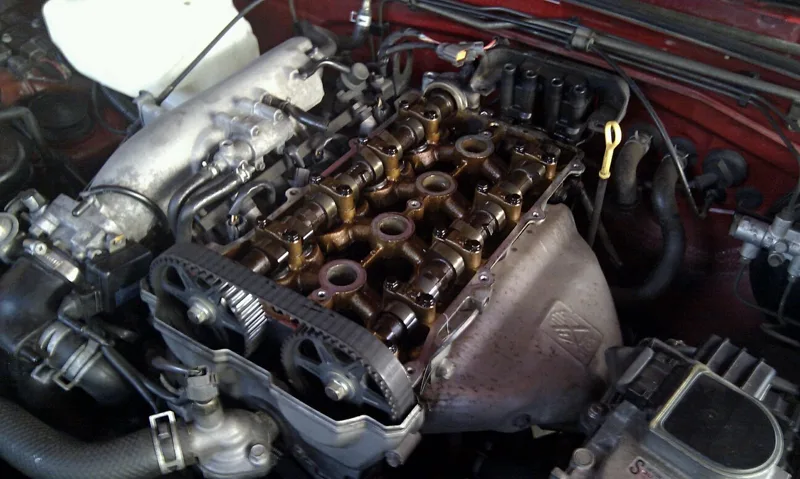
Mazda B-Series Engine: The Small Four From 1.1 to 1.8 Litres
Engines
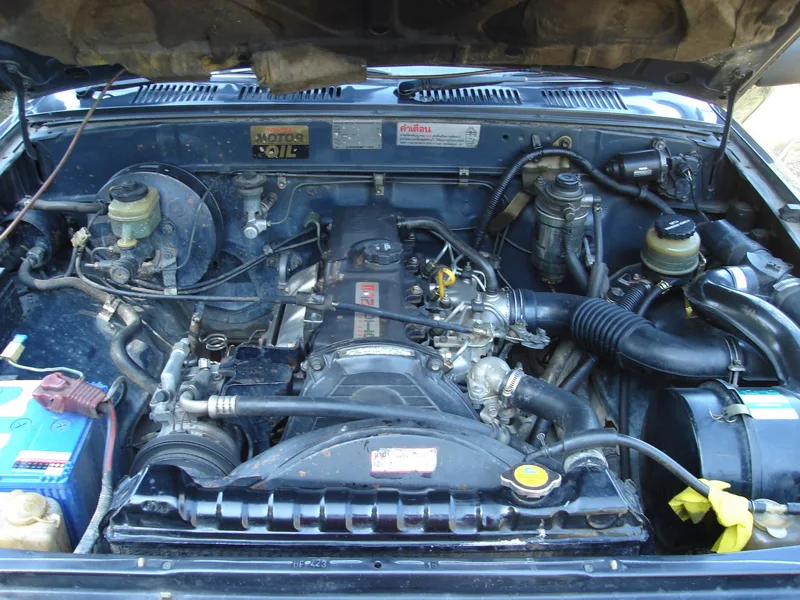
Toyota L Engine: The Diesel Family From the 2.2-Litre L to the 5L-E
Engines
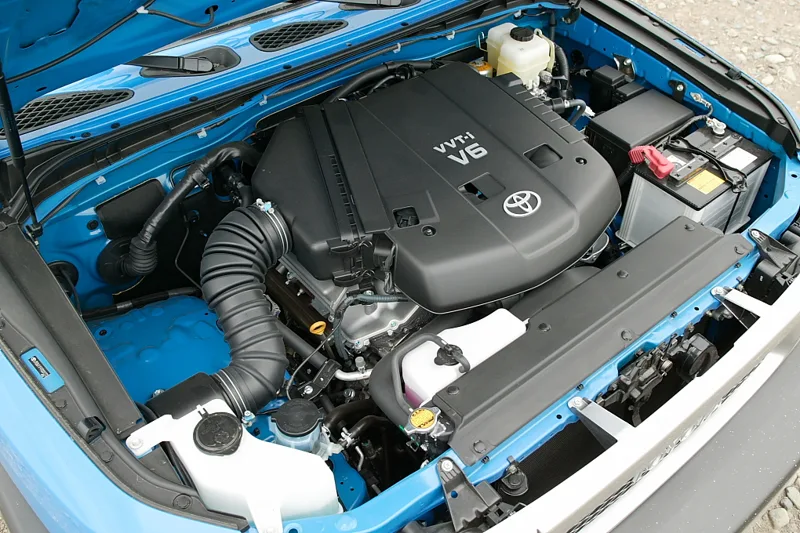
Toyota GR Engine: The Aluminium V6 Family From Pickups to Lotus
Engines
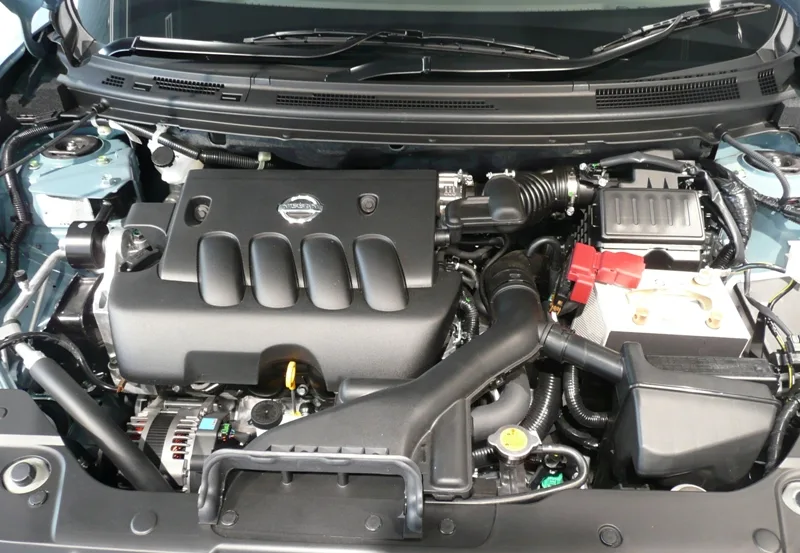
Nissan MR Engine: The Renault-Nissan Three and Four-Cylinder Family
Engines
Toyota A-Series Engine: The Inline-Four Family From the Tercel to the 4A-GE
Engines
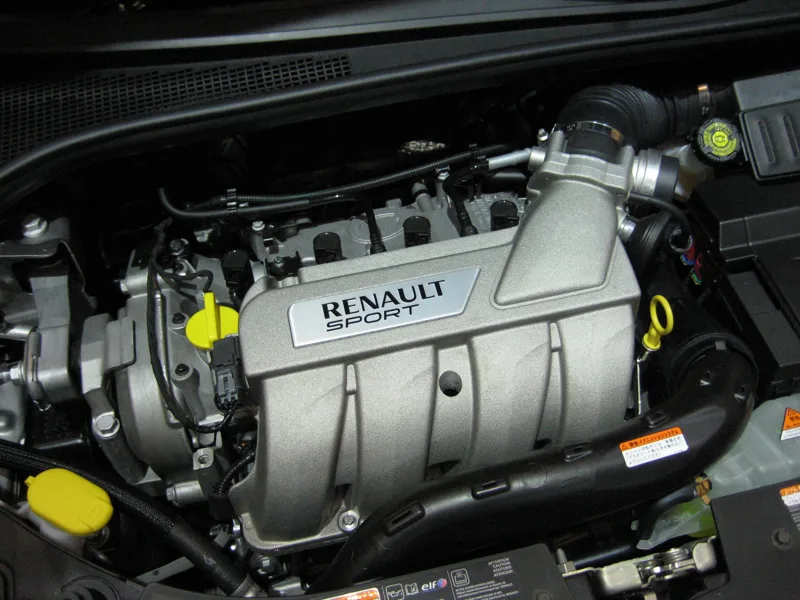
Renault F-Type Engine: The Cast Iron Four That Ran From Diesel Hatchbacks to the Clio Williams
Engines
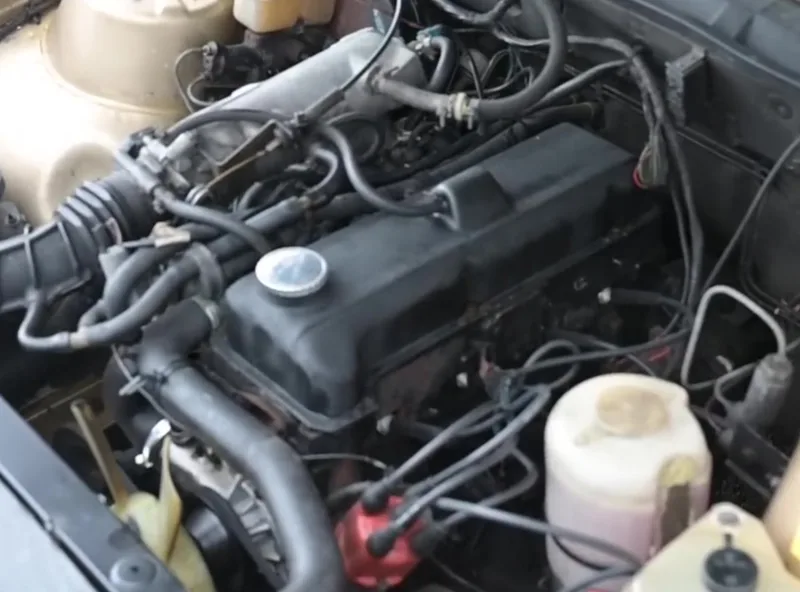
Opel Cam-in-Head Engine: The CIH Family From 1965 to 1998
Engines
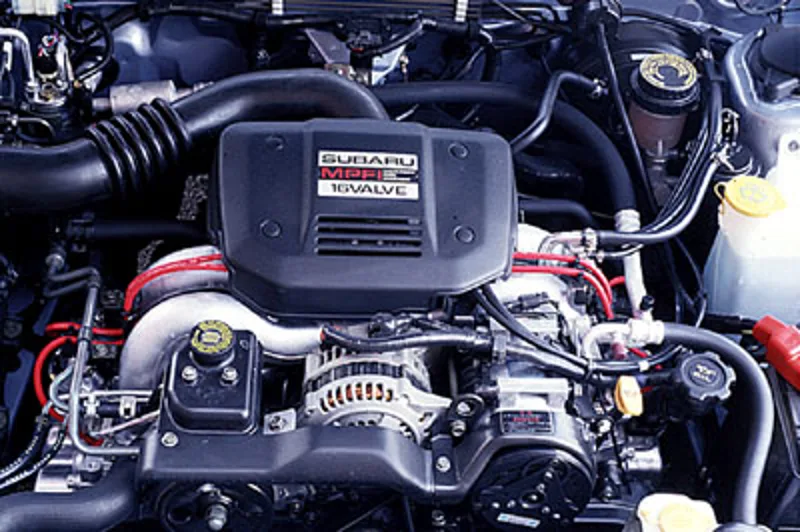
Subaru EJ Engine: The Boxer Family From 1.5 to 2.5 Litres
Engines
Ford Modular V8: The Engine That Reinvented Ford's Small Block
Engines
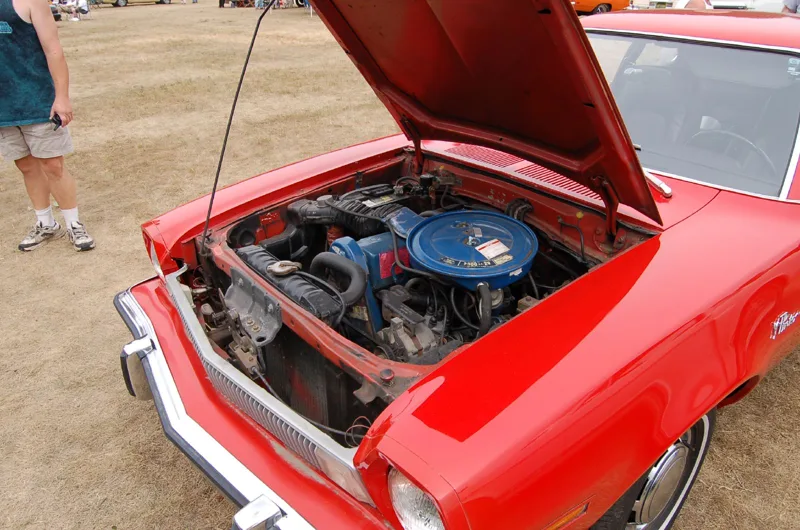
Ford Pinto Engine: The Metric Four That Powered European Fords and Their Hot Rod Legacy
Engines
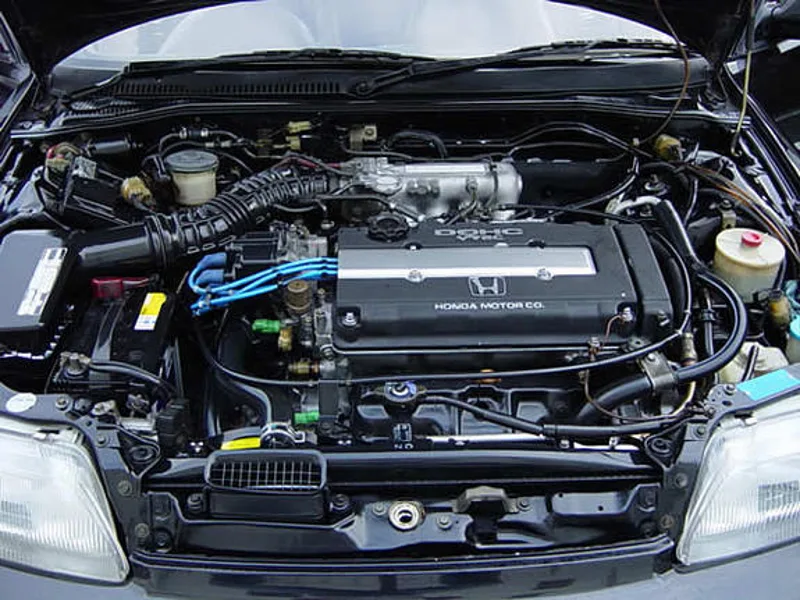
Honda B Engine: The DOHC Four-Cylinder Family Behind VTEC, Civic Type R and CR-V
Engines
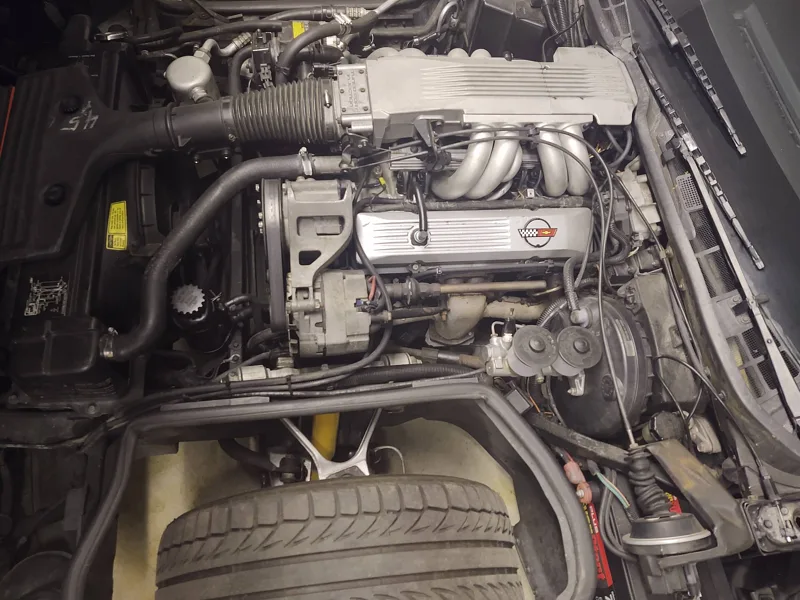
Chevrolet Small-Block Engine: The V8 That Became GM's Corporate Standard
Engines
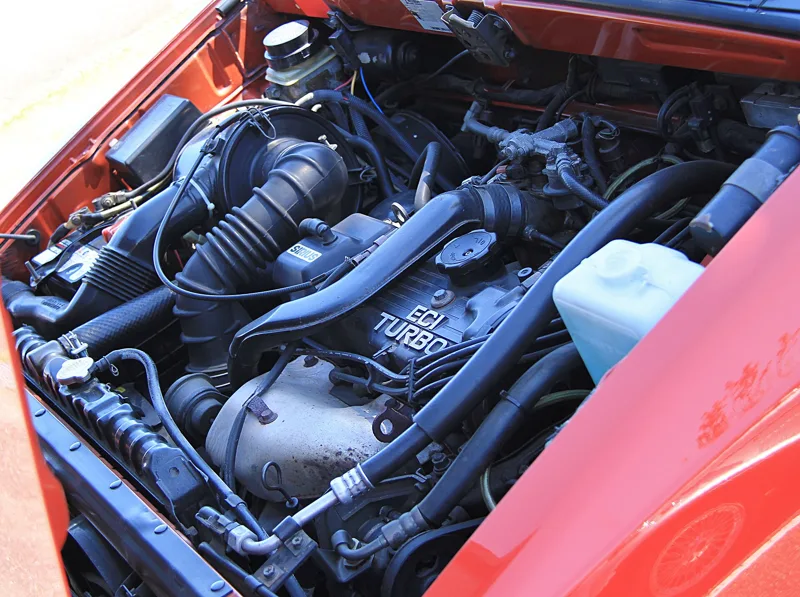
Mitsubishi Sirius Engine: The 4G6 and 4D6 Family Behind the Evo
Engines
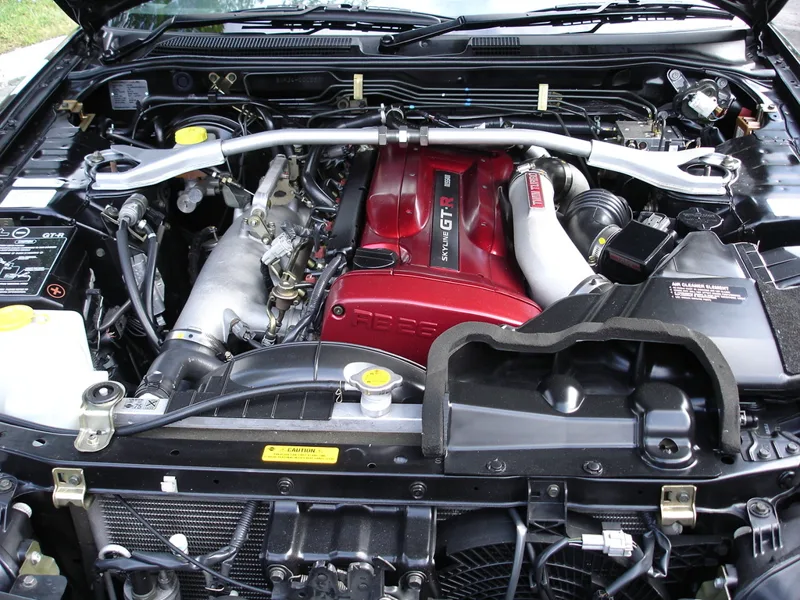
Nissan RB Engine: The Straight-Six Family From the RB20 to the RB26DETT
Engines
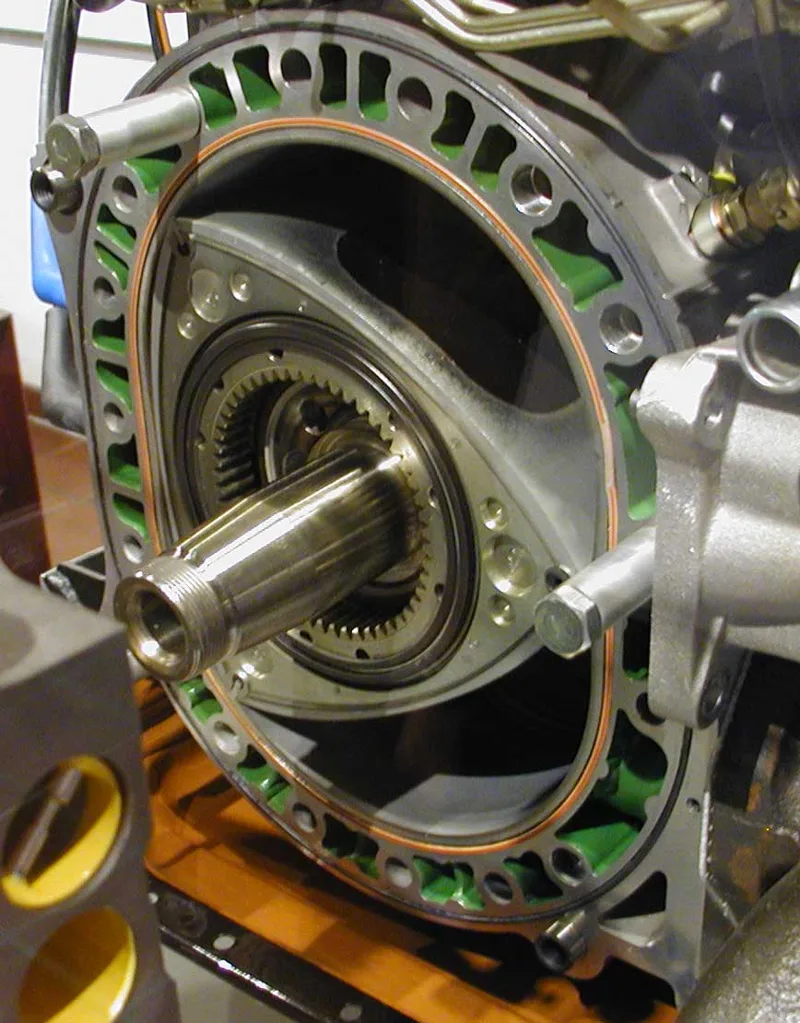
Mazda Wankel Engine: The Rotary Family From the 10A to the Renesis and 8C
Engines
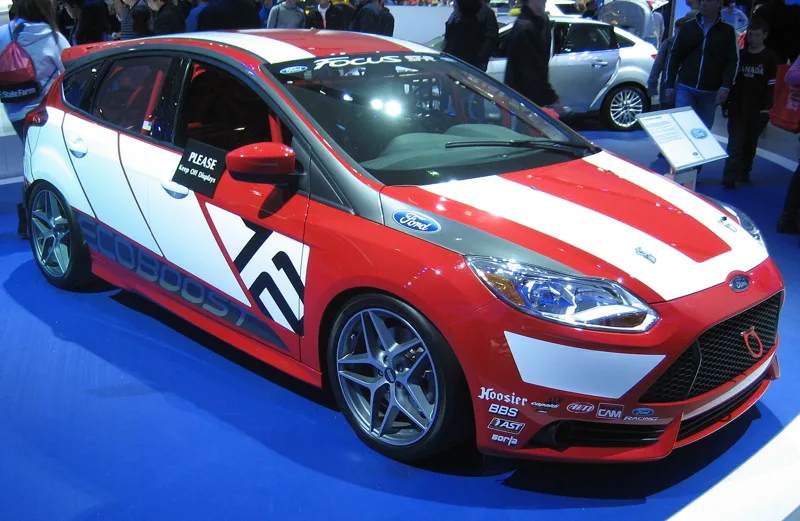
Ford EcoBoost Engine: From the 1.0 Three-Cylinder to the 3.5 V6
Engines
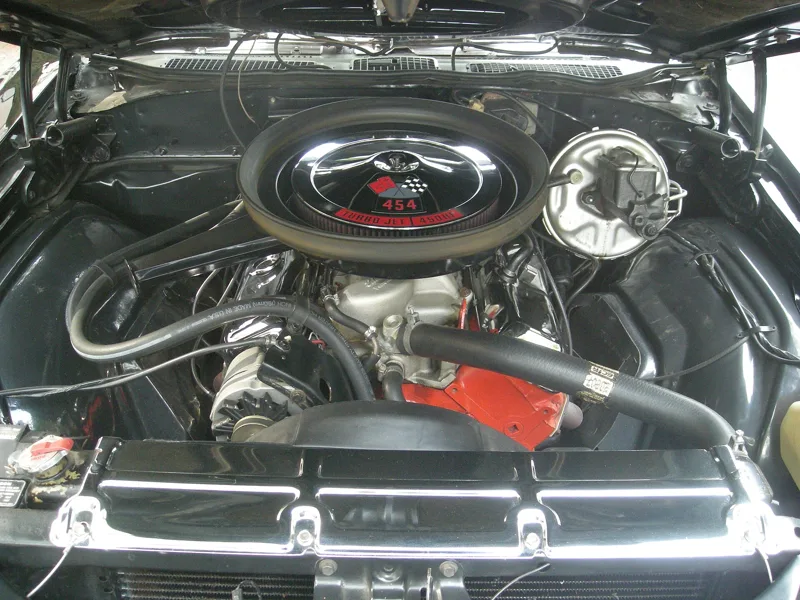
Chevrolet Big-Block Engine: From the W-Series to the ZZ632 Crate V8
Engines