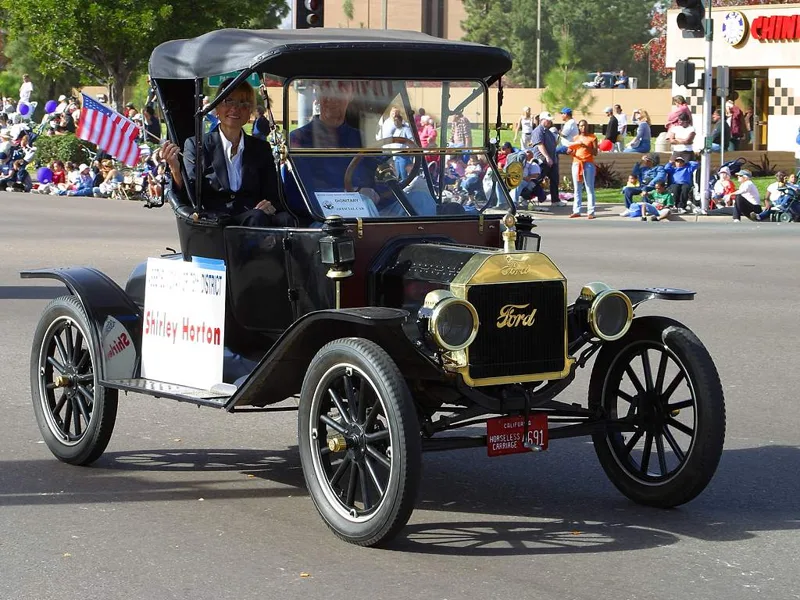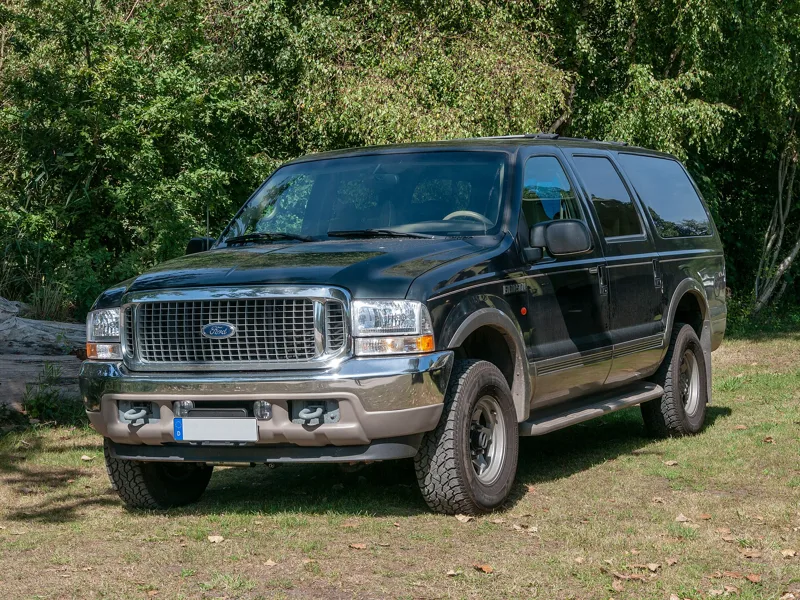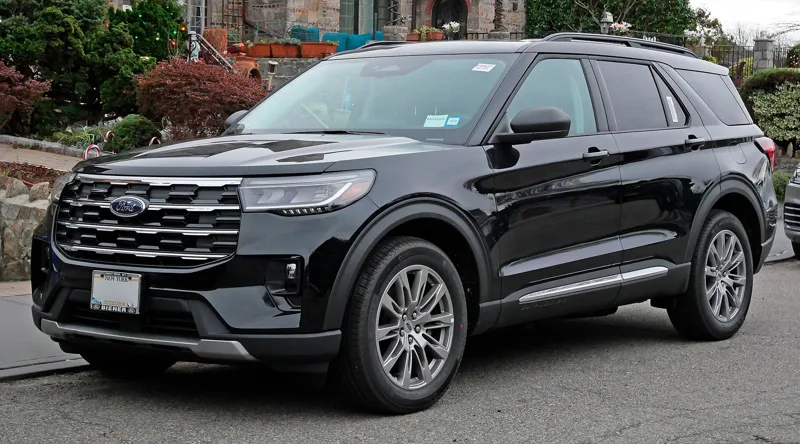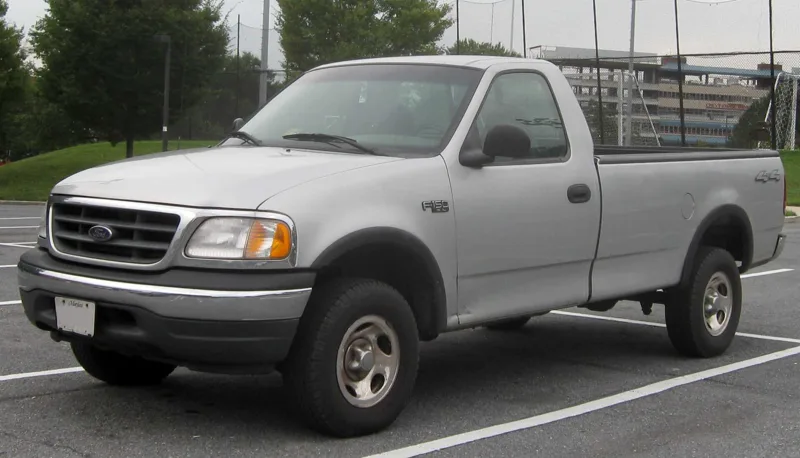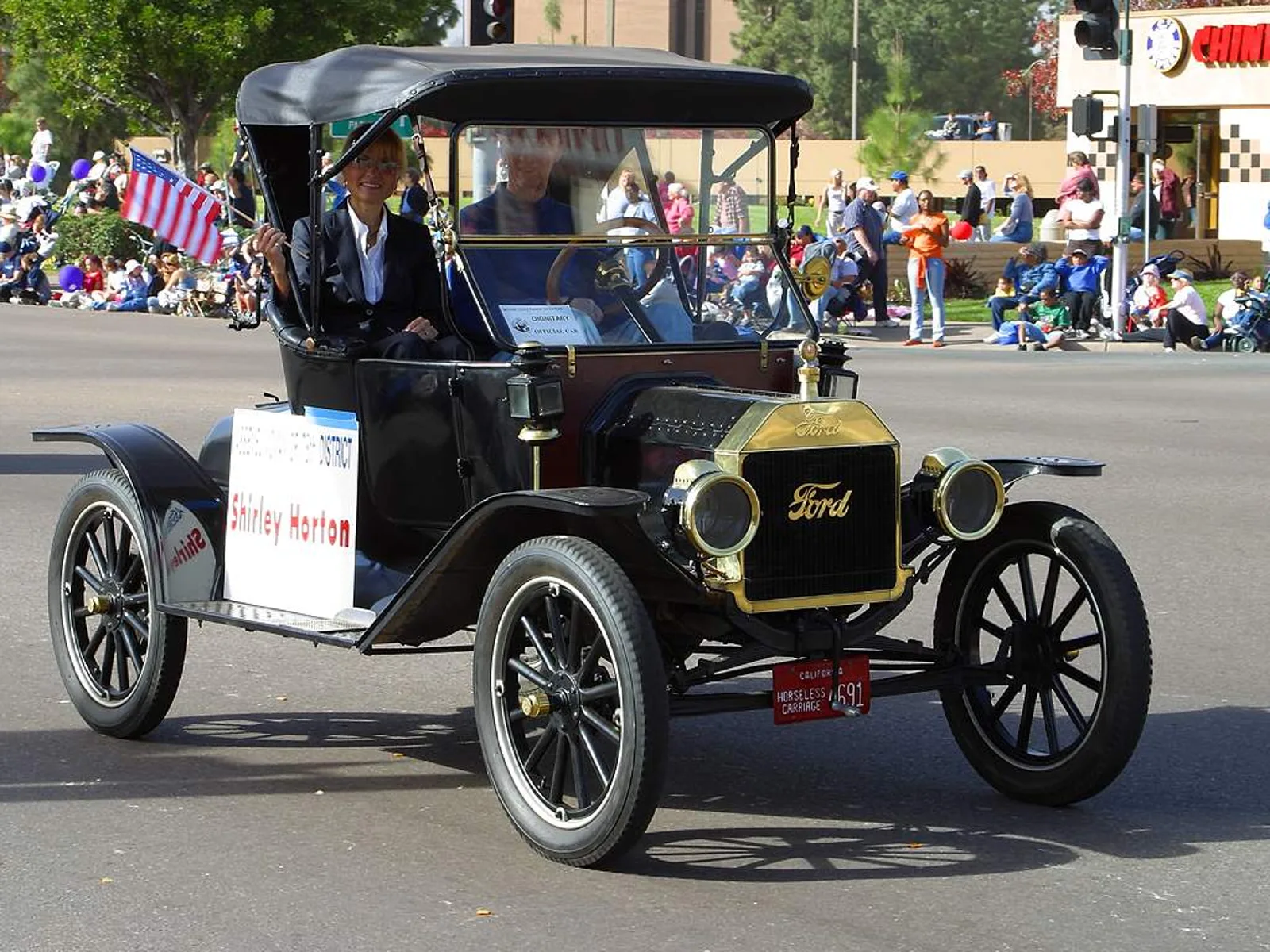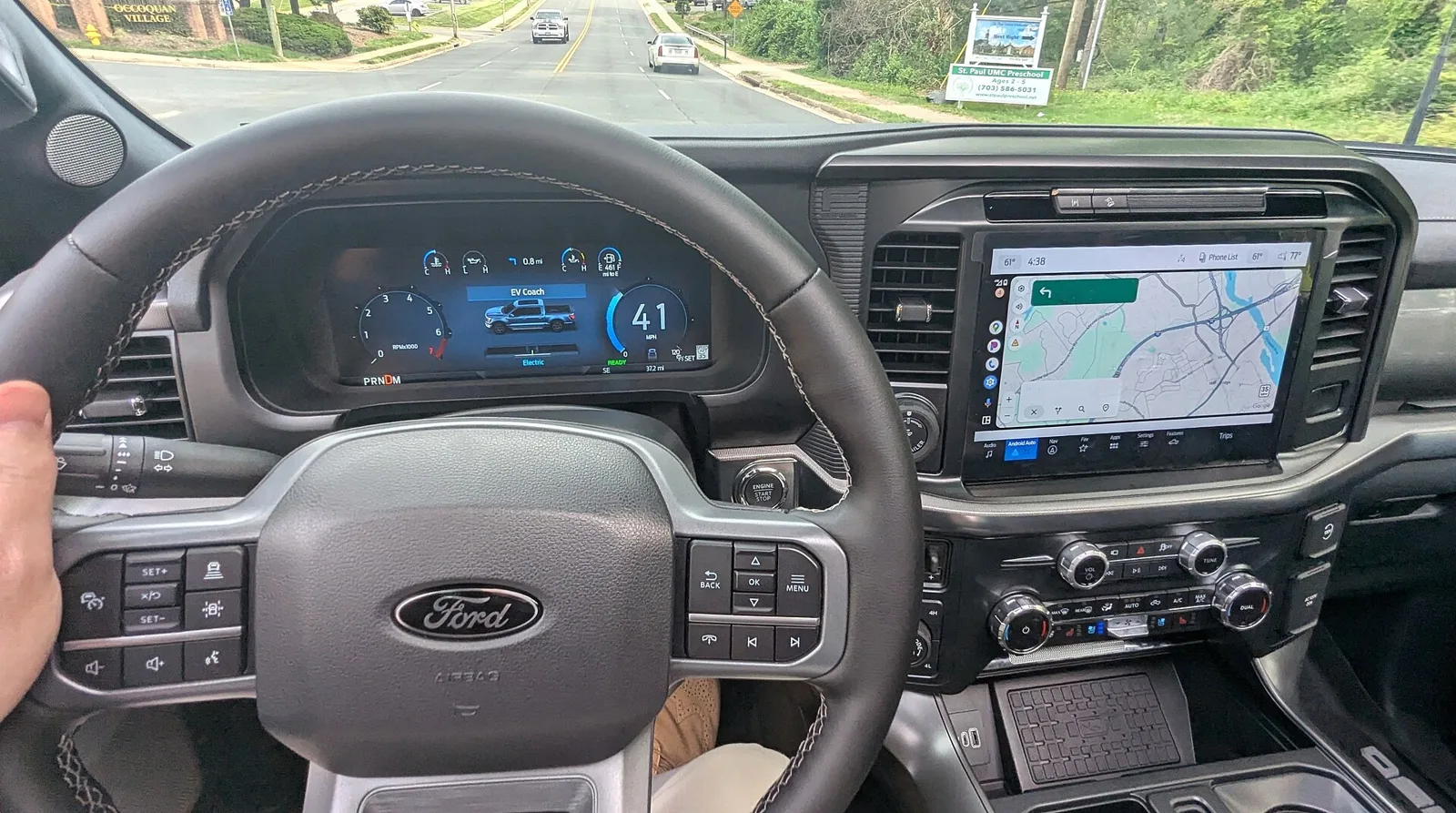
From the 2007 Microsoft-based system that read texts aloud to the Android Automotive screens of 2023, the Ford infotainment platform that kept changing its software.
Ford SYNC is a factory-installed voice and infotainment system that began in 2007 as a Microsoft-based hands-free system. It moved to BlackBerry's QNX software with Sync 3 and to Android Automotive OS with SYNC 5 in 2023, and it added features such as 911 Assist and AppLink along the way.
Ford SYNC is the factory-installed voice and infotainment system that Ford introduced in 2007 to handle hands-free calls, music and text messages through the car's own controls. It has been rebuilt several times, moving from Microsoft's embedded software to BlackBerry's QNX and then to Android Automotive OS. Each generation kept the same promise of voice control, even as the screens grew larger.
What is Ford SYNC?
Ford SYNC is a factory-installed system that lets drivers make hands-free calls, control music and hear texts using voice commands and the steering wheel. Ford designed its interfaces and applications, and third-party developers added some features. The system is built into the car, not run from a phone app.
Early versions connected Bluetooth phones and digital media players and paired them with voice, steering wheel and radio controls. Texts were read by a synthetic female voice named Samantha, which interpreted around one hundred shorthand messages. Designers chose not to decode certain acronyms they regarded as obscene. Phone features included caller ID, call waiting, conference calling, a caller log and a signal strength icon.
Some voice commands were not offered in Canada, including turn-by-turn directions and climate control. The reason was practical: several English commands had no French equivalent, and Ford Canada said it expected to address the gap in later software, though no firm date was set.
Reading texts aloud depends on the handset. The feature is carrier and device dependent, and it works with the iPhone, most Android models and Windows Mobile, provided the phone supports the Bluetooth Message Access Profile.
Ford's voice system began as a way to read texts aloud and ended as a full Android car platform, with the screens to match.
When and how did SYNC arrive?
Ford announced SYNC in January 2007 at the Detroit auto show, with Ford's chief executive Alan Mulally and Microsoft chairman Bill Gates presenting the partnership. The system reached the retail market in 2007, when it was installed in twelve Ford group vehicles in North America as 2008 models.
As an optional standalone item in 2007, SYNC carried a suggested retail price of US$395. Ford's exclusive use of Microsoft's automotive operating system ran until November 2008. Interface elements and apps built in-house stayed with Ford, and rival makers using the same base software could not access them.
How did the versions develop?
The first version appeared in September 2007 with media playback and phone connection. The second release in January 2008 added 911 Assist and the Vehicle Health Report, and the third release in April 2009 added Traffic, Directions and Information. Each release extended the feature list in steps rather than in one jump.
Ford Work Solutions, a bundle of applications for professional truck buyers, arrived later that same month in April 2009. The fourth and fifth releases followed in January 2010 and January 2011, bringing the MyFord Touch application and AppLink to certain 2011 model year vehicles.
| Generation | Launch | Operating system | Processor |
|---|---|---|---|
| SYNC v1 | September 2007 | Windows Embedded Automotive | 400 MHz Freescale i.MX31L, ARM11 core |
| MyFord Touch (Gen2) | January 2010 (fourth release) | Windows Embedded Automotive | Not covered here |
| Sync 3 | Announced December 11, 2014 | QNX | TI OMAP5432, ARM Cortex-A15 cores |
| Sync 4 and 4a | Announced October 30, 2019 | QNX | NXP i.MX 8 series, ARM Cortex-A53 cores |
| SYNC 5 | March 2023 | Android Automotive OS | Qualcomm Snapdragon 8155 |
What were the applications and features?
SYNC's best known applications included 911 Assist, which places an emergency call after an airbag deployment, and AppLink, which runs approved phone apps through the car's controls. Traffic, Directions and Information added alerts and turn-by-turn routing. The Vehicle Health Report was discontinued on older models.
911 Assist gives a 10-second window to cancel before the system calls a local emergency operator, and a pre-recorded message plays when the call is answered. In Europe the same feature is called Emergency Assistance and dials 112 in over 40 countries. It does not work in several countries, among them Albania, Belarus, Russia and Ukraine, and in Belgium the emergency centre may struggle with the location data.
AppLink let iPhone and Android phones run approved apps. The early list for the United States included Pandora, Stitcher, iHeartRadio, NPR News, Slacker, TuneIn and Ford's own SYNC Destinations. Spotify joined for iPhone users in March 2013 and was later extended to Android, but it was discontinued in January 2018.
Applications for the UK market, as listed in September 2019, included Glympse for real-time location sharing, Waze and Sygic for navigation, Radioplayer, EventSeeker, CitySeeker, HearMeOut, AccuWeather and Acast.
Traffic, Directions and Information was announced on May 27, 2009, as a free three-year service for the original owners of 2010 model year vehicles. Traffic alerts came from INRIX and turn-by-turn directions from Telenav. The application also covered weather, sports, news and business search.
The Vehicle Health Report was discontinued for SYNC Gen1 and Gen2 on 2008 to 2016 vehicles from August 1, 2018. After that date, health information was no longer sent through the phone linked to the account, reports were no longer emailed, and they were no longer available on the owner websites.
What was Ford Work Solutions?
Ford Work Solutions was a bundle of technologies that debuted in April 2009 for professional buyers of pickups, E-Series vans and the Transit Connect. Magneti Marelli developed its in-dash computer, and its applications covered fleet tracking, navigation, remote office access and tool inventory.
Crew Chief provided real-time vehicle location and maintenance tracking. It could monitor tyre pressure, water in fuel, airbag faults and the check engine light, and it could alert on excessive speeding. Garmin Navigation handled routing and points of interest, while LogMeIn let users open an office computer remotely with a Ford-certified Bluetooth keyboard and printer.
Tool Link used RFID tags to take inventory of objects in the truck bed. Users could build job lists to confirm the right tools were aboard before setting off, and check again at the end of a job to be sure nothing had been left behind. Ford developed it with the power tool maker DeWalt and with ThingMagic.
What hardware ran SYNC?
The first SYNC computer, known as the APIM, sat apart from the audio head unit and used a 400 MHz processor with an ARM11 core. It carried 256 MB of mobile DDR memory and 2 GB of NAND flash. Later generations moved to TI, NXP and Qualcomm processors, with much larger displays.
Continental AG helped design the first generation, and Nuance Communications supplied the speech technology. A Cambridge Silicon Radio BlueCore4 chip handled Bluetooth. Ford said the major circuit board chips cost roughly US$27.80, which let it sell the system far below rival offerings.
SYNC 3 used a TI OMAP5432 with ARM Cortex-A15 cores, and SYNC 4 used an NXP i.MX 8 series chip with ARM Cortex-A53 cores. SYNC 5 in the Lincoln Nautilus runs on a Qualcomm Snapdragon 8155 with 16GB of RAM and 256GB of storage. It supports 5G connectivity and is typically set up with one or two 23-inch curved digital instrument displays and an 11.1-inch touchscreen.
How did SYNC 3, 4 and 5 change the design?
Sync 3 was announced on December 11, 2014, to replace MyFord Touch, and it ran on QNX software in place of Microsoft's system. Ford planned to place it in over half of its North American vehicles by the end of 2015. The name was used for both Ford and Lincoln models, though Lincoln versions carry a different theme. The company said complex Microsoft software had been dragging down its scores with Consumer Reports and other consumer magazines.
Sync 4 was announced on October 30, 2019, and first appeared on the Mustang Mach-E. It came in two forms, Sync 4 with horizontal displays and Sync 4a with vertical ones, and Ford Power-Up updates delivered improvements over the air.
SYNC 5 debuted in March 2023 in the redesigned Lincoln Nautilus, which used Android Automotive OS, with DuerOS added for China. Later in 2024, Lincoln and Ford models such as the 2025 Navigator, Aviator and Expedition gained the system too.
What research shaped SYNC's design?
Research cited for SYNC reviewed large naturalistic studies of cars, heavy goods vehicles and buses. Its authors concluded that driver inattention contributes to most collisions and near misses, and that looking away from the road is the single most significant type of inattention.
The same review found that listening to or talking on a hands-free or handheld device contributes less to collisions than is generally thought. In some circumstances those distractions may even enhance safety.
How was SYNC received?
SYNC won attention early. Popular Mechanics ranked it fourth in its Top 10 Most Brilliant Gadgets of 2007, and Popular Science gave it a Best of What's New Award for 2008 in November 2007.
Earlier rivals had come and gone. Ford's RESCU service arrived on the 1996 Lincoln Continental and offered GPS-assisted security and wireless communication. GM's OnStar followed on some model-year 1997 vehicles. A 2018 look-back described RESCU as long gone and called SYNC a much more robust and flexible system.
What are the advantages and drawbacks of SYNC?
SYNC's main advantages were a low hardware cost, voice control that kept drivers away from touch menus, and over-the-air updates in later generations. Its drawbacks included missing commands in some countries, discontinued services and features that depended on the phone and the region.
Cost was central to the design. Ford said the main circuit board chips cost roughly US$27.80, which made a low price possible. Voice control, along with the steering wheel and radio controls, let drivers keep their hands on the wheel. Later generations added Power-Up updates, so improvements could arrive wirelessly.
The drawbacks are clear in the record. Several commands were missing outside the United States, the Vehicle Health Report ended for older models in 2018, and Spotify was dropped from AppLink. Ford also extended the warranty on several 2011 to 2014 models to five years as a customer satisfaction measure.