How the lithium-ion pack that powers an electric car is built, why lithium iron phosphate is gaining ground on nickel-based cells, and what happens to the battery at the end of its first life.
An electric vehicle battery is a lithium-ion pack of several hundred cells, most often Li-NMC or the cheaper LFP. Costs have fallen about 90 percent since 2010, but charging, heat and recycling still shape its real-world life and environmental impact.
An electric vehicle battery is a rechargeable pack that powers the motors of a battery electric or hybrid car. Most are lithium-ion, chosen for their high power-to-weight ratio and energy density, although they still store far less energy per kilogram than petrol or diesel. The battery accounts for a large share of an electric car's cost and environmental footprint, which makes its chemistry, supply chain and afterlife central to the industry's future.
What is an electric vehicle battery made of?
Lithium-ion cells dominate the battery electric vehicle market. The most common variant is lithium nickel manganese cobalt oxide, known as Li-NMC, which became the global standard for battery electric production in the 2010s. Its high performance comes at a cost, because mining the required minerals causes environmental and social problems, and the chemistry is sensitive to temperature and degrades with age.
Lithium iron phosphate, or LFP, has risen quickly. It reached 41 percent of global battery electric vehicle capacity in 2023. LFP batteries are heavier and offer a shorter range than Li-NMC, but they are cheaper, safer and more sustainable, because they do not need manganese or cobalt. Some Chinese manufacturers are also producing sodium-ion packs, which avoid critical minerals altogether.
A pack of several hundred cells whose chemistry, cost and supply chain now shape the whole electric car industry.
Which battery chemistries are being developed?
Several chemistries compete to displace Li-NMC. Solid-state batteries promise high energy density and better safety, and some laboratory tests have reported performance above 800Wh/kg. Lithium-sulphur cells are also expected to meet demanding performance needs, and LMFP is an LFP variant that adds manganese to the cathode.
Lithium titanate, or LTO, is valued for its safety and its long life, with cycle counts often above 10,000. It also charges rapidly, although its energy density is lower than that of other lithium-ion cells. Each option trades energy, power, cost, safety and lifespan against the others, so no single chemistry suits every vehicle.
| Chemistry | Main advantage | Main drawback |
|---|---|---|
| Li-NMC | High performance and energy density | Mineral sourcing, temperature sensitivity, ageing |
| LFP | Cheaper, safer and more sustainable | Heavier, shorter range |
| LTO | Safety, very long cycle life, fast charging | Lower energy density |
| Sodium-ion | Avoids critical minerals, low-cost projections | Early production stage |
| Solid-state | High energy density and potential safety gains | Still in development |
How has the battery market grown?
Demand for EV batteries exceeded 750 GWh in 2023. Battery capacity in EV models ranged from 21 to 123 kWh that year, with an average of 80 kWh. These pack sizes are far larger than the starting batteries in combustion cars, which handle only starting, lighting and ignition.
Production is concentrated. Global lithium-ion production capacity reached almost 2000 GWh in 2023, and 772 GWh of it went to EVs. Most of that capacity is in China, where capacity rose by 45 percent during the year. Since 2023, LFP has become the leading technology in China, while its share in Europe and North America remains below 10 percent.
How much do EV batteries cost?
Battery costs have fallen sharply. Average costs dropped by about 90 percent between 2010 and 2024, driven by advances in chemistry and manufacturing. By 2019 the cost per kilowatt-hour had reportedly fallen 87 percent. The battery can still make up 30 to 40 percent of a vehicle's price, and around 70 percent of the cell cost is materials.
Cathodes alone account for about 40 to 45 percent of that material cost, so swings in nickel and cobalt prices strongly affect the price of the whole pack. Shifting to higher-nickel cathodes such as NMC811 and NCA reduced material costs by raising energy density and cutting cobalt content. Economies of scale matter too, although the gains flatten beyond production volumes of 200 to 300 MWh a year.
Techno-economic analyses suggest that larger-range battery electric vehicles enjoy lower costs per kilowatt-hour, thanks to thicker electrodes and better scale. In one analysis, pack costs ranged from roughly 545 dollars per kWh for a plug-in hybrid labelled PHEV10 to about 230 dollars per kWh for a BEV200.
How far can an EV go on one battery?
The battery's mass is the limiting factor in reaching range parity with petrol cars. Diesel and gasoline hold more than 50 times the energy density of current EV batteries, so a battery has to be heavy to match a tank of fuel. Typical passenger car packs weigh 300 to 1,000 kg (660 to 2,200 lb) and give ranges from 150 to 500 km (90 to 310 miles), depending on temperature, driving style and vehicle type.
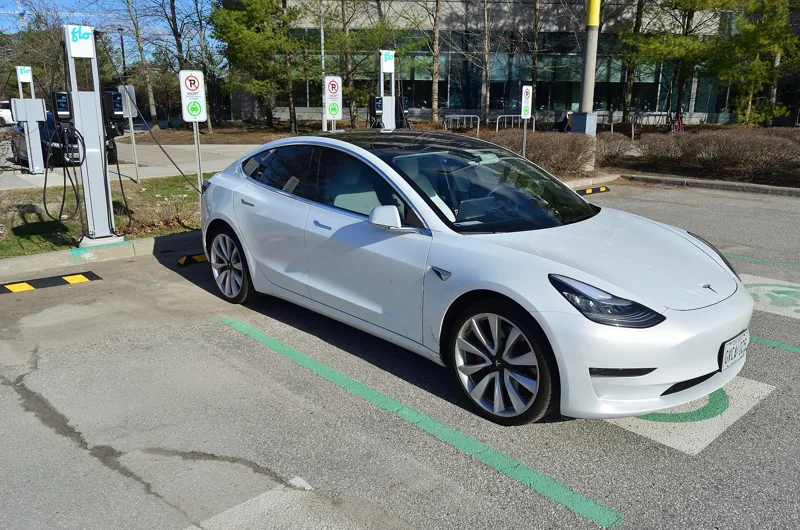
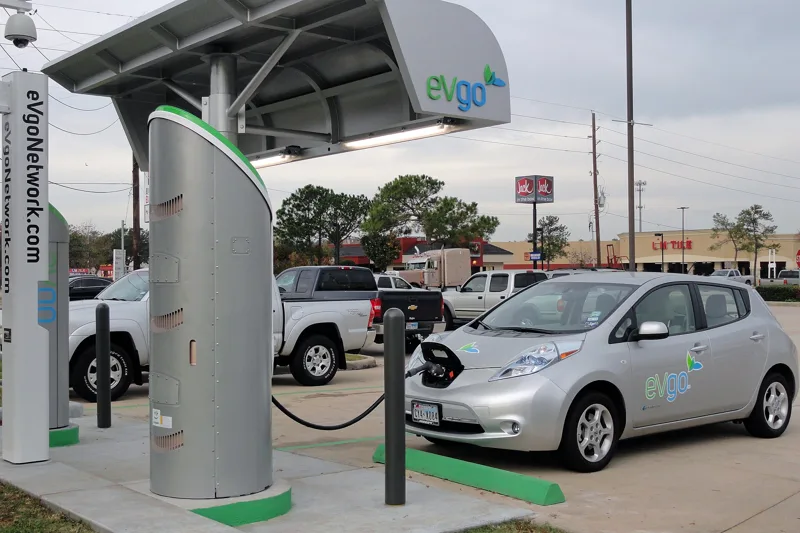
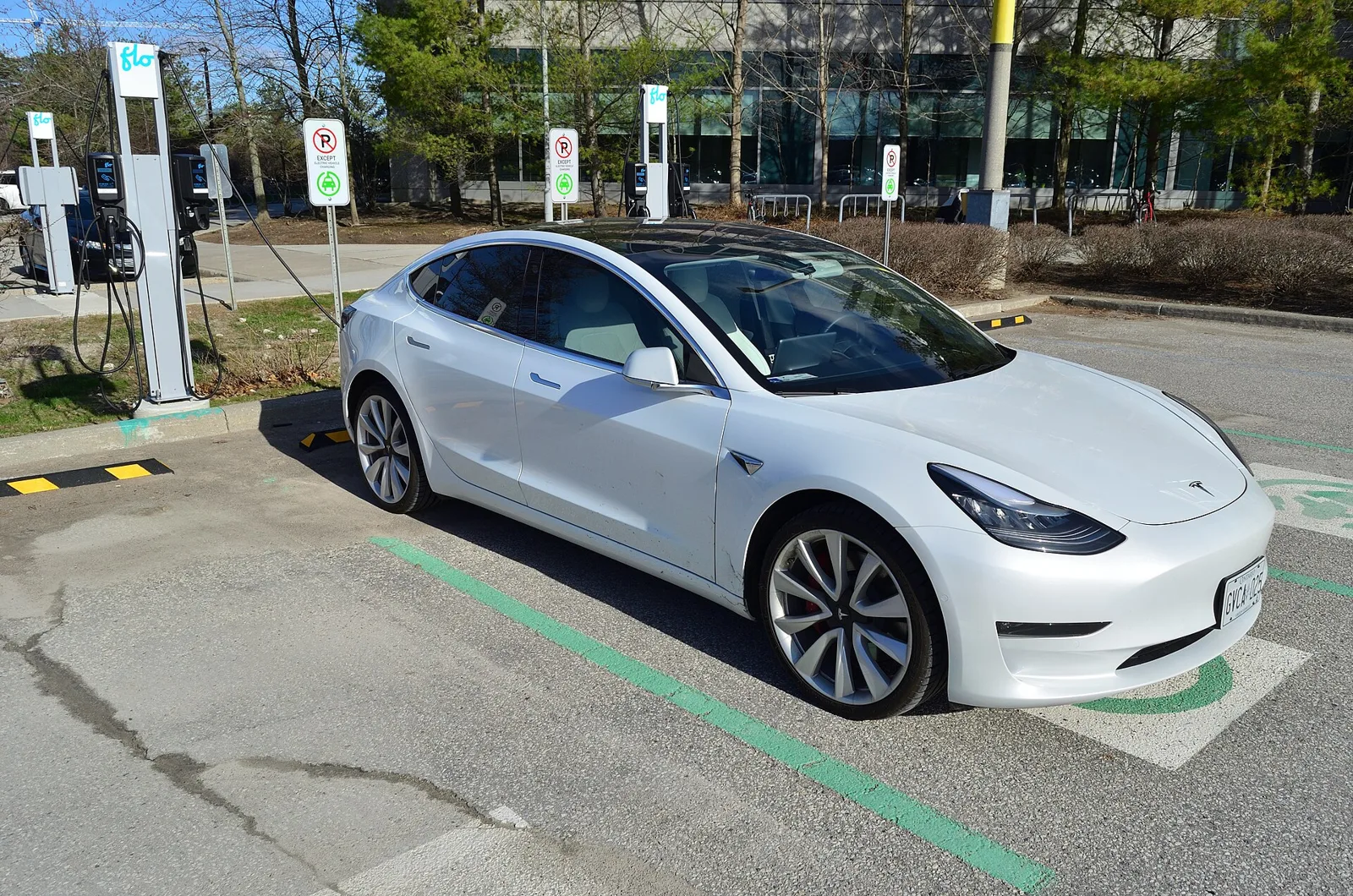
Charging speed often matters more than capacity in everyday use. A DC charger of 150 kW and above can add up to 300 km of range in a typical 30 minute stop, although speed falls once the state of charge passes about 50 percent. Rapid chargers commonly deliver 30 to 80 kW. Charging at home or on smaller alternating-current points usually takes several hours, and a 120 V household outlet supplies only 1.5 kW.
What batteries did early electric cars use?
Early electric cars relied on lead-acid packs and later on nickel-metal hydride and molten-salt Zebra cells. Lead-acid dominated the twentieth century because it was mature, widely available and cheap, while nickel-metal hydride offered higher specific energy and a long life in hybrids.
Most twentieth-century electric vehicles used flooded lead-acid batteries, including the original 1996 EV1. Two main types exist: starter batteries for engines, and deep-cycle batteries that supply continuous power to forklifts and golf carts. Discharging below 50 percent shortens a lead-acid battery's life, and flooded designs need their electrolyte checked and topped up with water. Lead-acid cars could travel up to 130 km (81 mi) per charge.
Nickel-metal hydride is considered a mature technology. It is less efficient than lead-acid, at 60 to 70 percent in charging and discharging, but its specific energy of 30 to 80 Wh/kg is higher. First-generation Toyota RAV4 EVs kept running well beyond 100,000 miles (160,000 km), and GM Ovonic produced the battery for the second-generation EV1. Cold weather below -20 C was a weakness. The Zebra cell, used from 1997 to 2012, had to be heated to about 270 C (518 F) to work.
How are battery packs built?
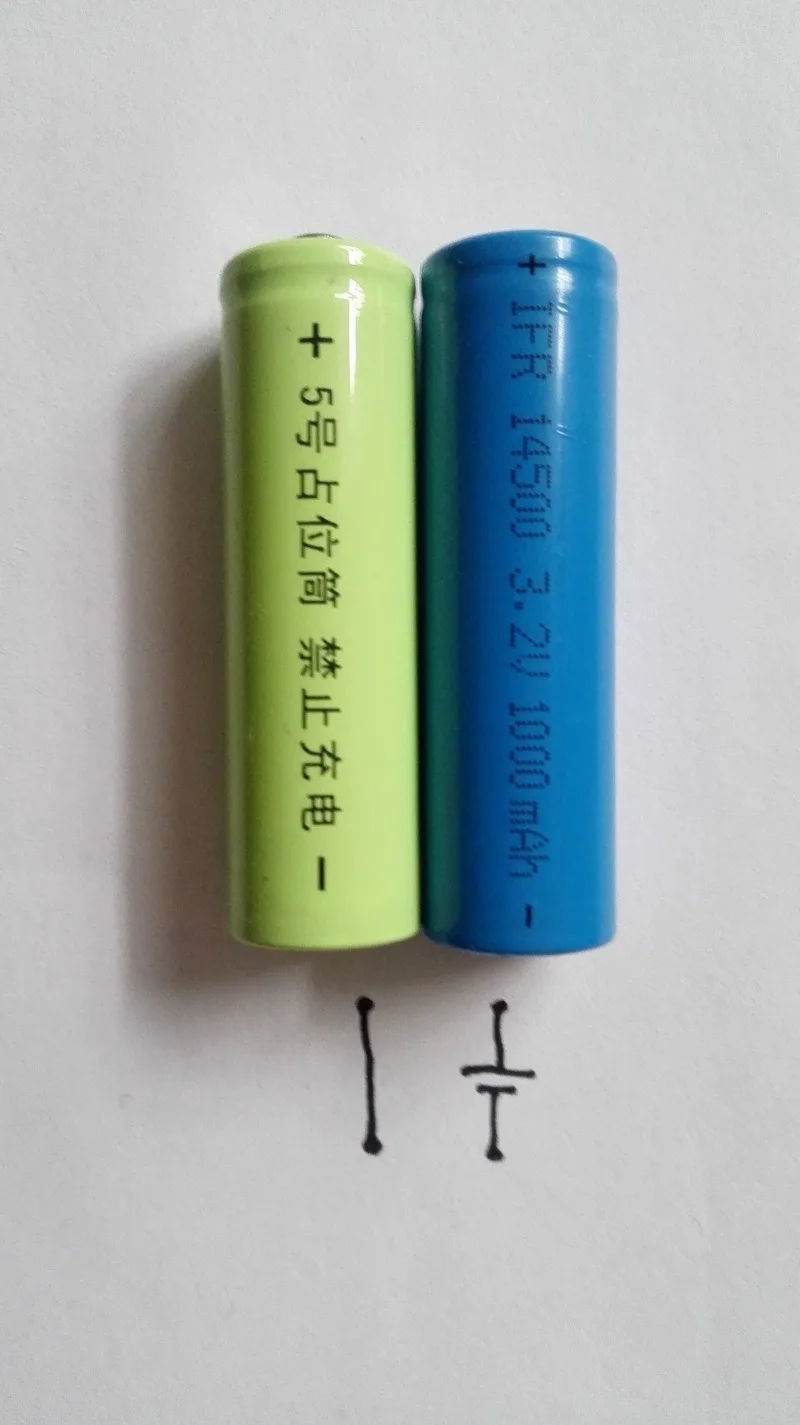
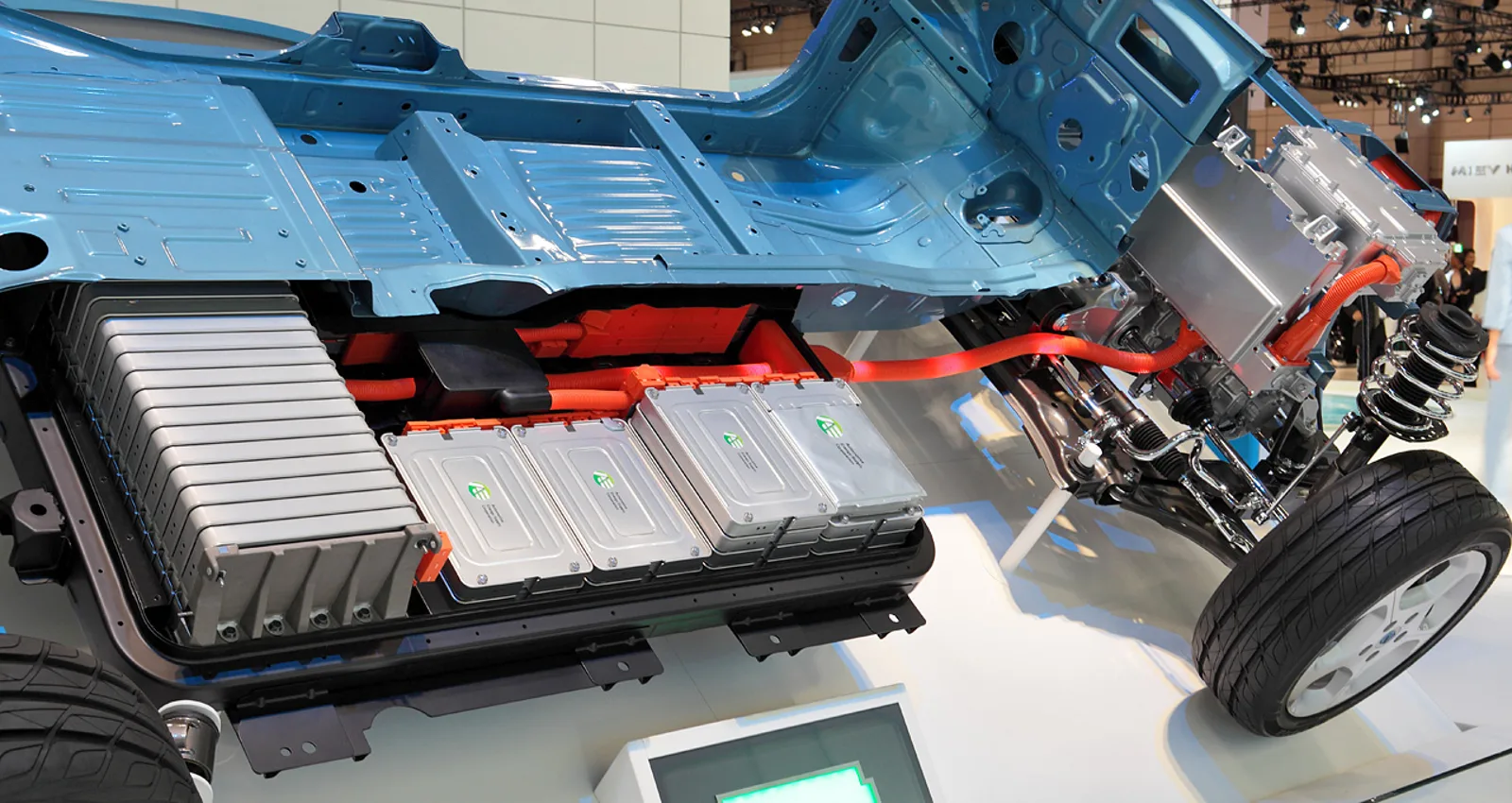
A pack contains many discrete cells wired in series and parallel to reach the voltage and current the motor needs. Each cell has a nominal voltage of 3 to 4 volts, so a large pack can contain several hundred cells. The cells are grouped into modules, which can include cooling, temperature monitors and voltage sensing through a battery management system.
Safety devices are built in. A main fuse limits short-circuit current, and a service plug can split the stack into two electrically isolated halves for technicians. The pack also has two main relays, normally open for safety, which connect the cell stack to the output terminals, plus pre-charge circuits and sensors that the battery monitoring unit reads.
Designers are also changing the layout. Cell to Module puts cells into modules before the pack. Cell to Pack removes the modules entirely. Cell to Chassis builds cells into the frame, where they can add structural strength, and Cell to Body places them into the vehicle body itself.
How does charging affect a battery's life?
Heat and fast charging are the main stressors. Geotab data from 2019 showed that exposure to heat and frequent fast charging degrade lithium-ion batteries more than age and normal use, and the average battery kept 90 percent of its capacity after six years and six months. A Nissan Leaf without active cooling degraded about twice as fast as a contemporary Tesla. Later Geotab data cited in 2026 suggested that frequent fast charging can wear batteries at twice the rate.
A December 2024 study in Nature Energy suggested that real-world EV batteries may last up to a third longer than laboratory tests predict. The finding has prompted debate about how well controlled tests reflect everyday use, since laboratory conditions are often harsher than the road.
How are batteries recycled and reused?
End of life for an EV battery depends on many factors, including the owner's willingness to keep driving as range declines and whether the vehicle has been in a crash. For studies, the usual marker is when capacity falls to 80 percent of its original level. A battery that reaches that point can still serve in stationary storage, where it can add value while lowering the lifetime impact per kilowatt-hour.
Reuse is difficult. Disassembling modules and cells is costly and slow, and the module must be fully discharged first. Battery makers rarely label the exact chemistry of their packs, and designs change year to year, which complicates refurbishment. Battery costs have also fallen faster than expected, so refurbished units may look less attractive than new ones.
Recycling is still uncommon. Recyclability is not a major design consideration for manufacturers, and in 2019 only 5 percent of EV batteries were recycled. Recovering lithium, cobalt, nickel and rare-earth elements reduces the need for new mining and cuts the emissions of battery production. In the United States the Department of Energy's ReCell centre, linking three universities and three national laboratories, developed the direct cathode recycling method.
The benefit of recycling is not automatic. One study found that recycling NMC cells can avoid greenhouse gas emissions, but the result depends on the process, chemistry and form factor. For LFP, the net benefit was negative, because LFP lacks the expensive cobalt and nickel that make recycling worthwhile.
What are the mining and social impacts?
Demand for nickel, copper, lithium and cobalt has grown quickly, and mining is concentrated in countries including the Philippines, the Democratic Republic of Congo, Chile and Indonesia. Nickel mining in Indonesia has caused deforestation and heavy metal contamination in rivers, while mining in the Congo has exposed marginalised groups to elevated levels of toxic metals with little compensation.
In Chile's Salar de Atacama, lithium extraction consumes 65 percent of the region's freshwater supply, which worsens droughts and affects Indigenous communities. Producing one metric ton of lithium requires 400,000 to 2 million litres of water, and Indigenous-led protests in January 2024 blocked mining operations to demand a say in decisions about the salt flats. An IEA study estimated that mineral supplies must rise from 400 kilotonnes in 2020 to 11,800 kilotonnes in 2040 to meet EV demand.