Underbody tunnels turned the road beneath a race car into part of its downforce system, and the idea has won races, been banned and returned.
Ground effect is a set of aerodynamic effects that create downforce by treating the road as part of the car's airflow system. It is achieved mainly through underbody tunnels and carefully shaped floors. Formula One and American IndyCar use it, while many European series restrict it on safety grounds.
Few ideas in motor racing have been as influential, or as controversial, as ground effect. Engineers learned to make the floor of a race car work almost like a wing, and the rules have changed repeatedly in response. The concept is now back in Formula One after a long absence.
What is ground effect in car design?
In car design, ground effect describes a series of aerodynamic effects that generate downforce, mainly through underbody tunnels and floor shape. It replaced a focus on streamlining as the main aerodynamic concern. Although the name borrows from aviation, the car version is a different phenomenon.
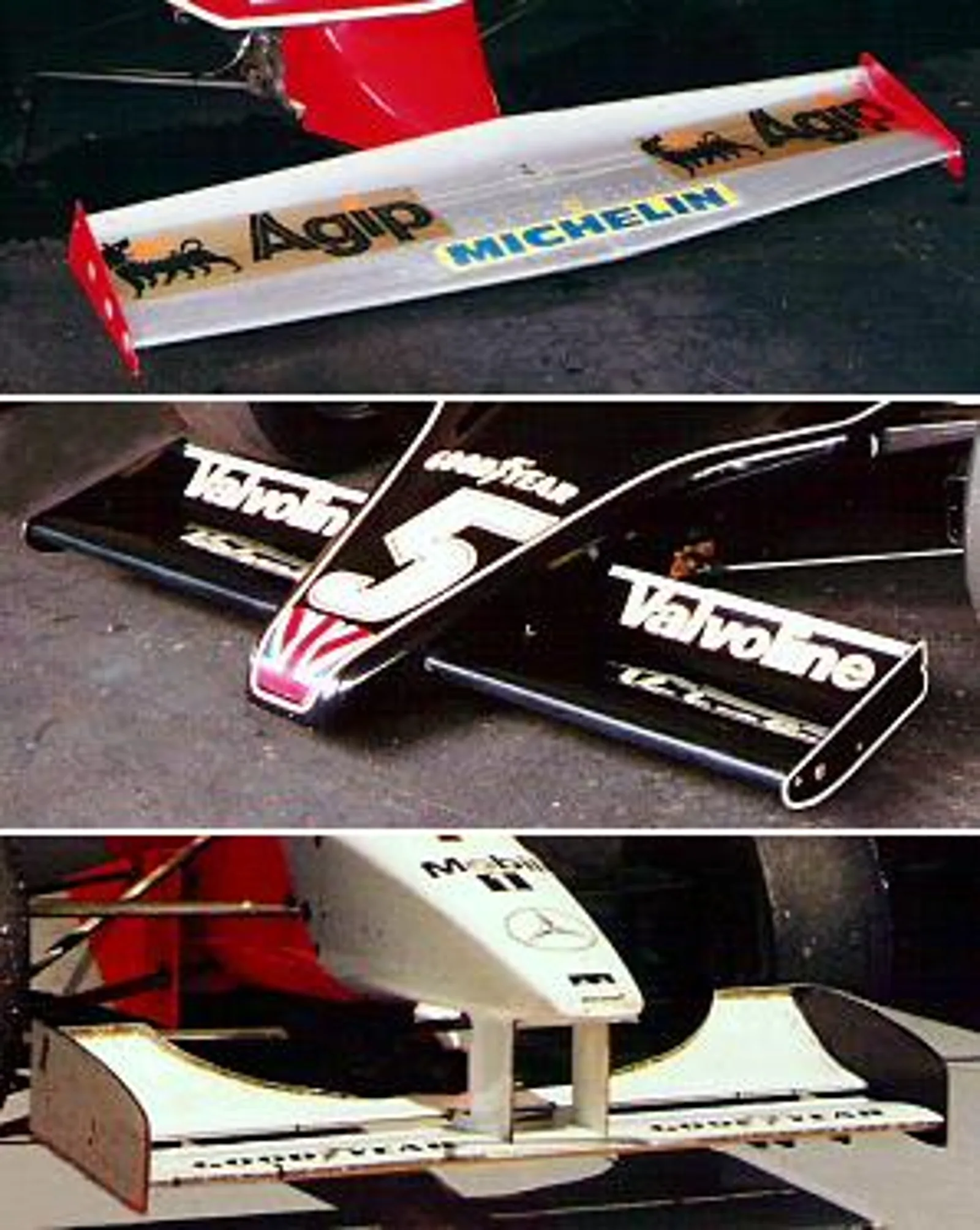
Wings came first. From the mid-1960s, race cars routinely carried wings to add downforce, and that approach is not a form of ground effect. Designers then turned to the air flowing around the perimeter, the body skirts and the underside of the car, where they could gain downforce with less drag than a wing provided.
Formula One and American IndyCar use ground effects in their engineering. Other racing series use them to a lesser degree, and many European series either regulate ground effect or ban it outright on safety grounds.
A race car that sticks to the track because of the road beneath it is one of motorsport's great engineering paradoxes.
How does ground effect generate downforce?
The underbody of a race car can generate downforce when the air beneath it is squeezed. As the gap narrows, the air speeds up and pressure drops, pulling the car toward the track. The same principle explains why a tarpaulin held near the ground is drawn down by the wind.
The tarpaulin example is a simplification. In it neither the sheet nor the ground moves, and the boundary layer between them slows the air and weakens the effect. On a car the ground is effectively moving backwards relative to the car, which drags air along and strengthens the Bernoulli effect. The engineering term for that moving-surface flow is Couette flow.
Who pioneered ground effect?
The American Jim Hall pioneered the approach with his Chaparral cars, and Argentine designer Heriberto Pronello built a car around the principle in 1968. In British Formula One, Brabham designer Gordon Murray and Lotus engineers later carried the ideas further.
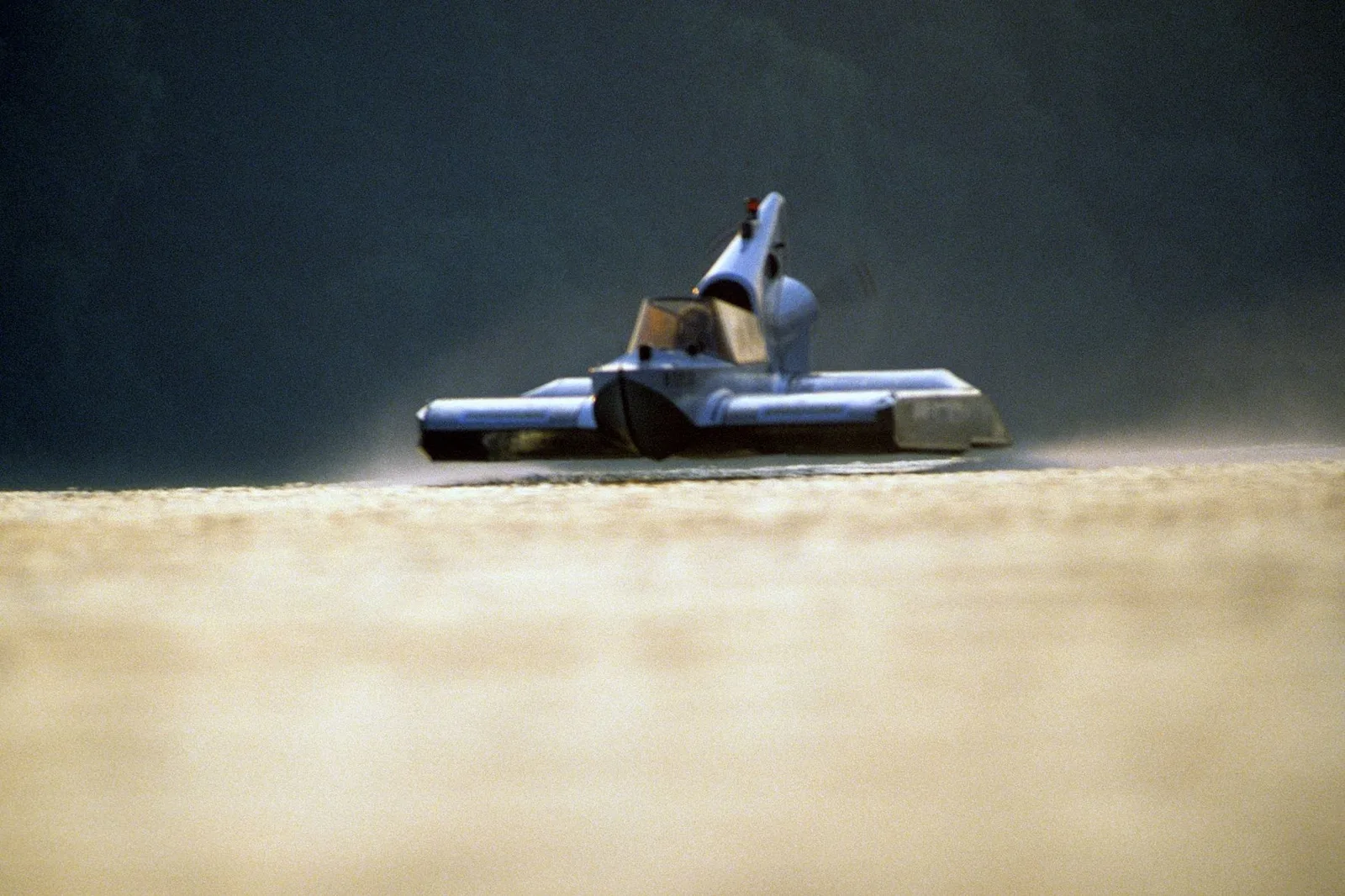
Hall's 1961 car tried a shaped underside, but other aerodynamic problems stopped it working properly. His 1966 cars relied on a dramatic high wing. The 1970 Chaparral 2J, known as the sucker car, had two rear fans driven by a dedicated two-stroke engine, and skirts that left only a minimal gap to the ground.
The 2J never won a race, but rivals lobbied for it to be outlawed, and by the end of 1970 the sport had banned moving aerodynamic parts in most categories.
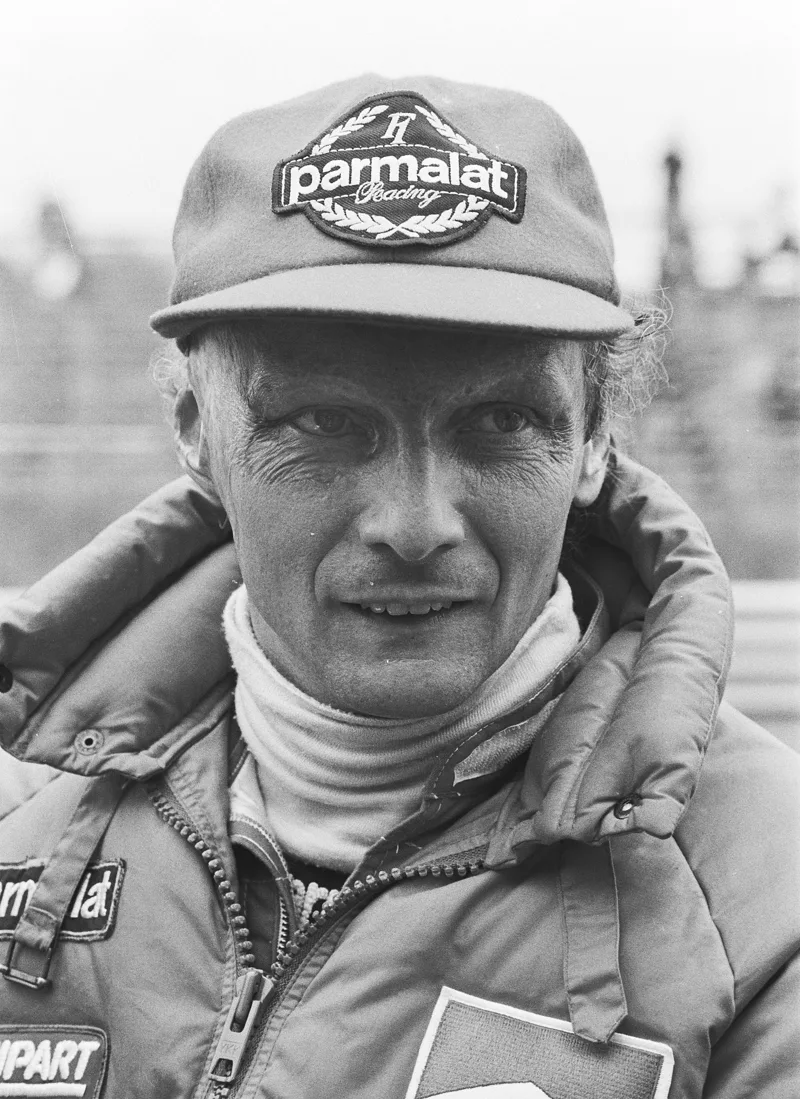
Pronello's Huayra-Ford was built for the Sport Prototipo Argentino category and first appeared at Cordoba in 1969, with drivers Carlos Reutemann and Carlos Pascualini. A 1/5 scale model had already been tested in a wind tunnel at the Fabrica Militar de Aviones in 1968, confirming the effect at that scale.
In 2023 chassis 002 went to the Goodwood Festival of Speed, where it was taken to the Catesby tunnel in England. The Argentine engineer and professor Sergio Rinland ran a full aerodynamic analysis there. The tests gave a drag coefficient of 0.25 with the short tail and 0.23 with the long tail, which was used on the fastest circuits.
Willem Toet, who also worked on the tests, said the diffuser sat close to the maximum downforce a diffuser can produce. The tunnel work used pressure tappings to map the airflow around the body, with consistent and repeatable results.
How did ground effect reach Formula One?
The idea reached Formula One in several forms. At BRM, Tony Rudd and Peter Wright tested long side pannier sidepods in 1968 and 1969 to clean up airflow, and Robin Herd's March car of 1970 used a similar concept. The sidepods on both were too far from the ground to produce much ground effect.
Shawn Buckley began undercar aerodynamics work at the University of California, Berkeley, in 1969. His test cars had a Venturi-like channel sealed by flexible skirts. Later, as a professor at MIT, he worked with Lotus on the Lotus 78.
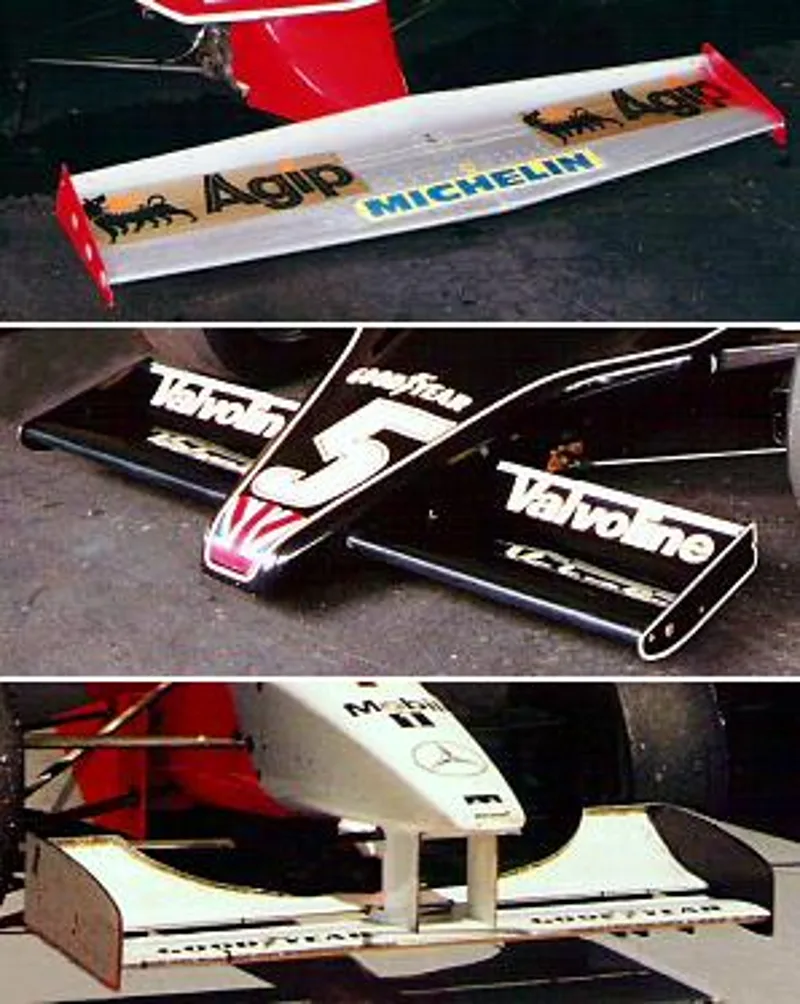
Gordon Murray at Brabham tried air dams at the front of the 1974 BT44 to keep air from flowing under the car. The dams wore away, so he moved them further back and found a small area of low pressure under the car, worth around 70 kg (150 lb) of downforce. McLaren produced similar underbody details for its M23.
| Car | Designer or team | Year | Key feature |
|---|---|---|---|
| Chaparral 2J | Jim Hall | 1970 | Rear fans and skirts sealing the underbody |
| Pronello Huayra-Ford | Heriberto Pronello | 1969 | Flat floor with a diffuser, first raced at Cordoba |
| Brabham BT44 | Gordon Murray | 1974 | Air dams moved back to create low pressure under the car |
| Lotus 78 | Rudd, Wright and Colin Chapman's concept | 1977 | Inverted aerofoil sidepods sealed with skirts |
| Lotus 79 | Lotus | 1978 | Six race wins and the world championship |
| Brabham BT46B Fancar | Gordon Murray | 1978 | Rear fan driven from the main gearbox |
Each of these designs tested the same question: how much of a car's downforce could come from the ground rather than from wings.
How did the Lotus cars win races?
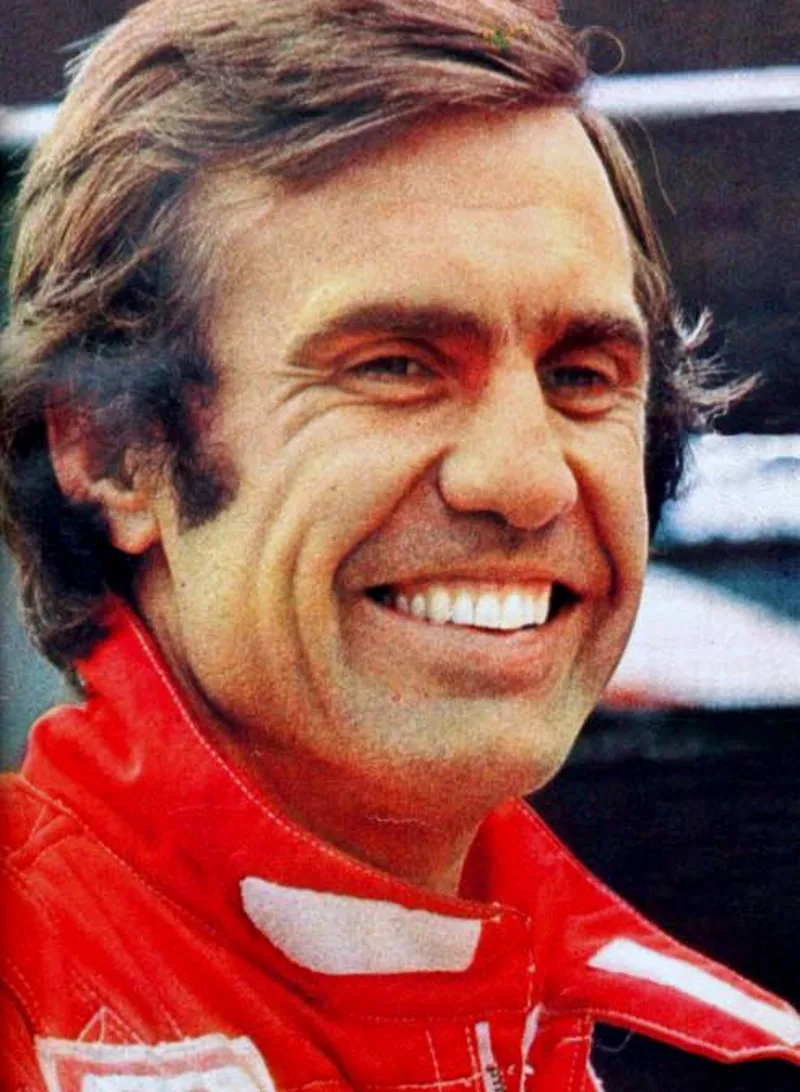
Lotus's 78 wing car of 1977 used sidepods shaped as inverted aerofoils, sealed to the ground with flexible skirts. It won five races that year and two more in 1978, before the Lotus 79 took the world championship for Mario Andretti.
The Lotus 79 won six races and the title. Andretti's teammate Ronnie Peterson also finished second in the standings posthumously, which showed how large the advantage was. Other teams copied and improved the Lotus approach until cornering speeds became dangerously high.
Why was the Brabham fan car banned?
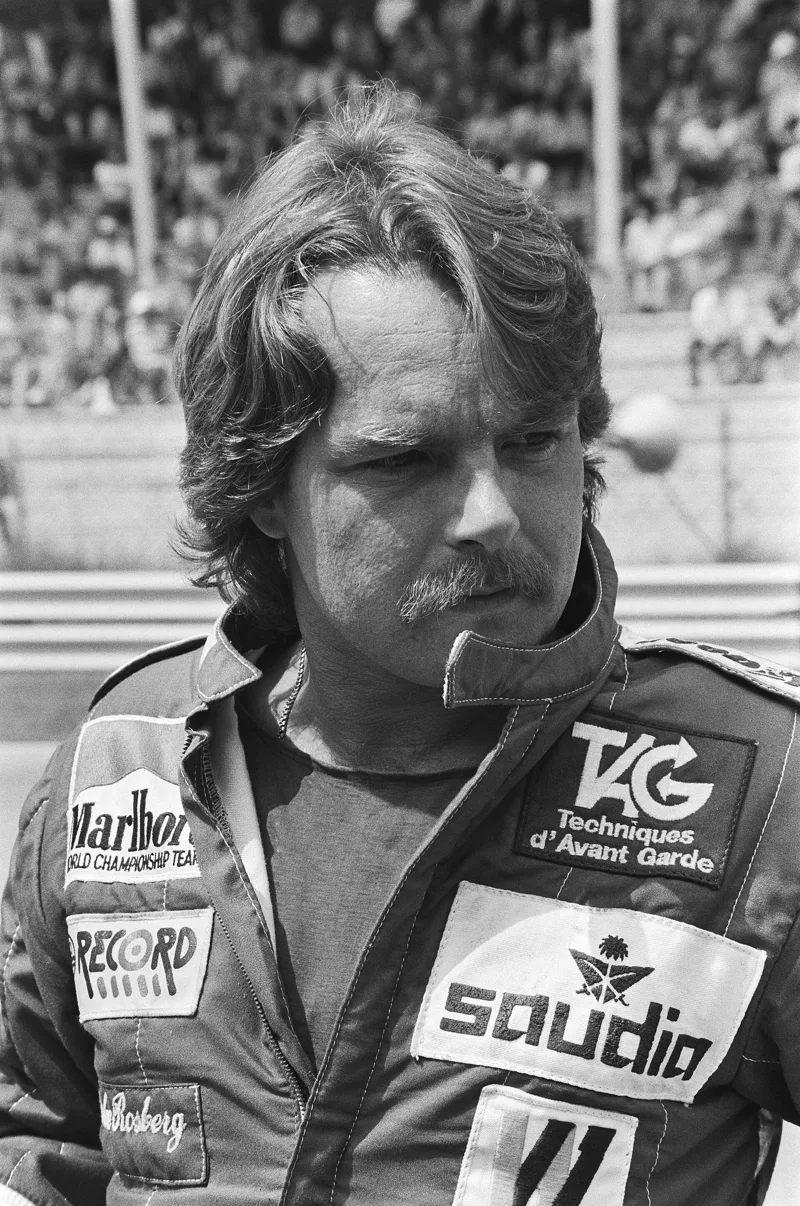
The Brabham-Alfa Romeo BT46B used a large fan at the rear to extract air from beneath the car, creating a stronger low-pressure zone. It raced only once, when Niki Lauda won the 1978 Swedish Grand Prix. The FIA then banned fan cars, closing that route for every team.
Gordon Murray's design claimed the fan's main job was engine cooling, which let it slip past the sporting rules. Less than half of the airflow was in fact used to create the depression under the car. The fan spun on a horizontal longitudinal axis and took its power from the main gearbox.
Lauda was able to accelerate over an oil-covered track when other cars had to slow, because the downforce rose with engine speed. The car also squatted when its engine was revved while stationary. Bernie Ecclestone, then head of the Formula One Constructors Association, reached a deal to withdraw the car after three races, but the FIA moved to ban fan cars almost at once.
What went wrong with ground effect?
Ground effect carried two main risks. Cars could behave erratically, rocking in a phenomenon called porpoising, and a sudden loss of downforce could send a car off the track. The fear of high-speed accidents led to flat undersides being made mandatory for 1983.
The sudden loss risk is real. If the underside of the car meets the ground, the airflow is constricted so much that most of the effect disappears. A driver relying on that force in a corner can lose most of their grip and skid off the track.
Porpoising is the name given to the rocking fault. Ground-effect cars rocked back and forth, especially at low speed, because the centre of pressure on the sidepods moved with speed, attitude and ground clearance. Those forces fed into the suspension, and the cars resonated, which gave the phenomenon its name from the image of a porpoise diving in and out of the sea.
Teams were often small British operations with little money for wind tunnel work, and they largely copied the front-running Lotus cars. Some drivers complained of sea-sickness, and the rock-hard suspension made the ride unpleasant.
The problem returned with the 2022 cars. During pre-season running in Barcelona in 2022, George Russell said extreme porpoising could create safety issues, and Lewis Hamilton struggled to get out of his car after the 2022 Azerbaijan Grand Prix.
Where is ground effect used today?
Formula One embraced ground effect from the late 1970s until the early 1980s, then largely banned it for four decades, before bringing it back in 2022. American IndyCar uses it alongside wings. Several European series still limit or ban ground effects for safety reasons, and sportscars such as Group C cars have also faced porpoising.
Indy car designs used ground effect in a more balanced way than Formula One. Skirts were banned in 1983, and Indy cars ran a slightly higher ride height that kept them reliant on wings for a good share of their downforce.