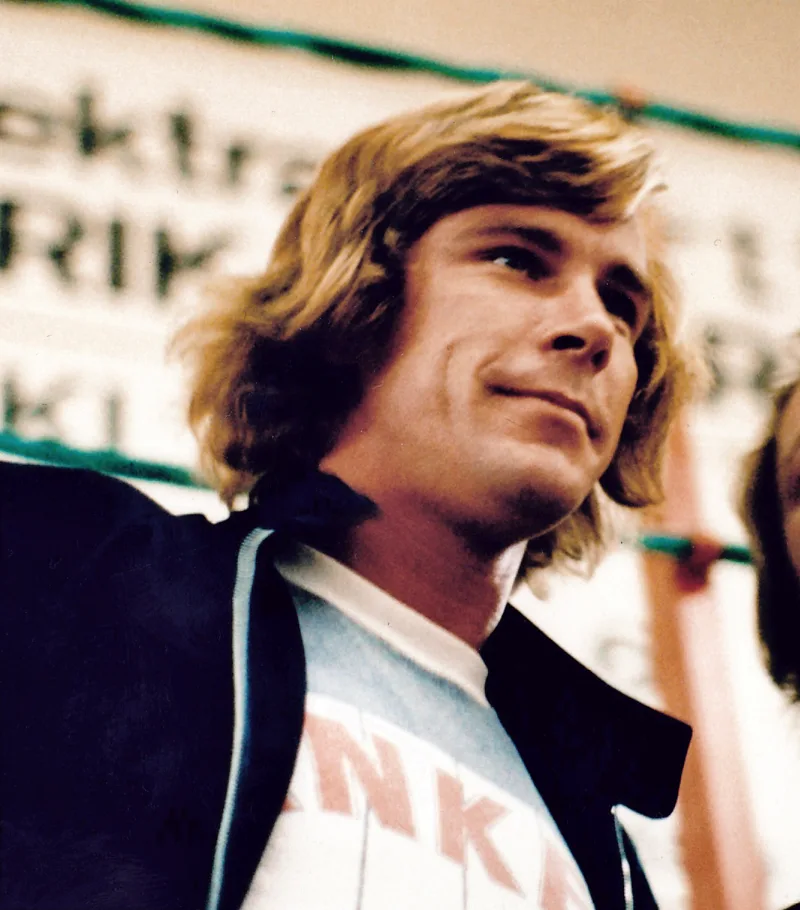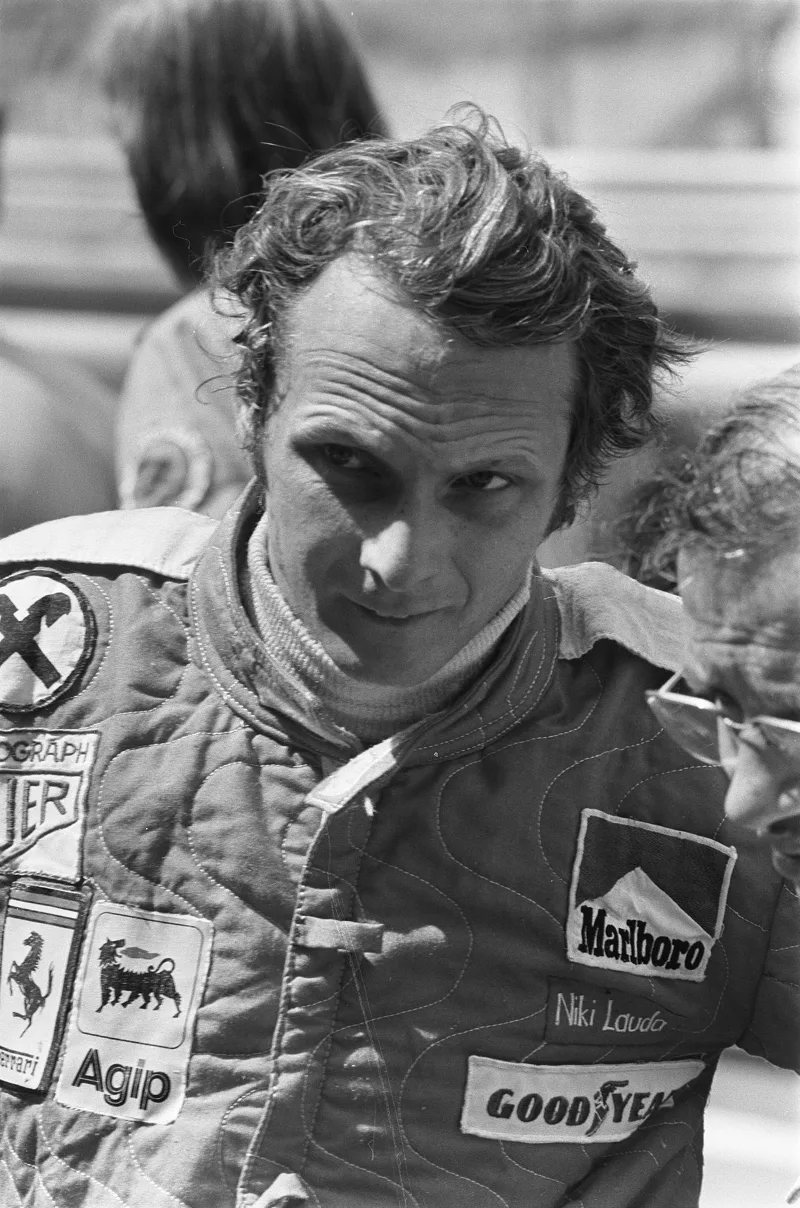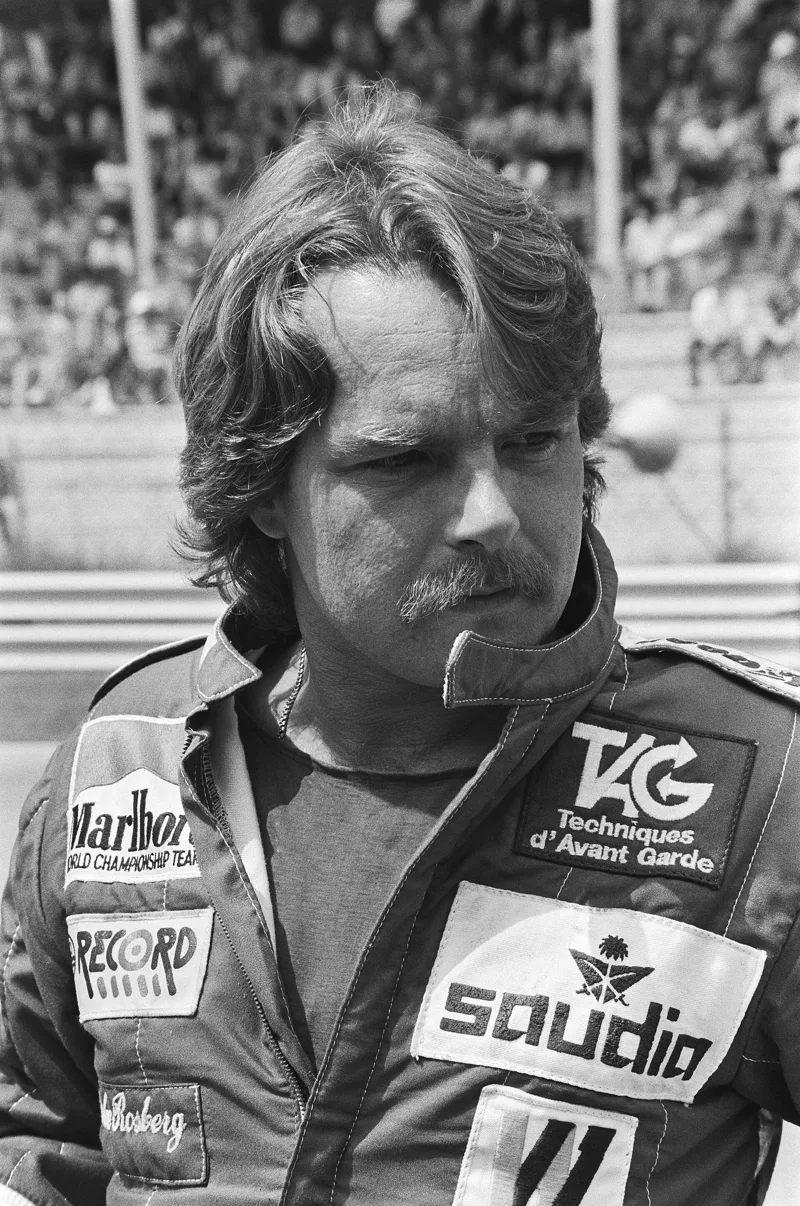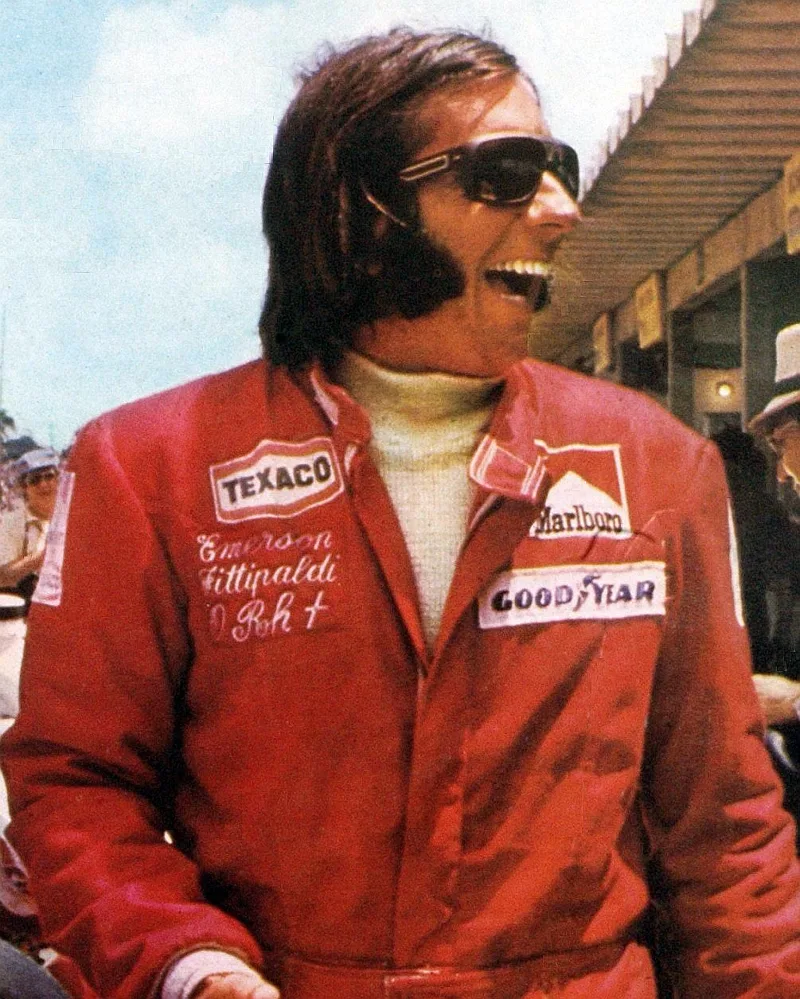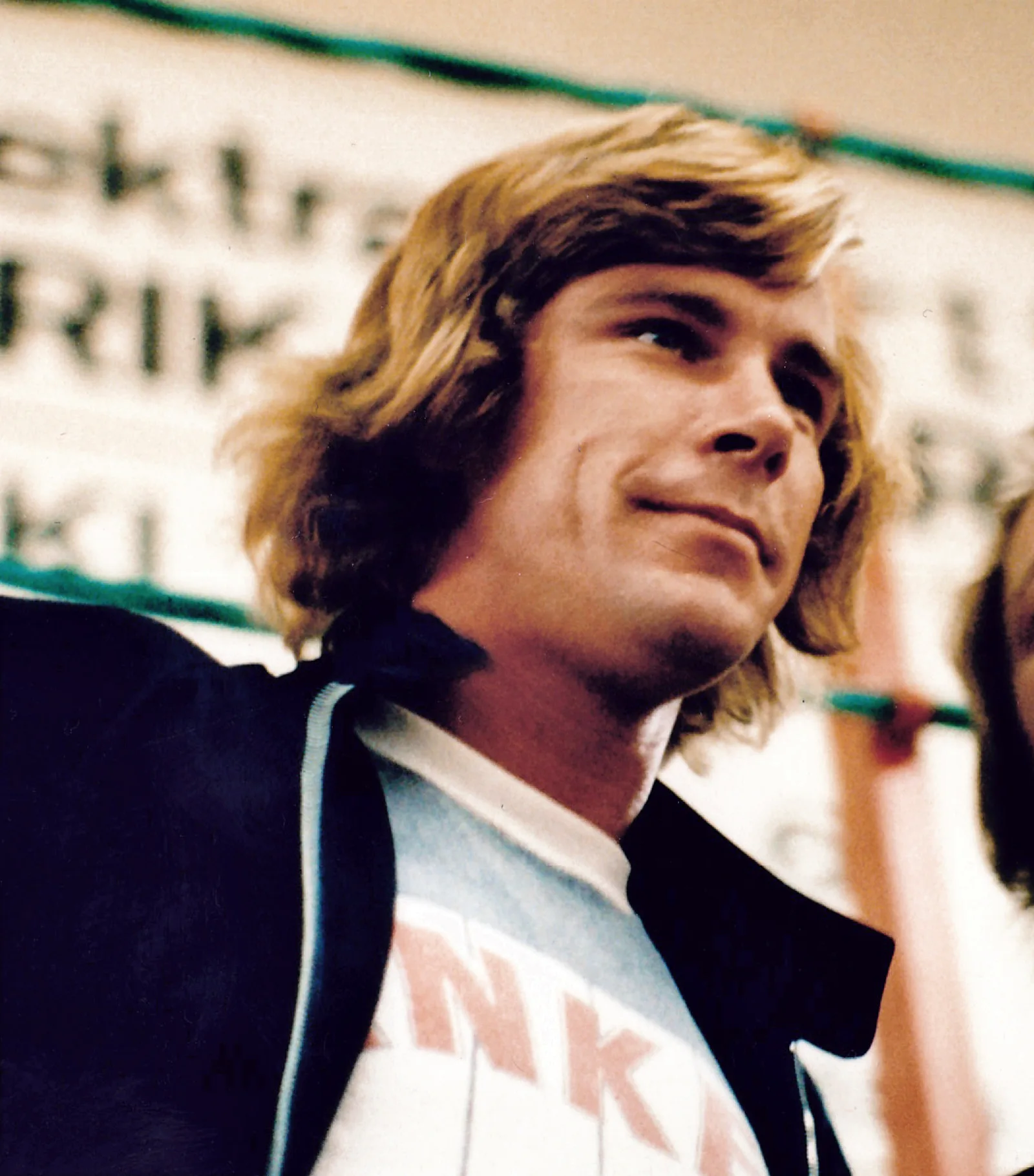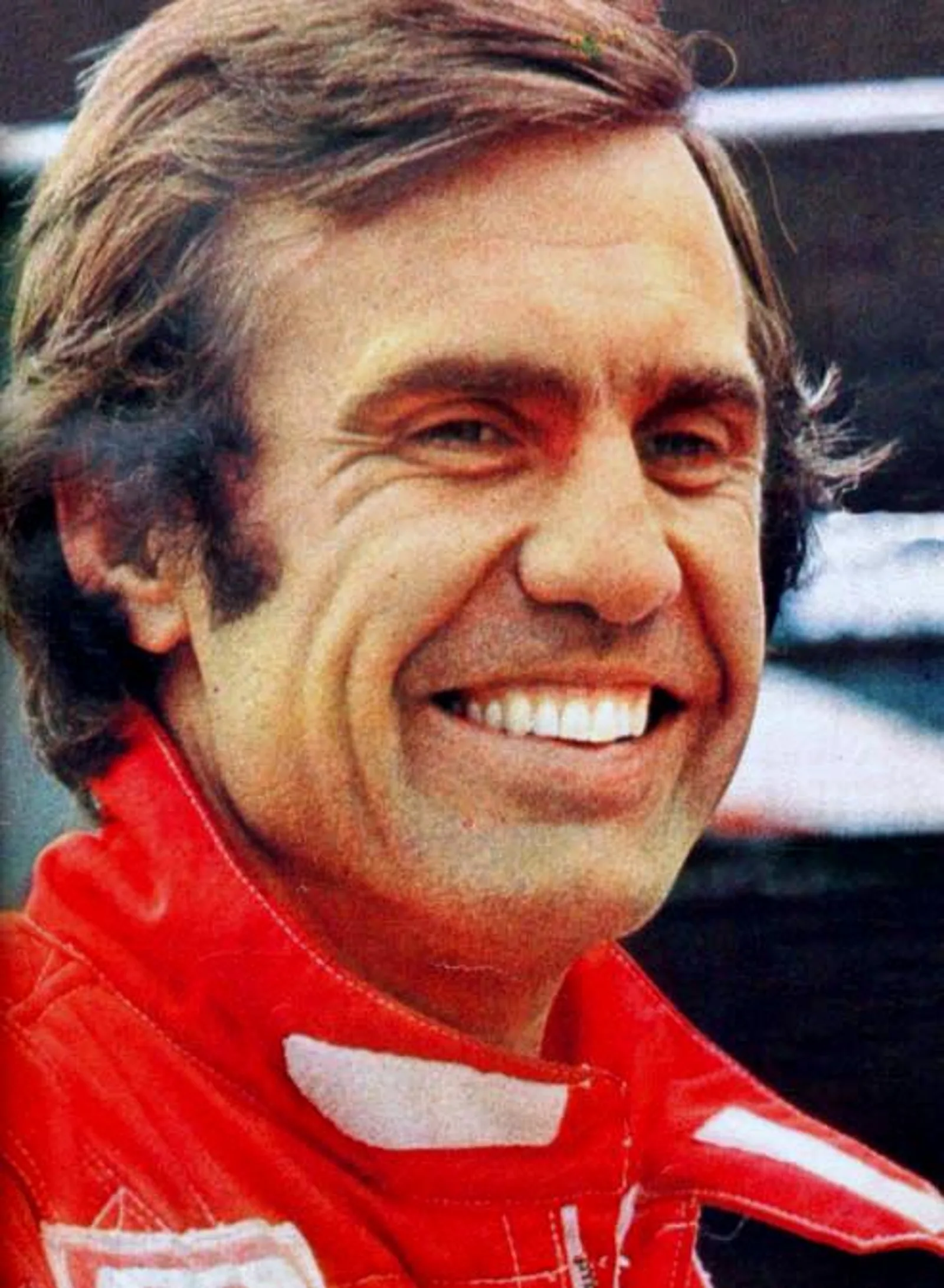
The Argentine driver who finished second in the 1981 world championship, won 12 Grands Prix and later served as Governor of Santa Fe.
Argentina produced Carlos Reutemann, who competed in Formula One from 1972 to 1982 and won 12 races. He was second in the 1981 championship and afterwards served as Governor of Santa Fe, a National Senator and politician until he died in 2021.
Carlos Alberto 'Lole' Reutemann raced cars for Argentina in Formula One between 1972 and 1982, and he later entered politics. He finished runner-up in the 1981 World Drivers' Championship with Williams, and he later served as Governor of Santa Fe and as a National Senator. This profile covers his racing career, his rallying, his political life and his death in 2021.
Who was Carlos Reutemann?
Carlos Reutemann was born on 12 April 1942 and died on 7 July 2021 in Santa Fe, Argentina, aged 79. He was in his thirties when he made his Formula One debut in 1972. He won 12 Grands Prix during his Formula One years and held the record of 45 podium finishes when he retired from racing.
His family was descended from a Swiss-German grandfather, with an Argentine father and an Italian mother. He was the first successful Argentine Formula One driver since Juan Manuel Fangio retired in 1958.
His first race came in 1965, in a Fiat saloon. He then raced touring cars and Formula 2 in Argentina before moving to Europe in 1970.
Twelve Grand Prix wins, a one-point title defeat in 1981, and a second career in Santa Fe politics that ended with a Senate seat.
How did Reutemann's European start unfold?
In 1970 Reutemann moved to Europe, racing a Brabham for the Argentine club's team in European Formula 2. On his debut at Hockenheim he took out Jochen Rindt on the first lap, an incident that made his arrival in Europe memorable for the wrong reasons.
He was second in the European Formula 2 series behind Ronnie Peterson in the following season. That result led directly to his move into Formula One with the Brabham team.
Brabham boss Bernie Ecclestone signed him for 1972, to drive alongside Graham Hill. At Buenos Aires, in his first Grand Prix, Reutemann took pole position, a feat only Andretti and Villeneuve have matched.
Team-mate Graham Hill qualified 16th that day. His main highlight for the rest of 1972 was a non-championship win at Interlagos. The result was the first sign of the results he would produce in the years that followed.
His 1970 campaign gave him a platform in Europe, and the team gave him a platform in Europe.
What were Reutemann's years at Brabham like?
In 1973 Reutemann raced the BT42 with Wilson Fittipaldi, scoring two podiums and finishing seventh overall. The BT42 was a radical design by Gordon Murray, the engineer who had shaped the car from the start.
The BT44 followed in 1974, also designed by Gordon Murray. It gave Reutemann three wins, in South Africa, Austria and the United States, the best haul of his Formula One career to that point.
At the 1974 Argentine Grand Prix he ran out of fuel with under two laps left.
In 1975 he had five podiums and finished third overall, with a win at the Nurburgring. That was the best championship position of his Brabham years. The 1976 Brabham, which used Alfa Romeo engines, suffered serious reliability problems.
In the first twelve races of 1976 the team suffered seven retirements, and its only points finish came in fourth place in Spain.
How did Reutemann's Ferrari spell go?
Reutemann joined Ferrari in 1976 as a temporary replacement for the injured Niki Lauda. He negotiated a release from his Brabham contract to make the move, but Lauda's speedy recovery meant he raced for the team only once, in a third car at Monza.
In 1977 he won in Brazil and took the championship lead, after a new rear wing was fitted to his car rather than Lauda's. Over the rest of the season Lauda took his second championship, while Reutemann finished fourth without another win.
Ferrari's chief engineer, Mauro Forghieri, was frustrated by Reutemann's temperament.
In 1977 he later called the Brazilian race his best, in a season that otherwise brought him little.
In 1978 he won in Brazil, Britain and twice in the United States. His win at Brands Hatch came when he passed Lauda at Clearways, after Lauda was held up by the backmarker Bruno Giacomelli.
He finished third overall in 1978, behind Andretti and Peterson. At the Spanish Grand Prix a tyre failure sent his car over the barrier, a crash that was one of the most dramatic moments of his Ferrari years.
Why did Reutemann leave Ferrari for Lotus?
Reutemann moved to Lotus for 1979 after Ronnie Peterson's death opened a seat there. Ferrari's 312T4 that year gave the team first and second in the standings, which shows how quickly the Italian team had recovered. He left Ferrari for the British team that year, and the result was seventh overall in the championship.
The change of team came after four wins with Ferrari in 1978, and it reflected the opportunity that Peterson's death created for the Lotus team.
What did Reutemann achieve at Williams?
Reutemann joined Williams in 1980, when Alan Jones was the number-one driver, and the team won the Constructors' title with 120 points. His home race that year, at Buenos Aires, ended with engine failure, and he got out of the car and wept in front of the cameras. That season he won at Monaco, recorded eight podiums and finished third overall in the drivers' championship.
In 1981 he finished second in the World Drivers' Championship, one point behind Nelson Piquet. Jones had vowed not to help his team-mate's title bid in the final race. The title fight went to the last race in Las Vegas, where he qualified on pole but finished eighth, a lap down.
Had the South Africa race counted, Reutemann would have been champion with 58 points to Piquet's 56.
At the 1981 German Grand Prix he gave his car to team-mate Alan Jones. That moment is part of the story of a team relationship that grew tense in that period.
At South Africa in 1982 he was second, the only Cosworth-engined car able to challenge the turbo Renaults.
He retired from Formula One after the 1982 Brazilian Grand Prix. He had finished second in South Africa earlier that year, and he cited the Falklands War tension between Argentina and Britain as a reason for stepping back, although Patrick Head said his heart was no longer in it.
Reutemann later tested a Ligier in November 1983 but never raced in 1984.
His home race in 1980 had been watched by a crowd of 80,000 at Buenos Aires, and that retirement remains a strong memory of his Williams years.
Did Reutemann also race in rallies?
Yes. Fiat approached him for a rally drive during the 1980 Formula One season, and the Codasur Rally of that year later became Rally Argentina, and he finished third there for Fiat, and he was third again in 1985 in a Peugeot 205 T16. He became the second Formula One driver to stand on a World Rally Championship podium, after Leo Kinnunen.
He scored points in both Formula One and the World Rally Championship for three decades. His two third places in Argentina came in different cars for different manufacturers. That record put him among the few drivers who had competed at the top of both sports.
What was Reutemann's political career?
After retiring from racing, the Justicialist Party of Santa Fe invited him to run for governor. He won and was elected Governor for the 1991 to 1995 term, and he won again for the 1999 to 2003 term. He was then elected National Senator for Santa Fe in 2003.
His governorship coincided with a national economic crisis, and Santa Fe kept its finances in order by avoiding government bonds as a form of quasi-currency.
The provincial constitution did not allow immediate re-election, so Reutemann had to step aside between his two terms as governor before returning to the post.
Santa Fe avoided issuing government bonds in the 2001 crisis, which was one of the features of his second term as governor.
In 2015 he was part of the Cambiemos alliance and backed Mauricio Macri for president. He declined to run for president on several occasions. He was re-elected to the Senate in 2009 and 2015, and in 2009 he left the Front for Victory bloc to form his own group, Santa Fe Federal, to protect the province's interests.
In 2008 he presented an alternative agriculture project that opposed a plan put forward by Vice-president Cobos. The project did not pass, and the episode showed his willingness to act independently in the Senate.
In 2006 the Italian Republic named him Commendatore della Repubblica.
How did Reutemann's life end, and what is his legacy?
Reutemann died on 7 July 2021 in Santa Fe, after an intestinal haemorrhage in May. He had won 12 Grands Prix and had a record of 45 podium finishes, and in a 2016 academic ranking he was placed 27th among the best Formula One drivers of all time.
He was replaced in the Senate by Maria Alejandra Vucasovich for the remainder of his term. Several presidents, including Mauricio Macri and Cristina Fernandez de Kirchner, sent condolences.
Reutemann remains the last Argentine driver to win a Grand Prix, a record that stands more than four decades after his last win in 1978. That fact sets him apart in his country's motorsport history.
Formula One career at a glance
| Season | Team | Result |
|---|---|---|
| 1972 | Brabham | Pole at Buenos Aires; Interlagos non-championship win |
| 1973 | Brabham | Two podiums; seventh overall |
| 1974 | Brabham | Three wins; ran out of fuel at Argentina |
| 1975 | Brabham | Five podiums; third overall; win at the Nurburgring |
| 1977 | Ferrari | Won in Brazil; fourth overall |
| 1978 | Ferrari | Four wins; third overall |
| 1979 | Lotus | Seventh overall |
| 1980 | Williams | Monaco win; third overall |
| 1981 | Williams | Runner-up, one point behind Piquet |
| 1982 | Williams | Second in South Africa; retired after Brazil |
He is recorded as a Grand Prix winner, a rally podium finisher, a governor and a senator, four distinct roles that he held in sequence.
Reutemann's career was unusual in its breadth: Formula One, a long rally record, and then two political offices in his home province.
Each of his careers had a clear marker: Grands Prix, World Rally podiums, the governorship and the Senate.
His death in July 2021 came after a period of hospital treatment in Santa Fe, the province he had served as governor and senator for much of his public life.
What does his career total show?
Reutemann's Formula One record includes 12 Grand Prix wins and six pole positions across 11 seasons. The record of 45 podium finishes was the largest of its kind when he retired, which is one reason he is still discussed among the sport's notable drivers.
His rallying results added a second strand to the career. Third places at Rally Argentina in 1980 and 1985 sit alongside his Formula One points, which together made up a distinctive sporting career.