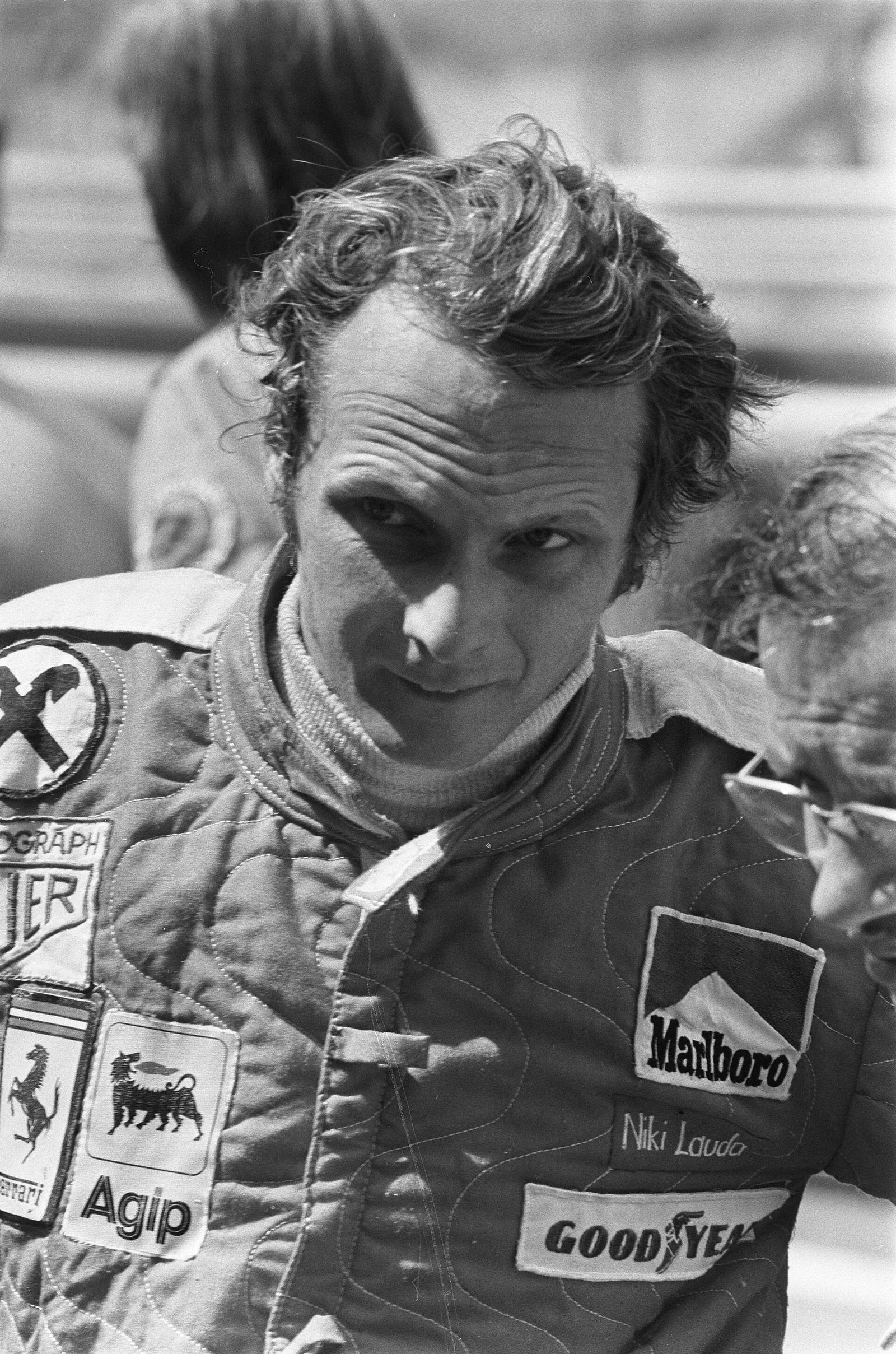
Niki Lauda won his first championship in a Ferrari 312T with five wins, while the season was marred by spectator deaths and the loss of Graham Hill.
Niki Lauda won the 1975 Drivers' Championship for Ferrari with five race wins in the 312T, and he sealed the title at Monza with third place. Ferrari also took the Manufacturers' trophy in a season overshadowed by fatalities.
The 1975 Formula One season was the 29th year of FIA racing, and it ended with Niki Lauda winning his first Drivers' Championship in a Ferrari 312T. He took five race wins, and Ferrari also won the Manufacturers' trophy. The fourteen-race series ran from 12 January to 5 October, and the year was marred by deaths both on the track and off it.
How did Niki Lauda win his first title in 1975?
Niki Lauda won the 1975 Drivers' Championship in his second season with Ferrari, driving the 312T. He won five races, at Monaco, Belgium, Sweden, France and the United States, and by the penultimate round he needed only half a point to be champion. He took pole at the Nurburgring too, lapping the 22.8 km circuit in under seven minutes.
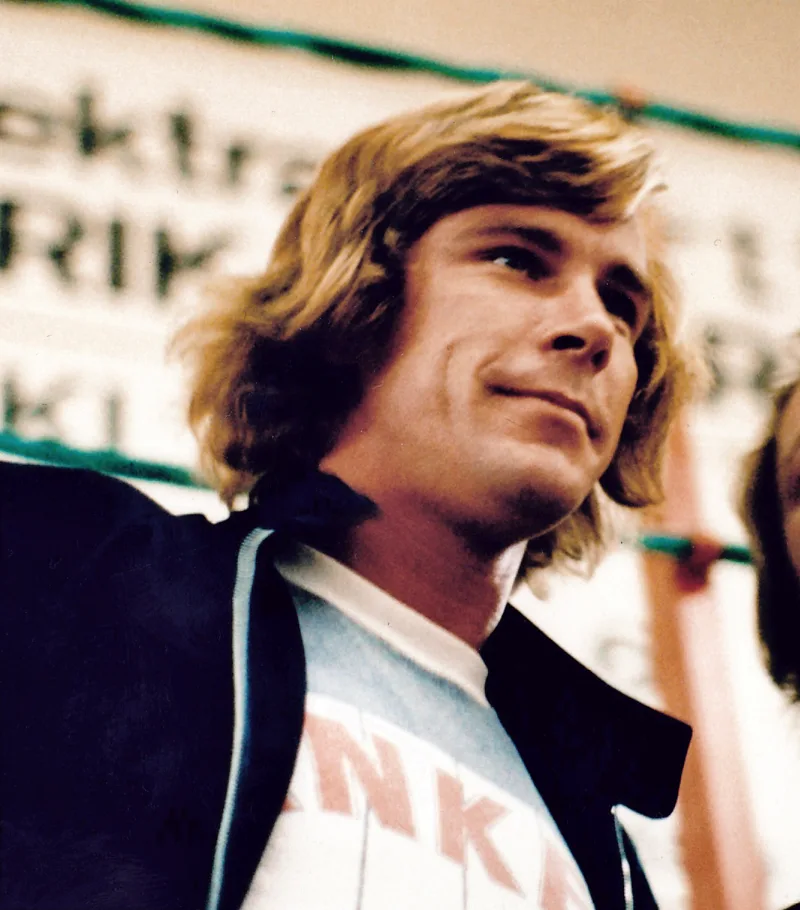
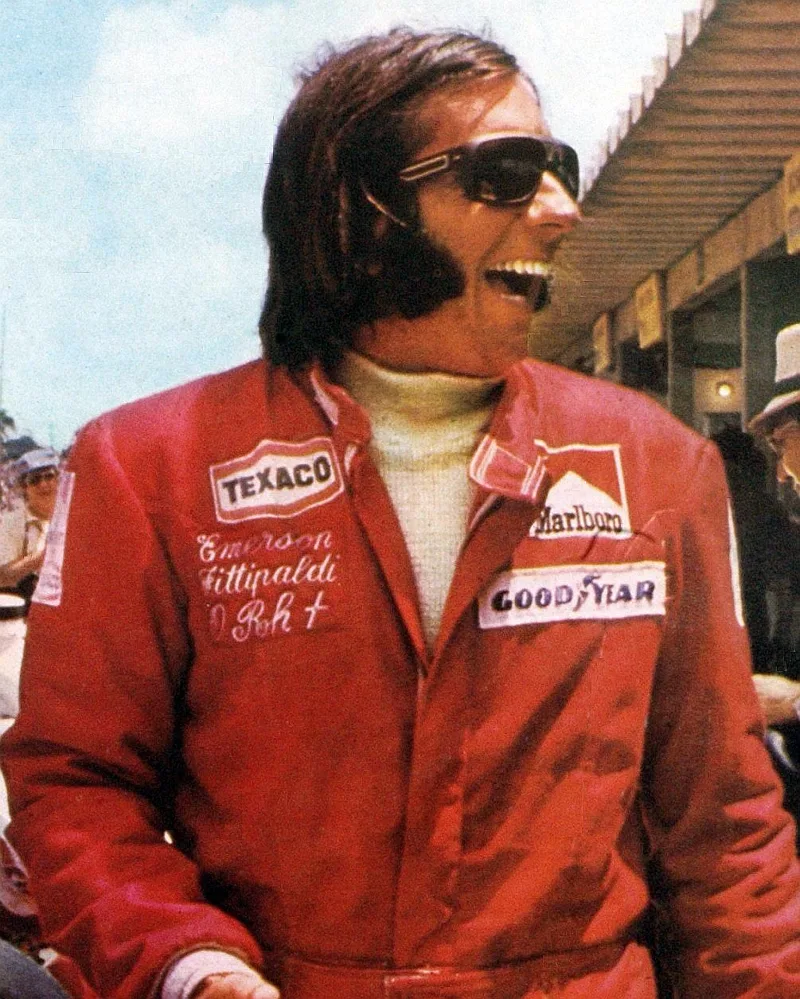
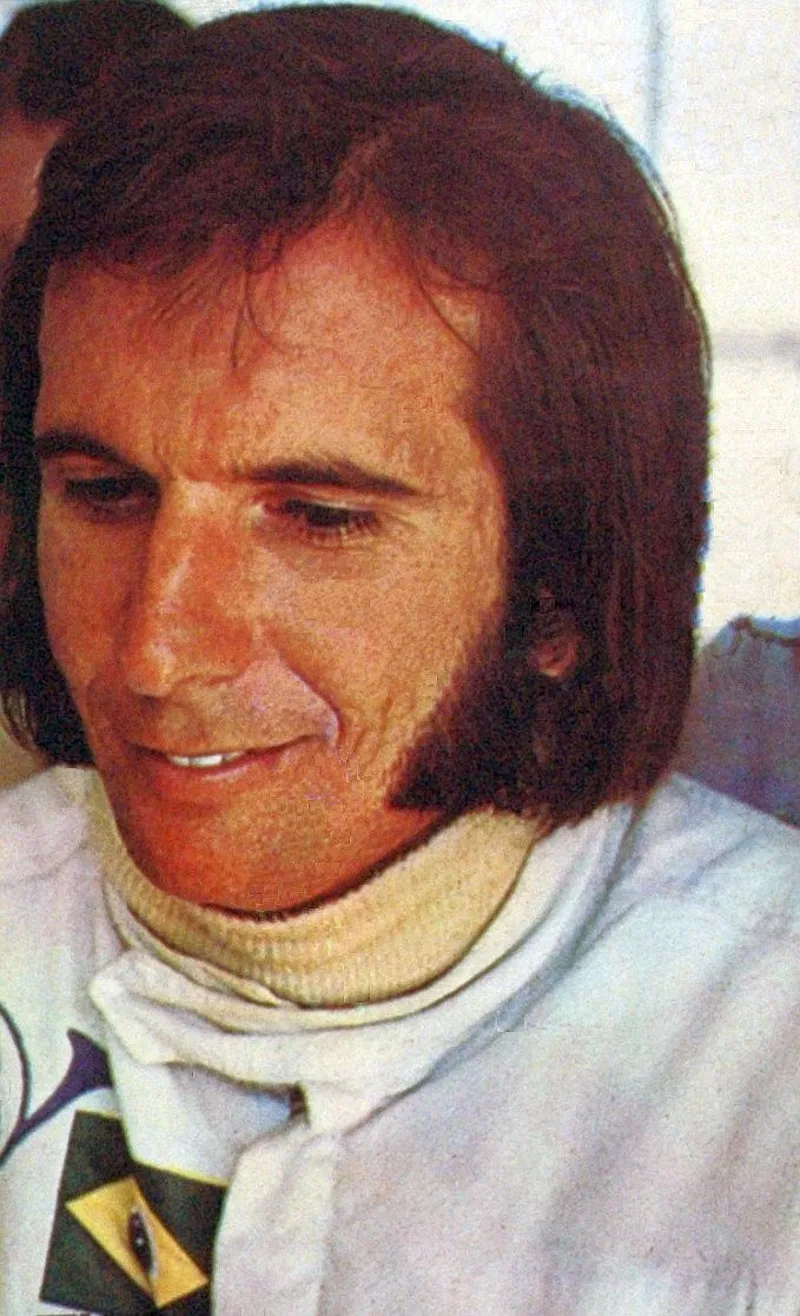
His challenge came from James Hunt, Emerson Fittipaldi and Jody Scheckter, each of whom won at least one race. Fittipaldi closed to within 14 points of Lauda with five races left, which made the second half of the season tight, but Lauda's consistency decided it.
Ferrari's technical edge was clear. The 312T was technically far superior to any of the competition, and it gave Lauda a platform that the rest of the field could not match over a full season.
Lauda's five wins in the Ferrari 312T brought his first title in a year shadowed by tragedy.
What changes did the teams and drivers see in 1975?
Williams lost its sponsorship from Iso and Marlboro and entered two cars under its own name for the first time. Wilson Fittipaldi ran his own team and chassis, and he drove the car himself while launching two developments during the year.
Denny Hulme retired at the end of 1974, and Jochen Mass was signed for a full McLaren season. Jacky Ickx left Lotus halfway through the year, and John Watson moved from Surtees to Penske after the end of 1975. Ensign missed the start of the season before returning with Roelof Wunderink and Gijs van Lennep, backed by a Dutch security company.
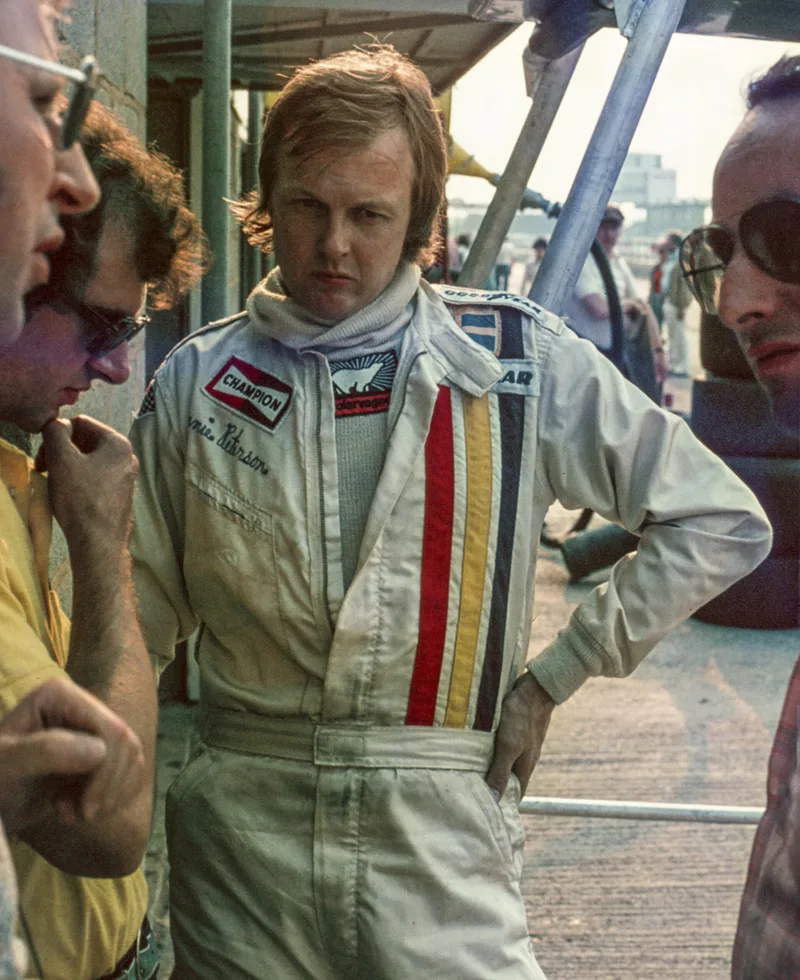
March signed Lella Lombardi, the first woman to qualify for a Formula One race since Maria Teresa de Filippis in 1958. Chris Amon returned to Formula One late in the year with Ensign, after retiring his own team and driving two races for BRM.
What new safety measures came in 1975?
Fire-resistant race suits became obligatory for every driver. Marshal posts, linked by service roads, were introduced at several circuits, and marshals had to practise rescuing drivers from their cars.
The season is also remembered for being the final year with a rain-related fatality before 2014, when Jules Bianchi died after an accident at the Japanese Grand Prix. That grim record gave the sport a reason to keep improving its procedures.
What happened in Argentina, Brazil and South Africa?
In Argentina, Jean-Pierre Jarier took pole in the Shadow, but his transmission failed on the parade lap. Carlos Reutemann led early on, but Emerson Fittipaldi took the lead late and won from James Hunt, with Reutemann third.
In Brazil, Carlos Pace won at home after Jarier's engine stopped with seven laps left, with Fittipaldi second and Jochen Mass third. The South African round was won by Jody Scheckter, who took the win at his home race, with Reutemann second and Patrick Depailler third. Alongside the world championship, a nine-race South African Formula One Championship ran during the year, and three non-championship Formula One races were also held.
What happened in Spain and Monaco?
The Spanish Grand Prix at Montjuic was overshadowed by a serious accident. Drivers had doubts about the barriers, which had not been bolted down properly, and Emerson Fittipaldi chose not to race. The organisers had locked the cars and motorhomes inside the circuit, and with Monaco next on the calendar the teams chose to race. Rolf Stommelen's rear wing broke on lap 26, sending his car over a barrier and into the spectators.
Earlier in the race, Mario Andretti had tapped the car of pole-sitter Lauda, sending it into the sister Ferrari of Regazzoni and knocking both cars out of contention. Hunt then led until he spun on oil, which left Andretti in front before his suspension failed and sent him into a guardrail.
Four spectators were killed, and Stommelen was injured along with others. The race was stopped on lap 30, and Jochen Mass was declared the winner, with Jacky Ickx second and Reutemann third. Only half points were awarded because the race had not run 75 per cent of its distance, and Lella Lombardi's sixth place earned her half a point, the first and only woman to score in a championship race.
At Monaco, Lauda took pole, and he led from the start. Jarier crashed on the first lap, and Lauda held on for victory with Fittipaldi second and Pace third.
How did Belgium, Sweden and the Netherlands go?
In Belgium, Lauda was on pole with Pace beside him, and Vittorio Brambilla surprised everyone by briefly leading. Lauda passed Brambilla and went on to win. Scheckter had also moved up, passing Brambilla for second on lap 9, and Reutemann completed the podium in third. It was the first time Lauda had won two races in the same season.
In Sweden, Brambilla took his first career pole. Reutemann took the lead from him, but Lauda passed Reutemann with ten laps left and won, with Reutemann and Clay Regazzoni completing the podium.
The Dutch Grand Prix at Zandvoort was won by James Hunt, his first career win. Hunt and Jarier had pitted early for dry tyres, and their gamble put them first and second until Jarier retired with a tyre failure. Lauda closed on Hunt, but Hunt held him off, with Regazzoni completing the podium, and the result kept the championship battle close.
What happened in France and Britain?
In France, Lauda took pole and won, with Hunt second and Jochen Mass third. Lauda's win gave him a large championship lead, and it confirmed that the title race was his to lose.
At Silverstone, the British round was run in changing weather. Tom Pryce had taken a home pole, with Pace second and Lauda third, and Pace beat Pryce into the first corner. Fittipaldi won after the race was stopped on lap 56 of 70, and the results were declared on the lap before the storm, which left Fittipaldi the winner ahead of Pace and Scheckter. That win brought Fittipaldi back into contention as the gap narrowed.
How did the Nurburgring and Austria decide the middle of the year?
The German Grand Prix at the Nurburgring was the most demanding round of the season. Lauda took pole and became the first driver to lap the 22.8 km circuit in under seven minutes. Pace started on the front row, but Reutemann took the win ahead of Laffite and Lauda, who finished third. Scheckter made a poor start and fell to 20th, and the win was Reutemann's first of the season.
The Austrian Grand Prix took place at the Osterreichring in heavy rain. Mark Donohue had crashed in practice, and he died two days later. Vittorio Brambilla won after spinning off on his slowing-down lap, and Hunt was second, with Pryce third. The race was stopped early, which meant half points were awarded.
Who won at Monza and Watkins Glen?
At Monza, Lauda took pole, and Regazzoni won from Fittipaldi. Lauda's third place was enough to seal the championship, which meant he needed only half a point before the race. Regazzoni took the lead at the start, with Lauda and Mass following. Towards the end Lauda backed off and let Fittipaldi through to second, and Regazzoni's win gave Ferrari a further result in a season that belonged to the team.
The final round in the United States was at Watkins Glen. Lauda took pole and won, his fifth win of the season, with Fittipaldi close behind in second and Jochen Mass third. Lauda signed off in style.
How did the 1975 results break down by race?
| Grand Prix | Winner | Car | Notes |
|---|---|---|---|
| Argentina | Emerson Fittipaldi | McLaren-Ford | Jarier's transmission failed on the parade lap |
| Brazil | Carlos Pace | Brabham-Ford | Home victory |
| South Africa | Jody Scheckter | Tyrrell-Ford | Home victory |
| Spain | Jochen Mass | McLaren-Ford | Race stopped, half points |
| Monaco | Niki Lauda | Ferrari | Lauda led from start to finish |
| Belgium | Niki Lauda | Ferrari | Brambilla led briefly |
| Sweden | Niki Lauda | Ferrari | Passed Reutemann with ten laps left |
| Netherlands | James Hunt | Hesketh-Ford | First career win |
| France | Niki Lauda | Ferrari | Hunt second |
| Great Britain | Emerson Fittipaldi | McLaren-Ford | Race stopped after rain |
| West Germany | Carlos Reutemann | Brabham-Ford | Lauda took pole |
| Austria | Vittorio Brambilla | March-Ford | Half points, race stopped early |
| Italy | Clay Regazzoni | Ferrari | Lauda third sealed the title |
| United States | Niki Lauda | Ferrari | Fifth win of the season |
What were the final standings of 1975?
Lauda finished the Drivers' Championship with a large margin over the rest of the field, and Ferrari took the Manufacturers' trophy. Fittipaldi had pushed him closest in the second half of the season, but he could not overhaul the lead Lauda built with his five wins.
What tragedy closed the year off the track?
In late November, an Embassy Hill plane came down in England, and everyone on board died. Team owner Graham Hill and driver Tony Brise were among them, and the team, which had been due to enter a full season, withdrew.
The 1975 season was therefore one of the saddest in the sport's recent history. The deaths of Donohue, the spectators at Montjuic, and the Embassy Hill party left a long shadow over a championship that Lauda, a survivor of the Nurburgring fire the next year, would go on to define.