Jackie Stewart won his second championship by 29 points, Tyrrell took the Manufacturers' Cup, and two drivers died in a bruising year.
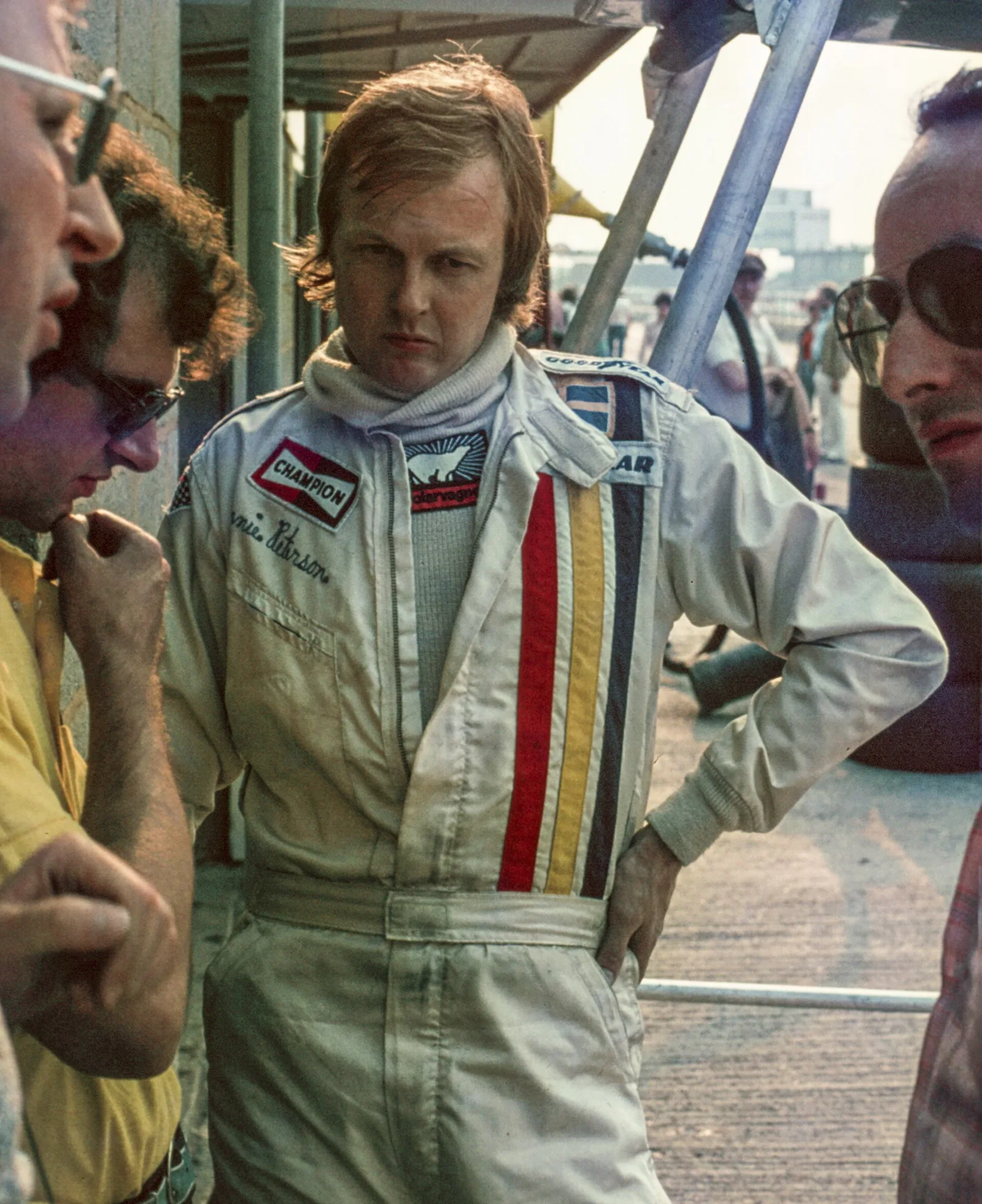
Stewart's 29-point margin over Ronnie Peterson gave him his second Drivers' Championship in 1971. Tyrrell took the Manufacturers' Cup, and the title was confirmed at the Austrian round in August.
The 1971 Formula One season was the 25th year of FIA racing and the year Jackie Stewart won his second Drivers' Championship, by 29 points over Ronnie Peterson. Tyrrell won the Manufacturers' Cup, its only constructors' title, with a Cosworth DFV engine that outpaced the V12s of BRM and Ferrari. The eleven championship races ran from 6 March to 3 October, and two drivers were killed during the year.
How did Jackie Stewart win his second title?
Jackie Stewart won the 1971 Drivers' Championship for Tyrrell by 29 points, with Ronnie Peterson second in a March. The Scot had built a long lead through the first half of the season, and he was crowned at the Austrian round when Peterson's points total was still out of reach. It was his second world title after 1969.
Stewart's teammate Francois Cevert was third in the standings, and his Watkins Glen victory was the only win of his career. The Tyrrell 002 and 003 chassis were close in design, with the longer 002 built for the taller Cevert. Between them, the two drivers gave the team a clear advantage over the rest of the field.
Tyrrell's double was built on reliability and development. Its car was powered by the Cosworth DFV, while rivals such as BRM and Ferrari relied on their own V12 engines, and Lotus finished the year fifth in the standings after a difficult season.
Stewart's second crown, a Tyrrell constructors' win and two driver deaths made 1971 a hard-fought year.
Why did two drivers die in 1971?
Pedro Rodriguez was killed on 11 July at the Norisring, where he crashed his Ferrari 512 M during an Interserie sports car race. At that point he sat fourth in the Formula One standings, and his loss was keenly felt by Mexican fans.
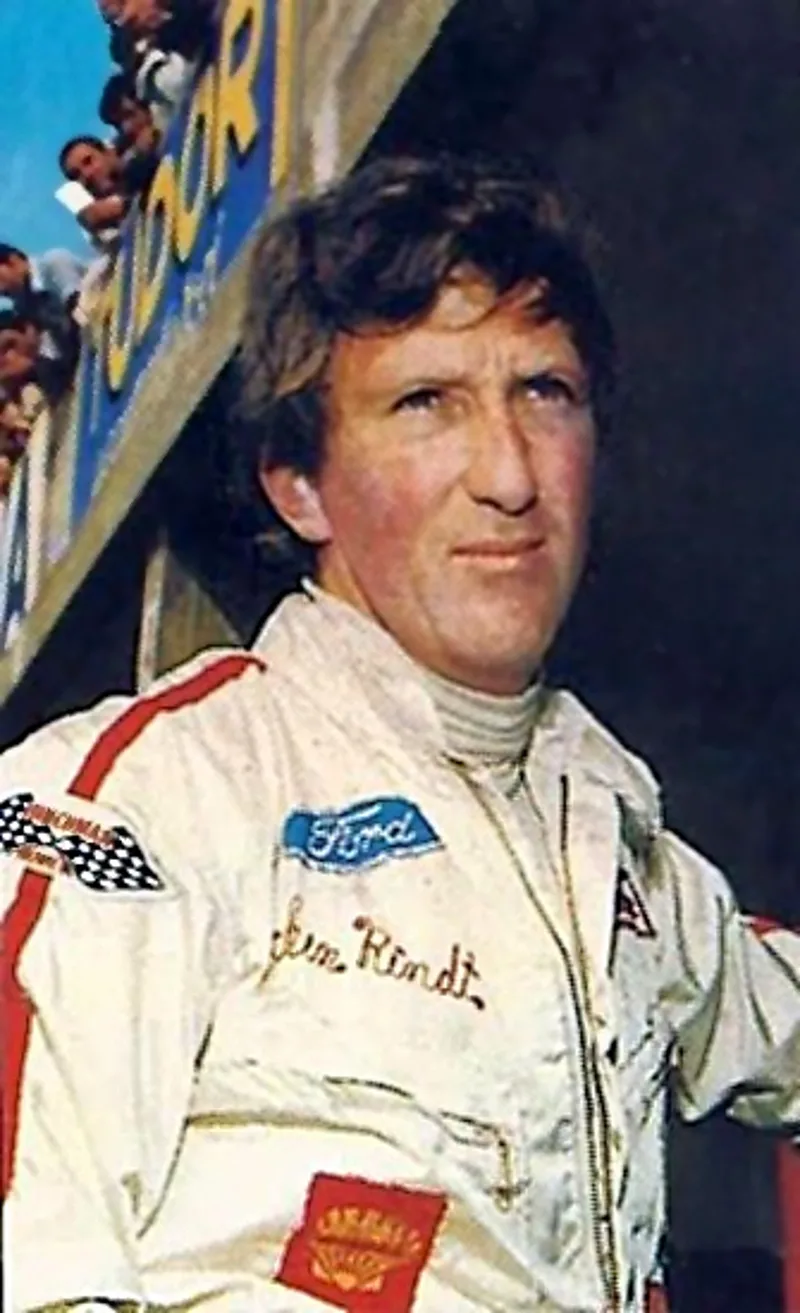
Jo Siffert died later in the year, in October, during the Victory Race at Brands Hatch. He had dropped several places at the start but worked his way back to fourth by lap 14. His BRM rolled over at the fast Hawthorn Bend and caught fire, and he was trapped beneath the car. The race was stopped, and only John Surtees was able to drive his damaged car back to the pits.
What changed in the teams and drivers for 1971?
Ferrari signed Mario Andretti to join Jacky Ickx and Clay Regazzoni, and the team's third driver, Ignazio Giunti, had been killed in January at a sportscar race in Buenos Aires. March arrived with a new line-up of Ronnie Peterson, Alex Soler-Roig and Andrea de Adamich, and Jo Siffert moved from March to BRM alongside Pedro Rodriguez and Howden Ganley.
Jack Brabham retired from racing, and Graham Hill joined his team, with Tim Schenken as his teammate. Rolf Stommelen moved from Brabham to Surtees, and Peter Gethin left McLaren for BRM. Lotus experimented with a gas turbine-powered Lotus 56B using four-wheel drive, which showed a strong chassis but no concrete success.
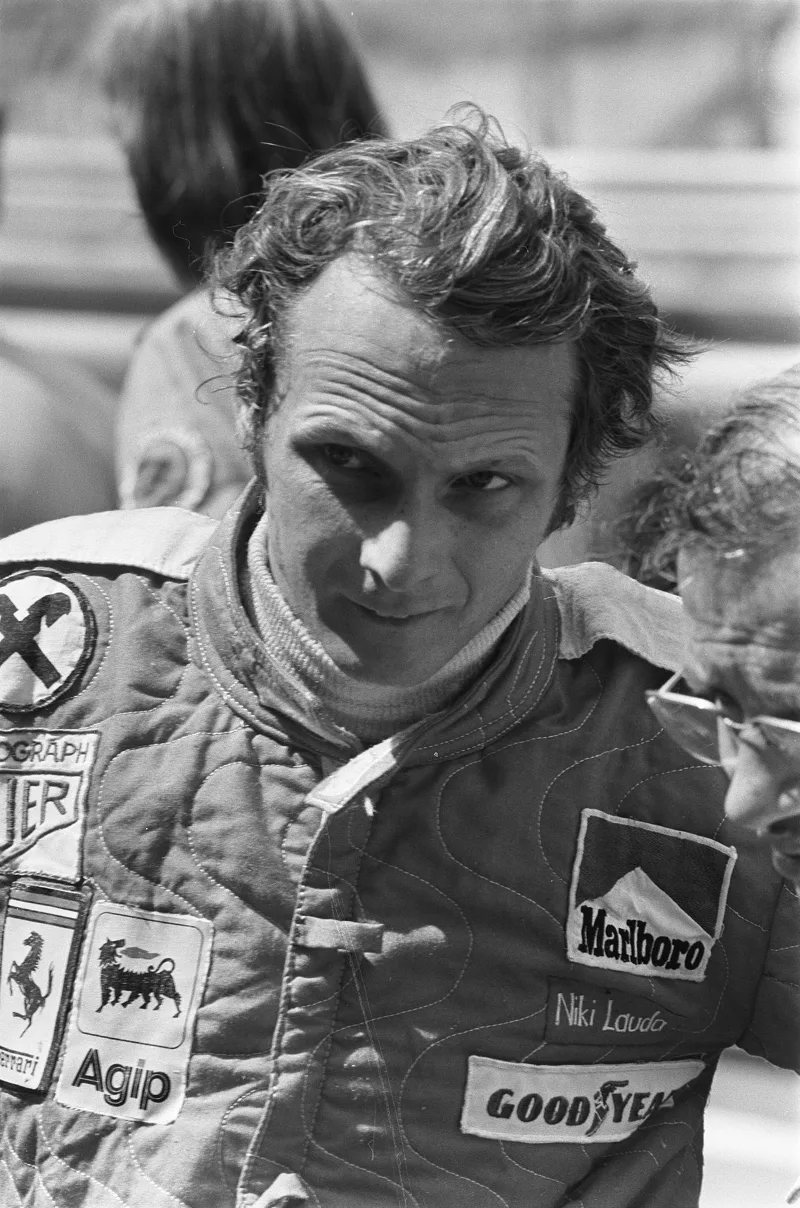
The season also brought a notable debut. Niki Lauda made his Formula One debut at the Austrian Grand Prix in a March, qualifying 21st before retiring on lap 20. Mike Hailwood, a multiple motorcycle champion, was given a third Surtees for the Italian round.
How did the calendar and rules change in 1971?
The calendar was rebuilt around the event-sharing arrangements between circuits. The Spanish Grand Prix moved from Jarama to Montjuic, the British Grand Prix moved from Brands Hatch to Silverstone, and the Canadian Grand Prix moved from Mont-Tremblant to Mosport Park. The French round went to the new Circuit Paul Ricard. The Spanish round had been run at Jarama the year before, as part of the rotation between the two circuits.
The German Grand Prix returned to the Nurburgring after a year away, once safety changes had been made there. Not every race was saved, however. The Belgian Grand Prix was cancelled because Spa-Francorchamps did not meet the mandatory safety standards, and the Mexican race was dropped after local interest faded following Rodriguez's death.
Regulation changes were also made. The maximum race distance for World Championship Grands Prix was cut from 400 km (250 mi) to 325 km (202 mi), and drivers had to be able to evacuate their cars within five seconds.
What did the pre-season and the early non-championship races look like?
The 1971 season opened after a busy winter of development, with several teams reshaping their cars and line-ups. Before the first round, a string of non-championship races in Argentina and Britain gave the teams a chance to test their machinery against each other.
Over the winter, Ferrari's technical director Mauro Forghieri and his engineers developed the car into 312B/2 form. Brabham was being run by Ron Tauranac, and Bernie Ecclestone was due to buy the team that year. Frank Williams switched from a De Tomaso chassis to a March, and Rob Walker stopped running his private team, passing his sponsorship on to Surtees.
The non-championship calendar was busy too. Chris Amon won the Argentine Grand Prix, the first held there since 1960, in a Matra after the race was run in two heats. Clay Regazzoni won the Race of Champions at Brands Hatch for Ferrari, and Mario Andretti took the Questor Grand Prix in California. Pedro Rodriguez won the Spring Trophy at Oulton Park, and Graham Hill won the International Trophy at Silverstone in a Brabham-Ford.
What happened in the opening rounds?
The South African Grand Prix at Kyalami was won by Mario Andretti for Ferrari, while Stewart finished second. Denny Hulme had led the race until a suspension problem forced him into the pits late on, and Andretti inherited the lead.
At Montjuic, Stewart won the Spanish round ahead of Jacky Ickx, who was 3.4 seconds behind at the flag. Regazzoni's retirement on lap 13 had promoted Pedro Rodriguez to fourth. The Monaco Grand Prix, the 200th world championship race, went to Stewart ahead of Peterson and Ickx.
How did the Dutch and French rounds play out?
The Dutch Grand Prix at Zandvoort was run in wet conditions, and Ickx won by nearly eight seconds from Rodriguez. Regazzoni finished third, while Stewart's spin on lap 3 dropped him down the order. Zandvoort's rudimentary safety facilities and fast corners made the race a hard one for everyone.
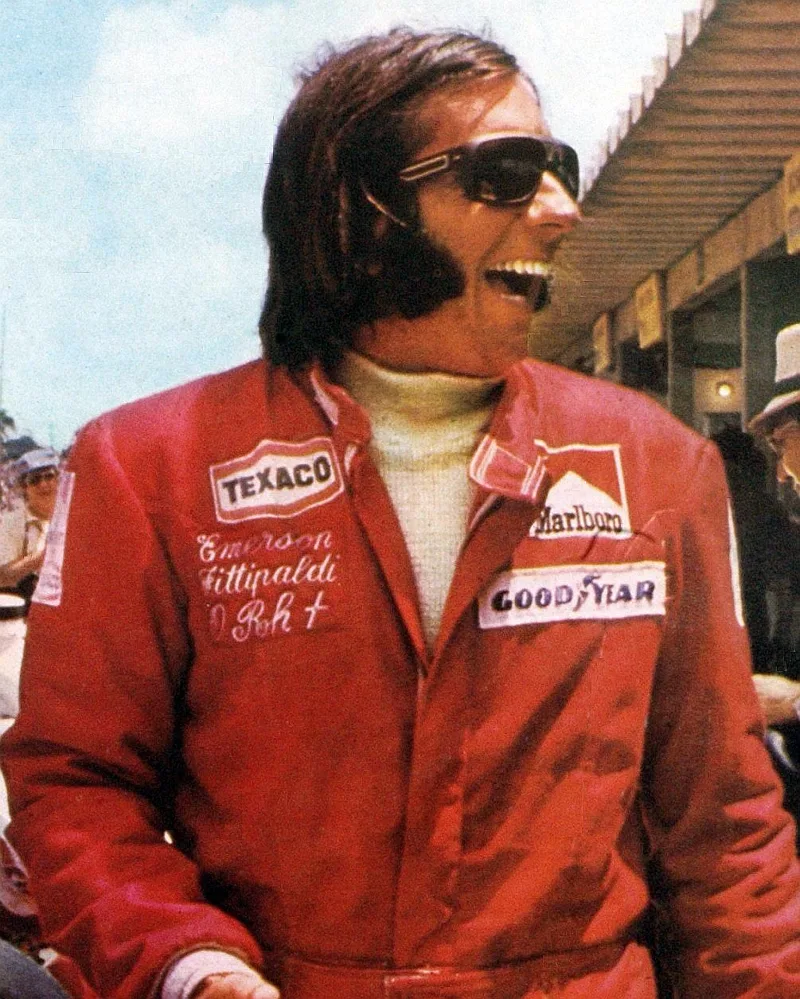
The French Grand Prix at Paul Ricard was run on one of the most modern circuits in the world. Stewart took pole and won, with Cevert second and Fittipaldi third. Ickx's engine failed early, and Regazzoni spun on oil, which left the Tyrrell pair in control of the race.
What happened at Silverstone and the Nurburgring?
The British Grand Prix at Silverstone was another win for Stewart, with Peterson second and Fittipaldi third. Oliver's collision with Graham Hill put both men out early, and the rest of the field was lapped by the finish. Stewart's home win came on a day of attrition.
At the Nurburgring, Ickx spun at the Eiskurve and Regazzoni went off while trying to avoid him. Stewart took the lead and stayed in front, and Cevert followed him home for a Tyrrell one-two. Regazzoni finished third, and it was Stewart's fifth win of the season.
Before the race, Graham Hill and Reine Wisell both had problems, and only 20 cars lined up on the grid. The circuit had been resurfaced and lined with Armco, and the race was run over 12 laps, down from 14 in 1969. Around 375,000 spectators came on the Sunday.
Who won at Austria and Monza?
At the Osterreichring, Siffert took pole in his BRM and held off Stewart's attacks at the start. Stewart's rear axle broke on lap 36, which ended his race. Siffert took the win by just over four seconds from Fittipaldi, and Peterson finished eighth out of the points, which confirmed Stewart's title.
The Italian Grand Prix at Monza produced the closest finish in the sport's history. Peter Gethin won in a BRM by 0.010 seconds after jumping from fourth to first on the final lap. The first five cars finished within a fraction of a second, and the race averaged 150.75 mph, the fastest in Formula One history at the time. Chicanes were later added to Monza to slow the cars down.
How did the North American rounds finish the year?
Two weeks later, at Mosport, Stewart took pole, then led the race and won by nearly 40 seconds. Wayne Kelly's fatal accident in a Formula Ford support event delayed the meeting, and the Grand Prix began in pouring rain. Peterson was second, and Mark Donohue finished third on his Formula One debut. Stewart's sixth win of the season was a comfortable one. Howden Ganley crashed his BRM in the warm-up and missed the start, and Donohue had been driving a Penske-entered McLaren.
The final race of the championship was the United States Grand Prix at Watkins Glen. Cevert won his first world championship race, with Siffert second, Peterson third and Howden Ganley fourth. Stewart finished fifth, and the Tyrrell team took the constructors' title at the close of the season.
Going into Austria, Stewart had 51 points, Ickx 19 and Peterson 16. Stewart needed only Ickx and Peterson to fail to score for the title to be his, and Peterson's eighth place did exactly that. The rest of the season was about the constructors' table and the battle for the minor places.
What were the final standings?
Stewart finished 29 points ahead of Peterson, and the Tyrrell team was crowned Manufacturers' Champion. Lotus finished fifth in the constructors' table after a year of experiments, and the title race had been effectively decided well before the final round. Peterson's second place was a strong result for March, a team in only its second season in Formula One, while Cevert's Watkins Glen win was the highlight of Tyrrell's late-season form.