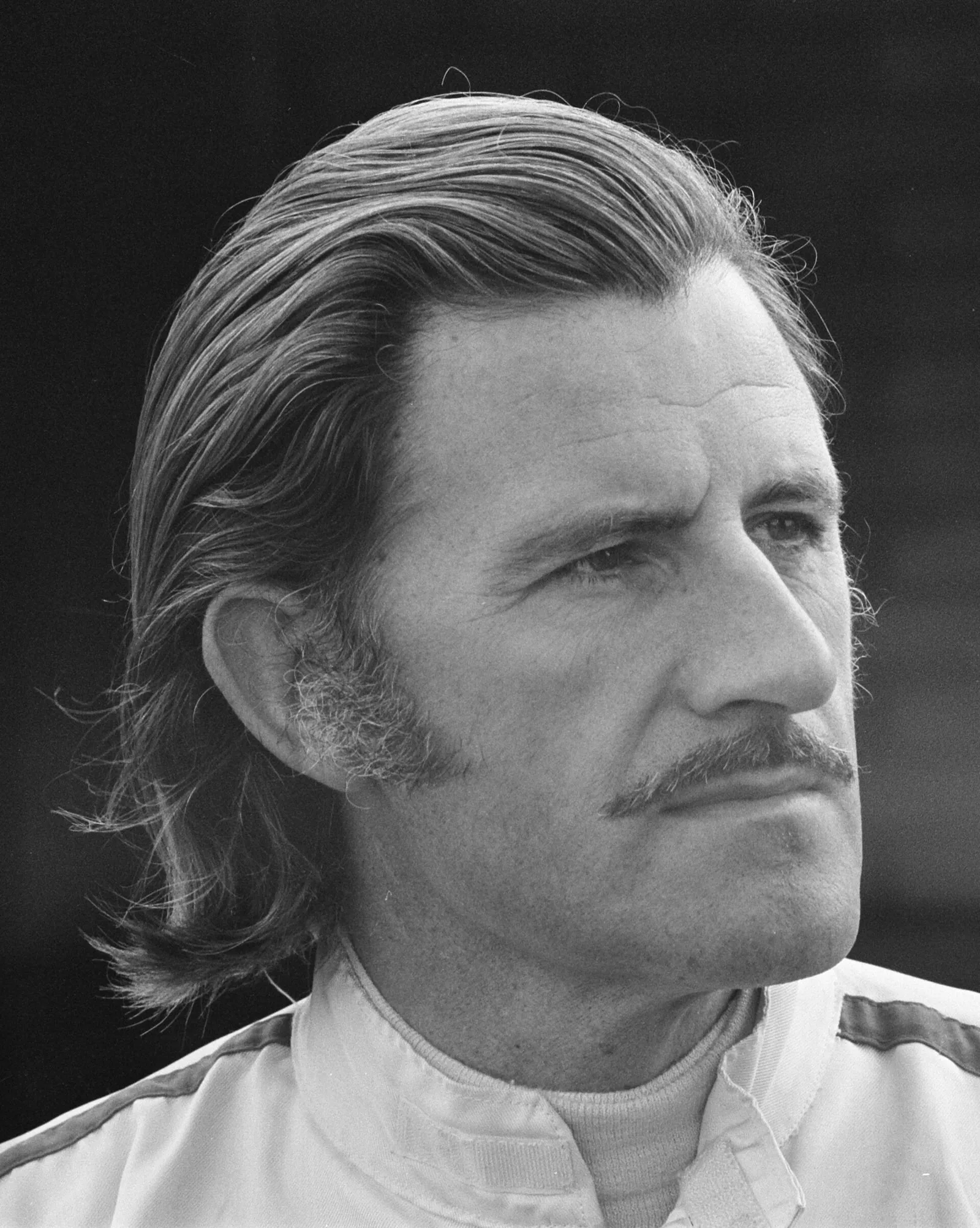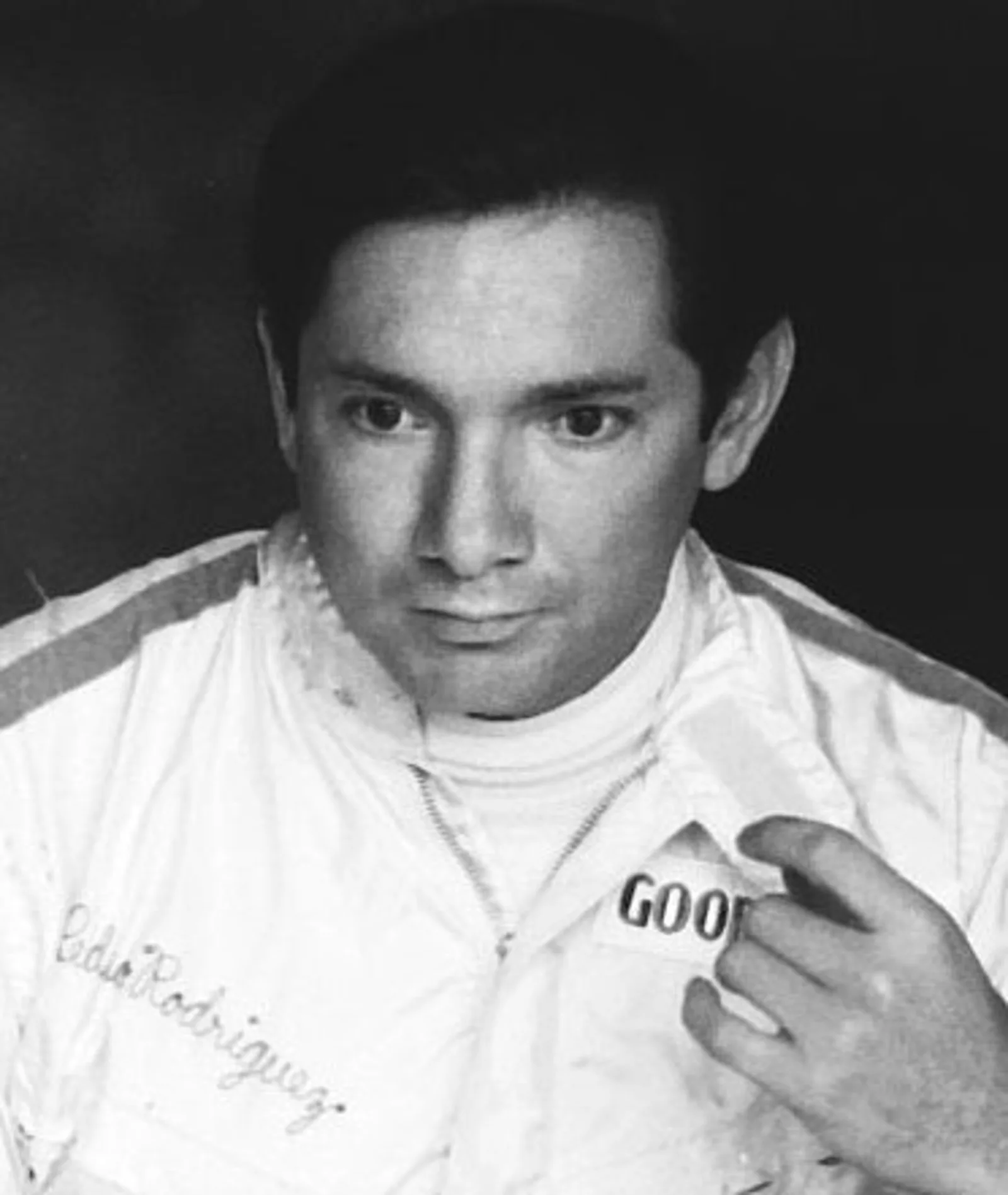
A motorcycle champion turned Formula One driver, Rodriguez won at Kyalami and Francorchamps, and was killed in a sports car race at the Norisring in 1971.
Pedro Rodriguez was a Mexican driver who won the 1967 South African Grand Prix and the 1968 Le Mans 24 Hours, and he died in a sports car race at the Norisring in 1971. He won two Grands Prix across nine seasons in Formula One.
Pedro Rodriguez was a Mexican racing driver who competed in Formula One from 1963 to 1971 and won two Grands Prix. His endurance record included a 1968 Le Mans victory for Ford and two wins in the Daytona 24 Hours with Porsche. He was killed in a sports car race in West Germany in July 1971.
How did Rodriguez begin racing?
Rodriguez started racing bicycles at a young age, then moved to motorcycles and became Mexican national champion in 1953 and 1954. He returned to full-time racing in 1955, at 15, and made his international car debut at Nassau in 1957 in a Ferrari.
He was born in Mexico City in 1940. His father sent him to the Western Military Academy in Alton, Illinois, at 15 to learn English and discipline.
His elder brother Ricardo became the first Mexican driver in Formula One, in 1961. The two shared many sports car drives, and in 1961 they won the Paris 1000 km together. In 1962 Pedro won at Bridgehampton in a Ferrari 330 TRI/LM, but Ricardo was killed in a practice accident that year and Pedro considered retiring.
A Mexican driver who won at Kyalami and Francorchamps, and who was remembered long after a tyre failure ended his life in Nuremberg.
When did Rodriguez win his Grands Prix?
He won the 1967 South African Grand Prix for Cooper, the first Grand Prix win for a Mexican driver. He later won the 1970 Belgian Grand Prix at Francorchamps with a BRM P153, beating Chris Amon by 1.1 seconds.
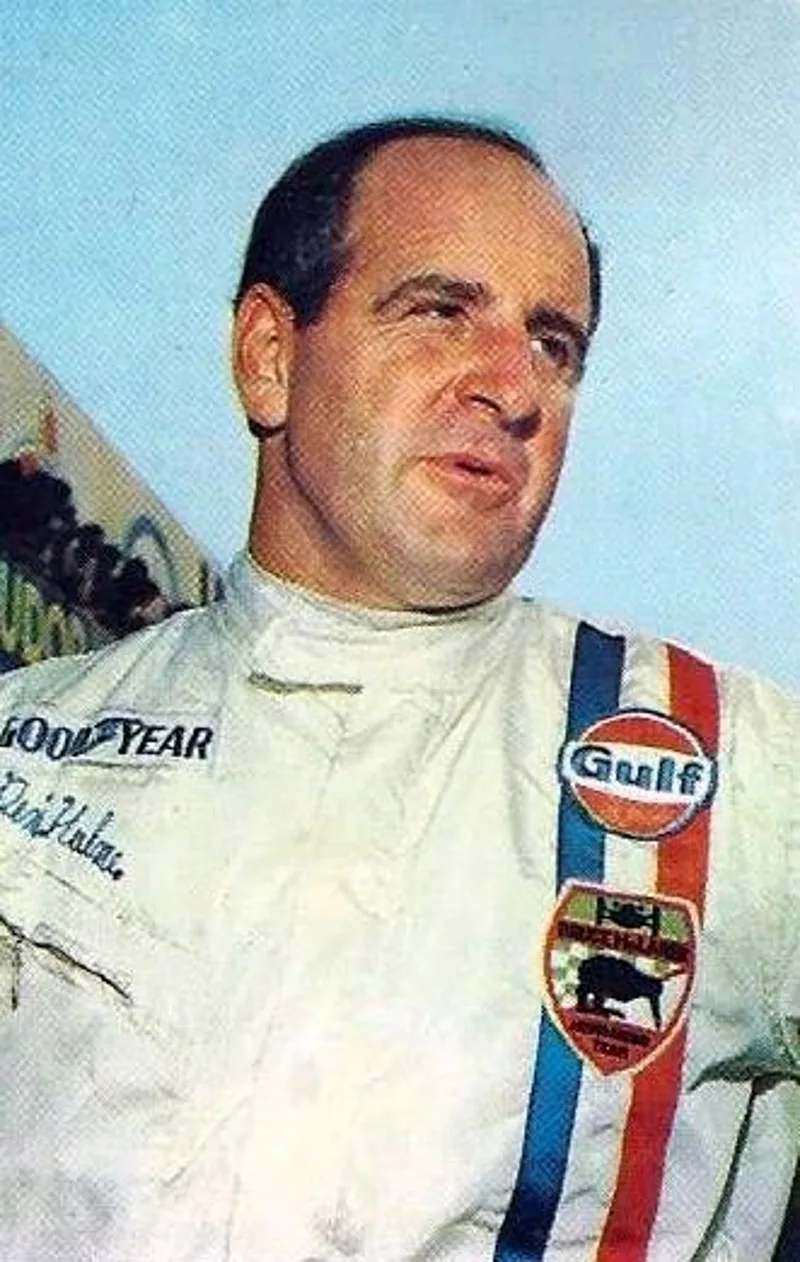
The 1967 win at Kyalami came in only his ninth Grand Prix. Cooper's team manager allowed him to drive the practice car over the objections of teammate Jochen Rindt, and Rodriguez's steady, consistent drive took the win after Denny Hulme lost time in a lengthy pit stop.
At Francorchamps in 1970 the BRM's average speed of 241.31 km/h (149.94 mph) was then the highest in Formula One history. It was a fast circuit that suited the power of the V12 engines.
Why did Rodriguez race for Porsche and Ferrari?
He drove sports cars for Ferrari for many years in the World Championship of Makes, and in 1970 he joined the JW-Gulf-Porsche team. Over 1970 and 1971 he won eight races in the Porsche 917, which helped Porsche win the World Sportscar Championship in those years.
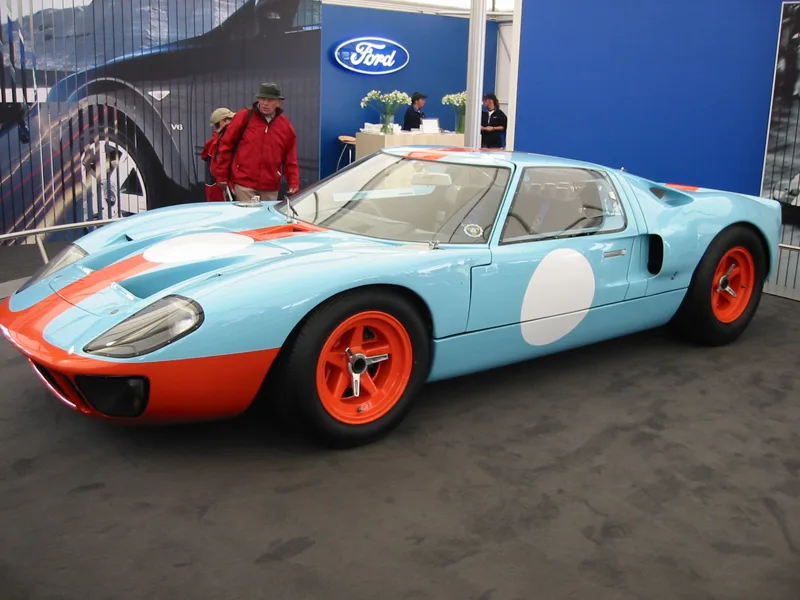
The 1968 Le Mans win came with the JW-Gulf team in a Ford GT40, which he shared with the Belgian driver Lucien Bianchi. Across his career he raced at Le Mans fourteen times in total.
He was also active in North American racing. He competed in Can-Am and NASCAR, debuting at Trenton Speedway in 1959 and finishing sixth. His best NASCAR finish came in the 1965 World 600, where he was fifth. In 1970 he also won a North American ice racing championship at Sand Lake in Alaska.
How did Rodriguez die?
Rodriguez was killed on 11 July 1971 during an Interserie sports car race at the Norisring in Nuremberg, driving a Ferrari 512 M for Herbert Muller Racing. He was a friend and teammate of the team's driver from the Targa Florio that year.
The 1971 season had promised much. With a BRM P160 prepared by Tony Southgate, he challenged Jacky Ickx in the rain at the Dutch Grand Prix and only just failed to win. He had the pace and the car to compete at the front, and his form suggested the season could bring a serious title challenge.
Observers noticed the right front tyre working loose as early as the tenth lap under heavy braking for a sharp corner. On the twelfth lap the tyre came off completely. The car hit a wall, bounced back across the track and caught fire, and Rodriguez died shortly after being pulled from the wreck.
How is Rodriguez remembered today?
He is remembered through named places and tributes. Daytona International Speedway's first hairpin bears his name, and Mexico City's Magdalena Mixhuca circuit was renamed the Autodromo Hermanos Rodriguez in 1973, honouring Pedro and Ricardo. A 2016 academic study that modelled the influence of driver and machine ranked him 24th-best Formula One driver of all time.
A bronze plaque was placed at the Nuremberg crash site in July 2006, a joint effort between a friends' foundation and the city authorities. Sergio Perez wore a helmet tribute to him at the 2022 Monaco Grand Prix, bearing the words GRACIAS PEDRO. In 2024 Adrian Fernandez acquired the BRM P153 in which Rodriguez won the 1970 Belgian Grand Prix.
Ricardo Gonzalez, who won the LMP2 class at Le Mans in 2013, has named Rodriguez as his hero.
What did the brothers do at Nassau Speed Week in 1957?
At the end of 1957 both brothers entered the Nassau Speed Week competition. Pedro wrecked a Ferrari 500 TR there, in driving that matched his reputation for aggression. The two had earlier raced a Chevrolet Corvette in Mexico, which gave them a taste of American-style racing before they reached Europe.
The brothers' reputation for aggressive driving followed them into the European sports car scene.
How did Rodriguez's Le Mans and sports car record develop?
His first Le Mans attempt, in 1957, ended early with a radiator hose puncture while he shared a Ferrari with Jose Behra. Several early attempts ended in retirement, but he kept returning to the race until he won in 1968.
In 1961 he and his brother Ricardo were locked in a duel with the works Ferraris at Le Mans, which ended in engine failure only two hours from the finish. That battle caught the attention of Enzo Ferrari, who offered both brothers Formula One rides. Pedro declined, because he had a motor business in Mexico City to run.
In 1962 he entered Sebring, the Nurburgring and Le Mans, but he failed to finish each time. That year the brothers had been moving toward their own Formula One rides, until Ricardo's death changed everything.
How did Rodriguez return to racing in 1963?
After his brother's death Pedro withdrew for a time, but he returned in 1963 by winning the Daytona Continental in a 250 GTO entered by North American Racing Team. He also came third at Sebring with Graham Hill, and he made his first Grand Prix start for Lotus at Watkins Glen.
The same year he won USRRC events for Kjell Qvale Racing, taking victories in a Huffaker chassis with Chevrolet and Ford engines. His Grand Prix debut ended in retirement at Watkins Glen, and he failed to finish again at Magdalena Mixhuca in Mexico.
How did Rodriguez's 1965 and 1966 seasons go?
In 1965 Rodriguez won the Reims endurance race in a Ferrari shared with Jean Guichet, and he drove a Lotus that was fourth at the Daily Express Silverstone Trophy. In 1966 he drove again for Lotus in four events and retired from every one of them. He also deputised for Jim Clark in a Formula Two race at Rouen.
His 1965 Formula One results were mixed but respectable. He finished fifth at the U.S. Grand Prix and seventh at the Mexican Grand Prix in a Ferrari, and he took a third place at the Canadian Sports Car Grand Prix.
What was his Ferrari period in 1969 like?
Rodriguez returned to Ferrari in 1969, driving in the remaining Grands Prix and in sports car racing. The new flat-12 car was slow to be readied, and the V12 312 was uncompetitive at times, which frustrated the team's drivers. Enzo Ferrari preferred to run Italian drivers, but the Brambilla brothers were not quick enough, so Rodriguez stayed for the rest of the year.
At the British Grand Prix he matched teammate Chris Amon's pace in practice and led him by a whisker in the race, before his car broke. Ferrari then ran him in the last four races of the season, in North American colours for the North American events.
Why did BRM give him a 1970 drive?
BRM offered him a ride in 1970 after John Surtees decided at the last minute to leave the team and set up his own. For most of that season the team's boss, Louis Stanley, favoured Jackie Oliver as the number one driver. The English inner circle at the team and Jackie Stewart's opinion of Rodriguez may have played a part in that preference.
Despite the uneven treatment, Rodriguez delivered in the car at Francorchamps, where he won the Belgian Grand Prix. He beat Chris Amon's March by 1.1 seconds, a clear result in a race that favoured the power of the V12 engines on fast circuits.
What did the 1970 Watkins Glen race cost Rodriguez?
At Watkins Glen in 1970 the need to pit for fuel in the final laps prevented him from winning. The race was the highest-paying event of the year at the time, with a US$50,000 prize, and it was won by Emerson Fittipaldi, who took his first Formula One victory there.
He also finished fourth at Circuit Mont-Tremblant that season, a result that came with the BRM in its better form on circuits with few slow corners.
Did Rodriguez's business commitments affect his racing?
Pedro turned down Enzo Ferrari's offer of Formula One rides in 1961, citing his business commitments at home. That business kept him in Mexico City, but he still raced across Europe and North America. Racing in Europe had begun for him in 1959, when he first went there to compete.
He also travelled with a Mexican flag and a recording of the national anthem. At the 1967 South African Grand Prix the organisers did not have the anthem, and they played the Mexican hat dance instead.
| Measure | Detail |
|---|---|
| Born | 18 January 1940, Mexico City |
| Died | 11 July 1971, Norisring |
| Formula One seasons | 1963 to 1971 |
| Grand Prix wins | 1967 South Africa, 1970 Belgium |
| Le Mans win | 1968 with Ford |
| Porsche 917 wins | eight, across 1970 and 1971 |