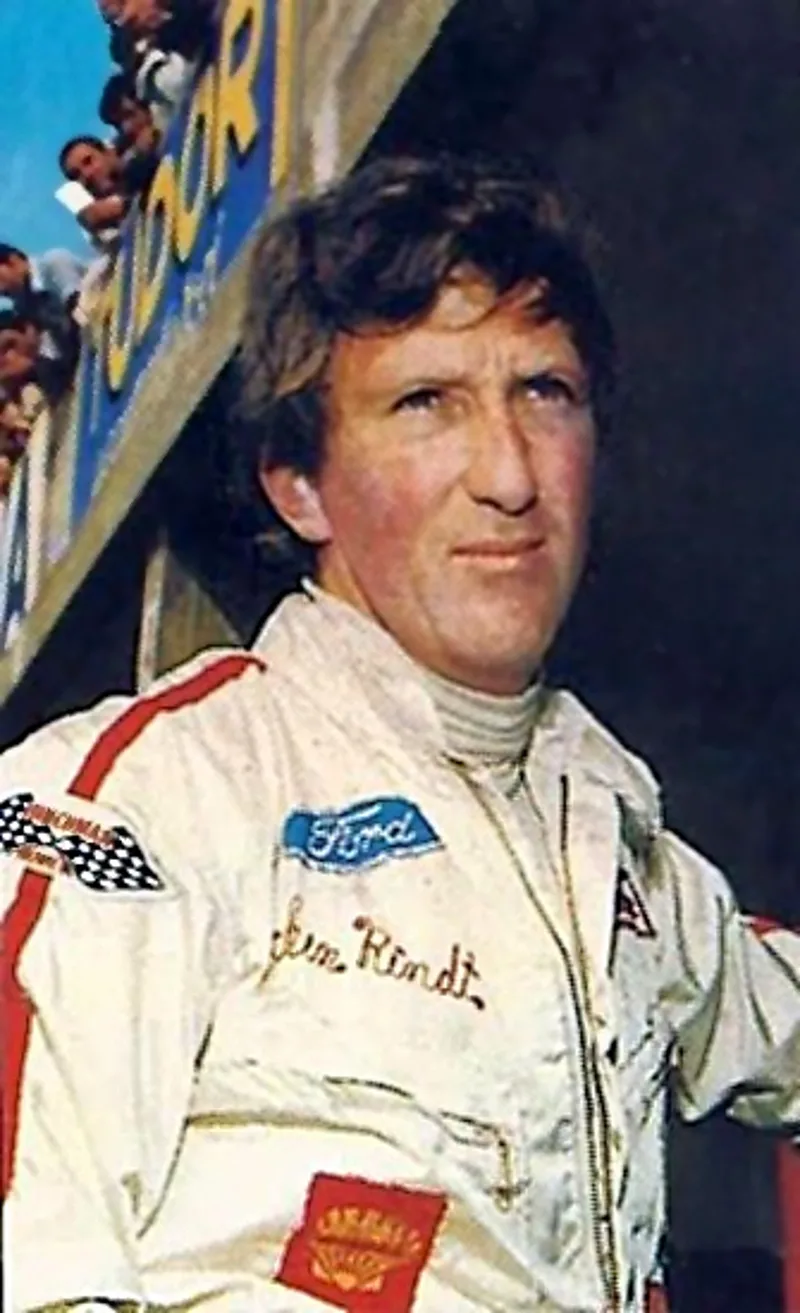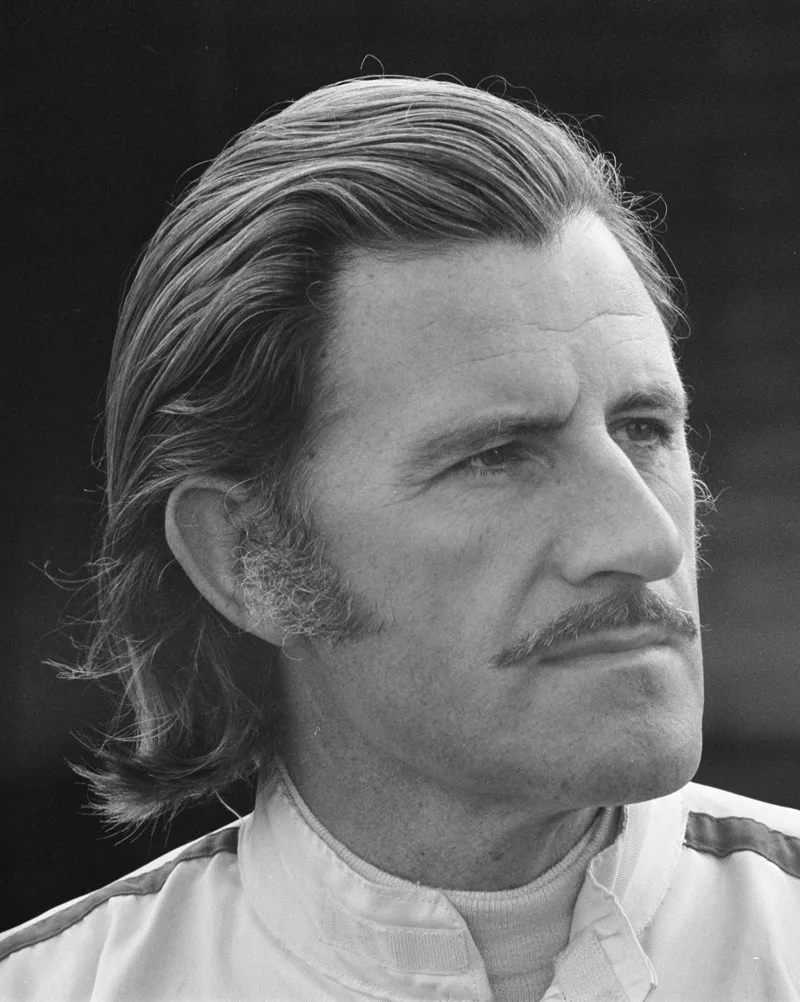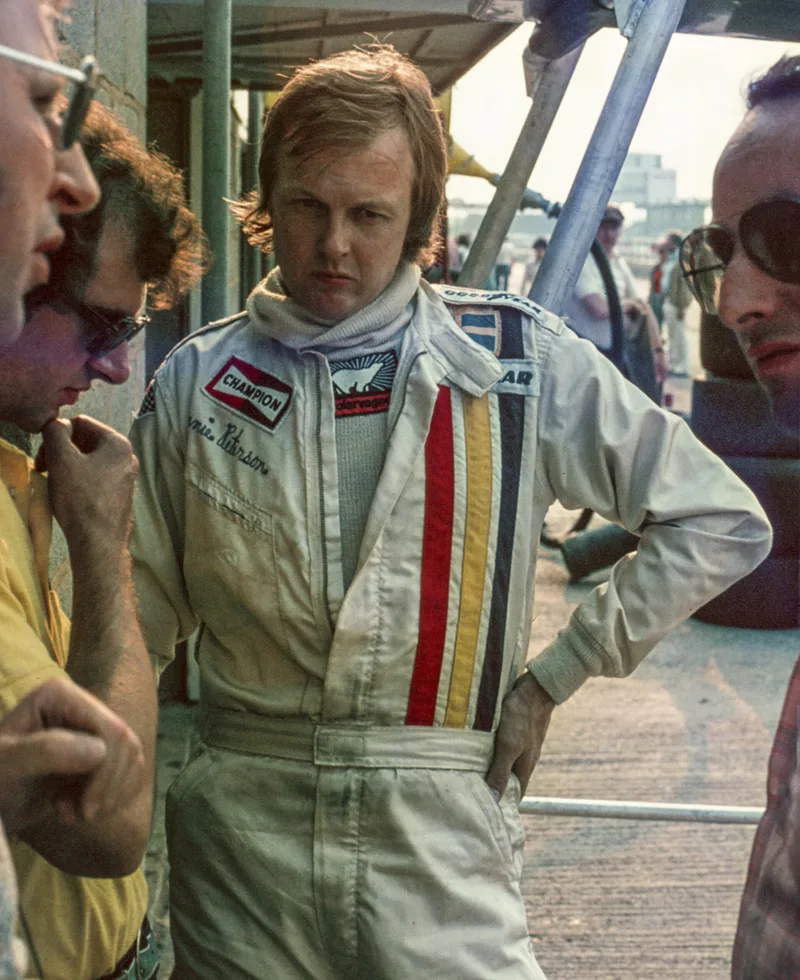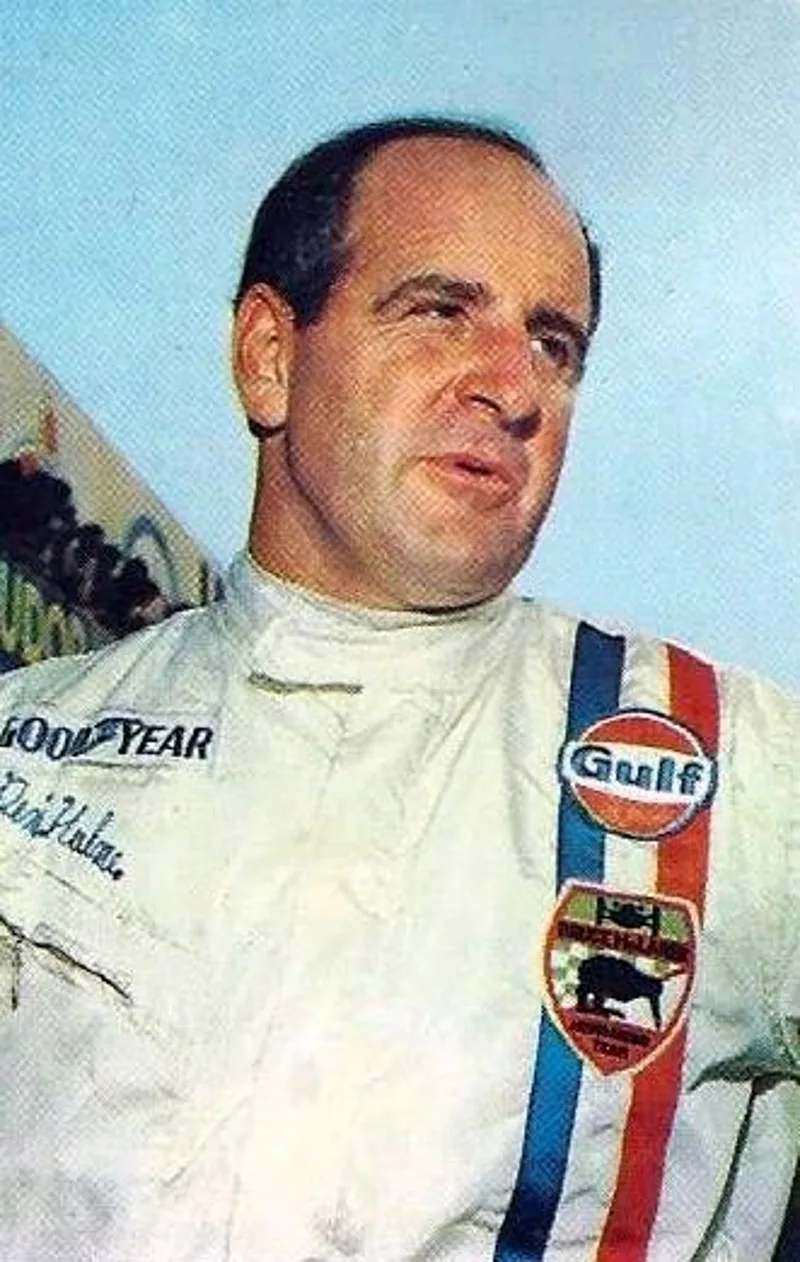
A French-built car finally won the title with a privateer team, while the sport argued over high wings that the FIA eventually banned.
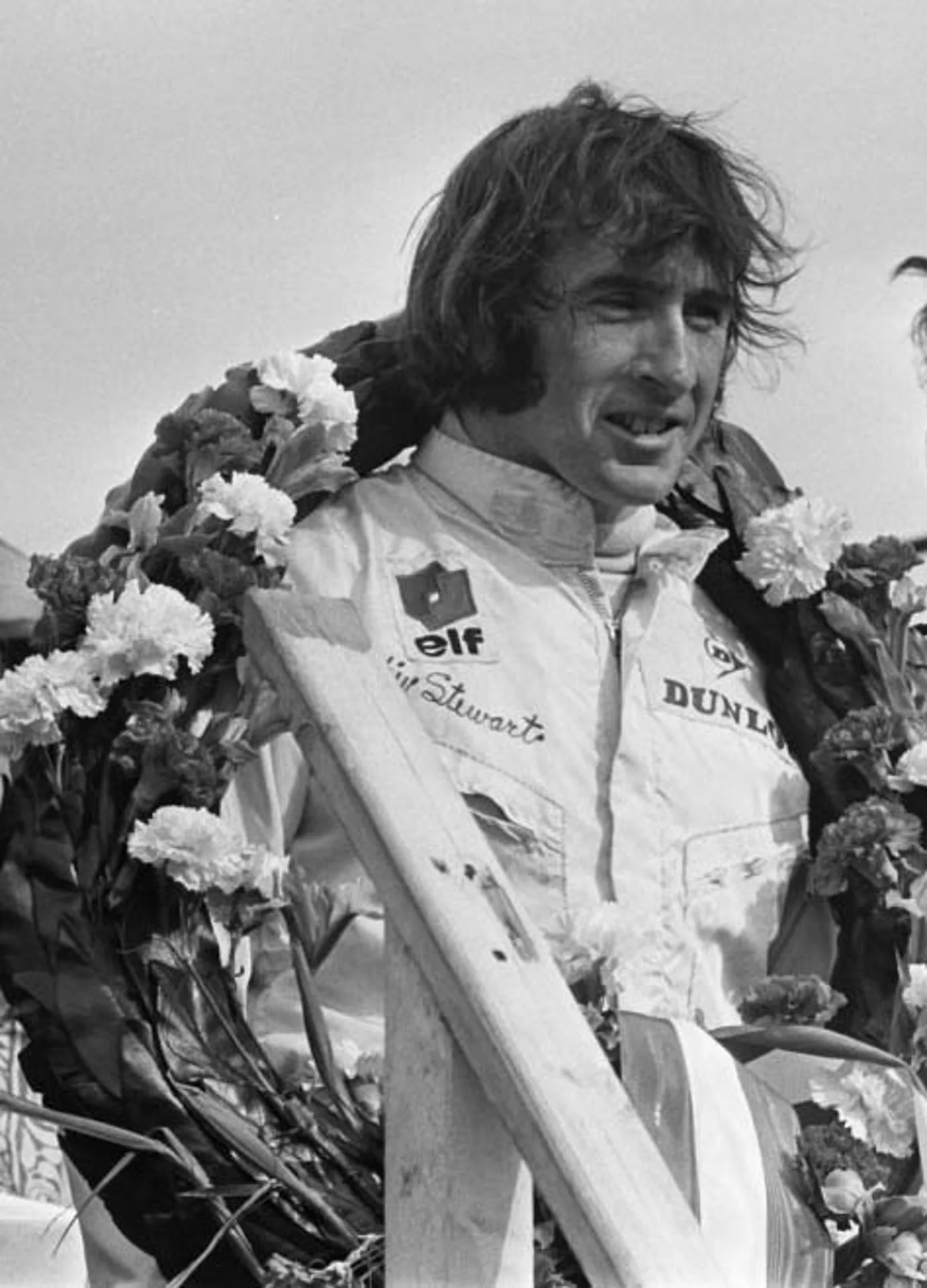
Stewart's 63 points and six race wins secured the 1969 Drivers' Championship in a Matra-Ford run by the Tyrrell operation. The Manufacturers' Cup went to Matra with 66 points, while Ickx finished second in the drivers' standings on 37.
The 1969 Formula One season was the 23rd year of FIA Formula One racing, and it produced Jackie Stewart's first Drivers' Championship in a Matra-Ford. Matra also took the Manufacturers' Cup, and both titles were the first ever won by a French constructor. Eleven championship races ran from 1 March to 19 October, and Stewart won six of them.
How did Jackie Stewart win the 1969 title?
Jackie Stewart won the Drivers' Championship with 63 points, well clear of Jacky Ickx on 37 and Bruce McLaren on 26. He drove a Matra-Ford for Ken Tyrrell's team, which was entered under the Matra International name. The Matra-Ford combination won six of the eleven rounds, and Matra's constructors' total reached 66 points.
Matra did not run a works team that year, so the French firm worked through its collaboration with Tyrrell. The Tyrrell operation kept Stewart and replaced Johnny Servoz-Gavin with works driver Jean-Pierre Beltoise. The result was a privateer-led title, since the Tyrrell operation carried both the driver's crown and the constructors' award.
Both titles were a first for a French constructor. They also remain the only championships won by a car built in France that was run by a privateer team, which gives 1969 a unique place in the record books.
A French-built car and a privateer team took both championships, while the sport fought over the wings.
Why did the wing rules change so often in 1969?
Wings became the defining argument of the year. Teams used high, adjustable wings to add downforce, and the sport's governing body eventually reacted with a ban. After the first practice session at Monaco, the FIA banned all wings except the nose aerofoils, and the Thursday times were scrapped.
Lotus was the first to experiment with movable wings, controlled by a pedal the driver worked with his foot, and rivals built their own systems. McLaren used a lever beside the driver's left hand to flatten the rear wing, and its brake pedal returned the wing to its normal position for cornering. Tyrrell Matra fitted an electrically operated rear wing that flattened when fifth gear was selected.
From the Dutch round on, wings were allowed again if they were fixed to the bodywork rather than the suspension, and they could not move. The rules were loosely written, and teams tested the limits with bold designs, several of which were banned.
Which team and driver changes shaped 1969?
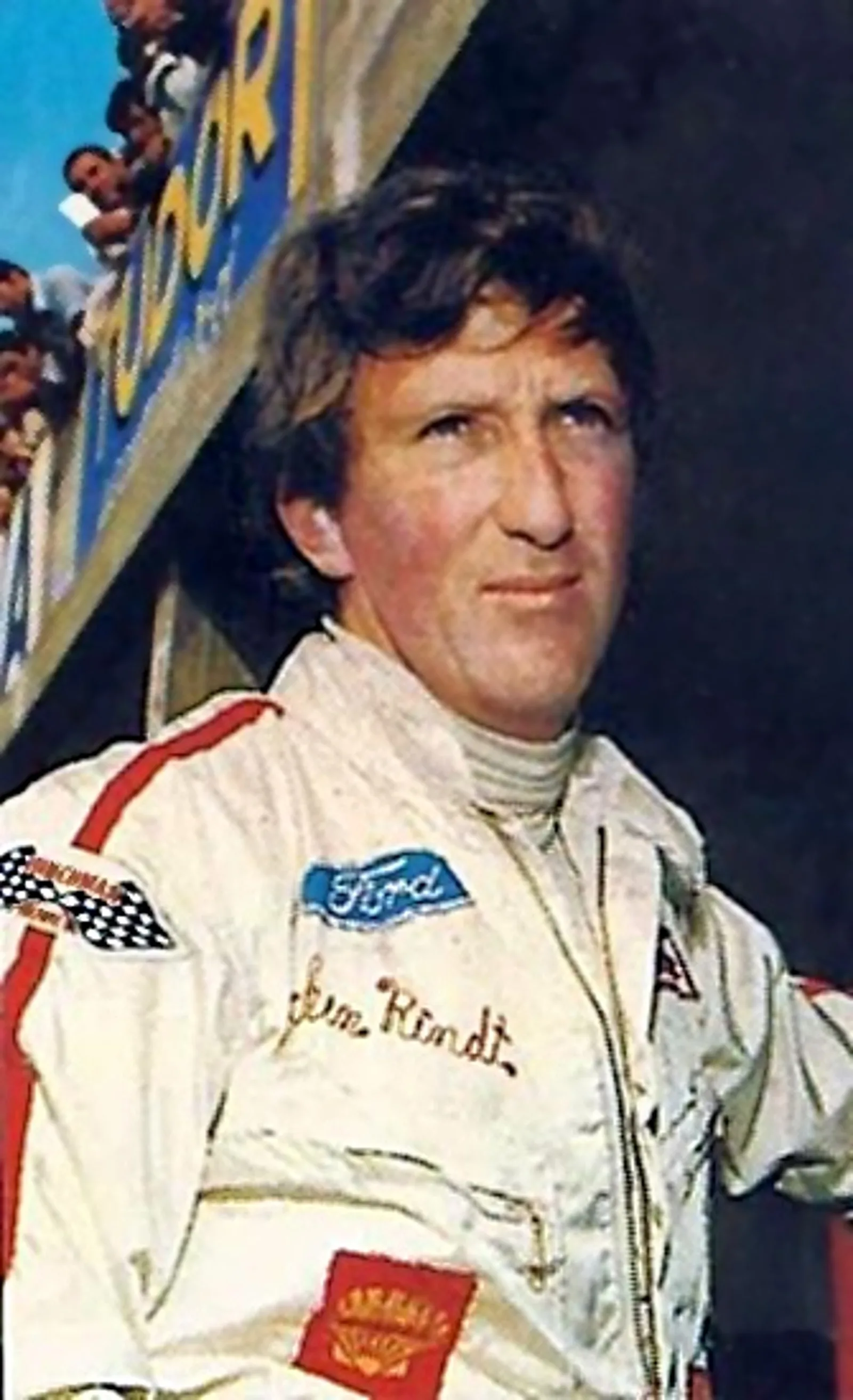
Several teams rebuilt their line-ups for 1969. Lotus signed Jochen Rindt in place of Jackie Oliver, who moved to BRM alongside John Surtees. Jacky Ickx left Ferrari for Brabham to take Rindt's place there, and Ferrari reduced its operation to a single car for Chris Amon.
Brabham switched from Repco engines to Ford-Cosworth DFVs when the Australian company withdrew its support. Honda left the sport, and Cooper and Eagle appeared only in privateer hands. Frank Williams made his debut as a team owner, buying a Brabham BT26A for his Formula Two driver Piers Courage.
Mid-season moves continued. Amon left Ferrari, and the Italian team signed Mexican driver Pedro Rodriguez from BRM. Jack Brabham was injured in a testing accident in June, but he returned for the Canadian round before retiring at the end of the season.
How did the South African and Spanish rounds unfold?
The South African Grand Prix opened the season in March, moved from its usual January date. Brabham took pole in his own car ahead of Rindt and Denny Hulme, but Stewart passed him before the end of the first lap and went on to win. Brabham's rear wing collapsed on lap 5 and he retired, and Hill and Hulme finished behind Stewart.
The Spanish Grand Prix was run at Montjuic for the first time, although the street circuit dated back to 1933. Rindt had hit a stray dog in practice but still qualified on pole. On lap 20, however, his rear wing collapsed at 225 km/h (140 mph) and he crashed into the barriers. Amon led for a long spell until his engine failed on lap 56, and Stewart won two full laps ahead of McLaren and Beltoise.
What happened at Monaco and in the Netherlands?
Stewart was on pole at Monaco, but the wing ban changed everything. The race was won by Graham Hill, who took a record fifth Monaco victory for Lotus. Piers Courage finished second in the Frank Williams Brabham, and Jo Siffert was third in a Rob Walker Lotus. It was the only victory Hill claimed that season.
At Zandvoort, Rindt took pole and led early on, but a drive shaft failure on lap 16 ended his race. Stewart inherited the lead and won, while Siffert passed the field around the outside of Tarzan corner to take second. Amon finished third for Ferrari after Hill had an unplanned pit stop.
Why was the Belgian Grand Prix cancelled?
The Belgian Grand Prix had been scheduled for 8 June at Spa-Francorchamps. Jackie Stewart, a strong advocate of driver safety, inspected the track and demanded several changes. When the track owners refused, the drivers boycotted the event, and no race was run.
The cancellation left a gap in the middle of the calendar, and the rounds that followed carried more weight in the title race. Within weeks the circus moved on to Charade for the French round, where the venue had already been changed over safety concerns.
Who won in France and Britain?
The French Grand Prix at Charade was run after the venue had replaced Rouen-Les-Essarts over safety concerns. Stewart took pole ahead of Hulme and Rindt, and the race had thirteen entrants. A four-wheel drive Lotus 63 driven by John Miles retired on the first lap, while Stewart won comfortably from his teammate Beltoise, with Ickx third.
At Silverstone, Stewart took the four-wheel drive Matra MS84 and set the pace in practice. Rindt crashed backwards into a wall after hitting a loose kerb, and the race was largely decided between Stewart and Ickx. Stewart won, his fifth victory in six races, ahead of Ickx and McLaren, while Rindt recovered to finish fourth.
How were the German and Italian rounds decided?
The German Grand Prix had twelve Formula Two cars on the grid, and one of them, Gerhard Mitter, was killed in practice. Ickx won from pole, as the Brabham took the lead on lap 6 and built a lead of about a minute over Stewart. Bruce McLaren and Graham Hill finished third and fourth.
Ickx had climbed to second in the standings, and a Stewart win at Monza would have settled the title. The top four finished within 0.19 seconds of each other. Stewart won from Rindt, Beltoise and McLaren, and Ickx retired three laps from the end after running out of fuel.
How did the North American rounds finish the year?
The Canadian Grand Prix at Mosport began with Ickx on pole. Ickx overtook Stewart and the two collided, which handed the win to Ickx. Brabham took second, his first podium of the season, with Rindt behind him in third.
At Watkins Glen, Rindt won his first Grand Prix after seven career podiums, taking the lead from Stewart on lap 21. Stewart retired on lap 36 with an oil leak, and Graham Hill broke both legs in a crash after a tyre failed. Courage finished second for Brabham, and John Surtees was third for BRM.
The season ended in Mexico, where Brabham took pole with a new lap record in what he expected to be his last race. Hulme took the lead on lap 10 and won, and Ickx finished 2.5 seconds behind him. Brabham was third and Stewart fourth. His career in the sport ended with that third place, after a pole position set with a new lap record.
What did the 1969 table look like race by race?
| Grand Prix | Winner | Car | Notes |
|---|---|---|---|
| South Africa | Jackie Stewart | Matra-Ford | Brabham's rear wing collapsed |
| Spain | Jackie Stewart | Matra-Ford | Only twelve drivers started |
| Monaco | Graham Hill | Lotus-Ford | Record fifth Monaco victory |
| Netherlands | Jackie Stewart | Matra-Ford | Rindt's drive shaft failed |
| France | Jackie Stewart | Matra-Ford | Beltoise second |
| Britain | Jackie Stewart | Matra-Ford | Fifth win in six races |
| Germany | Jacky Ickx | Brabham-Ford | Won by about a minute |
| Italy | Jackie Stewart | Matra-Ford | Won by 0.19 seconds |
| Canada | Jacky Ickx | Brabham-Ford | Collided with Stewart |
| United States | Jochen Rindt | Lotus-Ford | His first Grand Prix win |
| Mexico | Denny Hulme | McLaren-Ford | Brabham's final race, third place |
What did the 1969 standings show?
Stewart led after four rounds with 27 points, ahead of Hill on 15 and Siffert on 13. After eight rounds he had 60 points, with McLaren on 24 and Ickx on 22. The final classification gave Stewart 63 points, Ickx 37 and McLaren 26, while the constructors' order was Matra on 66, Brabham on 49 and Lotus on 47.
Only the best five results from the first six rounds and the best four from the last five counted towards each driver's total. Every race therefore mattered, and Ickx overtook McLaren for second place late in the year.
What did the 1969 season leave for later years?
The 1969 season left a clear mark on aerodynamics, driver safety and the way private teams could compete for titles. The wing debate led to new rules within the same season, and a well-run private team won both the drivers' title and the constructors' award.
Several figures from the year carried on in the sport. Frank Williams, who had bought his Brabham BT26A that year, kept building his team, and Jack Brabham stepped away after the season, selling his shares in the team to Ron Tauranac. Four-wheel drive also left a small footnote, since Johnny Servoz-Gavin's sixth place at Mosport was the only championship point ever scored by such a car.