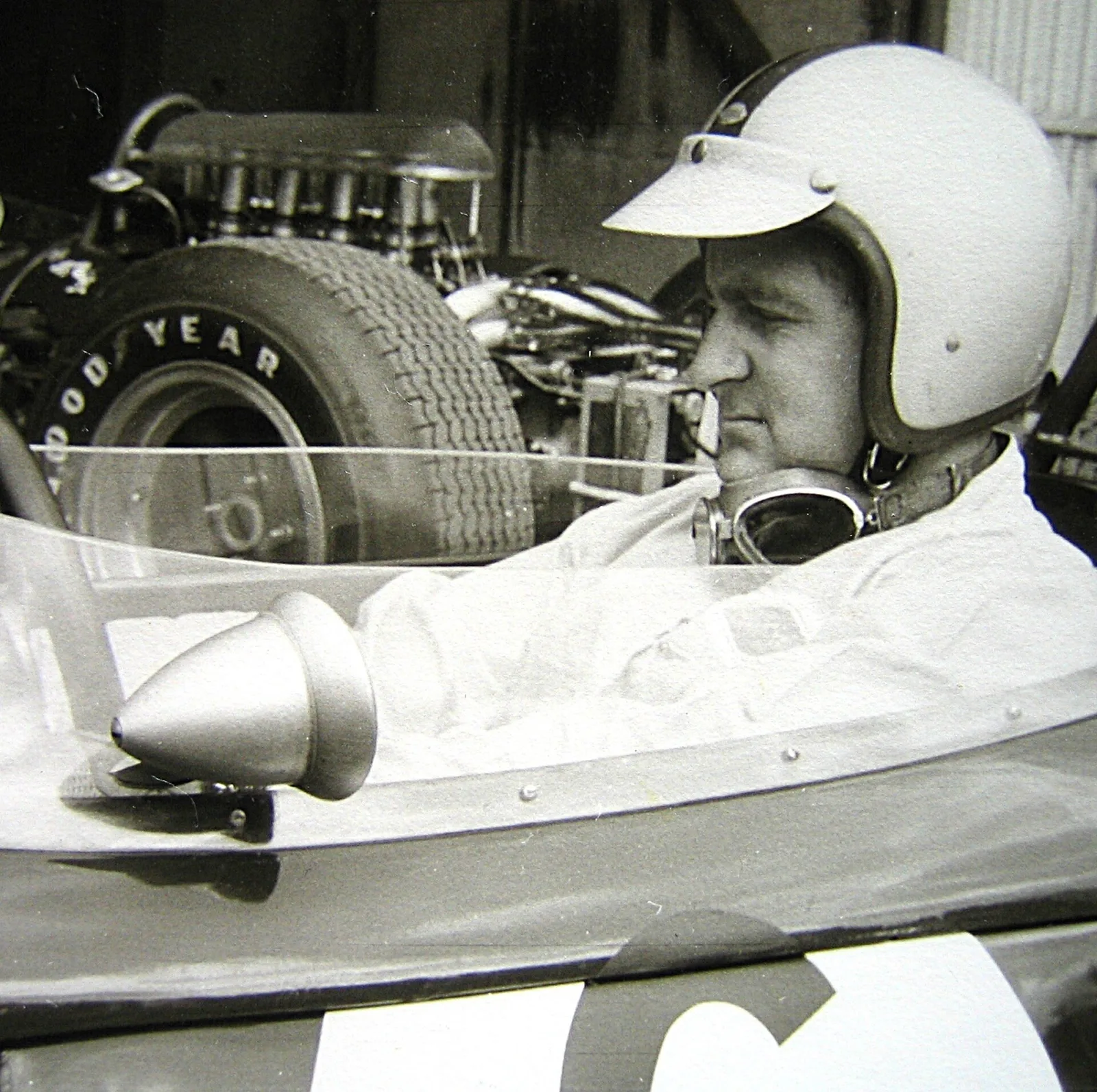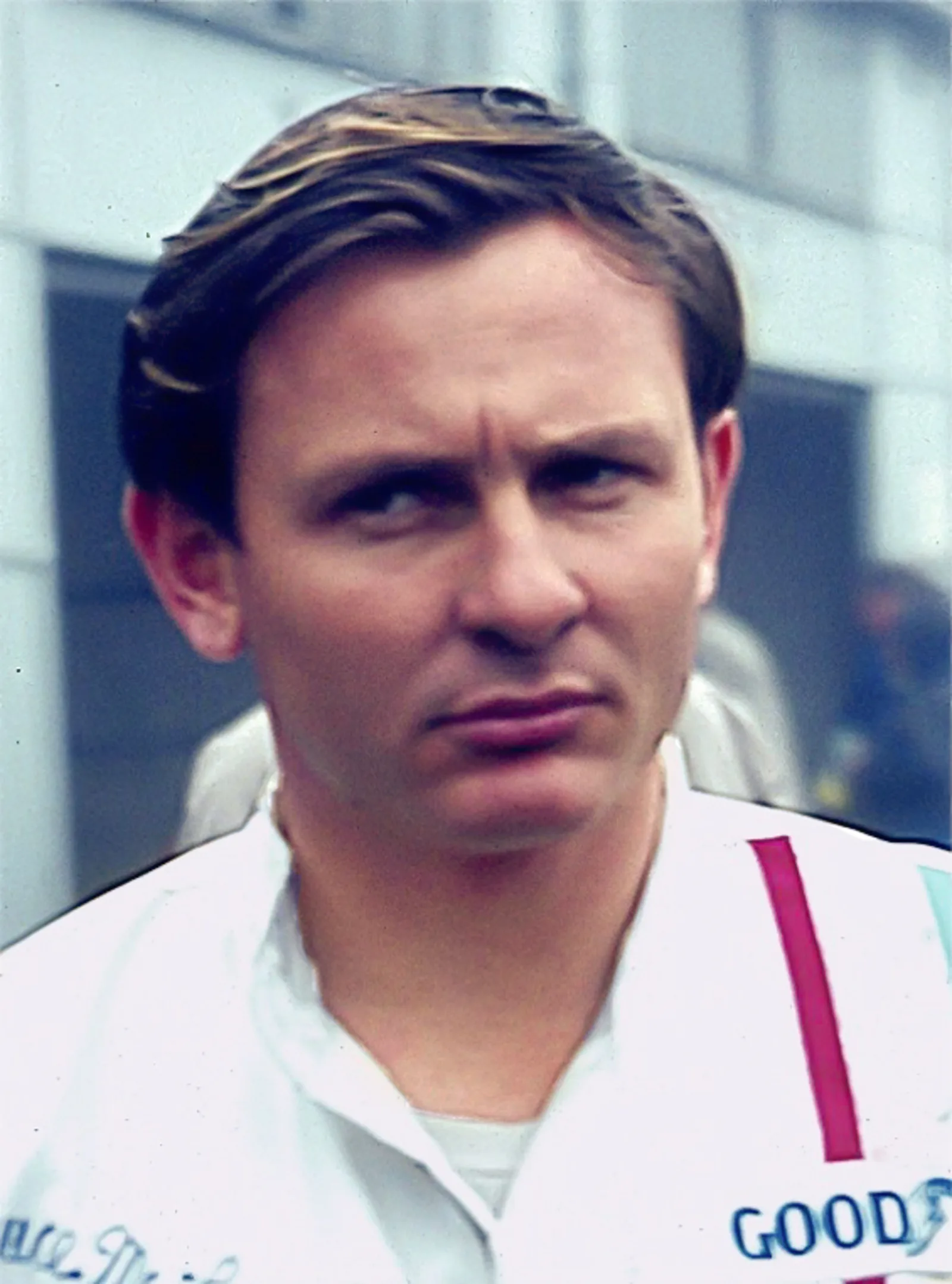
New Zealand's Formula One pioneer, a four-time Grand Prix winner who took Le Mans and Can-Am titles and built a team that outlived him.
Bruce McLaren was a New Zealand racing driver and engineer who competed in Formula One from 1958 to 1970. He won four grands prix, was runner-up in the 1960 championship with Cooper, and founded the McLaren team in 1963. He died while testing in 1970, aged 32.
Bruce McLaren left New Zealand on a scholarship in 1958, and within a decade he had built a Formula One team of his own. The team bears his name and remains one of the sport's most successful, although he died young, while testing at Goodwood in 1970.
He won four Grands Prix, took the 1966 Le Mans 24 Hours with Chris Amon and was a dominant force in the Can-Am sports car series. His career combined driving with a hands-on engineering approach that shaped his cars.
Where did Bruce McLaren grow up?
McLaren was born on 30 August 1937 in Auckland, New Zealand. At nine he was diagnosed with Legg-Calve-Perthes disease in his hip, which meant nearly three years in hospital and a permanent limp. His parents ran a service station and workshop in Remuera Road, and he spent much of his free time in that workshop.
The workshop shaped his understanding of engineering. At 14 he persuaded his father to buy a dismantled 1929 Austin 7 Ulster, and they restored it together. He began competitive driving in the car at hillclimbs and club events, which showed both his technical sense and his racing ability.
He attended Seddon Memorial Technical College and then enrolled in engineering at the University of Auckland, but he left to focus on racing. His student record was said to note that he had gone motor racing. He moved from the Austin to a Ford 10 special and an Austin-Healey before acquiring a Cooper-Climax Formula Two car.
A New Zealander who won four Grands Prix, took Le Mans and Can-Am titles, and gave his name to a team that still wins.
How did he reach Formula One?
His Formula Two results earned him a place on a scheme New Zealand ran to send drivers to Europe, overseen by the national Grand Prix body. The scholarship took him to Europe in 1958 to compete internationally. Jack Brabham then recommended him to Charles Cooper and his son John, the founders of Cooper Cars.
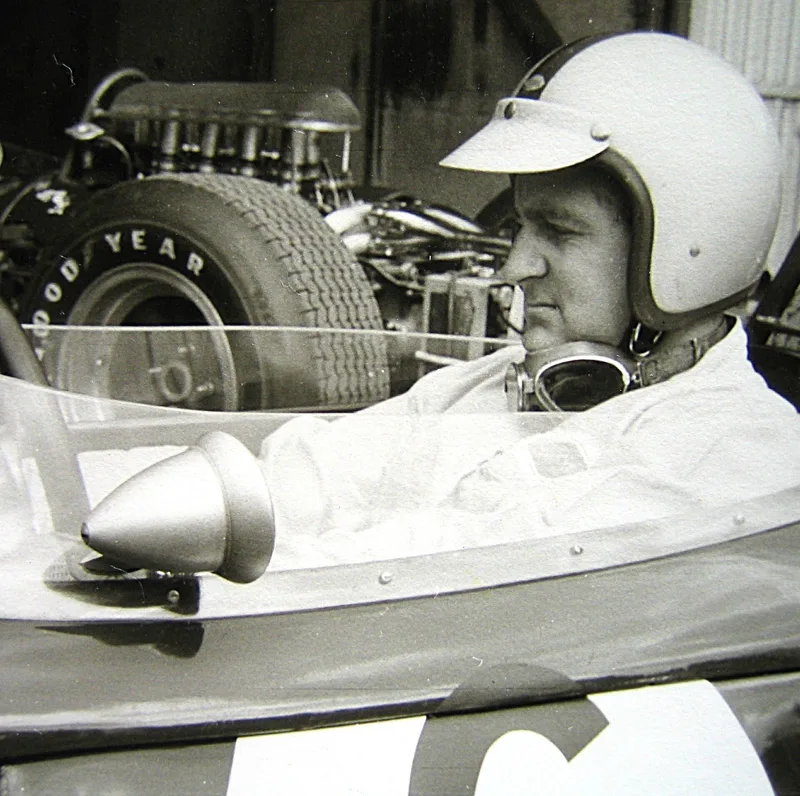
McLaren made his Formula One debut at the 1958 German Grand Prix. He was ineligible to score points there, because he was driving a Formula Two car. He joined the Cooper works team for 1959, partnering Brabham, and the team was at the forefront of the move to rear-engined cars.
What did he win with Cooper?
At the 1959 United States Grand Prix at Sebring he won his first world championship race, aged 22 years and 104 days. He held the record as the youngest Formula One winner for over four decades. He opened 1960 with victory in Argentina and finished second in the championship behind Brabham.
When Brabham left Cooper at the end of 1961, McLaren became the lead driver. He won the 1962 Monaco Grand Prix and finished third in the championship behind Graham Hill and Jim Clark. Across 100 starts he took four wins, 27 podiums and three fastest laps, and he also gave technical feedback that helped develop Cooper's cars.
How did McLaren's own team develop?
McLaren founded Bruce McLaren Motor Racing in 1963. The company initially ran modified Coopers in the Tasman Series and developed sports cars, and the team entered Formula One as a constructor in 1966. Early chassis, including the M2B, struggled with heavy and underpowered engines, initially modified Ford Indianapolis V8s and Serenissima units, and limited money.
The team's fortunes improved with the Cosworth DFV engine. McLaren won the 1968 Belgian Grand Prix at Spa-Francorchamps in the M7A, which made him one of just three men, Jack Brabham and Dan Gurney among them, to win a World Championship round in a car built by their own team. The team finished third in the 1969 standings.
By the late 1960s McLaren drove less, concentrating on management and engineering. He still played a hands-on role in testing and development, turning what he felt in the cockpit into precise feedback for his engineers.
How strong were his sports car and Can-Am results?
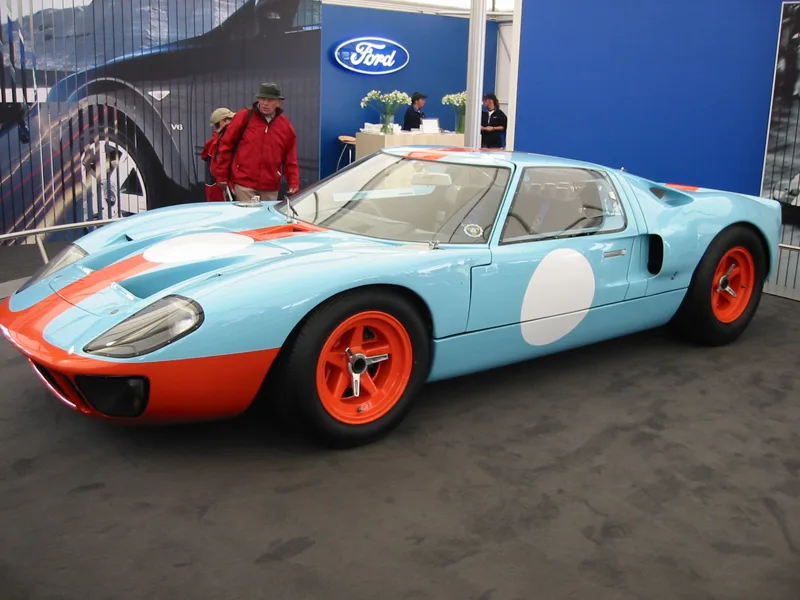
McLaren raced widely in endurance events alongside Formula One. The high point of his sports car work was a 1966 Le Mans victory alongside Chris Amon, in a 7.0-litre Ford GT40 Mk II. Ford had told its leading cars to finish together, and officials gave the win to McLaren and Amon because, starting further back, they had covered marginally more distance.
His greatest competitive success came in the Canadian-American Challenge Cup, known as Can-Am. In 1967 the team introduced the M6A, its first purpose-built monocoque, in the Papaya Orange that became its trademark. Powered by Chevrolet V8 engines, it won five of six races and gave McLaren the drivers' championship.
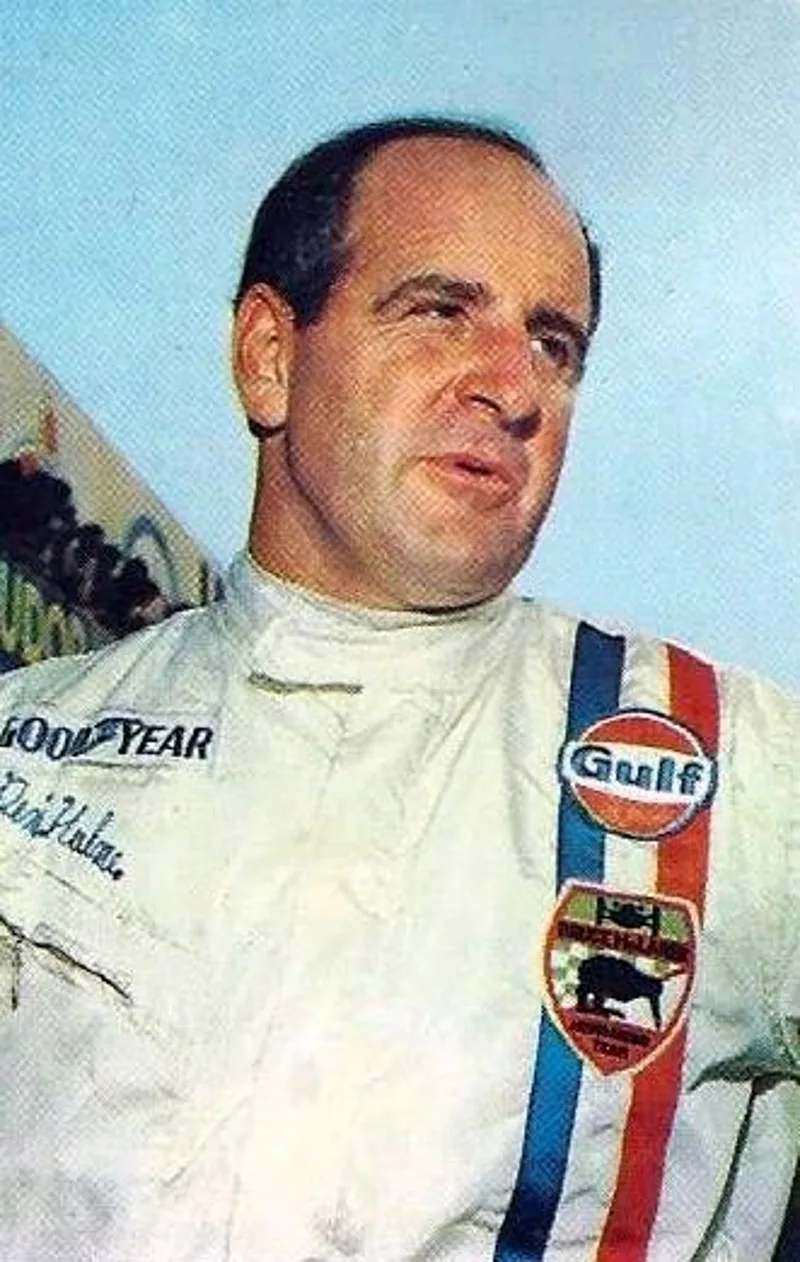
The dominance continued. In 1969 the M8B won all 11 races on the calendar, and McLaren took his second Can-Am title with six victories to the five of his teammate Denny Hulme. The success gave the series its nickname, the Bruce and Denny Show.
How did Bruce McLaren die?
He lost his life on 2 June 1970 during a test session in a McLaren M8D Can-Am car at Goodwood Circuit in West Sussex. He was 32 years old. The car was travelling at an estimated 170 miles per hour (270 km/h) along the Lavant Straight when its rear bodywork separated from the chassis.
Losing downforce all at once unsettled the car, which left the circuit and hit a concrete bunker serving as a flag station. He died instantly. He was buried at Waikumete Cemetery in Glen Eden.
The motorsport author Eoin Young later wrote that McLaren had virtually written his own epitaph in his 1964 book, a reflection prompted by the death of his teammate Timmy Mayer. The book argued that a life is measured by what it achieves rather than by its length.
What is his legacy?
The Formula One team he founded in 1963 went on after his death. As of 2025 it had won 10 Constructors' Championships and 13 Drivers' Championships, and it is the second oldest continuously running team in Formula One, behind only Ferrari.
Tributes include the Bruce McLaren Intermediate School in West Auckland. In 2015 Taupo Motorsport Park was renamed Bruce McLaren Motorsport Park, and in 2000 the Bruce McLaren Scholarship was created with Motorsport NZ and the Prodrive Trust to help young New Zealand drivers. The University of Auckland Formula SAE team uses his racing number 47.
He was inducted into the New Zealand Sports Hall of Fame in 1990, and into the International Motorsports Hall of Fame and the Indianapolis Motor Speedway Hall of Fame in 1991. He was honoured on the New Zealand Motorsports Wall of Fame in 1994, the Motorsports Hall of Fame of America in 1995 and the New Zealand Business Hall of Fame in 2022. The Bruce McLaren Trust keeps his memory alive and runs a small museum, now at Hampton Downs Motorsport Park.
How has he appeared in popular culture?
A film about McLaren was announced by Barrie Osborne in 2007 but was never made. His story was told in the 2017 documentary McLaren by Roger Donaldson, and Benjamin Rigby played him in the 2019 drama Ford v Ferrari. The New Zealand band NRA also released a single called Bruce McLaren in 1991.
Career summary
| Years | Series | Team | Highlights |
|---|---|---|---|
| 1958-1970 | Formula One | Cooper, then McLaren | Four Grand Prix wins from 100 starts |
| 1960 | Formula One | Cooper | Runner-up in the drivers' championship |
| 1962 | Formula One | Cooper | Monaco win; third overall |
| 1966-1970 | Formula One constructor | McLaren | First win at the 1968 Belgian Grand Prix |
| 1966 | 24 Hours of Le Mans | Ford | Winner with Chris Amon |
| 1967-1969 | Can-Am | McLaren | Drivers' champion in 1967 and 1969 |