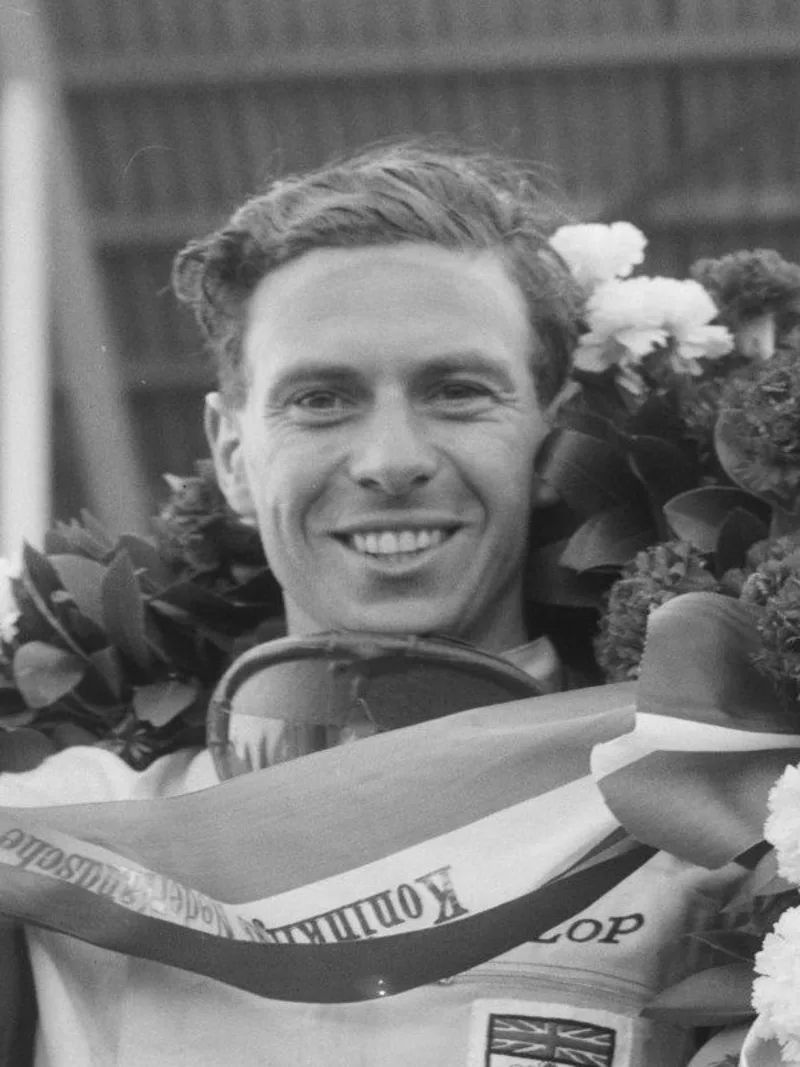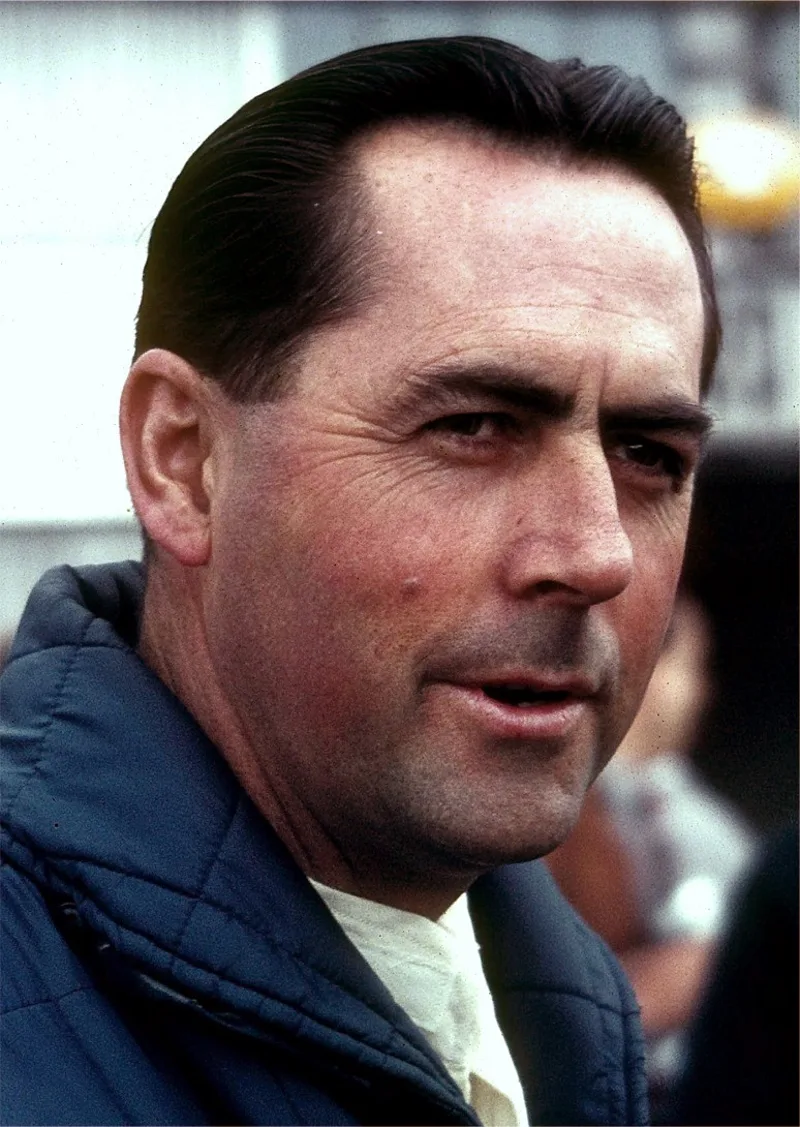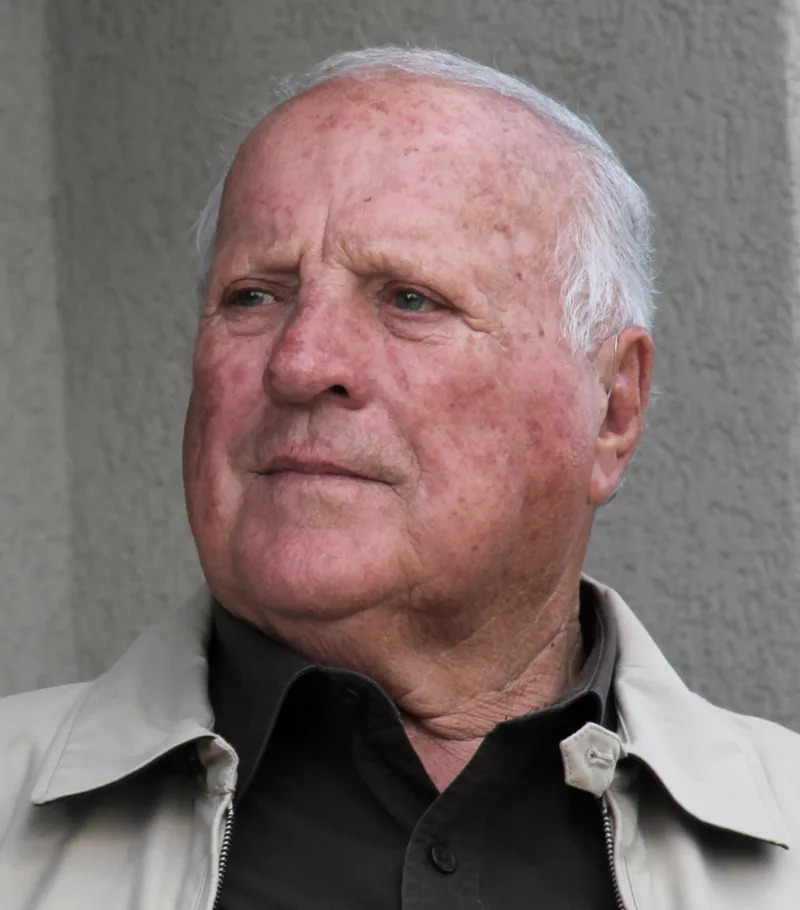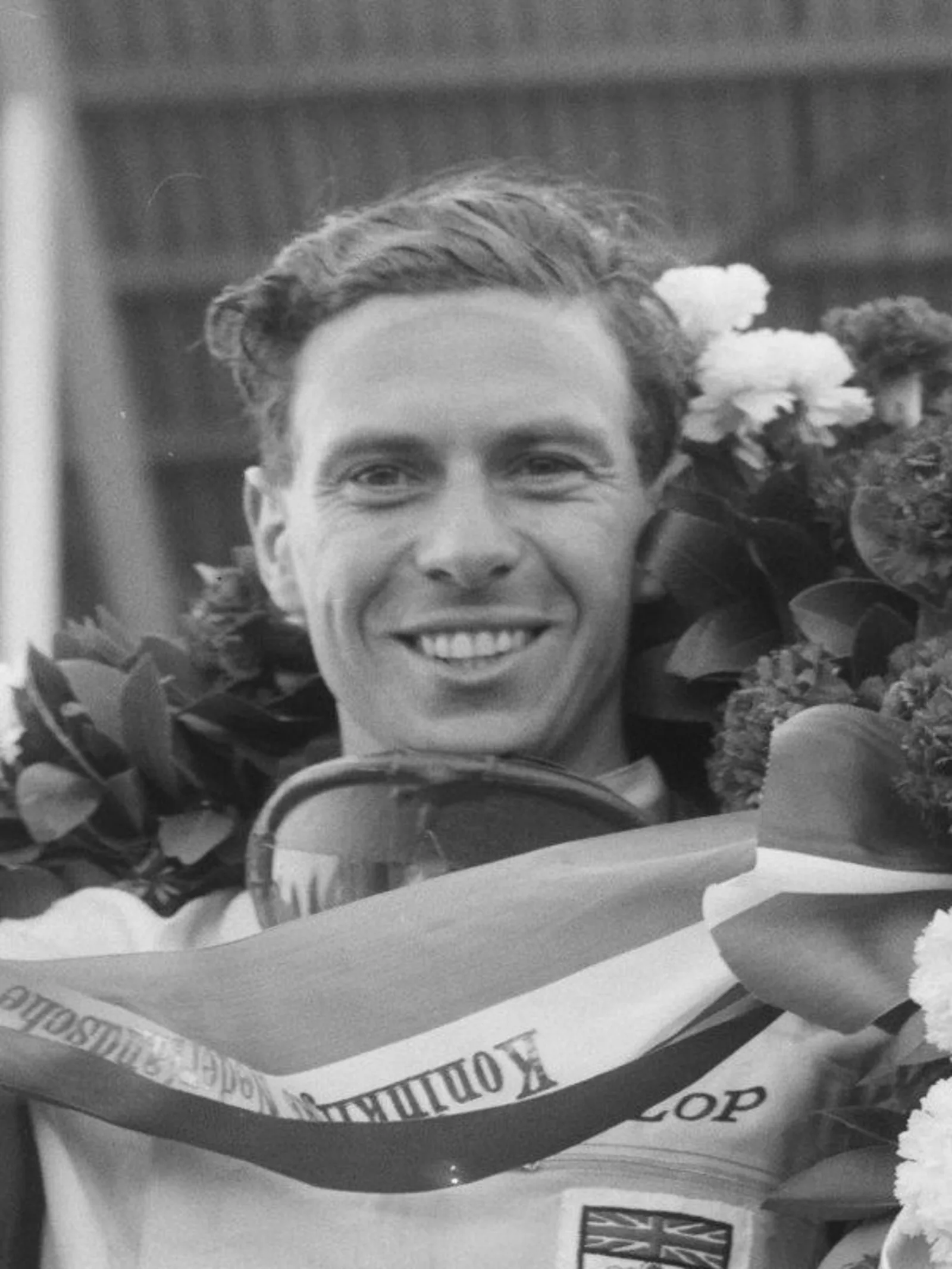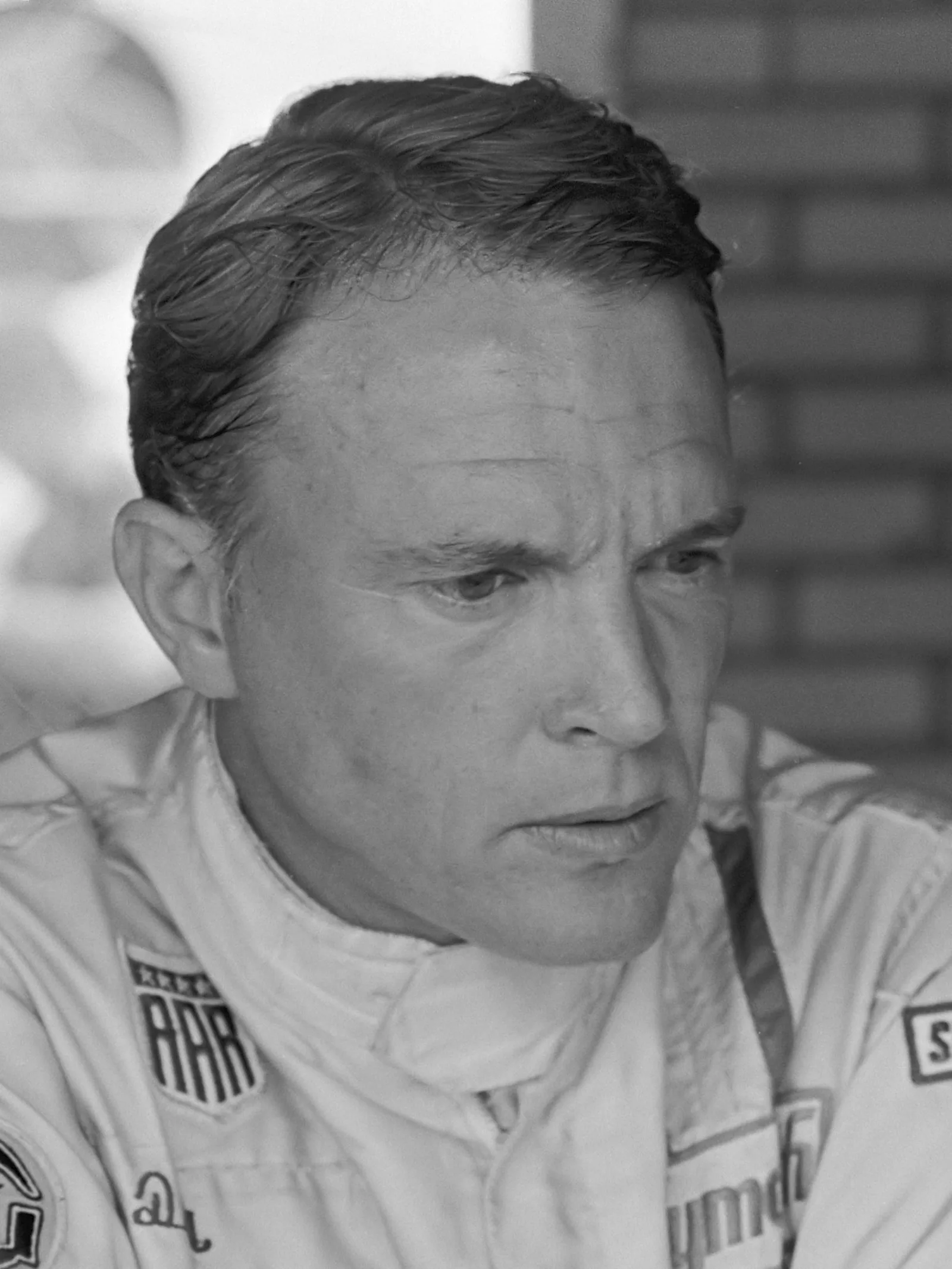
A Le Mans winner, Belgian Grand Prix victor and team owner, Gurney built a career across Formula One, sportscars, NASCAR and open-wheel racing.
Gurney raced in Formula One from 1959 to 1970 and won four Grands Prix, including the 1967 Belgian race in his own Eagle car. He also won the 1967 Le Mans 24 Hours with A.J. Foyt and built the All American Racers team into one of motorsport's most successful operations.
Dan Gurney was an American racing driver, engineer and team owner who raced in Formula One from 1959 to 1970. He won four Grands Prix, including the 1967 Belgian Grand Prix in a car of his own design, and he won the 1967 24 Hours of Le Mans with A.J. Foyt. Off the track he built the All American Racers organisation, which he owned and ran from 1970 until 2011.
Where did Dan Gurney come from?
Gurney was born on Long Island on 13 April 1931 into a family of engineers. His father, John R. Gurney, was a bass-baritone who sang with the Metropolitan Opera before retiring in 1947. The household relocated to Riverside, California, during his teenage years, and he quickly became absorbed in hot rod culture.
At 19 he constructed and drove a car that reached 222 km/h (138 mph) at the Bonneville Salt Flats. Afterwards he attended Menlo Junior College, competed as an amateur in drag and sportscar events, and spent two years in the US Army maintaining artillery during the Korean War.
Many observers rate his 1967 Riverside drive, from a punctured tyre to a last-lap win, as the finest of his career.
How did Gurney's racing career begin?
His breakthrough came in 1957, when a runner-up finish in the first Riverside Grand Prix put him behind only Carroll Shelby, ahead of Masten Gregory, Walt Hansgen and Phil Hill. Luigi Chinetti, the Ferrari importer in North America, noticed the result and arranged a works drive at Le Mans in 1958, where Gurney shared a car with Bruce Kessler.
That performance earned him a test in a works Ferrari, and he made his Formula One debut for the team at the 1959 French Grand Prix, about two months after a victory in the 12 Hours of Sebring for the same team. He scored two podiums in four races, yet the rigid management style at Ferrari never sat well with him.
Why did Gurney struggle with BRM and Ferrari?
In 1960 Gurney drove a factory BRM and failed to finish six of the seven races he started. The worst moment came at the Dutch Grand Prix at Zandvoort, when a brake failure caused a serious accident that broke his arm and killed a young spectator. He later said the crash left him distrustful of engineers.
The accident also changed his driving. He began to use his brakes more sparingly than rivals, a habit that spared his equipment and paid off in long races, especially endurance events.
What did Gurney achieve with Porsche?
When the 1961 rules made Formula Two cars eligible for the Formula One championship, the Porsche 718 became a single-seater. Gurney partnered Jo Bonnier in the first full season of the factory team and scored three second places with an overweight, underpowered car.
He came close to a first win at Reims in 1961, but chose not to block Giancarlo Baghetti, a decision that allowed the Ferrari driver to pass him on the line. In 1962 Porsche introduced the 804 with an eight-cylinder engine, and Gurney took victory at Rouen-Les-Essarts in the French round. It was Porsche's only Formula One win as a constructor and the only Grand Prix victory for an air-cooled engine, and a week later he won a non-championship race at Stuttgart's Solitude circuit.
| Measure | Detail |
|---|---|
| Born | 13 April 1931, Long Island, New York |
| Formula One Grand Prix starts | 86 |
| Grand Prix wins | 4 |
| Pole positions | 3 |
| Fastest laps | 6 |
| Podiums | 19 |
| Le Mans | Winner in 1967 with A.J. Foyt, Ford GT40 Mk IV |
| Sebring | Winner in 1959 with Ferrari |
| Indianapolis 500 | Second in 1968 and 1969 |
| Cannonball Run | Winner in 1971 with Brock Yates |
| Team wins | 78 official race wins for All American Racers |
What did Gurney achieve with Brabham?
Jack Brabham made Gurney the first driver hired for his Brabham team. Brabham won the 1963 Solitude race for the team, but Gurney delivered its first championship win in 1964 at Rouen. He took two wins that year and ten podiums in total, five of them in a row during 1965.
Gurney then left to start his own team. He had also placed fourth in the 1961 title race with Porsche, and his 1965 season ended in the same position.
He left Formula One at the end of 1968. He returned for three Grands Prix in 1970 for McLaren after the death of Bruce McLaren, and his last start in the championship came at Silverstone that year.
How did the 1967 Belgian Grand Prix come about?
In 1967 Gurney won the Belgian Grand Prix in an Eagle-Weslake, a car designed and built by his crew in Santa Ana, California. He started in the middle of the front row, lost ground at the start, then set the fastest lap on lap 19 before taking the lead two laps later.
The victory on 18 June 1967 was the first all-American Grand Prix win since Jimmy Murphy's Duesenberg triumph at the 1921 French Grand Prix. Only Jack Brabham and Bruce McLaren had also won a Formula One race in a car they had built themselves, and Gurney became the third.
The Eagle's problems were mostly reliability issues. The Weslake factory still used engine tooling dating from World War I, and most failures came from peripheral parts such as fuel pumps and injection, plus the oil feed, rather than the engine design itself.
Later that season Gurney led the German Grand Prix at the Nurburgring with a 42-second lead, until a driveshaft gave way with two laps to run. A third place in Canada was the car's last strong result.
How did Gurney win the 1967 Le Mans race?
The Le Mans victory came a week before Belgium. Gurney shared a Ford GT40 Mk IV with A.J. Foyt, and their pace over the 24 hours left the Ferrari entries behind. On the podium Gurney took a magnum of champagne and sprayed it at the journalists who had doubted the pair, and the gesture became a tradition in motorsport.
Gurney had competed at Le Mans ten times between 1958 and 1967, and the 1967 win was the high point of those entries. His Shelby American work had already produced a GT class win in 1964, when he and Bob Bondurant took a Shelby Daytona Coupe to a class victory and fourth place overall.
Gurney's Ford sportscar programme continued in 1966 and 1967. He finished runner-up alongside Jerry Grant, driving a Mk II, at the Daytona 24 Hours in 1966, and the Shelby team's Mk IV set a new distance record of 388 laps at Le Mans in 1967.
What did Gurney do in American racing?
Gurney raced the Indianapolis 500 every year from 1962 to 1970. He finished second in 1968 and 1969, and third in 1970. He also won many USAC Championship Car races, and his 1969 season ended fourth in the points table, though he had made fewer starts than most of the leading contenders.
His stock car record was just as striking. At Riverside International Raceway he won five NASCAR Winston Western 500 races, four of them with the Wood Brothers, a record that made NASCAR officials uneasy. He also raced Trans-Am cars for Plymouth and Mercury, and in 1980 he returned for a single NASCAR race, where his car was running third before its transmission failed.
Gurney's most admired drive came at the 1967 Rex Mays 300 at Riverside. A punctured tyre left him nearly two laps down halfway through, but he fought back through the field and won with a last-lap pass on Bobby Unser.
What was the Cannonball Run win?
In November 1971 Gurney and his co-driver Brock Yates took the first contested edition of the Cannonball, an unofficial and unsanctioned race running between New York City and Redondo Beach, in California. They drove a stock 1971 Ferrari 365GTB/4 Daytona coupe over 4,628 km (2,876 mi) in 35 hours and 54 minutes, averaging about 80 mph (130 km/h).
No prize was awarded for the run. The car they won with now sits in a private collection, valued at several million dollars.
How did All American Racers grow?
Gurney and Carroll Shelby set out to build an American racing car to challenge the best European makes. Goodyear agreed to sponsor the effort as a way to challenge Firestone's hold on American racing, and its president suggested the name All American Racers. Gurney was uneasy about the name at first, but agreed.
Gurney was sole owner, chairman and chief executive of the team from 1970. Over the years AAR collected 78 race victories, among them Indianapolis, Sebring and Daytona, plus eight championships. The team left CART in 1986 and later ran Toyota sportscars, whose Eagles won 17 consecutive IMSA GTP races in 1992 and 1993. Gurney's son Justin became chief executive in early 2011.
What else did Gurney build outside racing?
Gurney developed a motorcycle called the Alligator, with an extremely low seat. He did not achieve his goal of licensing the design to a major manufacturer, but the first run of 36 machines sold out, and they are now prized by collectors.
In 1964 Car and Driver magazine promoted the idea of Gurney running for President of the United States. The campaign was dropped when it emerged that he was too young to qualify, although friends and fans revived the idea periodically.
What is Dan Gurney's legacy?
Many regard him as one of the most influential figures motorsport has produced. A 2016 academic study ranked him 14th among the best Formula One drivers of all time. Jim Clark's father reportedly said Gurney was the only driver his son had ever feared on the track.
The Indianapolis Motor Speedway Hall of Fame admitted him in 1988, and the International Motorsports Hall of Fame followed in 1990. The 2010 Monterey Motorsports Reunion was held in his honour, and the Trans-Am Series Hall of Fame added him in 2025.