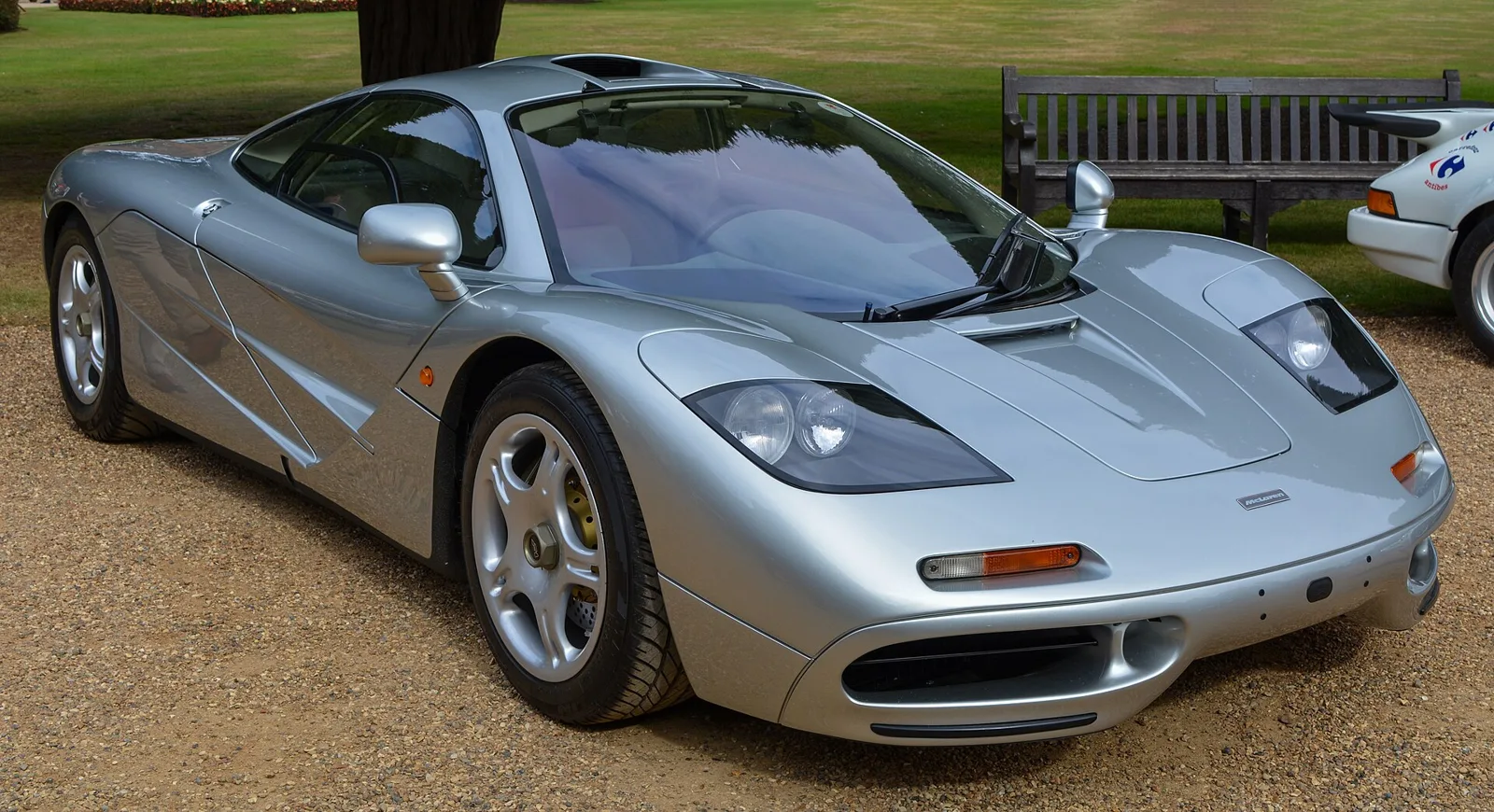
A racing team founded in 1963, the 1992 McLaren F1, the 2010 road car relaunch, the 12C, the Woking technology centre and the Abu Dhabi-backed group behind today's cars.
Bruce McLaren founded the racing team in 1963, and the road car business has traded as McLaren Automotive since 2010. CYVN Holdings has owned the business since December 2024, and the company's home is in Woking, England.
McLaren is a British performance car maker based at the McLaren Technology Centre in Woking, England. Its road cars grew from a racing team founded by New Zealander Bruce McLaren in 1963, and the company relaunched as McLaren Automotive in 2010 before its 12C reached customers in 2011. Today the range runs across Sports, Super and Ultimate tiers, with a GT Series added in 2019.
Who was Bruce McLaren?
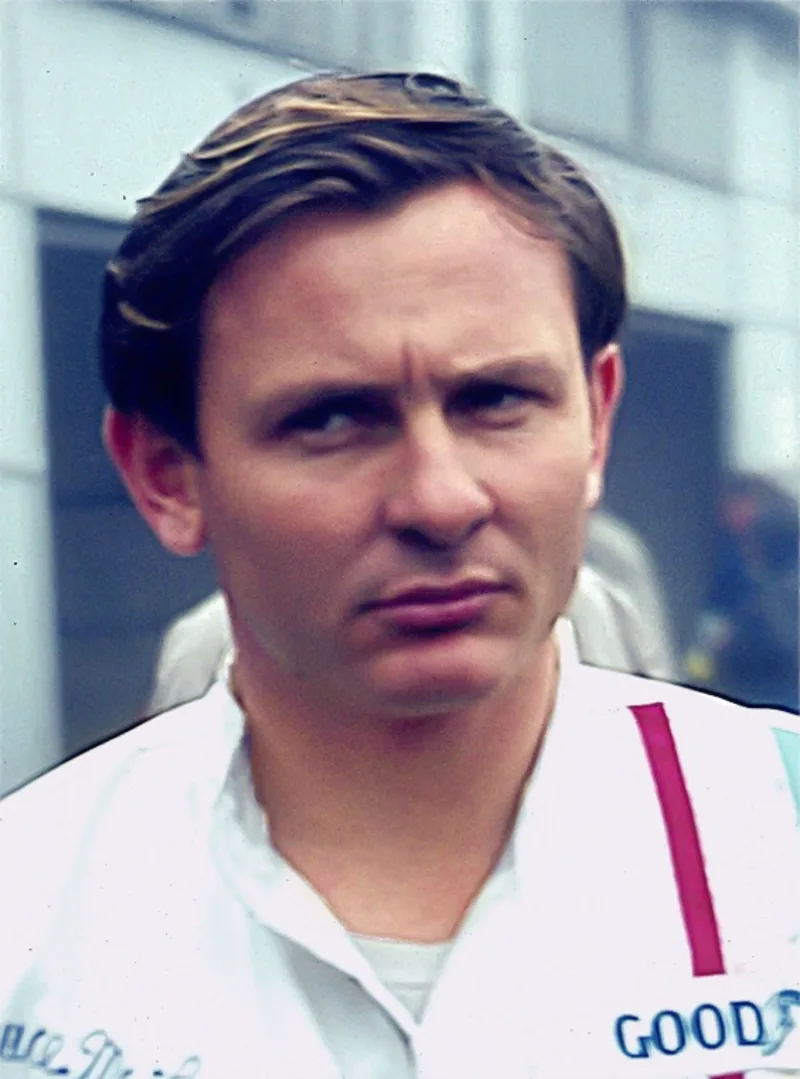
Bruce McLaren was born in Auckland, New Zealand, in 1937. By 15 he had entered a local hillclimb in an Austin 7 Ulster and won, and in 1958 he arrived in Britain on the Driver to Europe scheme.
The Driver to Europe scheme brought him to Britain in 1958, the start of his link with the British racing scene. Jack Brabham introduced him to the Cooper Car Company in Surbiton. He stayed with Cooper for seven years, winning three more Grands Prix, and he won the US Grand Prix at age 22, the youngest Grand Prix winner to that date.
He also won the 24 Hours of Le Mans in 1966 with Ford. Bruce McLaren Motor Racing was founded in 1963, and the team carried his name from then on.
McLaren died while testing a race car at Goodwood in 1970. The team he founded kept his name, and the road car brand carries it today.
A racing team founded in 1963 that became a road car maker, with an F1 supercar at its core.
What was the first McLaren race car?
The M1 was the first true McLaren race car, and 24 customer cars were built by Elva. Its successor, the M1B, allowed entry to the Can-Am championship and recorded 43 victories in that series.
Can-Am dominance was striking, with almost three times more victories than rival Porsche.
The M2B, the first McLaren Formula One car, debuted at the 1965 Monaco Grand Prix.
A prototype, the M6GT registered as OBH 500H, carried an estimated top speed of 165 mph (266 km/h) and a target of zero to 100 mph in eight seconds.
How did the McLaren F1 come about?
The F1 was based on a concept developed by Gordon Murray. Gordon Murray and Ron Dennis started a new car in August 1988, and the finished car launched in 1992 with a total production run of 106 units.
With a total production run of 106 units, the F1 was never built in volume. The MP4/1 pioneered carbon fibre monocoques in Formula One, a construction method that later became central to the company's road cars.
The team had merged with Ron Dennis's Project 4 Racing in 1980, which brought designer John Barnard back to the squad.
McLaren Cars was founded in 1985 and released the F1 in 1992. Its name was kept separate for investment, and the company was brought together in July 2017 after Ron Dennis sold his shares.
What happened to McLaren Cars between 1994 and 2010?
McLaren Cars was registered as a dormant company between 1994 and 2010. The company sat unused on paper for those years, and the brand returned in 2010 as McLaren Automotive, a standalone manufacturer.
The SLR had been agreed with Mercedes-Benz in 1999, and that collaboration ended before the 2010 relaunch.
What was the SLR and how did it perform?
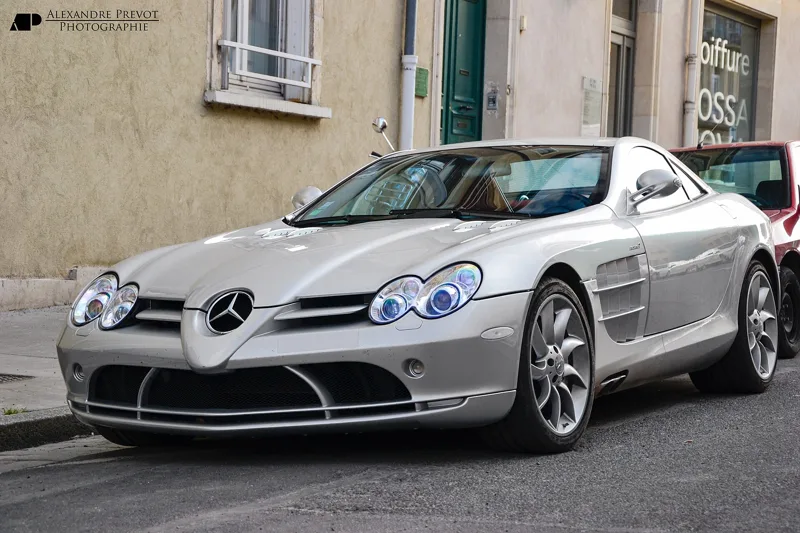
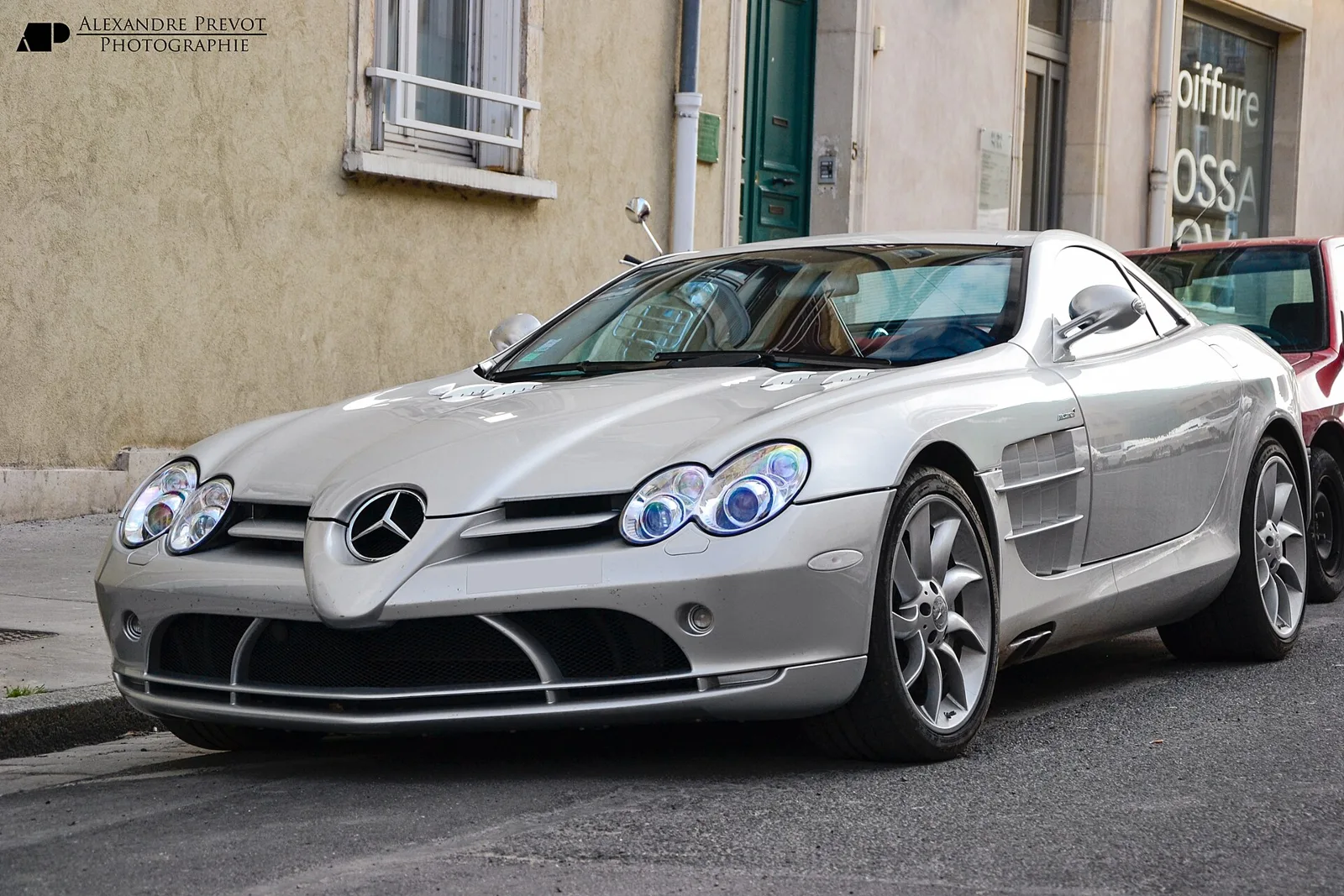
The SLR, also known as P7, was a joint project agreed with Mercedes-Benz in 1999. It had a 5.5-litre (340 cu in) supercharged V8 that produced 626 PS (460 kW; 617 hp) at 6500 rpm, with 780 N m (575 lbf ft) of torque between 3250 and 5000 rpm.
The SLR reached 0 to 97 km/h (0 to 60 mph) in 3.8 seconds and 0 to 100 mph in 6.3 seconds.
The SLR Convertible was announced in 2007 with the same supercharged 5.5-litre V8.
What set the 722 Edition apart?
The 722 Edition, announced in 2006, produced 650 PS (478 kW; 641 hp) and had a top speed of 337 km/h (209 mph). It rode on 19-inch (480 mm) light-alloy wheels, and the Mercedes-Benz McLaren 722 Edition had stiffer dampers and a body 10 mm lower than the standard car.
The SLR Stirling Moss was the final SLR, and it carried Moss's signature on a plaque. The name tied the last car in the line to one of the sport's best-known drivers.
Which cars were proposed but never built?
Several cars were proposed in the mid-2000s but none reached production. The P9 was a proposed mid-engined baby supercar, the P10 was proposed as an SLR replacement, and a car labelled P8 or SLS was also considered.
All three cars were aborted in 2005. The Mercedes-Benz SLS AMG, which had a naturally aspirated V8 with over 580 PS (430 kW; 570 bhp), was not thought to be related to the P8 project.
How did the 12C start the road car range?
The 12C launched in 2011, the same year as the 12C GT3 that opened the customer programme. Its Spider variant followed in 2012. It was McLaren Automotive's first road car.
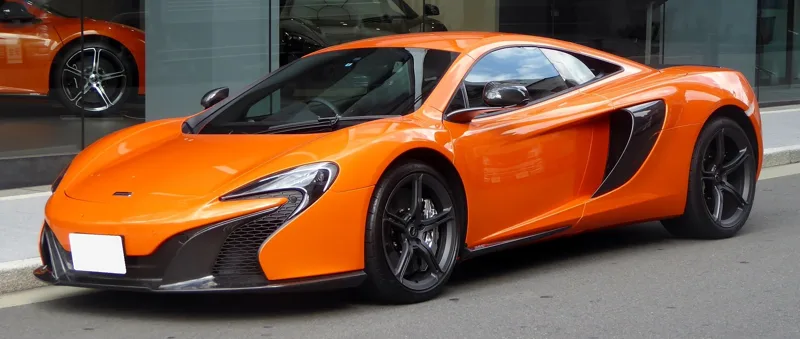
The 650S was unveiled in Coupe and Spider models in 2014, and it was part of a plan to release a car or model every year. The limited-run P1 went into production in 2013 and ended in 2015.
The 570S and 540C launched in 2015 as part of the Sports Series. A children's version of the P1, the P1TM, debuted in September 2016.
How is the McLaren range organised?
The range is organised into three tiers, the Sports, Super and Ultimate Series, which was set up in 2015. Cars are named after their power output in PS, with C, S, GT or LT codes added to show their character. Because the names follow that rule, a car's badge signals where it sits in the range.
The Sports Series is the entry-level tier, the Super Series is the core model range, and the Ultimate Series holds the high-end models. The F1 and 12C were retroactively placed in the Ultimate and Super Series.
The Ultimate Series is the successor to the original F1. The 720S and GT models were built on the core range.
The GT Series was added with the McLaren GT in 2019, extending the range with a grand touring model that sits alongside the three main tiers.
What are the key McLaren specifications?
| Specification | Detail |
|---|---|
| Headquarters | McLaren Technology Centre, Woking, England |
| Relaunch | 2010 as a standalone manufacturer, McLaren Automotive |
| First road car | 12C, launched in 2011 |
| F1 production run | 106 units, 1992 |
| SLR engine | 5.5-litre supercharged V8, 626 PS (460 kW; 617 hp) at 6500 rpm |
| SLR 0 to 97 km/h | 3.8 seconds (0 to 60 mph) |
| 722 Edition | 650 PS (478 kW; 641 hp), top speed 337 km/h (209 mph) |
| MCTC investment (announced 2017) | 50m pounds sterling |
| Technology centre investment (2026) | 450 million pounds, 1,000 jobs |
| Owner | CYVN Holdings, from 10 December 2024 |
| Customer racing | 25 examples of the 12C GT3 delivered in 2012 |
How did the Woking technology centre develop?
The company's home is the Woking campus, where the McLaren Production Centre sits next door to the technology centre, connected by a subterranean walkway. Councillors looked at land opposite the technology centre in October 2016.
In September 2026 the company announced a 450m pounds sterling investment in the technology centre, which is expected to create 1,000 jobs. The announcement sits alongside the company's earlier moves, which placed its technology centre in Woking and its chassis composites work in Rotherham.
Why did McLaren build a composites centre?
The composites centre, known as MCTC, was announced in 2017 at 50m pounds sterling and sited at Rotherham. It was to build carbon fibre chassis, with full production planned by 2020, which tied the new plant to the carbon fibre monocoque that the MP4/1 pioneered. The 2026 figure of 450m pounds sterling is much larger than that original 50m pounds sterling.
MCTC officially opened in November 2018, and the opening was attended by royal and Bahrain guests. The plant is a separate site from the Woking campus, so the chassis work sits in its own facility in the north of England.
Who has led McLaren Automotive?
Mike Flewitt led the company from 2013 to 2021, Michael Leiters from 2022 to 2025, and Nick Collins has been chief executive since May 2025.
Who owns McLaren today?
CYVN Holdings acquired the automotive business from Mumtalakat on 10 December 2024. CYVN Holdings is owned by the government of Abu Dhabi, and as of March 2025 McLaren Automotive is wholly owned by CYVN Holdings LLC.
CYVN holds a non-controlling stake in McLaren's racing business. In April 2025 McLaren merged with Forseven into McLaren Group Holdings, so the road car and racing sides now sit under one group structure.
How did McLaren's customer racing grow?
McLaren Customer Racing was established in 2011 as McLaren GT, and the first customer car, the 12C GT3, was launched that year. 25 examples of the 12C GT3 were delivered to customers in 2012.
The 2012 debut season produced 19 race victories across several championships. By 2013 there were 19 customer teams, running 108 races across 15 championships.
The 2013 totals were 27 pole positions, 23 victories, 39 podiums and three titles.
The 650S GT3 became the dominant GT car in 2016. Tekno Autosports won the 2016 Liqui Moly Bathurst 12 Hour, and Garage 59 won the 3 Hours of Monza and the 1000 km of Paul Ricard in the same year, so the 2016 results spanned both endurance and sprint events.
Current customer race cars are the 720S GT3, 570S GT4, Artura GT4 and Artura Trophy.
What does McLaren Special Operations do?
McLaren Special Operations (MSO) is the bespoke division, officially launched in 2011. Its origins date back more than 20 years to the early 1990s customer care programme, which serviced and personalised the McLaren F1 for owners. Those origins predate the 2010 relaunch of the company by well over a decade.
A Pure McLaren Arctic Experience in October 2016 trained drivers on a 570S in the Arctic Circle.