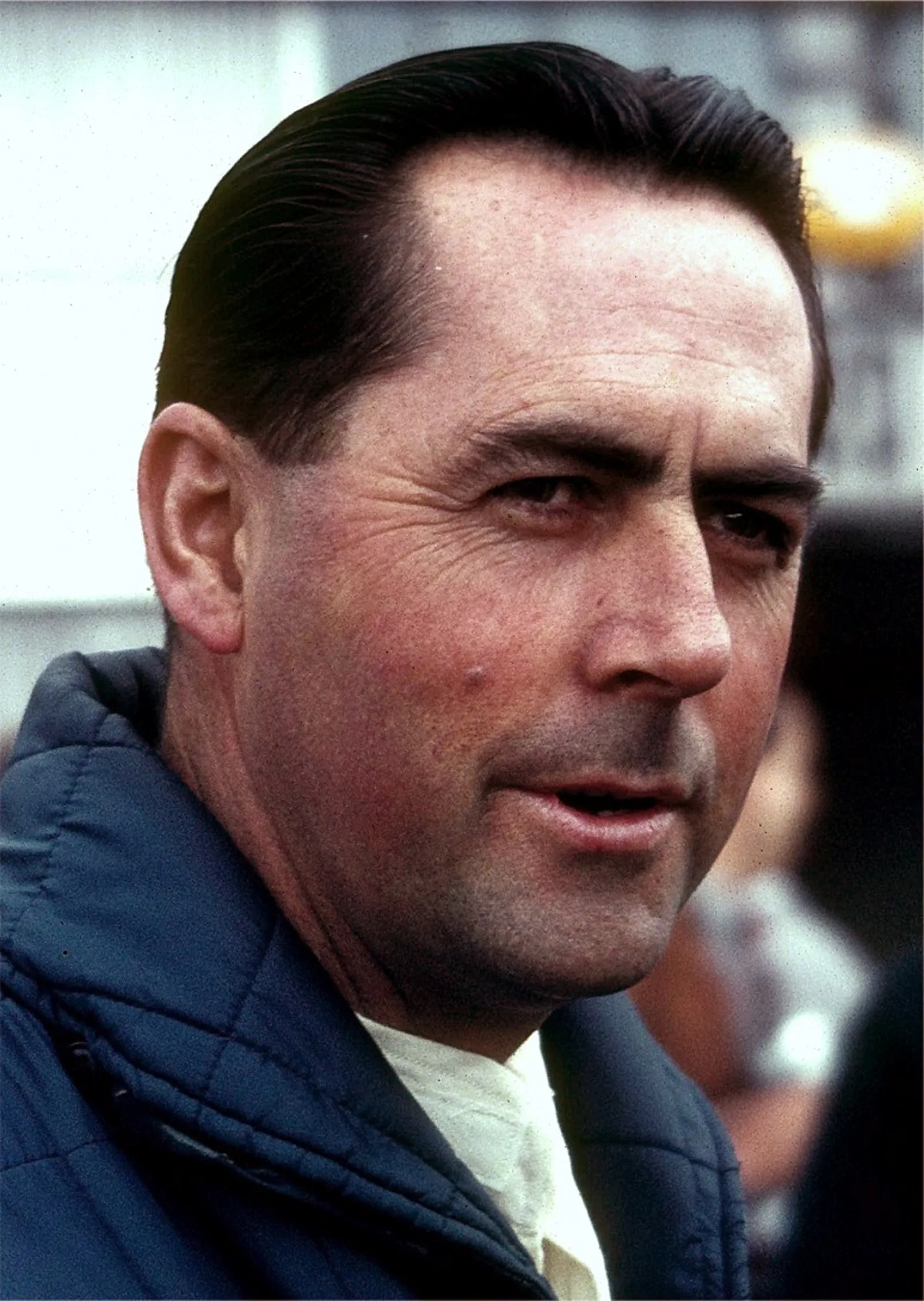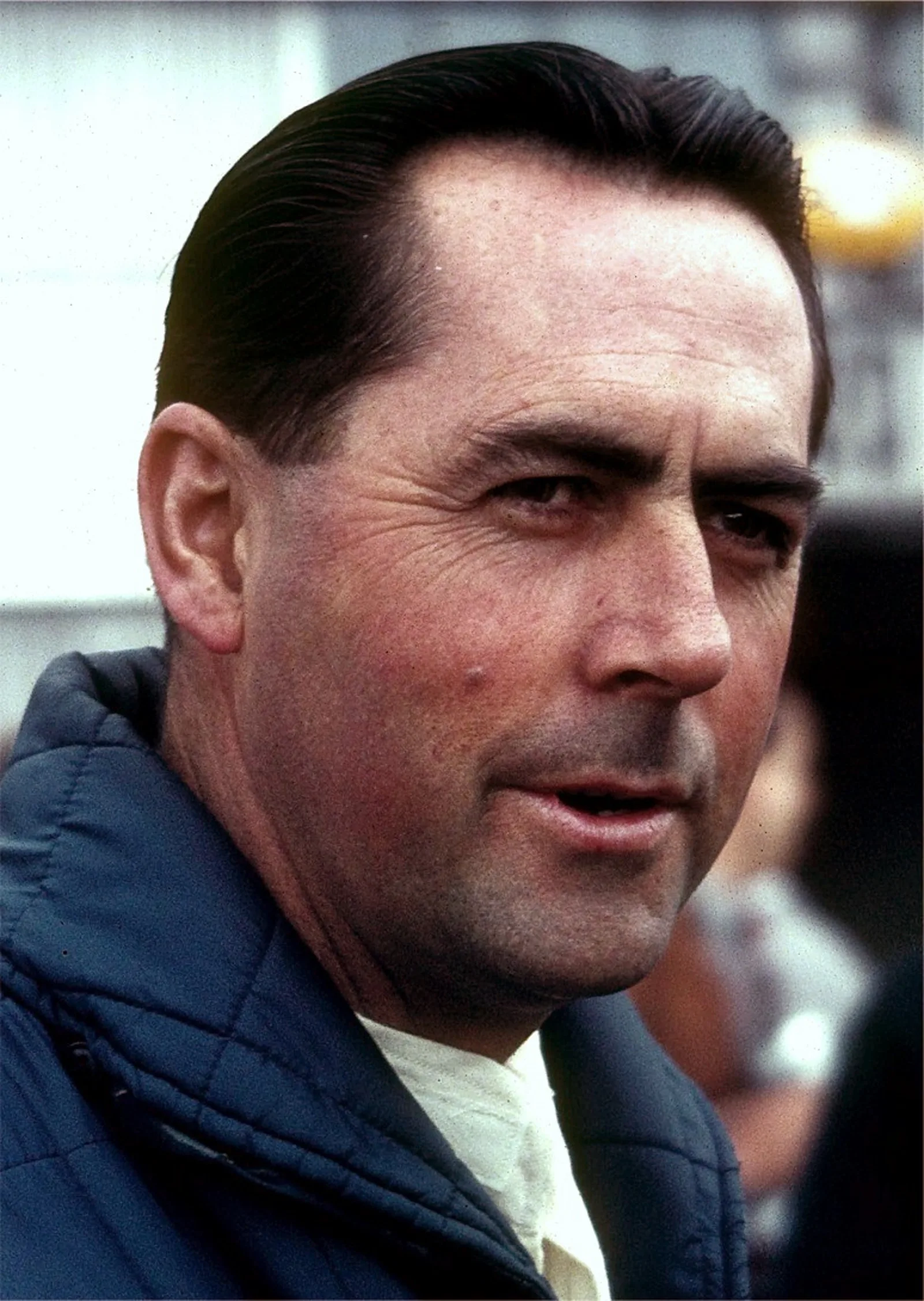
Ten races, a second straight title for Jack Brabham and a Belgian weekend that claimed two drivers.
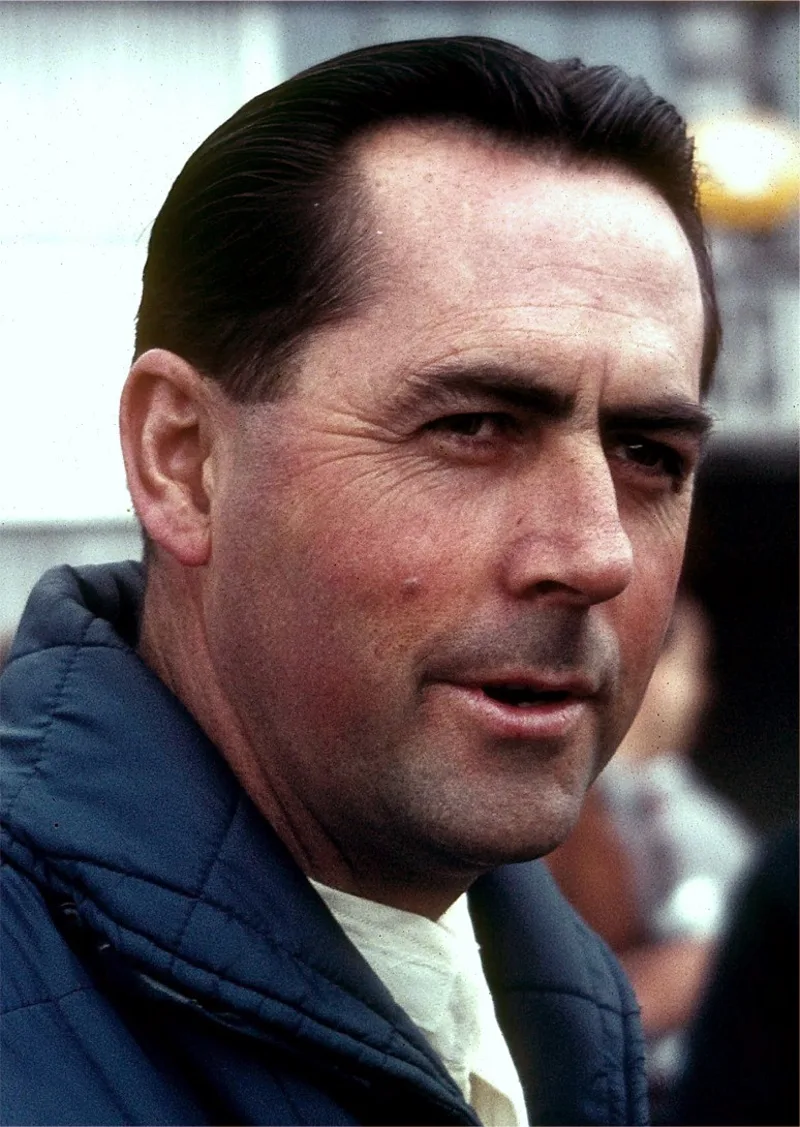
Jack Brabham of Cooper won the 1960 Drivers' Championship, his second title in a row, while Cooper also took the Manufacturers' championship. The season ran over ten races from 7 February to 20 November, and Brabham clinched the title before the American finale at Riverside.
The 1960 Formula One season was the 14th year of FIA Formula One and the 11th World Championship of Drivers. It closed the 2.5-litre era and was also the last to count the Indianapolis 500 towards the title. Jack Brabham of Cooper secured a second consecutive championship as rear-engined cars outpaced their rivals.
Why did rear-engined cars dominate 1960?
Rear-engined machinery from Cooper, Lotus, Porsche and BRM beat the front-engined cars of Ferrari, Scarab and Aston Martin by a clear margin. Ferrari's only win of the year came at its home race at Monza, which the British teams boycotted, and it was the last World Championship victory for a front-engined car.
The FIA was preparing to mandate 1.5-litre engines from 1961, which would end the 2.5-litre era. Every team ran Dunlop tyres that year, and the balance of power was already moving to the rear-engined cars that would follow.
Ten races, five wins for Brabham, and a Belgian weekend that ended the lives of two drivers.
Who changed teams for 1960?
Dan Gurney switched from Ferrari to BRM, while Tony Brooks went to BRP, which raced as Yeoman Credit. Von Trips was signed as Ferrari's full-time driver, and Graham Hill left Lotus for BRM. Colin Chapman responded by hiring John Surtees, a successful motorcycle racer who was switching to cars for the first time.
Carroll Shelby retired from driving after 1960 and opened a high-performance driving school, which later became the Shelby American company that created the AC Cobra. Lance Reventlow brought the Scarab team to the grid, with Chuck Daigh and Reventlow as its drivers. The front-engined Scarabs proved unreliable and off the pace, and 1960 was their only season.
Cliff Allison suffered a serious crash in practice for Monaco, breaking an arm, fracturing ribs and suffering a concussion, and his recovery took most of the year. Belgian Willy Mairesse made his Ferrari debut later in the season. At Lotus, Surtees was due to debut alongside Innes Ireland and Alan Stacey, but his commitments in the Isle of Man TT meant that the Formula Junior driver Jim Clark was given the third seat until Surtees returned.
What happened to the drivers killed in 1960?
Three drivers died in racing accidents that year. Harry Schell was killed in practice for the BRDC International Trophy, and Chris Bristow and Alan Stacey both died at the Belgian Grand Prix at Spa-Francorchamps. Belgium was among the most disastrous weekends in the history of the sport.
The Belgian weekend began badly on Friday. Stirling Moss suffered an axle failure at the fast Burnenville corner, was thrown from his car and broke both legs. Mike Taylor's Lotus had a steering failure at Holowell and crashed into trees with multiple injuries that ended his career. Taylor later won a case against Lotus over the faulty chassis.
Chris Bristow lost control at Malmedy on lap 20 and was thrown into barbed-wire fencing, where he was killed. Within five laps Alan Stacey was dead as well, after a bird struck him near the Masta kink. His car left the track, went down an embankment and burned, and he died in the cockpit. At BRP, Henry Taylor and Olivier Gendebien took over the seats that Bristow had shared.
How did the calendar and points change in 1960?
The Argentine and Belgian Grands Prix returned after their 1959 cancellations, while the British race moved to Silverstone and the Portuguese race moved to Boavista. The United States round moved from Sebring to Riverside, and the German race was switched to the Nurburgring, where it ran for Formula Two cars after safety concerns at AVUS.
Points were awarded to the top six finishers, and the fastest-lap point was dropped. Only the best six results counted towards the championship, up from five the previous year, and shared drives earned no points. The Moroccan race, planned for 1 October, was cancelled for monetary reasons.
What happened in Argentina and Monaco?
McLaren won the Argentine race for Cooper, after Moss's suspension broke on lap 42 and Ireland's gear linkage jammed late on. At Monaco, Moss won his second Monaco Grand Prix ahead of McLaren and Phil Hill after rain changed the race.
Moss was on pole at Buenos Aires in his Walker Lotus-Climax, with Ireland alongside. Ireland made a fine start and led at the end of the first lap, but he spun on the second, and Moss passed a string of cars and ran third behind Hill and Bonnier. He got by Hill on lap ten and took over from Bonnier five laps after that. Bonnier regained the lead on lap 21, but Moss was back ahead 15 laps later, before his suspension broke. When Bonnier's engine failed with 12 laps to go, the gear linkage jam dropped Ireland back, and McLaren inherited the win. Cliff Allison was second for Ferrari, while Moss, who had retired, took over Maurice Trintignant's car to finish third.
At Monaco, Moss took pole by a second from Brabham and Bristow, with Bonnier and Brooks on the second row. Rain arrived and Brabham passed Bonnier and Moss to lead, but he spun into the wall at Sainte Devote after six laps in front. Moss then led, although a plug-lead change cost him time and Bonnier's suspension failed. Moss won from McLaren and Phil Hill.
What happened at Indianapolis and in the Netherlands?
Jim Rathmann won the Indianapolis 500, the final year it counted in the World Championship, after a battle for the lead with Rodger Ward. In the Netherlands, Brabham led from the start, and a curb thrown up by his car damaged Moss's Lotus and sent him back into the pack.
The Indianapolis race was the only one that was not run to FIA regulations, and it took place on a holiday Monday. Rathmann won in an Offenhauser-powered Watson chassis, after a thrilling duel with Ward at the front.
The Dutch race was marked by disputes over prize money, and several teams withdrew after qualifying. Moss was on pole in his Walker Lotus-Climax, with Brabham alongside and Ireland on the outside of the front row. Brabham got the best start and was ahead of Moss and Ireland early on. On lap 17 a curb thrown up by Brabham's car punctured Moss's tyre and damaged the wheel hub, and Moss pitted before driving a strong comeback. Graham Hill passed Clark for third and finished on the podium, just ahead of Moss. Earlier, Gurney had crashed at the hairpin after a brake failure, and a spectator in a prohibited area was killed.
How did Belgium decide the race for Brabham?
Brabham won the Belgian Grand Prix from pole, with McLaren second and Graham Hill third. The race was overshadowed by the deaths of Bristow and Stacey, so the celebrations were muted.
Brabham took pole for Cooper, two and a half seconds faster than Tony Brooks in the BRP Cooper, with Phil Hill's Ferrari on the front row. He led from start to finish. Olivier Gendebien made an excellent start from the second row but then faded, while Innes Ireland's Lotus dropped out with clutch trouble. Historians still count it as the grimmest weekend the championship has seen, until the 1994 San Marino Grand Prix.
How did France and Britain go for Brabham?
Brabham won the French Grand Prix at Reims, with Gendebien second and McLaren third, and he won again at Silverstone, where Surtees and Ireland took second and third for Team Lotus. The Cooper cars filled four of the top places at Reims.
At Reims, Brabham took pole by 1.4 seconds from Phil Hill and Graham Hill. Trintignant hit Graham Hill from behind at the start, and Brabham and Phil Hill traded the lead lap by lap until Hill faded with transmission trouble. Brabham was then left in front alone. Gendebien took second for BRP, McLaren was third and Henry Taylor fourth, and the Lotuses of Jim Clark and Ron Flockhart finished fifth and sixth.
A fortnight later the British race at Silverstone saw the Vanwall VW11 withdrawn, and Brooks returned to his BRP Cooper. Brabham took pole, a second faster than Graham Hill's BRM. Graham Hill climbed through the field from the back, took the lead on lap 55, and then spun at Copse Corner on lap 72. Brabham finished ahead of Surtees and Ireland.
How did Portugal and Italy shape the finish?
Brabham won in Portugal, with McLaren second to give Cooper another one-two. In Italy the big British teams boycotted Monza over the banking, and Phil Hill won for Ferrari, which finished one-two-three.
Moss returned at Boavista after missing the races that followed Belgium. Surtees took pole and then went off, with oil leaking onto his pedals, and he was disqualified afterwards for going the wrong way round the circuit. Brabham and Phil Hill fought hard until the American went off, and Brabham was in front by lap 36. McLaren came through for second, and Clark finished third. This was the last Portuguese race for 24 years, as the event did not return until 1984.
The Italian race was run without the British teams, which had cited the fragility and roughness of the concrete banking. The field was made up of the works Ferraris, the Cooper entries of Castellotti and Centro Sud, and a few privateers. Porsche entered two 718s for Hans Herrmann and Edgar Barth, and Formula Two cars were allowed to fill the grid. Phil Hill passed Ginther to win, and Mairesse dropped back after team orders to help tow a Ferrari away from the Porsches.
Had Brabham already secured the title?
Brabham's second title was effectively settled before the American finale. Even if Bruce McLaren won at Riverside, McLaren would still have trailed Brabham on points, so the championship was in Brabham's hands with one race left.
The Brabham title was therefore a matter of record by the time the teams reached California. Cooper's Manufacturers' title was secured in the same way, giving the team its second straight constructors' championship.
What happened at Riverside?
Stirling Moss won the 1960 United States Grand Prix at Riverside, with Innes Ireland second and McLaren third. Brabham pitted twice to fix an overflow petrol fault and finished a lap behind in fourth.
Ferrari stayed at home. Phil Hill drove a fourth BRP Cooper on his home soil, and von Trips took a Centro Sud Cooper-Maserati. Moss took pole by 0.6 seconds from Brabham, with Gurney's BRM third. Brabham made the best start and led Moss for four laps, but he heard an explosion and pitted. Spilled fuel was reaching the hot exhausts of the Climax engine. Moss inherited the lead and kept it, with Gurney retiring with plug problems and Bonnier retiring from second with engine trouble. Jim Hall, making his Formula One debut in a private Lotus, drove well until his transmission failed. This was the only Grand Prix held at Riverside.
Who won each round in 1960?
Brabham won five of the ten races, Moss won two, and McLaren, Phil Hill and Jim Rathmann each won one. Brabham's five wins came in a Cooper, and Ferrari's only win came in Italy. The table lists each round in order.
| Round | Race | Winner | Note |
|---|---|---|---|
| 1 | Argentina | Bruce McLaren | Allison second for Ferrari |
| 2 | Monaco | Stirling Moss | McLaren second, Phil Hill third |
| 3 | Indianapolis 500 | Jim Rathmann | Not run to FIA regulations |
| 4 | Netherlands | Jack Brabham | Hill third, Moss fourth |
| 5 | Belgium | Jack Brabham | Bristow and Stacey killed |
| 6 | France (Reims) | Jack Brabham | Cooper filled four places |
| 7 | Britain (Silverstone) | Jack Brabham | Surtees second, Ireland third |
| 8 | Portugal (Boavista) | Jack Brabham | McLaren second, Cooper one-two |
| 9 | Italy (Monza) | Phil Hill | Ferrari one-two-three |
| 10 | United States (Riverside) | Stirling Moss | Ireland second, McLaren third |