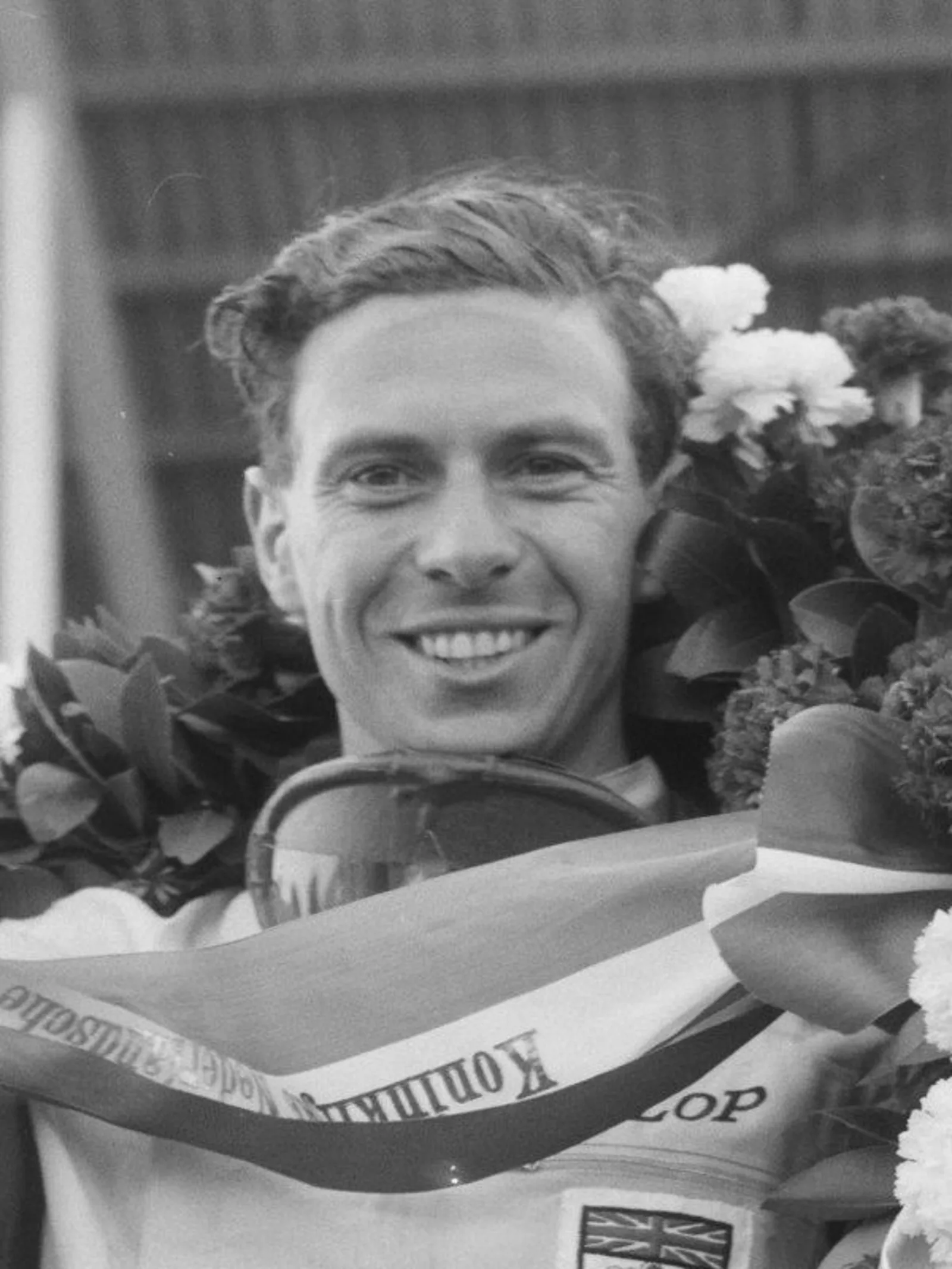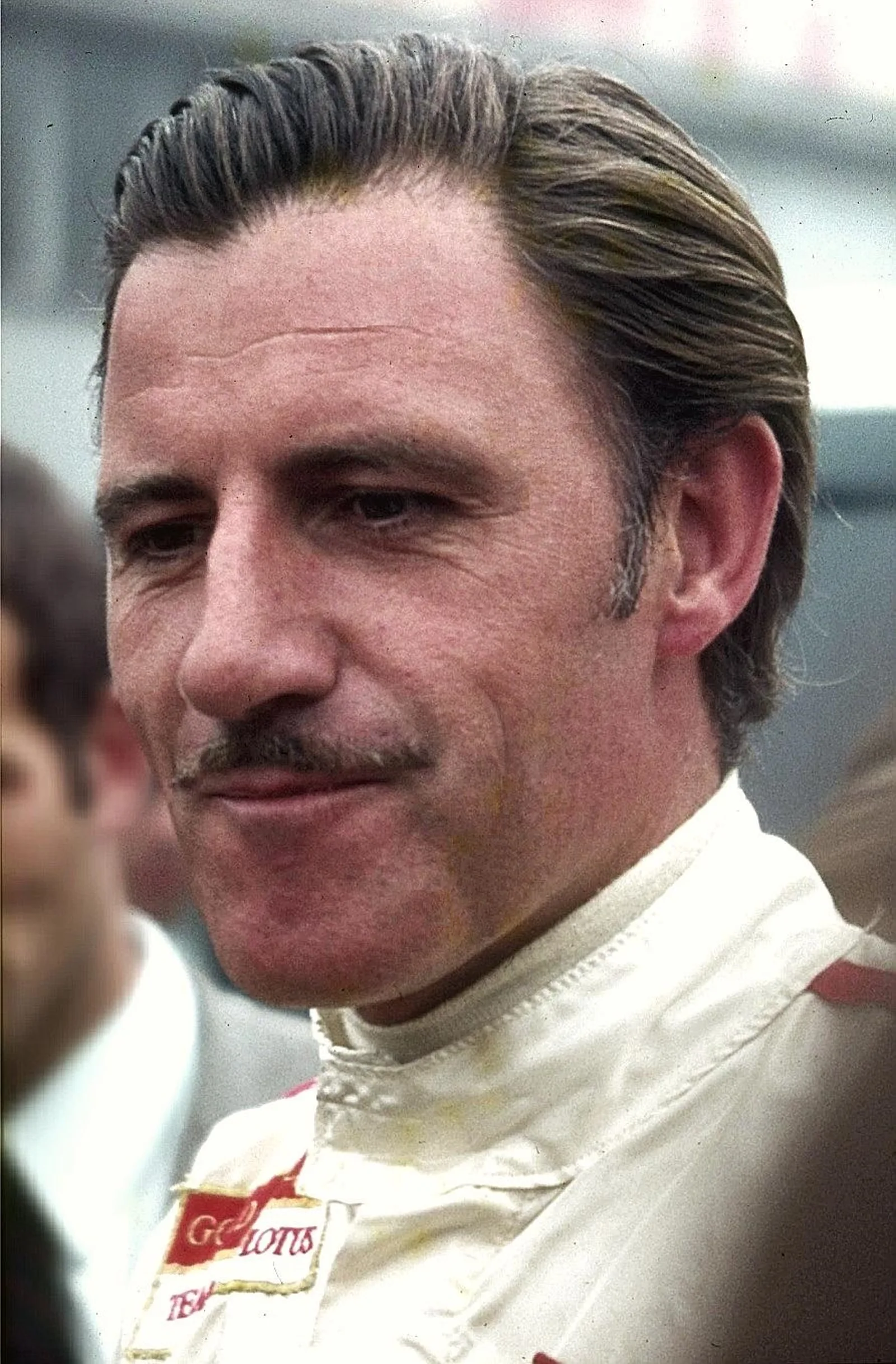
Nine races, a title settled in South Africa by a missing bolt, and a BRM team that won the constructors' crown once and never again.
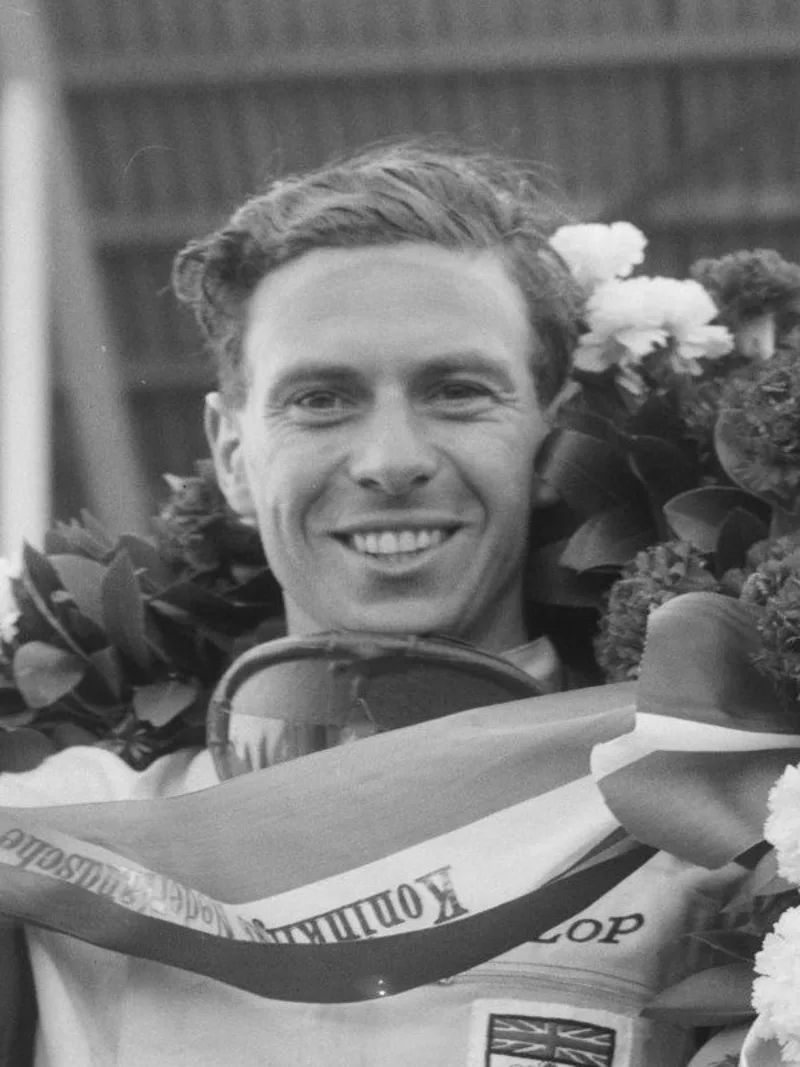
Graham Hill of BRM won the 1962 Drivers' Championship, his first title, after Jim Clark retired from the final race with an oil leak while leading. BRM also won the Manufacturers' Championship, the only time the team did so. The nine-round season ran from 20 May to 29 December.
The 1962 Formula One season was the 16th year of FIA Formula One racing and the 13th World Championship of Drivers. It ran over nine races from 20 May to 29 December, and BRM was the team at the front. Graham Hill won his first title, and BRM took the Manufacturers' Championship too, the only time it did so.
What changed in the teams for 1962?
Stirling Moss was due to race for Ferrari, but he was badly injured in a crash at the non-championship Glover Trophy. He spent a month in a coma, and his left-hand side stayed paralysed for half a year. Giancarlo Baghetti, who had won the 1961 French Grand Prix, took the Ferrari seat instead.
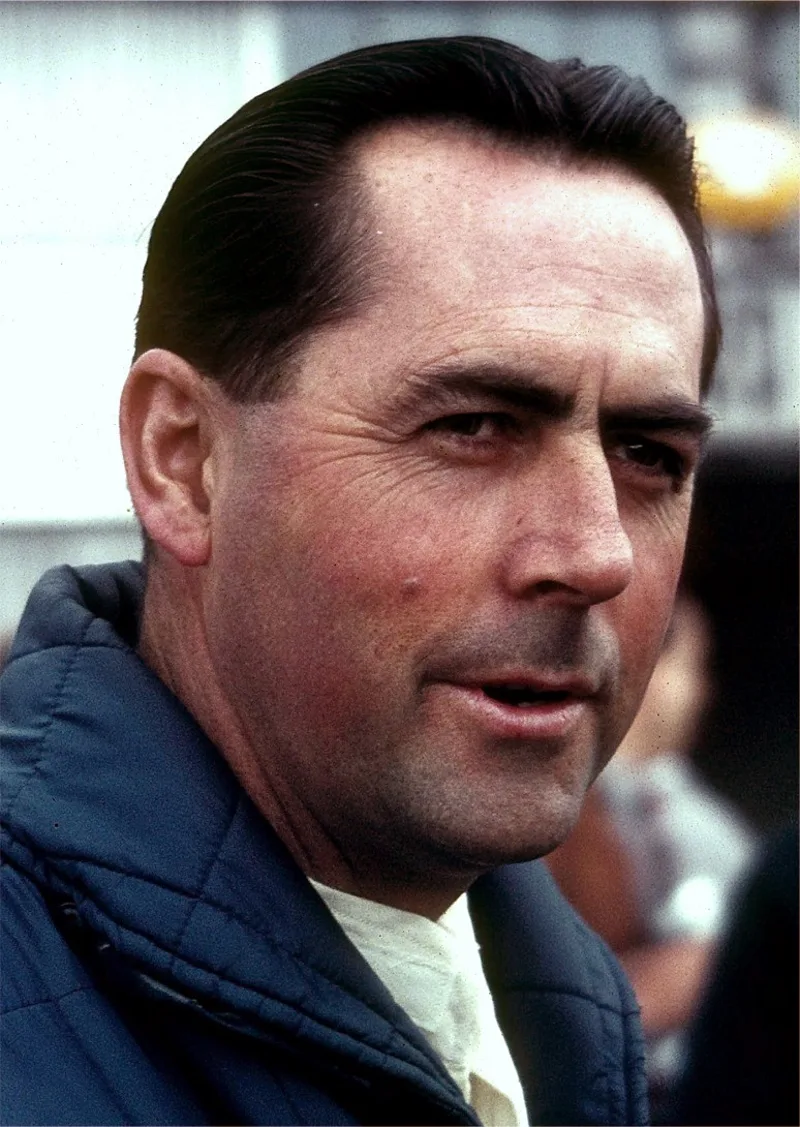
Richie Ginther moved from Ferrari to BRM, which introduced its own V8 engine after relying on Climax units the year before. Lotus fired Innes Ireland and hired Trevor Taylor, while Ireland joined the BRP team, renamed UDT Laystall Racing. Jack Brabham started his own team, first running a Lotus chassis and later debuting his BT3. Tony Maggs replaced him at Cooper.
Bowmaker Racing entered a Lola Mk4, the first Formula One chassis built by Lola Cars. During the season, Lorenzo Bandini and Willy Mairesse joined Ferrari for the Italian race, which took the squad to five cars, and Emeryson returned as a works entry.
Four wins for Graham Hill, three for Jim Clark, and a title settled by a missing bolt in South Africa.
How did the calendar change for 1962?
The Monaco race was moved back three weeks, so the Dutch Grand Prix could open the season. The French race moved from Reims-Gueux to Rouen-Les-Essarts for a year, a switch that had also been made in 1952 and 1957.
A South African round joined the championship for the first time, as the season finale held at the Prince George Circuit on 29 December.
How did the Dutch and Monaco rounds go?
Graham Hill led the Dutch Grand Prix from the start and won, with Dan Gurney third after a recovery from eighth on the grid. In Monaco, Jim Clark took his first career pole, but a crash at the start led to a chain reaction, and Bruce McLaren won his first race in two years.
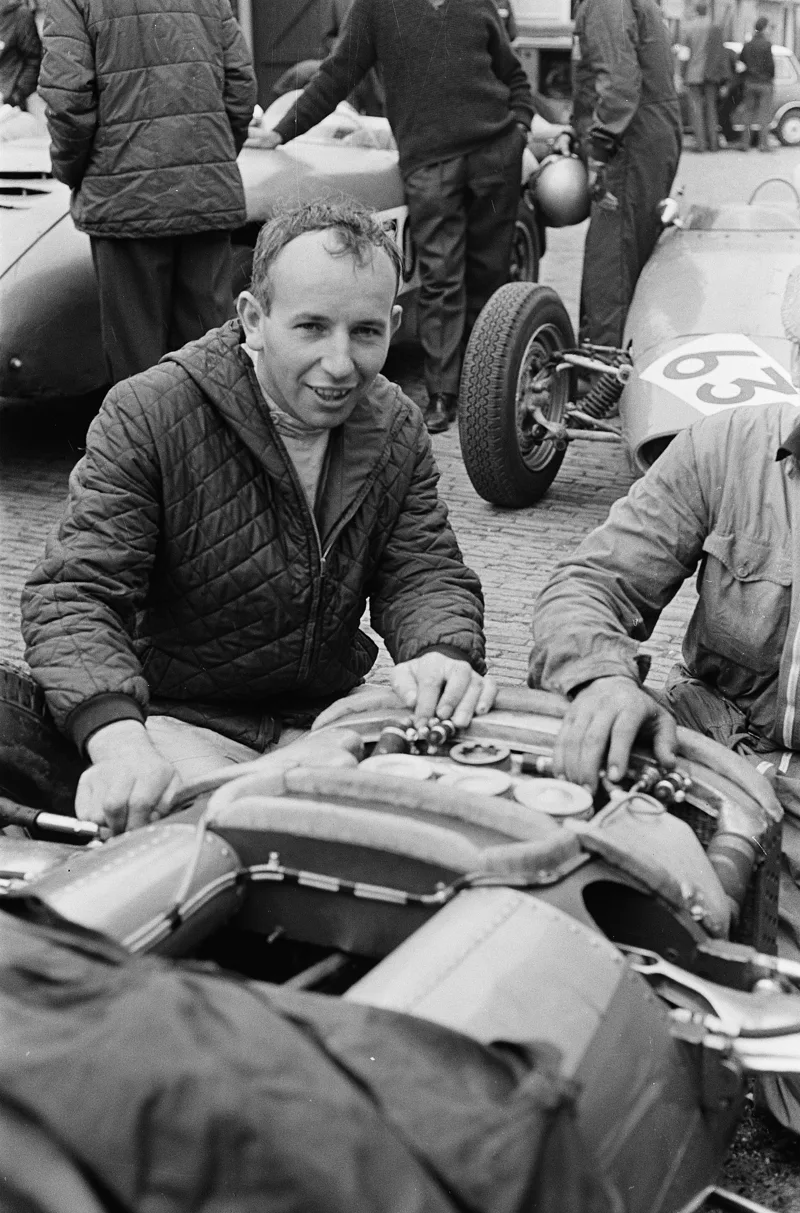
The Dutch race was run as the European Grand Prix and opened the season. John Surtees took pole in a privately run Lola, ahead of Hill, but Clark took the lead at the first corner from third on the grid. Surtees later crashed heavily when his front wishbone broke, and escaped unhurt. Clark and Gurney both suffered technical problems, and McLaren's gearbox failed while he was second. Trevor Taylor took second from Phil Hill late on.
In Monaco, Clark's pole was followed by a bad start, because Mairesse went past and touched wheels with Clark and Hill. Six drivers were involved, and three retired on the spot. Clark recovered and set several fastest laps as he challenged Hill, until his clutch gave out on lap 55. Hill's BRM then began to smoke, and McLaren closed in to take the win.
What happened in Belgium and France?
Clark won Belgium after starting twelfth, and Dan Gurney won France for Porsche, the marque's only Grand Prix victory. Trevor Taylor and Willy Mairesse crashed in Belgium, and Hill's engine jammed in France.
Graham Hill took pole in Belgium, ahead of McLaren, Taylor and Mairesse. Clark started twelfth but moved into the leading group, set the fastest lap on lap 11 and took the lead, with his teammate Taylor holding back the rivals. He held on to win. At the final corner on lap 26, Taylor crashed into Mairesse. The Lotus cut through a telegraph pole, and the Ferrari landed upside down and caught fire, although both drivers escaped with minor injuries. Graham Hill was second and Phil Hill third, while Ricardo Rodriguez took fourth, becoming the youngest Formula One driver ever to score points. That record stood until Jenson Button in the 2000 Brazilian Grand Prix.
Ferrari withdrew from the French race because of strikes in Italy. Clark took pole, ahead of Hill and McLaren. Clark took the lead, but Hill caught him within three laps, and the Lotus team decided to retire the car. Jackie Lewis lost his brakes and ran into the leader, and Hill's BRM engine jammed with ten laps to go. Gurney won, with Maggs second for Cooper and Ginther third for BRM.
How did Britain and Germany play out?
Clark won the British Grand Prix from pole with no serious challenge, and Hill finished fourth. At the German race, Hill had been hit in practice by a camera that fell from a Porsche, but he still won, with Surtees second and Gurney third.
At Silverstone Clark took his third pole of the year, ahead of Surtees and Ireland. Ireland's Lotus would not fire at the start, and the whole field went past him. McLaren rose to third, and the top three stayed unchanged to the finish, with Clark closing on the leader Hill.
The German Grand Prix was delayed by more than an hour when a sudden downpour made the track treacherous. Gurney started from pole, and Clark stalled but passed 17 cars on the first lap. Hill and Surtees fought at the front, and Surtees moved into second when Gurney's battery came loose and he had to hold it in place by hand. Brabham's first chassis, designed by Ron Tauranac, made its debut at this race.
What decided the Italian and American rounds?
Hill won the Italian Grand Prix on the road circuit at Monza, with BRM taking a 1-2 and McLaren third. At Watkins Glen, Clark retook the lead on lap 19 and won by ten seconds from Hill.
Clark took pole for Monza, ahead of Ginther and Hill, but he pitted with transmission trouble. Hill led a group of eight cars, and the BRMs finished first and second in a race of light rain and close battles. The five Ferraris were all in the second group. At Watkins Glen, Ferrari again stayed away because of the strikes. Clark took pole, and Hill got past him on lap 12 when a backmarker held the Scot up. Clark regained the lead on lap 19 and won, with McLaren third, a lap down.
How did the title go to Graham Hill?
Hill won the South African Grand Prix after Clark retired with a missing crankcase bolt. Hill took the title on 42 points, while Clark finished on 30.
Clark had a nine-point deficit going into the final race, and a win would have tied the points. If Clark had won, he would have had four wins to Hill's three, and the countback would have given him the title. Clark started on pole with Hill alongside, and he led away by a second a lap. He built a lead of about half a minute before blue smoke appeared. A bolt had gone missing from the crankcase, and oil leaked onto the exhaust. Clark had to retire, and Hill cruised home almost 50 seconds ahead of McLaren and Tony Maggs, who was at home in South Africa.
What were the final standings in 1962?
Hill finished on 42 points, ahead of Clark on 30 and McLaren on 27. BRM won the Manufacturers' title with 42 points, while Lotus had 36 and Cooper 29. Hill had led the table since the early rounds, and by the end of the German race he had 28 points to Clark's 21.
It was the only Manufacturers' title BRM ever won, and the team's success that year came from a driver lineup that had been reshuffled through the season.
Who won each round in 1962?
Hill won four of the nine rounds, Clark won three, and McLaren and Gurney won one each. The table lists each round in order.
| Round | Race | Winner | Team | Note |
|---|---|---|---|---|
| 1 | Netherlands | Graham Hill | BRM | Gurney third after starting eighth |
| 2 | Monaco | Bruce McLaren | Cooper | First win in two years |
| 3 | Belgium | Jim Clark | Lotus | Taylor and Mairesse crashed on lap 26 |
| 4 | France (Rouen) | Dan Gurney | Porsche | Porsche's only Grand Prix win |
| 5 | Britain (Silverstone) | Jim Clark | Lotus | Hill fourth |
| 6 | Germany | Graham Hill | BRM | Surtees second, Gurney third |
| 7 | Italy (Monza) | Graham Hill | BRM | BRM 1-2, McLaren third |
| 8 | United States (Watkins Glen) | Jim Clark | Lotus | Ten seconds ahead of Hill |
| 9 | South Africa | Graham Hill | BRM | Clark out with a missing crankcase bolt |
What happened to Ricardo Rodriguez in 1962?
Ricardo Rodriguez, who had been the youngest driver ever for Ferrari, was killed in practice for the non-championship Mexican Grand Prix. He became the youngest Formula One driver to die.
His fourth place at Spa earlier in the year had set a points record that stood until 2000. His death came in his home race, and it cast a shadow over the end of a difficult season for everyone involved in the sport.