Smaller engines, Ferrari's mid-engined 156 Sharknose and a Monza tragedy that handed Phil Hill the championship.
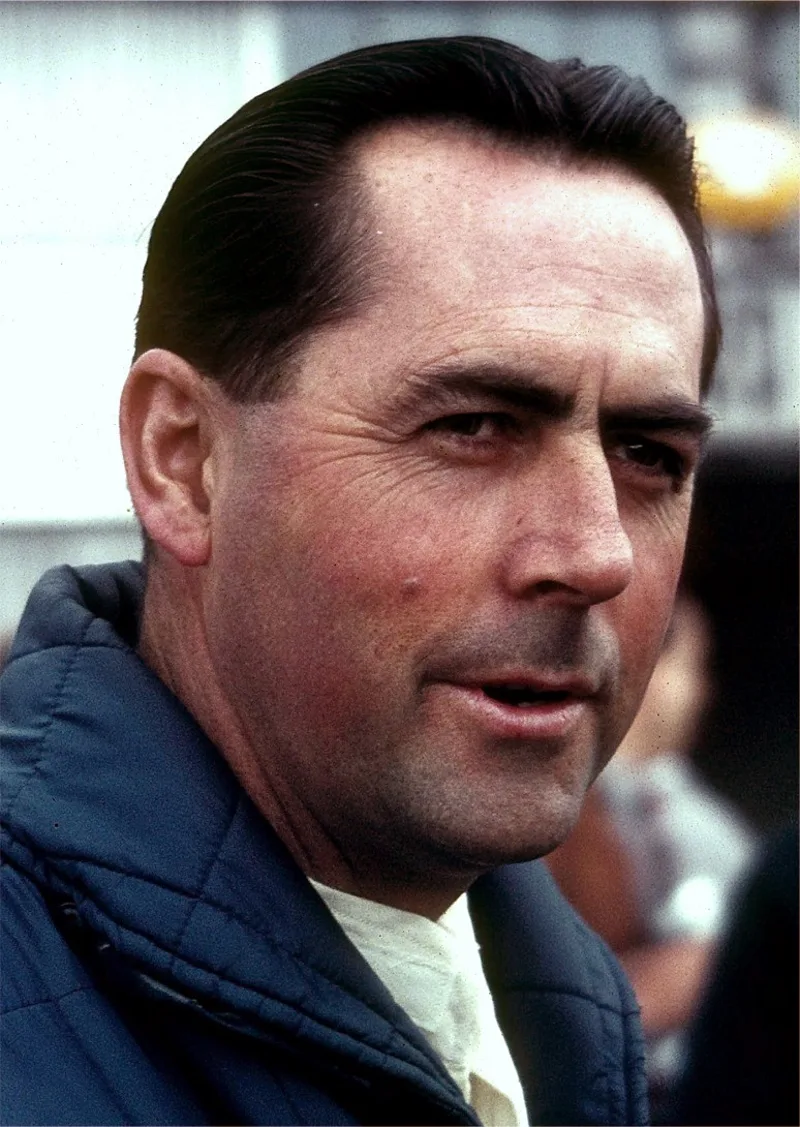
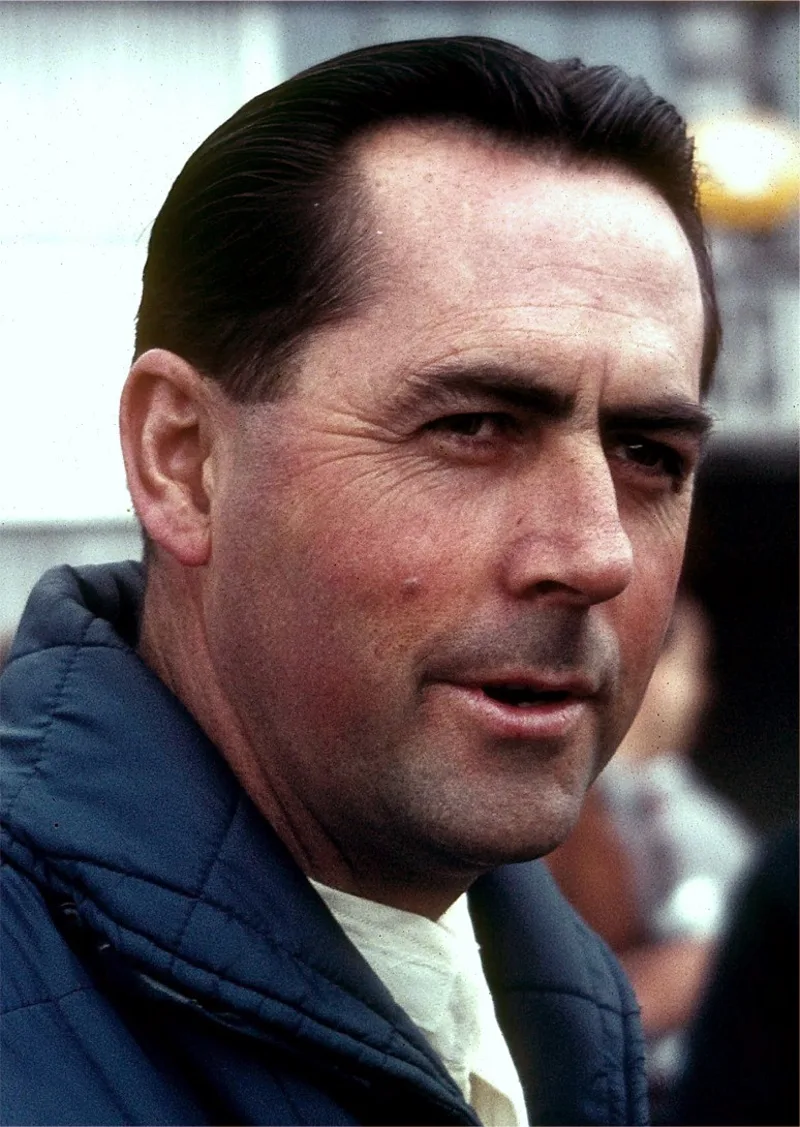
Phil Hill of Ferrari won the 1961 World Drivers' Championship, becoming the first American-born champion after his teammate Wolfgang von Trips was killed at Monza. Ferrari also took its first Manufacturers' title, and the eight-race season ran from 14 May to 8 October.
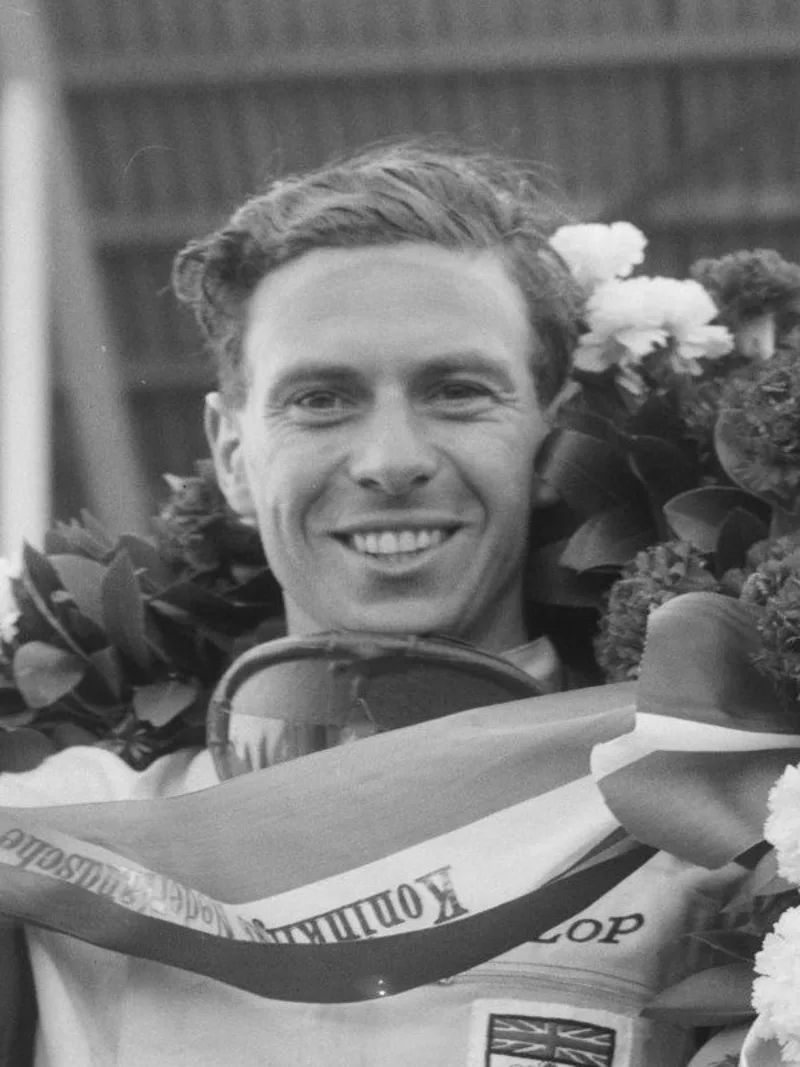
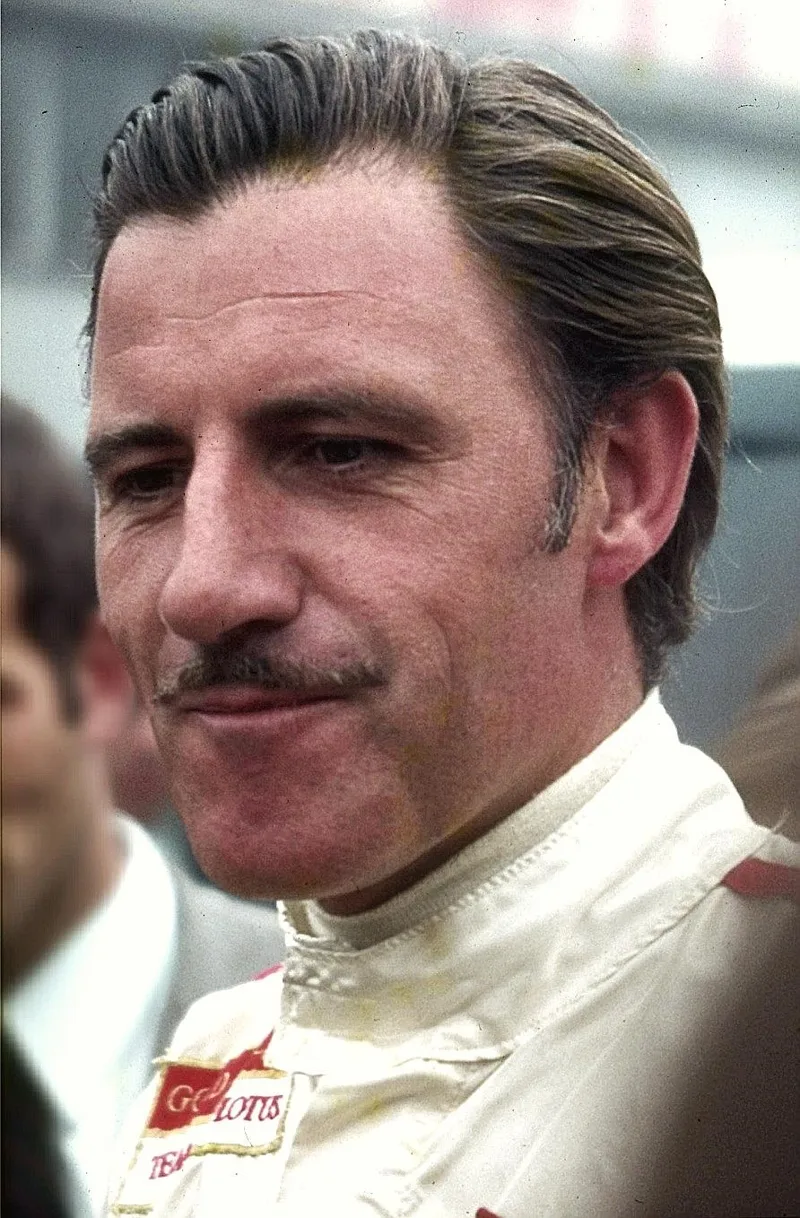
The 1961 Formula One season was the 15th year of FIA Formula One racing and the 12th World Championship of Drivers. Engines were cut to 1,500 cc, and Ferrari's new mid-engined 156 won most of the races. The year ended in tragedy at Monza, which handed Phil Hill the title.
What rules changed for 1961?
Formula One adopted the Formula Two engine rules, limiting cars to naturally aspirated engines of 1,500 cc (92 cu in), with the lower limit set at 1,300 cc (79 cu in). Safety rules made roll bars, automatic starter motors, an electrical master switch and a dual braking system with independent front brakes mandatory.
English teams threatened a boycott because the change had been communicated only shortly before the season, but the protests faded. The minimum weight was set at 500 kg (1,100 lb) and later lowered to 450 kg (990 lb). Lubricants could not be added during a race, and wheels could not be covered by bodywork. A race win was now worth nine points.
Enzo Ferrari was also opposed to the change, but his team responded with its first mid-engined car, the 156 'Sharknose'. It won five of the eight championship races.
Ferrari's mid-engined 156 won five of eight races, and a tragedy at Monza decided the title.
Who joined and left the teams in 1961?
Porsche made a full-season debut with Jo Bonnier and Dan Gurney, both of whom had driven for BRM. BRM signed Tony Brooks to partner Graham Hill, and bought Coventry Climax engines, the same units Lotus and Cooper were running. John Surtees moved from Lotus to Reg Parnell's private entry, and Lotus cut back to two cars.
Aston Martin and Vanwall had each raced only once in 1960 and abandoned their Formula One operations before this season. Maserati had withdrawn its works team after 1958, but private teams had kept using its 250F chassis. From 1961 Maserati would supply engines only.
Innes Ireland was badly injured at Monaco, so Trevor Taylor replaced him for the Dutch Grand Prix, and Taylor was then hired to take Ireland's seat for 1962. Cliff Allison broke both knees and fractured his pelvis after practice for the Belgian race, and Lucien Bianchi and Masten Gregory took his seat. Henry Taylor's accident at Silverstone ended his single-seater career, and Olivier Gendebien took his place.
How did the calendar change in 1961?
The Moroccan Grand Prix, which had been set for 29 October as the finale, was cancelled for a third year in a row for monetary reasons. The Argentine and Portuguese races were dropped, and the British race moved from Silverstone to Aintree. The German race returned to the Nurburgring, after a 1959 round at AVUS and a 1960 Formula Two event on the same ground.
The Indianapolis 500 had been part of the title since 1950, but it was dropped from the official championship in 1961 and became a purely American event. The United States race also moved, from Riverside to Watkins Glen, six weeks before it was due, because of poor attendance at Riverside and the more generous prize money on offer at the Glen.
What happened in the pre-season races?
Before the championship opened at Monaco, Brabham won the Lombank Trophy at Snetterton in an Intercontinental Cooper, and Surtees won the Glover Trophy at Goodwood. Giancarlo Baghetti won the Syracuse Grand Prix in a Ferrari, his first Formula One race, and he was a rising name.
Clark took the Pau Grand Prix in a works Lotus, and Brabham also won the Brussels Grand Prix and the Aintree 200, the latter in wet conditions. Moss won the Vienna Grand Prix, which was held on an aerodrome at Aspern. Surtees finished third at Snetterton, the first of the Formula One entrants in that race.
Who won the Monaco Grand Prix in 1961?
Stirling Moss won Monaco in a privately entered Rob Walker Lotus, holding off Richie Ginther's Ferrari, which closed to three seconds at mid-distance. Phil Hill was third, and von Trips came home fourth even though he had crashed on the last lap.
Practice was dramatic. Clark crashed his Lotus heavily at the first turn. Later in the final session, Ireland crashed in the tunnel, and his car was destroyed while his leg was broken. Moss took pole in the Walker Lotus, with Ginther and Clark on the front row and the Hills on the second row.
At the start Ginther led from Clark and Moss, but Clark soon pitted with fuel pump trouble, and Bonnier and Gurney took third and fourth in their Porsches. Moss and Bonnier passed Ginther on lap 14. Ten laps later Phil Hill went by both Ginther and Bonnier for second, but he could not catch Moss. Ginther closed to three seconds at mid-distance, yet Moss kept his pace to the end. The Naples Grand Prix, held on the same day, went to Baghetti, who had now won two Formula One races from two starts.
How did the Dutch Grand Prix unfold?
Wolfgang von Trips won the Dutch Grand Prix at Zandvoort for Ferrari, with Phil Hill second and Clark third. Every starter finished the race, and nobody made a pit stop, a feat that has never been repeated.
Ferrari locked out the front row, with Phil Hill on pole ahead of von Trips and Ginther, while Moss and Graham Hill sat on the second row. Von Trips led at the start, but Clark stormed from the fourth row to fourth by the end of the first lap. Clark and the Ferrari traded second place several times before Phil Hill finally got ahead. Late on, Ginther went wide when his throttle stuck open, and Moss took fourth.
The London Trophy at Crystal Palace went to Salvadori in a Cooper the next day. At Brands Hatch the Silver City Trophy was won by Moss in wet conditions, but the meeting was marred by the death of Shane Summers, a 24-year-old Welshman. He crashed his Cooper at Paddock Hill Bend and was killed almost instantly.
What happened at the Belgian Grand Prix?
Phil Hill won at Spa-Francorchamps, 0.7 seconds ahead of von Trips, and Ferrari took the first four places. Innes Ireland returned to Lotus, and Cliff Allison's crash at Blanchimont ended his Formula One career.
Ferrari entered four cars, including a fourth car in Belgian racing yellow for Olivier Gendebien, run by Ecurie Nationale Belge. Phil Hill took pole with von Trips alongside, and Gendebien made the most of his local knowledge to start third, despite an engine that was less powerful than the factory cars.
The 120-degree V6 engines suited the fast Spa circuit, and the lead changed several times before Phil Hill took it from von Trips and Ginther. Gendebien finished fourth, giving Ferrari a straight 1-2-3-4. Surtees was fifth, and Gurney was sixth in his Porsche.
How did the French Grand Prix end?
Baghetti won the French Grand Prix at Reims, passing Dan Gurney on the last lap and becoming the first driver to win his first World Championship race. Phil Hill spun on lap 38, and von Trips retired with engine trouble earlier in the race.
The race was held in extreme heat. The temperature reached 102 degrees Fahrenheit (39 degrees Celsius) on race day, and the track began to break up at its hairpins. A large field of privateers joined the works teams, including a De Tomaso-Osca for Giorgio Scarlatti, which was not competitive.
Phil Hill led from the start, but von Trips took over under team orders and stopped with engine trouble on lap 18. Ginther led for three laps before another engine failure, and the battle for the lead became a duel between Gurney's Porsche and Baghetti's Ferrari. The two swapped positions constantly, and on the last lap Baghetti came out of Gurney's tow and went past about two hundred yards from the line.
What happened at Aintree and the Nurburgring?
Von Trips won the British Grand Prix at Aintree in heavy rain, with Phil Hill and Ginther behind him for a Ferrari 1-2-3. Stirling Moss was disqualified for taking a push-start, and at the Nurburgring Moss won in a Lotus after Brabham crashed on the opening lap.
At Aintree the race began in heavy rain, and von Trips took the lead after seven laps, passing Phil Hill. Moss took over Fairman's Ferguson after retiring, but he was later disqualified for a push-start. Brabham, Bonnier and Salvadori completed the top six. Baghetti crashed out early.
The German Grand Prix returned to the Nurburgring for the first time since 1958. Phil Hill lapped the Nordschleife in 8:55.2, the first lap under nine minutes, and nearly six seconds faster than Brabham's best. Brabham led the field away but spun and crashed on the first lap. Moss passed Hill before the end of the second lap and stayed ahead, while von Trips overtook Hill for second. When the rain returned, Moss kept his intermediate tyres and his Lotus handled better than the Ferraris on the demanding circuit. He then won the Swedish, Danish and Modena races in the same car.
How did Monza decide the title?
Von Trips was killed in a collision with Clark at Monza, and Phil Hill won the race and the championship, becoming the first American champion. Von Trips had led Hill 33 points to 29 before the Italian race.
Ricardo Rodriguez, a 19-year-old Mexican, took Ferrari's fourth car and qualified second behind von Trips, becoming the youngest driver ever to start a World Championship race. The British teams had boycotted Monza the year before, but this time they competed, even though the concrete banking was still rough.
Phil Hill and Ginther led at the start, followed by Rodriguez, Clark and von Trips. Approaching the Parabolica, Clark and von Trips collided. Clark was unhurt, but von Trips's Ferrari went through a spectator fence and into the crowd. He was killed, along with several spectators. The organisers did not stop the race, and Ferrari ran a display until Rodriguez, Baghetti and Ginther all retired with mechanical trouble. Phil Hill won, with Gurney second for Porsche and McLaren third for Cooper. Jack Lewis was fourth in a private Cooper.
How did the United States Grand Prix end the year?
Innes Ireland won the United States Grand Prix at Watkins Glen, giving Lotus its first win and Ireland his only one. Stirling Moss, who had led by more than 40 seconds, retired with oil pressure failure.
Ferrari did not travel after the Italian race, so the field was without its champions. Brabham started from pole beside Graham Hill, with Moss and McLaren behind them on the second row. Ireland spun on oil on lap three, and McLaren briefly moved into third before spinning himself and dropping back. Brabham's V8 began leaking water on lap 34, and he pitted on lap 45 after overheating.
Moss led comfortably until his oil pressure dropped, and he retired on lap 59, handing the lead to Ireland. Hill followed Ireland for 15 laps before a loose magneto wire ended his race. Salvadori's Cooper blew its engine with just over three laps remaining. Ireland won, less than five seconds ahead of Gurney, while Brooks finished third in the last Grand Prix of his career.
The race was the first American Grand Prix to turn a profit, which secured its return. It was also Moss's final World Championship race, because a heavy crash at the 1962 Glover Trophy would end his career the following April.
Who won each round in 1961?
Ferrari won five of the eight rounds, with von Trips and Phil Hill taking two each and Baghetti one. Moss won two races for Rob Walker's team, and Ireland took the American round. The table lists the eight championship rounds in order.
| Round | Race | Winner | Note |
|---|---|---|---|
| 1 | Monaco | Stirling Moss | Walker Lotus; Phil Hill third |
| 2 | Netherlands | Wolfgang von Trips | Ferrari; no pit stops by any car |
| 3 | Belgium | Phil Hill | Ferrari 1-2-3-4 |
| 4 | France (Reims) | Giancarlo Baghetti | First World Championship race win |
| 5 | Britain (Aintree) | Wolfgang von Trips | Ferrari 1-2-3 in heavy rain |
| 6 | Germany (Nurburgring) | Stirling Moss | Lotus; Brabham crashed on lap one |
| 7 | Italy (Monza) | Phil Hill | Von Trips killed in the race |
| 8 | United States (Watkins Glen) | Innes Ireland | Lotus's first win |