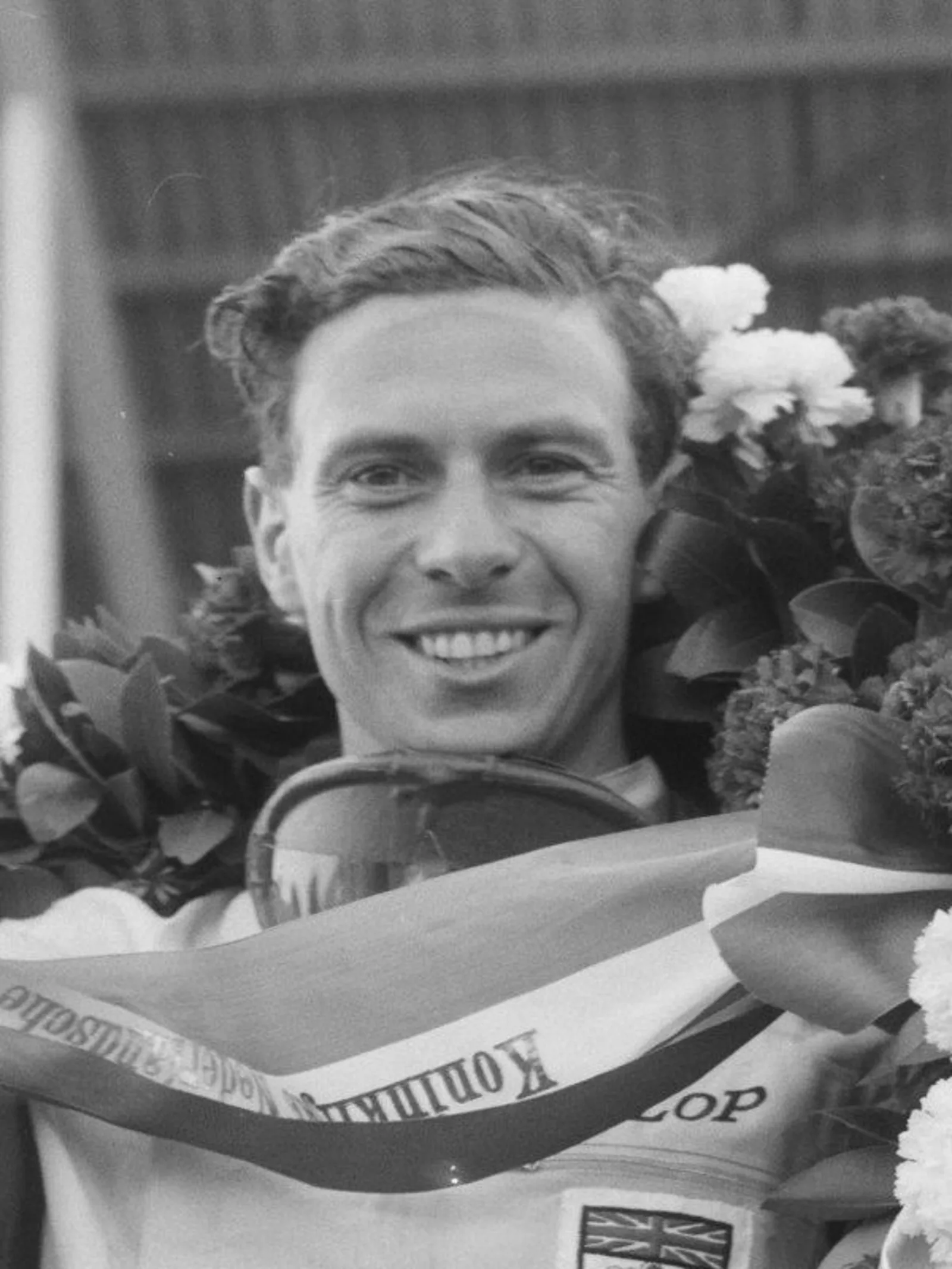
Seven wins for Jim Clark, a championship clinched with three races to spare and a year when British drivers won every pole and every race.
Jim Clark of Lotus won the 1963 Drivers' Championship with three races to go, the first title for him and for Lotus, which also won the Manufacturers' Championship. Clark took seven of the ten races, a total that was not beaten until Ayrton Senna won eight in 1988.
The 1963 Formula One season was the 17th year of FIA Formula One racing and the 14th World Championship of Drivers. Ten races ran from 26 May to 28 December, and Jim Clark of Lotus claimed his first title with three races to spare. British drivers took every pole and every race that year, a feat no single nation had matched before.
Who was the champion in 1963?
Clark's title came with three rounds still to run, and it was the first Drivers' crown for both him and the team. Lotus also took the Manufacturers' trophy, and Clark's seven wins were a benchmark that stood for a long time.
Clark's dominance was built on speed at the front and on the lead he built in each race. He claimed pole in most rounds and converted many of them into outright wins, and he finished the season with a lead that his rivals could never close.
Seven wins for Jim Clark, a title clinched with three races to spare and a season that belonged to British drivers.
What changed in the teams for 1963?
Porsche withdrew its works team after 1962, and Dan Gurney joined Jack Brabham's relatively new team. Jo Bonnier signed with Rob Walker's private squad, leaving only a private Porsche driven by Carel Godin de Beaufort. Phil Hill and Giancarlo Baghetti left Ferrari for ATS, a team formed by former Ferrari staff, including Carlo Chiti and Giotto Bizzarrini, after what was called the 'palace revolt' of 1961.
John Surtees signed with Ferrari, and Reg Parnell searched for new drivers, finding Maurice Trintignant and the debutant Chris Amon. Ferrari then hired Willy Mairesse and Ludovico Scarfiotti as Surtees's teammates. Mairesse crashed heavily at the German Grand Prix and broke his arm, and Lorenzo Bandini, who had driven for Ferrari in 1962, came in to finish the season.
Trevor Taylor crashed out of the non-championship Mediterranean Grand Prix at Enna-Pergusa, and his car went up in flames. Taylor was hurt only slightly, but he missed the Italian Grand Prix, which Mike Spence drove in his place.
How did the calendar change in 1963?
The Dutch Grand Prix moved back a month to become the third race of the season, and the French race returned to Reims-Gueux. The British race moved from Aintree to Silverstone, and a Mexican Grand Prix joined the calendar at the Magdalena Mixhuca circuit in Mexico City.
Aintree had alternated with Silverstone since 1955, but 1962 had been its last year of Formula One. The French race was set to alternate with Rouen-Les-Essarts until 1964, so the Reims return marked a change in the pattern.
How did Monaco and Belgium go?
Graham Hill won Monaco after Jim Clark's gearbox jammed and his wheels locked late on. Clark then won Belgium through heavy rain after Hill's gearbox failed, and the two results showed how close the title fight was from the first round.
Monaco was the honorary European Grand Prix and the season opener. Only five drivers were guaranteed a starting place, and the rest fought for the remaining eleven. Clark took pole, with Hill second, John Surtees third and Ginther fourth. Hill and Ginther led at the start, but Clark got past Hill on lap 7, then went wide at the Station hairpin and fell back to third. He regained the lead and built a 17-second gap at three-quarter distance. Then his gearbox jammed and his wheels locked, and Hill was handed the win, ahead of Ginther and McLaren.
The Belgian race at Spa-Francorchamps demanded full throttle for some three minutes a lap in the 1.5-litre cars. Hill took pole ahead of Gurney and Mairesse, while Clark started eighth but was in front before the first corner. Hill followed him, and after the first lap the pair had a 15-second lead. In heavy rain Clark stretched his advantage to almost 30 seconds at half-distance. Hill's gearbox then broke, and a storm flooded the track, with five drivers crashing. Clark completed the race ahead of McLaren and Gurney.
What decided the Dutch and French rounds?
Clark took pole and won the Dutch Grand Prix at Zandvoort, with Surtees second and Gurney third. He also won the French Grand Prix at Reims in the rain, while Hill's points were withheld after a grid stall.
At Zandvoort, Clark's pole was followed by Hill and McLaren, and the three ran side by side into Tarzan corner. Brabham started fourth and climbed to second, while Gurney made a heroic recovery from a poor start. Hill's BRM overheated, and he pitted on lap 58, which let Surtees into second. Gurney's car had a loose strut and he pitted too. Clark finished a lap ahead of everyone else and completed a grand slam of pole, fastest lap and victory.
At Reims, Hill stalled on the grid alongside Masten Gregory and Phil Hill, and all three were push-started. Brabham chased Clark, but when the rain fell Clark was the fastest man on track and won again. A loose wire then stopped Brabham's engine, and Tony Maggs took second for Cooper. The stewards added a minute to the race times of the three drivers who had stalled. Hill was classified third, but his points were later withheld.
How did Silverstone and Germany play out?
Clark took his fourth consecutive pole at Silverstone and won, with Surtees second and Hill third after running out of fuel. At the German race, Surtees won for Ferrari, its first win in two years, after Clark's Climax lost a cylinder and slowed on the straights.
At Silverstone Clark started ahead of Gurney and Hill. He bogged down at the start but was back in front after four laps. Brabham's engine blew up, and Gurney led until his engine failed on lap 60 and spread oil across the track. Hill ran out of fuel and coasted home third, letting Surtees into second. Clark scored his fourth win in a row.
Clark was on pole in Germany, ahead of Surtees and Bandini, and he held the lead at the start. Ginther and Surtees both passed him, and his engine began cutting out, which cost him time on the straights. Hill retired with a failing gearbox. Surtees set a new lap record and took the win, with Ginther third. Mairesse broke his arm in one of several heavy crashes.
How was the title settled at Monza?
Clark won the Italian Grand Prix on the road circuit and clinched the title with three races still to run. The organisers dropped the banked oval after safety complaints, leaving the road course as the only layout for the race.
The full 10 km (6.2 mi) Monza circuit had been planned, but Bob Anderson's crash in practice raised concerns about the lack of fences on the inside of the oval. Surtees took pole, with Hill and Clark behind him. Hill made the strongest getaway, and the lead changed hands until Surtees and Clark pulled clear. Surtees's Ferrari engine then blew, handing Clark the lead, but Hill and Gurney caught him as the Climax lacked a slipstream partner. Hill's clutch gave out after half-distance, while Gurney's BRM suffered fuel-system trouble. Clark was then left alone and cruised home a lap ahead of Ginther.
What happened in the United States and Mexico?
Hill won at Watkins Glen, with Ginther second and Clark third after Surtees's engine failed. Clark then won the Mexican Grand Prix by almost a lap, while Surtees was disqualified for needing a push-start.
At Watkins Glen Hill took pole by a tenth of a second, while Clark's engine stalled at the start and he resumed a lap down. Surtees took the lead on lap 7, and Gurney took third from Ginther. Hill followed the Ferrari for a long time, trying twice to pass before Surtees re-passed him on the straights. Surtees pulled into the pits with a failing engine, and Hill and Ginther finished 1-2, with Clark third after more than ten other drivers retired.
Clark was on pole in Mexico, ahead of Surtees and Hill, and Ginther started fifth. Hill missed a gear at the start and dropped to eighth. Gurney moved into second, but Surtees made a stop on lap 19 and was disqualified after his crew pushed the car. Brabham took third, and Clark finished almost a lap ahead of Brabham and Ginther, with Hill fourth.
How did the South African finale decide second place?
Clark won the South African Grand Prix from pole, and the runner-up place went to Graham Hill, who gained second on countback after Richie Ginther's driveshaft failed on lap 44. Clark finished on 54 points, ahead of Hill and Ginther on 29 each.
Going into the finale, Ginther had 29 points, Hill 25 and Surtees 22, so any of the three could finish as runner-up if they beat Clark. Surtees, starting fourth, was second at the end of the first lap but back to fourth by lap 5, and he retired on lap 43 when his engine blew. Brabham fell back with a loss of power, and Gurney ran second for a time, keeping pace with Clark but unable to get closer. Ginther's driveshaft failed on lap 44, which put Hill into third and gave him second place in the championship.
The final table had Clark on 54 points, and Hill and Ginther both on 29, with Hill ahead on countback. In the Manufacturers' table Lotus gathered 54 points, enough for its first title, ahead of BRM on 36 and Brabham on 28.
Who won each round in 1963?
Clark won seven of the ten rounds, Hill won Monaco and the United States, and Surtees won Germany. Every pole position went to a British driver, as did every race win. The table lists each round in order.
| Round | Race | Winner | Team | Note |
|---|---|---|---|---|
| 1 | Monaco | Graham Hill | BRM | Clark's gearbox jammed late on |
| 2 | Belgium | Jim Clark | Lotus | Heavy rain, flooded track |
| 3 | Netherlands | Jim Clark | Lotus | Grand slam: pole, fastest lap, win |
| 4 | France (Reims) | Jim Clark | Lotus | Hill's points later withheld |
| 5 | Britain (Silverstone) | Jim Clark | Lotus | Fourth win in a row |
| 6 | Germany | John Surtees | Ferrari | Ferrari's first win in two years |
| 7 | Italy (Monza) | Jim Clark | Lotus | Title clinched with three races left |
| 8 | United States (Watkins Glen) | Graham Hill | BRM | Ginther second, Clark third |
| 9 | Mexico | Jim Clark | Lotus | Surtees disqualified |
| 10 | South Africa | Jim Clark | Lotus | Hill second on countback |