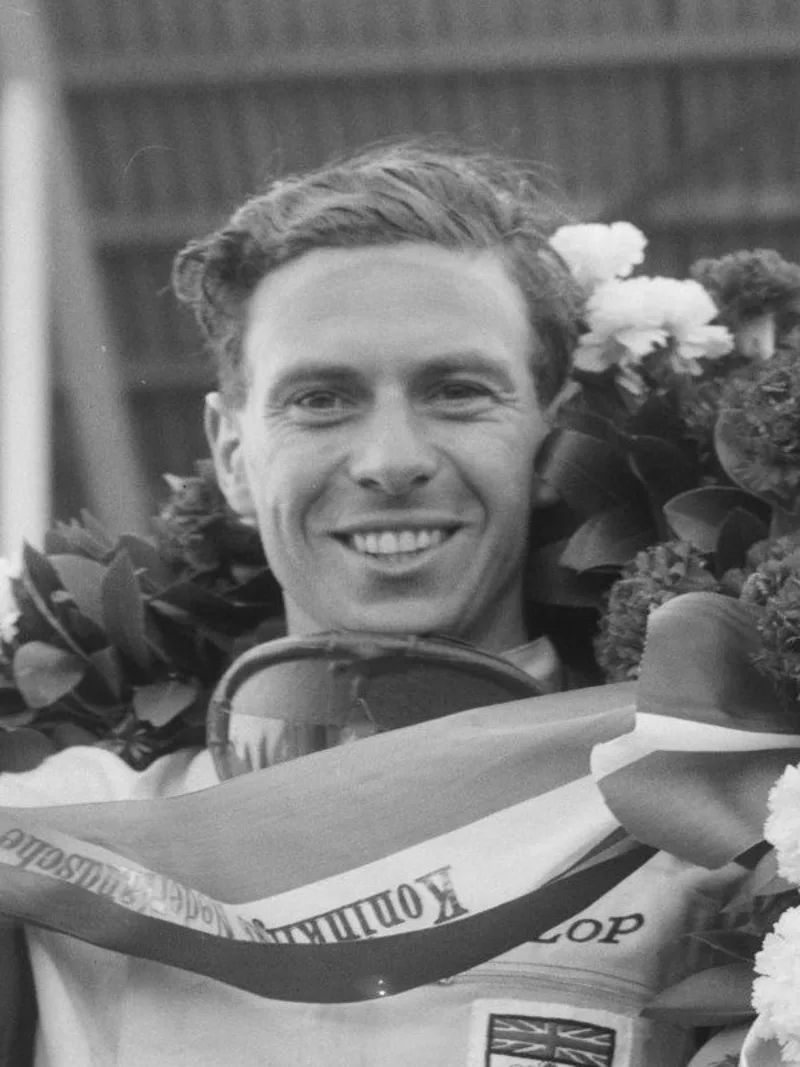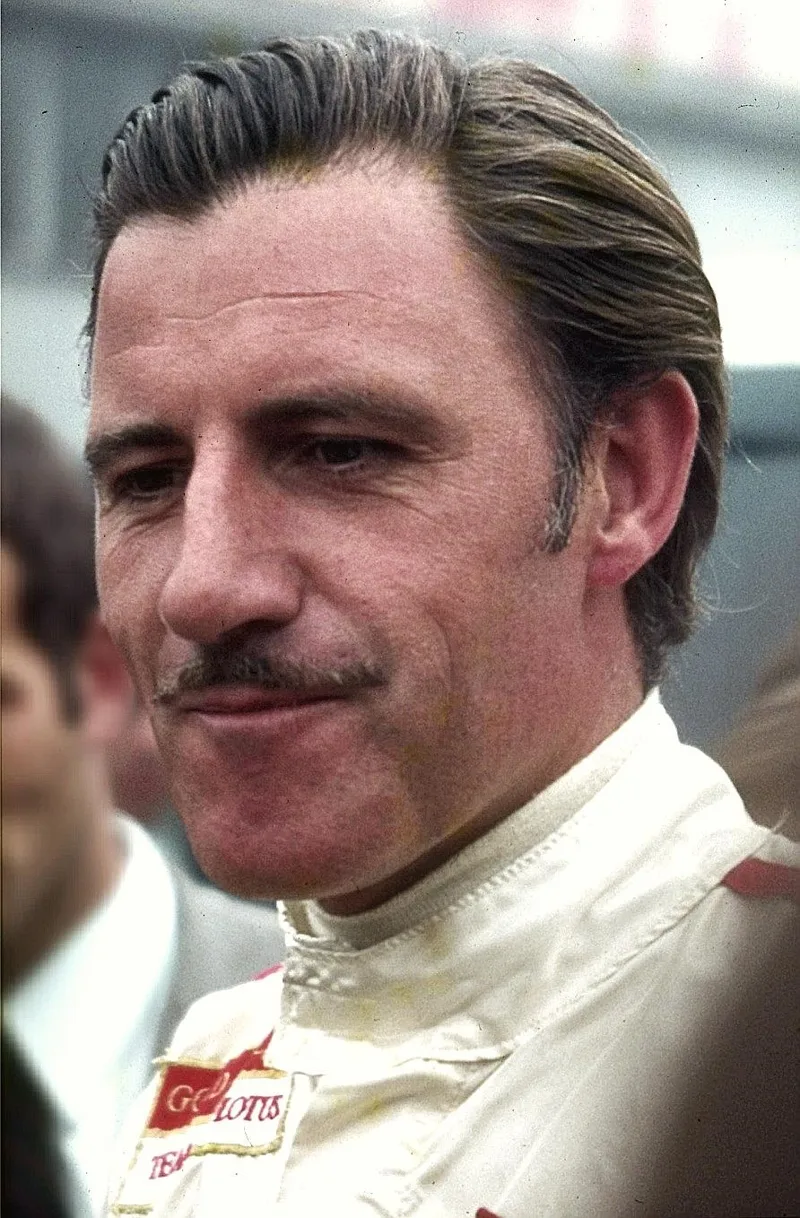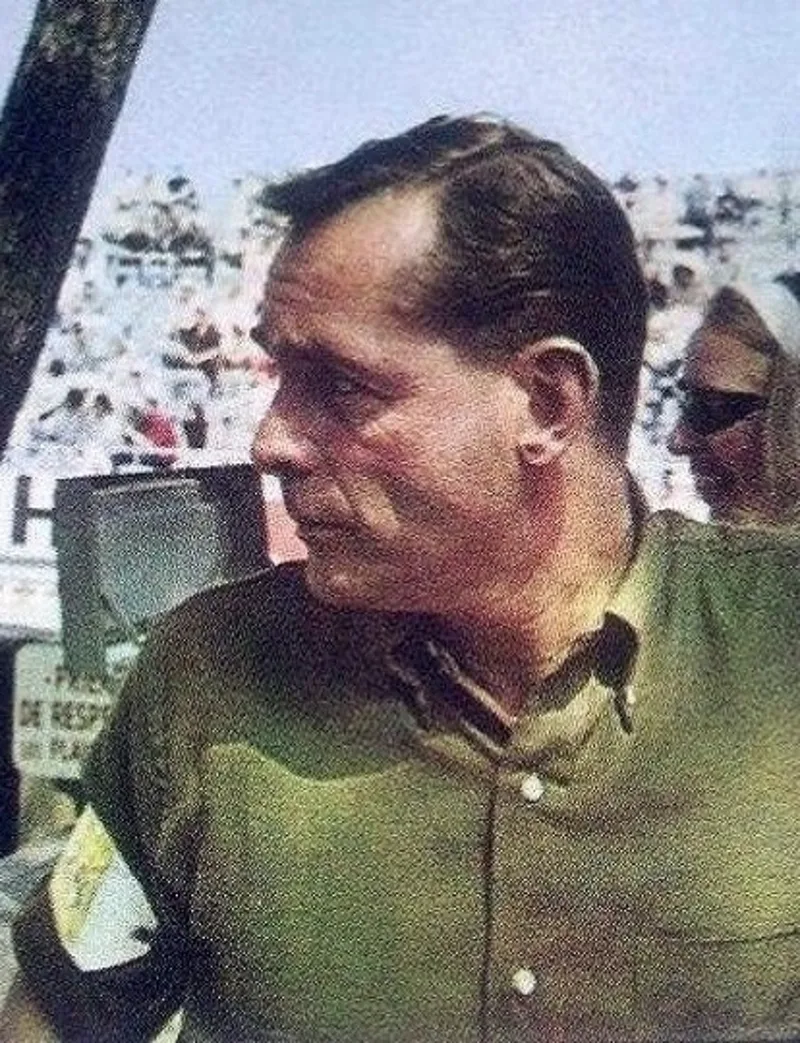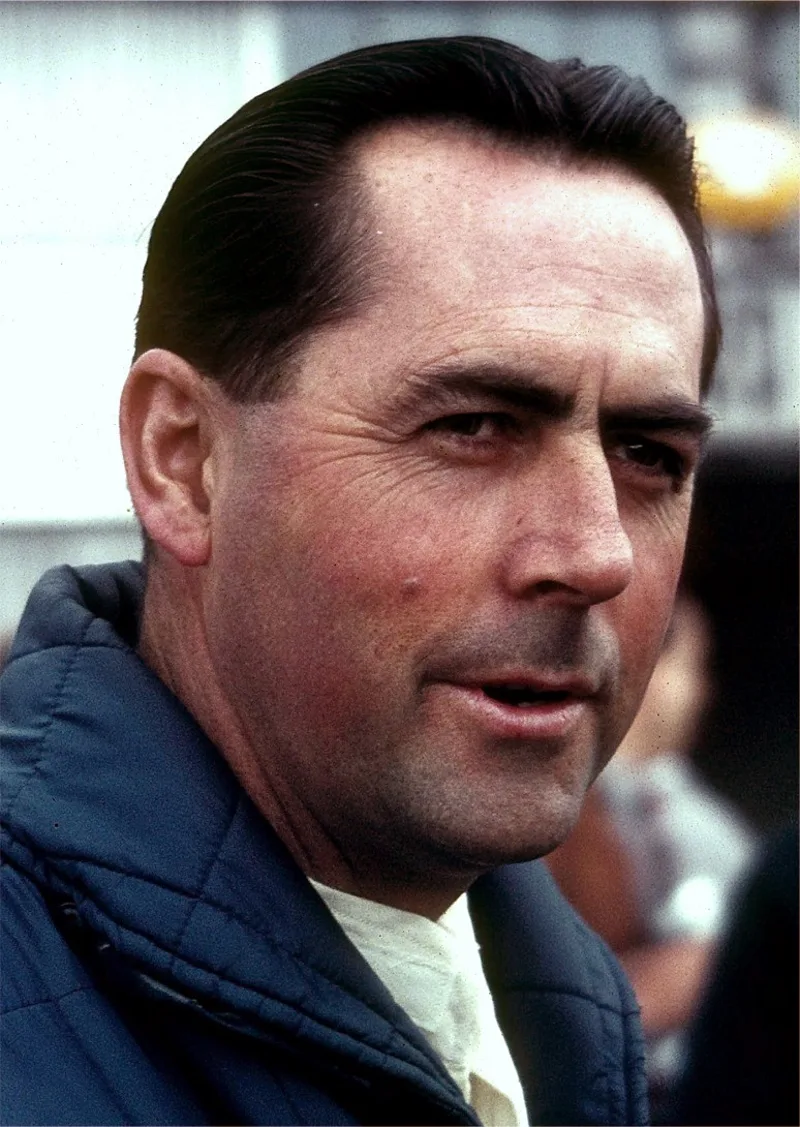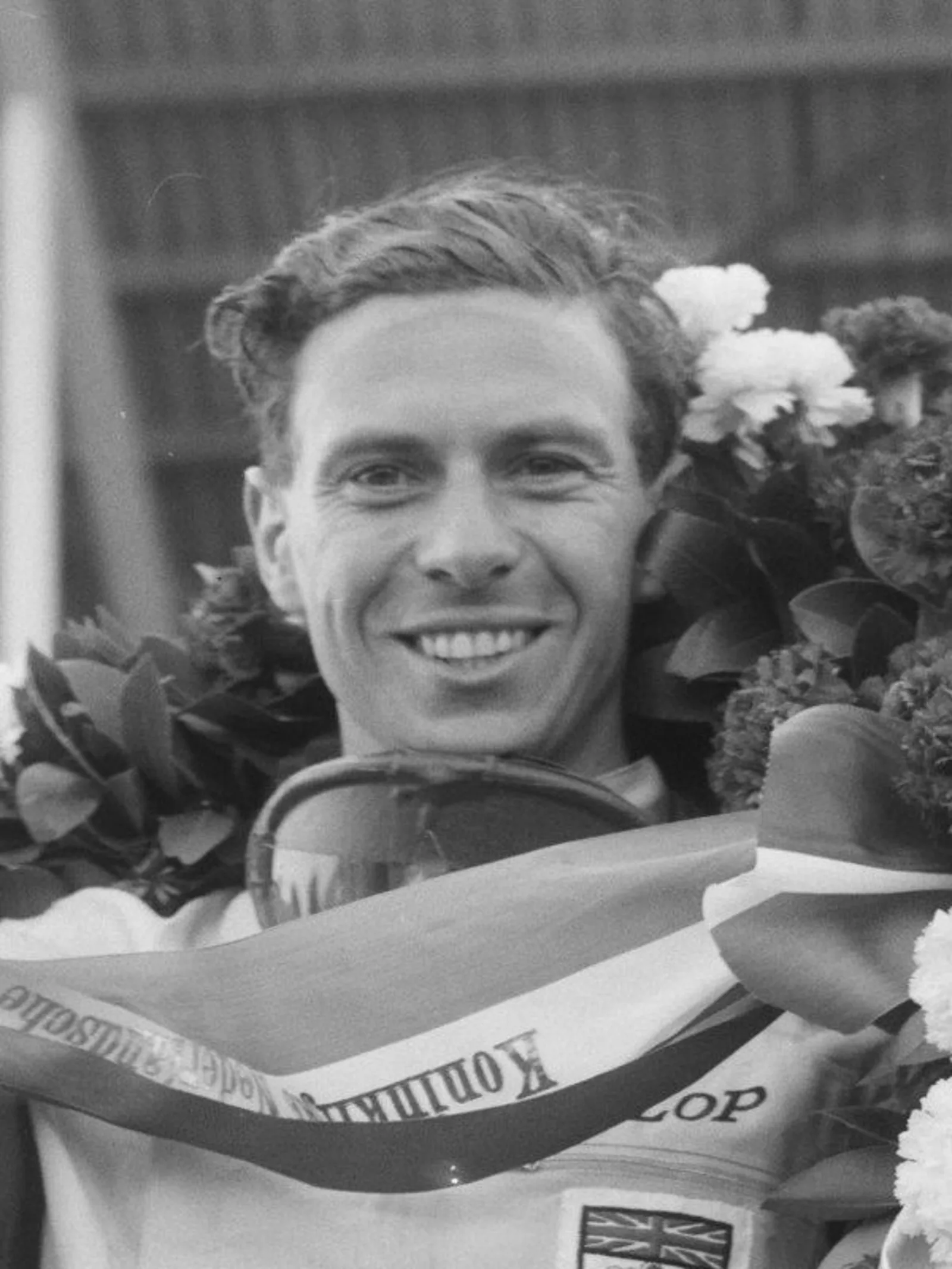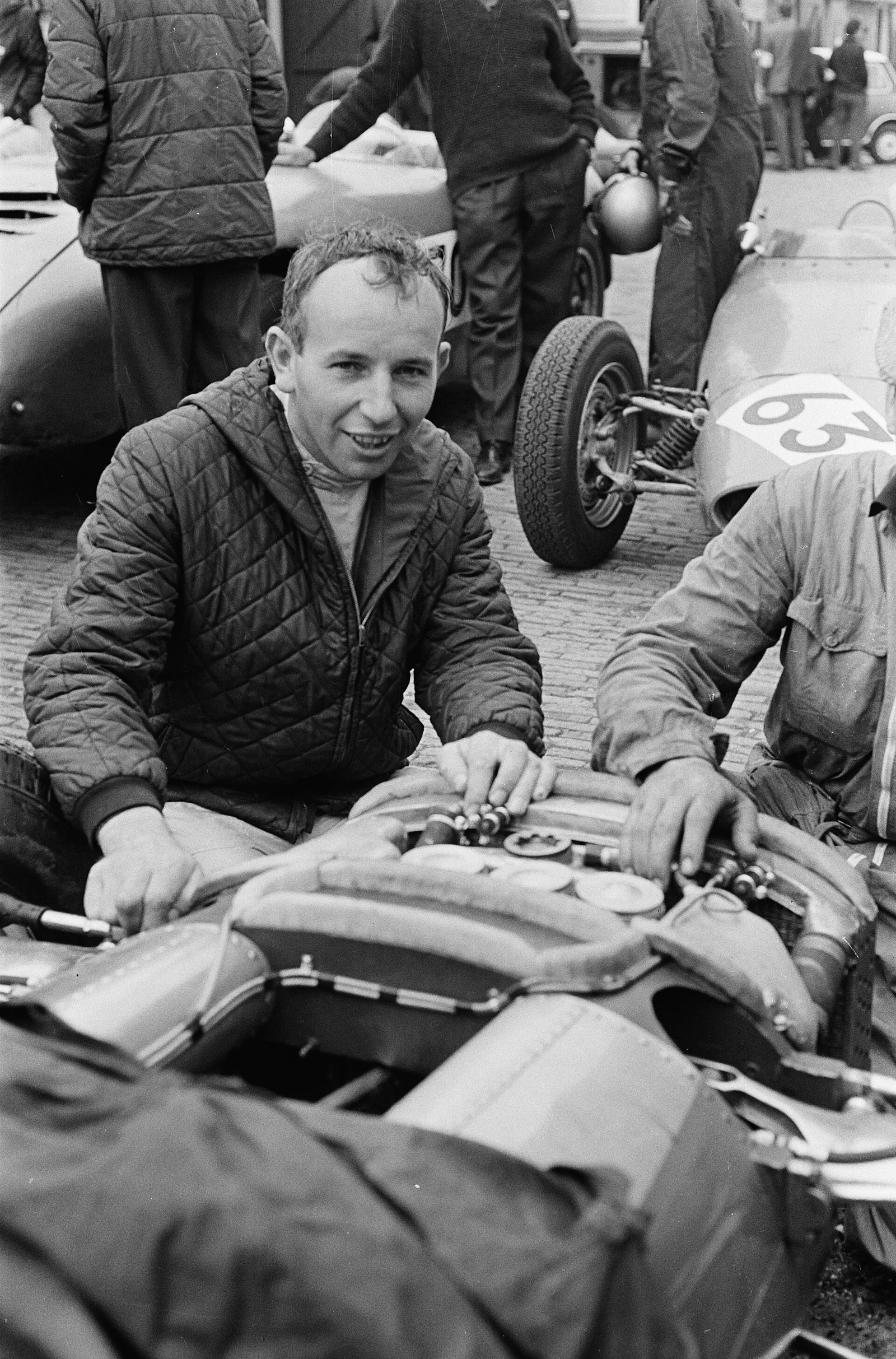
Ten races, three wins for Jim Clark and a final-race finish that gave John Surtees the title by a single point.
John Surtees of Ferrari won the 1964 Drivers' Championship, his first and only title, beating Graham Hill by one point after Jim Clark's Lotus stopped on the final lap of the last race. Ferrari also won the Manufacturers' Championship, its second title and the last until 1975.
The 1964 Formula One season was the 18th year of FIA Formula One racing and the 15th World Championship of Drivers. Ten races ran from 10 May to 25 October, and the title was decided in the final race for only the third time in the sport's history. John Surtees of Ferrari took the championship by a single point over Graham Hill.
What changed in the teams for 1964?
Trevor Taylor had raced for Team Lotus in 1963, yet two serious accidents, at Spa-Francorchamps and Enna-Pergusa, had unsettled him. Chapman, the Lotus boss, proposed a break from racing, but Taylor signed with British Racing Partnership instead. Lotus promoted its Formula Junior driver Peter Arundell to the Formula One team.
ATS had entered the 1963 season with its own chassis, aiming to challenge Ferrari, but after a year of technical difficulties it withdrew from the sport. Phil Hill, champion in 1961, went to Cooper to take over from Tony Maggs. Reg Parnell's private outfit swapped its Lola for used Lotus cars, which marked the end of Lola's involvement until its collaboration with Honda in 1967.
Ten races, three wins for Jim Clark, and a title settled by a single point in the very last race.
What happened to Peter Arundell and Carel Godin de Beaufort?
Peter Arundell was severely injured in a Formula Two race at Reims-Gueux, and Mike Spence replaced him from the British Grand Prix. Carel Godin de Beaufort crashed in practice for the German Grand Prix and died in hospital, and his death marked the disappearance of Porsche's name from Formula One until 1983.
Godin de Beaufort had driven a Porsche 718 in all his races since 1961, although he was not a works driver. Honda also arrived in the middle of the season, with its own chassis and engine, something only Ferrari and BRM were doing at the time. Ronnie Bucknum made his Formula One debut in the Honda at the German Grand Prix.
Maurice Trintignant retired at the age of 46 after 15 seasons in Formula One. He was the last driver still racing who had competed in the first World Championship season, in 1950.
How did the calendar change in 1964?
The Dutch Grand Prix moved four weeks forward to come before the Belgian race, and the Austrian Grand Prix joined the championship for the first time on 23 August. The South African race, planned for 26 December, slipped back a week and opened the 1965 season instead.
The Austrian race had first run as a non-championship event in 1963. Its 1964 round was the first as part of the title race, and the airfield surface would prove punishing for several cars.
How did Monaco and the Netherlands unfold?
Graham Hill won Monaco, a lap ahead of BRM teammate Richie Ginther, after Jim Clark's oil leak ended a race he had led from pole. Clark won again at Zandvoort, with Surtees second and Arundell third.
Clark took pole by 0.1 seconds from Brabham, with Hill third and Surtees fourth. He pushed hard from the start, but overdid it at the harbour chicane and clipped the straw bales, losing time as he pitted to repair the damage. Gurney overtook Hill and Brabham on lap 12, but Brabham and Surtees both retired. Just past half-distance Hill took the lead, while Gurney went out with a gearbox failure. Clark could not match Hill's pace, and an oil leak forced him out with four laps to go. Hill won a lap clear of Ginther, which gave BRM a 1-2. Arundell took third for Lotus, while Clark, classified fourth, still collected valuable points.
At Zandvoort, Gurney took pole with Clark and Hill beside him. Gurney braked first for Tarzan corner, and Clark slipped past and pulled away. Gurney retired on lap 22, and Hill's BRM developed a misfire. Clark, Surtees and Arundell finished in that order.
How did Belgium and France go?
Clark narrowly won the Belgian Grand Prix on the final lap, after Gurney's 40-second lead evaporated through low fuel and Hill's fuel pump failed. At the French race Gurney won unchallenged for Brabham after Clark's engine lost a cylinder.
Gurney took pole in Belgium, ahead of Hill and Brabham, while Arundell, Surtees and Clark formed the second row. Arundell reached Eau Rouge first at the start, but Gurney, Surtees and Clark soon led. Surtees's Ferrari engine failed, his second retirement in three races. Gurney broke the lap record several times and built a 40-second lead, but he was running low on fuel and slowed so much that Hill overtook him before the pits. On the last lap Hill stopped with a failing fuel pump, and McLaren's car began to splutter. Clark streaked by on the downhill run to the line and won narrowly, with McLaren second and Brabham third. He ran out of fuel on his cool-down lap and was brought back on the engine cover of a teammate's car.
The French Grand Prix saw Clark take pole, ahead of Gurney and Surtees. Clark and Gurney quickly pulled clear of the rest, and Surtees retired. Clark set a new lap record before his engine lost a cylinder, and he pitted and retired. Gurney took an unchallenged victory, with Hill second and Brabham third after a fierce battle for places.
What happened at Brands Hatch and in Germany?
Clark won the British Grand Prix at Brands Hatch from pole, ahead of Hill, with Surtees third. At the German race Surtees, starting from pole, won for Ferrari after Clark retired on lap 7.
Brands Hatch hosted the British round for the first time, which also carried the honorary European Grand Prix title. Clark took pole, ahead of Hill and Gurney. Gurney was second at the start but had to pit on lap 3 with electrical trouble. Hill pressed Clark for the whole race, but Clark held on to win, with Surtees third in his Ferrari.
During practice for Germany, Carel Godin de Beaufort crashed his orange Porsche 718. He was rushed to hospital, but he did not recover. Honda made its debut with reliability problems in its chassis and engine. The organisers added an extra practice session so that Ronnie Bucknum could complete the minimum laps for qualifying, which also gave the local driver Gerhard Mitter a chance.
Surtees took pole ahead of Clark and Gurney, but Bandini led at the start. Surtees and Clark passed him on lap 2, and then Gurney challenged the pair and snatched the lead. Gurney's engine overheated, and Clark retired on lap 7. Surtees won, ahead of Hill and Bandini.
What was the Austrian race like?
Graham Hill took his first pole position at the Austrian Grand Prix, but the rough airfield surface wrecked several cars. Bandini won for Ferrari, with Ginther second and Bob Anderson third, after Gurney had led until lap 47.
Surtees, Clark and Hill made up the front row. Hill and Clark botched the start, which let Gurney into the lead. Surtees passed Gurney on lap 2, but his rear suspension collapsed on lap 8. Hill was out on lap 5, the Lotuses of Clark and Spence went out on lap 40, and Gurney retired from the lead on lap 47. Bandini took over at the front, ahead of Ginther and Jo Bonnier. Bonnier's engine failed near the finish, and he dropped back, which let Bob Anderson into third. After seven rounds, Hill led on 32 points, with Clark on 30 and Surtees third on 19.
How did the Italian race change the title fight?
Surtees won the Italian Grand Prix, with McLaren second and Bandini third. Clark and Hill both retired, which put Surtees into contention for the Drivers' title and gave Ferrari the top spot in the Manufacturers' table.
Surtees took pole, ahead of Gurney and Hill. Clark started fourth and gained when Hill's clutch would not bite. McLaren, starting fifth, briefly led, but Gurney and Surtees passed him by the half-lap mark. Surtees took the lead on lap 2, and Gurney was back in front on lap 5. On lap 27 Clark retired with a broken piston, and Hill also dropped out. Gurney's engine began to misfire on lap 68, and he slowed to no points. Surtees won easily, and Bandini took third after a race-long battle that left him half a car length ahead of Ginther.
What happened at the United States Grand Prix?
Hill won the United States Grand Prix at Watkins Glen, half a minute ahead of Surtees, after Clark's fuel pickup problem forced a car switch. Ferrari entered its cars in white and blue as a protest, and the race was the fourth time the event had been held at Watkins Glen.
The Ferrari cars were not painted in their usual red, but in white and blue, the national colours of the United States. The move was a protest about a dispute between Enzo Ferrari and the Automobile Club d'Italia over the homologation of a new mid-engined sports car. The cars were entered by the American privateer North American Racing Team.
Clark took pole, ahead of Surtees and Gurney. At the start Clark lost out to Surtees and to Lotus teammate Mike Spence, who had come up from sixth on the grid. Hill had started fourth, and on lap 5 he moved past Spence and Clark. Clark then found his rhythm and passed the leaders to take the lead, but his Climax engine began to have trouble picking up fuel. Colin Chapman called Spence into the pits to switch cars, but that car had problems too. Hill took the lead and kept it, finishing half a minute clear of Surtees, with Jo Siffert a lap down in a privately run Brabham.
How was the final race decided?
Gurney won the final race of the season, but Clark's Lotus stopped on the last lap, which handed Surtees the title. Surtees finished the championship one point ahead of Hill, and Ferrari took the Manufacturers' title.
Only twice before had the championship been settled on the final race of a season. For the first time, three drivers and three manufacturers had a chance of winning the titles. Hill, on 39 points, and Surtees, on 34, with their teams Ferrari on 43 and BRM on 42, needed only to win. Clark, on 30, and Lotus, on 36, had to win and hope that their rivals finished low.
Clark took pole ahead of Gurney and Bandini, while Surtees and Hill made slow getaways from fourth and sixth. After a third of the race Clark led comfortably, with Gurney more than 10 seconds back and Hill, Bandini and Surtees behind. Hill and Bandini fought hard and locked wheels, both spinning, which let Surtees through and forced Hill into the pits. With eight laps to go Clark seemed certain to win, but his car began losing fluids and he had to ease off. Gurney moved into the lead to take his second win of the season, and Bandini let Surtees through to fight for second. Had Clark finished ahead of Surtees, Hill would have been champion. Instead, the Lotus ground to a halt on the last lap, and the Ferrari pair could relax.
What were the final standings in 1964?
John Surtees finished the season on 40 points, one ahead of Graham Hill on 39 and well ahead of Jim Clark on 32. Ferrari gathered 45 points in the Manufacturers' table, ahead of BRM on 42 and Lotus on 37.
Surtees's title was his first and only one, and it came on the final race of the season. Ferrari's Manufacturers' title was its second, and the last one the team would win until 1975.
Who won each round in 1964?
Clark won three of the ten rounds, Hill and Gurney won two each, and Surtees won two. Bandini won the Austrian race, and the title went down to one point. The table lists each round in order.
| Round | Race | Winner | Team | Note |
|---|---|---|---|---|
| 1 | Monaco | Graham Hill | BRM | Clark out with an oil leak |
| 2 | Netherlands | Jim Clark | Lotus | Surtees second, Arundell third |
| 3 | Belgium | Jim Clark | Lotus | Narrowly ahead of McLaren on the last lap |
| 4 | France | Dan Gurney | Brabham | Unchallenged, Gurney's first win |
| 5 | Britain (Brands Hatch) | Jim Clark | Lotus | Hill pressed him all race |
| 6 | Germany | John Surtees | Ferrari | Clark out on lap 7 |
| 7 | Austria | Lorenzo Bandini | Ferrari | Rough airfield surface |
| 8 | Italy | John Surtees | Ferrari | Clark and Hill both retired |
| 9 | United States (Watkins Glen) | Graham Hill | BRM | Surtees half a minute behind |
| 10 | Final race | Dan Gurney | Brabham | Clark's Lotus stopped; Surtees champion |