Savannah, Watkins Glen, Phoenix, Indianapolis and Austin: how the race kept finding new homes.
The United States Grand Prix began in 1908 as the American Grand Prize at Savannah, Georgia. Across 54 editions it has used ten venues. Its best-known homes have been Watkins Glen, Phoenix, Indianapolis and Austin, and since 2012 the race has been held at Circuit of the Americas.
The United States Grand Prix started in Savannah, Georgia, in 1908 as the American Grand Prize, and the event has since taken place 54 times across ten venues. Watkins Glen, Phoenix, Indianapolis and Austin each carried the race for a stretch, and Circuit of the Americas has staged it every year since 2012 apart from 2020. The story is as much about the moves as about the winners.
Where did the United States Grand Prix begin?
The first race was run on Thanksgiving Day in 1908 on a course laid out by the Savannah Automobile Club. The Automobile Club of America sponsored the American Grand Prize under Grand Prix rules, because the American Automobile Association had not adopted the new regulations. The circuit was a lengthened version of the club's stock car course, measuring 40.443 km (25.130 mi).
Crowd control was a worry from the start. The Vanderbilt Cup, founded by William Kissam Vanderbilt II on Long Island in 1904, had produced spectator deaths and cancelled its 1907 event before the Grand Prize began. State authorities at Savannah used convict labour to build the circuit and sent militia to help the police keep crowds back.
The 1908 field had 14 European and six American entries. Louis Wagner won for Fiat by 56 seconds, and the course was shortened to 27.842 km (17.300 mi) for the 1910 race, which was held at short notice. David Bruce-Brown won that one by 1.42 seconds from Victor Hemery, both of them Benz drivers.
Ten venues, 54 editions and a race that kept finding new homes.
Why did road racing fade after 1916?
Road racing lost ground after the First World War, as European entries dwindled and American oval racing took off. The Grand Prize was discontinued after 1916, and the aborted 1917 championship had been slated to feature eight events, all of them ovals. Only the Indianapolis 500 kept a link to Grand Prix regulations for a time, running to them from 1923 to 1930 and again from 1938 to 1953. The Indianapolis 500 winner received the Grand Prize trophy from 1930 to 1936.
The Vanderbilt Cup and the Grand Prize had shared a calendar until 1916. The revived Vanderbilt Cup of 1936 and 1937, held at the Roosevelt Park Autodrome close to New York, suffered a lack of competition, with Bernd Rosemeyer and Tazio Nuvolari dominating. The races became a commercial failure.
What happened at Riverside and Sebring?
Riverside International Raceway opened in 1957 about 80 km (50 miles) east of Los Angeles. In 1958 a race there was promoted under the United States Grand Prix name, and more than 50 cars and drivers from American and European sports car series took part. Chuck Daigh won in a Scarab, although the race was not part of the World Championship.
Alec Ulmann, who had staged the first 12 Hours of Sebring in 1952, moved a Formula One race to Sebring in December 1959. Bruce McLaren won for Cooper, becoming the youngest Grand Prix winner of his era. Jack Brabham ran out of fuel on the last lap and pushed his car home fourth, and Tony Brooks finished third for Ferrari, which gave Brabham and Cooper the Drivers' and Constructors' titles.
Sebring's promoters barely broke even, and prize money cheques bounced. Riverside's 1960 race, won by Stirling Moss from pole in a privately entered Lotus, was no better received than the year before.
Watkins Glen: the Mecca of American road racing
In August 1961, Cameron Argetsinger, who ran the circuit at Watkins Glen in upstate New York as its executive director, offered it to ACCUS, which accepted on 28 August. He had six weeks to organise the race. Scuderia Ferrari did not make the trip, so Richie Ginther and the newly crowned champion Phil Hill missed their home Grand Prix, and Innes Ireland took a surprise win for Team Lotus.
The original circuit had similarities to Brands Hatch in England. More than 60,000 spectators came, and the race turned a profit. The prize money was paid in cash. The circuit hosted the United States Grand Prix for twenty years and became the Mecca of American road racing.
How did the Watkins Glen circuit change in 1971?
The 1971 rebuild cost nearly $2.5 million and lengthened the track to 5.435 km (3.377 mi). Most corners on the new layout were banked and long, and the course turned into a fast, demanding circuit. Francois Cevert won the first race on the completed circuit for Tyrrell, collecting the biggest cash prize in Formula One at the time, $267,000.
The purse kept growing with the track. The 1969 race offered a purse of $200,000, of which $50,000 went to the winner, and by 1972 the purse had reached $275,000, with Tyrrell taking a record $100,000 that year. Jim Clark had won at Watkins Glen in 1962, 1966 and 1967.
Why did Watkins Glen stop hosting the race?
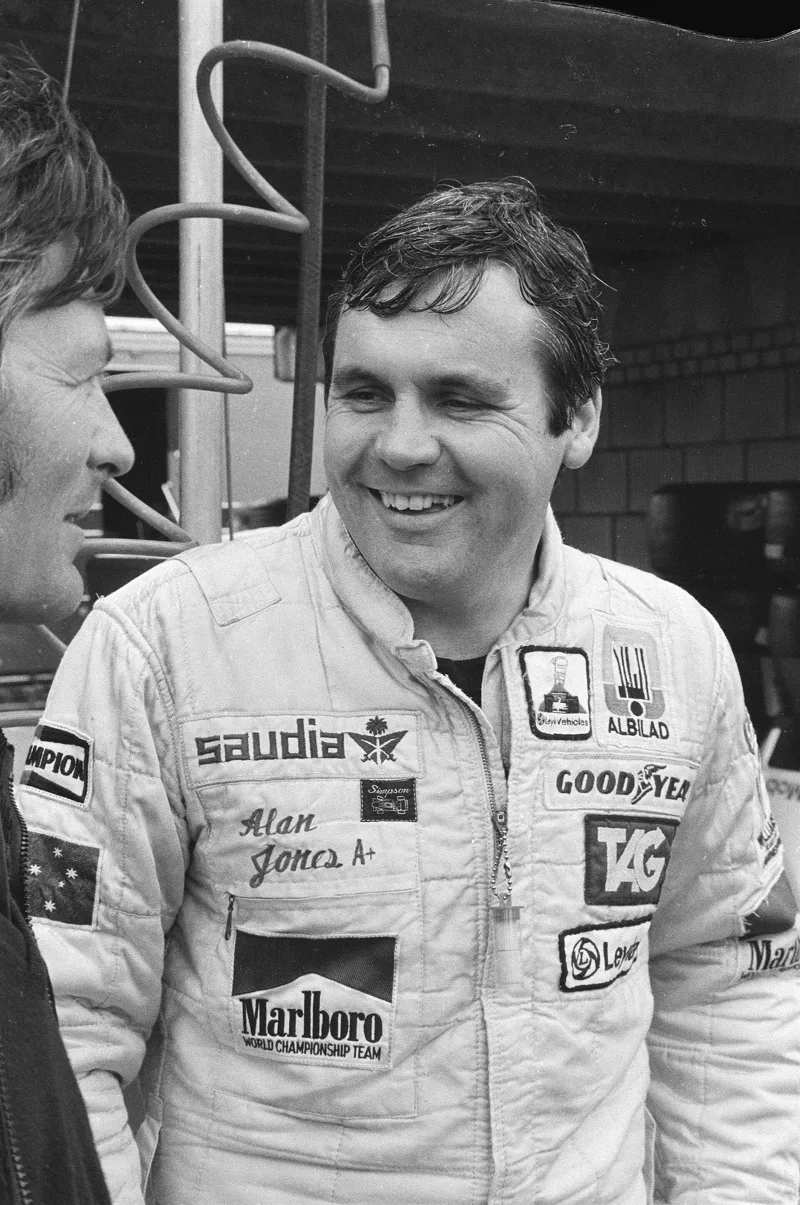
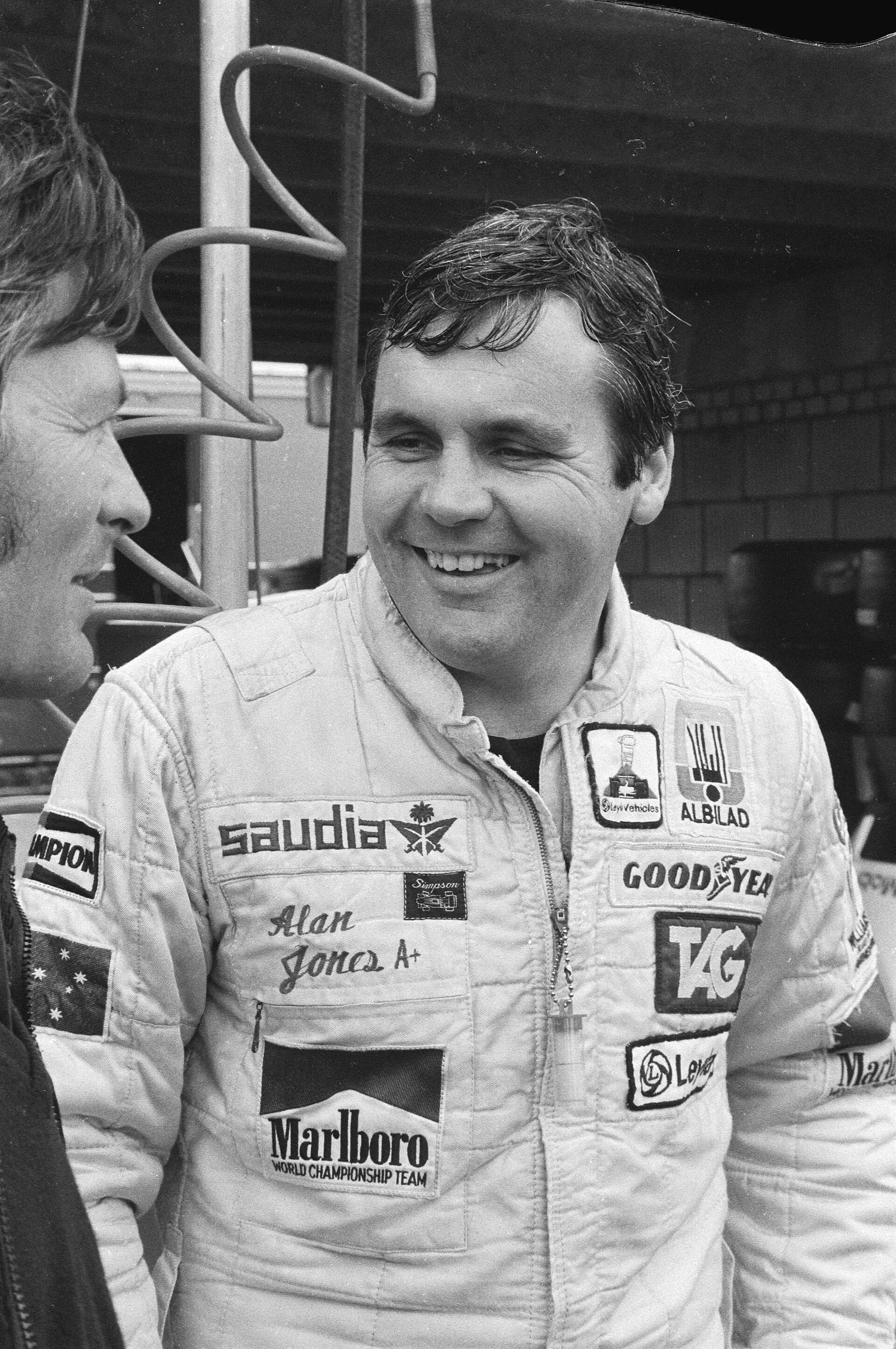
Watkins Glen lost the race because its facilities, security and crowd behaviour drew complaints by the late 1970s. FISA demanded safety improvements in 1978, and the Formula One Constructors' Association lent $750,000 to pay the prize money and expenses. Alan Jones won the final race there in 1980 for Williams, and a 1981 date was cancelled after the debts went unpaid.
Drivers complained about the bumpy surface, and vandals burned cars. A Greyhound bus was set alight in 1974. The Esses had already received a medium-speed chicane in 1975 to slow the cars.
Drivers who left their mark on the circuit
Watkins Glen produced a run of memorable winners in the late 1960s and early 1970s. Jackie Stewart won there in 1968 and Jochen Rindt in 1969, the year Graham Hill crashed out and was thrown from his car, breaking both legs. Emerson Fittipaldi won in 1970 in only his fourth Formula One start, and Rindt, who was killed practising at Monza that season, went on to win the Drivers' title posthumously.
The later 1970s produced its own winners. James Hunt took the 1976 race with Niki Lauda third, then won again in 1977 on a wet track, holding off Mario Andretti by two seconds. Carlos Reutemann won the 1978 race two weeks after Ronnie Peterson's death at Monza, and Gilles Villeneuve took a wet 1979 race after Alan Jones retired while leading.
What other American Grands Prix ran alongside it?
Long Beach hosted United States Grand Prix West from 1976 to 1983, so the country held two races in the same seasons. Caesars Palace staged a Formula One race in 1981 and 1982, in Las Vegas, and the Detroit Grand Prix ran in the centre of the city from 1982 to 1988. In 1982 the United States held three Grands Prix, a first for the World Championship.
Mario Andretti won the 1977 race at Long Beach, and he remains the only American to win the race in its championship era.
What went wrong at Phoenix and Indianapolis?
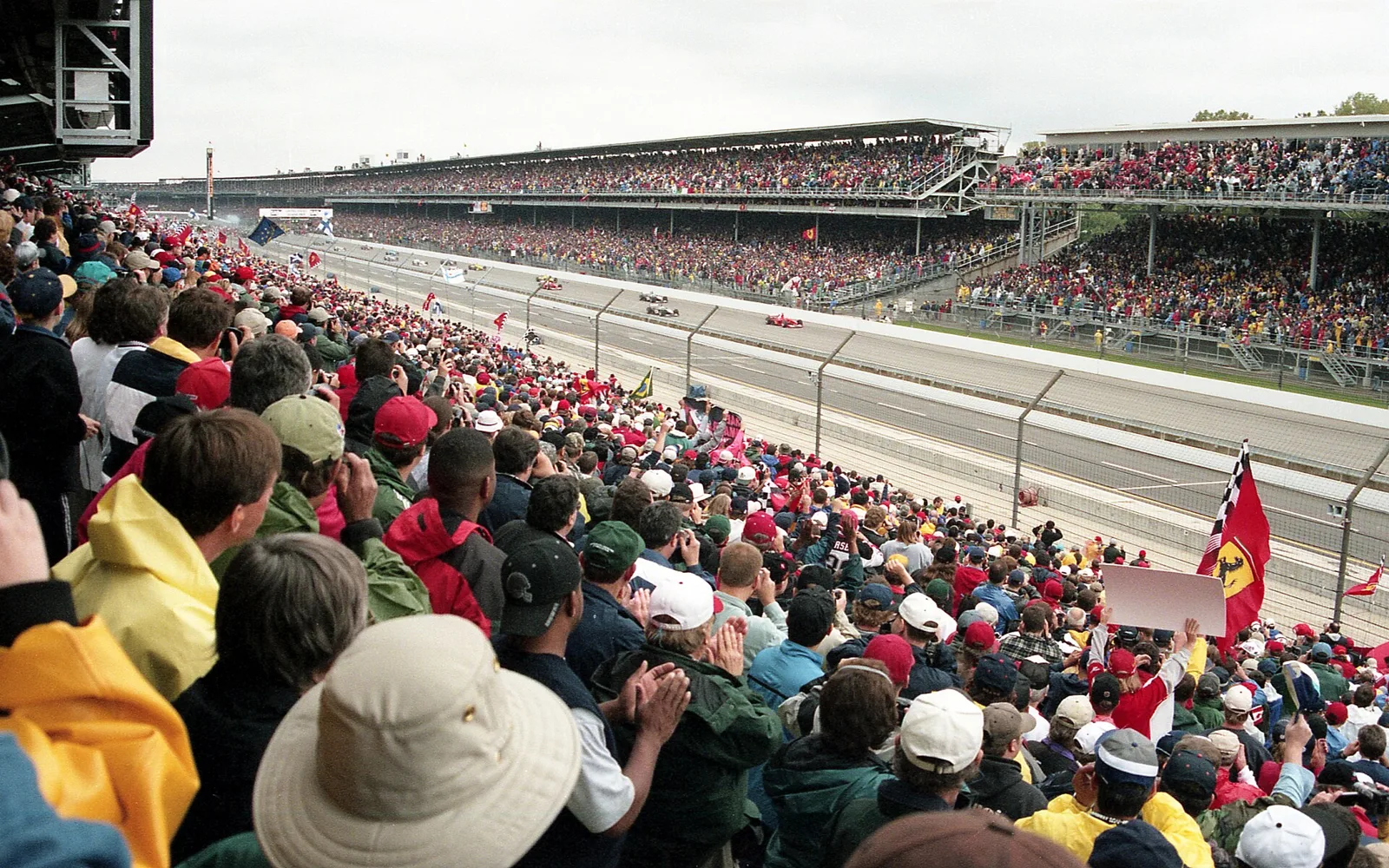
Phoenix hosted the race from 1989 to 1991 on a street circuit that drivers disliked, and FISA voted to cancel the contract with the city on 7 October 1991. Indianapolis took the race from 2000 to 2007, when its crowd was estimated above 225,000 in the first year. Tyre trouble in 2005 led many commentators to question whether the race should return to Indianapolis.
The Phoenix Street Circuit was largely ignored by the local public. The first race, held at short notice in June, sold 34,441 tickets against a 40,000 capacity. Alain Prost won in 1989 for McLaren, his only Grand Prix win in the United States. Ayrton Senna won in 1990 and in 1991, when the revised layout was generally seen as an improvement.
Indianapolis ran on an infield road course of 4.194 km (2.606 mi) that took about a mile of the oval, run in a clockwise direction. Seven teams withdrew after the formation lap in 2005, because of Michelin tyre problems. Lewis Hamilton won the last United States Grand Prix held at Indianapolis, in 2007.
How did Austin secure the race?
Austin was awarded the race on 25 May 2010 on a ten-year contract, with Full Throttle Productions as promoter. Hermann Tilke designed Circuit of the Americas on 800 acres (320 ha) east of the city. The race has been held there every year since 2012, apart from 2020, when COVID-19 forced its cancellation.
Several New York plans came first. In March 2010 Ecclestone announced a race for New York City in 2012, and a Jersey City plan was abandoned in May 2010. In November 2015 the state of Texas took almost $6 million out of the $25 million needed to host the race, and attendance fell to 224,011 that October after heavy rain from Hurricane Patricia.
Sebastian Vettel took pole for the first Austin race, but Lewis Hamilton won it and kept his unbeaten run in the United States.
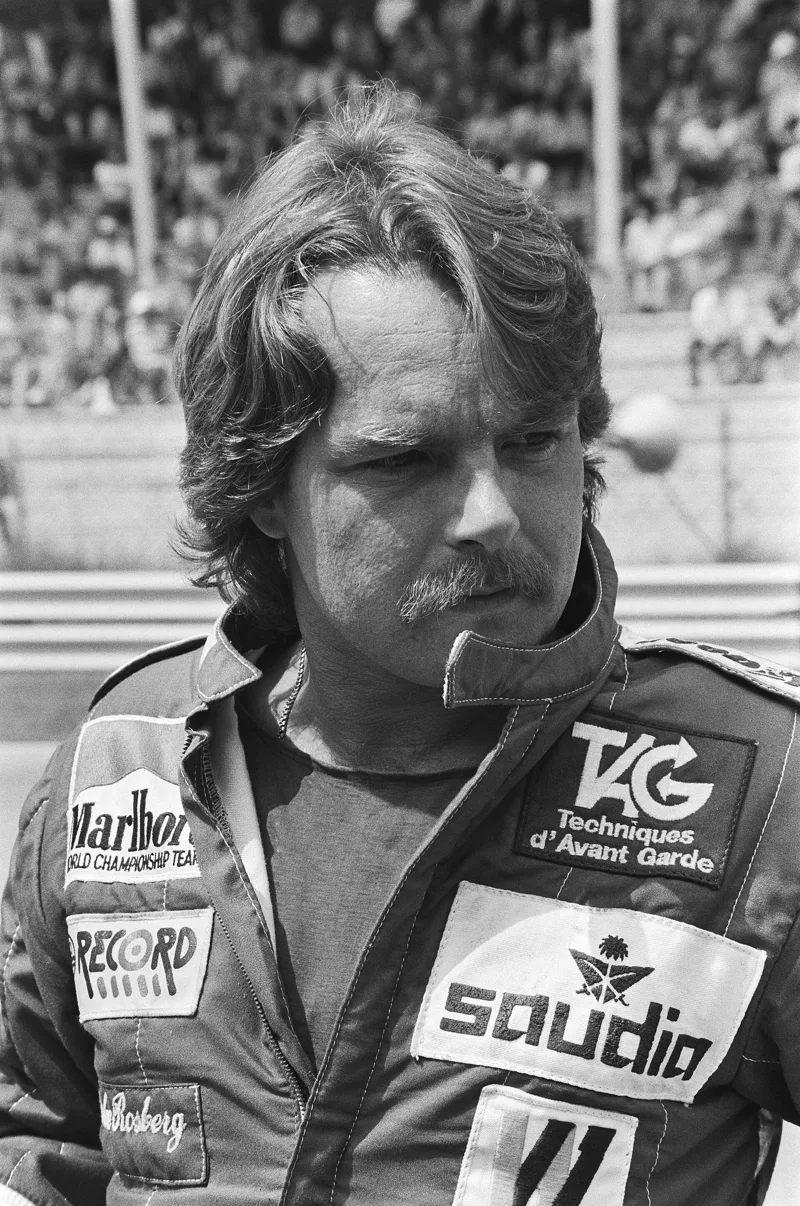
The race was confirmed to continue in Austin on 9 March 2016, despite the cuts. That year the weekend drew nearly 270,000 people, helped by a heated title battle between Lewis Hamilton and Nico Rosberg. Justin Timberlake's concert added 40,000 to attendance in 2017, when Hamilton won and former president Bill Clinton presented the trophy.
Venues and layouts through the years
| Venue | Years | Layout notes |
|---|---|---|
| Savannah, Georgia | 1908, 1910, 1911 | Lengthened stock car course, 40.443 km (25.130 mi) in 1908 |
| Milwaukee, Wisconsin | 1912 | Trapezoidal course at Wauwatosa, 12.682 km (7.880 mi) |
| Santa Monica, California | 1914, 1916 | 13.546 km (8.417 mi) road course, start-finish straight by the Pacific |
| San Francisco, California | 1915 | 6.180 km (3.840 mi) course around the Exposition grounds |
| Riverside, California | 1958, 1960 | Riverside International Raceway, opened 1957 |
| Sebring, Florida | 1959 | Built on the service roads and runways of the airport |
| Watkins Glen, New York | 1961 to 1980 | 3.782 km (2.350 mi) originally, 5.435 km (3.377 mi) from 1971 |
| Phoenix, Arizona | 1989 to 1991 | Phoenix Street Circuit, made up of second-gear 90-degree corners |
| Indianapolis, Indiana | 2000 to 2007 | 4.194 km (2.606 mi) infield road course, run clockwise |
| Austin, Texas | 2012 onward, not 2020 | Circuit of the Americas, designed by Hermann Tilke |
Records, crowds and famous moments
Crowds have ranged from modest to vast. Phoenix sold 34,441 tickets in 1989, while Indianapolis drew an estimated 225,000 in 2000. Austin's 2016 race weekend passed nearly 270,000 people through the turnstiles, the best-attended Grand Prix in Austin.
Some results became famous for the wrong reasons. Eddie Pullen's Mercer won the 1914 Santa Monica race by over 40 seconds, while Dario Resta won the 1915 San Francisco race by a seven-minute margin. At Milwaukee in 1912, David Bruce-Brown was killed in practice, and Ralph DePalma was seriously injured on the final lap in a collision with Caleb Bragg.
Why does the race still matter?
The race is the longest-running Formula One event held in the United States, and until 2022 it was the only Grand Prix on the calendar in the country. Miami followed in 2022 and Las Vegas in 2023, but Formula One at Circuit of the Americas is set to run until 2034.