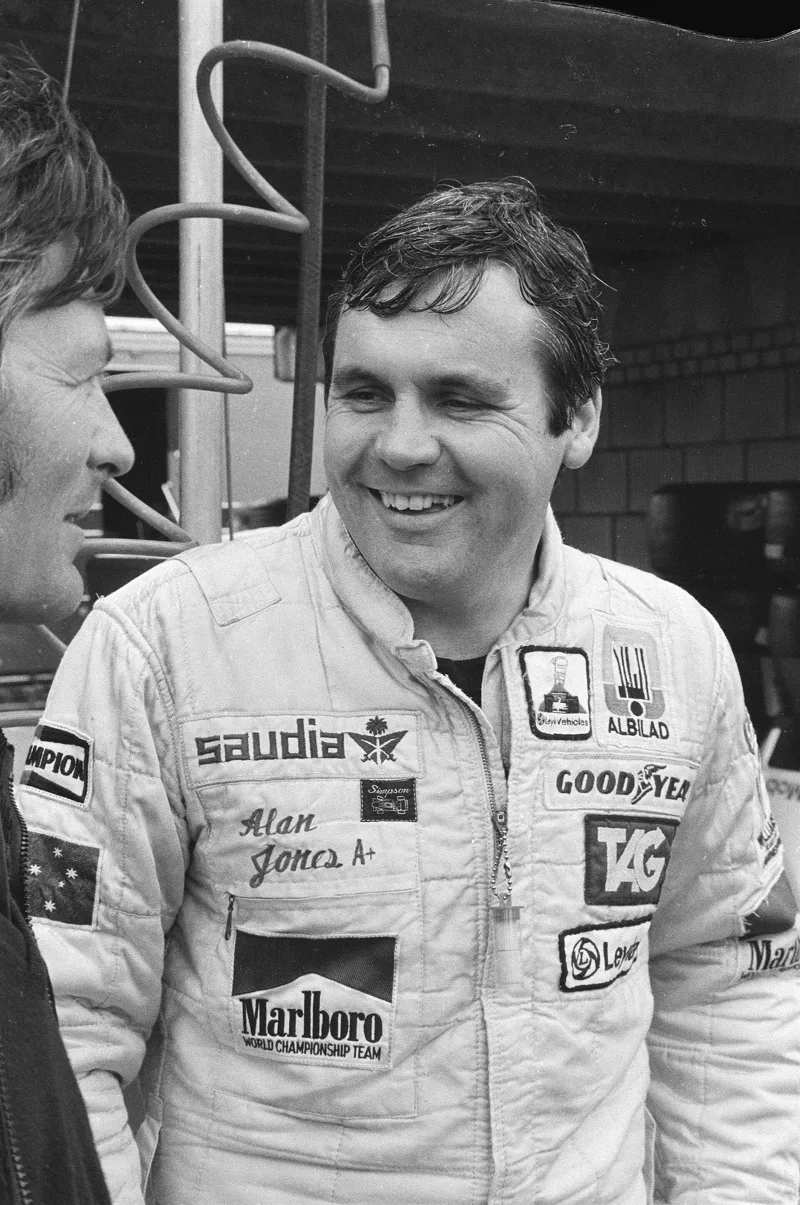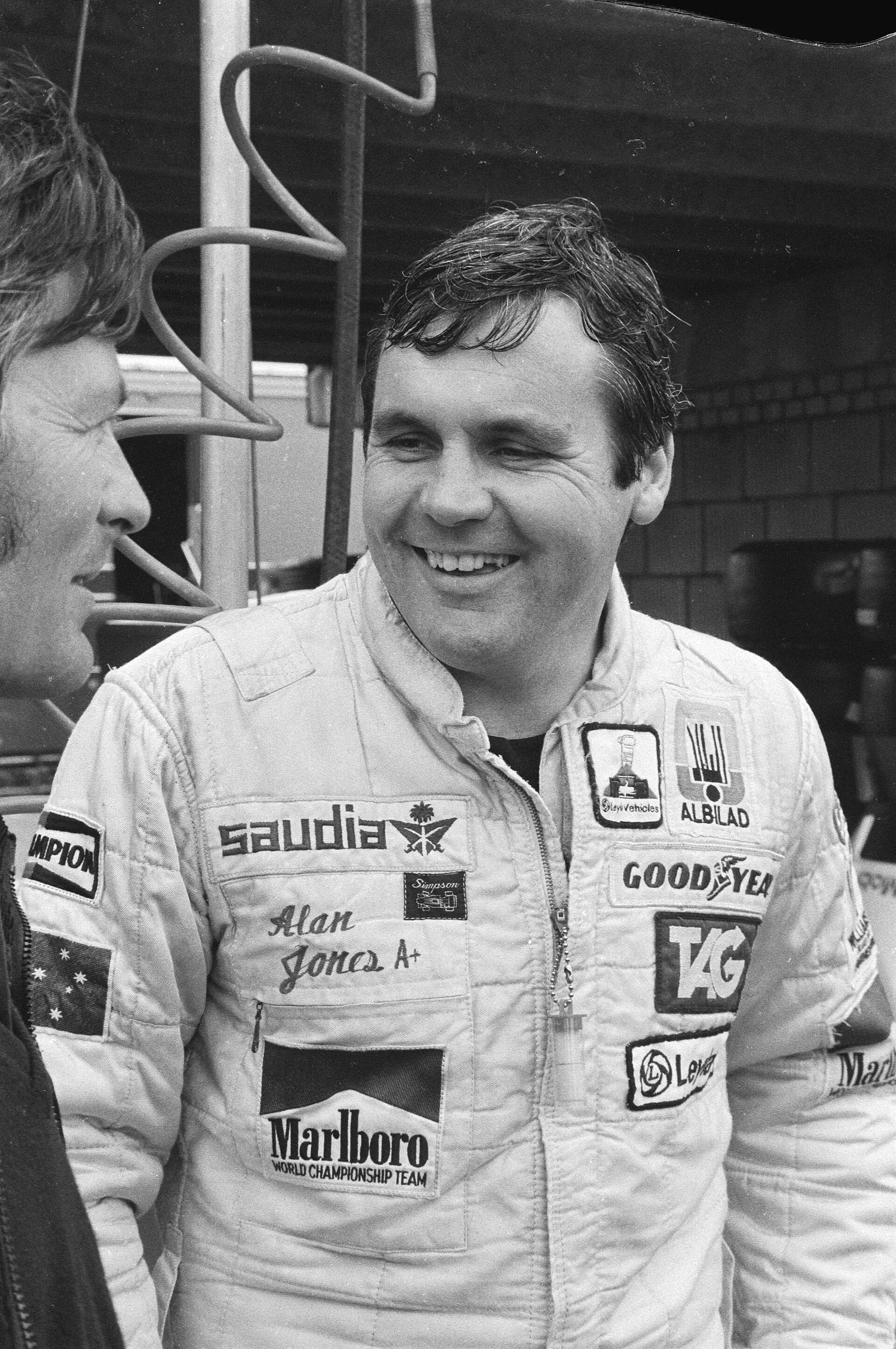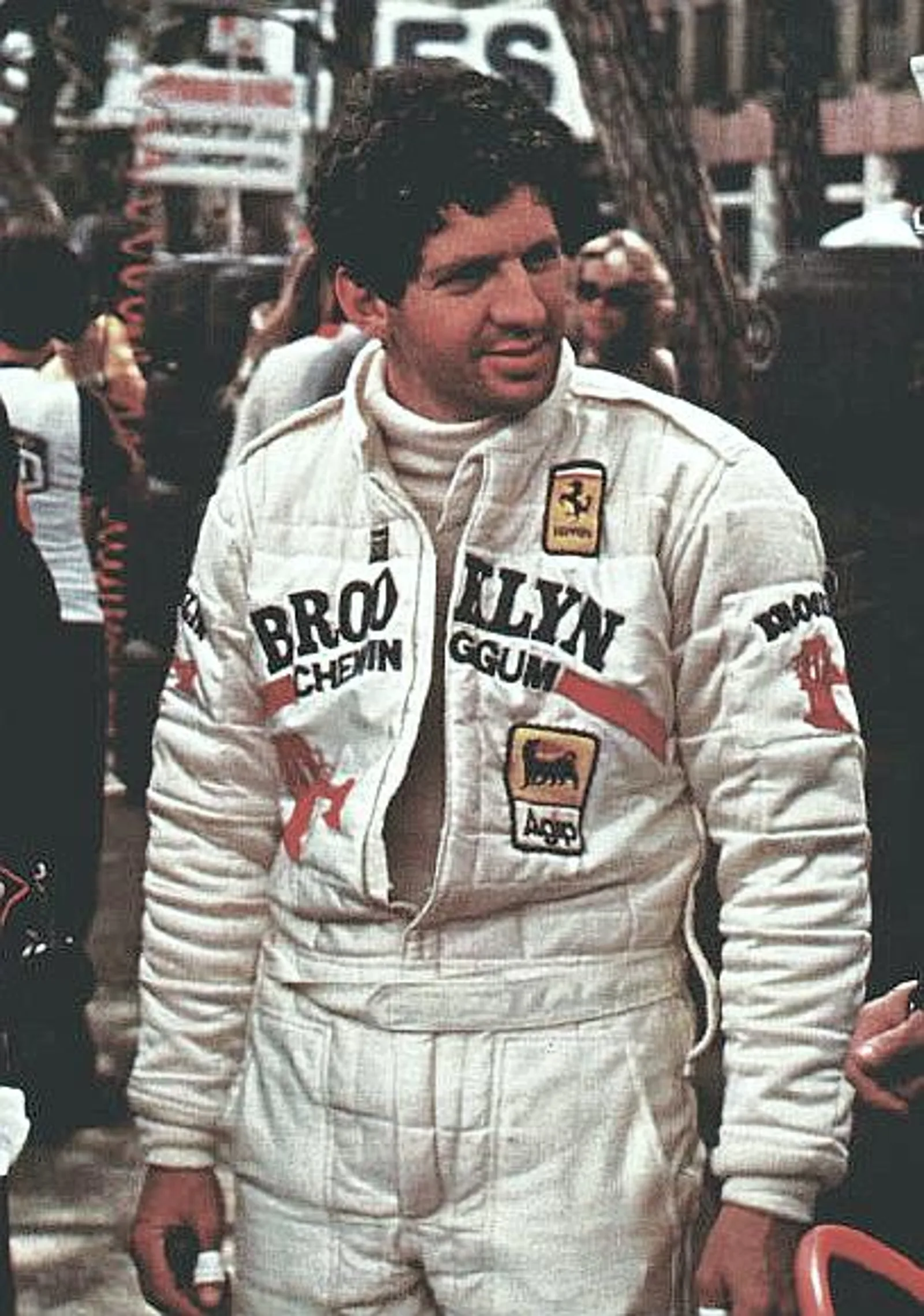
Fifteen rounds, a South African champion for Ferrari, four wins for Alan Jones at Williams and the first victory for a turbocharged car at Dijon.
Fifteen rounds made up the 1979 Formula One championship, held between 21 January and 7 October. Jody Scheckter won the drivers' title for Ferrari, and Villeneuve finished second as Ferrari took the constructors' crown.
The 1979 season was a year of ground-effect cars and changing faces. Fifteen rounds ran from Buenos Aires to Watkins Glen, and Jody Scheckter won the title for Ferrari while the grid was reshaped by the death of Ronnie Peterson the previous year.
What was the 1979 Formula One season?
The 1979 season ran for fifteen rounds between 21 January and 7 October and was the 33rd year of FIA Formula One racing. Jody Scheckter won the drivers' title, Ferrari took the constructors' crown for the fourth time in five years, and Gilles Villeneuve finished second in the standings.
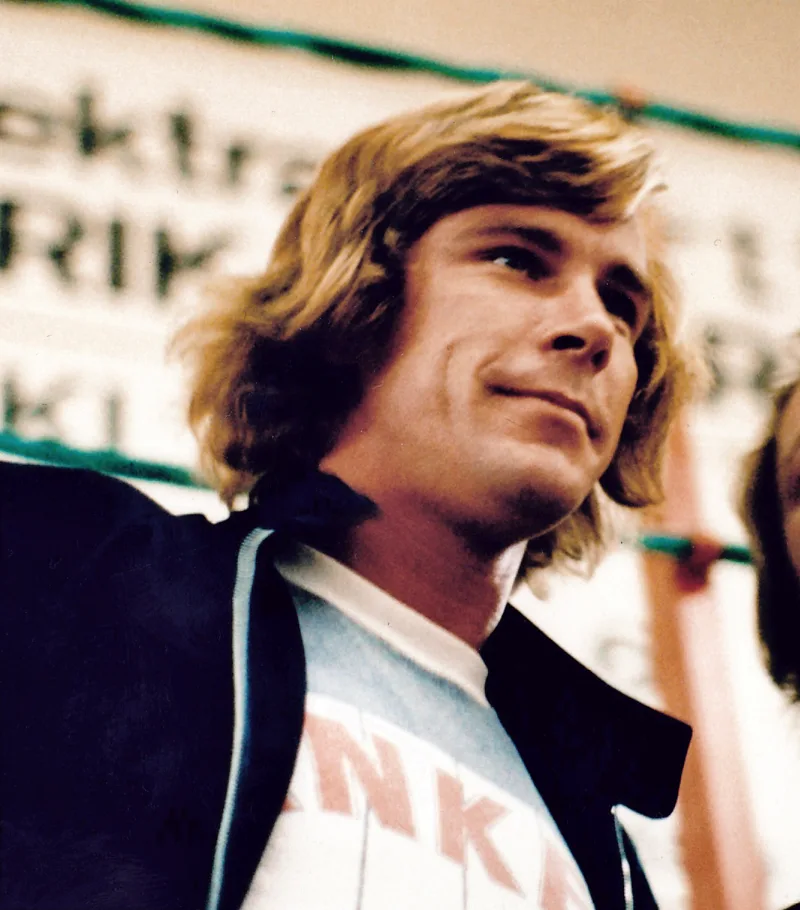
Three non-championship Formula One races were also held in 1979, but they did not count towards either championship. The season marked the final year for 1976 world champion James Hunt, who retired halfway through.
Ferrari's title was its last drivers' championship for 21 years. Scheckter also remains the first and only driver from an African country to win the world title, a fact that still stands in the record books.
A season of ground-effect cars and changing faces, settled by a South African driver at Ferrari and a turbo breakthrough at Dijon.
Which drivers changed teams before the 1979 season?
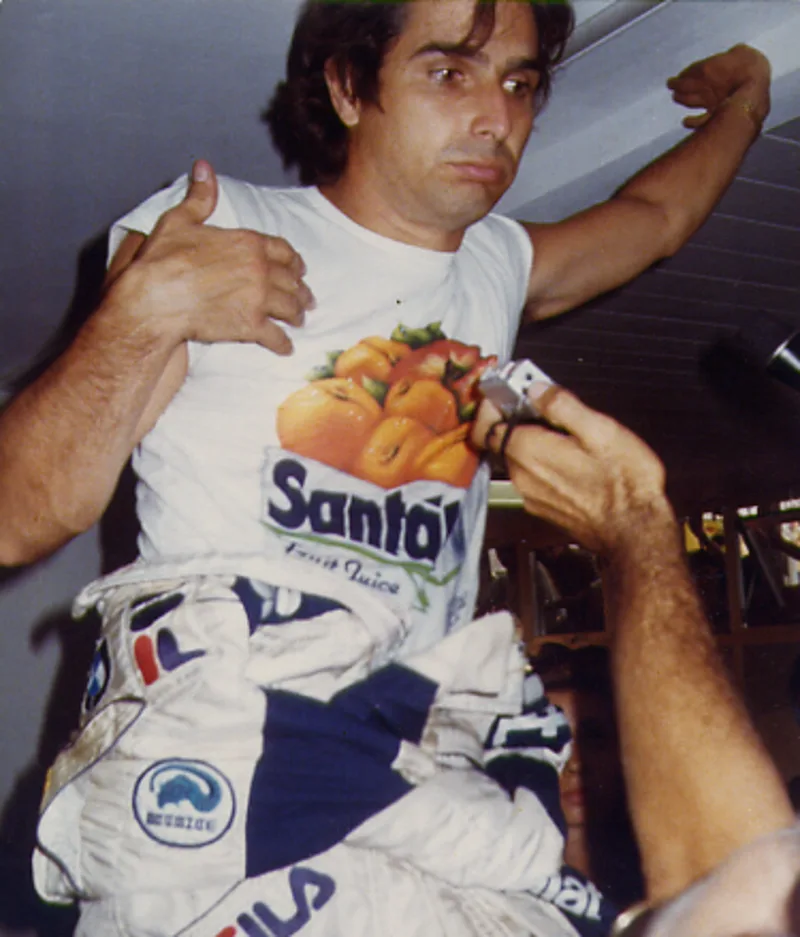
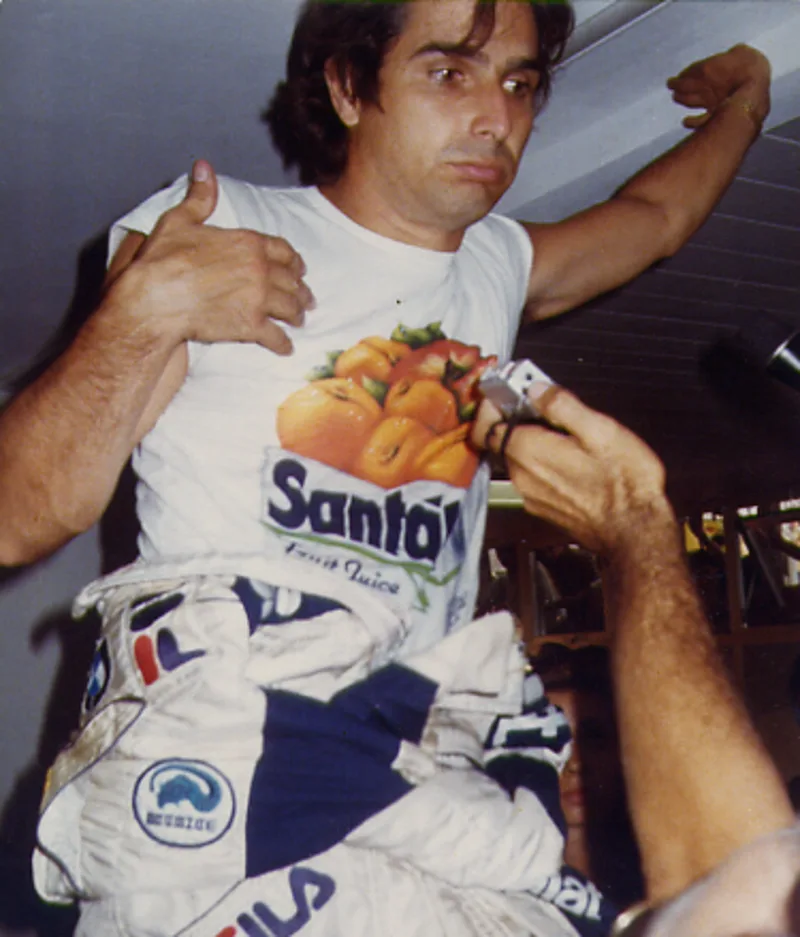
Lotus signed Carlos Reutemann from Ferrari to replace Peterson, Ferrari took Scheckter from Wolf, and Wolf hired Hunt. McLaren turned to John Watson after Peterson's death, and Brabham replaced Watson with Nelson Piquet. The switches were among the most notable of the season.
Tyrrell signed Jean-Pierre Jarier, who had driven for Lotus, while Patrick Depailler moved to Ligier. Clay Regazzoni went from Shadow to Williams, and Rene Arnoux moved to Renault for his second season. Shadow was left without drivers and signed Jan Lammers and Elio de Angelis, both making their Formula One debuts.
Several teams expanded to two cars for the first time. Williams and Renault both did so, and Ligier also ran two cars with Depailler alongside Jacques Laffite. Arrows replaced Rolf Stommelen with Jochen Mass.
How did ground effect change the cars?
The dominance of the Lotus 79 forced every team to build a new ground-effect car for 1979. Team Lotus, keen to stay ahead, was designing the Lotus 80, and most rivals had to catch up with the same technology. The result was a grid full of new designs, with varying success.
Ferrari produced the 312T4, which was handicapped aerodynamically by its flat-12 engine. That engine was nonetheless very powerful. Williams finished the FW07 design, Renault prepared the RS10, and Brabham received a new Alfa Romeo V12 engine for Niki Lauda and Piquet.
Tyrrell struggled for money as Elf put its backing behind Renault, and Ligier moved away from the Matra engine to Cosworth units. Ligier's designer, Gerard Ducarouge, drew the JS11, while Tyrrell's Maurice Philippe designed a new 008 chassis.
How did the early races unfold?
Argentina opened the season with Ligier on top in qualifying, and Jacques Laffite took pole ahead of Patrick Depailler. Watson's McLaren collided with Scheckter's Ferrari at the very fast first corners, and the chaos that followed brought out the red flag. Piquet was taken to hospital, but no one else was hurt.
After the restart Laffite took the lead from Depailler and drove away to win. Reutemann drove a stirring race in front of his home crowd to finish second, with Watson third. Brazil followed at Interlagos, the 5-mile circuit in Sao Paulo, where Laffite again dominated and Depailler finished second to give Ligier a one-two.
Reutemann completed the podium in Brazil, and the early rounds set Ligier up as the team to beat. Laffite's form in South America was clean, and the rest of the grid had to answer that pace in Europe and North America.
What happened in South Africa?
At the high-altitude Kyalami circuit, Ferrari debuted the ground-effect 312T4 in place of the 312T3 used in South America. Jabouille surprisingly took pole in the old non-ground-effect Renault RS1, helped by the extra horsepower the car had at altitude. Villeneuve and Scheckter were on the front row behind him.
A cloudburst stopped the race early, and Villeneuve was on pole for the restart after moving ahead of Scheckter and Jabouille. Several drivers, including Scheckter and Depailler, gambled on slicks as the track dried. Scheckter took the lead when Villeneuve pitted, but Villeneuve later regained the advantage.
Villeneuve won the race with Scheckter close behind, and Jarier took the final podium place. The gap closed to four seconds at the flag, and Scheckter's second place gave Ferrari a one-two. Andretti finished fourth and Reutemann fifth, with Lauda sixth.
What happened at Long Beach?
At the Long Beach street circuit, Villeneuve took pole in his 312T4 and went on to win the race. Scheckter finished second, giving Ferrari another one-two, while Alan Jones took third after passing Depailler and Andretti in the closing stages.
The start was a mess. Reutemann was forced to start from the pits because of an electrical failure, and Laffite's car locked up on the grid. Villeneuve led the field around again, and the race finally got under way with Villeneuve in front and Depailler holding off Scheckter.
Further back, Tambay ran into the back of Lammers and was launched into the air, landing on top of Lauda's Brabham. Both cars were out. Renault withdrew its entries after breaking gearboxes throughout practice, citing safety concerns.
How did Scheckter build his title lead in Europe?
Scheckter's title push gathered pace in Belgium and Monaco. He won at Zolder and then again at Monte Carlo, and by the time the season reached Italy he led the standings. His rivals found it hard to match his consistency.
Spain belonged to Depailler, who won ahead of Reutemann and Andretti. The Lotus 80 was ready for Andretti, but Laffite took pole only to blow his engine on the way to a disappointing race.
At Zolder, Depailler led early but was passed, and Jones and Laffite took turns at the front. Scheckter moved ahead on lap 54 and won, with Laffite second, Pironi third and Reutemann fourth. Villeneuve finished seventh after running out of fuel on the final lap.
At Monaco, Scheckter led from the start and held off a late charge from Regazzoni, who finished four-tenths of a second behind. Reutemann took third after Depailler's engine failed, and Watson was fourth.
Why was the French Grand Prix historic?
The French Grand Prix at Dijon-Prenois gave Renault its first Grand Prix victory, and it was the first win for a turbocharged engine. Jabouille won the race, and the result marked an important turning point in Formula One history, one the race is still remembered for.
The race was also remembered for a battle between Arnoux and Villeneuve over the final lap. Arnoux took the lead, but his engine began to misfire, and Villeneuve was back in front for the last lap. Villeneuve went down the inside to take second, crossing the line just two-tenths of a second ahead.
Jones finished fourth, Jarier fifth and Regazzoni sixth. The turbocharged engine had become competitive, and its success changed what the rest of the field would have to build.
Why was Williams so strong at mid-season?
Williams won three successive races, at Silverstone, Hockenheim and the Osterreichring. Regazzoni won the British Grand Prix, a victory that gave team owner Frank Williams his first Grand Prix win, and Jones took the next two. That run turned the team into the car to beat in the second half of the year.
At Silverstone, Jones took pole by six-tenths of a second, but Regazzoni won after Jabouille's problems with tyres and engine overheating. Arnoux finished second, and Jarier third.
At Hockenheim, Jones led from the start and held off intense pressure from Jabouille until the Renault spun. Regazzoni was second, with Laffite third and Scheckter fourth. At the Osterreichring, Arnoux took his first career pole, but the Renault challenge faded and Jones cruised to victory with Villeneuve second.
How did the Italian round decide the title?
The Italian Grand Prix at Monza was next, and the circuit had been improved after drivers raised concerns about safety and run-off. New run-off areas were built at the Lesmos and the Curva Grande, and the surface was renewed. The result settled the title, with Scheckter winning from Villeneuve.
In qualifying, Jabouille and Arnoux took the first two places for Renault, but Scheckter grabbed the lead at the start, before Arnoux passed him on lap 2. On lap 2 Piquet tangled with Regazzoni at the Curva Grande and was badly damaged. Arnoux's car began to misfire, and Jabouille and Laffite both dropped out with engine trouble.
Scheckter and Villeneuve finished first and second, and Scheckter won the Drivers' Championship. Ferrari claimed the Constructors' Championship too. Regazzoni finished third, ahead of Lauda, Andretti and Jarier.
How did the season end at Watkins Glen?
The season ended at Watkins Glen in New York, where Villeneuve took the win in front of Arnoux and Pironi. Jones had been the most successful driver of the mid-season, but a wheel came off his car after a pit stop in the wet.
Rain and wind arrived shortly before the start, and Villeneuve blasted into the lead at the first corner. Bruno Giacomelli crashed at Turn 9, and Jacky Ickx spun off on lap 3 in his last Formula One Grand Prix, a career that stretched back to 1967. Laffite also spun off for Ligier on lap 4.
What was the Canadian Grand Prix like?
The Canadian Grand Prix at the Ile Notre-Dame circuit in Montreal was a classic. Villeneuve took the early lead, but Jones shadowed him, slipped ahead at the hairpin and won, with Villeneuve only a second behind at the finish. The close fight at the front is what the race is remembered for.
Lauda caused a stir during practice when he announced that he no longer wanted to race in Formula One. He had completed a few laps in the new Brabham-Cosworth BT49, and Ricardo Zunino took over his seat at Brabham for the remaining rounds.
What were the race results in 1979?
Alan Jones won four races, while Scheckter and Villeneuve each won three. Laffite took two wins, and Depailler, Jabouille and Regazzoni took one apiece. Jones was the most consistent winner in the middle of the year. The table lists the winner and the next two finishers in every round.
| Round | Race | Winner | Second | Third |
|---|---|---|---|---|
| 1 | Argentina | Laffite | Reutemann | Watson |
| 2 | Brazil | Laffite | Depailler | Reutemann |
| 3 | South Africa | Villeneuve | Scheckter | Jarier |
| 4 | United States West | Villeneuve | Scheckter | Jones |
| 5 | Spain | Depailler | Reutemann | Andretti |
| 6 | Belgium | Scheckter | Laffite | Pironi |
| 7 | Monaco | Scheckter | Regazzoni | Reutemann |
| 8 | France | Jabouille | Villeneuve | Arnoux |
| 9 | Great Britain | Regazzoni | Arnoux | Jarier |
| 10 | West Germany | Jones | Regazzoni | Laffite |
| 11 | Austria | Jones | Villeneuve | Laffite |
| 12 | Netherlands | Jones | Scheckter | Laffite |
| 13 | Italy | Scheckter | Villeneuve | Regazzoni |
| 14 | Canada | Jones | Villeneuve | Regazzoni |
| 15 | United States East | Villeneuve | Arnoux | Pironi |
Which points rules applied in 1979?
Points went to the top six classified finishers in each race. For the Drivers' Championship, a driver's best four results from rounds 1 to 7 and the best four from rounds 8 to 15 counted. The Constructors' Cup was changed this year, so that every driver's points for a team were added together.
Published standings separated championship points, shown without brackets, from total points scored, shown in brackets. That split is why the figures for the two categories can look different in the same table.
How did the 1979 season change the sport?
The season confirmed that ground effect had reshaped the cars, and it proved that a turbocharged engine could win a Grand Prix. Renault's victory at Dijon opened a new chapter for the sport's engine technology. Ferrari's title, won by Scheckter, was the last drivers' championship the team would take for 21 years.
The Swedish Grand Prix was cancelled after the deaths of Peterson and Gunnar Nilsson. Interest in Formula One had faded in Sweden, and there was never another Swedish Grand Prix.