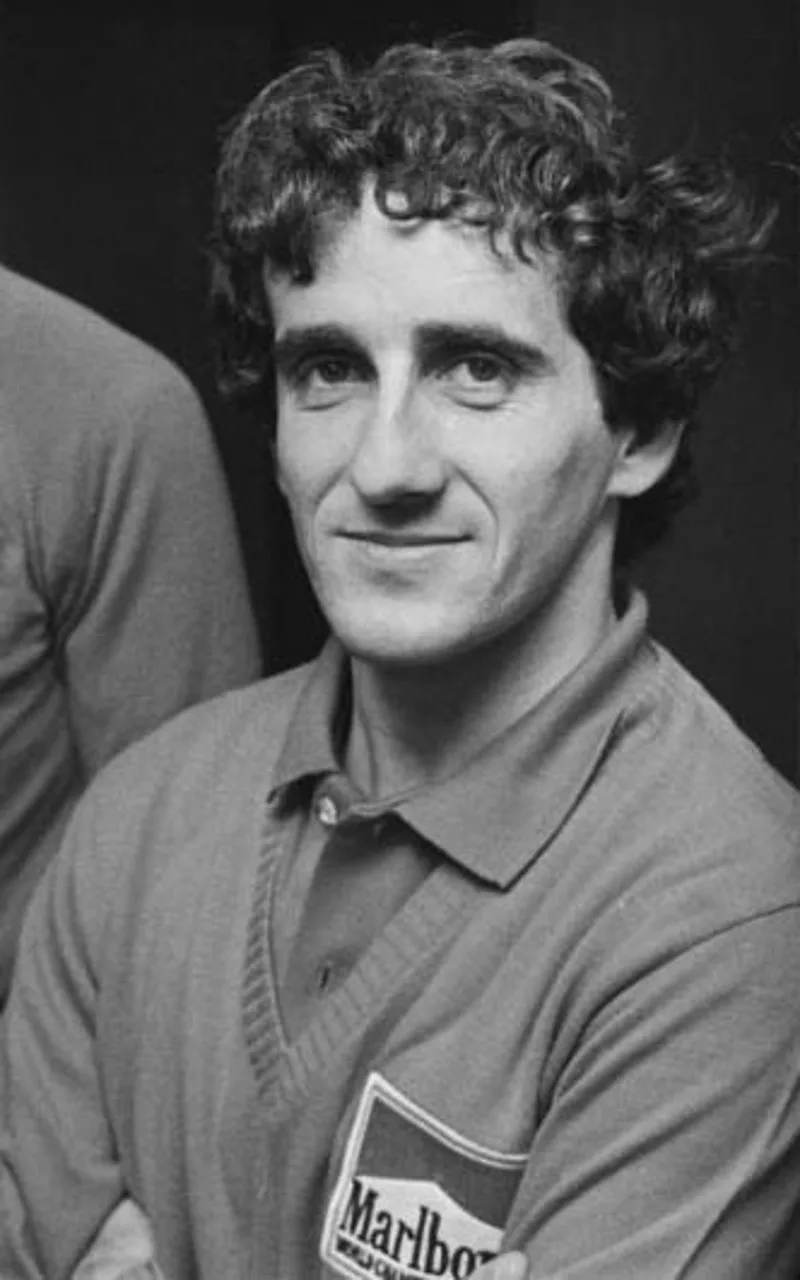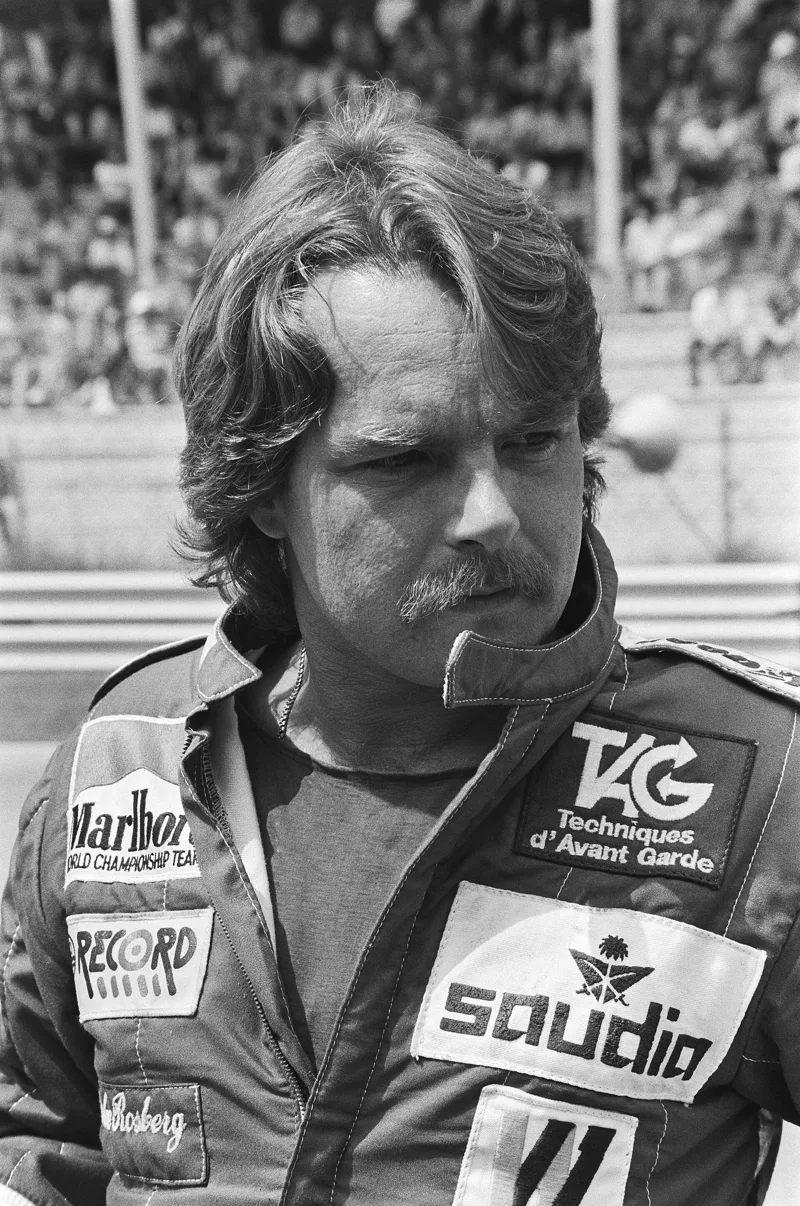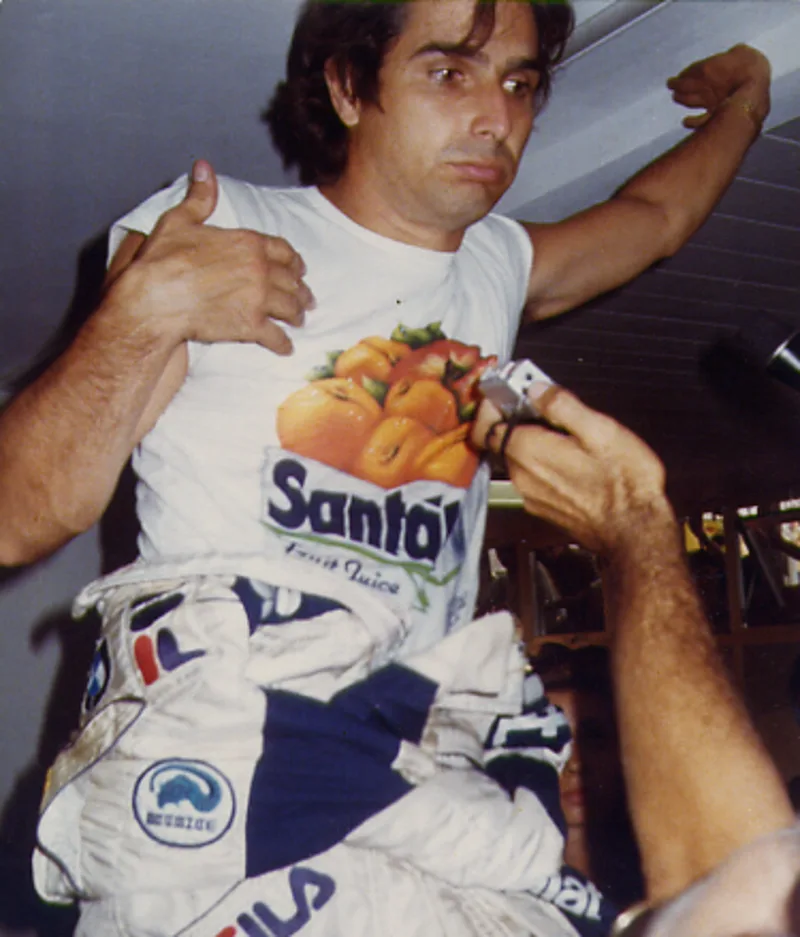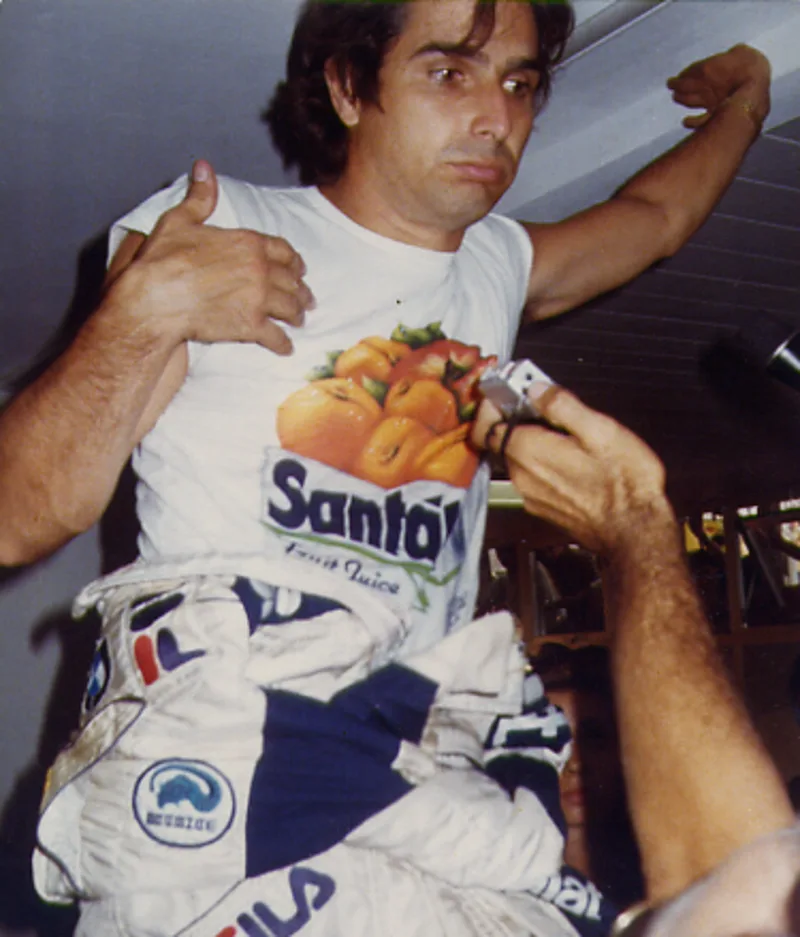
From a 1977 European Formula Two title to a 1980 title push with Renault, a 1983 Ferrari season and a difficult end at Ligier.
Rene Arnoux was a French driver who raced in Formula One from 1978 to 1989, winning seven Grands Prix. He was European Formula Two champion in 1977, won twice with Renault in 1980 and finished third in the 1983 championship with Ferrari.
Rene Arnoux was a French driver who competed in Formula One from 1978 to 1989 and won seven Grands Prix. He won the European Formula Two Championship in 1977 before spending the majority of his Formula One career with Renault, Ferrari and Ligier.
Who was Rene Arnoux?
Rene Alexandre Arnoux was born on 4 July 1948 in France. Over twelve Formula One seasons he scored seven wins, 22 podiums and 181 championship points, and he also took 18 pole positions, the third most by a driver who never became World Champion.
His best championship finish was third in 1983 with Ferrari, a season in which he stayed in contention until the final race.
A French driver with seven Grand Prix wins, a 1977 Formula Two title and a Ferrari season that came within touching distance of the championship.
How did Arnoux rise through the junior series?
Arnoux first gained attention in 1973, when he graduated as the top student from the Winfield Racing School. The prize was a Volant Shell scholarship, sponsored by Shell Oil, which gave him a free Formule Renault season. That was the first step in his climb through the junior ranks.
He moved into Formula Two in 1974 with Elf, and finished fourth on his debut at Nogaro. In 1975 he switched to Formula Super Renault and won the title.
In 1976 he returned to Formula Two with a works Martini-Renault backed by Elf. He won three races and narrowly lost the title to Jean-Pierre Jabouille.
The 1977 European Formula Two Championship was his breakthrough. He won at Silverstone, Hockenheim, Pau and Nogaro, and finished 12 points clear of Eddie Cheever, who was driving for Ron Dennis's Project Four Racing. Teammate Didier Pironi finished 14 points behind him.
How did his first Formula One seasons go?
Arnoux began his Formula One career in 1978 with Martini, which had moved up to the top category that year. The team had insufficient means to compete at that level, and it quit Formula One mid-season, short of money. His best results for Martini were two ninth places, in Belgium and Austria.
Martini's problems were visible in his results. Qualifying was a problem at the start of the year: he did not make the grid in South Africa and was knocked out before the grid in Monaco and Germany, so his season was difficult from the start.
He joined Surtees for the last two races of 1978. His debut there brought ninth at Watkins Glen in the United States Grand Prix. In Canada he qualified 16th but retired after the Ford DFV engine failed, and Surtees wanted to keep him on a permanent basis. He chose a seat with Renault for 1979 instead.
Why did Arnoux leave Renault after 1982?
Arnoux joined the factory Renault team in 1979, when the team ran two cars for the first time since its 1977 debut. Teammate Jean-Pierre Jabouille won the French Grand Prix at Dijon-Prenois that year, while Arnoux was locked in a close fight with Gilles Villeneuve's Ferrari for second.
In 1980 Arnoux took his first two Formula One wins, at Interlagos in Brazil and Kyalami in South Africa. The thin air at Kyalami gave the turbocharged Renault RE20 a power advantage over most of its rivals, and he went into the lead of the World Championship.
The turbo V6 was powerful, producing around 510 bhp, compared with 475 bhp for the Ford DFV, but it was fragile. The Renaults also lacked ground effects. Arnoux led the championship until Round 6 at Monaco and finished the season sixth with 29 points, 38 behind the champion, Alan Jones.
In 1981 Alain Prost arrived as his teammate, and the rivalry soured on and off the track. It peaked at the 1982 French Grand Prix at Paul Ricard, where Arnoux finished ahead of Prost. That gave Renault its first one-two in Formula One, but Prost was furious because he believed Arnoux had ignored team orders agreed before the race. Arnoux replied that no orders had been given, and he took another win at the Italian Grand Prix that season.
The Dutch Grand Prix at Zandvoort in 1982 brought a high-speed crash after he lost a wheel going into the banked Tarzan corner. Sand and a tyre barrier largely stopped the car. The relationship with Prost had become unsustainable, and Arnoux left Renault at the end of the year.
How strong was Arnoux's Ferrari period?
Arnoux joined Ferrari for 1983, alongside Patrick Tambay. He won three races that year, in Canada, Germany and the Netherlands, and stayed in the title fight until the final round in South Africa, where engine failure ended his race. Patrick Tambay was his teammate for the campaign.
He finished third in the championship behind Nelson Piquet and Prost, and his results helped Ferrari win the Constructors' Championship. His Zandvoort win that year was the seventh and last of his Formula One career.
In 1984 the McLarens of Prost and Niki Lauda dominated, and Arnoux had a weaker season. Michele Alboreto gradually took the lead in the team, and Arnoux finished sixth with 27 points. He still finished second at San Marino and at Dallas, and the Dallas race, the only Grand Prix ever held in the city, was his last Formula One podium.
Arnoux seemed to lose motivation as the 1985 season began. He finished fourth in the opening race in Brazil, then left Ferrari by mutual consent. Stefan Johansson took his place, and Arnoux was seen in the Brabham pits at Imola in Round 3, which started rumours of a move that never happened.
What was Arnoux's Ligier period like?
Arnoux returned to Formula One in 1986 with Ligier, which used turbocharged Renault engines. The Pirelli-shod Ligiers were uncompetitive as the season went on, and his first teammate, Jacques Laffite, broke both legs in a crash at Brands Hatch during the British Grand Prix. Philippe Alliot replaced him from the following race.
For 1987 Ligier had been promised a new turbocharged Alfa Romeo engine, but Fiat cancelled that project after Arnoux criticised the engine during pre-season testing. Ligier used Megatron four-cylinder engines instead, producing around 950 bhp. Arnoux scored the team's only point of the year with sixth at Belgium.
The 1988 season was the last for turbos in Formula One, and Ligier moved to Judd V8 engines of 3.5 litres. The JS31 was uncompetitive, and Arnoux failed to qualify twice. His best finish that year was tenth at the Portuguese Grand Prix, and it was the first season since his 1978 debut without a World Championship point.
At the 1988 Australian Grand Prix in Adelaide he collided with Gerhard Berger, who was leading. Arnoux was criticised for the incident, while Berger said his brake pedal had been very long and that he could not stop in time.
The 1989 Ligier JS33, powered by a Ford DFR, showed promise, but Arnoux's driving drew criticism. He was accused of not using his mirrors and of blocking faster cars in qualifying and when being lapped. At Monaco he held up Alain Prost, costing Prost some 20 seconds in his pursuit of teammate Ayrton Senna.
His last points came with fifth at the 1989 Canadian Grand Prix. His final race was the wet Australian Grand Prix in Adelaide, where he retired after four laps.
What are Arnoux's career totals?
Arnoux competed in 12 Formula One seasons between 1978 and 1989. He finished with seven wins, 22 podiums, 12 fastest laps, 18 pole positions and 181 World Championship points. Those 18 poles rank third among drivers who never won the title.
| Period | Team | Highlights |
|---|---|---|
| 1977 | Martini-Renault (Formula Two) | European Formula Two champion |
| 1978 | Martini, then Surtees | Two ninth places for Martini; ninth on debut at Watkins Glen |
| 1979-1982 | Renault | Factory team; wins at Interlagos, Kyalami and in the French and Italian rounds |
| 1980 | Renault | Interlagos and Kyalami wins; sixth with 29 points |
| 1982 | Renault | French Grand Prix one-two; Italian Grand Prix win |
| 1983 | Ferrari | Three wins; third in the championship |
| 1984 | Ferrari | Sixth with 27 points; second at San Marino and Dallas |
| 1986-1989 | Ligier | Sixth at Belgium in 1987; fifth at Canada in 1989 |
What did Arnoux do after racing?
After retiring from driving Arnoux started an indoor karting business with four tracks in France. He also owns and manages two factories and appears at historic events on behalf of Renault. Those commitments have kept him involved in motorsport long after his final Grand Prix.
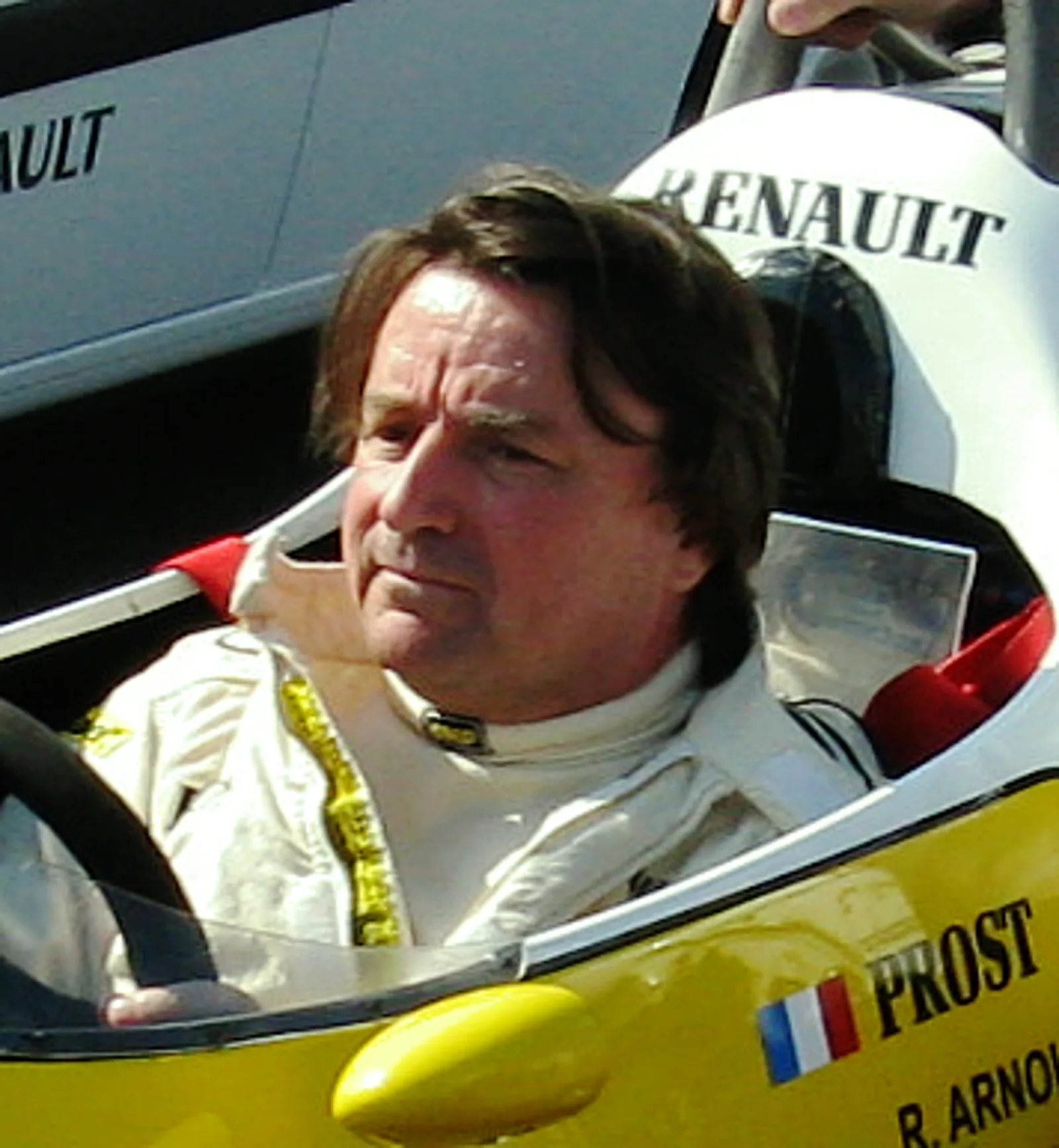
He was invited to the Grand Prix Masters in 2006 and 2007, a championship restricted to former Formula One drivers, after the inaugural season in 2005. In 2007 and 2008 he drove for the Renault H&C Classic Team and presented and drove Alain Prost's 1983 Formula One car at World Series by Renault events.