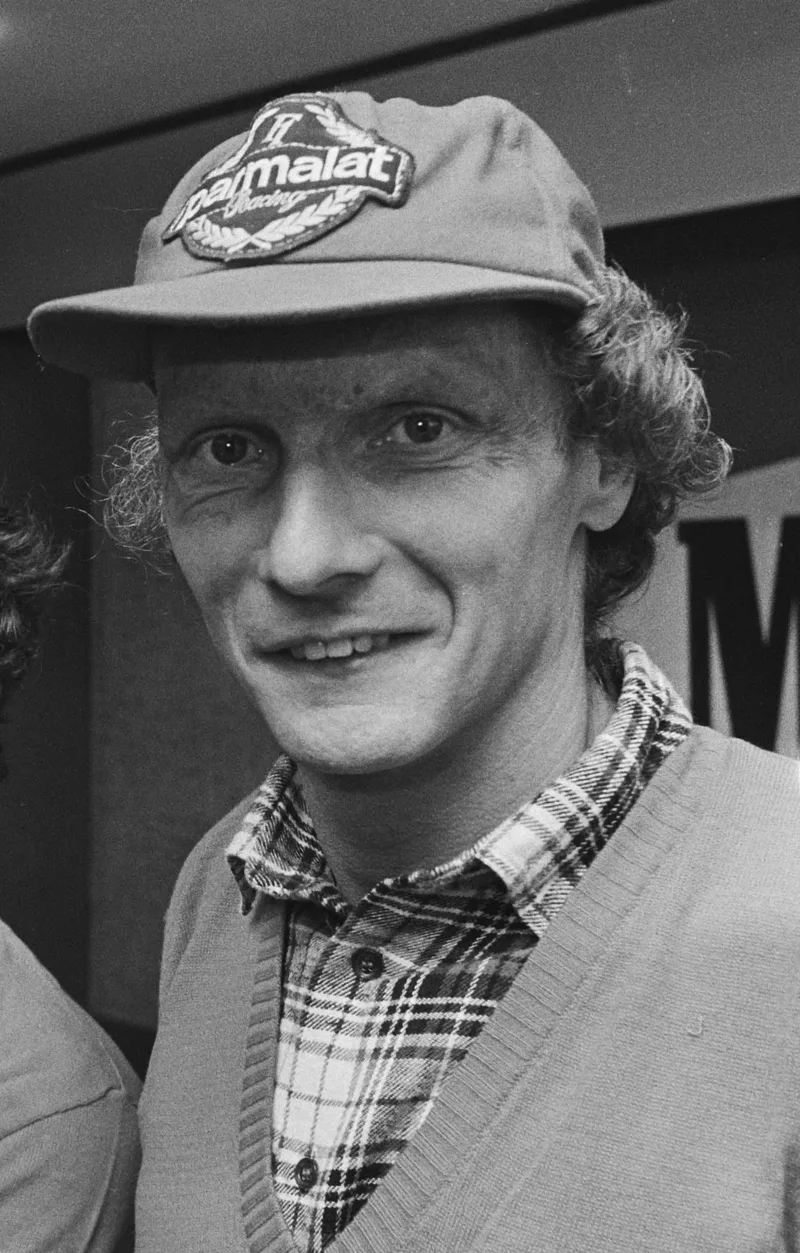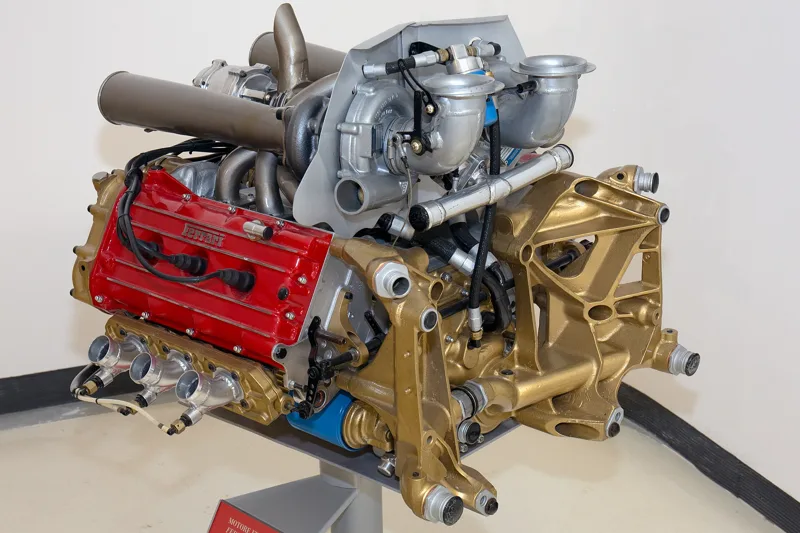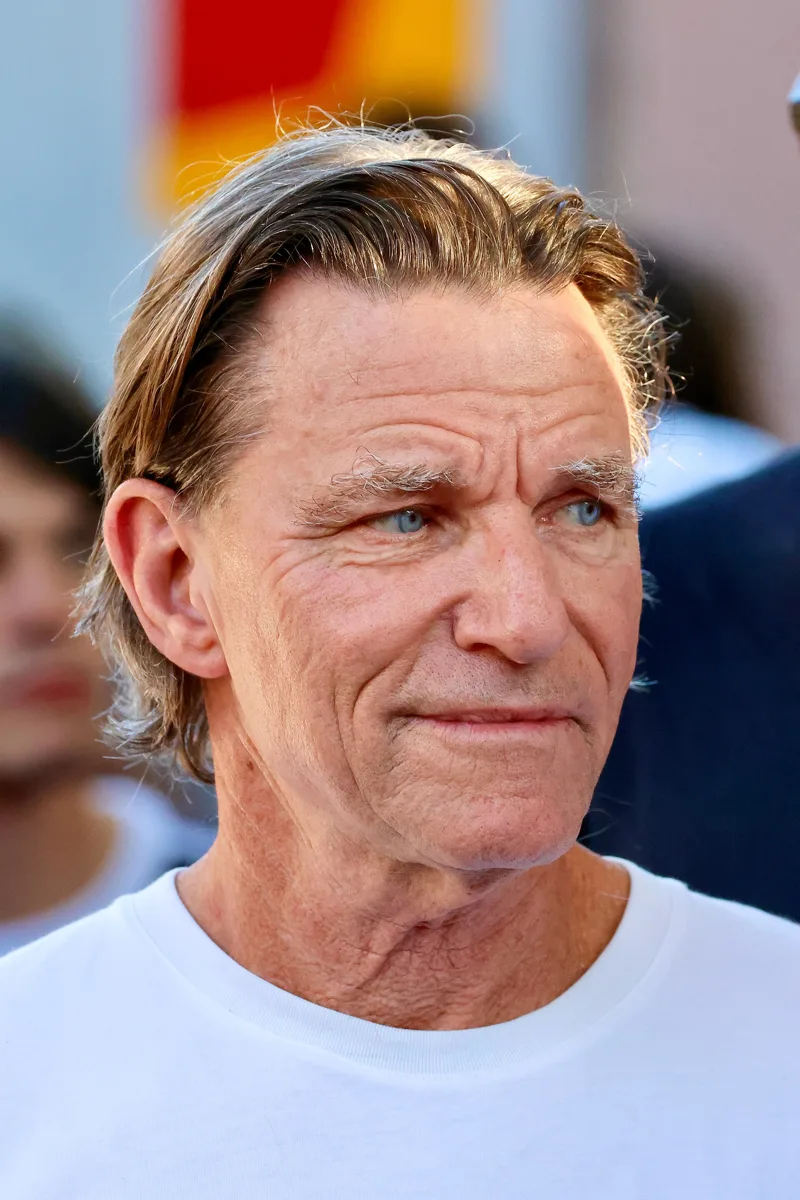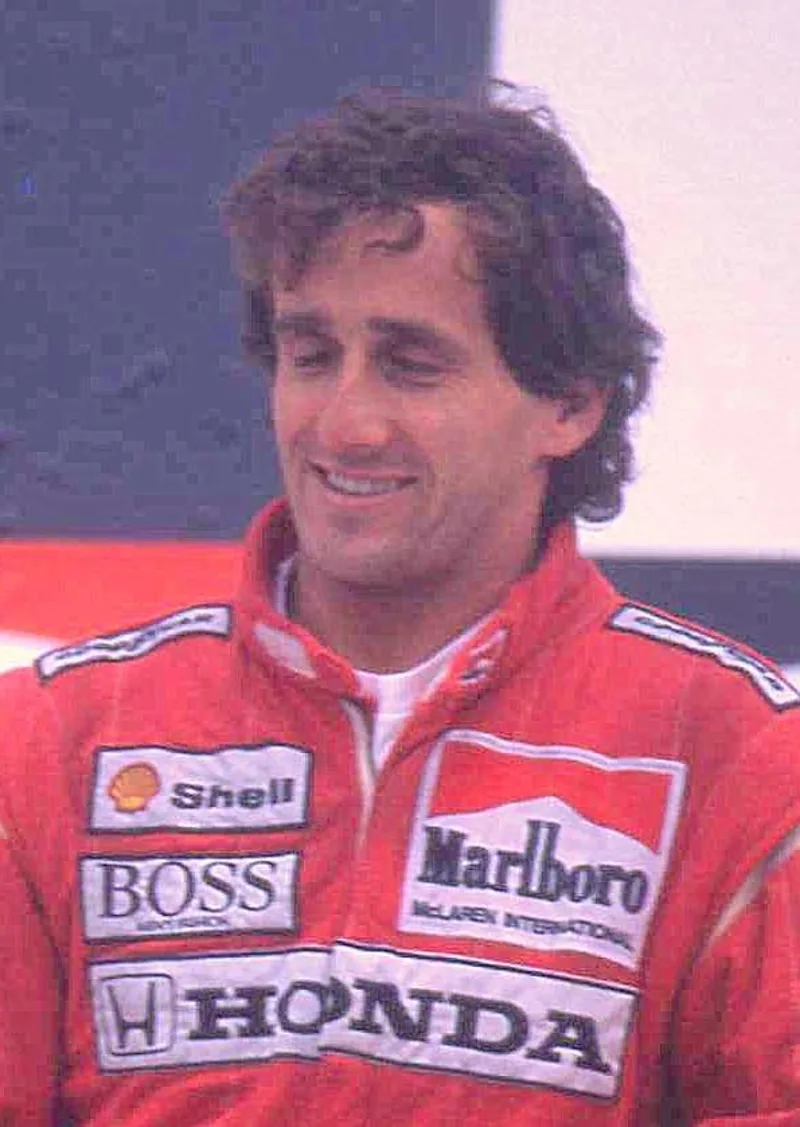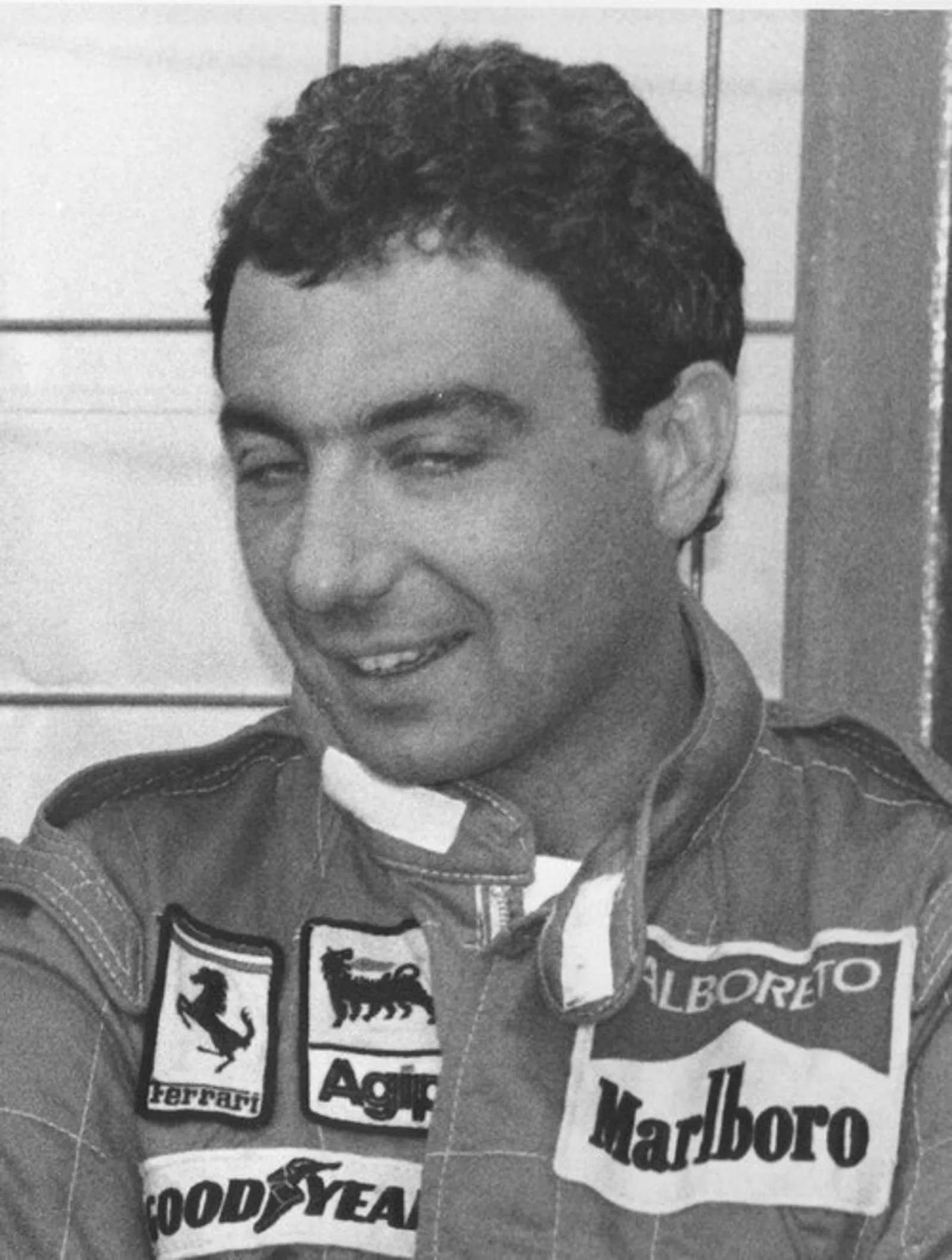
From Formula Monza and Tyrrell to Ferrari, where he came second in the 1985 championship, and later Le Mans and Sebring victories before his death in a testing crash in 2001.
Italian driver Michele Alboreto raced in Formula One between 1981 and 1994, with his best season a second place in the 1985 title race for Ferrari. He also took five Grand Prix wins and the 1997 Le Mans 24 Hours before dying in a 2001 testing crash.
Michele Alboreto, an Italian driver, raced in Formula One between 1981 and 1994, and finished second in the 1985 world championship with Ferrari. He won five Grands Prix and later took the 1997 Le Mans 24 Hours and the 2001 Sebring 12 Hours in sports prototypes. He was killed in April 2001 while testing an Audi R8 in Germany.
Who was Michele Alboreto?
Michele Alboreto was born on 23 December 1956 in Italy. He competed in Formula One for Tyrrell, Ferrari, Larrousse, Footwork, Scuderia Italia and Minardi, and his career also covered touring cars, IndyCar and sports prototypes.
His reputation rests on his time as a title challenger for Ferrari in the mid-1980s and on his endurance results later on. Those were the years when he showed that he could compete for championships in both single-seaters and sports cars.
Five Grand Prix wins, a Ferrari title challenge and a Le Mans victory, all from a driver whose career ended in a testing accident in 2001.
How did Alboreto's career begin?
Alboreto started racing in 1976 in Formula Monza, in a car he and some friends had built, known as the CMR. The car proved uncompetitive, but in 1978 he moved to a more competitive March in Formula Italia and began to win races.
Two years later he moved up to Formula Three with a Euroracing-entered March-Toyota. In his first Formula Three season he finished sixth and second in the two championships, and in 1980 he took the European title and third place in the Italian series, with five wins across both.
His European title earned him a step up to Formula Two with Minardi in 1981, where he scored the team's only Formula Two victory, at Misano, and finished eighth in the championship.
How did Alboreto's sports car career start?
Alboreto was chosen by Lancia for its World Championship for Makes squad, racing in rounds that did not clash with his single-seater commitments. In 1980 he shared the Group 5 Lancia Beta Montecarlo with Walter Rohrl or Eddie Cheever on four occasions, scoring three second places and a fourth.
In 1981 he made his first start at the 24 Hours of Le Mans, finishing eighth overall and second in class. His first championship victory came at the Six Hours of Watkins Glen, sharing the car with Riccardo Patrese. He finished the year 52nd in the drivers' standings and was the highest-ranked Lancia driver.
What did Alboreto achieve with Lancia in 1982?
When Lancia moved to the Lancia LC1 for a championship concentrated on endurance races in 1982, Alboreto's results improved. He and Patrese won at the 1000 km of Silverstone, and Teo Fabi joined them to win at the 1000 km of the Nurburgring.
A third win came at Mugello with Piercarlo Ghinzani, and he finished the season fifth in the world championship. The Lancia LC2 that followed in 1983 struggled to finish races, and he left the team to concentrate on Formula One.
How did Alboreto's Formula One debut at Tyrrell go?
At 24 he started his Formula One career at the 1981 San Marino Grand Prix in a Cosworth-powered Tyrrell, replacing Ricardo Zunino. A collision with his countryman Beppe Gabbiani ended his race after 31 of the 60 laps.
He scored no points that year, with his best position a ninth at the Dutch Grand Prix. In 1982 he took his first podium at Imola and his first Grand Prix win in the final round at Las Vegas, the last winner of the Caesars Palace Grand Prix.
What were Alboreto's Tyrrell results in 1982 and 1983?
His 1982 season brought 25 points and eighth overall, and he finished as the top Italian in the standings. He then won at Detroit in 1983, a victory that stood as the last win for a naturally aspirated car until the turbo era ended in 1989.
The Detroit win was also the 155th and last Formula One victory for the Cosworth DFV engine, in the sense that it carried the engine's final development. His points dried up after that, and he finished the season with ten points and twelfth overall.
Why did Alboreto join Ferrari?
In 1984 Ferrari announced that Alboreto would partner Rene Arnoux, replacing Patrick Tambay. Before him, the last Italian to drive for the marque was Arturo Merzario in 1973, and reports suggested Enzo Ferrari had set aside his personal rule about hiring Italian drivers to sign him.
His debut season brought a win in the third round at Zolder, making him the first Italian to win a Formula One Grand Prix for Ferrari since Ludovico Scarfiotti at the 1966 Italian Grand Prix.
How strong was Alboreto's 1984 season at Ferrari?
He finished on the podium three more times that season: third at the Osterreichring, second at Monza, and second at the Nurburgring. At the German race he ran out of fuel near the finish but kept second place when Nelson Piquet's Brabham also ran dry at the final corner.
Alboreto ended the season fourth with 30.5 points. The half point came from his sixth place at Monaco, a race cut short by heavy rain and therefore awarded half points.
Was 1985 Alboreto's best year in Formula One?
Yes. He won at the Canadian Grand Prix with Stefan Johansson second, and he won at the German Grand Prix after a more difficult race that included incidents with other cars and a car trailing oil smoke. Alain Prost could not challenge in Germany because of brake and power problems.
He held the championship lead until round 11 at Zandvoort, and ended the season second on 53 points, 20 behind the new champion, Alain Prost. Ferrari's late-season unreliability cost him the title, as he failed to finish the last five races through mechanical failure.
At Monza he was classified 13th after his engine blew on lap 45 of 51. At Brands Hatch that year a turbo failed, and he drove the car back to the pits with its rear on fire. Many observers saw that as a sign of his frustration at Ferrari's unreliability.
How did Alboreto's Ferrari career end?
In 1986 Ferrari's new F1/86, designed by Harvey Postlethwaite, proved slower and less reliable than its predecessor. Alboreto retired from nine races, seven of them with mechanical failures, and his only podium came in Austria.
Gerhard Berger joined in 1987 and became the team's number one driver, leaving Alboreto with a handful of podiums and seventh place in the championship. The 1988 season was his last at Ferrari. The team won once, at Monza, with Berger ahead of Alboreto, and Ferrari refused to offer him a new contract.
What happened after Alboreto left Ferrari?
He returned to Tyrrell in 1989, but the relationship with team boss Ken Tyrrell soon soured. At Monaco he was told to race the 1988 model, and he boycotted the Thursday practice session. He finished third in Mexico, the only podium the team achieved that season.
A dispute over his sponsor followed. Tyrrell replaced him with the young Jean Alesi at the French Grand Prix after he refused to end a Marlboro deal, and Larrousse signed him from the German Grand Prix. At Larrousse he failed to score, broke two ribs in a Hungarian qualifying lap, and finished the year eleventh with six points.
What were the Footwork and Minardi years like?
In 1990 Alboreto moved to Arrows, which was being sold to the sponsor Footwork. He finished in the top ten several times but was one of 21 drivers that season who failed to score.
Footwork's Porsche engines in 1991 were unreliable and were replaced mid-season by Hart Cosworth units. In 1992, with Mugen Honda V10 engines, he scored points four times and finished tenth overall with six points.
He joined Scuderia Italia in 1993, where the Lola chassis left the team without a point. He moved to Minardi in 1994, where the team suffered nine retirements in sixteen rounds. His only points finish came with sixth at Monaco, and at San Marino a loose wheel bounced through several pit areas and injured mechanics.
What is Alboreto's Formula One record?
He retired from Grands Prix at the end of 1994 with 194 starts and five wins. His eighty Grands Prix for Ferrari set a team record that stood until 1995, when Gerhard Berger passed it.
How did Alboreto race after Formula One?
In 1995 he raced for Alfa Romeo's factory team in the German Touring Car Championship, finishing 22nd with four points. Other touring car and world championship ventures brought little success.
In 1996 he moved to the Indy Racing League with Scandia/Simon. His debut in the series at Walt Disney World Speedway brought fourth, followed by eighth at Phoenix, then retired at the Indianapolis 500 with gearbox problems. The following year he finished third at New Hampshire, his only IRL podium, and he ended the 1997 campaign 32nd in the standings with 62 points.
His sports car career peaked in 1997 when he won the 24 Hours of Le Mans with Stefan Johansson and Tom Kristensen. The trio completed 361 laps, one more than the second-placed McLaren F1 GTR. He then took fourth at Le Mans in 1999 and third in 2000 with Audi, and won the 2000 Petit Le Mans.
How did Alboreto die?
In late April 2001 Alboreto and a group of Audi engineers went to the EuroSpeedway Lausitz near Dresden to test an Audi R8 ahead of that year's Le Mans race. The test was held on the facility's track and its proving ground, and it included long straights on the proving ground.
On 25 April 2001, at about 5.30 p.m. local time, the R8 was travelling at around 300 km/h (190 mph) when its left rear tyre failed. The car was launched over the Armco barrier, landed upside down, and Alboreto was killed instantly. A month before, he had won the 12 Hours of Sebring with Audi.
An investigation found that a loose screw had caused a gradual loss of air pressure, and no driver error or mechanical fault was involved in the accident. Audi then accelerated the introduction of a sensor-based tyre pressure system in its racing cars.
How is Alboreto remembered?
Giancarlo Fisichella dedicated his 2005 Italian Grand Prix podium to Alboreto, whom he had raced alongside in touring cars. On 28 August 2021, Monza's final corner, the Curva Parabolica, was officially renamed the Curva Alboreto to mark the 20th anniversary of his death.
His helmet was blue with a yellow stripe and white edges, a tribute to Ronnie Peterson. The two had first met in 1972 and remained friends until Peterson's death in 1978.