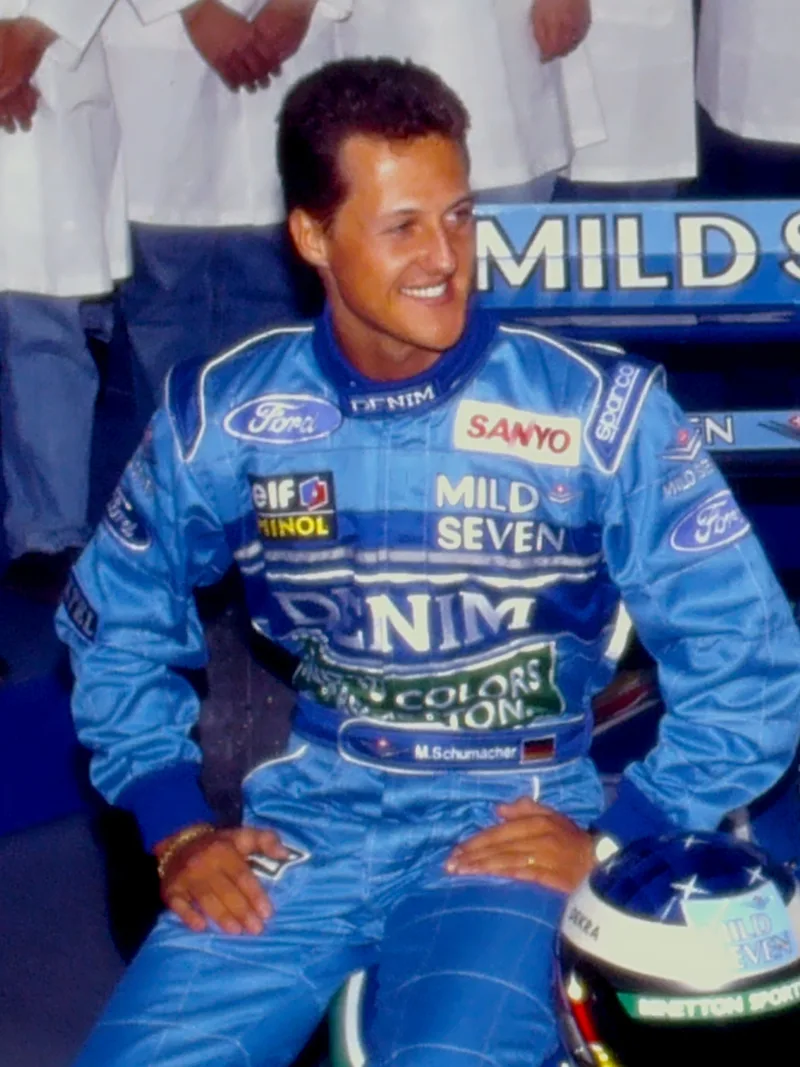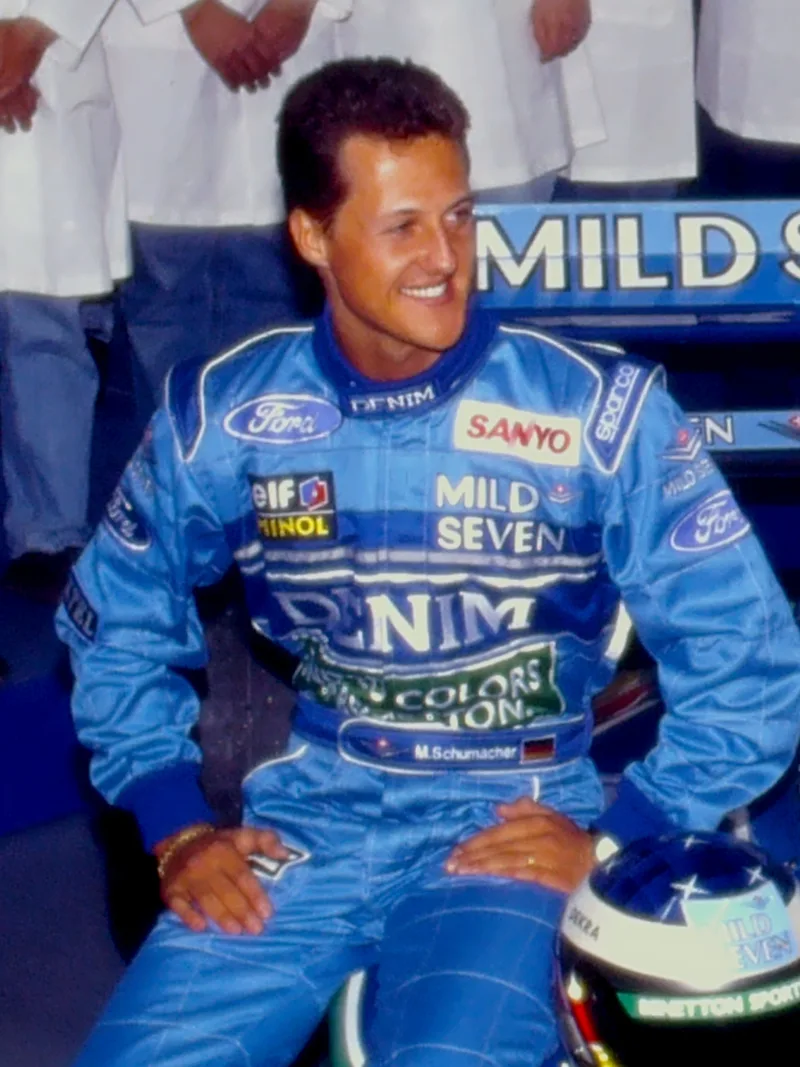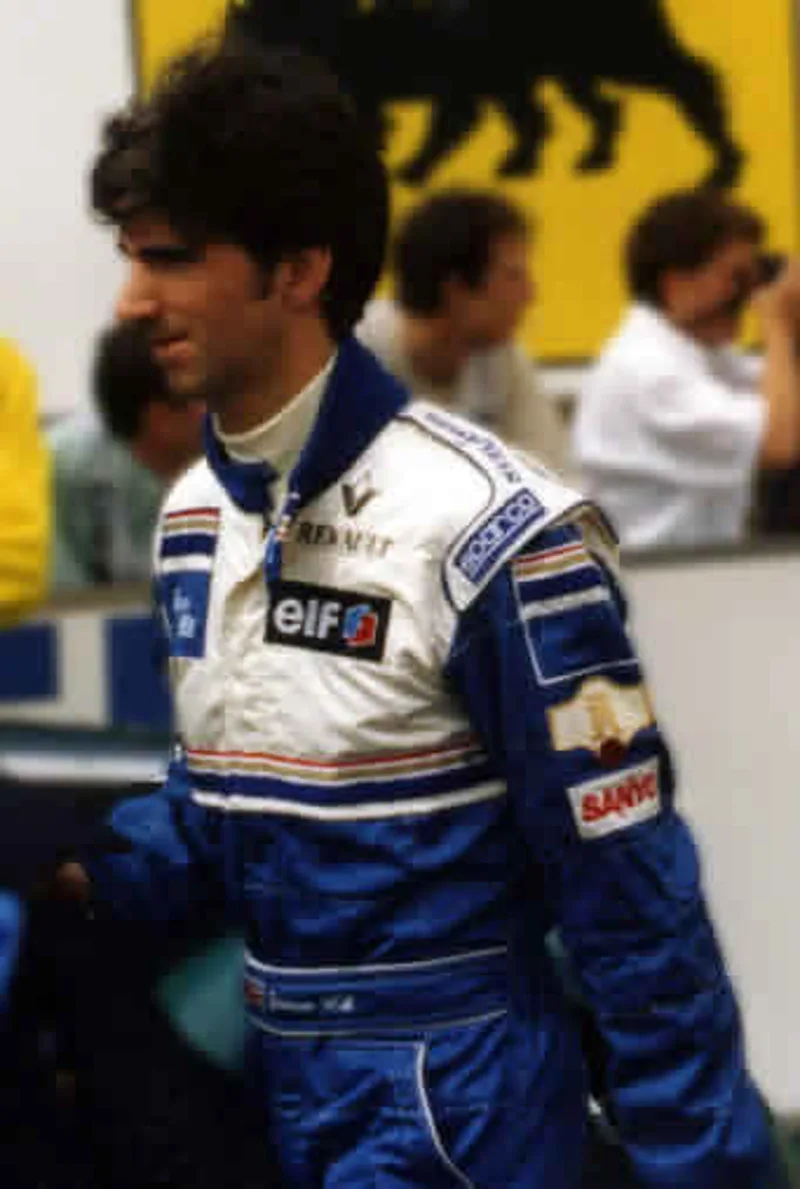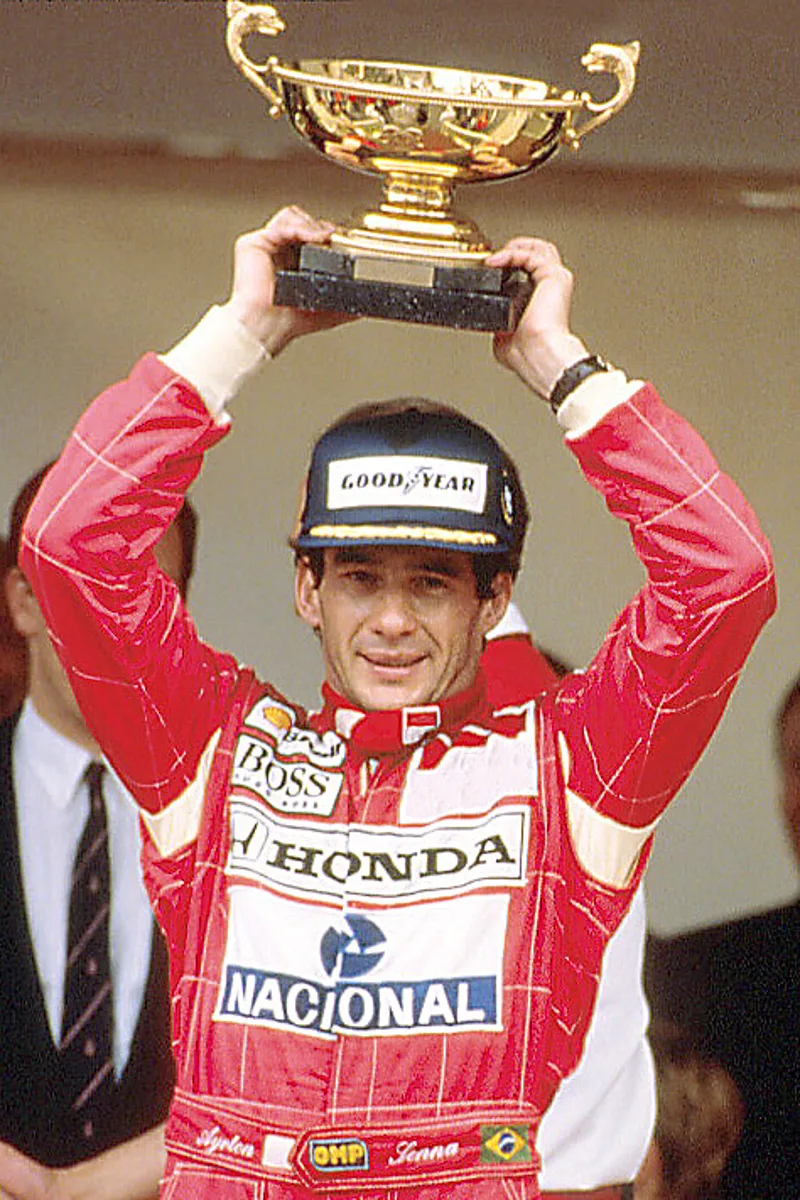
Alain Prost took his fourth and final Drivers' title in a season of advanced electronics, while Damon Hill won his first race and Sauber made its debut.
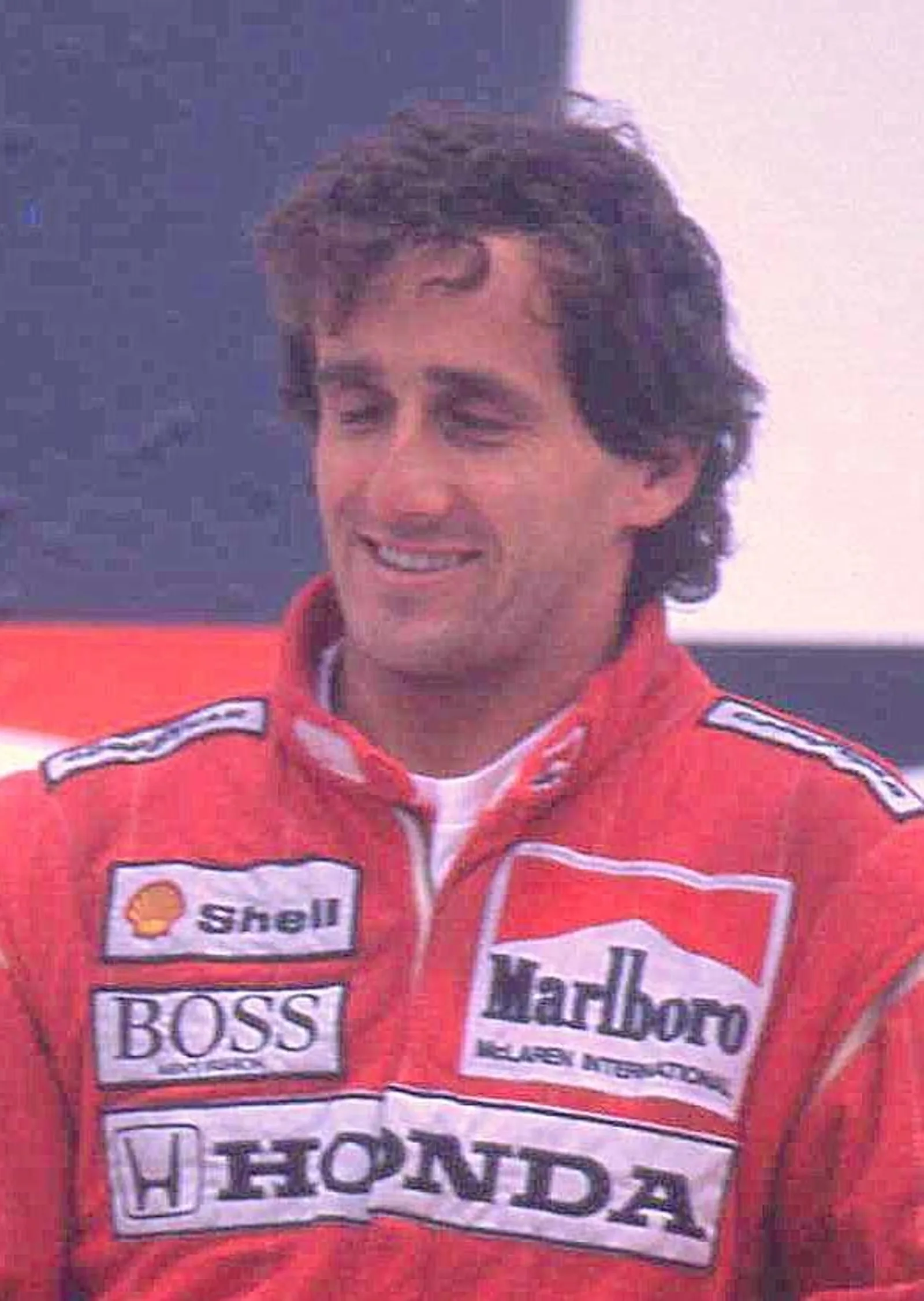
Prost's fourth and final title came in 1993, with 99 points to Senna's 73. Williams won its second straight Constructors' title with 168 points, and Sauber made its Formula One debut in a season of 16 races.
The 1993 FIA Formula One World Championship was the 47th season of the sport and ran over 16 races from 14 March to 7 November. Alain Prost won his fourth and final Drivers' title, while Ayrton Senna finished second after five wins and Damon Hill took his first Grand Prix victory in Hungary.
How did the 1993 cars differ?
The 1993 season was the high point of a period of rapid technical change. The Williams FW15C had active suspension, power steering, anti-lock brakes, fly-by-wire throttle, traction control and a semi-automatic gearbox that could be switched to fully automatic. Williams also tested a continuously variable transmission, while Benetton-Ford tested four-wheel steering late in the year.
Almost every car had active suspension, which held the ride height steady through a lap. Many of those systems would be banned for 1994. The FW15C also carried a push-to-pass system that, at least in theory, made overtaking easier, and the car's telemetry was among the most advanced on the grid.
The rules also tightened the cars' shape. The track was reduced from 2,150 mm (7 ft 1 in) to 2,000 mm (6 ft 7 in), rear tyres went from 18 in (457 mm) to 15 in (381 mm), and the rear wing's maximum height fell from 100 cm to 95 cm. The headrest area grew from 80 cm2 to 400 cm2, and the pit lane limit fell to 50 km/h in practice.
Qualifying also changed. Each driver was limited to 12 laps in both sessions, which lasted until the end of 2002, and the race field, first cut from 26 to 25 cars, was restored to 26 before the German Grand Prix.
Active suspension, Prost's fourth title and Hill's first win made 1993 a season to remember.
Who joined and left the grid in 1993?
The worldwide recession had taken its toll. Brabham, Andrea Moda and Fondmetal had failed to complete 1992, and March formally withdrew at the start of 1993, so only 13 teams lined up in South Africa. Sauber was the only new team, backed by Mercedes-Benz, which funded its Ilmor engines and had them badged as Saubers for their debut.
Prost returned to Williams after a year out, and Nigel Mansell, the 1992 champion, left to race in IndyCar with Newman-Haas rather than accept a number-two role. Damon Hill, Williams's test driver, was given the team's number 0 while Prost used the number 2.
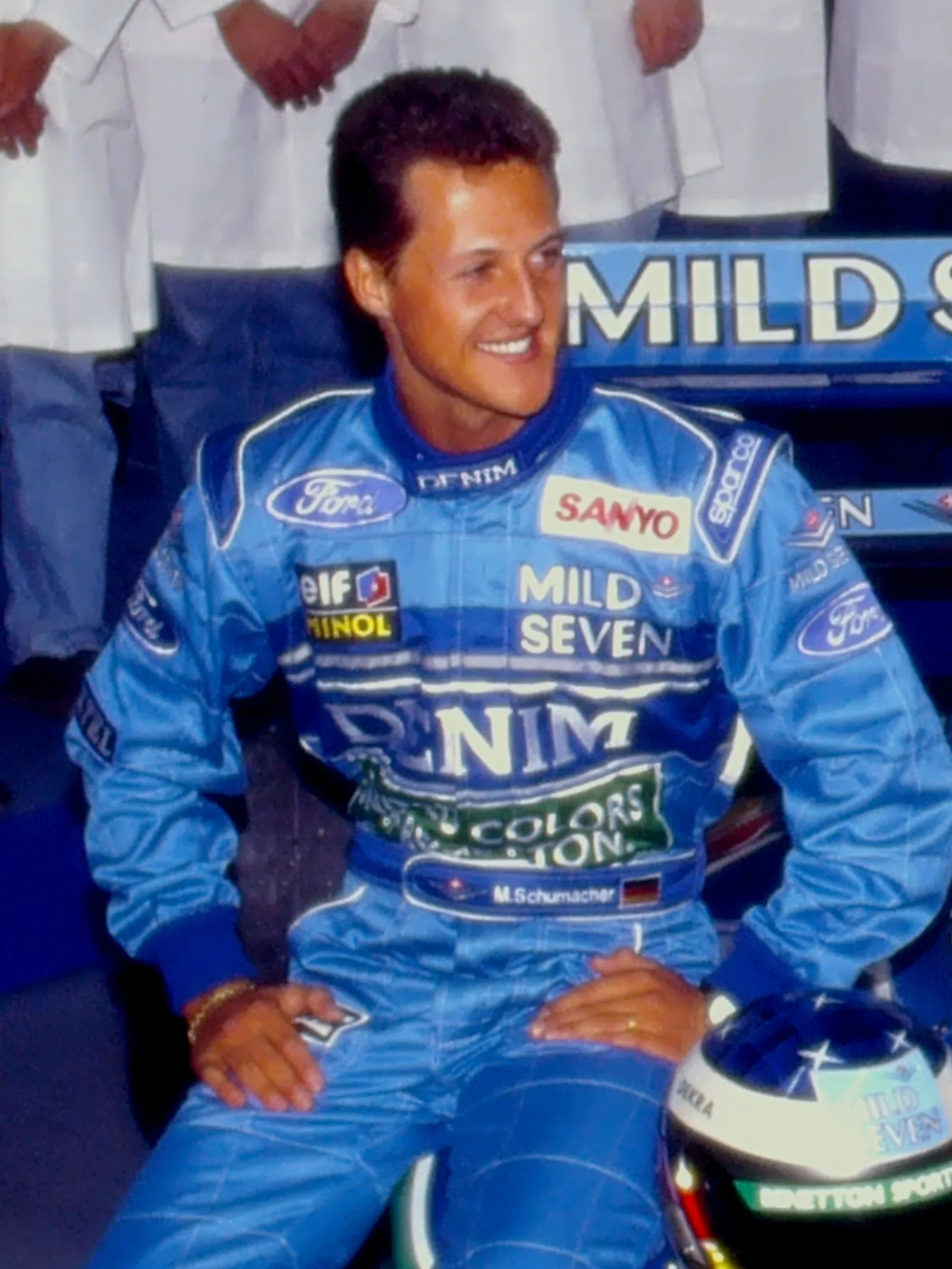
McLaren signed Michael Andretti and Mika Hakkinen, and Senna eventually agreed to a race-by-race deal before signing for the full season. Benetton kept Schumacher and took Riccardo Patrese, while Ferrari retained Alesi and brought Berger back. Lotus kept Johnny Herbert and added Alessandro Zanardi.
Jordan switched from Yamaha V12 engines to the new Hart V10, and Hart returned to full-time Grand Prix engine work. Only seven drivers who started in South Africa were still with the team they had driven for the year before.
How did the opening rounds go?
Prost took pole and won the opener at Kyalami, with Senna second. Senna then won in Brazil, where Hill was second and Schumacher third, while Prost crashed into Fittipaldi and retired. The early races showed a championship fight that would stay close until the end.
Brazil brought Senna his first win for McLaren. Hill finished second and Schumacher third, and Prost's day ended in a crash with Fittipaldi. Senna's win took the championship lead from Prost.
The European round was held at Donington Park, which had hosted its first top-level Grand Prix since 1938. Senna won by over one minute in damp conditions, with Hill second and Prost third. Senna overtook four cars in quick succession on the lap after the start, while Andretti crashed into Wendlinger, ending both their races. Lehto retired from fifth with handling problems, and Berger's suspension failed later. The race replaced a planned round in Japan, which had fallen through.
San Marino was Prost's, with the Williams pair on the front row and Prost taking his fourth consecutive pole. Prost won the race, with Schumacher second and Brundle third, and the Frenchman moved back to the top of the table.
How did Prost build his lead through the summer?
Prost won in Spain, his third victory of the year, with Senna second and Schumacher third. Monaco went to Senna, his third win of the season, with Hill second and Alesi third, while Prost was penalised for a jump start and finished fourth. Prost had pitted for the penalty and stalled on the way out, and he was a lap down before he recovered.
Canada was Prost's again, with Schumacher second and Hill third. Senna retired with an electrical failure just as Schumacher was closing in on him. In France Prost won from Hill and Schumacher, and Senna and Brundle followed. At the halfway point Prost led the championship with 57 points to Senna's 45, with Hill on 28 and Schumacher on 24.
Britain gave Prost his 50th career victory, which made him the first driver to reach that figure. Schumacher was second and Patrese third. Germany followed with another Prost win, his seventh and final race of the season.
By the Belgian round Prost led by 81 points to Senna's 54, while Williams had already built a commanding constructors' lead. Hill's form was rising, and he was third in the table on 48 points.
What happened at Hungary and Belgium?
In Hungary Hill won his first Formula One race, with Patrese second and Berger third, while Schumacher retired with a fuel pump problem. Prost, meanwhile, stalled on the parade lap and started from the back, and a rear-wing problem later forced him into the pits, seven laps down. The win was a milestone for the young Williams driver, and it came just before the round in Belgium, where he clinched the constructors' title.
At Spa Hill won again, and his victory clinched the Constructors' title for Williams. Schumacher was second, Prost third, Senna fourth and Herbert fifth. Zanardi had crashed heavily in the same race, and Pedro Lamy replaced him at Lotus.
How did the season finish?
Italy went to Hill for his third straight victory, with Alesi second and Michael Andretti third. Hakkinen was promoted to McLaren after that race. Portugal then ended the race for the title, as Prost finished second and became champion, and Schumacher won his second career Grand Prix.
In Portugal the Williams cars qualified in their usual one-two, but Hill stalled on the parade lap. Alesi led early on, ahead of the two McLarens. Prost stopped, and Schumacher came through to win, with Prost second and Hill third. Prost announced his retirement during the weekend.
Japan and Australia brought the season to a close. Senna won in Japan, with Prost second and Hakkinen third, Hakkinen's first podium. In Adelaide Senna won his final race, Prost finished second in his last Grand Prix, and Hill was third.
The late-season races in more detail
At Kyalami the opener ended with Schumacher's attempt to pass Senna causing contact on lap 40, which spun Schumacher out of the race.
Prost took pole in Germany, but his start was poor and Hill led after the first lap. Prost passed Schumacher and then Hill, but a stop-go penalty for overtaking under yellow flags sent him down the order. Senna recovered from an early spin and passed Berger and Patrese on his way forward.
At Spa Williams locked out the front row again with Prost ahead of Hill, while Schumacher was caught out by a poor start. Alesi went out with suspension trouble early, and Suzuki's gearbox failed later. Prost chased Schumacher and beat the lap record, but found he was only a tenth quicker, and settled for third behind Schumacher and Hill.
At Monza Alesi got ahead of Hill at the start, and Senna's attempt to take sixth from Brundle ended with the pair colliding and both out. Prost led until his engine failed in the closing laps, and Hill inherited the lead and his third straight win.
Eddie Irvine, the fifth driver to take Jordan's second seat that year, scored a point on his debut in Japan, where he finished sixth after a late clash with Warwick.
Adelaide was the finale. Senna took pole, Prost started second and Hill third. Schumacher retired with engine failure and Hakkinen followed him out, while Hill spun trying to pass Prost for second, losing time but not his place. Patrese was set to finish sixth in his 256th race, but his fuel pressure dropped on the final lap.
Race winners and standings
| Race | Winner | Notable point |
|---|---|---|
| South Africa | Alain Prost | Senna second |
| Brazil | Ayrton Senna | Prost crashed into Fittipaldi |
| Europe (Donington) | Ayrton Senna | Won by over one minute |
| San Marino | Alain Prost | Fourth straight pole |
| Spain | Alain Prost | His third victory of the year |
| Monaco | Ayrton Senna | Third win of the season |
| Canada | Alain Prost | Schumacher second, Hill third |
| France | Alain Prost | Hill second, Schumacher third |
| Britain | Alain Prost | 50th career victory |
| Germany | Alain Prost | Seventh and final win of the season |
| Hungary | Damon Hill | First Formula One win |
| Belgium | Damon Hill | Clinched the Constructors' title |
| Italy | Damon Hill | Third straight win |
| Portugal | Michael Schumacher | Second career win; Prost champion |
| Japan | Ayrton Senna | Hakkinen's first podium |
| Australia | Ayrton Senna | Final victory of his career |
Prost won seven races, Senna five, Hill three and Schumacher one. Prost's final tally was 99 points, with Senna on 73, Hill on 69, Schumacher on 52 and Patrese on 20.
Williams won the Constructors' title with 168 points, double the points of McLaren.
Why does 1993 still matter?
The 1993 season was the last in which Prost raced for a title, and as of 2026 he remains the last French Drivers' champion. His departure after Portugal also cleared the way for Senna to move to Williams for 1994.
The technology of 1993 was close to its peak. Active suspension and traction control were among the systems banned for 1994, and the change reshaped how the sport thought about driver skill.
The season also marked a few firsts: Sauber's debut, Hakkinen's first podium, and Hill's first win. It also marked the end of Scuderia Italia, which withdrew from Formula One after Portugal.