Every result counted for the first time, Senna won seven races, and the title was settled by half points in a rain-hit Adelaide finale.
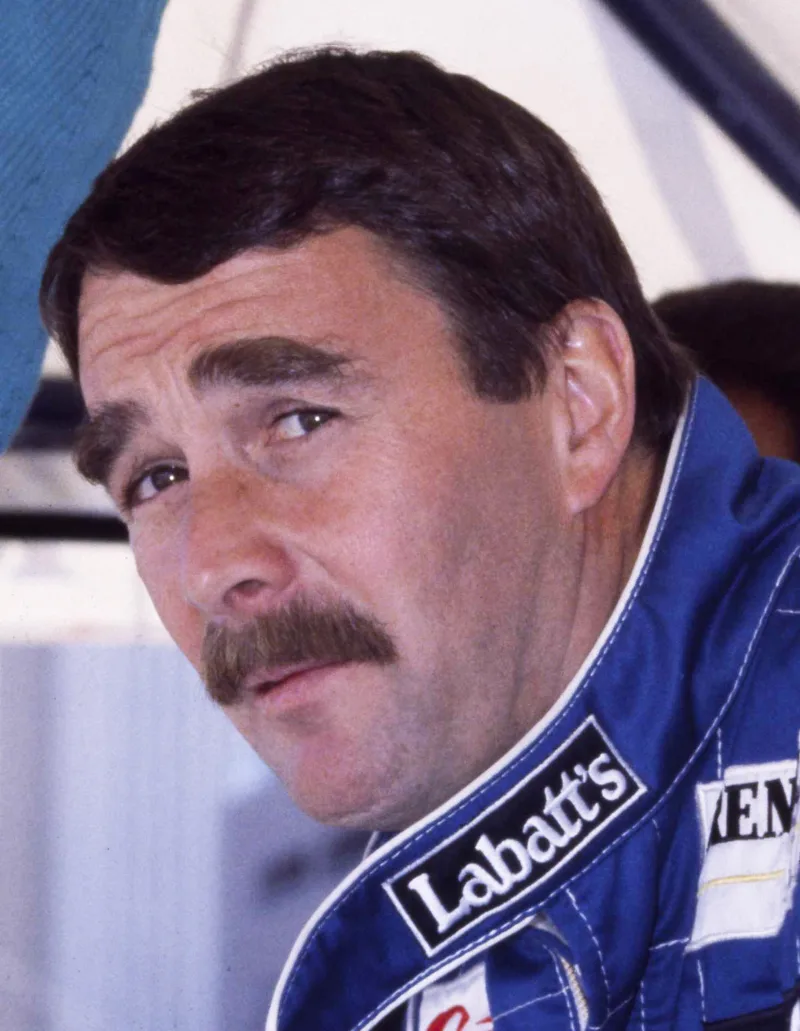
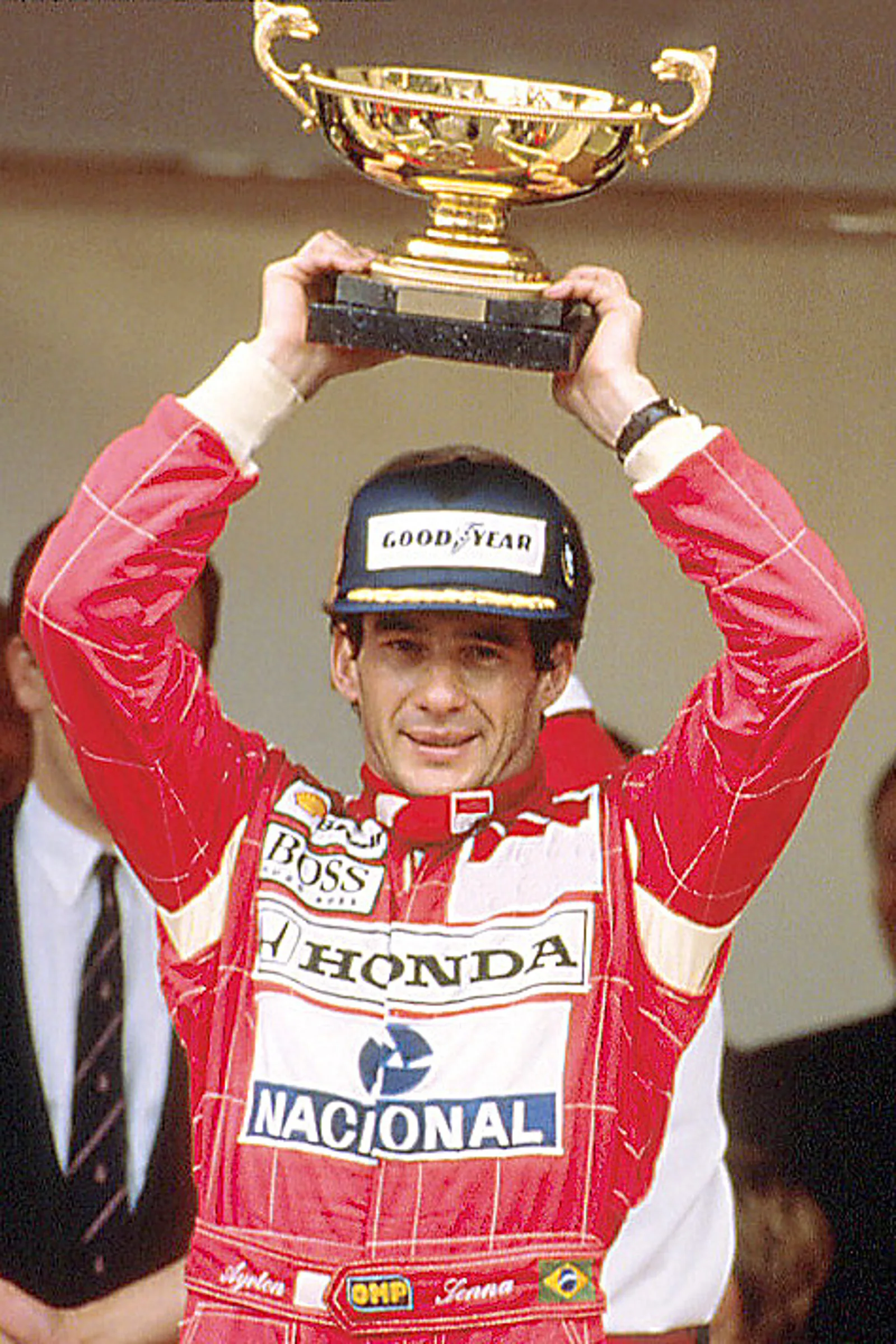
Ayrton Senna claimed his third and final Drivers' title for McLaren-Honda, finishing on 96 points. Nigel Mansell was second on 72, while McLaren-Honda also took the Constructors' crown ahead of Williams-Renault.
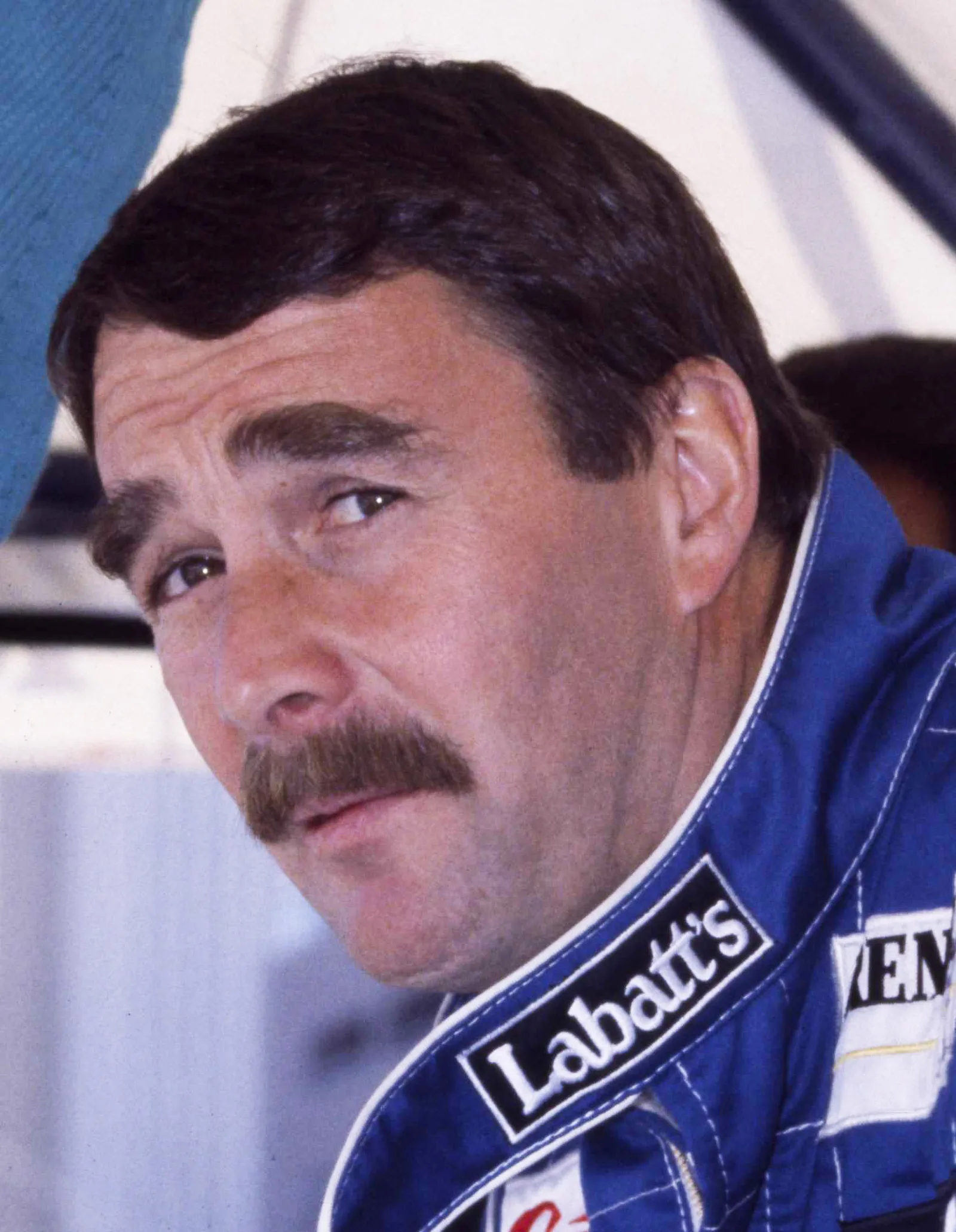
The 1991 Formula One World Championship was the 45th season of FIA Formula One, and it ended with a title that was decided by a half-points Grand Prix in Adelaide. Ayrton Senna took his third and final crown, while Nigel Mansell pushed him all year in his first season back at Williams.
What made the 1991 season different?
The 1991 season was the first in which every race result counted towards the standings, and a win was now worth 10 points instead of 9. Senna won seven of the sixteen races, and McLaren-Honda took their fourth consecutive Constructors' Championship. The season ran from 10 March to 3 November.
Counting every result changed the arithmetic of the title race, because a driver could no longer drop weak scores from the total. The change made consistency more valuable than it had been in the years before.
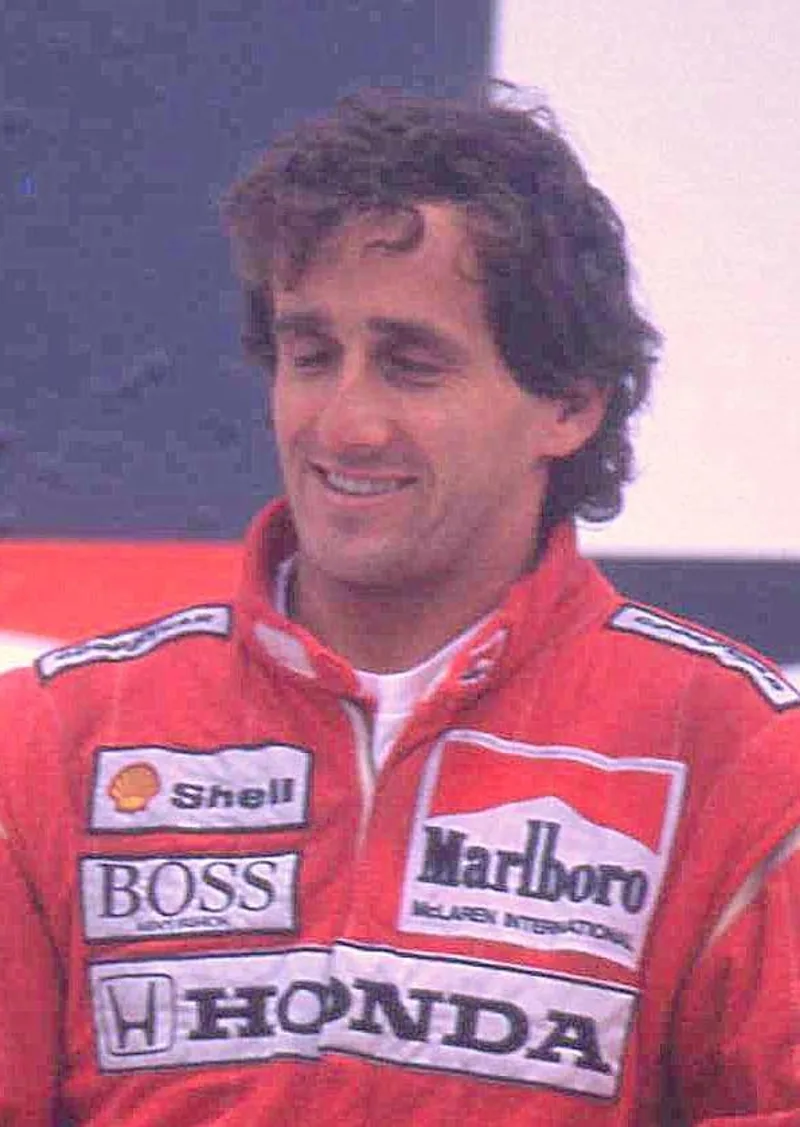
Alain Prost, who had won titles in earlier seasons, failed to win a single race in 1991 with Ferrari. Ferrari dismissed him before the end of the year after a dispute, and the season also introduced two future champions, Michael Schumacher and Mika Hakkinen, to the grid.
Every result counted for the first time, and a half-points finale in Adelaide decided the title.
How did the teams and drivers change?
Mansell moved from Ferrari to Williams, replacing Thierry Boutsen, who joined Ligier. Ferrari signed Jean Alesi on the strength of his 1990 form with Tyrrell, and Stefano Modena went from Tyrrell to Brabham, with Mark Blundell taking the Brabham seat.
The biggest mid-season change came at Jordan. Bertrand Gachot was jailed for 18 months for assault, and Schumacher made his debut for the team at the Belgian Grand Prix in his place. Eddie Jordan paid $150,000 to Mercedes-Benz, since Schumacher was under contract with its sports cars team, and Schumacher moved to Benetton just one race later.
Others were less lucky. Footwork, formerly Arrows, switched from Porsche to Hart-prepared Cosworth engines after six races, and AGS ran out of money and closed two races before the end of the season. Lotus returned to Judd V8 power after a poor 1990 with Lamborghini's V12, and Lamborghini itself built its own chassis before being renamed Modena after relocating to Italy.
Several teams left the sport. EuroBrun, Onyx and Life withdrew before the season, and Osella's owner sold his majority shares to Fondmetal, so the Osella name disappeared from Formula One. Jordan Grand Prix made its debut after a successful Formula 3000 campaign.
What rule changes shaped the 1991 cars?
Four changes were introduced to reduce aerodynamic efficiency and overall grip. The front wing was narrowed, both overhangs were shortened, and the minimum weight rose. Points were also changed, so that a win earned 10 points rather than 9 and every result counted.
Safety was also tightened, with the FIA carrying out more demanding tests of the survival cell, including the seat belts, fuel tanks and rollbar. Front wing rubbing strips had to be raised so that no part was closer than 25 mm (0.98 in) to the ground.
| Change | 1990 rule | 1991 rule |
|---|---|---|
| Front wing width | 150 cm (59 in) | 140 cm (55 in) |
| Front overhang | 120 cm (47 in) | 100 cm (39 in) |
| Rear overhang | 60 cm (24 in) | 50 cm (20 in) |
| Minimum weight (without driver) | 500 kg (1,100 lb) | 505 kg (1,113 lb) |
| Points for a win | 9 | 10 |
| Results counted | Best eleven for drivers | All races for drivers |
How did the early races unfold?
Senna won the opening race at Phoenix from pole, ahead of Prost, Piquet, Modena, Nakajima and Suzuki. It was the last Grand Prix held in downtown Phoenix, and the next race in the United States would not come until 2000 at Indianapolis.
In Brazil, Senna took pole at Interlagos in front of his home fans and won, despite gearbox trouble in the rain that left him with only sixth gear. Patrese was second and Berger third, while Mansell lost time after a slow pit stop and a puncture.
At Imola, Senna took his 55th pole position and won ahead of Berger. Prost spun on the parade lap and was out before the start, and Mansell retired after a collision with Martin Brundle's Brabham. At Monaco, Senna won his fourth race in four, with Mansell second and Alesi third.
Which races kept the title fight alive in the middle of the year?
Mansell won in France at Magny-Cours, passing Prost on lap 54 at the Adelaide hairpin. The Hungarian race and Germany were also key, with Mansell and Patrese making it a Williams 1-2 at Hockenheim. At the halfway point Senna led with 51 points to Mansell's 33.
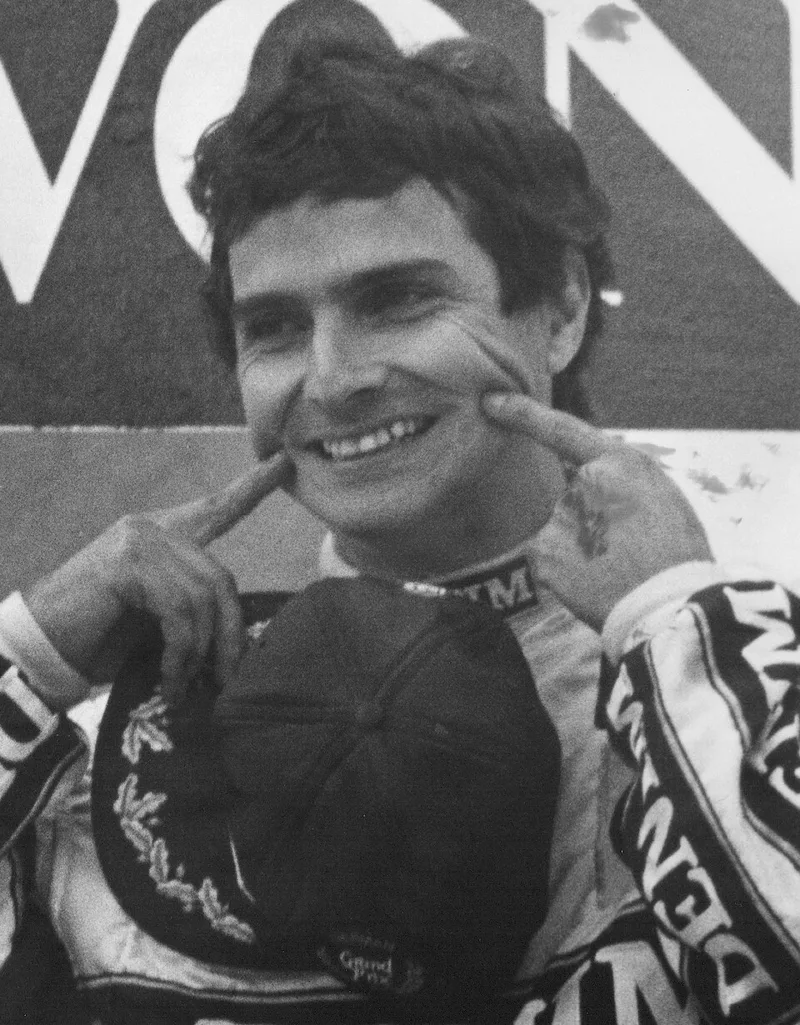
Canada gave Piquet his last career win, ahead of Modena and Patrese, after Mansell stalled his engine while waving to the crowd on the final lap. Patrese then won in Mexico, with Mansell second, despite Senna arriving in Mexico City with a head injury from a jetskiing accident in Brazil.
Silverstone was the race that showed how fragile the McLaren lead could be. Mansell won from pole, but Senna ran out of fuel on the final lap after pushing hard on a light load, and Mansell pushed him back to the pit lane.
The halfway table was close enough to matter. McLaren led the Constructors' standings with 67 points, Williams had 55, Ferrari 29 and Benetton 23.
How did the title race swing in Belgium and Italy?
Belgium was a McLaren 1-2, with Senna winning and Berger second. Schumacher, who had taken Gachot's seat, retired early with a clutch problem, and Mansell lost time to an electrical failure on lap 22.
Patrese started 17th after his Saturday qualifying times were wiped out for a safety infringement, The race also had Alesi leading after Mansell's failure, before his own engine blew on lap 31.
At Monza, Mansell won ahead of Senna, and Prost was third. With four races left, Senna led Mansell by 18 points, 77 to 59. Patrese was third on 34, Berger was on 31 and Prost was on 25. In the Constructors' table McLaren led Williams 108 to 93, with Ferrari on 39.
What happened in the final rounds?
Patrese won the Portuguese round at Estoril, with Senna second and Alesi third, while Mansell's wheel came off in the pit lane and dropped him to 17th. Mansell then won in Spain, but the title was still a race away.
In Spain, Mansell won, but Senna still led by 16 points with two races to go, 85 to 69. Patrese was third with 48, while Prost and Berger were tied on 31.
At Suzuka, Berger won the Japanese race. Mansell spun out on lap 10 with brake problems, and Senna, who finished second, clinched his third and final world title. The McLaren-Honda cars were now 11 points clear of Williams in the Constructors' race.
How was the 1991 title finally decided in Adelaide?
Senna won the final round in Adelaide, with Mansell second and Berger third. The race was stopped in torrential rain after 16 laps and scored only half points, since less than 75% of the scheduled distance had been completed.
Mansell crashed out of the race, which allowed McLaren to clinch the Constructors' title. Prost had already been fired by Ferrari before the race, and Gianni Morbidelli took his place.
The half points made a real difference to the final table. Senna finished on 96 points, ahead of Mansell on 72 and Patrese on 53, with Berger fourth on 43 and Prost fifth on 34. McLaren-Honda ended on 139 points, Williams-Renault on 125 and Ferrari on 55.5.
What became of the four drivers after 1991?
1991 was the last season in which Senna, Prost, Mansell and Piquet raced together, and between them the four had won 93 of the 112 Grands Prix since 1985. Piquet retired at the end of the year, and Prost took a sabbatical for 1992.
Mansell won the 1992 Drivers' Championship before leaving for CART, and Prost won the title in 1993 before retiring. Senna died at the 1994 San Marino Grand Prix,.