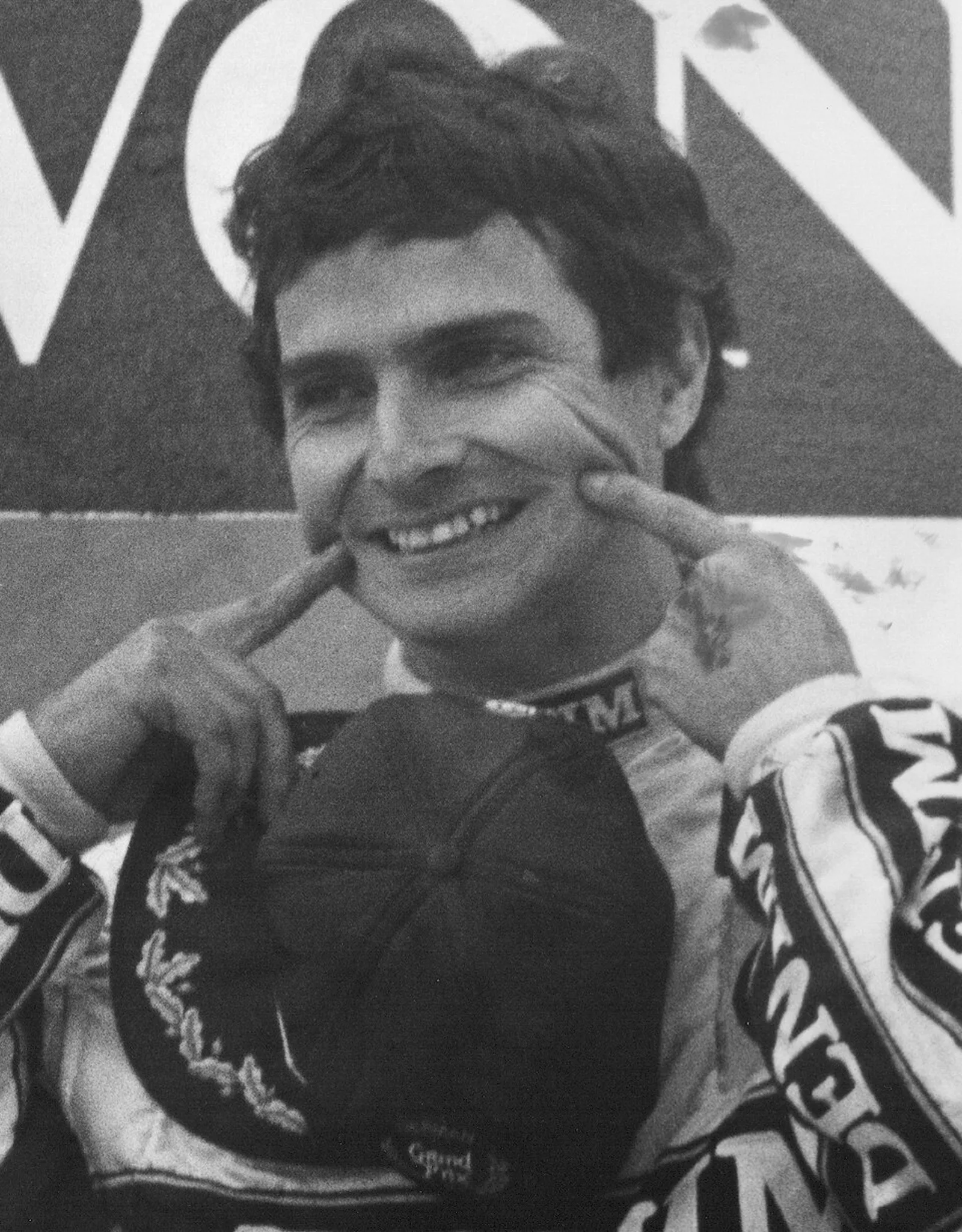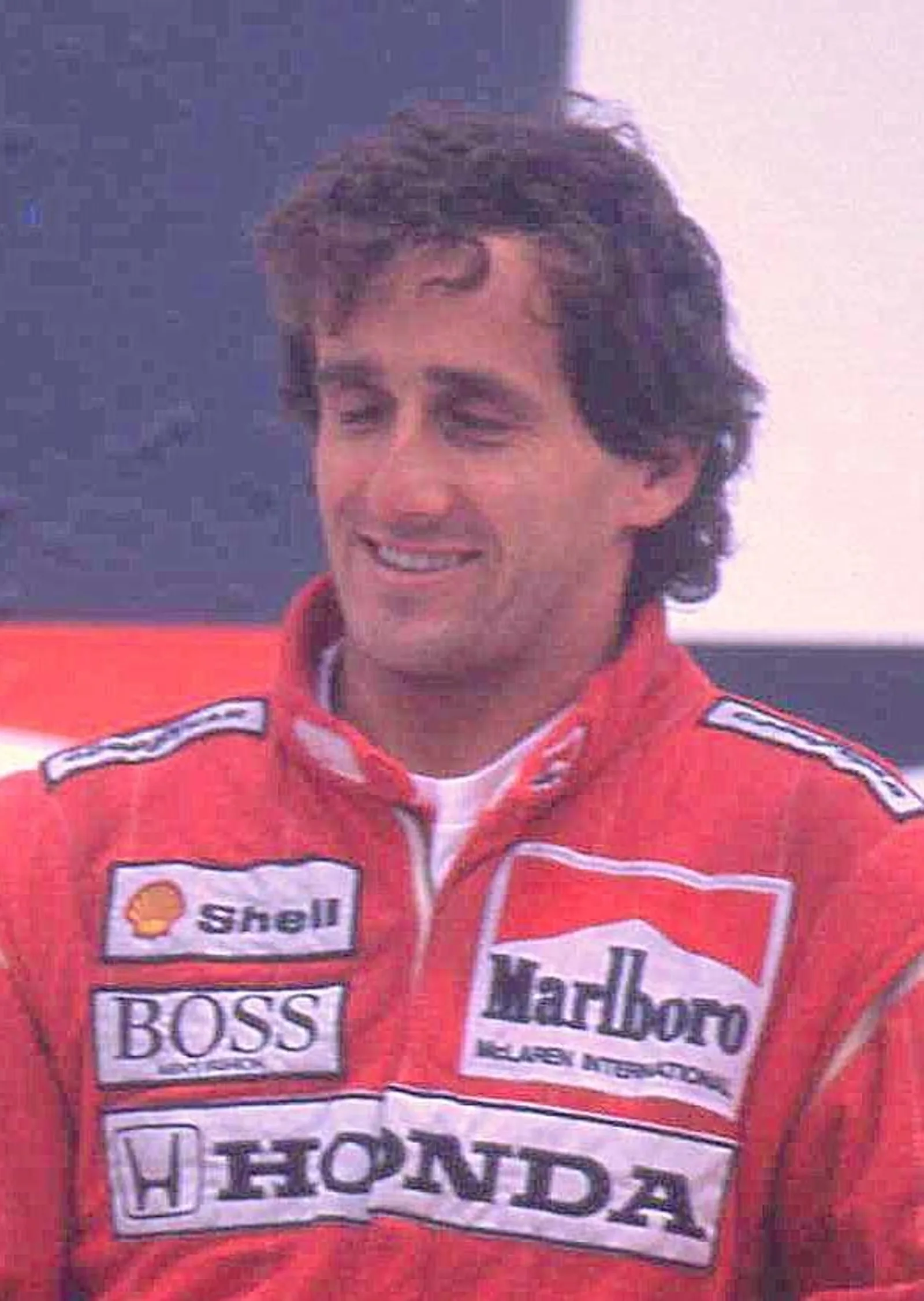
A 3.5-litre season ended with a collision at Suzuka, a disqualification and Prost's third title after a long appeal.
Prost, driving for McLaren, took the 1989 crown, his third, after Senna was disqualified at Suzuka. McLaren also secured the Constructors' title for a second year running, with Honda power behind both teams.
The 1989 FIA Formula One World Championship was the 43rd season of the sport, and it ended in one of its most controversial finishes. Alain Prost won his third Drivers' Championship after a collision with his McLaren teammate Ayrton Senna at Suzuka, and McLaren took its second straight Constructors' title.
How did Prost win the 1989 title?
Alain Prost won the 1989 Drivers' Championship for McLaren, his third title, and McLaren took its second consecutive Constructors' Championship. The title was settled at the penultimate round in Japan, where Prost and Senna, who needed to win, collided in the closing laps.
Prost retired after the collision, while Senna's car was restarted with a push from marshals and he crossed the line first. He was then disqualified for not rejoining the track correctly, which handed Prost the championship. The result was his last title with McLaren before he joined Ferrari for 1990.
McLaren appealed the decision, and Senna later said it was a plot against him by the FIA president Jean-Marie Balestre, who he believed favoured Prost. The matter was still unresolved when the season reached Adelaide, and the appeals were eventually resolved in Prost's favour.
A collision at Suzuka, a disqualification and a long appeal settled a 3.5-litre championship.
What changed for the teams in the new 3.5-litre era?
The 1989 season was the first under the new mandatory 3.5-litre engine formula, which followed the ban on turbocharged engines at the end of 1988. Renault returned as an engine supplier for the first time since 1986, and Honda and Renault both developed V10 engines, a configuration Formula One had never used before.
McLaren kept its line-up of Prost and Senna and raced the new MP4/5, powered by a Honda V10. Ferrari signed Nigel Mansell to partner Gerhard Berger, and the new 640, designed by John Barnard, featured a semi-automatic gearbox that was the first of its kind.
Williams recruited Thierry Boutsen from Benetton to replace Mansell, alongside Riccardo Patrese. The team also had a deal with Renault that gave it exclusive use of the French company's V10 engines. Lotus kept Piquet and Nakajima, but lost its Honda engines and ran a Judd V8 in the new Lotus 101.
The entry list was unusually large. Twenty-one constructors were originally entered, fielding 40 cars, but FIRST Racing withdrew before the opening race, leaving 20 constructors with 39 cars. That remains the highest entry in the modern era.
What regulations shaped the 1989 cars?
Engine capacity was fixed at 3.5 litres, which meant 210 cubic inches, and the driver's feet had to sit behind the front axle line for all cars. Designers used the loss of turbo power to build smaller and tighter cockpits, which affected driver comfort.
Race distances were standardised at 305 km (190 mi) to keep races inside the two-hour limit, although slower street circuits could run shorter. Pre-qualifying was expanded to 13 cars, because 39 drivers were competing for 26 places on the starting grid.
Trackside barriers had to be at least 1 m (3.3 ft) high, and the wall separating the pit lane from the start-finish straight had to reach 1.35 m (4.4 ft). The table below shows the race winners for the season, which tells the story of the year.
What happened in testing and in Brazil?
Pre-season testing in Rio was marred by a serious accident. Philippe Streiff crashed violently in his AGS at the third corner, and the impact broke the car's roll-over bar, leaving him with severe back injuries. He survived but was permanently paralysed from the neck down.
The Brazilian Grand Prix opened the season at Jacarepagua. Patrese took the lead from the front row in his record-breaking 177th Grand Prix, while Berger's first-lap contact sent Senna into the wall and cost him a front wing. Berger's race ended on the spot, starting a long run of retirements for him.
Mansell won a surprise victory for Ferrari despite gearbox faults and little winter testing, ahead of Prost and Gugelmin. Prost had been unable to make his second planned stop after a clutch failure, and Warwick finished only 17.8 seconds behind Mansell after losing more than 20 seconds in a slow stop.
How did the first half of the season unfold?
The early races were dominated by McLaren and by the rivalry inside the team. At Imola, Berger crashed at Tamburello, the race was stopped and restarted, and Senna won from Prost, with Nannini third. Prost complained afterwards that orders had not been respected.
Before Monaco, Prost said he wanted nothing to do with Senna. Practice revealed the dispute: Prost said the two had an agreement that the driver who won the start would not be challenged at the first corner, while Senna denied any such deal existed. Senna won Monaco by almost a minute, with Modena third for the returning Brabham team.
Mexico gave McLaren a third win in a row, with Senna first and Patrese second. Prost was given the wrong tyres at a pit stop, which led Ron Dennis to apologise publicly, and Prost later complained that his Honda V10 seemed weaker than Senna's.
In Phoenix, Prost won and Cheever finished third, his last Formula One podium. The race was flagged early after a petition to shorten it failed to win unanimous support, and Palmer ran out of fuel on lap 69, which cost him a sure fourth place.
Canada was won by Boutsen, his first Grand Prix victory, after Senna's engine failed with three laps to go. Patrese took second and de Cesaris third for Dallara, its first ever podium. France went to Prost at Paul Ricard, with Mansell second, and Jean Alesi finished fourth on his Tyrrell debut.
At Silverstone, Prost won again, with Mansell second and Nannini third. At the halfway point Prost led Senna by 20 points, and Senna had retired from four straight races.
Who won the races in the second half of the season?
Senna won in Germany at Hockenheim, scoring pole, fastest lap and the win, though he had to fight Prost almost all the way. Mansell took third, and Patrese, Piquet and Warwick filled the remaining points positions.
In Hungary, Patrese took the first pole of the year for a car that was not a McLaren, with Alex Caffi also impressive in third. Mansell started 12th and won the race, which he dedicated to the late Enzo Ferrari. Senna finished second, nearly half a minute behind, while Prost was fourth after problems of his own.
Belgium was another wet win for Senna, who finished ahead of Mansell in third. At Monza, Senna retired from the lead late in the race, which handed the win to Prost. Prost then gave his trophy to the tifosi, and Ron Dennis threw his own trophy at his driver's feet, before storming off.
How did the closing rounds decide the title?
Portugal almost settled the championship. Berger won at Estoril, with Prost second, while Senna retired after colliding with Mansell, who had reversed in the pit lane and ignored the black flag. Mansell was banned from the next race, and Prost still led by 24 points with three races left.
Senna won the Spanish Grand Prix from pole, almost half a minute ahead of Berger, while Prost was third and dropped more points. Senna now had to win both remaining races to have a chance of beating Prost to the title.
In Japan, Senna was disqualified after the race, and Nannini inherited his first Grand Prix victory. Patrese and Boutsen finished second and third for Williams. At Adelaide, Prost withdrew at the end of the first lap in torrential rain, while Senna crashed into the rear of Brundle on lap 13. Boutsen won, with Patrese third.
| Race | Winner | Note |
|---|---|---|
| Brazil | Mansell (Ferrari) | Prost second |
| San Marino | Senna | Race stopped after Berger's crash |
| Monaco | Senna | Won by almost a minute |
| Mexico | Senna | Third McLaren win in a row |
| United States | Prost | His only win in the US |
| Canada | Boutsen | First Grand Prix win |
| France | Prost | Mansell second |
| Britain | Prost | Mansell second |
| Germany | Senna | Pole, fastest lap and win |
| Hungary | Mansell | Started 12th |
| Belgium | Senna | Wet win |
| Italy | Prost | Inherited after Senna retired |
| Portugal | Berger (Ferrari) | Prost second |
| Spain | Senna | Berger second |
| Japan | Nannini (Benetton) | After Senna's disqualification |
| Australia | Boutsen | Prost withdrew after one lap |
What did 1989 leave behind?
The 1989 season marked a change of era. It was the first year of the 3.5-litre formula, Renault returned as an engine supplier, and the V10 engine became the standard for the sport. Honda's engines powered McLaren to the constructors' title, and Prost moved to Ferrari for 1990.
The season also ended the Rio era. The race at Jacarepagua was the last in Rio, and Formula One moved to Interlagos in Senna's home city of Sao Paulo from 1990. Prost's title stood, but the disqualification and the appeals left a lasting bitterness between the two drivers.