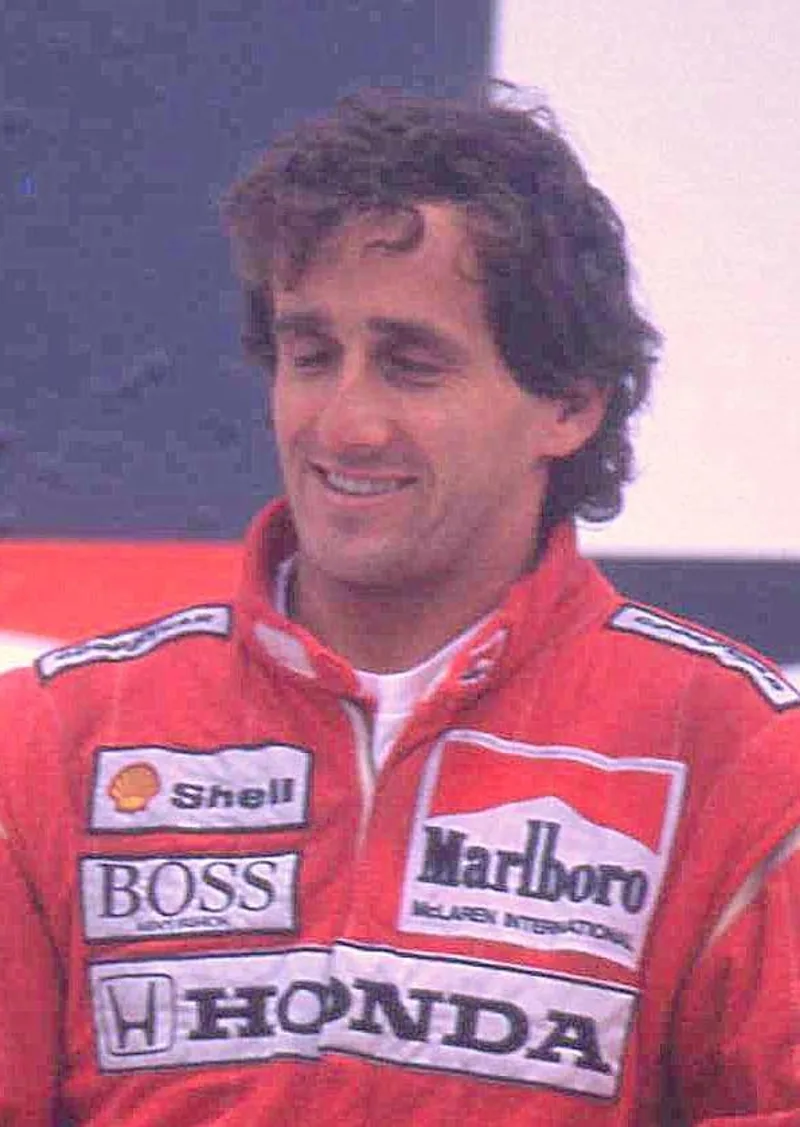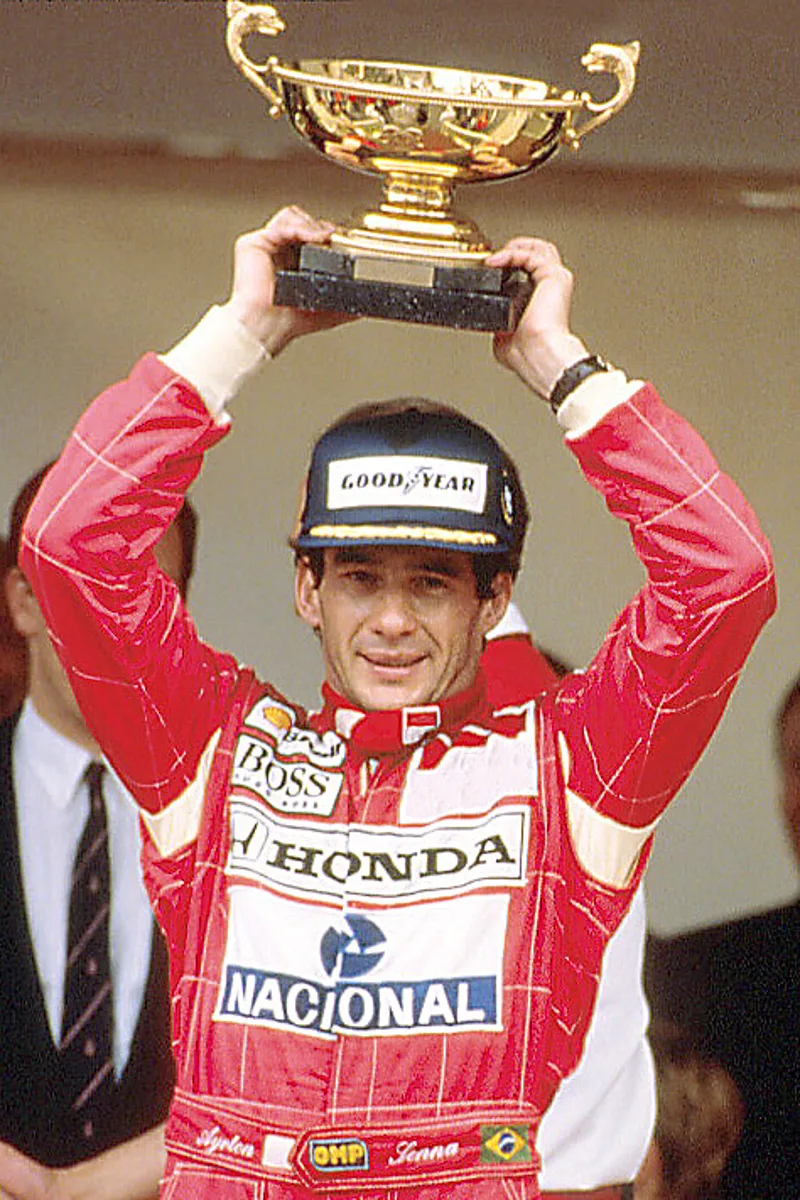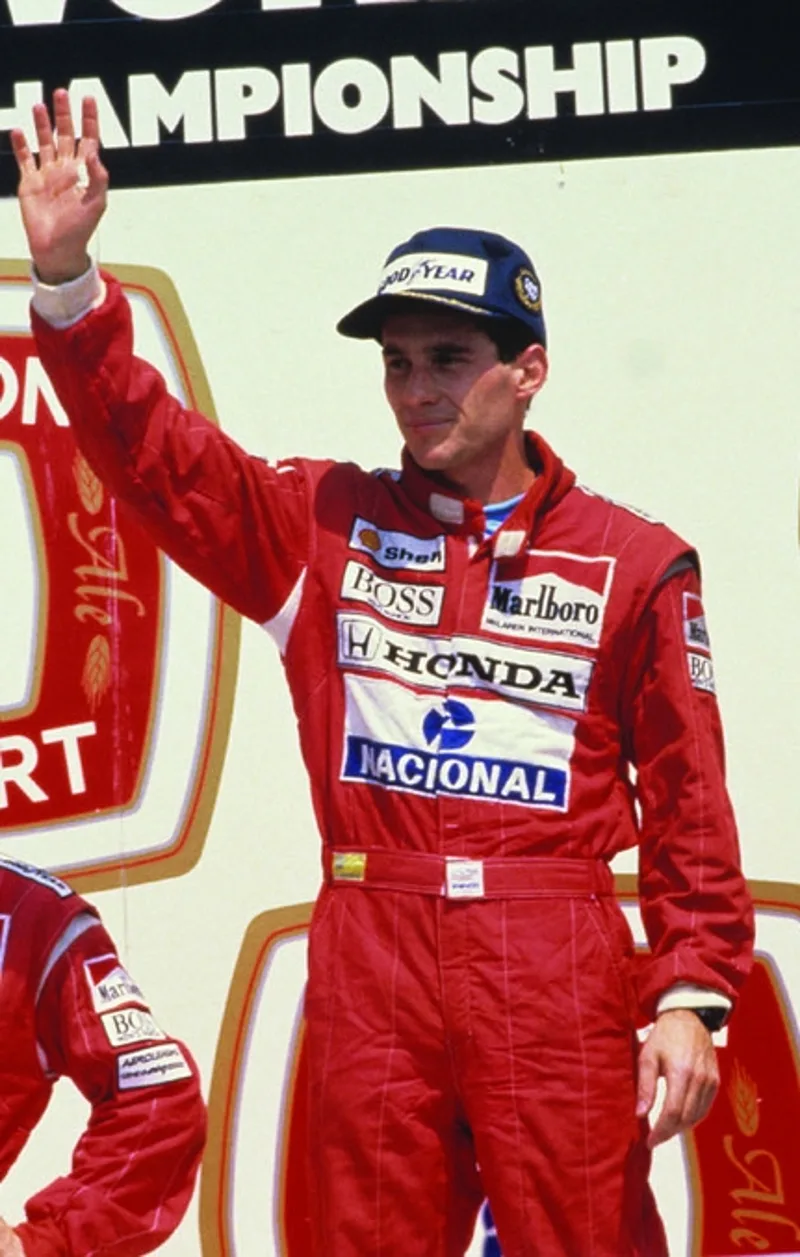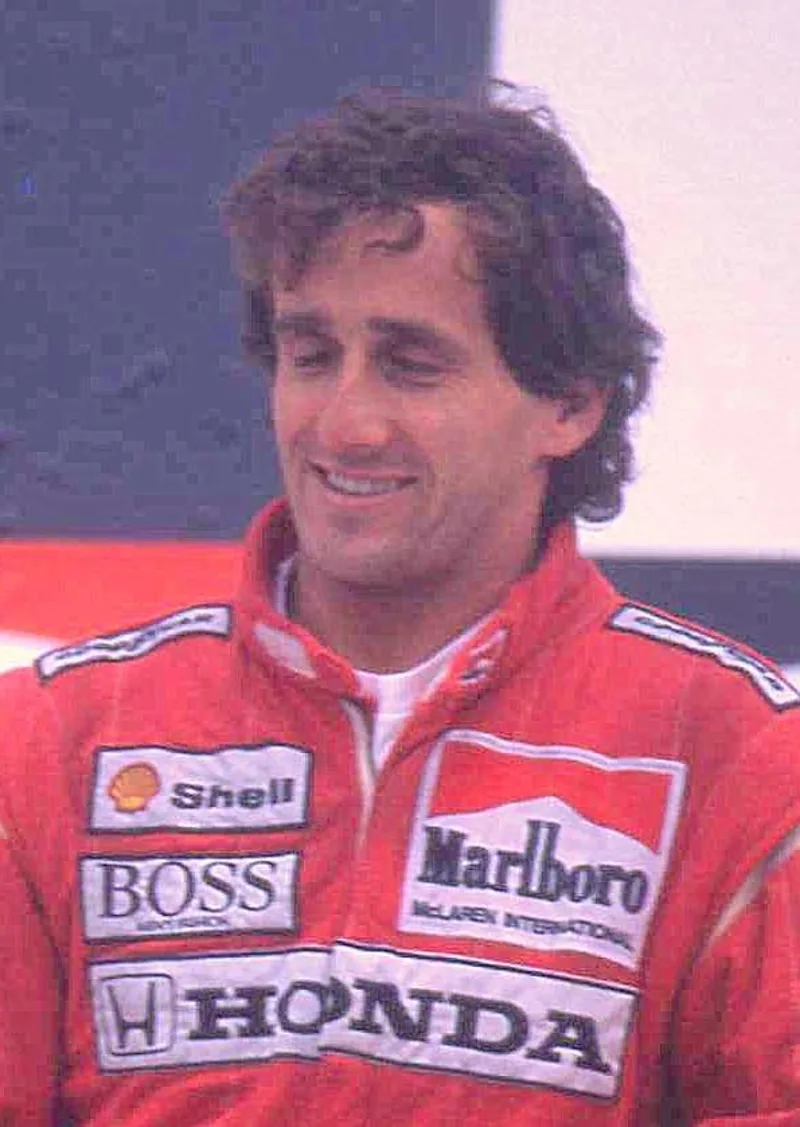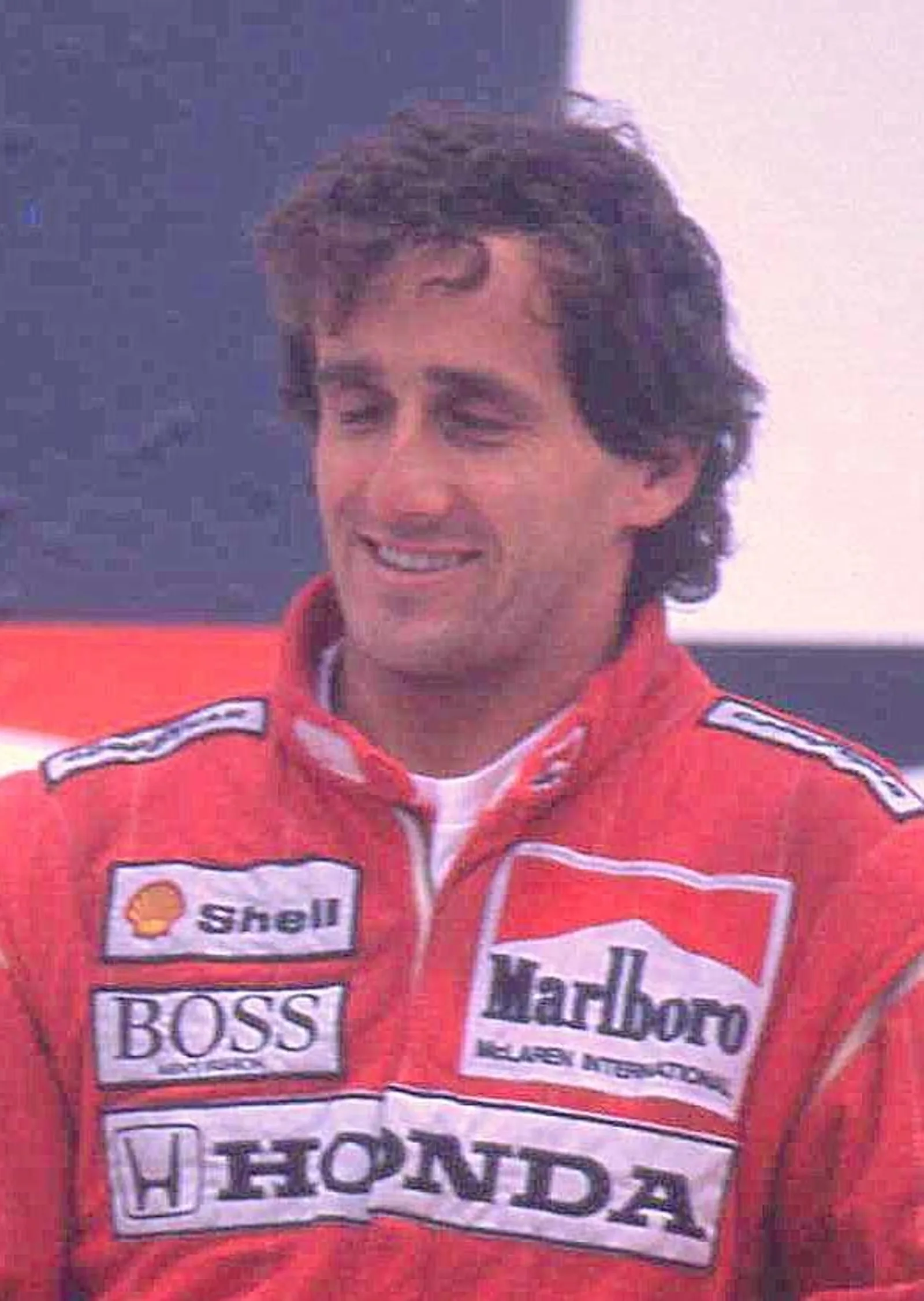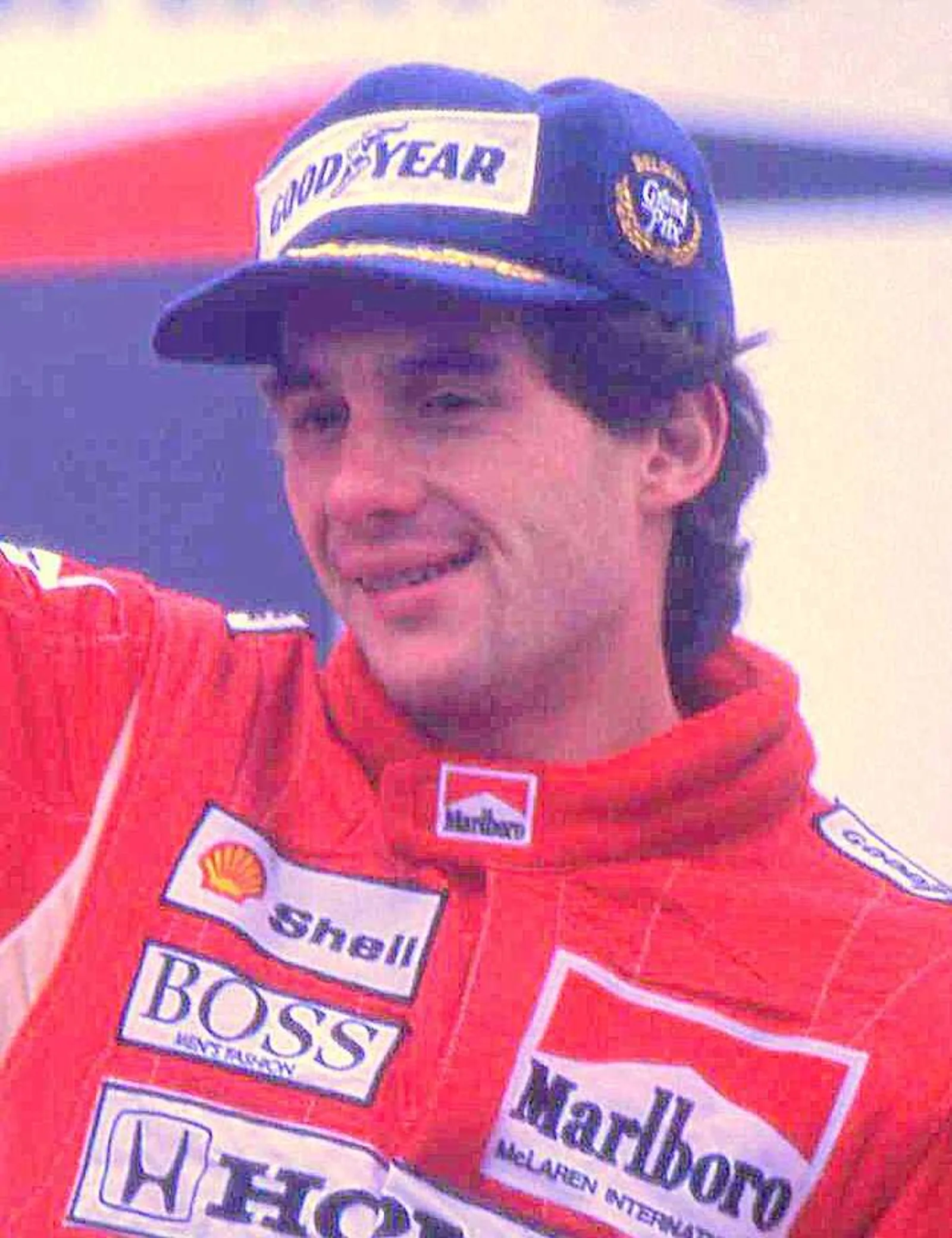
Senna and Prost fought a bitter title race that was settled by a first-corner clash in Japan, while McLaren-Honda took its third Constructors' title in a row.
Ayrton Senna claimed his second drivers' title in 1990, finishing on 78 points to Alain Prost's 71, after the two collided at Suzuka. McLaren-Honda won its third straight Constructors' Championship in a season of 16 races that began in March.
The 1990 season ran from 11 March to 4 November over 16 races. It was a bitter contest between Ayrton Senna and his former teammate Alain Prost, who had switched to Ferrari, and it was decided by a collision at the first corner of the penultimate round.
What changed for the 1990 season?
Several teams left the grid after 1989, and a new constructor, Leyton House, emerged from March. Lotus switched to Lamborghini engines, and Life arrived with an unusual W12 engine that struggled from the start.
Rial and Zakspeed left after the 1989 season, and Leyton House completed its takeover of March to become an official constructor. Coloni signed with Subaru, which bought 51% of the team, but the flat-12 engine made no more than 500 bhp (370 kW).
The mid-season changes were brutal. Adrian Newey was fired from Leyton House after the team's disappointing results in the first six races. Subaru withdrew, Coloni switched to Ford-Cosworth engines before the German Grand Prix, and Life moved to a Judd V8 before Portugal. Onyx folded after ten races, and EuroBrun and Life folded after 14 of the 16.
The United States race moved from June to March to become the opener, and Brazil returned to Interlagos for the first time since 1980 on a track shortened from 7.9 km (4.9 mi) to 4.2 km (2.6 mi). Canada moved ahead of Mexico. Safety rules were modest: larger rear-view mirrors, a mandatory quick-release steering wheel, and extrication training for marshals and medical staff.
Prost moved to Ferrari, Berger to McLaren, and Satoru Nakajima to Tyrrell. Piquet left Lotus on a contract that paid US$100,000 for each point scored on top of a retainer. Derek Warwick joined Lotus, and Martin Donnelly was promoted from test duties.
Johnny Herbert later stepped up after Donnelly's career-ending crash in Spain. Alessandro Nannini suffered a severed forearm in a helicopter crash, which ended his Formula One career, and Roberto Moreno took his place at Benetton.
A bitter rivalry, a collision at Suzuka and a title settled on the first corner of the penultimate round defined 1990.
How did the Senna and Prost rivalry play out?
Prost, now at Ferrari, gave the team its first real title push in years, and after three wins in a row in mid-season he was in front. Senna recovered and reached the penultimate round at Suzuka with a nine-point advantage, so the title turned on a single corner.
Prost's move to Ferrari followed a stressful year at McLaren, where the rivalry with Senna had become bitter. Prost's wins came in the middle of the year, and by the halfway point he led by two points, 41 to 39, with Berger third on 25 points.
Senna responded in the second half. His win in Belgium put him 63 points to 50 ahead of Prost, and by Spain he led 78 to 69 with two races to go.
Suzuka was the second year in succession that the two had collided there. Senna took pole on the dirty side of the track, asked FISA president Jean-Marie Balestre to change the side of pole, and was refused. At the start his front-left wheel touched Prost's rear wing, and both were out. Senna later admitted the collision was deliberate.
How did the opening races go?
Senna won in the United States and Monaco, Prost won in Brazil, and Patrese won at San Marino for his first win since 1983. Points were shared out between Prost, Senna and Berger through the first half of the season.
The season opened in Phoenix, Arizona, on a street circuit moved to March to avoid the heat of the previous June. Alesi led at the start, but Senna overtook him late in the race and held on. Prost retired early with an oil leak and Mansell with clutch trouble.
Brazil brought Interlagos back to the calendar. Prost won from Berger, while Senna finished third after hitting the backmarker Nakajima and having to pit to repair the damage. The result kept Prost in the title hunt.
At Imola a stone split Senna's wheel rim and sent him into a sand trap, and Patrese won his first Grand Prix since South Africa in 1983, ahead of Berger and Nannini.
Senna won at Monaco from pole, ahead of Alesi, Berger and Boutsen. Berger collided with Prost at Mirabeau at the start, which stopped the race for a restart, and Prost's race ended on lap 30 with a battery failure.
What were the points at the key stages?
| Stage | Leader | Points | Chasers |
|---|---|---|---|
| Halfway | Alain Prost | 41 | Senna 39; Berger 25 |
| After Belgium | Ayrton Senna | 63 | Prost 50; Berger 33 |
| After Spain | Ayrton Senna | 78 | Prost 69; Berger 40 |
| Final standings | Ayrton Senna | 78 | Prost 71; Piquet 43; Berger 43 |
Prost finished on 71 points after dropping two, having scored 73 across the season. Piquet dropped one of his 44 points, which left him level with Berger on 43.
What decided the title in Japan and Australia?
Senna's title was settled on the first lap of the Japanese Grand Prix, when he and Prost collided at the first corner. Piquet then won in Japan and again in Australia, with Benetton's Moreno second in Japan.
Senna carried a nine-point lead into Suzuka. Prost had the better start on the racing line, and Senna tried to dive into the narrowing gap. His left front touched Prost's rear wing, and both cars spun into the gravel. Senna had the title.
Even if Prost had won in Australia, he would have needed to drop a result under the counting rules, which would still have left him two points behind Senna. Berger spun into retirement after hitting debris from the Suzuka clash.
Adelaide hosted the 500th World Championship Grand Prix. Piquet led home Mansell and Prost, with Berger fourth and Boutsen fifth. Berger had hit his engine kill switch on lap 2, which allowed Mansell to get ahead before he could restart.
The middle rounds in more detail
Mexico City was decided by a tyre problem and a puncture. Berger's early tyre trouble dropped him to twelfth, and Senna's puncture later forced him out four laps from the end. Prost won, with Mansell second after a daring pass around the outside of Berger at the Peraltada corner, giving Ferrari a one-two.
In France a Ferrari took pole, but it was Mansell rather than Prost who set it. Strategy split the field, with Nannini and Piquet pitting early and Patrese losing badly after going too late. Prost passed Capelli with three laps to go and won ahead of Capelli, Senna and Piquet.
At Silverstone Mansell took pole in front of his home crowd, but his gearbox failed on lap 56. He threw his gloves into the crowd and announced that he would retire at the end of the season. Prost won by nearly 40 seconds from Boutsen, with Senna third, four seconds further back.
On the forested German circuit McLaren locked out the front row with Senna ahead of Berger. Nannini led for a while as the front-runners stopped at different times, before Senna passed him and pulled away. Senna won from Nannini, Berger, Prost and Patrese, while Mansell retired after running over the grass and damaging his car.
At the Hungaroring Boutsen took pole and won, with Senna among the stragglers early on. Senna later tipped Nannini into a spin and out of the race, and Berger's attempt on Mansell ended with both cars in the wall.
Spa-Francorchamps saw three starts. Piquet pushed Mansell off the road at the first, and Nakajima and Modena collided. At the second, Paolo Barilla crashed heavily at Eau Rouge and left debris across the track. Senna took the third start from pole and won from Prost, Berger, Nannini, Piquet and Gugelmin.
At Monza Warwick crashed at the Parabolica and brought out the red flags. Senna won from Prost, Berger, Mansell, Patrese and Nakajima.
At Estoril the Ferraris took the front row, with Mansell ahead of Prost. Mansell had too much wheel spin at the start and almost took Prost out. Later he passed Senna for the lead, but he hit Alliot while lapping him and pushed the Ligier into the wall, escaping without damage to win.
At Jerez qualifying was overshadowed by Martin Donnelly, who was thrown across the track after a suspension failure on a hot lap. He survived with severe leg fractures, but his Formula One career was over. Senna took his 50th career pole, but a punctured radiator forced him out, and Prost won, 22 seconds ahead of Mansell.
Race winners and key results
| Race | Winner | Notable point |
|---|---|---|
| United States | Ayrton Senna | Overtook Alesi late in the race |
| Brazil | Alain Prost | Senna third after hitting Nakajima |
| San Marino | Patrese | First win since 1983 |
| Monaco | Ayrton Senna | Berger and Prost collided at the start |
| Canada | Ayrton Senna | Berger given a one-minute penalty |
| Mexico | Alain Prost | Ferrari one-two with Mansell second |
| France | Alain Prost | Capelli second on the day |
| Britain | Alain Prost | Won by nearly 40 seconds; Mansell retired |
| Germany | Ayrton Senna | Nannini second |
| Hungary | Thierry Boutsen | Senna second, Piquet third |
| Belgium | Ayrton Senna | Prost second, Berger third |
| Italy | Ayrton Senna | Warwick crashed at the Parabolica |
| Portugal | Nigel Mansell | Mansell hit Alliot while lapping him |
| Spain | Alain Prost | 22 seconds ahead of Mansell |
| Japan | Nelson Piquet | Senna and Prost out at the first corner |
| Australia | Nelson Piquet | 500th World Championship Grand Prix |
Senna won six races, Prost five, and Piquet two, with Patrese, Boutsen and Mansell taking one each. McLaren's constructors' title came with 121 points, ahead of Ferrari on 110.
Why does 1990 still matter?
The 1990 season was the last in which drivers could drop their worst results from the championship count. Every result counted from the following season, which changed the arithmetic of close title races for good.
The Suzuka collision left a lasting question about rivalry and sportsmanship. Senna's later admission that the contact was deliberate added to the bitterness between the two drivers, and the episode is still discussed.
The season also marked McLaren-Honda's third consecutive Constructors' title, a run that Senna's pace had driven.