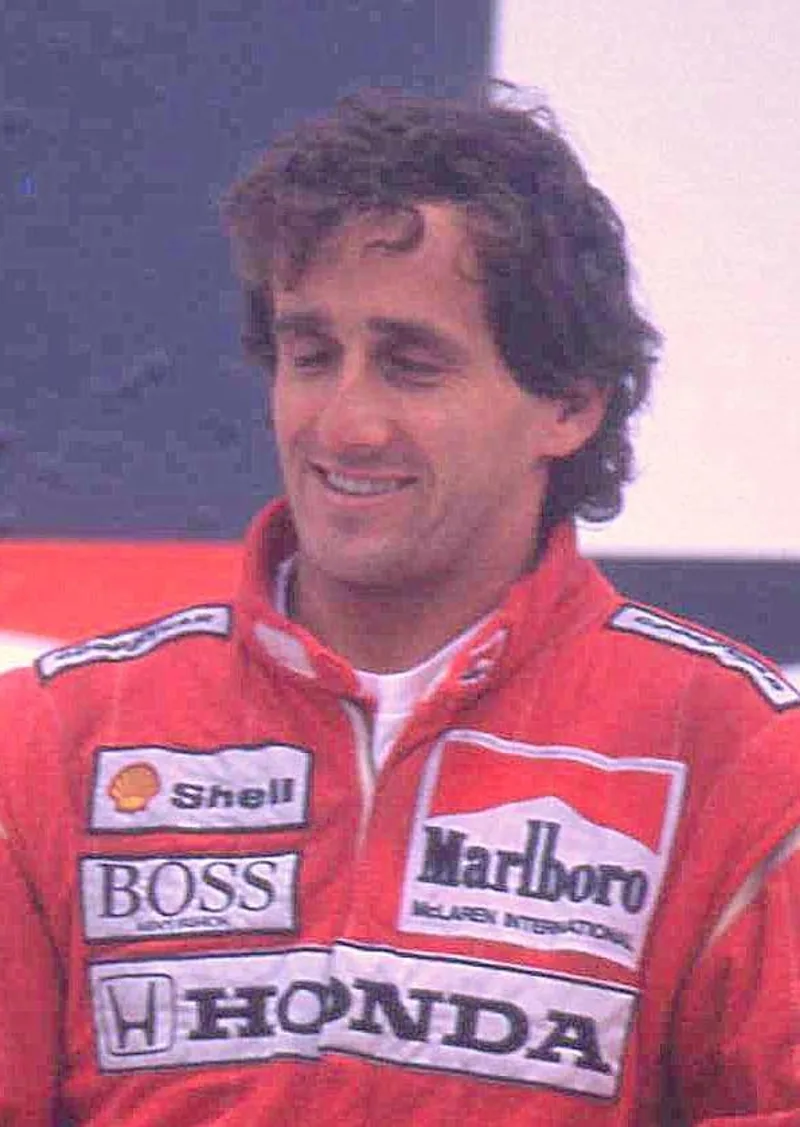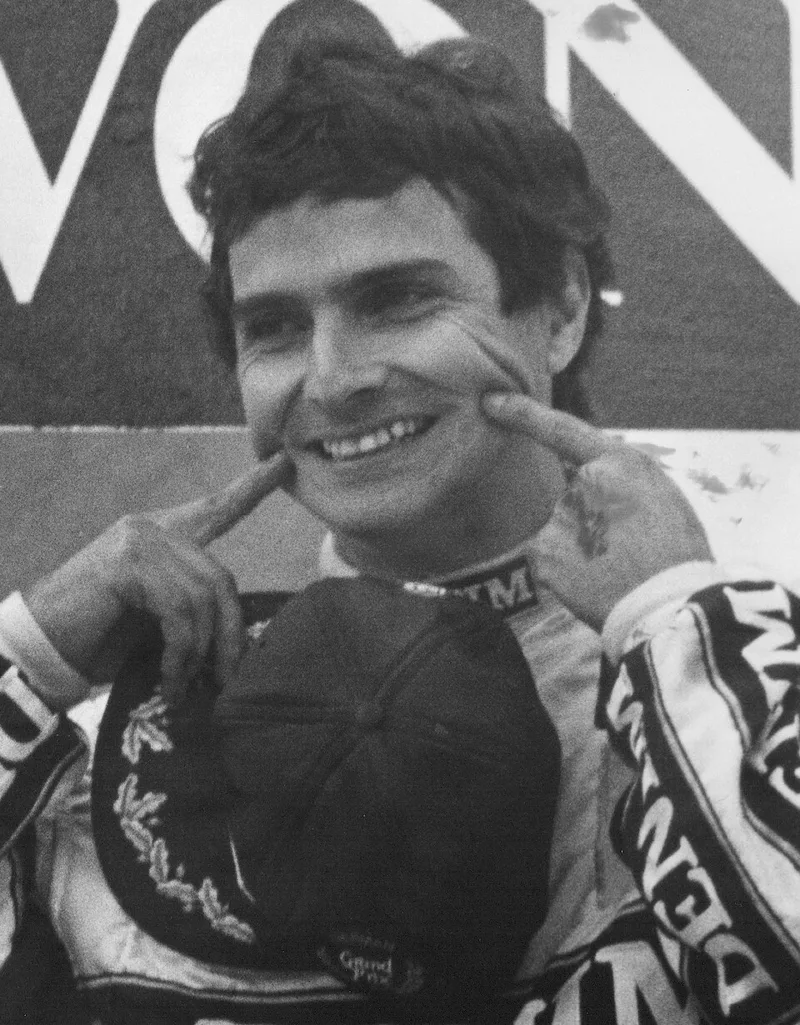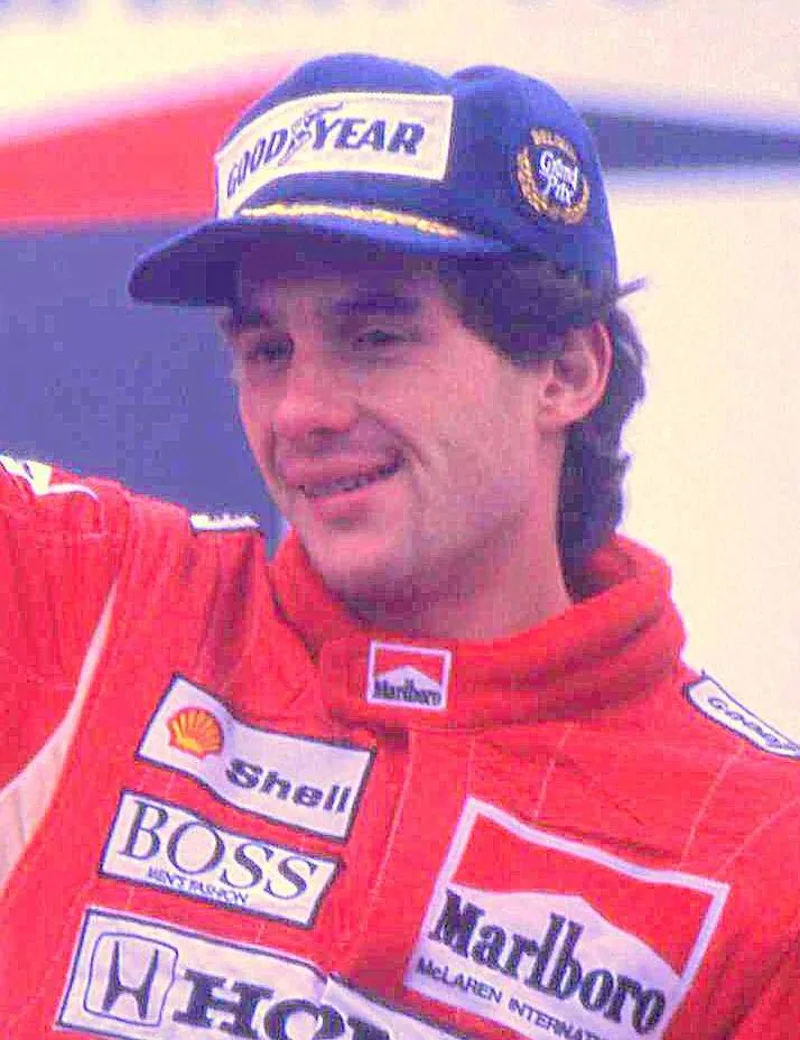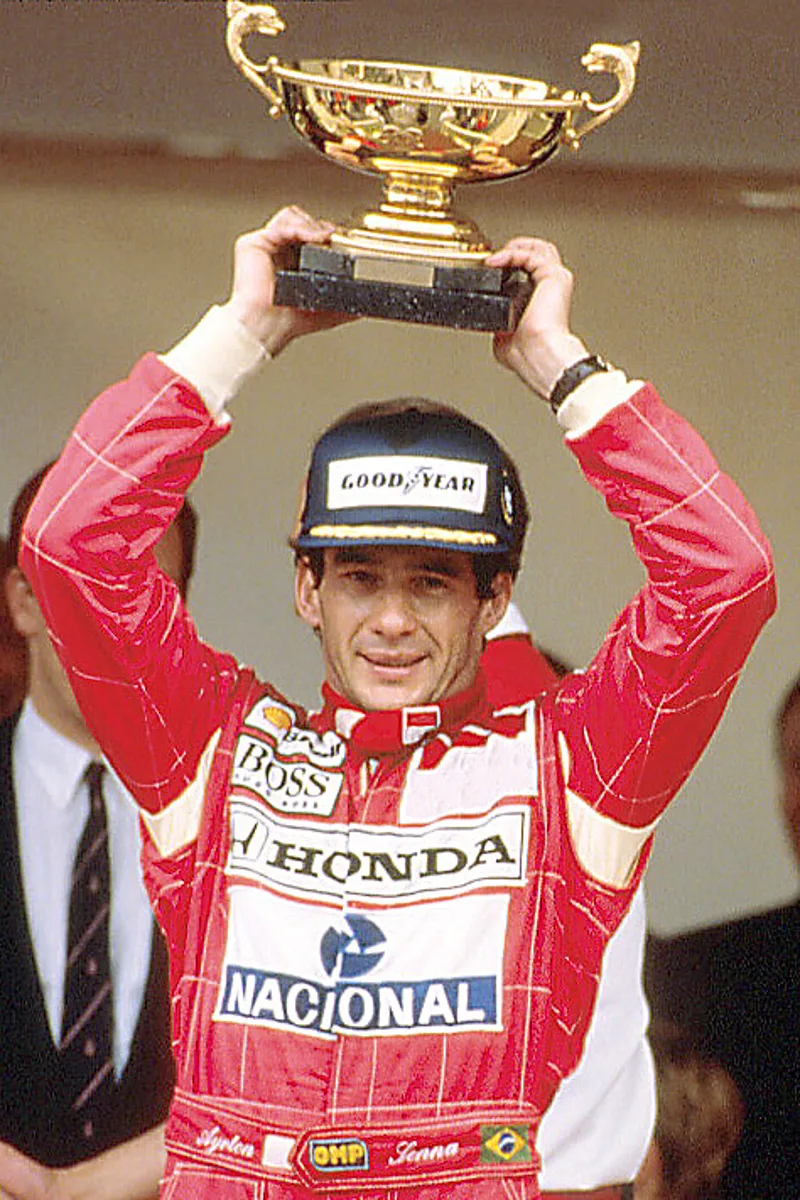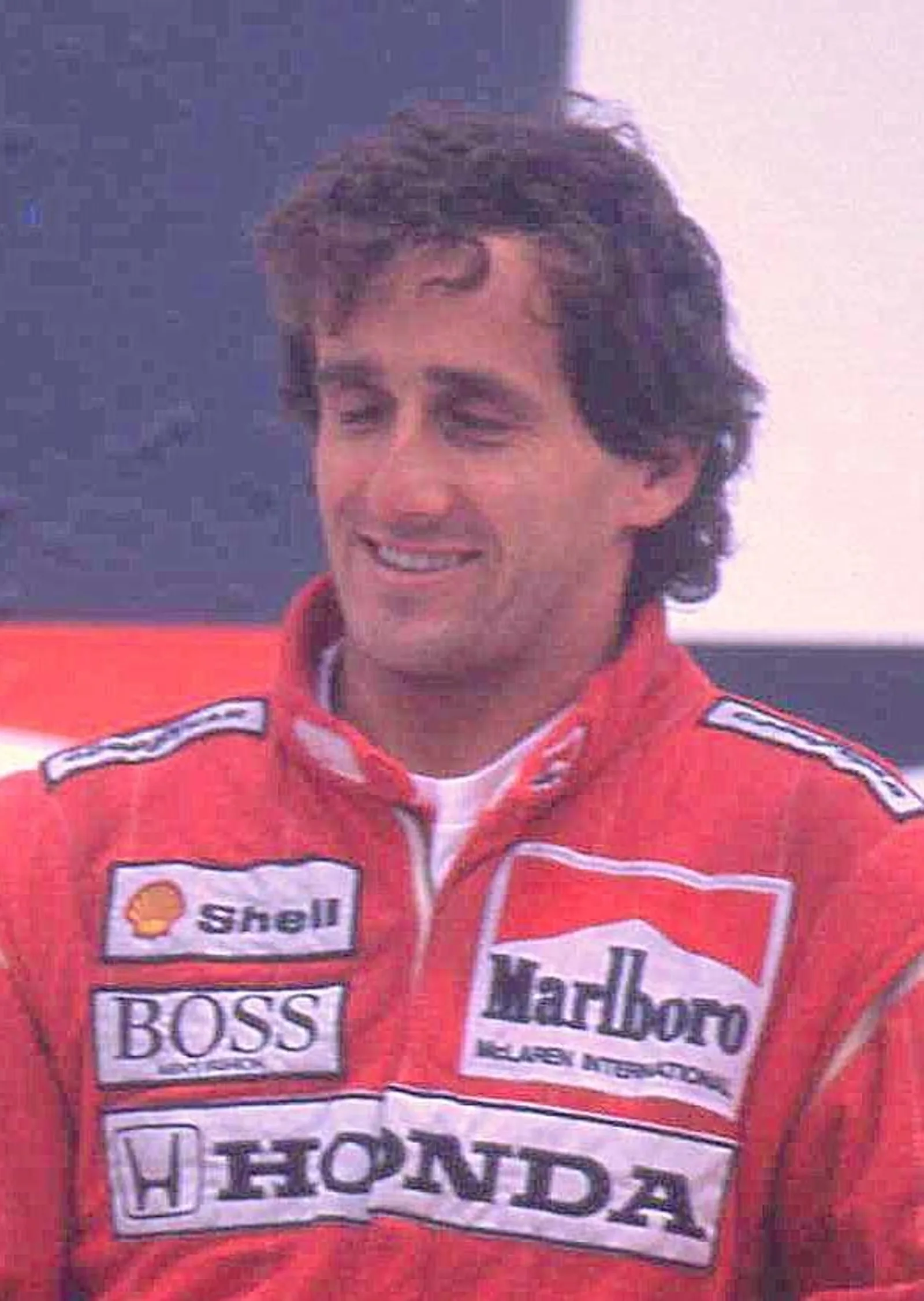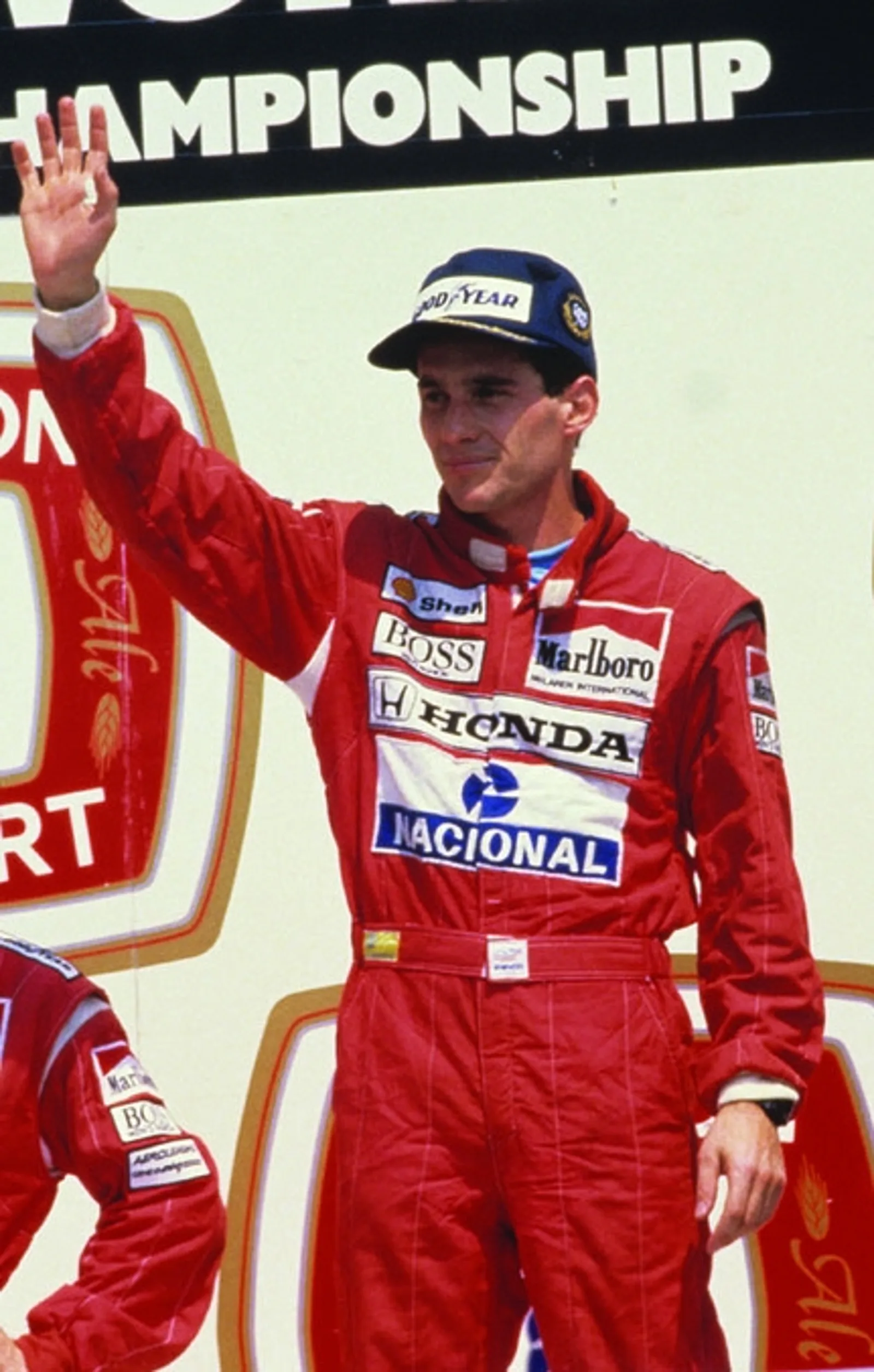
McLaren-Honda won fifteen of sixteen races, Senna took the title in Japan and the season closed the turbo era in Adelaide.
The Brazilian Ayrton Senna claimed the 1988 Drivers' title, while McLaren-Honda took the Constructors' crown on 199 points. Senna and teammate Alain Prost won fifteen of the sixteen races, and Berger's Ferrari win in Italy was the only exception to that run.
The 1988 Formula One World Championship was the 42nd season of FIA Formula One, and McLaren-Honda overwhelmed the rest of the grid so completely that the year is still remembered as a rout. The contest was effectively a duel between two teammates, and the only real question was how the rivalry would play out over the calendar.
Who won the 1988 Formula One World Championship?
Ayrton Senna won the Drivers' Championship for McLaren, and McLaren-Honda took the Constructors' title with 199 points. The two McLaren drivers shared fifteen victories from sixteen races, and Berger took the only other win, in Italy, four weeks after the death of Enzo Ferrari.
The season opened on 3 April and closed on 13 November in Adelaide. McLaren's tally was more than three times that of any other constructor, and it stood as a record until 2002. Senna's eight wins and Prost's seven wins were enough to make the battle inside the team the main storyline of the year.
Two McLaren drivers filled almost every podium, and the turbo era closed in Adelaide with a Honda 1-2-3.
How did the 1988 rules change the engines?
The FIA was pushing towards naturally aspirated engines ahead of the ban on turbos due to start in 1989. The turbo boost was cut to 2.5 bar (36 psi), down from 4.0 bar (58 psi) in 1987, and pop-off valves were mandated to enforce the limit. Turbo cars lost roughly 300 bhp (220 kW) as a result.
Fuel was limited too. Turbo engines could carry 155 L (41 US gal), down from 195 L (52 US gal) the year before, while naturally aspirated cars faced no limit at all. The FIA also introduced a rule that the driver's feet must sit behind the front axle line, and it required the survival cell and fuel tank to pass a static crash test.
The Jim Clark and Colin Chapman trophies, given the year before to naturally aspirated drivers and constructors, were withdrawn because those engines would become mandatory from 1989. A permanent FIA race director was also introduced to attend every race meeting.
Which teams took the early gamble on naturally aspirated power?
Four teams moved to naturally aspirated engines early, hoping to get a year's head start on the new rules. Williams, the 1987 Constructors' champion, ran a new naturally aspirated Judd V8, while March and Ligier made the same choice. Ten teams ended up running Cosworth-powered cars, with Benetton holding exclusive rights to the superior DFR unit.
Williams had lost its Honda turbo V6 engines at the end of 1987, and its reactive suspension system made matters worse. The system used 5% of engine power to run, and with its weight the Judd-powered FW12 became sluggish compared with its rivals.
Osella kept running the Alfa Romeo 890T V8 turbo, rebadged as the Osella V8, and it produced around 700 bhp (522 kW) on paper. Despite that, it often proved slower than the year-old Cosworths. McLaren and Lotus, the Honda customers, received the RA168E engine, designed to cope with the turbo limits.
Adrian Newey designed the March 881 for the team's second season back in Formula One. Three new teams joined the grid: BMS Scuderia Italia with a Dallara chassis, Rial, the ex-owner of the ATS team, and EuroBrun, which bought the remains of the Brabham team. Brabham was missing from the grid for the first time since 1961, after losing its turbo BMW engines and missing the entry deadline.
What changed among the drivers?
Nelson Piquet left Williams after winning his third title with the team, following a heated battle with Nigel Mansell. Riccardo Patrese replaced him, and Piquet joined Team Lotus, where a seat had opened when Senna moved to McLaren to partner Prost. Alessandro Nannini had already replaced Teo Fabi at Benetton before the 1987 Austrian Grand Prix.
Julian Bailey, the first British driver to win a Formula 3000 race, moved to Tyrrell for 1988. He was one of five drivers making their debut at the start of the season. Further changes came mid-season: Martin Brundle replaced Mansell at the Belgian Grand Prix, Jean-Louis Schlesser made his debut at Monza, and Pierluigi Martini replaced Adrian Campos at Minardi.
What changed on the calendar?
The Austrian Grand Prix was dropped over safety concerns at the Osterreichring, after safety concerns at a narrow pit straight and a crash in practice that broke Stefan Johansson's ribs. Belgium shifted from late May to late August, filling the gap left by Austria, and the Mexican race was pulled forward from mid-October into late May.
Canada came back after a year's absence, in mid-June, as the middle leg of a North American triple-header. Mexico came before it, and Detroit followed the week after.
How did the season open in Brazil and Imola?
Ferrari dominated pre-season testing in Rio, and Berger and Alboreto were expected to contend. The first race, however, went to Prost, his fifth Brazilian Grand Prix win in seven years. Berger finished 10 seconds behind in second, and Piquet was third in his first race for Lotus-Honda.
Senna was disqualified in Brazil for switching to the spare car after the green flag. Mansell's front row start on a non-turbo Judd Williams stood out, although his car was timed at 265 km/h (165 mph) on the long back straight compared with over 290 km/h (180 mph) for the Honda turbos.
At Imola, the McLaren MP4/4 was in a class of its own. Senna and Prost were three seconds faster than Piquet in qualifying, and Senna won with Prost 2.3 seconds behind him at the finish. The McLarens lapped the field, and both drivers set faster race laps than anyone else.
Both Ligiers failed to qualify, the first time that had happened since the team entered Formula One in 1976. Johansson could only manage 28th, while Rene Arnoux was 29th, both more than 8.5 seconds slower than Senna's pole time.
Why was Monaco such a turning point?
At Monaco, Senna's team ran into a serious problem of its own. Senna took pole by 1.4 seconds from Prost, after Prost had set the fastest time earlier in qualifying and Senna pushed hard to take it back. Ron Dennis told both drivers to cool it, and Senna led by 50 seconds with 12 laps remaining before hitting the wall at Portier.
Prost won the race after a long, patient spell behind Berger. He spent 54 laps behind the Ferrari before passing it on lap 54, then pulled away while putting pressure on Senna. Berger finished second and Alboreto third, and the team did not hear from Senna until the night of the race.
How did the middle of the season unfold?
The middle rounds kept the same pattern, with McLaren winning almost everything and rivals fighting for scraps. Senna won in Canada by 5 seconds, with Boutsen 46 seconds back in third, and he followed up with a win at Detroit, where Prost finished 38.7 seconds behind.
Prost won at Paul Ricard for his home race, with Alboreto and Berger behind, and Piquet came through to fifth despite losing second gear. Silverstone then gave Mansell a second place in the wet, his first finish of the season after a run of retirements. Senna won that race and Nannini finished third.
At Hockenheim, the McLarens were timed at 333 km/h (207 mph) in the speed trap, against 328 km/h (204 mph) for the Ferraris. Senna won and Prost was second, while Nannini set his first career fastest lap after a broken throttle bracket had cost him four laps and almost 20 places.
Senna took his sixth win in Hungary, his third in a row, with Prost half a second behind at the finish. Prost had briefly passed him on lap 49 before running wide, and Senna had retaken the lead almost at once.
What happened at Monza?
The Italian Grand Prix was the one race of the year that McLaren did not win. Senna led from the start, but he crashed into Schlesser's Williams while trying to pass it at the Rettifilo chicane, and his McLaren was out of the race. Berger won ahead of Alboreto, the first Italian race since Ferrari's death.
Prost's Honda engine had blown on lap 35 of 51, and his championship hopes seemed to evaporate. Senna had been forced to use more fuel to stay ahead, then had to back off over the last 16 laps. Ferrari closed the gap to just over 5 seconds with two laps remaining, and the crash effectively ended the chance of a perfect McLaren season.
Arrows finished third and fourth, with Cheever just six-tenths ahead of Derek Warwick. That was the last podium for the old BMW M12 engine, which had come to Formula One with Brabham in 1982. In qualifying Cheever reached 200 mph (322 km/h), while the McLarens and Ferraris topped out at 192 mph (309 km/h).
Who won each race in 1988?
McLaren-Honda took most of the wins, but the table below shows that Berger's win in Italy and Alboreto's second places kept Ferrari in the mix. Prost and Senna between them took the majority of the podium spots across the sixteen rounds.
| Race | Winner | Second |
|---|---|---|
| Brazil | Prost | Berger |
| San Marino | Senna | Prost |
| Monaco | Prost | Berger |
| Mexico | Prost | Senna |
| Canada | Senna | Prost |
| Detroit | Senna | Prost |
| France | Prost | Alboreto |
| Britain | Senna | Mansell |
| Germany | Senna | Prost |
| Hungary | Senna | Prost |
| Belgium | Senna | Prost |
| Italy | Berger | Alboreto |
| Portugal | Prost | Capelli |
| Spain | Prost | Mansell |
| Japan | Senna | Prost |
| Australia | Prost | Senna |
How was the title settled in Japan?
Senna clinched the title in Japan, where Prost made the better start but Senna stalled and recovered. Prost led on the first lap and seemed to have the advantage, but the rain changed the race. Senna made up six positions on the opening lap and was fourth by the fourth lap.
When the rain fell, Prost's gearbox began to fail, and Senna moved past him when Prost was caught behind de Cesaris. Senna set three consecutive fastest laps and a new lap record. He then signalled to stop the race, but it ran its full distance, and Honda finished 1-2 at Suzuka.
Capelli briefly led the race in the wet, making him the first non-turbo driver out front in over 4 years, but his electronics failed. Prost accepted that Senna had been a deserving champion, though he was bitter about the result.
What happened in the final race in Australia?
Prost won in Adelaide, with Senna second and Piquet third, giving Honda turbos a 1-2-3 finish in the final turbo race before the 2014 season. McLaren had secured its 12th 1-2 qualifying of the year, and Senna took his 13th pole, beating Prost's time on the last lap of qualifying.
Berger had said he would go for it with full boost, and he led the race after passing Prost on lap 14. He crashed with Arnoux on lap 25. Mansell spun into the barriers on lap 65 with no brakes left, having been fourth. The Adelaide Street Circuit was notoriously hard on brakes, and both Mansell and Patrese had suffered brake trouble in practice.
Senna finished the year with eight wins and three seconds, giving him 90 points to Prost's 87. Prost, who had won seven races and finished second seven times, accepted that Senna deserved the title. He later argued for a scoring system that gave the winner 10 points, not 9.
What did the 1988 season mean for turbo power?
The 1988 season ended the turbo era, and the rules to limit boost and fuel had the intended effect of bringing naturally aspirated cars back into contention. Mansell's front row starts in Brazil and Hungary showed the trend, and non-turbo cars took three second-place and eight third-place finishes.
Bernie Ecclestone said McLaren had done nothing more than their usual professional job, and that they were rarely challenged because most of the field performed below par. Brabham, sold to EuroBrun owner Walter Brun, was due back in 1989.