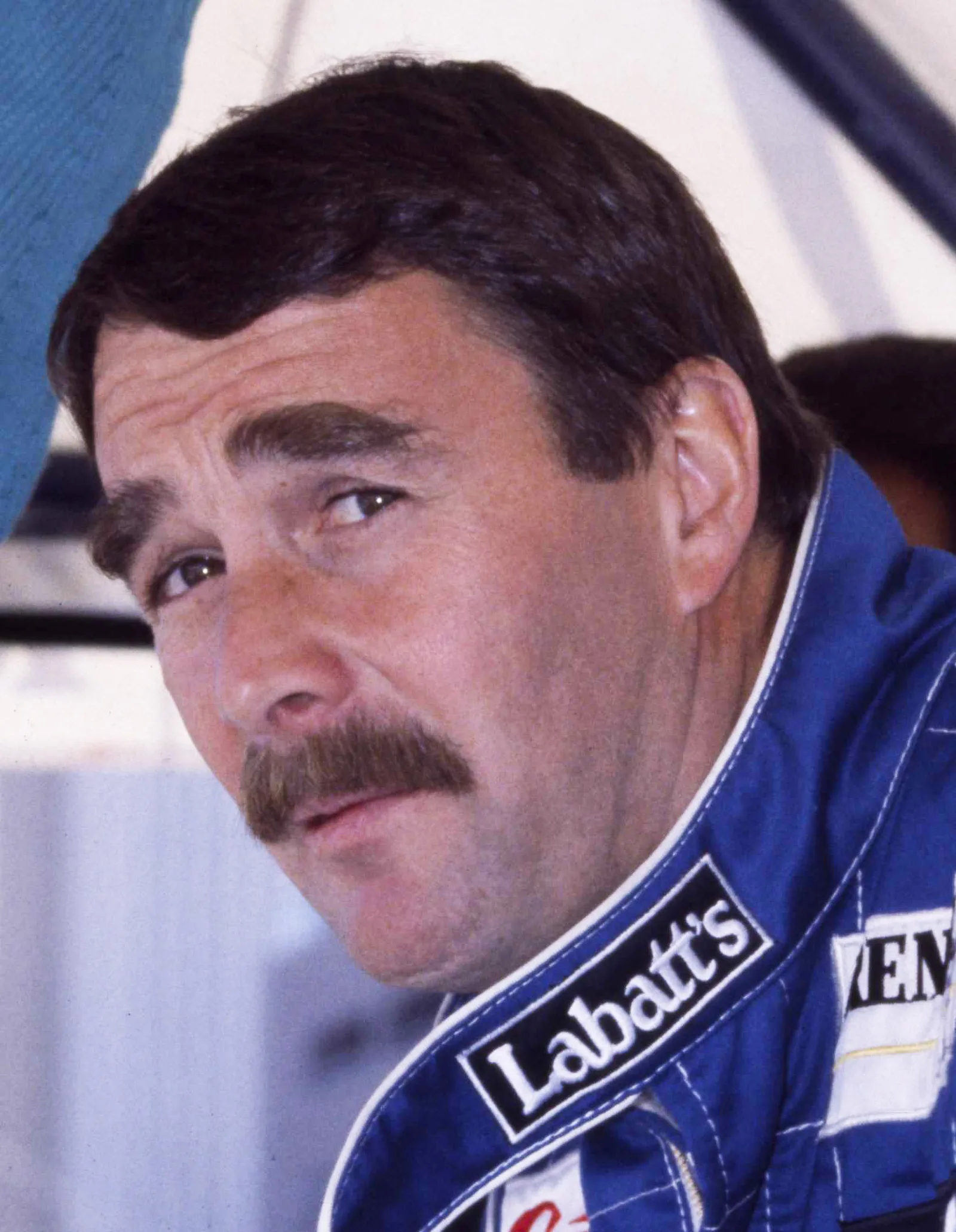
Nigel Mansell won nine races, sealed the title in Hungary with five races to spare and became Britain's first champion since 1976.
Nigel Mansell won the 1992 Drivers' Championship for Williams-Renault with 108 points, after nine race wins. Ayrton Senna finished fourth in the standings, while Williams took the Constructors' title on 164 points.
The 1992 Formula One World Championship was the 46th season of FIA Formula One, and it belonged to Nigel Mansell from the first race to the last. His Williams-Renault car was the class of the field, and by the middle of the summer no rival could realistically close the gap.
How did Mansell dominate the early season?
Mansell won the first five races of 1992 and went on to take nine wins in the year, a record for a single season at that point. He took pole in South Africa, where the rebuilt Kyalami circuit gave him a Williams 1-2 with Patrese, and he repeated the feat in Mexico and Brazil.
Brazil was typical of the year. Mansell was slow away from pole, but Patrese passed him, and then Mansell pitted while passing back markers and took the lead when Patrese stopped. He won by 29 seconds from Patrese, making it another Williams 1-2, with Schumacher third.
Mexico City tested the drivers with its bumpy surface and banked Peraltada corner, and Senna crashed into a concrete wall in practice in the Esses. He was cleared to race, but he retired on lap 11 with transmission trouble while Mansell won again.
In Spain, heavy rain made the race chaotic. Alesi climbed from eighth to third, and Senna tipped him into a spin in the fight. Mansell still won, from Schumacher, Alesi and Berger, and at Imola he made it five wins from five races with Patrese second and Senna third.
Nine wins and a title clinched with five races to spare made 1992 Mansell's year.
Who challenged Mansell during the middle races?
Senna won in Monaco, and Berger took the win in Canada, but neither could stop Mansell's consistency. Patrese was the only other driver to challenge him regularly, and the halfway table showed how far ahead the Williams driver had moved.
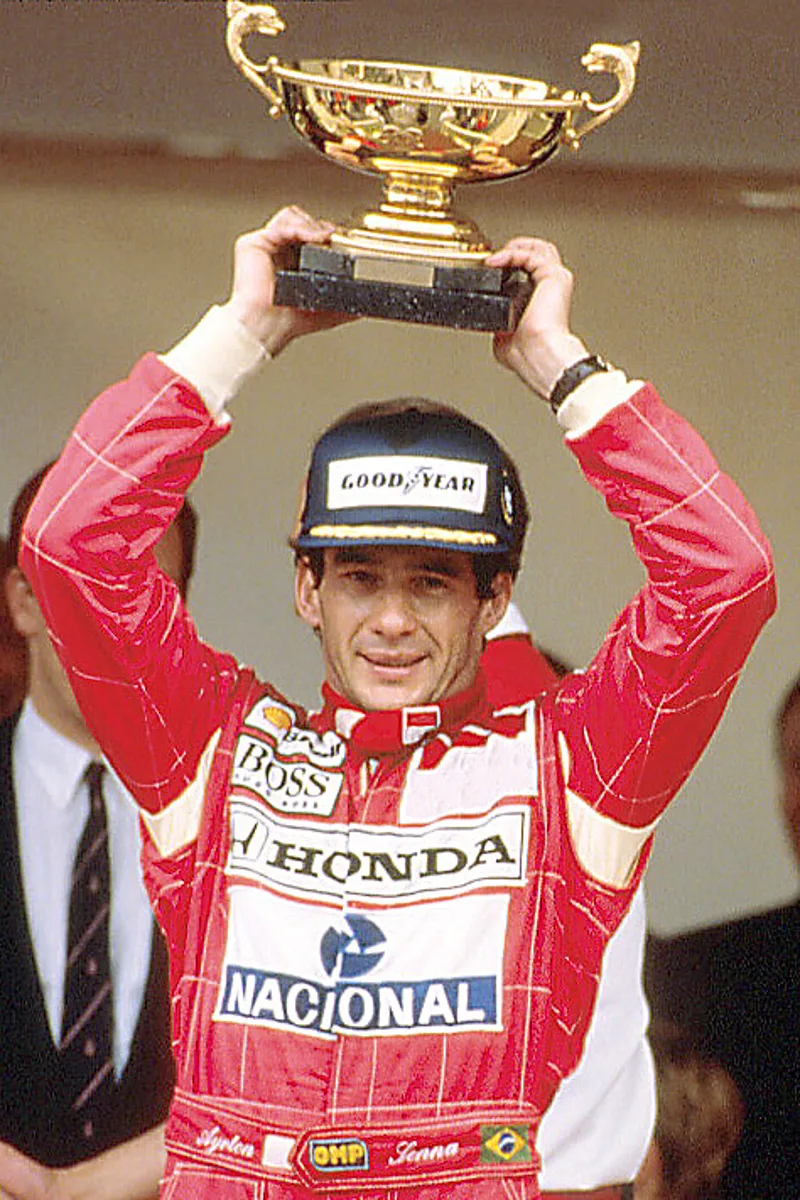
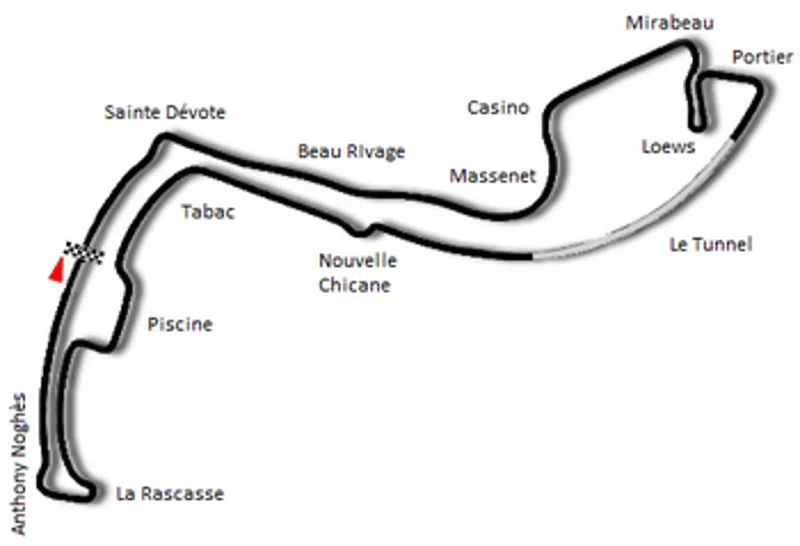
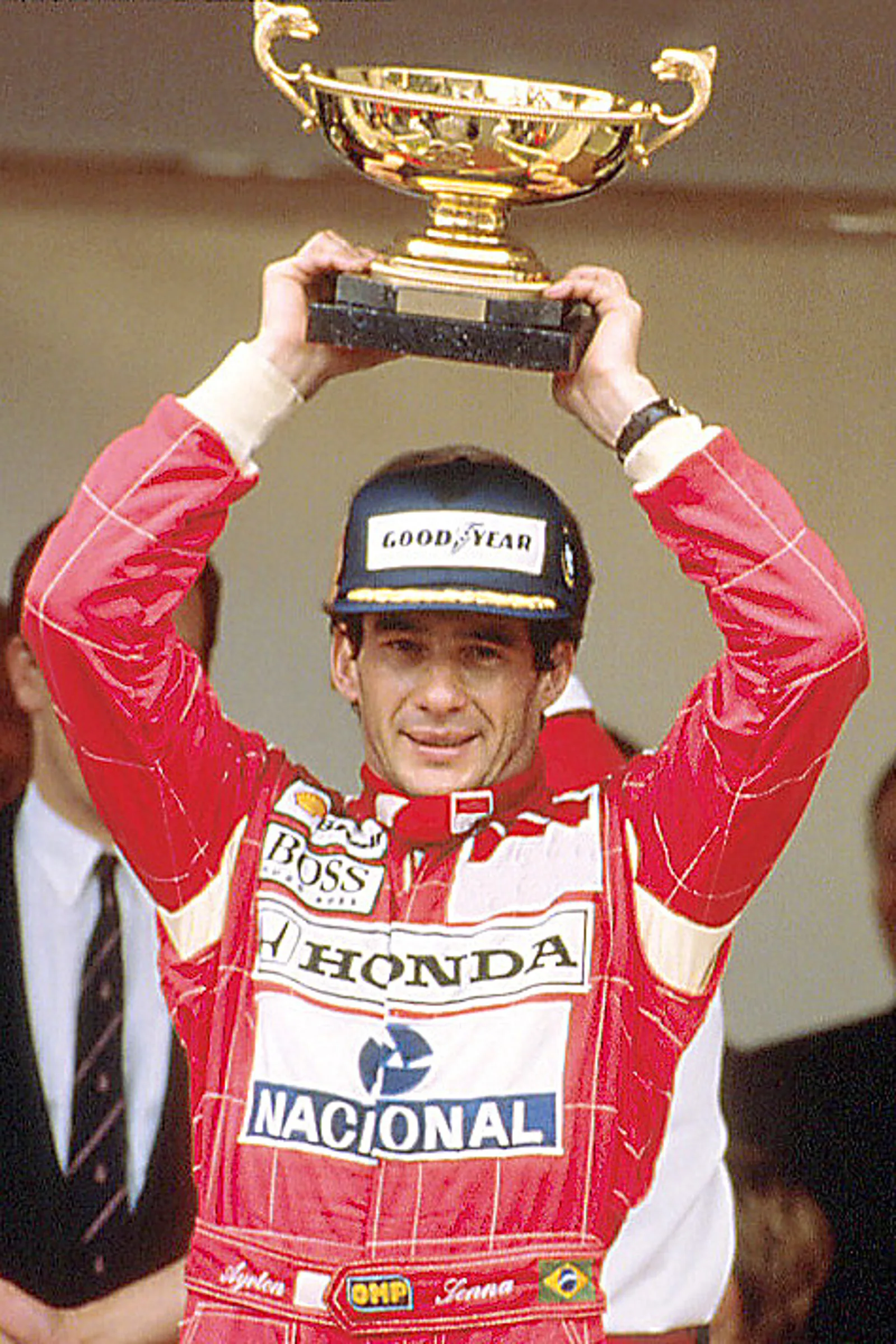
At Monaco Mansell took six poles in six races, but Senna was able to block every move the Englishman tried. Senna led Mansell and Patrese home, with Schumacher fourth and Brundle fifth. The result showed that the McLaren could still be a threat on a street circuit.
Canada gave Berger his win after Senna's electrical failure, and Mansell crashed out on lap 15 when he attacked Senna at the final chicane. He claimed Senna had pushed him off the track. In France, Mansell won again after the race was halted by heavy rain, and the Magny-Cours result gave him a clear advantage.
France also saw the first use of a safety car in the sport, a Ford Escort RS Cosworth. The race confirmed the pattern of the season, with Patrese second and Brundle third.
When did Mansell clinch the title?
Mansell secured the 1992 title in Hungary, with five rounds left on the calendar. Before that race he was 46 points ahead of Patrese, and Williams had a lead of 77 points over Benetton with six races to go.
Hungary was a dramatic race for the drivers chasing points. Patrese's engine blew and he scored nothing, Schumacher's rear wing broke on lap 64, and Senna won ahead of Mansell, who finished second to become the new champion. Mansell was the first British champion since James Hunt in 1976.
By the Belgian race the title was almost settled, and Schumacher won the race for his maiden victory. Williams took a 2-3 finish in Belgium, and Mansell was on 98 points with Patrese second on 44. Belgium was also the only race with 18 classified finishers, the most of the season.
| Stage | Leader | Points | Runner-up | Points |
|---|---|---|---|---|
| After France (halfway) | Mansell | 66 | Patrese | 34 |
| After Belgium | Mansell | 98 | Patrese | 44 |
| After Portugal | Mansell | 108 | Senna | 50 |
| Season end | Mansell | 108 | Patrese | 56 |
What changed in the teams and on the calendar?
The calendar was shaken up by the cancellation of the United States Grand Prix at Phoenix, which had been due on 15 March. South Africa returned after a seven-year absence, held at Kyalami on a new layout that followed the end of apartheid.
The Mexican race moved to March and the Spanish race to May. The Austrian Grand Prix was cancelled for financial reasons, and the Hungarian Grand Prix moved up from 23 August to 16 August to take its slot. The European Grand Prix at Jerez, which had been due on 4 October, was also cancelled.
Several teams struggled or disappeared. Brabham went into administration 11 races into the season, Andrea Moda was expelled after 12 races, and Fondmetal ran out of money after 13. March left the sport after more than twenty years in Formula One, and Modena ceased operations before the season began.
Some teams gained. March had completed a take-over of Leyton House, Ligier signed a three-year full-works Renault engine deal, and Lamborghini supplied Minardi and Larrousse. Mugen Motorsports made its public debut as the supplier to Footwork.
What rule changes did the 1992 cars face?
Unleaded fuel became mandatory for all Formula One cars in 1992, because leaded fuel was deemed too hazardous for health. From the Hungarian Grand Prix the cars ran on pump fuel with a lower octane, which reduced engine power further.
Stricter crash tests were introduced, and the use of the Safety Car was formalised. Circuits were required to lower their kerbs, widen the pit lane to at least 12 metres and add a chicane at the pit lane entry.
Which drivers moved teams in 1992?
Piquet retired as a three-time champion, and Benetton signed Martin Brundle from Brabham. Capelli moved to Ferrari after Prost's release, and Modena and de Cesaris switched teams, Modena to Jordan and de Cesaris to Tyrrell.
Brabham signed Eric van de Poele and Giovanna Amati, who became the first female Formula One driver since Desire Wilson in 1980. Amati was replaced by Damon Hill after three races, while Hill was still competing in F3000.
Other changes were more temporary. Ferrari dropped Capelli after the Portuguese round and promoted Nicola Larini, and Christian Fittipaldi was replaced at Minardi by Alessandro Zanardi after a crash in qualifying, before returning after three races. Jan Lammers came back for the final two races, replacing Karl Wendlinger.
How did the season finish?
Mansell finished the year on 108 points, with Patrese second on 56 and Schumacher third on 53. Senna finished fourth on 50 after winning three races for McLaren-Honda, and Berger was fifth on 49.
In Italy, Senna won from Brundle, while Mansell's hydraulic failure on lap 36 ended his race. Portugal brought Mansell's 30th career win, with Berger second and Senna third. Japan went to Patrese, while Berger won the final race in Adelaide.
Adelaide was a dramatic finale. Mansell and Senna collided on lap 19 at the final corner, both drivers retired, and some claimed Mansell had brake tested his rival. Patrese's engine failed while he was almost 20 seconds clear, and Berger inherited the win. It was also Modena's last Grand Prix and Jordan's only point of the season.
Williams finished the season as the dominant Constructors' champion on 164 points, ahead of McLaren on 99, Benetton on 91 and Ferrari on 21.
What did 1992 mean for Mansell's career?
1992 was Mansell's final full season in Formula One. He had won the title and set a record number of wins in one year, and he went on to start six more Grands Prix across 1994 with Williams and 1995 with McLaren.
His British wins also changed the record books. At Silverstone, Mansell overtook Jackie Stewart as the most successful British driver with 28 wins to Stewart's 27, and the record was later passed by Lewis Hamilton.