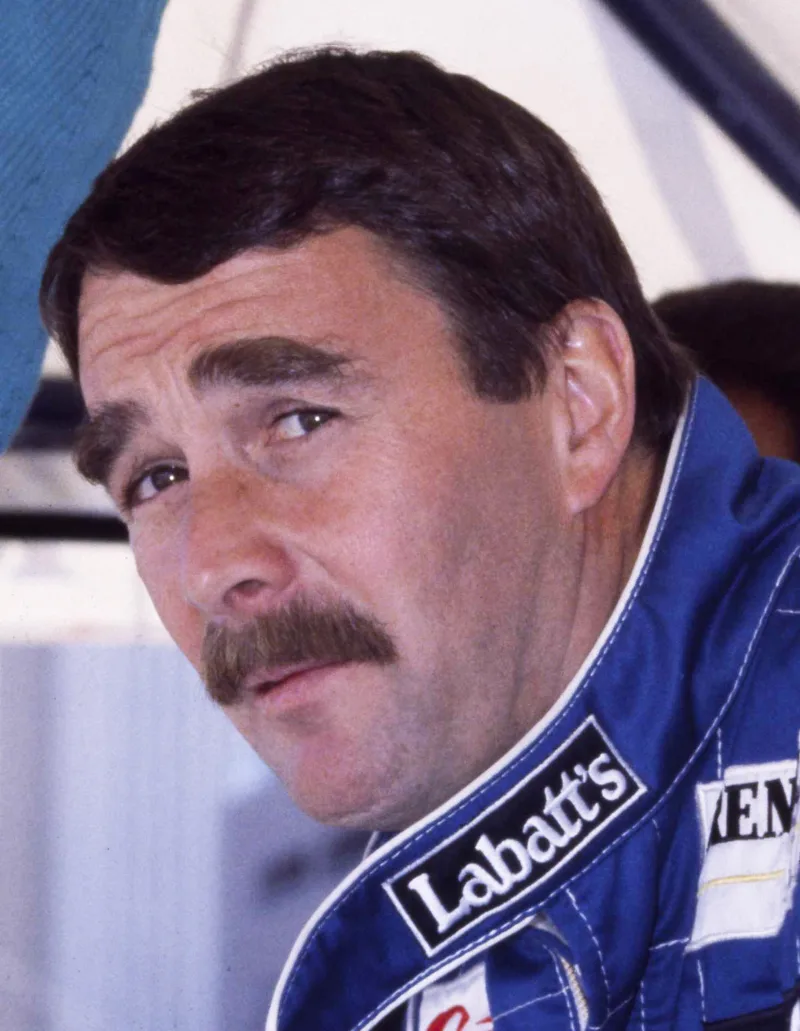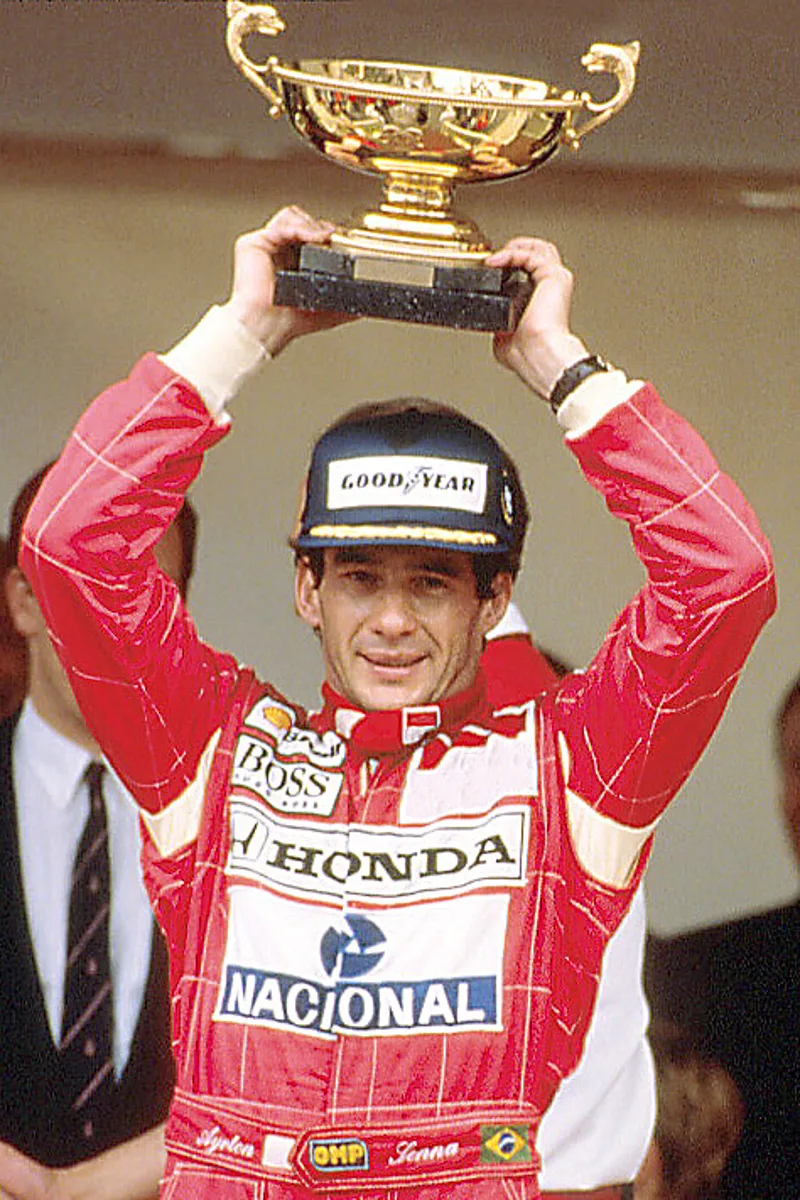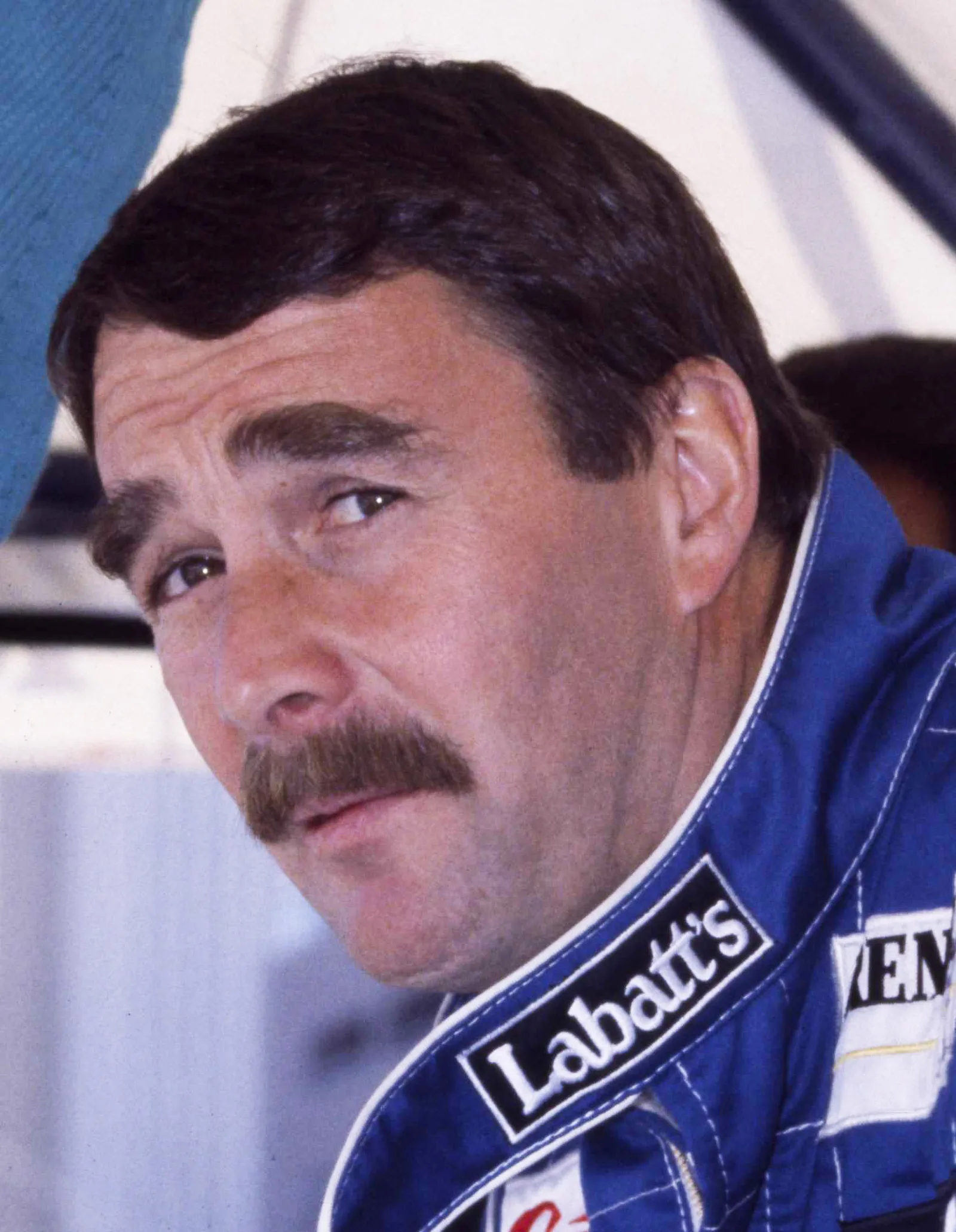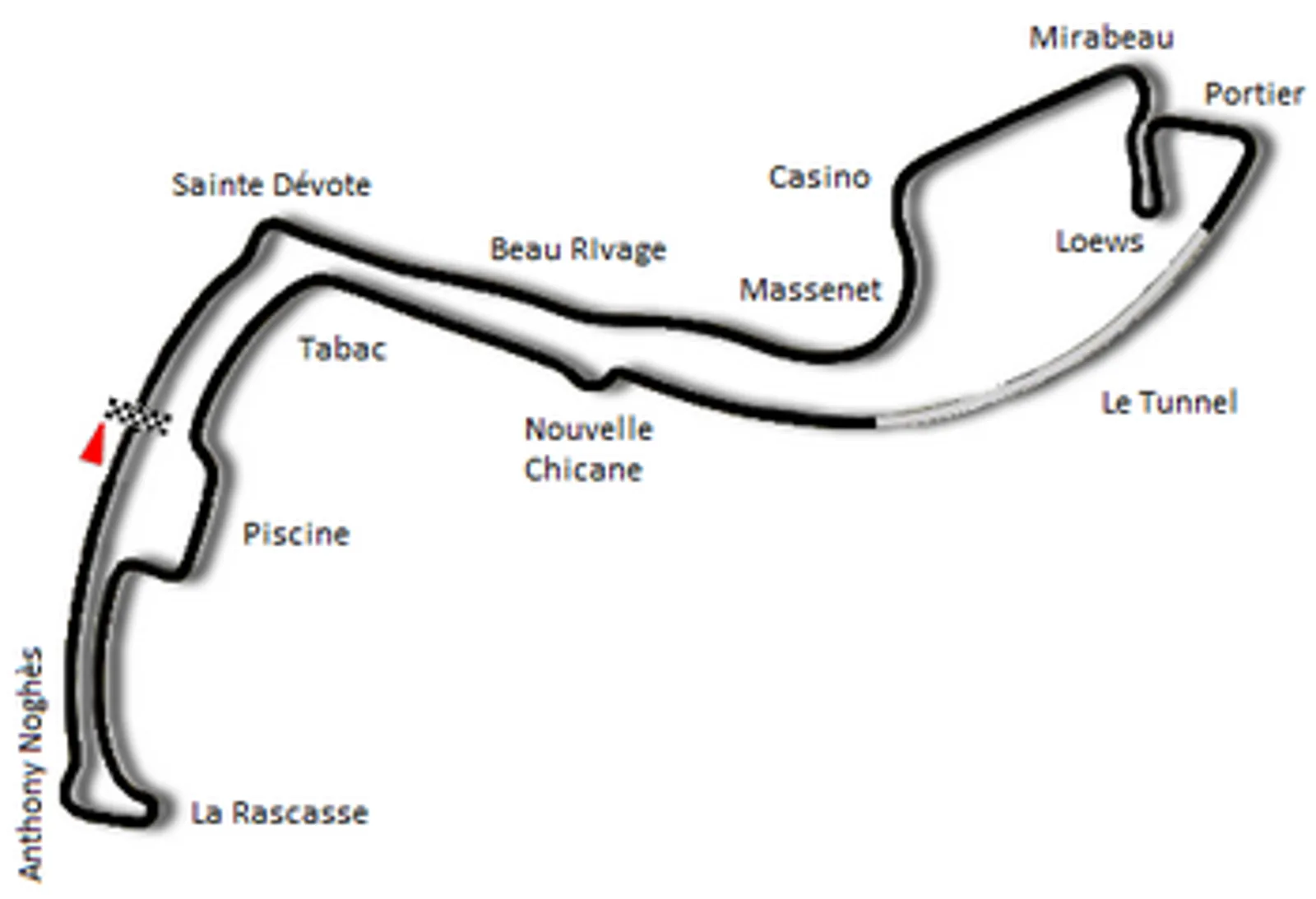
Ayrton Senna held off Nigel Mansell by two-tenths of a second after Mansell's late pit stop, equalling Graham Hill's record of five Monaco wins.
Ayrton Senna won the 1992 Monaco Grand Prix on 31 May 1992, finishing 0.2 seconds clear of Nigel Mansell in a McLaren-Honda. Riccardo Patrese took the final podium place, and the victory equalled Graham Hill's record of five wins at the street circuit.
Ayrton Senna won the 1992 Monaco Grand Prix in a McLaren-Honda, holding off Nigel Mansell by two-tenths of a second in the closing laps. Mansell had led from pole until a late pit stop that he believed was caused by a puncture. The win was Senna's fifth at Monaco, equalling the record set by Graham Hill.
What was the championship picture before Monaco?
The race was the sixth of the 1992 season and the 50th Grand Prix de Monaco. Mansell led the drivers' championship by 26 points after five races, having won five in a row. Riccardo Patrese was second on 24 points, and Williams led the constructors' table on 74. Reigning champion Senna was only fourth, with eight points.
Mansell had yet to win at Monaco and was keen to do so. Benetton were second in the constructors' table on 20 points, and Michael Schumacher was third among the drivers.
Ferrari had its own distractions, and Autosport reported that Capelli was about to be replaced, citing Italian rumours. Luca di Montezemolo publicly said Ivan Capelli's position within the team was safe, after the Italian magazine Autosprint criticised his recent form. Gianni Morbidelli had carried out most of Ferrari's testing at Imola. Ferrari said Capelli had been on holiday, but Capelli denied this.
Monaco had been won in the previous eight years only by Senna or Alain Prost. Mansell had five race wins in a row that season, and he was looking to achieve his first win at Monaco.
Team Lotus brought a second new 107 chassis for Mika Hakkinen, since only one had been available for Johnny Herbert at San Marino. The car had been shaken down at Hethel by Olivier Beretta before it was taken to Monaco.
Senna held off Mansell by two-tenths of a second on a day when a late pit stop shaped the whole race.
How did pre-qualifying go at Monaco?
Michele Alboreto was the fastest pre-qualifier for Footwork for the second Grand Prix in succession. Bertrand Gachot was second for Larrousse, just over half a second slower, having pre-qualified without drama. Roberto Moreno finished third despite a slight gearbox leak, which took the Andrea Moda team into the main qualifying sessions for the first time.
Chiesa was again the last driver to pre-qualify, fourth in the Fondmetal and 0.57 seconds slower than Moreno. The session on Thursday morning started at 8:00 local time, in warm and sunny conditions, and lasted one hour.
Ukyo Katayama crashed at Tabac in the final minutes of the session and failed to pre-qualify, after a slight oil leak had already slowed his car. Perry McCarthy drove three laps at the start before Andrea Moda ordered him back to the pits, because the team wanted his car ready as a spare for Moreno.
Who was fastest in practice?
The first practice session took place in warm and hazy conditions. Mansell topped it, 0.883 seconds ahead of Senna, with Berger third and Schumacher fourth. Alboreto used his extra running from pre-qualifying to finish sixth, while Alesi tried a new traction control device and electronic differential on his Ferrari.
Alesi finished the session ninth but still felt the engine needed more power and better response. Behind him, de Cesaris was seventh and Wendlinger eighth, with Modena tenth in his Jordan 192.
Modena had qualified on the front row of the 1991 Monaco Grand Prix, and he showed improvement with the Jordan, which had failed to qualify for two races with the team in 1992 before this weekend.
How did Thursday qualifying unfold?
The Thursday afternoon session was held under warm but overcast conditions. Mansell was fastest on Thursday at 1:20.714, with Senna second and Patrese third. Berger was fourth fastest when the front suspension of his McLaren broke at Massenet, and he crashed heavily into the barriers. Alesi spun during the session, but still finished fifth using a spare Ferrari F92A on used tyres.
Berger said he had been pushing hard when the car simply failed to turn into the corner, and that he was surprised not to be hurt. Schumacher completed the top six, with de Cesaris seventh in the Tyrrell 020B.
Moreno posted 1:25.185 in the first twenty minutes, which put him 11th at one point, but he complained of a down-on-power engine and then overheated. He slipped to 20th by the end of Thursday. Chiesa had an engine changed on his Fondmetal GR01 during the session, and his best lap of 1:27.140 was the slowest of the day.
How was the Saturday session decided?
Mansell improved to 1:19.495 on Saturday, taking his sixth pole position of the season, and he later described the lap as totally clear. Patrese was second on the grid, but he had been held up by Gachot on his final lap and went to the Larrousse pit to try to punch the Frenchman.
Senna qualified third despite spinning at Mirabeau, which damaged his rear suspension and wing. The wing broke off in the tunnel as he drove back to the pits. Modena's drive shaft failed early in the session, and he used the spare Jordan but could not beat his Thursday time. He was the only driver who did not set a faster time in the final session.
Saturday's start had been delayed. Pierluigi Martini had crashed in the tunnel during the morning practice, and the barrier repair took 40 minutes and held up qualifying by 30 minutes. Martini still took part in the afternoon in a spare Dallara and qualified 18th.
Moreno had finished 20th on Thursday and improved only slightly on Saturday, with 1:24.945, which left him 26th after a run of mechanical problems with the S921 chassis. Eric van de Poele missed the place by 0.036 seconds, and Joe Saward reported rejoicing in the Andrea Moda pit as Moreno's qualification was confirmed.
How did the race start?
The race was overcast but warm and dry. The warm-up had been led by Patrese, with Mansell fifth and Alboreto second. Aguri Suzuki was sent to hospital for checks after crashing at Tabac, but he was later pronounced fit to race. At the start Senna passed Patrese into the St Devote corner, while Schumacher passed Berger into the first corner. By the end of the first lap Mansell led, followed by Senna, Patrese, Alesi, Schumacher and Berger.
The formation lap began at 15:30 local time. Of the 26 cars that had qualified, 25 took the grid, because Gianni Morbidelli could not start his car in the warm-up and had to start from the pit lane. Morbidelli managed a lap before his gearbox failed again and forced him out for good.
Martini crashed again on the exit of Mirabeau during the first lap, his second accident of the weekend.
What happened in the middle of the race?
Moreno retired on lap 11 with engine problems in the Judd V10. Patrese began to attack Senna, but then gearbox troubles dropped him back. On lap 12 Schumacher tried to pass Alesi at the Loews Hairpin, and the two cars collided, damaging an electronic box in Alesi's car. Alesi retired on lap 28, which promoted Berger to fifth.
Martin Brundle was chasing Berger when he made an error at the Nouvelle Chicane. He picked up a puncture, damaged the Benetton's front wing and had to pit, which handed sixth to Ivan Capelli. Berger's race ended on lap 32, when his gearbox failed.
The BBC's commentary team noted that Capelli's retirement revived speculation about his future at Ferrari, which had been prominent before the weekend.
On lap 60 Alboreto spun in front of Senna's McLaren, and Senna lost nearly 10 seconds avoiding him. Capelli was running fifth, despite having been lapped by Mansell, but on lap 61 he spun at Casino Square and damaged the steering arm. He came to rest in the barrier before Rascasse at a 45-degree angle.
How did Mansell lose the lead?
Mansell later described the moment. Coming into the tunnel the back end dropped, and he was sure he had an instant puncture. He was halfway from the pits, so he had to drive slowly to get there, and the brakes were not working properly on three wheels. The pit stop took longer than normal, and when he rejoined he saw Senna go by, knowing the race was probably lost.
Mansell led until lap 71, when he suspected a puncture and made a pit stop for new tyres. He rejoined behind Senna and quickly set a lap record almost two seconds quicker than Senna's, closing the gap from 5.2 to 1.9 seconds in only two laps.
The two cars duelled over the final three laps, but Mansell could find no way past. He finished two-tenths of a second behind the Brazilian, and it was Senna's fourth consecutive win at Monaco and his fifth overall.
Goodyear later denied that Mansell had suffered a puncture. Williams engineer Adrian Newey speculated that the problem had perhaps been a loose wheel nut,
Race summary
| Finish | Driver | Team | Note |
|---|---|---|---|
| First | Ayrton Senna | McLaren-Honda | Fifth Monaco win; won by 0.2 seconds |
| Second | Nigel Mansell | Williams-Renault | Pole position; led until lap 71 |
| Third | Riccardo Patrese | Williams-Renault | Half a minute behind the winner |
| Fourth | Michael Schumacher | Benetton | Held off by Patrese at the end |
| Retired | Ivan Capelli | Ferrari | Spun at Casino Square on lap 61 |
| Retired | Gerhard Berger | McLaren-Honda | Gearbox failure on lap 32 |
| Retired | Jean Alesi | Ferrari | Electronic box damaged on lap 12; retired on lap 28 |
Brundle and Gachot completed the top six behind Schumacher, after Brundle's pit stop had dropped him down the order.
Why is the 1992 Monaco race remembered?
Senna won by two-tenths of a second, his fourth consecutive and fifth overall Monaco victory. In a 2009 feature on the BBC's Formula One website, Murray Walker ranked the race among the five best Formula One races ever, citing the battle for the lead over the final three laps.
After the race Prince Albert II of Monaco presented the trophies in his royal box, and an exhausted Mansell had to be helped up the stairs by marshals. In his press conference Senna admitted that the Williams had been several seconds faster over the last few laps, and that his tyres had felt like driving on ice after completing the whole race on one set.
Patrese, Mansell's Williams team-mate, took the last podium place half a minute behind the winner, after holding off Schumacher. Williams took two of the three podium places.
Mansell called the result the most important second place of his life, and he praised Senna for defending fairly. He said the sequence of events had cost him 10-15 seconds, as he had to drive slowly on three wheels back to the pits.
The race was also the only time Andrea Moda qualified for a Formula One race. Roberto Moreno retired after 11 laps with engine problems, but he later described qualifying the team's car at Monaco as one of his greatest memories.