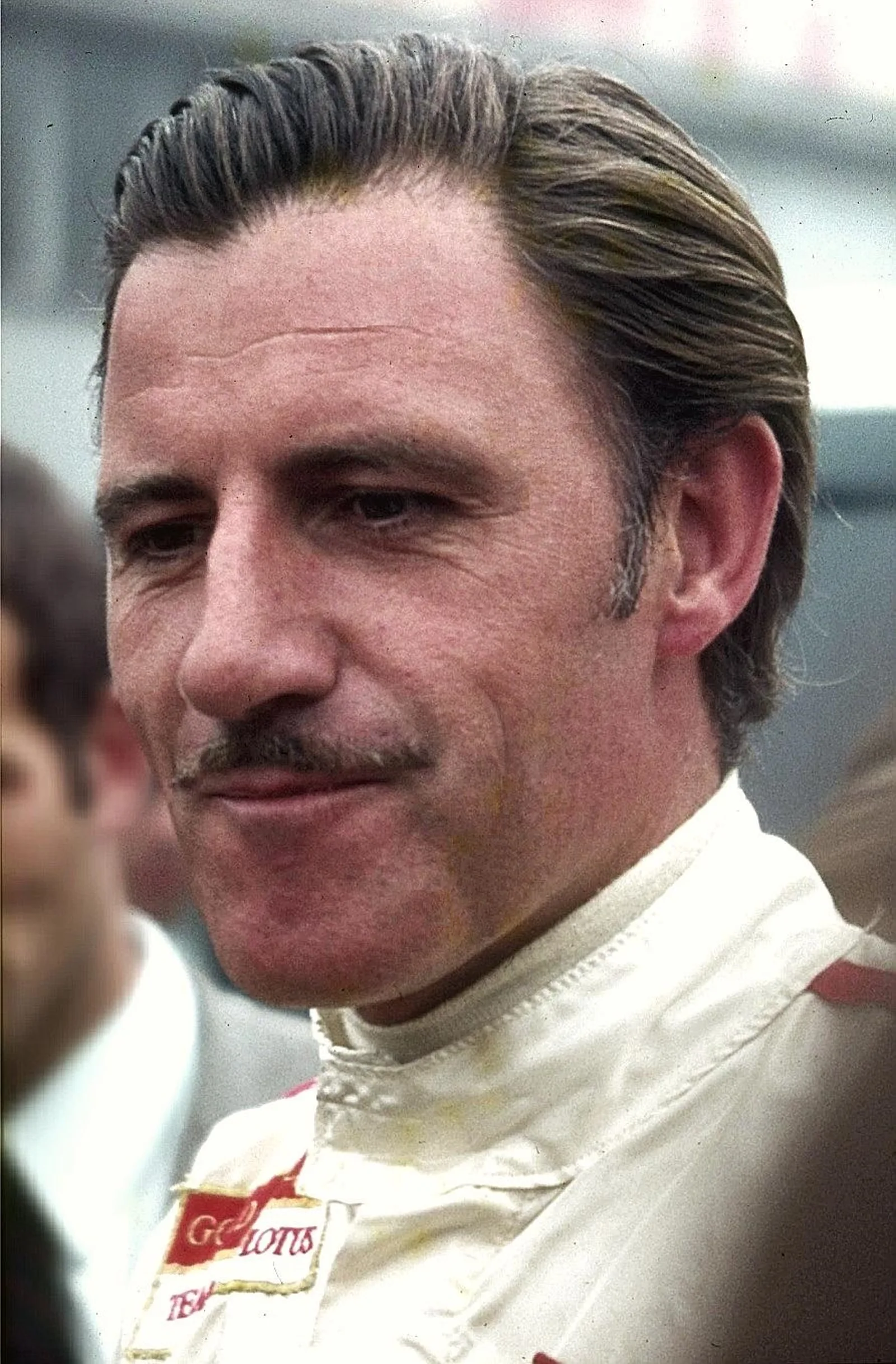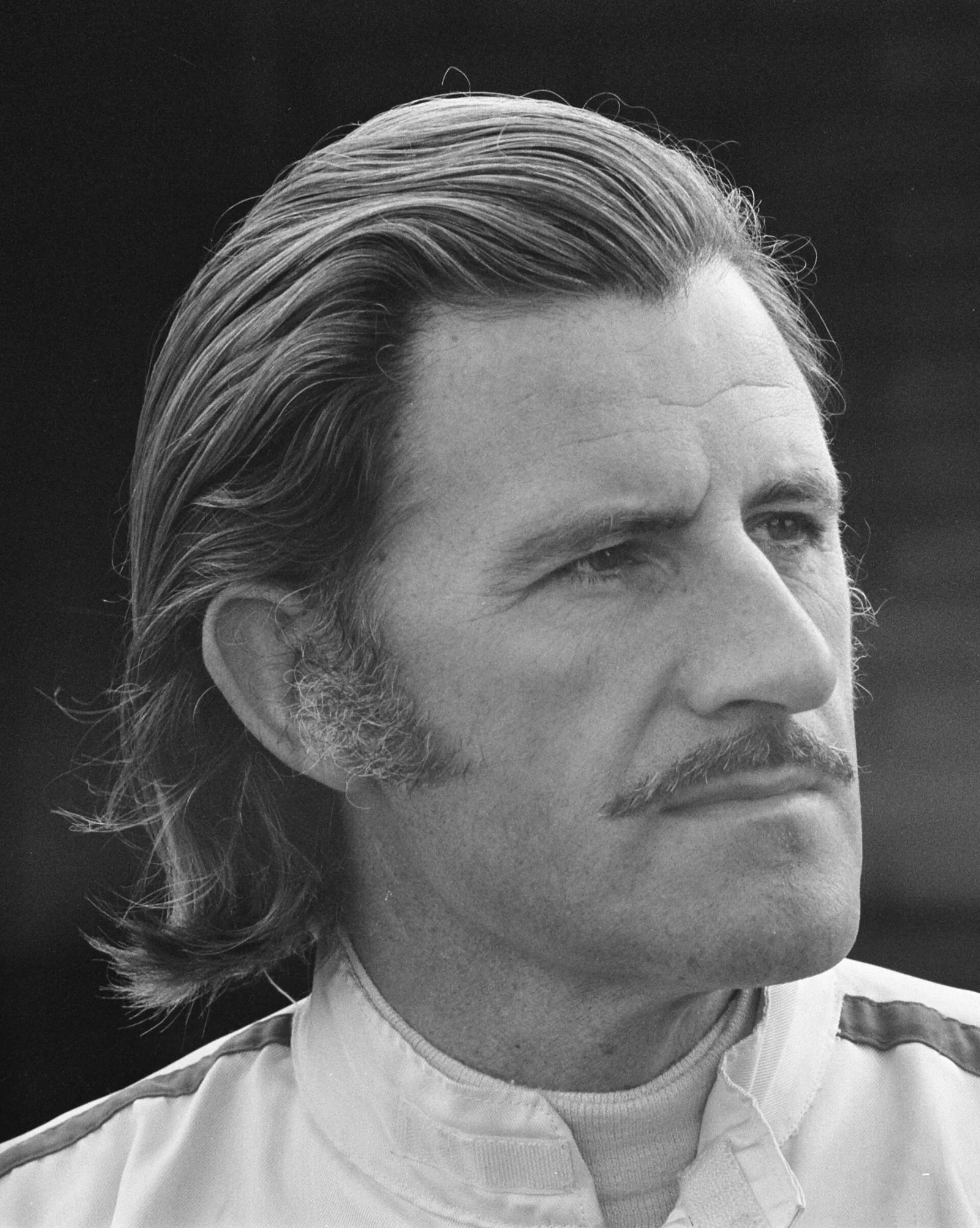
Two world titles with BRM and Lotus, an Indianapolis 500 win, a Le Mans victory and a record podium tally that stood him apart from his rivals.
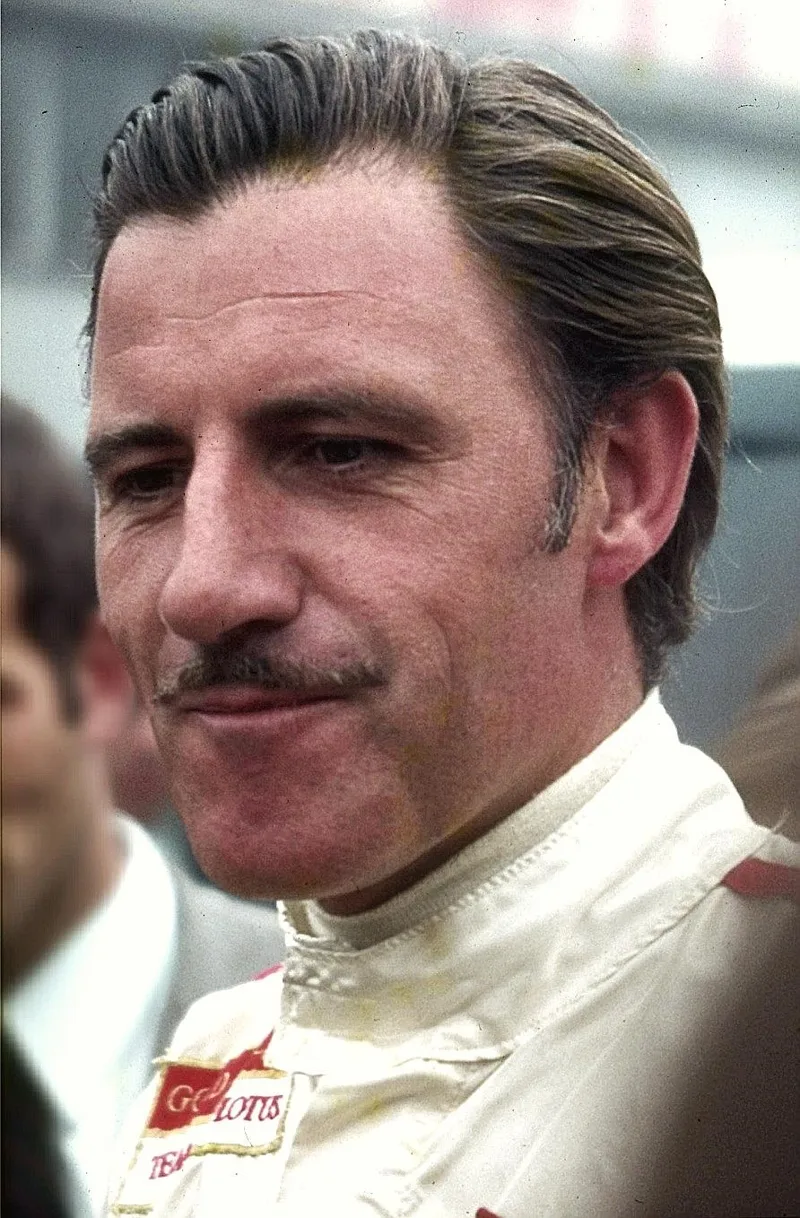
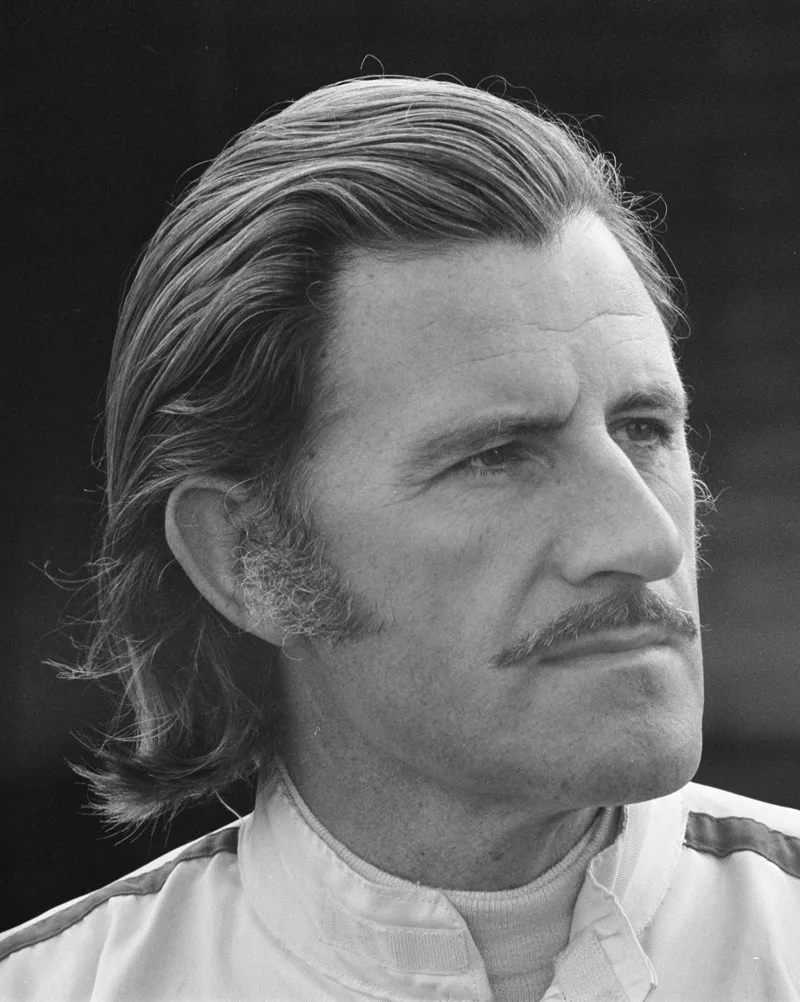
Graham Hill was a British racing driver who won two Formula One world titles, in 1962 and 1968, and the 1966 Indianapolis 500. He also won the 1972 24 Hours of Le Mans, completing the Triple Crown of Motorsport, and he died in an aircraft crash in 1975.
Graham Hill was one of the most successful and popular drivers of his generation, known to fans as Mr. Monaco. His career ran from 1958 into the mid-1970s, and he held the record for podium finishes when he retired. This article follows his route from rowing and the navy to two world titles, his Indianapolis and Le Mans victories, and the aircraft accident that ended his life.
Who was Graham Hill?
Graham Hill was a British racing driver whose Formula One career ran from 1958 until 1975. He won two world titles and 14 Grands Prix, and by the time he retired he held the record for podium finishes, with 36 to his name.
Born in Hampstead, London, on 15 February 1929, he was one of two sons of a stockbroker. He studied engineering and then served in the Royal Navy as an engine room artificer, rising to petty officer before leaving the service. Rowing also shaped him, and he later said the discipline of the sport helped his racing.
Rowing stayed close to him. He stroked London Rowing Club's eight at Henley's Grand Challenge Cup and lost a semi-final by a length. In 1968, when the club sought funds for its clubhouse, he drove an old Morris Oxford head-on into a boundary wall to launch the appeal.
Two world titles, a Triple Crown and 36 podiums: a record that made Hill one of the sport's great all-rounders.
How did Hill start racing?
Hill was 24 before he passed his driving test, and his first serious step into motor racing came after he saw a Brands Hatch advertisement offering laps for five shillings. He joined Team Lotus as a mechanic before taking the wheel.
His first racing outing came in a Cooper 500 Formula 3 machine, and he was hooked from then on. His first Formula One start came at the 1958 Monaco Grand Prix, where a halfshaft failure ended his race.
His early championship results were unclassified, and in 1960 he moved to BRM. There his first podium came at the Dutch Grand Prix, and later that year he also won the Sports 1600 class of the Targa Florio with the German driver Edgar Barth.
How did Hill win his first world title?
Hill won his first world championship in 1962 with BRM and its P57, scoring his first Grand Prix win at the season's first round, the Dutch Grand Prix. He added three further Grand Prix wins and beat rivals Jim Clark and Bruce McLaren to the title.
The P57 was competitive that year, and Hill's preparation was a big part of the result. He kept detailed records of the car's settings and worked long hours with his mechanics, a discipline that his rivals did not always match.
Why were the mid-1960s so close for Hill?
Hill was runner-up in 1963, lost the 1964 title by a single point to John Surtees, and finished second again in the 1965 standings behind Jim Clark. Those near misses framed his mid-decade seasons, and he had a winless 1966 before returning to Lotus.
At Lotus he partnered Clark once more. Hill helped develop the Lotus 49 with its Cosworth DFV engine, and the initial testing of the new car fell to him. Reliability was a struggle in 1967, though he took podiums at Monaco and in the United States.
How did Hill win his second world title in 1968?
Hill won his second world championship in 1968, after Jim Clark's death left him leading the team. He beat Jackie Stewart in a close title fight, sealing the crown at the final race of the season. That result gave him a second title six years after his first, in 1962.
Clark and Hill had finished 1-2 at the season opener that year, but Clark was killed in early 1968 and the loss hit the whole team hard. Mike Spence, another Lotus teammate, had also died earlier that year, so Hill took on the leadership role at a painful time.
What happened at Watkins Glen in 1969?
The 1969 season ended for Hill at Watkins Glen, where a crash during the United States Grand Prix seriously injured him, breaking both of his legs. The Lotus of that era had a reputation for fragility, and the aerodynamic aids of the time added risk.
Asked soon after the crash whether he had a message for his wife, he joked that she should be told he would not be dancing for a fortnight. Once he recovered, he kept racing for several more years, but the level of success he had enjoyed before the crash did not return.
How did Hill's later career unfold?
After his injuries, Hill raced for Rob Walker's team in 1970 with one of the new Lotus 72s, scoring points despite not being fully fit. He then moved to Brabham for 1971 and 1972, and his last Formula One victory came at the 1971 International Trophy at Silverstone.
The Brabham years did not go as planned. The team was in flux after Sir Jack Brabham retired and Ron Tauranac sold his stake to Bernie Ecclestone, and Hill never settled there.
In 1973 he set up his own team, Embassy Hill, with sponsorship from Imperial Tobacco. It used chassis from Shadow and Lola before developing its own design in 1975. After the team missed the 1975 Monaco Grand Prix grid, a race he had won five times, he retired from driving to run the team and support his protege Tony Brise.
Hill also backed the Grand Prix Midget Championship, launched in 1975 with Stirling Moss, to make the sport affordable for newcomers.
What happened to Hill's 1963 Indianapolis attempt?
Hill's first attempt at the Indianapolis 500 ended before the race began. He crashed in practice, and the innovative roller-skate car designed by John Crosthwaite, once a colleague at Lotus, failed to qualify for the 1963 race. It was a setback that came before his 1966 win.
He had been commuting weekly from Europe because of other commitments, and he would not wait in the United States while the car was repaired. Waiting risked failing to qualify or qualifying badly.
His Indianapolis record moved on from there. He returned in 1966 to win, and the 1969 entry was also disrupted. Mario Andretti and Jochen Rindt were affected when his Lotus-Ford car was pulled from practice, which came after hub failure problems on Andretti's car.
Why is Hill the only driver to complete the Triple Crown?
Definitions vary, but the Triple Crown of Motorsport generally means winning Le Mans, Indianapolis and either Monaco or the Formula One title. Hill won Indianapolis in 1966 and Le Mans in 1972, and he is the only driver to have completed the set under either definition.
At Indianapolis, Hill won in 1966 with a Lola-Ford entered by Mecom, and he entered the race three times between 1966 and 1968. The Borg-Warner Trophy went to him at his first attempt, which made the win even more striking.
At Le Mans he entered the 24 Hours ten times between 1958 and 1972. His 1972 win came with Henri Pescarolo in a Matra-Simca MS670, and that result completed the set.
What happened on 29 November 1975?
On 29 November 1975 Hill was killed when the Piper PA-23 Aztec he was flying crashed near Arkley in thick fog. He was 46. Five other members of his Embassy Hill team also died, and the party had been returning from a test session at Paul Ricard.
The investigation was inconclusive, but it found serious failings. The aircraft had been removed from the US register, his American pilot certification had expired, and his instrument rating was out of date, so pilot error was judged the most likely explanation.
The service took place at St Albans Abbey, and he was buried at St Botolph's graveyard in Shenleybury. The church has since been deconsecrated, and the grave is now in a private garden.
How did Hill become a television personality?
Hill's wit and charm made him a familiar face on British television. He appeared on the BBC panel show Call My Bluff, and in the early 1970s he was part of a double act alongside Jackie Stewart on the BBC Sports Personality of the Year programme.
He also appeared alongside his son Damon on the popular programme Jim'll Fix It in June 1975, and that appearance was rebroadcast in January 1995 as part of the show's twentieth anniversary celebrations.
A Monty Python sketch also immortalised him, with a character asking to see an impersonation of Hill. It was a sign of how widely he was known beyond the paddock.
Hill's public work also reached the road. In 1974 he presented Advanced Driving with Graham Hill, a series of six 30-minute programmes, and a book accompanied the series.
What is Hill's legacy?
Hill's legacy rests on two titles, a Triple Crown and a name that is still attached to places. His son Damon became world champion in 1996, making the Hills the first father-and-son pair to win the title. Hill was also honoured by the International Motorsports Hall of Fame, which admitted him in 1990.
Honours include a Hawthorn Memorial Trophy award in both 1962 and 1968, and an honour in 1968 that recognised his service to motorsport in the Birthday Honours list.
Memorials include Graham Hill Bend at Brands Hatch, a blue plaque at 32 Parkside in Mill Hill, and a road in Bourne named Graham Hill Way. His 176 Grand Prix starts stood as a record for over a decade before Jacques Laffite equalled it.
What do Hill's career numbers show?
Hill's numbers combine a long career with a high proportion of podiums and wins. Several of these figures, such as the podium record and the starts total, are the ones most often quoted when his career is discussed. The table gathers his key results in one place for quick reference.
| Measure | Detail |
|---|---|
| Born | 15 February 1929, Hampstead, London |
| Died | 29 November 1975, aged 46 |
| Formula One seasons | 1958 to 1975 |
| Grand Prix starts | 176 |
| Grand Prix wins | 14 across 18 seasons |
| Pole positions | 13 |
| Fastest laps | 10 |
| Podiums | 36 |
| World titles | 1962 and 1968 |
| Indianapolis 500 | 1966 winner, Lola-Ford for Mecom |
| 24 Hours of Le Mans | 1972 winner, Matra-Simca MS670 |