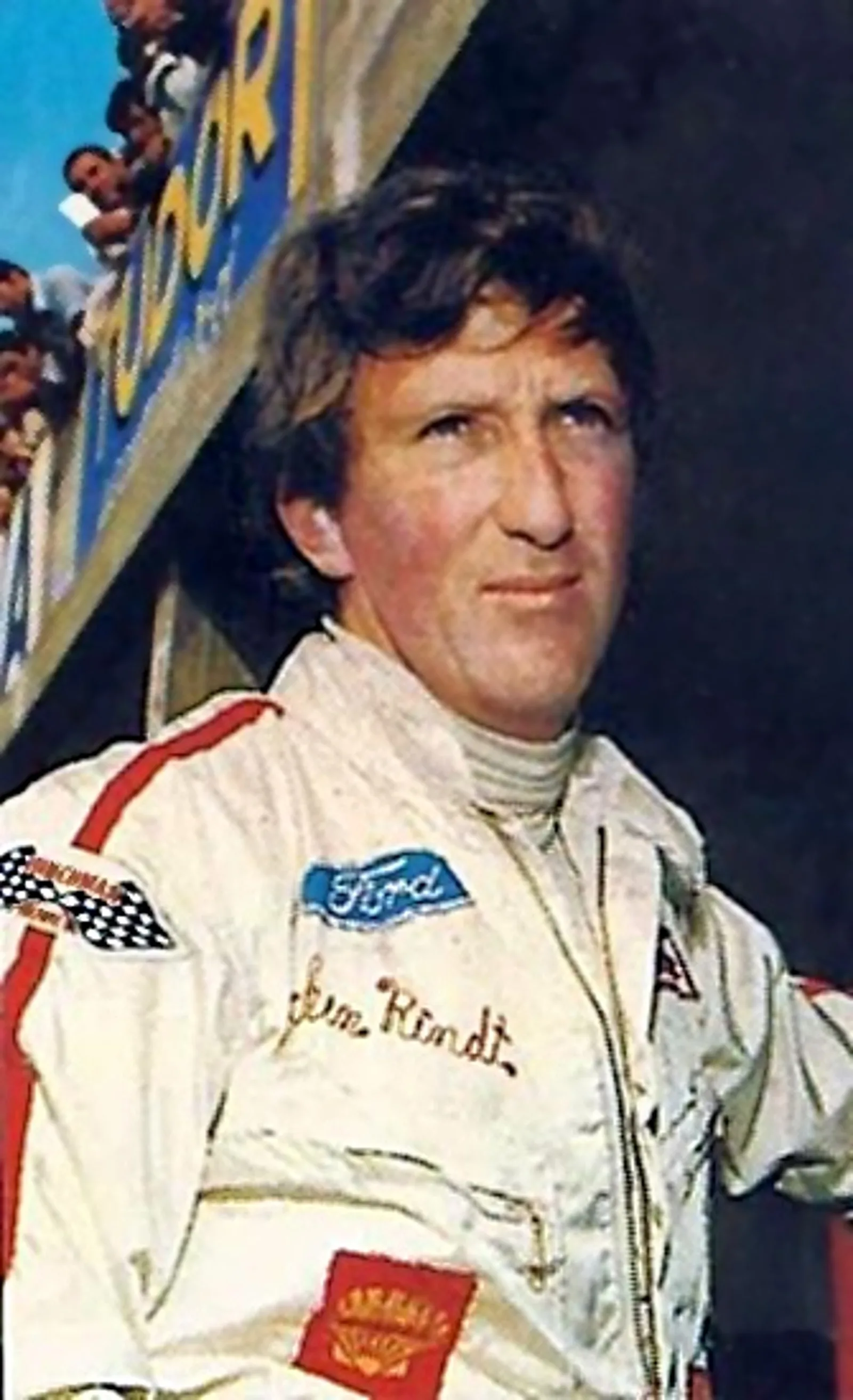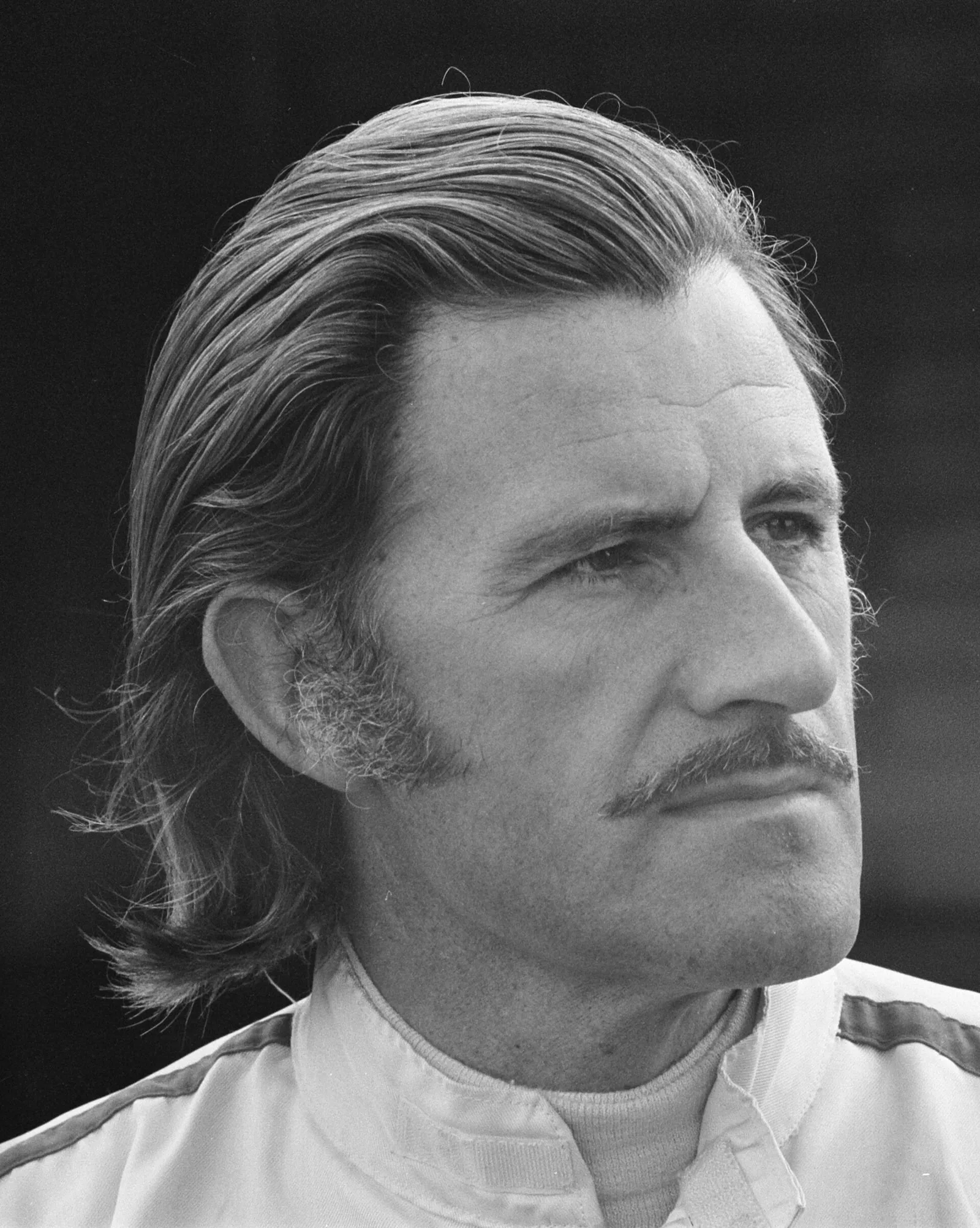
Four drivers died in a single season, aerodynamic wings changed the look of the grid and Graham Hill won his second championship in Mexico.
Graham Hill won the 1968 Drivers' Championship in a Lotus-Ford, his second title, and Lotus took the Manufacturers' Cup for the third time. Four Grand Prix drivers died in fatal accidents that season, and aerodynamic wings spread across the grid during the year.
The 1968 Formula One season was the 22nd year of FIA Formula One racing, and it is remembered for its losses as much as for its racing. Graham Hill won his second Drivers' Championship in a Lotus-Ford, while Lotus added a third Manufacturers' Cup to its tally. The twelve championship races ran from 1 January to 3 November, and four drivers were killed in fatal accidents along the way.
How did Graham Hill win his second title?
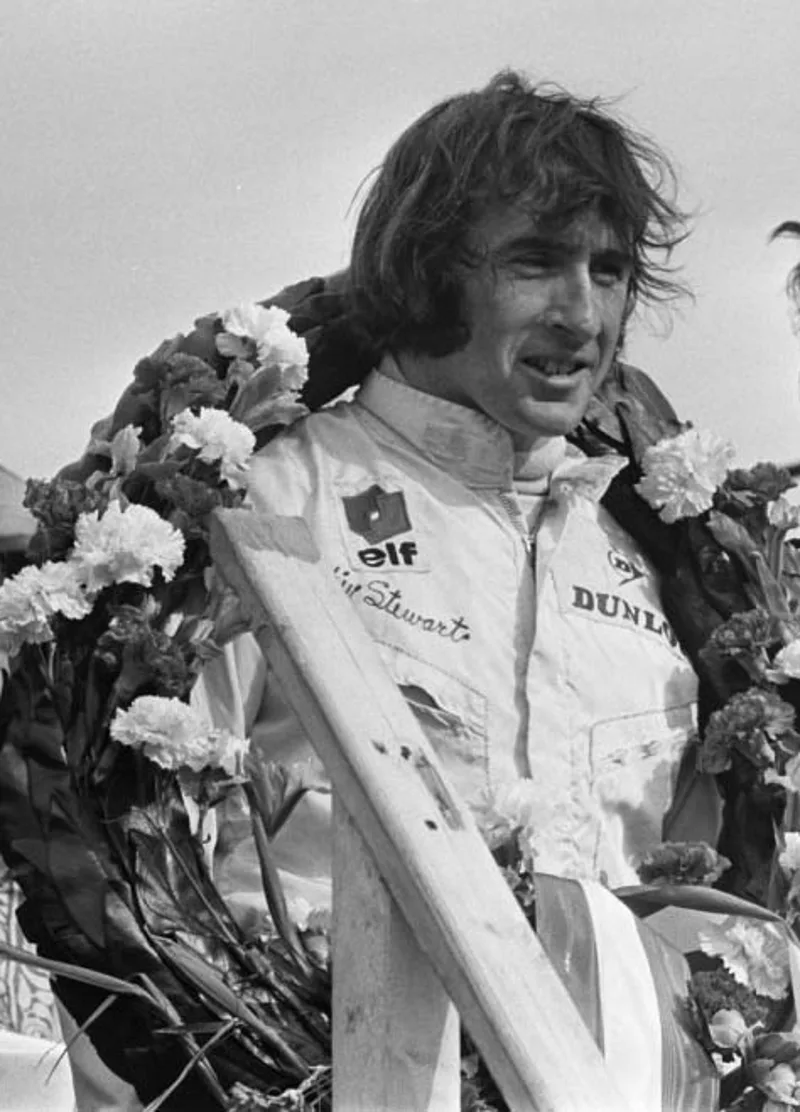
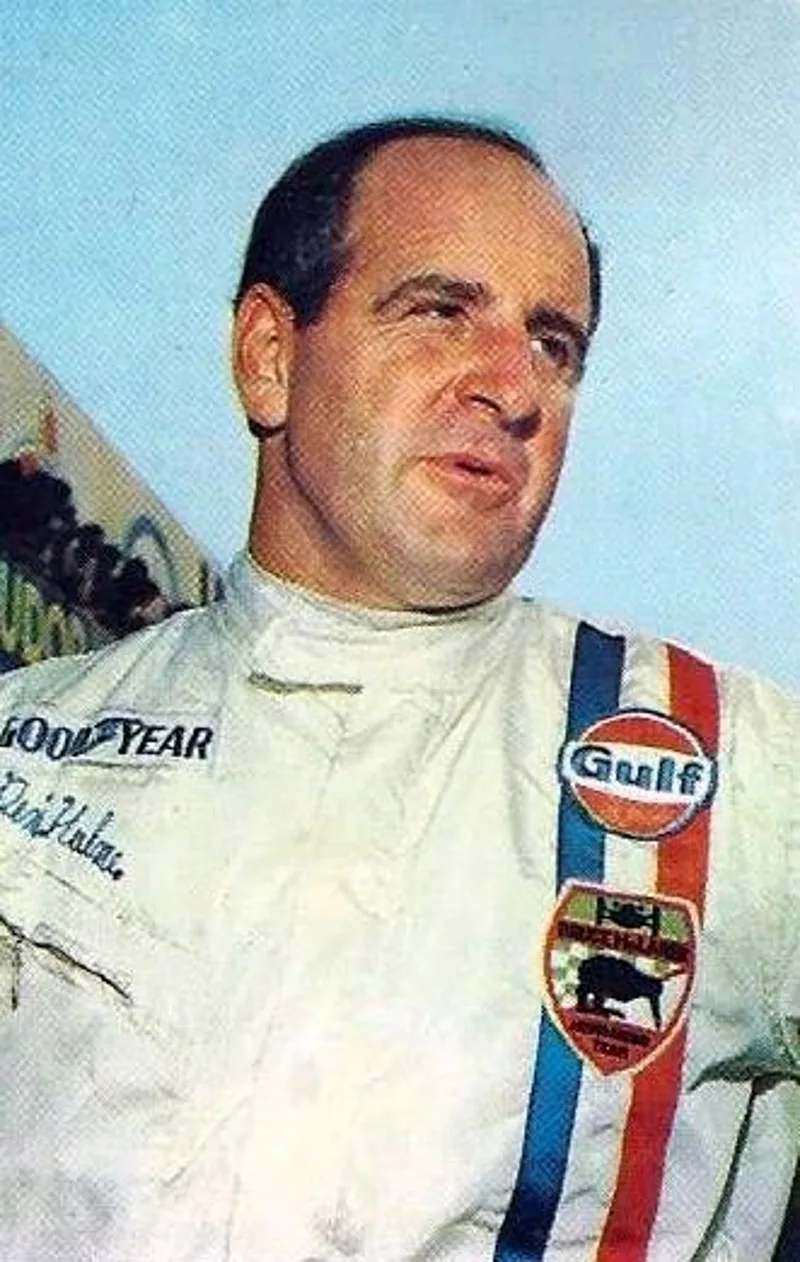
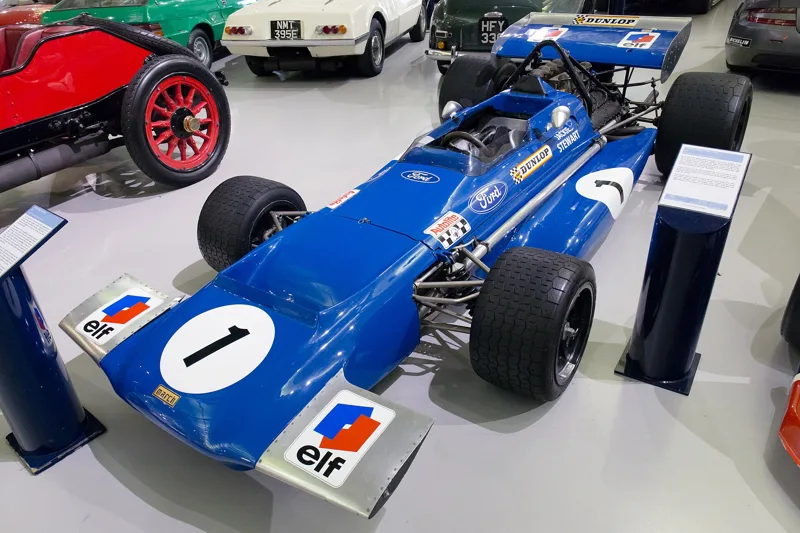
Graham Hill won his second Drivers' Championship six years after his first, driving a Lotus-Ford Cosworth. His main rivals were Jackie Stewart in a Matra-Ford and Denny Hulme, the 1967 champion, who drove for McLaren. Hill's title was settled at the final round in Mexico, where he finished first ahead of McLaren and Jackie Oliver.
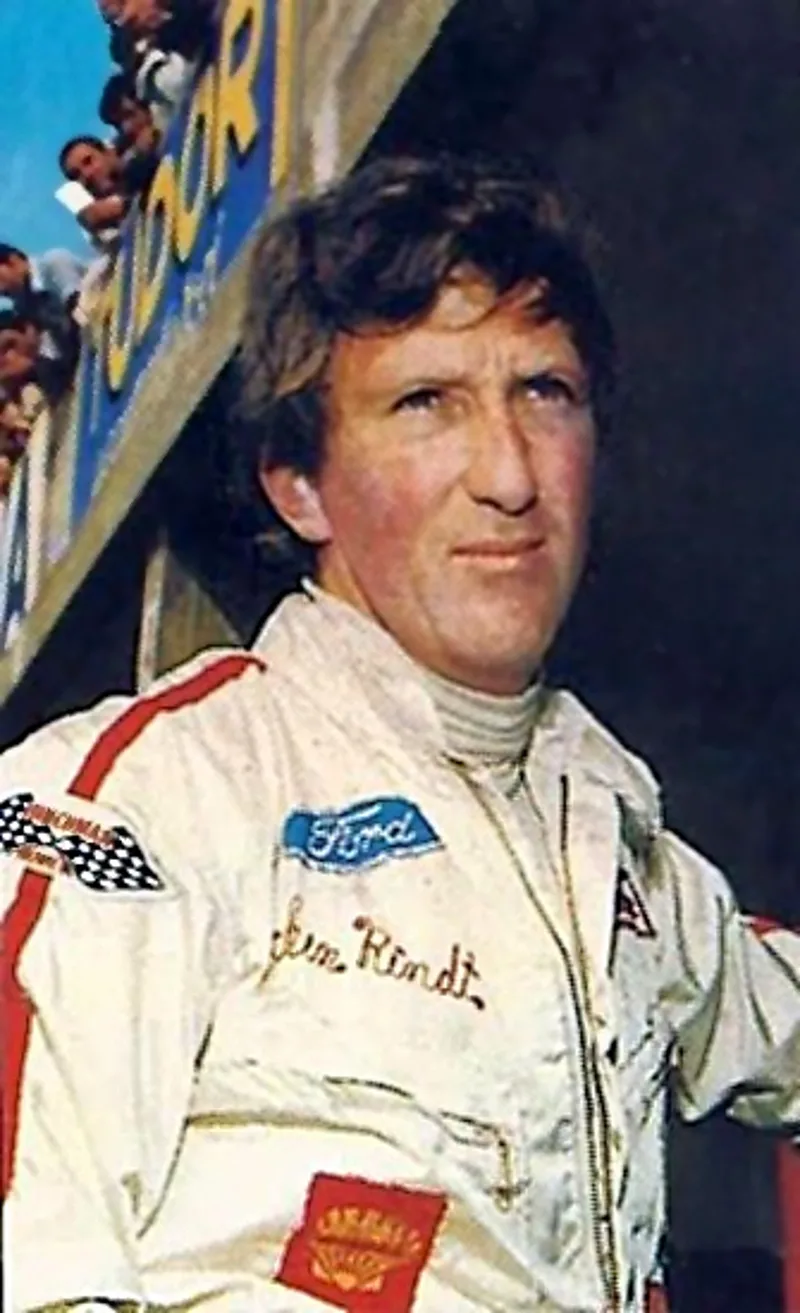
The Brabham team struggled with a more powerful Repco V8, which proved very unreliable. Jochen Rindt qualified on pole twice that year but finished only twice. The Cosworth-powered Lotus and Matra cars were stronger, and they gave Hill and Stewart the means to fight for the title.
Hill's season was built on consistent results in a hard year. He won Spain and Monaco early on, and he took the crown at Mexico City after the title race had narrowed to three drivers.
Four drivers lost their lives, wings reshaped the grid and Graham Hill took a second title in Mexico City.
Why was 1968 such a deadly year?
Four Grand Prix drivers died in fatal crashes in 1968, and the year marked a turning point for safety in the sport. Jim Clark was killed in April in a non-championship Formula Two race at Hockenheim. Mike Spence died after a practice accident at Indianapolis, when a wheel came back into his cockpit.
Jo Schlesser was killed at the French Grand Prix when his experimental air-cooled Honda RA302 crashed on the third lap and burst into flames. Ludovico Scarfiotti was killed at a hillclimb at Rossfeld during the Belgian weekend. Few circuits had changed much, and 1968 was the final year in which the races were held on tracks with hardly any safety work.
Brian Redman survived a violent accident at Spa, in which he broke his right arm and suffered burns. He missed most of the rest of the season, leaving Cooper short of drivers.
How did wings change the cars in 1968?
Wings became the most visible technical story of the year. Colin Chapman fitted modest front wings and a rear spoiler to the Lotus 49B at Monaco, and other teams soon followed with designs of their own. The year ended with most teams using sophisticated wing arrangements on their cars.
At Spa, Brabham and Ferrari moved to full-width wings that were mounted on struts high above the driver. Lotus answered with a full-width rear wing connected directly to the suspension, which needed redesigned wishbones and driveshafts. Matra went further with a high front wing connected to the front suspension, although drivers found it hard work and it was mostly used in practice.
Wings also brought a change in sponsorship. The FIA allowed unrestricted sponsorship on cars after motor-related companies such as BP, Shell and Firestone withdrew support. Team Gunston, a South African privateer, painted a private Brabham in the colours of its sponsor at the South African Grand Prix, and Team Lotus followed at the Spanish round with its Gold Leaf livery.
Which teams and drivers changed in 1968?
Several big moves shaped the year. Jochen Rindt signed for Brabham after receiving offers from almost every team, while Denny Hulme moved to Bruce McLaren's team. Jacky Ickx joined Ferrari, and Ken Tyrrell entered Matra International with Jackie Stewart. Pedro Rodriguez moved to BRM to replace Stewart.
Lotus lost Jim Clark in the spring and brought in Jackie Oliver, while BRM replaced Mike Spence with Richard Attwood for most of the rounds. Honda, meanwhile, signed Jo Schlesser to drive its experimental air-cooled car after John Surtees turned it down. The changes were as much about the drivers who were lost as those who arrived.
What happened in South Africa and the spring races?
The season opened at Kyalami on New Year's Day, and Jim Clark won from teammate Graham Hill and Jochen Rindt. Clark took his 25th and last championship Grand Prix win, overtaking Juan Manuel Fangio's tally of 24 Grand Prix wins.
The non-championship races of the spring were won by Bruce McLaren and Denny Hulme. On 7 April, Clark was killed in a Formula Two race at Hockenheim, where a deflating rear tyre sent his Lotus into a wall of trees. The loss shocked a sport that had already lost several of its best.
How did Spain and Monaco go to Hill?
The first Spanish Grand Prix since 1954 was held at Jarama on 12 May. Hill won from Denny Hulme and Brian Redman, who was then driving a Cooper-BRM. Chris Amon led for many laps after Jean-Pierre Beltoise retired, but his fuel pump failed on lap 58 and Hill went through to win.
Monaco came next, shortened by 20 laps because of the chicane changes made after Lorenzo Bandini's death. Hill took pole by 0.6 seconds from Servoz-Gavin and led the rest of the afternoon. Attwood finished second and Lucien Bianchi third, while Ferrari stayed away because of concerns about the circuit's safety standards.
Why was the Belgian Grand Prix a milestone for McLaren?
The Belgian Grand Prix was won by McLaren, which gave the team its first championship victory in Formula One. Bruce McLaren had last won a championship race at Monaco in 1962, and he also became only the third driver to win in a car built by his own team. Jack Brabham had done it in 1966 and Dan Gurney in 1967.
The race itself was fast and dangerous. Amon took pole at an average of more than 240 km/h (150 mph) around the 14 km (8.7 mi) Spa circuit. Redman's accident early on was a shock, and Stewart led until he ran out of petrol on the penultimate lap, which handed McLaren the win.
How did the Dutch and French rounds unfold?
Jackie Stewart won at Zandvoort, his first Grand Prix win in more than two years. Jean-Pierre Beltoise finished second and Pedro Rodriguez third, giving Matra a one-two finish with BRM's Rodriguez on the podium. Stewart's win came after heavy rain and a long gap since his last success.
The French Grand Prix at Rouen-Les-Essarts was marred by tragedy. Jo Schlesser died on lap 3, and the race went on regardless. Jacky Ickx took his first Grand Prix win in his ninth start, after passing Rodriguez and Surtees. Surtees was second, Stewart third and Cooper's Vic Elford fourth on his debut.
What happened in Britain and Germany?
At Brands Hatch, Jo Siffert took his first Grand Prix win for Rob Walker's Lotus, Walker's first victory in seven years. Hill and Oliver had led at the start, but both Lotus cars retired, and Amon and Ickx finished second and third for Ferrari.
The German Grand Prix at the Nurburgring was a wet and punishing race. Ickx took pole by about ten seconds, but Stewart drove away from the field and was more than four minutes clear of Hill after fourteen laps. Stewart later called it the greatest of his Grand Prix victories, while Hill finished second and Rindt third.
How did Monza and Canada shape the title fight?
At Monza, Denny Hulme won after a race of retirements. Surtees had been on pole and McLaren, Stewart and Siffert all retired before the end. The Italian round also saw Mario Andretti and Bobby Unser leave for a dirt race in Indiana, and both were not allowed back into the Grand Prix.
Canada at Mont-Tremblant gave the McLaren team a one-two finish, with Pedro Rodriguez third for BRM. Hulme and Hill were then level on points with two races to go, which turned the last part of the season into a three-way title race.
How did the North American finale decide the title?
The United States Grand Prix at Watkins Glen went to Jackie Stewart, who held the lead comfortably after leading from pole. Hill finished second, Hulme's race ended in a driveshaft failure, and Hill moved six points clear of Hulme in the title race.
Mexico City decided the championship. Hill, who had 39 points before the race, won ahead of McLaren and Oliver. Stewart had 36 points and Hulme 33 before the race. Hill won, and the title was his.
How did each race in 1968 end?
| Grand Prix | Winner | Car | Notes |
|---|---|---|---|
| South Africa | Jim Clark | Lotus-Ford | 25th and last championship win |
| Spain | Graham Hill | Lotus-Ford | Amon led until his fuel pump failed |
| Monaco | Graham Hill | Lotus-Ford | Race cut by 20 laps |
| Belgium | Bruce McLaren | McLaren-Ford | McLaren's first championship win |
| Netherlands | Jackie Stewart | Matra-Ford | Matra one-two with Beltoise |
| France | Jacky Ickx | Ferrari | First Grand Prix win in his ninth start |
| Britain | Jo Siffert | Lotus-Ford | Rob Walker's first win in seven years |
| Germany | Jackie Stewart | Matra-Ford | Won by more than four minutes |
| Italy | Denny Hulme | McLaren-Ford | Won after a race of retirements |
| Canada | McLaren team | McLaren-Ford | One-two finish, Rodriguez third |
| United States | Jackie Stewart | Matra-Ford | Hill second, Hulme retired |
| Mexico | Graham Hill | Lotus-Ford | Hill's second title |
What did the 1968 season leave behind?
The season is remembered for the four deaths and the safety reforms that followed. Dan Gurney was the first driver to race with a full-face helmet, and the design was later deemed mandatory. Rollbars, circuit breakers and reverse gears became required on every car.
The wings that appeared in 1968 remained a central part of Formula One design. Sponsorship was also transformed, since cars could now carry advertising from a far wider range of companies.