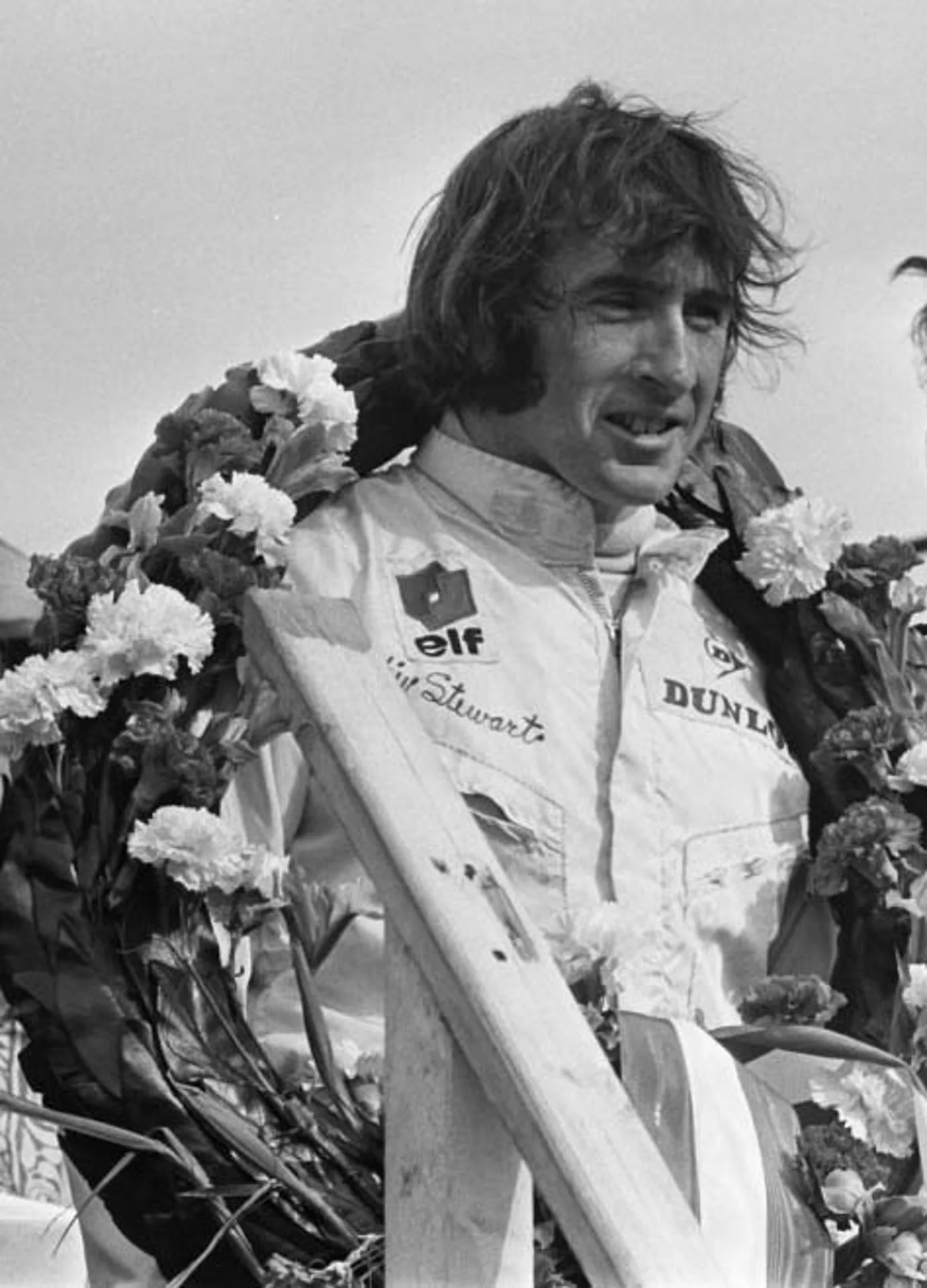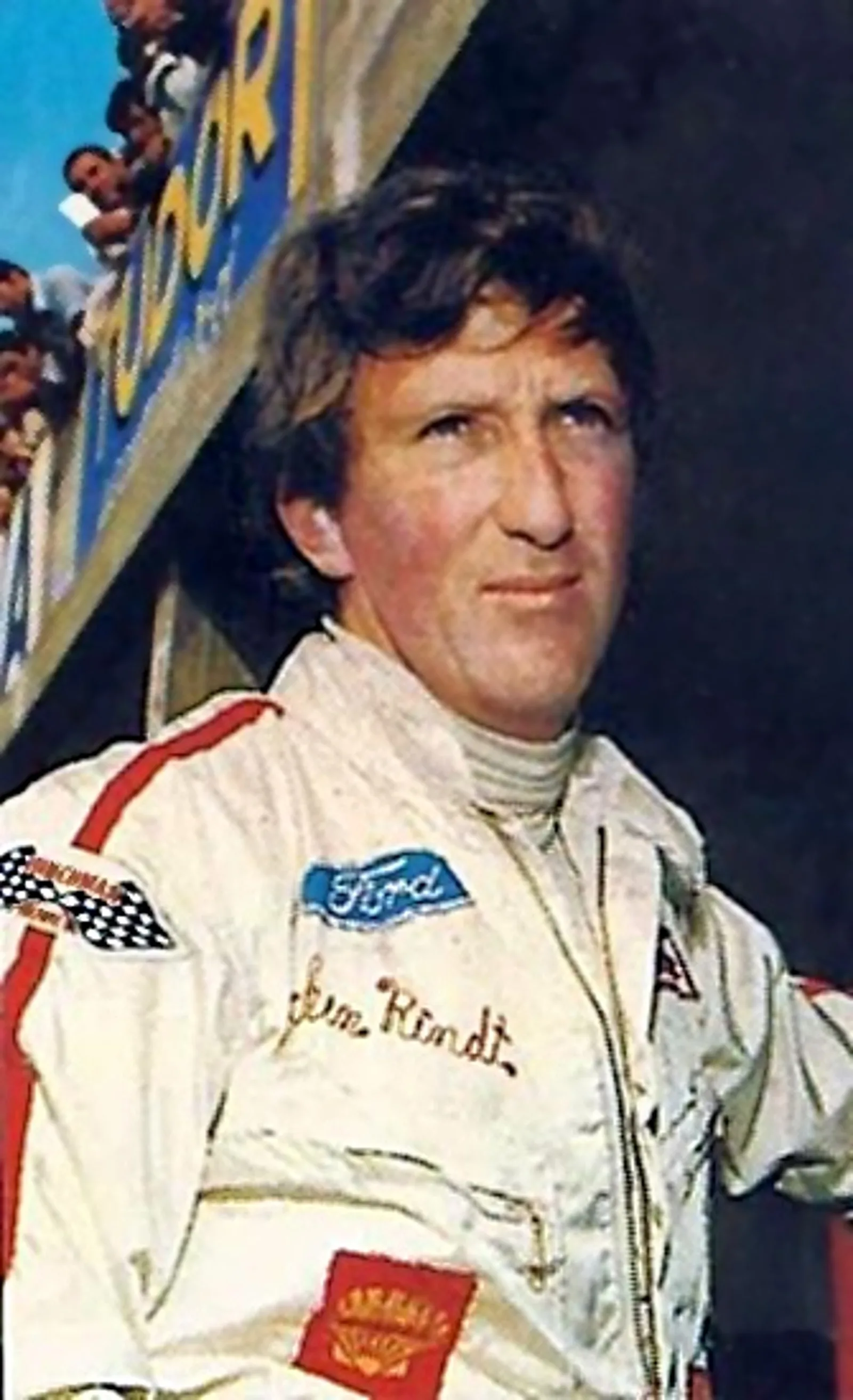
Jochen Rindt was killed in practice at Monza and still became champion, the only driver ever to be crowned posthumously.
Lotus driver Jochen Rindt was crowned in 1970 with 45 points even though he had died in practice at Monza. Jacky Ickx was runner-up on 40, and Lotus took the Manufacturers' Cup on 59 points.
The 1970 Formula One season was the 24th championship year of FIA racing, and it became the only season in which the Drivers' Championship was awarded after the champion's death. Jochen Rindt was killed in practice at Monza, four races before the end, but no rival could overtake his points total. Thirteen races ran from 7 March to 25 October, and three other events were held for Formula One cars.
How did Jochen Rindt win the title after his death?
Jochen Rindt won the 1970 Drivers' Championship for Lotus, even though he died in practice at Monza four races from the end. He had built a strong points lead with four consecutive Grand Prix wins from the Dutch round to the German round. No other driver could catch his total, and the title was confirmed as a posthumous award.
Rindt finished on 45 points, ahead of Jacky Ickx on 40 and Clay Regazzoni on 33. His Monaco win had been the second of his career, and his points lead was large enough that Ickx's late run could not overhaul it.
No other champion has been crowned after death. The award is a unique footnote in the sport's history, and it came about because Rindt's points already placed him beyond reach when he died.
Killed in practice at Monza, Jochen Rindt still finished on top, the only champion ever crowned after death.
What happened in the opening races of 1970?
The South African Grand Prix at Kyalami began with Jack Brabham, Jackie Stewart and Rindt among the leaders, but Rindt charged round the outside of the first corner and hit Chris Amon's car before crashing into Brabham. Stewart was left with a clear run, but Brabham took the lead on lap 20 and held it to the finish. Denny Hulme passed Stewart for second on lap 38, and only an engine failure for Bruce McLaren kept Stewart on the podium.
The Spanish Grand Prix at Jarama was marred by a row between the organisers and the teams. The race was run with a reduced grid after a dispute over the qualifying results, and Stewart won ahead of McLaren and Mario Andretti, whose first podium it was. Ickx and Jackie Oliver came together early on, and both cars were engulfed in flames.
At Monaco the new qualifying rules were applied again, and six cars missed the race. Rindt set a new lap record in his Lotus and took the win, which was the second of his career. Brabham finished second with a damaged car, and Henri Pescarolo took third in his Matra.
Why did the deaths of 1970 change the season?
Several deaths reshaped the season. Bruce McLaren was killed on 2 June while testing a McLaren M8D Can-Am car at Goodwood, and the team withdrew its cars from the Belgian Grand Prix. Piers Courage, driving for Frank Williams, was killed during the Dutch Grand Prix on 21 June.
The most devastating loss came in Italy. Rindt crashed in practice at Monza, and he had been wearing only a lap belt, and he died from the injuries he sustained. The Lotus team packed its operations and withdrew from the race.
How did the rules and circuits change in 1970?
The new rules were set with safety in mind. A safety bladder was introduced around the fuel tanks, the displacement of compressed engines was cut from 1,500 cc to 500 cc, and naturally aspirated engines stayed at 3,000 cc. The minimum weight went up from 500 kg (1,100 lb) to 530 kg (1,170 lb).
Circuit standards were tightened too. Run-off areas had to be at least 3 m (9.8 ft) wide, double guardrails became the norm, and straw bales were banned. Spectators had to stand at least 3 m (9.8 ft) behind the fencing, and the pit lane had to be separated from the track by a barrier.
Starting procedures were also reviewed. Drivers needed at least five practice laps before they could race, and some grids were decided by a separate thirty-minute qualifying session. The new system caused protests from teams and drivers early in the year.
Which teams and drivers moved in 1970?
Matra split from Ken Tyrrell and entered under a French licence. Tyrrell ran March 701s before its own Tyrrell 001 arrived, and Jackie Stewart and Johnny Servoz-Gavin both moved to his team. Jean-Pierre Beltoise stayed with Matra, which also signed Henri Pescarolo for his first full-time season.
Graham Hill left Lotus for the Rob Walker team, and Jo Siffert joined March, where Chris Amon also signed. Jacky Ickx returned to Ferrari after a year at Brabham, and Rolf Stommelen took over his Brabham seat. Pedro Rodriguez moved from Ferrari to BRM, and John Surtees raced his own team after leaving BRM.
Ferrari expanded from one car to three, bringing in Ignazio Giunti and Clay Regazzoni. Lotus was left without drivers after John Miles quit following Rindt's accident, so Emerson Fittipaldi and Reine Wisell were recruited to complete the line-up.
How did the middle of the season unfold?
The Belgian Grand Prix returned after major safety work at Spa-Francorchamps, and Pedro Rodriguez won what was only his second career victory. Chris Amon finished just over a second behind him, and Jean-Pierre Beltoise took third. The race also marked the end of the V8 monopoly, because the V12-powered cars finished in the points.
At Zandvoort, Lotus introduced its wedge-shaped Lotus 72 with new brake and suspension design. Rindt took the win by 30 seconds from Stewart, and Ickx finished a lap down in third. The race was marred by the death of Piers Courage, who had been driving for Frank Williams.
In France, Rindt was battling a stomach ulcer and a cut face from a stone thrown up in practice. Ickx retired from the lead, and Rindt took the win ahead of Amon and Brabham. A slow puncture for Beltoise ended the French hopes of a home win.
At Brands Hatch, Brabham led until he ran out of fuel on the last lap, and Rindt crossed the line first. Denny Hulme finished third. After the race Rindt was disqualified for an illegal rear wing, but Colin Chapman appealed and the decision was reversed.
Did Ferrari return to form at Hockenheim and Austria?
The German Grand Prix moved to the Hockenheimring after drivers refused to race on the Nurburgring. Ickx took pole for Ferrari, but Rindt battled him throughout and took his fourth win in a row. Hulme was third again, while Jackie Stewart retired with engine trouble before the halfway point.
At the Osterreichring, Rindt took pole but lost his place at the start and then his engine broke on lap 21. The Ferraris of Regazzoni and Ickx finished in formation, lapping the whole field except third-placed Rolf Stommelen. It was a clear sign that Ferrari's engines had found their form.
Who won at Monza and in North America?
Monza was a sombre weekend. Ickx took pole for Ferrari, and Rindt's death had already changed the mood. The organisers had offered a share of the prize money to the driver who led at laps 17, 34 and 51, which drew several drivers into a slipstreaming battle. Regazzoni won, and Stewart and Beltoise completed the podium.
At Mont-Tremblant, Stewart had built a comfortable lead when his left front suspension collapsed on lap 32. Ickx and Regazzoni took a one-two finish for Ferrari, with Chris Amon third in his March.
At Watkins Glen, Ickx needed to win the last two races to stand a chance against Rindt's total, but he fell back to third at the start and later had a fuel leak. Emerson Fittipaldi and Reine Wisell led the Lotus pair, while Rodriguez recovered to second. Rindt's title was confirmed in the wake of that race.
The final round in Mexico was delayed by more than an hour, because more than 200,000 supporters had crowded the track. Regazzoni took pole, and Ickx quickly seized the lead. Stewart hit a stray dog on lap 33, and Ferrari finished with its third one-two of the year, ahead of Denny Hulme in the McLaren.
How did the 1970 results break down?
| Grand Prix | Winner | Car | Notes |
|---|---|---|---|
| South Africa | Jack Brabham | Brabham-Ford | Rindt crashed at the first corner |
| Spain | Jackie Stewart | March-Ford | Reduced grid after a dispute |
| Monaco | Jochen Rindt | Lotus-Ford | New lap record |
| Belgium | Pedro Rodriguez | BRM | Second career win |
| Netherlands | Jochen Rindt | Lotus-Ford | 30 seconds ahead of Stewart |
| France | Jochen Rindt | Lotus-Ford | Ickx retired with a misfire |
| Britain | Jochen Rindt | Lotus-Ford | Disqualified, then reinstated |
| Germany | Jochen Rindt | Lotus-Ford | Fourth consecutive win |
| Austria | Ferrari | Ferrari | Finished in formation |
| Italy | Clay Regazzoni | Ferrari | Rindt killed in practice |
| Canada | Ferrari | Ferrari | One-two, Stewart retired |
| United States | Emerson Fittipaldi | Lotus-Ford | Lotus pair led the race |
| Mexico | Ferrari | Ferrari | Start delayed by the crowd |
What were the final 1970 standings?
Rindt finished the Drivers' Championship on 45 points, Ickx on 40 and Regazzoni on 33. Lotus took the Manufacturers' Cup with 59 points, seven ahead of Ferrari on 52, with March third on 48. The early deficit at Ferrari had been too great to overcome in the constructors' table.
What did the 1970 season leave for the sport?
The season left a lasting mark on safety and on car design. The fuel bladder, the wider run-off areas and the banned straw bales all reflected the lessons of a year in which several drivers were lost. The Lotus 72 gave its driver better vision and ventilation, along with new brake and suspension ideas.
The 1970 title also left a footnote in the record books. Rindt's award stands alone, and the scoring system that carried him there, with only the best results counting, was a reminder that every race mattered. Ickx's near miss showed how close the battle could be even in a year of tragedy.