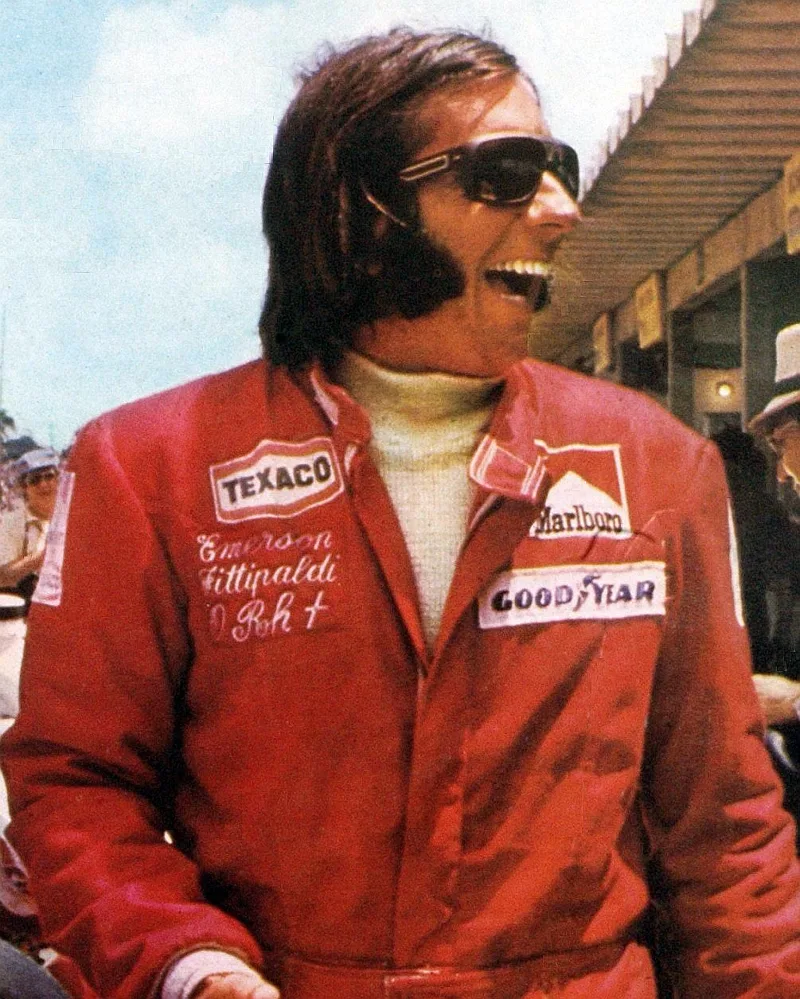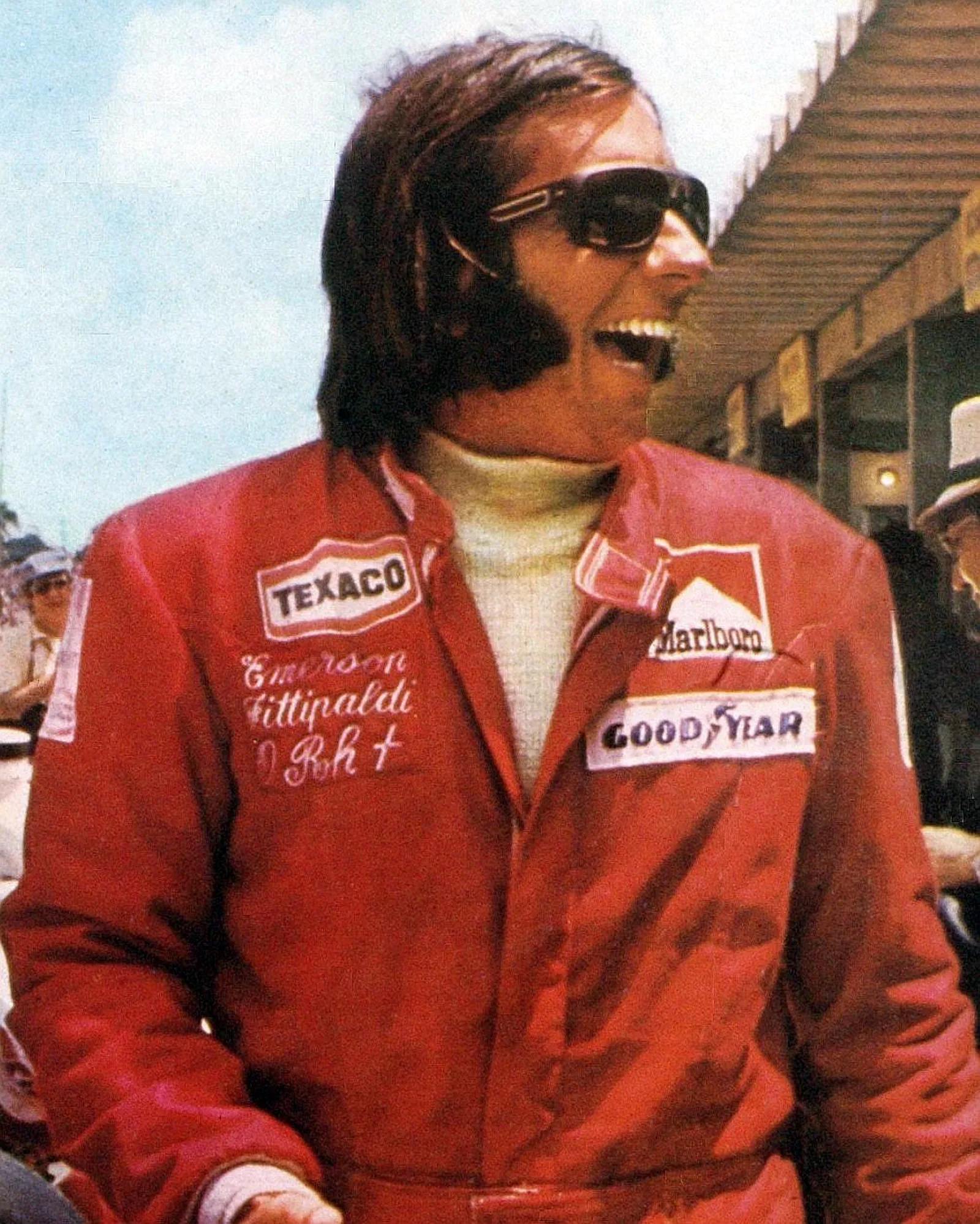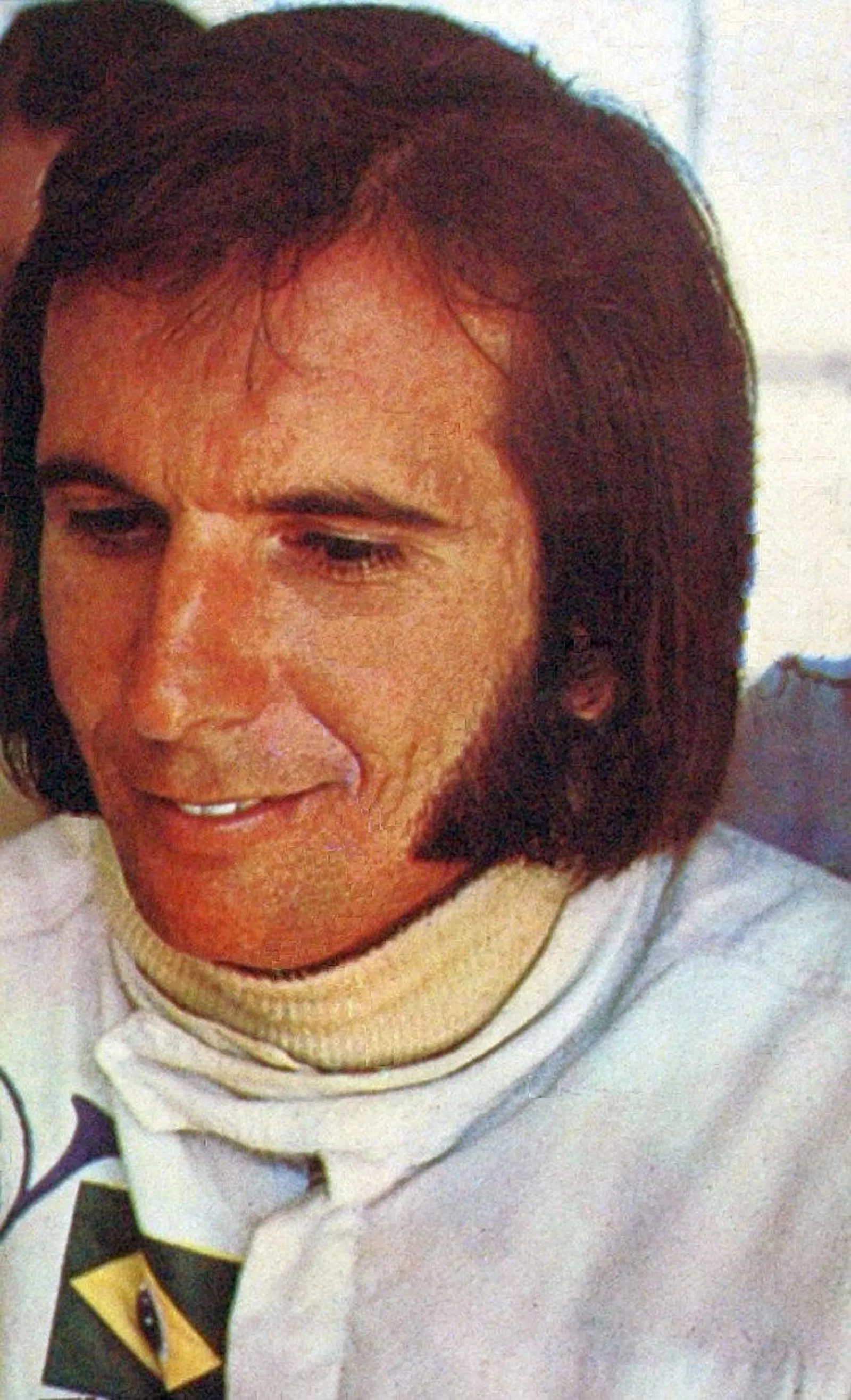
Emerson Fittipaldi took the crown at 25 in a car that had first appeared in 1970, while the calendar lost races and the safety rules tightened.
Emerson Fittipaldi took the 1972 Drivers' Championship for Lotus on 61 points, aged 25, and Lotus also won the Manufacturers' Cup. Jackie Stewart was runner-up on 45 points.
The 1972 Formula One season was the 26th year of FIA racing, and it gave Emerson Fittipaldi the world championship for Lotus at the age of 25. The Lotus 72 had first been seen in 1970, and it took the constructors' title as well. The twelve races ran from 23 January to 8 October, and the season ended with Fittipaldi holding a comfortable margin over the rest of the field.
How did Emerson Fittipaldi become the youngest champion?
Emerson Fittipaldi won the 1972 Drivers' Championship for Lotus with 61 points, making him the youngest world champion to that date at 25. Jackie Stewart was second on 45 points, and Denny Hulme third on 39. Fittipaldi won five races, more than any other driver, and he sealed the title at Monza with two races still to run.
The youngest-champion record stood for more than thirty years, until Fernando Alonso won his first title in 2005 at the age of 24. It was his first world title, won with the team that had employed him since 1970.
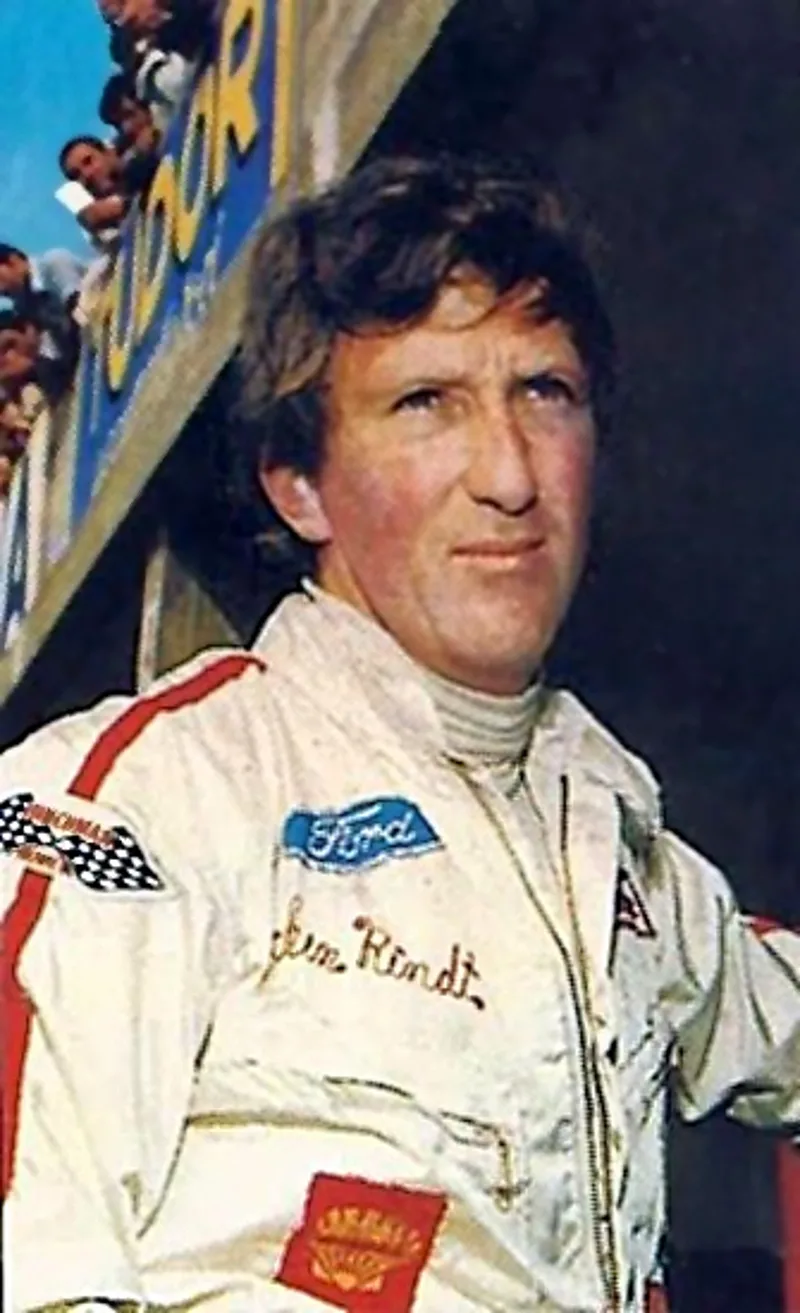
Lotus had been through a difficult spell after the death of its champion Jochen Rindt in 1970, but the team kept developing the Lotus 72 and returned to the front. The car wore the black and gold livery of the John Player Special brand, and the combination gave the team its first championship since 1970.
Fittipaldi took the title at 25 in a Lotus 72, while the sport tightened its safety rules and lost several races.
Why was the Lotus 72 still competitive in 1972?
The Lotus 72 kept the wedge-shaped layout that the team had introduced at the Dutch Grand Prix in 1970, and it gave Fittipaldi a platform for five wins.
Lotus finished on 61 points in the constructors' table, and its nearest challengers were Tyrrell on 51 and McLaren on 47.
Which teams and drivers changed in 1972?
BRM hired Reine Wisell from Lotus and Jean-Pierre Beltoise from Matra, after losing Jo Siffert in the 1971 Victory Race. Matra reduced its operation to a single car after Beltoise left, and Peter Revson joined McLaren after winning the 1971 Can-Am title.
Bernie Ecclestone became managing director of Brabham, and he promoted Carlos Reutemann alongside Graham Hill. Wilson Fittipaldi paid his way into a third Brabham seat. Frank Williams gained sponsorship from the French oil company Motul, which let him buy a new March 721 for Henri Pescarolo, and he promoted Carlos Pace from a previous year's car.
Several smaller teams made their mark too. Eifelland entered the second race of the season with a redesigned March 721, and Rolf Stommelen drove for it before the team withdrew to focus on Formula Three. Tecno, a successful karting and racing team, entered from the Belgian Grand Prix with Nanni Galli at the wheel. The Connew team had planned a full season, but it only started the Austrian Grand Prix, with Francois Migault at the wheel.
Williams tried a Politoys FX3 during the British Grand Prix, but its steering failed on the first run and the chassis was heavily damaged. Mike Hailwood was promoted to a full-time drive at Surtees while still racing in Formula Two, and he went on to win the F2 title that year. John Surtees shifted his focus to management and retired from racing at the end of the season.
What new safety rules came in 1972?
Safety was becoming a serious subject across Formula One. The official Circuit Safety Criteria were published, and 1972 was the first season in which every visited circuit met the mandatory standards. Specifications for debris fences were among the new requirements.
The cars also changed. Fuel tanks had to be lined with safety foam, and no magnesium sheet could be thinner than 3 millimetres (0.12 in). Drivers needed a headrest and a six-point harness, and a single switch was designed to cut the electrics and set off the fire extinguisher. A red light was fitted at the rear of the car as well.
The minimum weight rose from 530 kg (1,170 lb) to 550 kg (1,210 lb), and the first Drivers' Code of Conduct was published. Turbocharged engines were allowed up to 1,500 cc again, after the limit had been cut to 500 cc for two years.
How did the 1972 calendar change?
The Argentine Grand Prix returned for the first time since 1960, and the Belgian Grand Prix came back at Nivelles-Baulers after the 1971 race was cancelled. The Spanish round moved from Montjuic to Jarama, the French Grand Prix moved from Paul Ricard to Charade, and the British race went back to Brands Hatch from Silverstone.
Several races were lost. The Dutch Grand Prix was cancelled because safety upgrades at Zandvoort were not finished in time, and a United States Grand Prix West at Ontario was dropped after the circuit owners did not hold the test event the FIA demanded. The Mexican round was cancelled too, following local disinterest after the death of Pedro Rodriguez.
What happened in the opening rounds?
The first round in Argentina was won by Jackie Stewart, almost half a minute ahead of Denny Hulme. Carlos Reutemann had taken pole and led early on, but his super-soft tyres gave up and he dropped back to fourth before making a stop. Stewart dominated the pace after that.
At Kyalami, Stewart took pole, but Hulme won after the Scot's gearbox failed on lap 45. Fittipaldi inherited the lead before his own car ran into handling problems, and Hulme was able to finish ahead of Fittipaldi and Peter Revson.
The Spanish Grand Prix at Jarama was a wet race in which Fittipaldi passed Stewart after the Scot spun off. Fittipaldi took the win, and the Lotus 72 looked clearly ahead in the development race. At Monaco, Jean-Pierre Beltoise won in the rain. It was his only Grand Prix victory and BRM's last.
How did Belgium and France go?
Jackie Stewart missed the Belgian Grand Prix with gastritis, which he had developed after a demanding schedule of racing and promotional work. He was juggling Formula One, Can-Am and touring cars, along with sponsor appearances for Elf and Ford and a television commentary role in the United States. Fittipaldi took pole ahead of Clay Regazzoni and Denny Hulme, and he won after passing Regazzoni on lap 9. Francois Cevert was second and Hulme third.
At Charade, Stewart returned to the cockpit and won. Fittipaldi finished second and Chris Amon third, after a flat tyre dropped him back in the early laps. The race also cost Helmut Marko an eye injury when a stone thrown up by a car in front struck him, and it ended his racing career.
What happened at Brands Hatch and the Nurburgring?
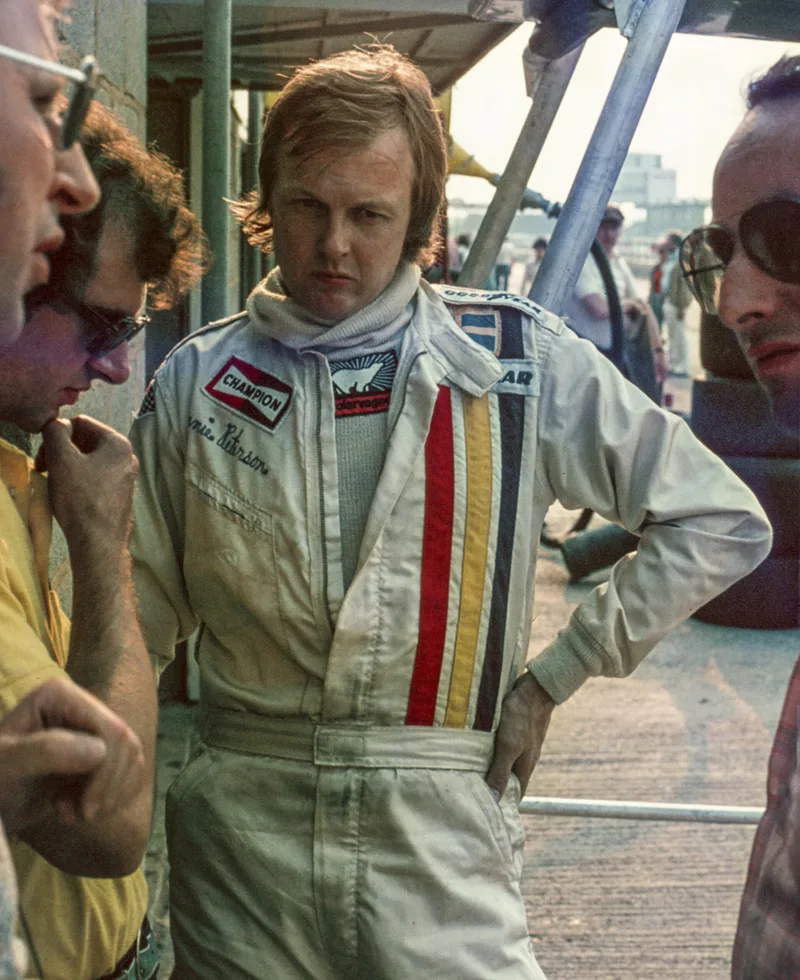
At Brands Hatch, Fittipaldi took the win ahead of Stewart and Peter Revson, with Revson the surprise third-place finisher. Jacky Ickx had qualified on pole, but an oil leak forced him out. Revson's podium gave McLaren a strong result in the British round. Ronnie Peterson, fourth for much of the race, went off after his engine and gearbox gave up, and he hit two cars that had already retired.
The German Grand Prix at the Nurburgring was one of the most demanding races of the year. Ickx took pole, set the fastest lap and led every lap to win, which is known as a grand chelem. Regazzoni finished second for Ferrari, and Ronnie Peterson took third for March. Stewart had retired from the race, so the title battle narrowed.
Who won at Austria and Monza?
The Austrian Grand Prix was held in hot and sunny conditions. Fittipaldi took pole, but at the start Stewart led through the first corner with Fittipaldi falling back. Denny Hulme challenged for second as the leaders pulled clear, and Peter Revson finished third after a close battle.
At Monza, Fittipaldi won the Italian Grand Prix, and the win clinched the championship. Mike Hailwood finished second in the Surtees, and Hulme was third for McLaren. Stewart had lost all drive from his engine at the start, and Ickx's electrics failed on lap 46. The Lotus driver was left with a commanding lead.
How did the North American finale unfold?
The Canadian Grand Prix at Mosport began with McLaren taking the front row, with Revson ahead of Hulme. Ronnie Peterson led early on, but he was disqualified for pushing his car back up the pits after a collision with Graham Hill. Stewart won, Revson was second and Hulme third.
The final race of the season was the United States Grand Prix at Watkins Glen, where Stewart took pole, the fastest lap and the win in a hat-trick of results. Cevert finished second, and Hulme was third. Jody Scheckter, making his debut, had been running fourth before he spun off at the first corner when a sudden shower arrived. The race was a fitting end to a year that had belonged to Fittipaldi and Lotus.
What were the final 1972 standings?
After the British round Fittipaldi led the title race with 43 points, ahead of Stewart on 27 and Hulme on 21. Fittipaldi ended the year on 61 points, Stewart on 45 and Hulme on 39. Lotus took the Manufacturers' Cup on 61 points, while Tyrrell was second with 51 and McLaren third with 47.
What did the 1972 season leave behind?
The season is remembered for a champion who was still young enough to be the youngest ever, and for a Lotus car that kept its edge across a long campaign. The safety criteria published that year set a baseline that circuits and teams would build on in the years ahead.
Some changes lasted longer than the season. The Dutch Grand Prix missed 1972 because of the Zandvoort work, and it returned the year after. BRM's win at Monaco proved to be its last, and Reutemann's debut for Brabham marked the start of a career that would run for years.