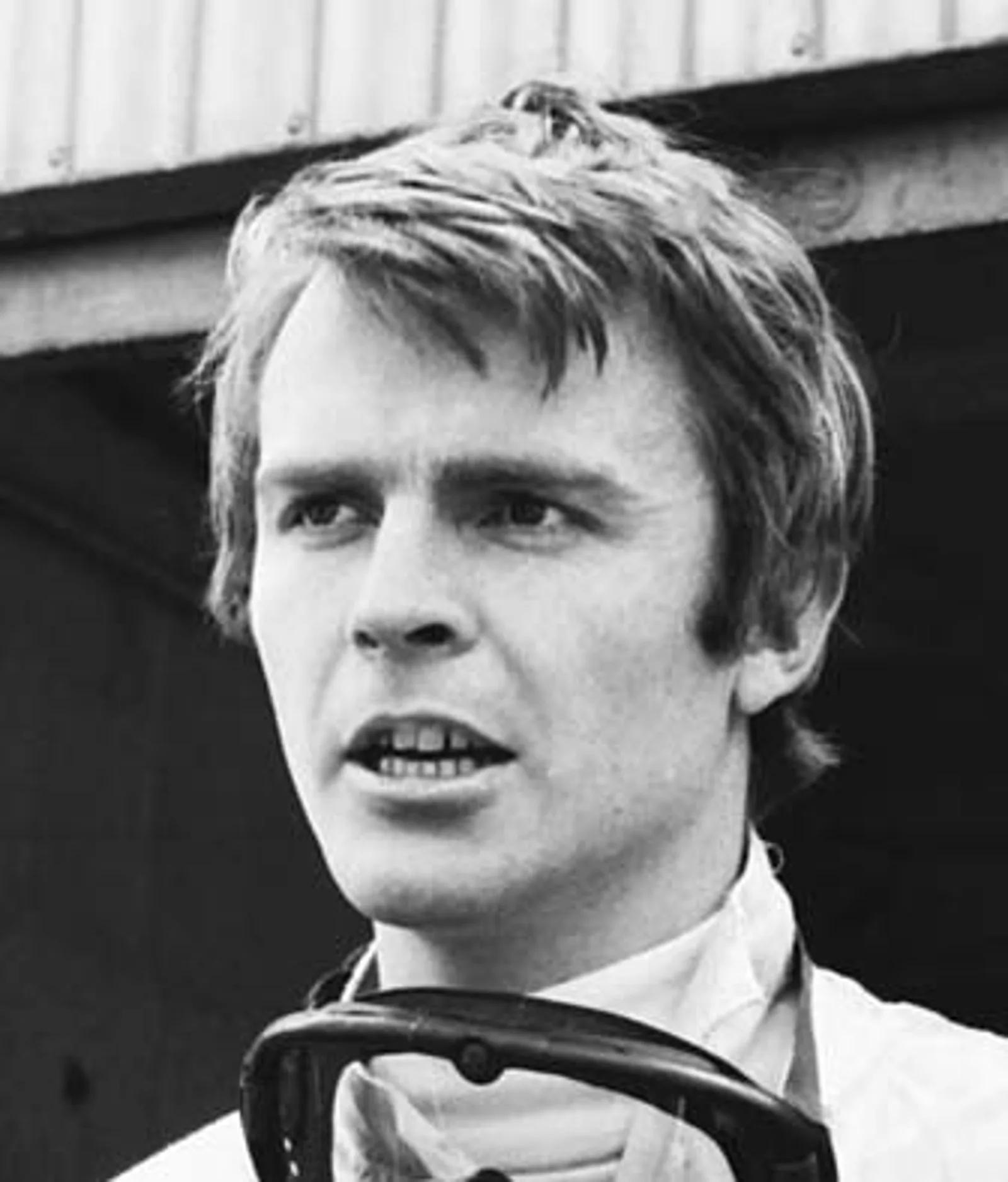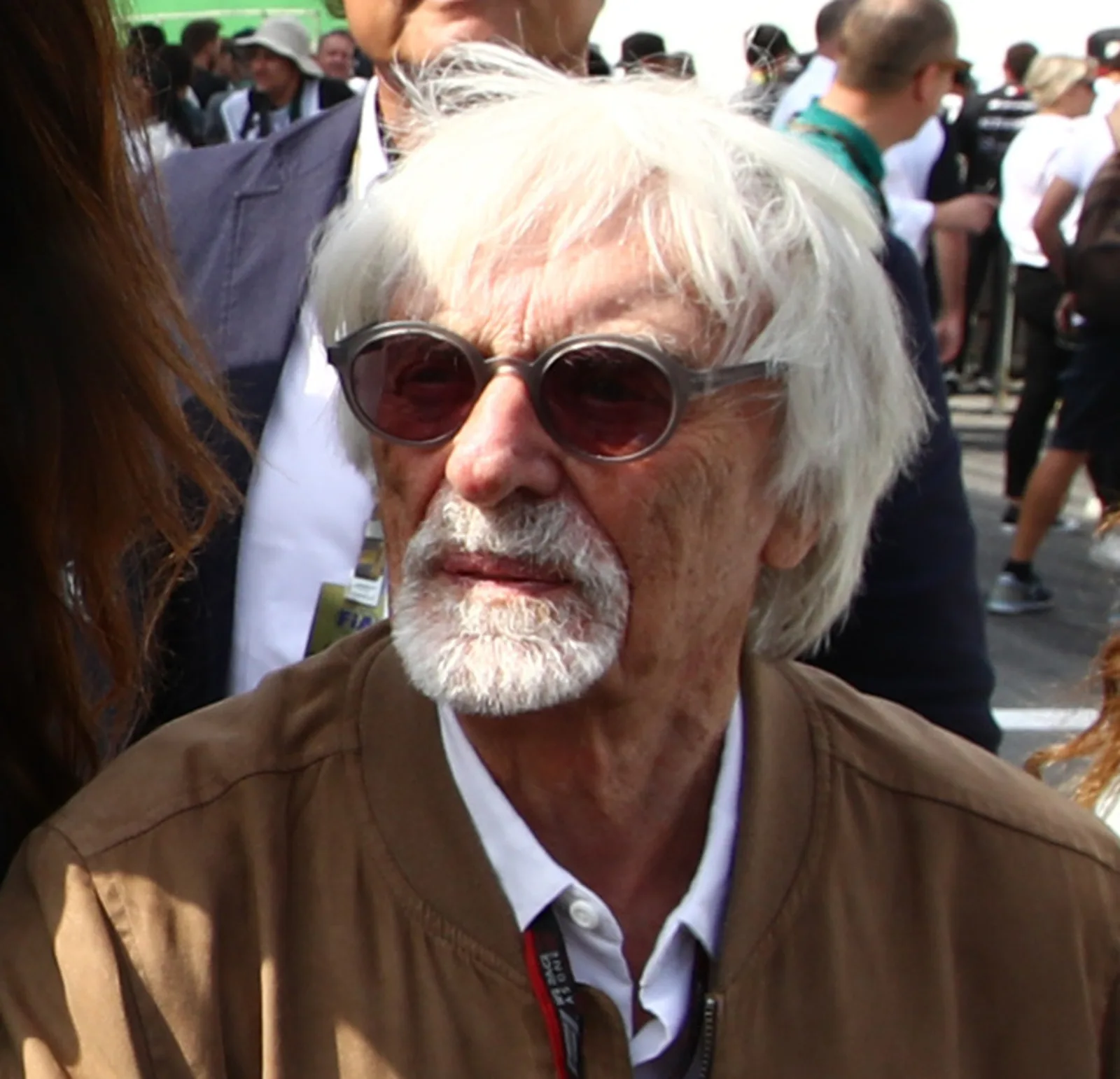
From motorcycle parts and a Brabham team to control of Formula One's television rights, the career of the man who ran the sport's business for three decades.
Bernie Ecclestone, a former racing driver turned businessman from Britain, founded the Formula One Group in 1987. He controlled the sport's commercial rights until 2017, after running the Brabham team from 1972 and building a television rights business that shaped Formula One's finances.
Bernard Charles Ecclestone, usually called the 'F1 Supremo', is a British businessman who also raced cars. From 1987 he ran the Formula One Group, which held the sport's commercial rights until 2017, and for 15 years before that he owned the Brabham team. His career changed how Formula One was financed, and it also drew a steady stream of public disputes.
Who was Bernie Ecclestone?
Ecclestone came into the world on 28 October 1930 in Suffolk and grew up in Bexleyheath. After the Second World War he made his first living selling motorcycle components, and from there he moved into motor racing and team ownership. Television rights later became the basis of his power over the sport's finances.
He left school at 16 to work as an assistant in a gasworks laboratory, checking gas quality. He studied chemistry at Woolwich Polytechnic on the side and stayed devoted to motorbikes. His family had settled in Bexleyheath in 1938, and he was not evacuated during the war.
From a Brabham team to the television rights behind Formula One's finances, Bernie Ecclestone's career ran through money and control.
How did Ecclestone's racing career begin?
He first raced in the 500cc Formula 3 series in 1949, and in 1951 he bought a Cooper Mk V. Most of his outings were at Brands Hatch, near home, where he finished well now and then and won occasionally. After a string of crashes there he stepped away from the cockpit to concentrate on business.
In 1957 he took on Stuart Lewis-Evans as a driver to manage and bought two chassis from the defunct Connaught outfit. Those cars went to Monaco in 1958, where 30 entries chased 16 grid slots. Bruce Kessler and Paul Emery, the drivers he had put in them, missed out by five seconds, and Ecclestone's own lap in one car came in almost a minute adrift of theirs.
What happened to his drivers?
Lewis-Evans was badly burned when his engine blew up at the 1958 Moroccan Grand Prix, and he died six days afterwards. Ecclestone was shaken and left racing once more. Later, through his friendship with Roy Salvadori, he took on Jochen Rindt as a managed driver and part-owned Rindt's 1970 Lotus Formula 2 team.
Rindt was killed in a crash at Monza that year, yet he still took the 1970 world championship posthumously. That result showed how quickly the sport's fortunes could change, and it left Ecclestone looking for a more secure base in the sport.
How did Ecclestone take control of Brabham?
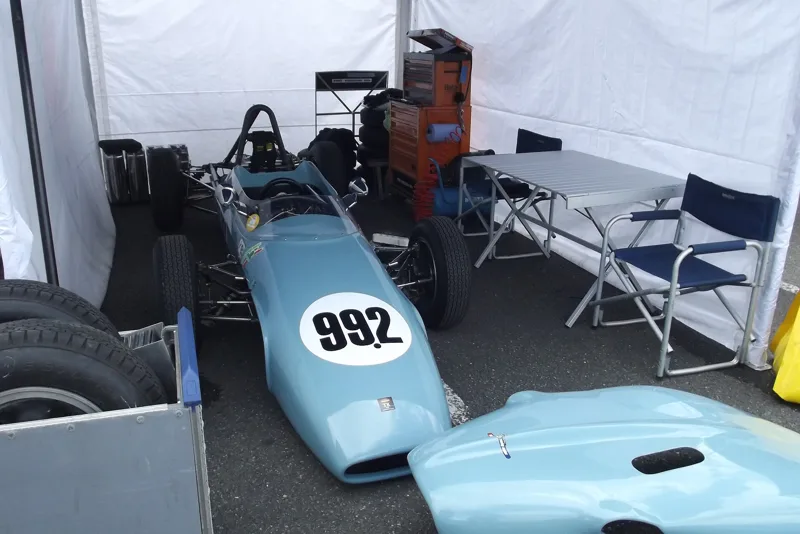
In 1971 Ecclestone offered 100,000 pounds for the entire Brabham operation, and Ron Tauranac accepted. Tauranac left early in 1972, and Ecclestone set about shaping the squad to his own view of how a top Formula One team should work. He dropped the customer-car trade and promoted Gordon Murray to chief designer for 1973.
Murray's BT42, the first of several Ford-powered designs, was followed by wins for Carlos Reutemann and Carlos Pace in 1974 and 1975. Ecclestone later struck a deal for Alfa Romeo's heavy flat-12 engine, a financially sound choice that produced the unreliable BT45. The team won two races in 1978 after Niki Lauda joined.
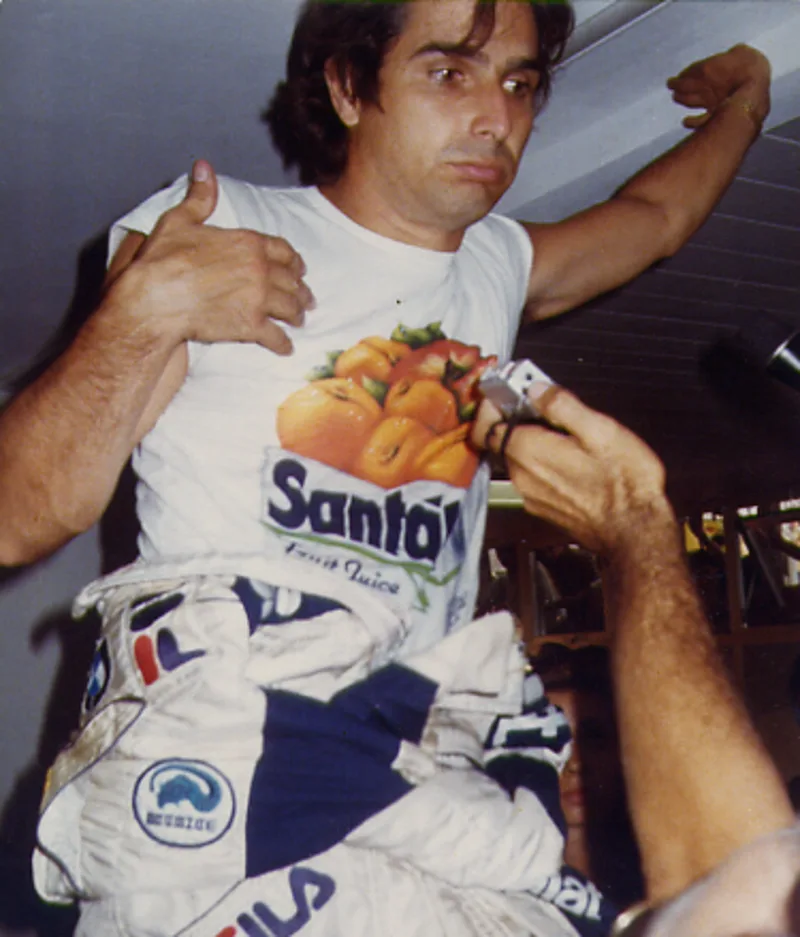
In 1979 he went back to Cosworth engines, and Nelson Piquet arrived as the lead driver. Piquet narrowly lost the 1980 title to Alan Jones, then took it in 1981 and 1983. The BMW turbo partnership gave the sport its first turbo-powered champion in 1983.
The team's form slid after Piquet departed at the close of 1985 and Murray left for McLaren the following year. Brabham collected only eight points in 1987. Across the 15 years under his leadership, the team won 22 races and two titles with Piquet. He sold it in 1988 to the Swiss businessman Joachim Luhti for more than US$5 million.
How did FOCA change Formula One's commercial model?
In 1974 Ecclestone helped found the Formula One Constructors Association alongside Max Mosley, Ken Tyrrell, Frank Williams, Teddy Mayer and Colin Chapman. In 1978 he took over as its chief executive, and the constructors' body waged a long campaign against the governing bodies over money and regulations, known as the FISA-FOCA war.
A shrewd manoeuvre gave FOCA the right to negotiate television deals for the Grands Prix. Ecclestone then created Formula One Promotions and Administration, which handed 47% of television income to the teams, while the FIA received 30% and FOPA 23%, meaning Ecclestone himself. In return, FOPA covered the prize money.
The fourth Concorde Agreement, signed in 1997, let him keep the television rights in return for yearly payments. Through his companies he still ran the business side of each race weekend, from administration to logistics.
Did Ecclestone contribute to safety in Formula One?
Ecclestone is credited with one clear step on safety. In 1978 he brought in Sid Watkins as the sport's official medical doctor. After a 1978 Italian Grand Prix crash, Watkins pressed for better protection, and Ecclestone delivered it by the next race. Over the following decades, deaths and serious injuries declined.
Why is the 1994 San Marino episode remembered?
At the 1994 San Marino Grand Prix, Ecclestone told Ayrton Senna's family that the driver had died while Senna was still alive. He had asked Sid Watkins by walkie-talkie about Senna's condition and misheard the reply. The mistake strained his relationship with the Senna family.
Watkins's reply about Senna's head was misheard over the static as 'He's dead'. Ecclestone passed that on to Leonardo Senna, Ayrton's brother, who was at the race. In reality Senna stayed alive for several more hours. Ecclestone travelled to Sao Paulo for the service but followed it on television from his hotel.
How did the 2004 court case test his control?
In November 2004 three banks behind Speed Investments, which held a 75% share in SLEC, sued Ecclestone for greater control over the sport. The hearing began on 23 November, and Justice Andrew Park ruled on 6 December that Speed's claims were correct. Ecclestone said the verdict would mean nothing at all and announced an appeal.
Shortly after the verdict he put a proposal to the teams: 260,000,000 pounds over three years if they unanimously renewed the Concorde Agreement, which was due to expire in 2008. Two weeks on, Gerhard Gribkowsky, who sat on the BayernLB board and chaired SLEC, insisted the banks had no plan to strip Ecclestone of control.
What happened at the 2005 United States Grand Prix?
Fourteen of the 20 cars withdrew from the 2005 United States Grand Prix at Indianapolis, after seven teams questioned the safety of their Michelin tyres. Talks involving Ecclestone, Max Mosley and the team principals failed to reach a compromise, and six cars lined up on race day.
Fans and journalists blamed Ecclestone for failing to enforce a solution, even though he had not caused the problem. The episode fed into the wider debate over who held real power in the sport.
How did ownership pass to CVC?
On 25 November 2005 CVC Capital Partners said it would acquire Ecclestone's 25% and Bayerische Landesbank's 48% stake. That left Alpha Prema with 71.65%. On 6 December Alpha Prema bought JP Morgan's share of SLEC to reach 86%, and Lehman Brothers kept the remaining 14%.
The European Union approved the transaction on 21 March 2006, provided CVC sold Dorna, which controls the MotoGP rights. CVC completed the deal on 28 March 2006. Ecclestone used the proceeds to buy a stake in the new company, although the exact split of that holding is unknown.
What does his career look like at a glance?
| Year | Milestone | Detail |
|---|---|---|
| 1930 | Birth | Born in Suffolk; the family later moved to Bexleyheath |
| 1949 | First racing | 500cc Formula 3 series |
| 1958 | Monaco Grand Prix | Two Connaught chassis; neither driver qualified |
| 1971 | Brabham deal | Team bought after a 100,000 pound offer |
| 1974 | FOCA formed | Co-founded with Max Mosley and others |
| 1978 | FOCA chief executive | Hired Sid Watkins as official medical doctor |
| 1987 | Formula One Group founded | Controlled commercial rights until 2017 |
| 1988 | Brabham sold | Buyer Joachim Luhti; price above US$5 million |
| 1997 | Fourth Concorde Agreement | Television rights kept for annual payments |
| 2006 | CVC transaction completed | Completed on 28 March 2006 |
| 2017 | Sale to Liberty Media | Removed as chief executive on 23 January 2017 |
| 2023 | Tax fraud plea | Suspended 17-month prison term |
Which other business ventures did he pursue?
In 1996 his firm, International Sportsworld Communicators, secured a 14-year deal with the FIA covering the broadcast rights to 18 FIA championships. Brussels regulators examined the arrangement in 1999, and in April 2000 ISC changed hands, going to a group led by David Richards.
He co-owned Queens Park Rangers with Flavio Briatore from 3 September 2007. By 17 December 2010 he held 62% of the shares, and on 18 August 2011 the pair sold their entire holding to Tony Fernandes. In 2007 he also said he would be open to discussing a purchase of Arsenal, and in January 2010 he submitted a bid for Saab Automobile with Genii Capital.
The collection of 69 single-seaters, valued at an estimated 500 million pounds, featured Ferraris including the 375 F1, 312 F1 and 246 F1, as well as the Brabham BT46B and a Maserati 250F. It later passed to Mark Mateschitz, an heir to Red Bull GmbH.
What controversies followed his career?
Ecclestone's public record includes several disputes over remarks and dealings. They range from a 1997 tobacco sponsorship row with the Labour government to comments about Adolf Hitler in 2009 and about race after the murder of George Floyd. Each episode drew sharp responses from politicians, rivals and campaigners.
How did the 1997 tobacco row unfold?
In 1997 Labour pledged to ban tobacco advertising, and almost every leading team carried tobacco branding. Ecclestone went above the public health minister, Tessa Jowell, and approached Jonathan Powell, who served as Blair's chief of staff and set up a session with the prime minister. Ecclestone and Max Mosley, both Labour donors, met Blair on 16 October 1997.
Formula One was then exempted from the tobacco sponsorship ban. Ecclestone had donated 1 million pounds to Labour in January 1997, and the party later promised to return the money. On 17 November Blair apologised for the handling of the affair. In 2008 internal Downing Street memos showed the decision had been made at the meeting, not two weeks later as Blair had told Parliament.
What did the 2009 Hitler remarks lead to?
On 4 July 2009 The Times ran an interview in which Ecclestone spoke about Adolf Hitler, suggesting that Hitler had been pushed into actions and was able to get things done. He also said democracy had not done much good for many countries, including the United Kingdom.
Stephen Pollard, who edited the Jewish Chronicle, called Ecclestone either an idiot or morally repulsive. Ecclestone had earlier said his long-time friend Max Mosley would make an excellent Prime Minister. Ecclestone apologised, saying he was sorry he had been an idiot and that his comments had been taken the wrong way.
How did the Gribkowsky bribery case proceed?
At a Munich trial the prosecutor described Ecclestone as a co-perpetrator in the case against Gerhard Gribkowsky, a former BayernLB risk officer. Ecclestone said he had paid about $44 million to Gribkowsky because he feared the banker would expose a family trust to UK tax authorities. German prosecutors indicted him for bribery in July 2013.
A Munich court ruled on 14 January 2014 that he would be tried. On 5 August 2014 the same court accepted a settlement without any admission of guilt, which ended the trial.
How did the tax fraud case end?
July 2022 brought a tax fraud charge from the Crown Prosecution Service, prompted by HM Revenue and Customs, which said he had not declared foreign assets worth 400 million pounds. In October 2023 he admitted fraud before Southwark Crown Court and undertook to repay over 650 million pounds in back tax and penalties.
The court imposed a 17-month custodial term, suspended for two years. Before that, a German prosecutor's interviews in the Gribkowsky case disclosed a nine-year UK tax inquiry into him and a legal avoidance arrangement worth 1.2 billion pounds. HM Revenue and Customs closed that matter in 2008 with a 10 million pound payment.
What were his firearm and Russia-related incidents?
On 25 May 2022 Brazilian officials took Ecclestone into custody over an undocumented gun found in his luggage during an X-ray check, as he boarded a private plane to Switzerland. He acknowledged owning the LW Seecamp .32 but said he did not know it was in his bag. He paid bail and was freed to travel.
On 30 June 2022 he told ITV's Good Morning Britain that he would take a bullet for Vladimir Putin, whom he called a first-class person. He described the Russian invasion of Ukraine as a mistake that businessmen make. Formula One said his views were in stark contrast to the modern values of the sport.
On 7 September 2026 reports said Portuguese authorities had questioned him in Cascais about a shotgun on his private jet. He denied being arrested and said the weapon was for a clay pigeon competition.
What honours did he receive or refuse?
He refused a CBE in 1996 and afterwards declined a knighthood, because he did not believe he had earned it. He received the Gregor Grant Award at the Autosport Awards in 2005 and the Commander of the Order of Saint-Charles from Monaco in 2006. Austria gave him its Grand Decoration of Honour in Gold in 2000.
His other recognitions include an honorary DSc from Imperial College London in 2008, the FIA President Innovation Medal in 2024 and the 75th Anniversary Honouree Prize from the Autosport Awards in 2025.