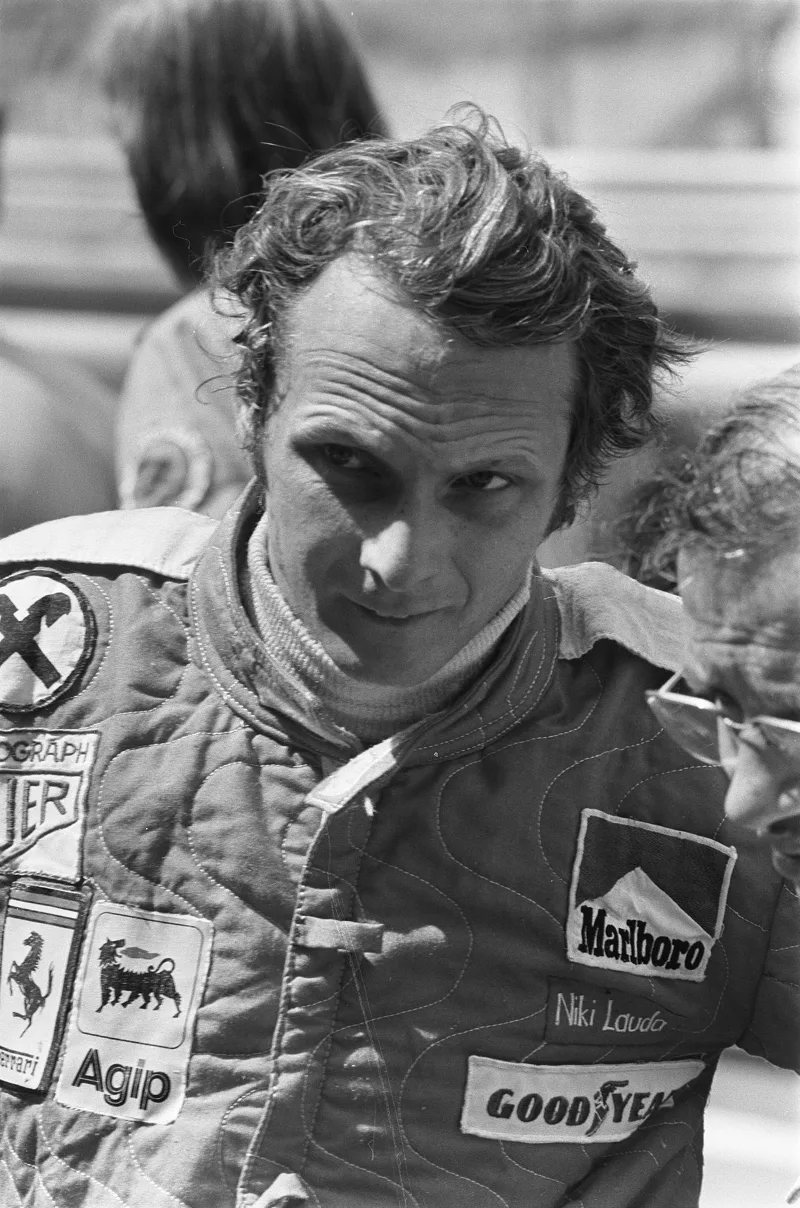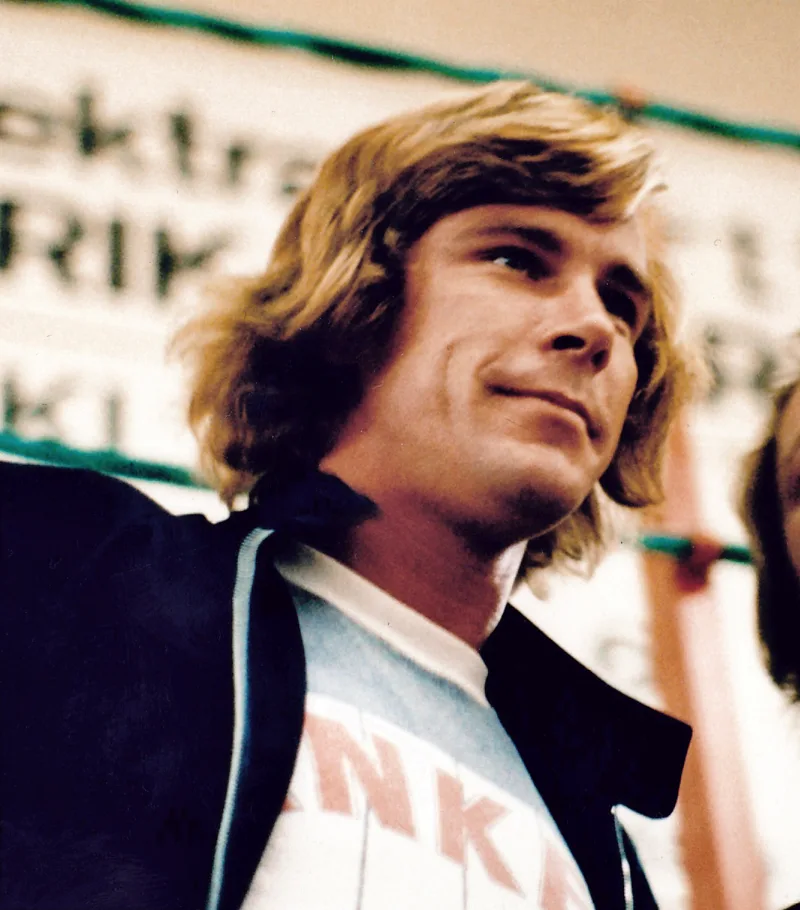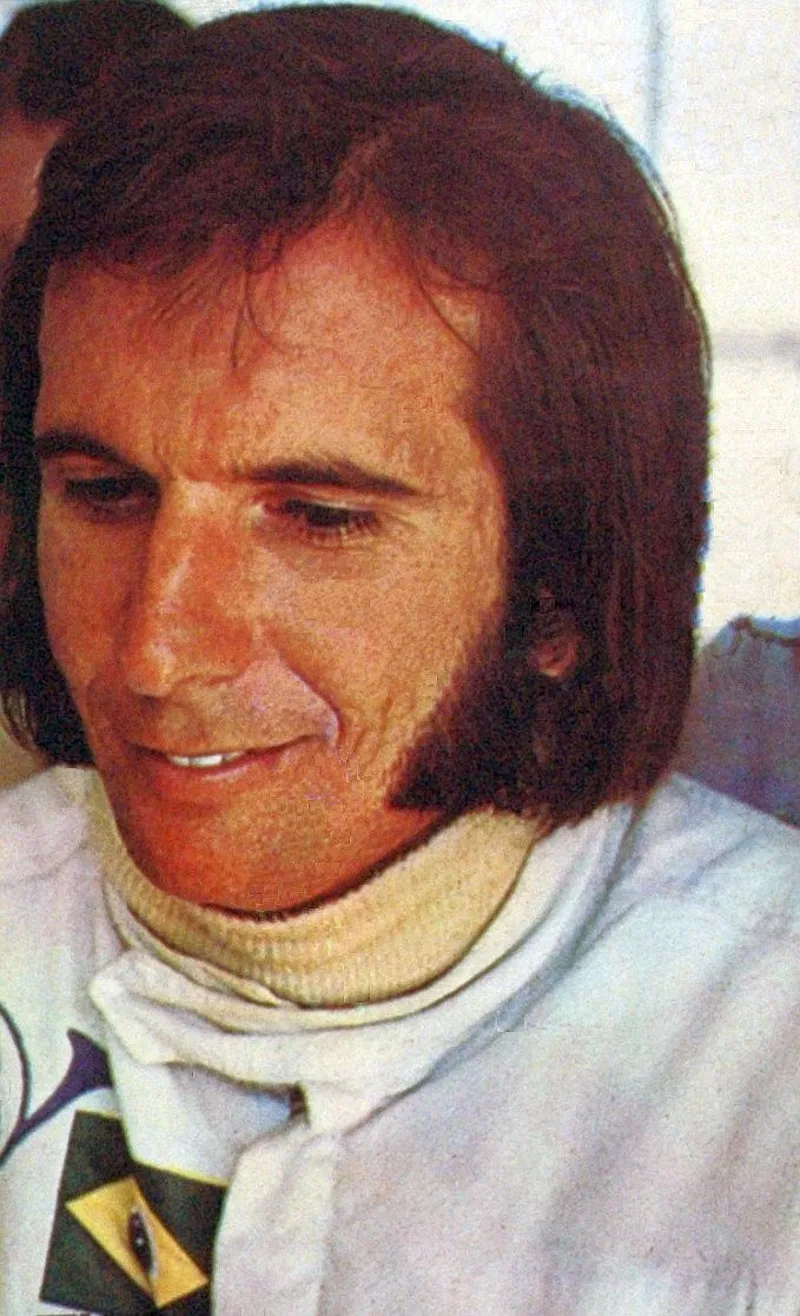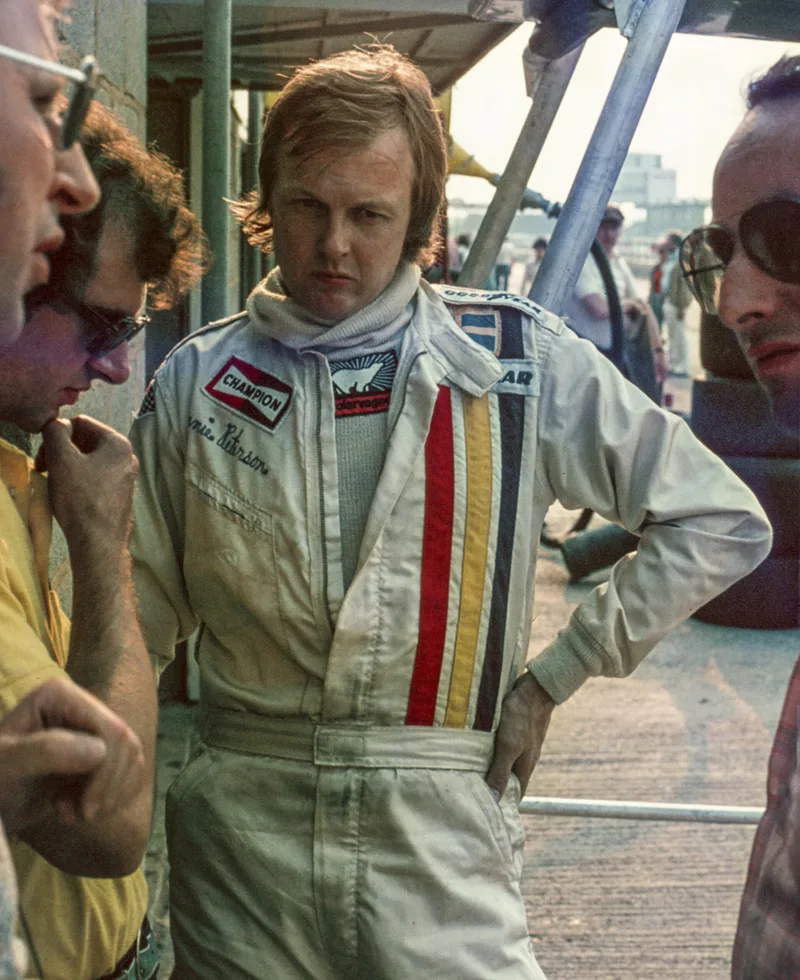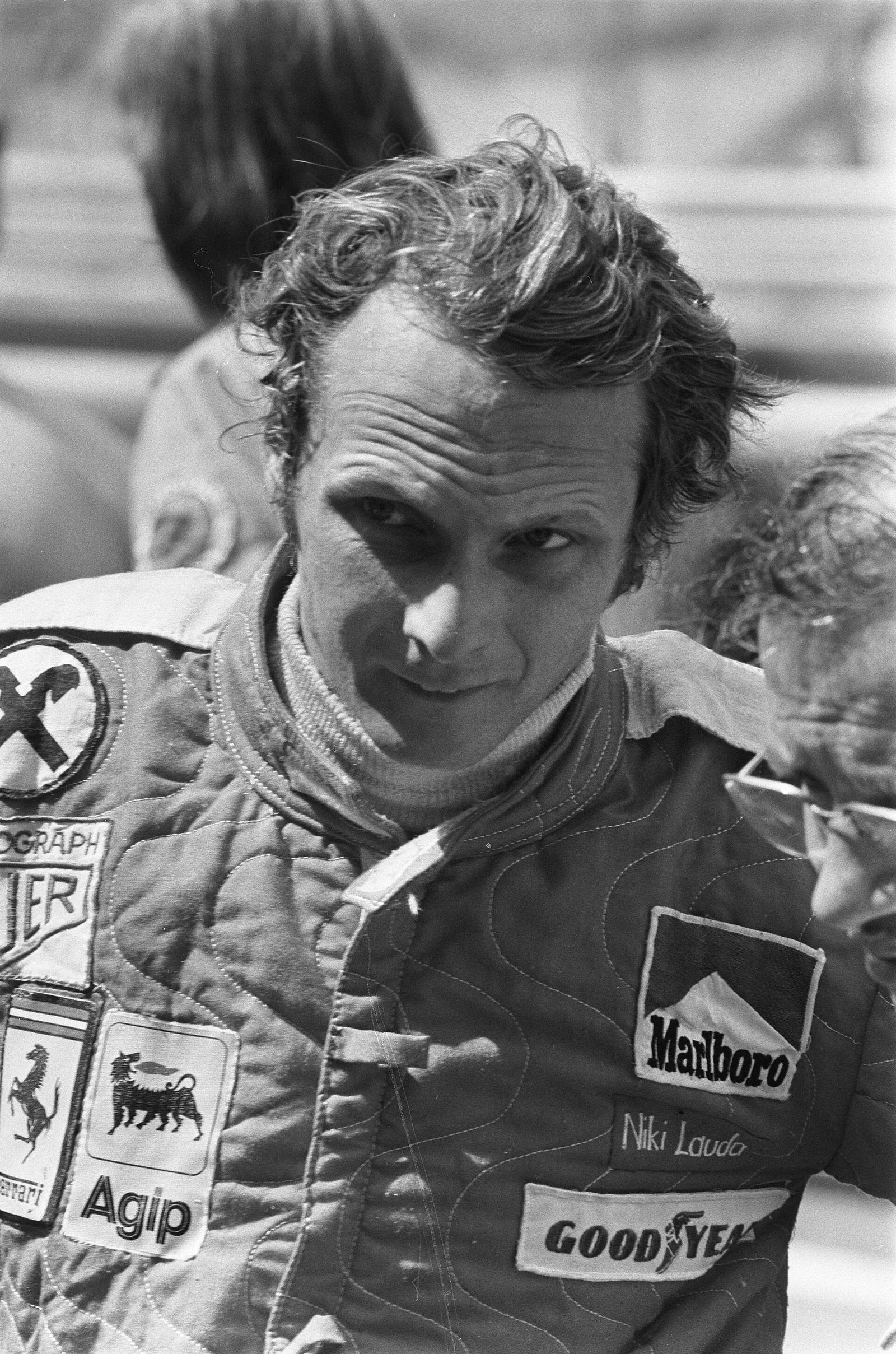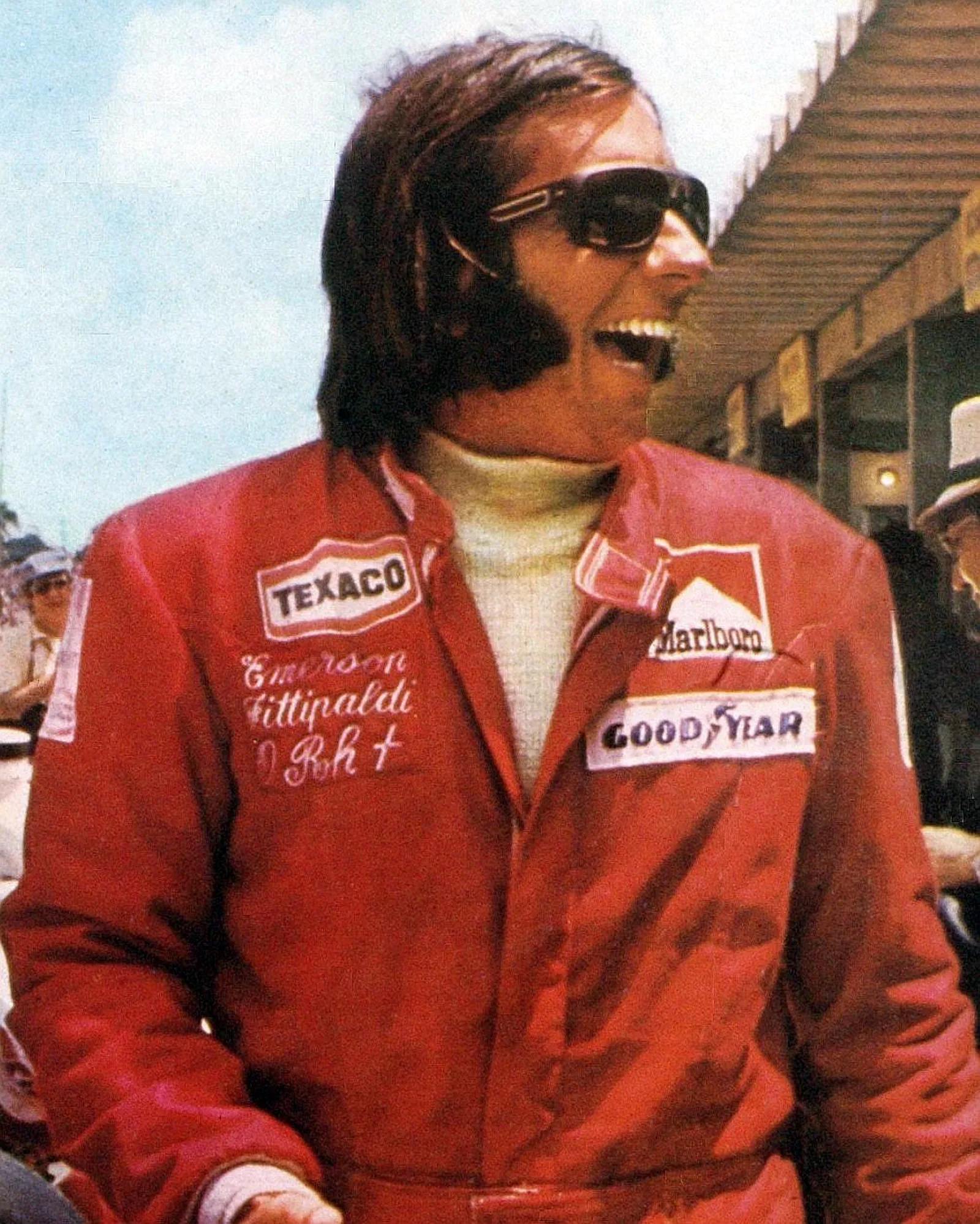
Four drivers were still in contention on the last day, and Emerson Fittipaldi's fourth-place finish gave McLaren its first championship.
Emerson Fittipaldi won the 1974 Drivers' Championship for McLaren by three points over Clay Regazzoni. He finished fourth at Watkins Glen, the final round, which gave the team its first championship. The season was a fifteen-race series.
The 1974 Formula One season was the 28th year of FIA racing, and it was decided on the final weekend at Watkins Glen. Emerson Fittipaldi, driving for McLaren, took his second world title by three points over Clay Regazzoni, giving the team its first championship. The fifteen-race series ran from 13 January to 6 October, and the defending champion, Jackie Stewart, did not drive after announcing his retirement.
How did Fittipaldi win the 1974 title at Watkins Glen?
Fittipaldi and Regazzoni began the final race weekend level on points, and the title was settled by the last finishing order. Regazzoni dropped down the field with handling problems, and he was two laps down after several pit stops for tyres. Fittipaldi's fourth-place finish was enough, and he became champion ahead of Regazzoni.
The race was won by Carlos Reutemann, who took pole with James Hunt alongside him on the front row. The result that mattered most for the title was the one behind the leaders. Fittipaldi's win was his second championship, and the first title for McLaren, which later became the first of many for the Marlboro-sponsored team.
Jody Scheckter, driving for Tyrrell, had an outside chance of the title as well, but he finished third in the standings. The Watkins Glen result left the three contenders close together in the final table, which was the first time since 1968 that the championship had gone to the last round.
Fittipaldi's fourth place at Watkins Glen gave McLaren its first title, three points clear of Regazzoni.
Which drivers and teams changed for 1974?
A large number of driver changes happened over the winter. Fittipaldi left Lotus for McLaren, where Mike Hailwood moved up from Surtees to partner him. Jacky Ickx replaced Fittipaldi at Lotus, having been at Ferrari before that.
New Ferrari boss Luca di Montezemolo signed both of the 1973 BRM drivers, Clay Regazzoni and Niki Lauda. Arturo Merzario found a seat at Williams, entered as Iso-Marlboro, and BRM hired Henri Pescarolo and Francois Migault alongside Jean-Pierre Beltoise. Tyrrell signed Jody Scheckter from McLaren, along with Formula Two driver Patrick Depailler, after Francois Cevert had died and Jackie Stewart retired.
Peter Revson found a seat at Shadow beside Jean-Pierre Jarier, and Jochen Mass drove a full season for Surtees. Wilson Fittipaldi set up his own team, and Richard Robarts left Brabham when a better-funded driver arrived. Hans-Joachim Stuck moved up to March, and Graham Hill ran a Lola chassis for his Embassy Racing team.
What new rules and grid procedures came in 1974?
Selfseal breakaway fuel couplings were mandated to reduce the risk of fire in accidents. Teams also kept fixed racing numbers from one race to the next for the first time that year. Those numbers followed the order of finish in the 1973 Constructors' Championship.
The scoring system also changed the value of each result. Points went to the top six classified finishers, and only the best seven results from the first eight rounds and the best six from the last seven counted towards a driver's total.
The grid was regulated for the first time as well. Cars had to take their places in a staggered formation two abreast, with 12 m (39 ft) separating each row. Every car on the grid had to follow the same pattern.
Which drivers died during the 1974 season?
Two Formula One drivers lost their lives during the year. Peter Revson was killed in practice for the South African Grand Prix, when his Shadow's suspension gave way and it hit the armco. Shadow later signed Brian Redman, Bertil Roos and Tom Pryce to fill the seats.
Helmut Koinigg died during the United States Grand Prix. His car hit the barrier after a puncture on lap 10, and the barrier split on impact. The accident was reminiscent of Francois Cevert's death at the same track the year before, and Surtees reduced its operation to a single car for the following season.
How did the first races in Argentina and Brazil go?
The season opened in Argentina, where Ronnie Peterson took pole and Clay Regazzoni was second on the grid. Regazzoni spun at the start, which caused chaos, and Fittipaldi lost two laps after being hit by teammate Mike Hailwood. Denny Hulme took the win after Carlos Reutemann ran out of fuel on the last lap, and Niki Lauda finished second.
In Brazil, Fittipaldi took pole and then won at home. Reutemann led early on, but Fittipaldi passed him and Peterson, and he held on to take the victory. Regazzoni was second and Jacky Ickx third, and the Brazilian crowd saw a home victory for Fittipaldi.
What happened in South Africa, Spain and Belgium?
At Kyalami, Reutemann took the win after taking the lead on lap 10. Jean-Pierre Beltoise was second in his BRM, and Mike Hailwood third in his McLaren. Lauda and Regazzoni both retired late when their engines blew up, which left Reutemann in control.
The Spanish Grand Prix at Jarama was Lauda's first Grand Prix victory. He started from pole, and when Peterson's engine failed and Ickx lost a wheel after a stop for slicks, the way was clear. Regazzoni finished second to complete a Ferrari one-two, and Fittipaldi took third.
At Nivelles-Baulers, Regazzoni led early on, but Fittipaldi moved through and went on to win from Lauda. Scheckter took third after Regazzoni suffered fuel feed problems on the last lap.
How did Monaco and Sweden unfold?
Lauda and Regazzoni took the front row at Monaco, and Peterson's Lotus was third. Regazzoni led until he made a mistake and spun off. Lauda was in the lead when his engine blew up, which handed the race to Peterson. Scheckter took second, and Jarier was third for Shadow.
In Sweden, the Tyrrells were dominant in qualifying. Patrick Depailler took pole, and Scheckter passed his teammate at the start. Scheckter won, Depailler completed a dominant one-two for Tyrrell, and James Hunt took third in the Hesketh after both Ferraris retired.
What happened in the Netherlands and France?
At Zandvoort, Lauda took his fourth pole of the year, with Regazzoni alongside, and Lauda converted it into victory. Regazzoni came home second for Ferrari, and Fittipaldi took third after he passed Depailler when the Tyrrell struggled with oversteer.
At Dijon-Prenois, Lauda took pole again. Peterson took the lead when Lauda's car began to vibrate, and he won from Lauda, with Regazzoni third.
How did the British and German rounds shape the title fight?
At Brands Hatch, Lauda took pole once again, with Peterson beside him and Scheckter third. Lauda led early, but Regazzoni and Peterson pitted after running over debris, and Lauda's late puncture handed the lead to Scheckter, who won. Fittipaldi finished second, and Jacky Ickx completed the podium.
After the British round, Lauda led the title race with 38 points, a single point ahead of Fittipaldi. Regazzoni and Scheckter were three points further back, which made the championship a four-way battle with two-thirds of the season gone.
At the Nurburgring, Regazzoni took the win for Ferrari after Lauda and Scheckter collided at the Nord Kurve on the first lap. Scheckter continued unhurt in second, and Reutemann completed the podium in third. Fittipaldi had suffered a puncture and pitted.
Who won in Austria and Italy?
Lauda took his eighth pole of the year in Austria, but Reutemann got the better of him at the start. Reutemann won, with Denny Hulme second and James Hunt third. Lauda retired with a misfiring engine, while Fittipaldi's engine blew up as well.
At Monza, Lauda took pole for the Italian Grand Prix, but he retired with a water leak. Regazzoni's engine failed ten laps after he had taken the lead, which left Peterson in front. Peterson won, with Fittipaldi second and Scheckter third. Monza was the last European round before the North American rounds that ended the season.
How did the North American finale decide the title?
At Mosport, Fittipaldi took pole, just ahead of Lauda, with Scheckter third. Lauda crashed out late after running over debris, which ended his championship hopes, and Scheckter crashed earlier after a brake failure. Fittipaldi won from Regazzoni, with Peterson third.
The title was decided at Watkins Glen, where Fittipaldi and Regazzoni were level on points. Reutemann took pole with Hunt alongside, and he converted it into victory with Pace second. Fittipaldi finished fourth, which was enough for the title by three points over Regazzoni.
How did the 1974 points table look race by race?
| Grand Prix | Winner | Car | Notes |
|---|---|---|---|
| Argentina | Denny Hulme | McLaren-Ford | Reutemann ran out of fuel |
| Brazil | Emerson Fittipaldi | McLaren-Ford | Home victory |
| South Africa | Carlos Reutemann | Brabham-Ford | Revson killed in practice |
| Spain | Niki Lauda | Ferrari | First Grand Prix win |
| Belgium | Emerson Fittipaldi | McLaren-Ford | Scheckter third |
| Monaco | Ronnie Peterson | Lotus-Ford | Lauda's engine failed |
| Sweden | Jody Scheckter | Tyrrell-Ford | Tyrrell one-two |
| Netherlands | Niki Lauda | Ferrari | Ferrari one-two |
| France | Ronnie Peterson | Lotus-Ford | Lauda second |
| Great Britain | Jody Scheckter | Tyrrell-Ford | Lauda's puncture |
| West Germany | Clay Regazzoni | Ferrari | Lauda and Scheckter collided |
| Austria | Carlos Reutemann | Brabham-Ford | Lauda retired |
| Italy | Ronnie Peterson | Lotus-Ford | Regazzoni's engine failed |
| Canada | Emerson Fittipaldi | McLaren-Ford | Lauda crashed out |
| United States | Carlos Reutemann | Brabham-Ford | Fittipaldi fourth, title won |
What were the final standings?
Fittipaldi won the 1974 Drivers' Championship by three points from Regazzoni, with Scheckter outside the top two. It was the first title for McLaren.
The International Cup for F1 Manufacturers counted only the highest-finishing driver from each team in each race. Race results that scored points but did not count towards the final tally were shown in brackets in the official tables.