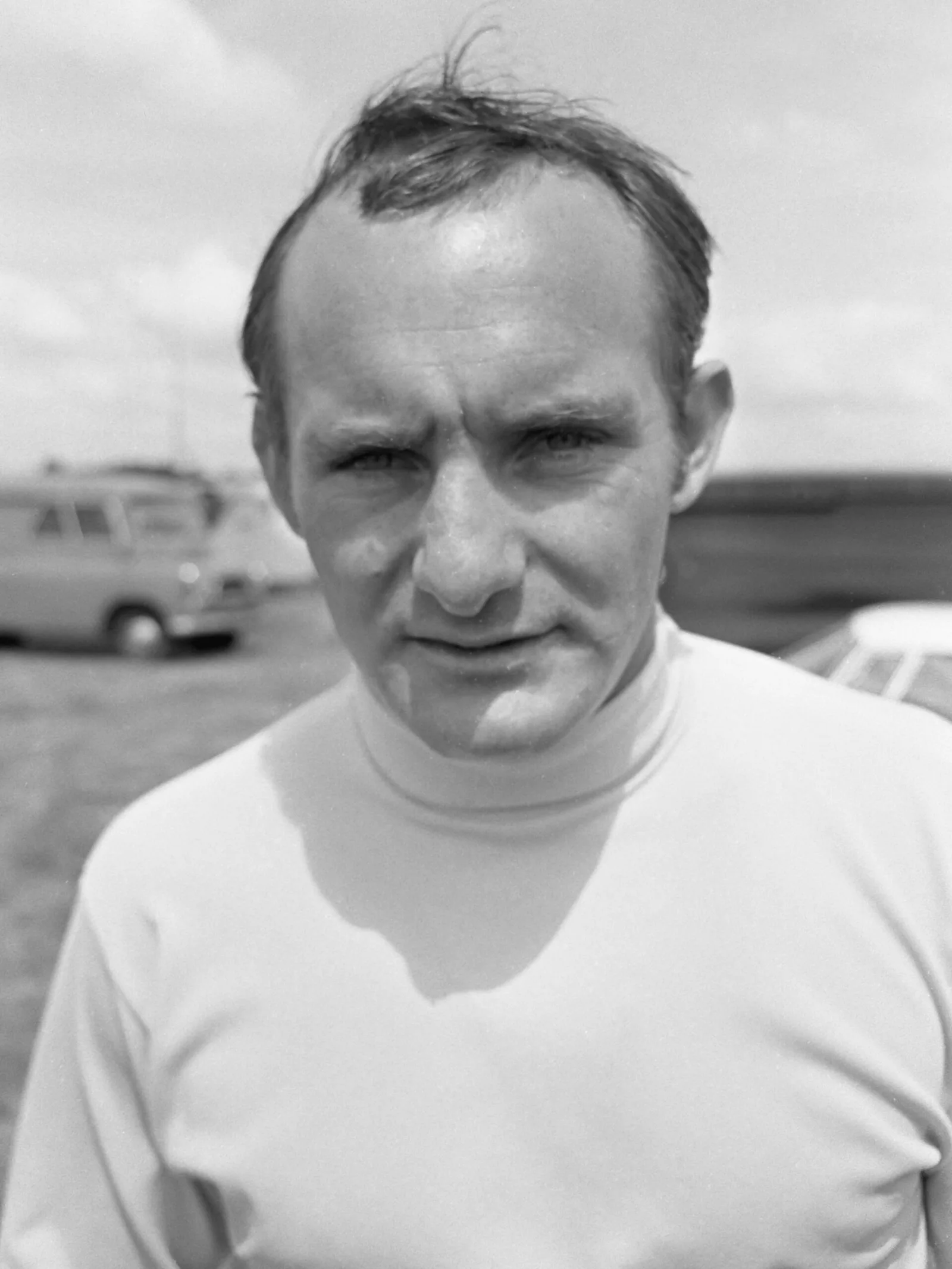
The rider known as the Bike won nine world titles, raced in Formula One and came back to win the 1978 Isle of Man TT at 38.
Mike Hailwood was a British motorcycle racer who won nine world championships and 14 Isle of Man TT races. He also raced 50 Formula One Grands Prix. He died in 1981 after a road collision in Warwickshire.
Mike Hailwood was a British racer who competed on motorcycles and cars. He won nine Grand Prix motorcycle world championships, four of them in the 500cc class with MV Agusta, and took 76 Grand Prix victories. He later raced in Formula One and returned to win the 1978 Isle of Man TT at 38, before his death in a road collision in 1981.
Where did Hailwood's racing begin?
Hailwood was born on 2 April 1940 at Langsmeade House in Great Milton, Oxfordshire. He was the only son of a prosperous businessman who ran a motor sales company and was a successful motorcycle dealer. He learned to ride as a small boy on a minibike in a field near home, and he first saw a race at the age of ten, watching with his father.
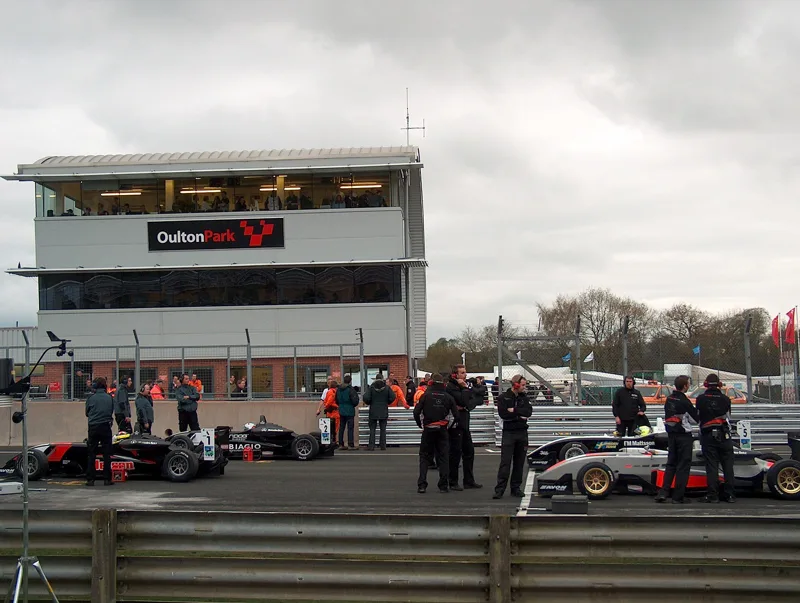
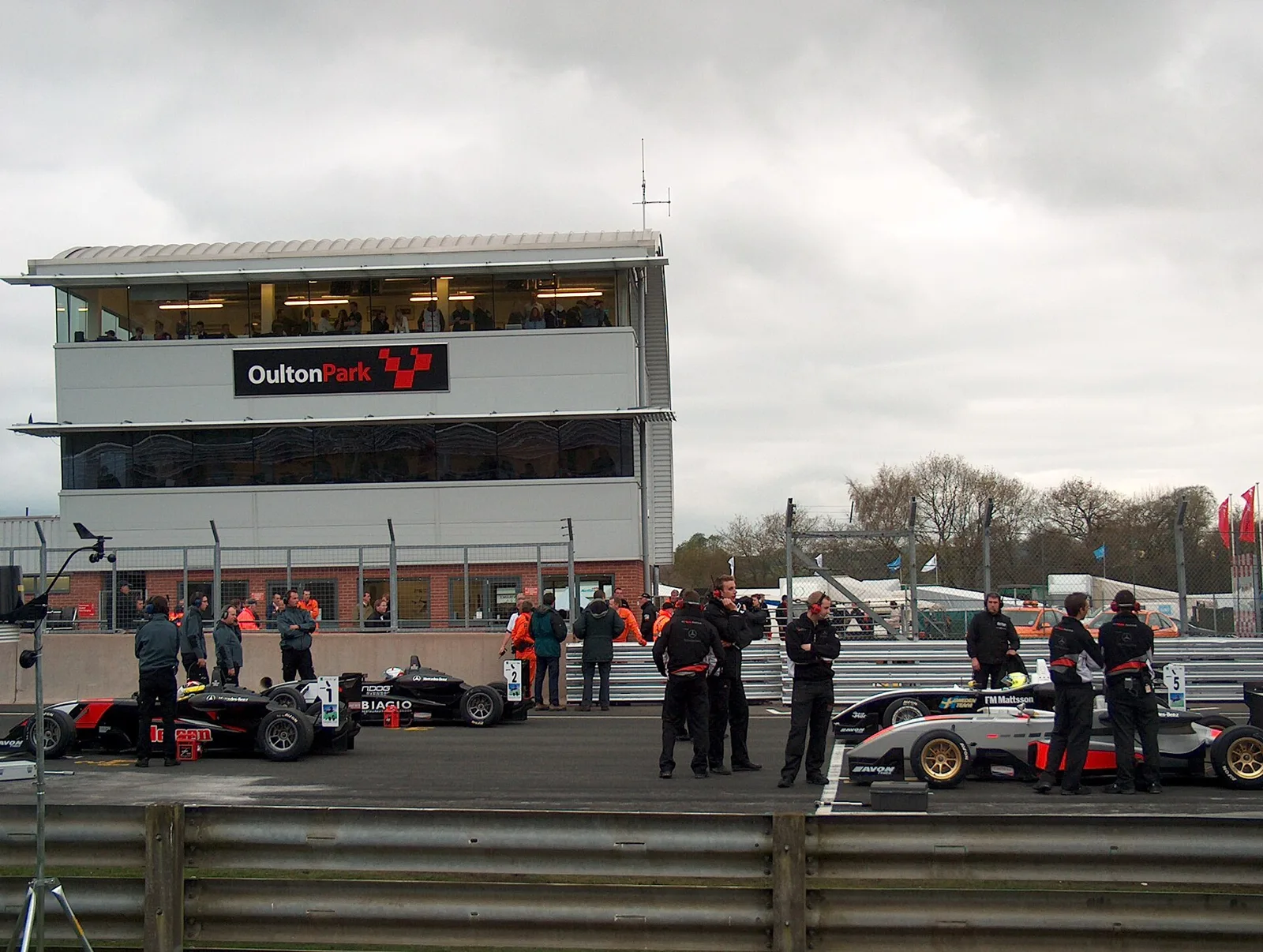
Schooling took him through several institutions, among them Pangbourne Nautical College, where he wore a cadet's uniform. He left before finishing and spent a short period in the family firm before his father arranged a job at Triumph motorcycles. He first entered the Isle of Man TT as a spectator in 1956, and his first race came at Oulton Park in April 1957, where he finished eleventh.
Nine world titles, a Formula One career and a return to the TT at 38, cut short by a road collision in 1981.
How did Hailwood win his first championships?
In 1958 Hailwood won the ACU Stars title in the 125cc, 250cc and 350cc classes. That success earned him the Pinhard Prize, an award for a young rider under 21 who had made the most meritorious achievement in the sport during the year. He also teamed with Dan Shorey to win the Thruxton 500 endurance race, and he finished in four classes of the TT with a single podium.
By 1961 he was racing for the Japanese factory Honda. That June he became the first man to win three races at the Isle of Man TT in a single week, taking the 125cc, 250cc and 500cc categories. He lost a chance at a fourth win when his 350cc AJS failed while he was leading. He then rode a four-cylinder Honda RC162 to the 250cc world championship that year.
Why did Hailwood move to MV Agusta?
In 1962 Hailwood signed with MV Agusta and became the first rider to win four consecutive 500cc world championships. The move gave him a bike capable of beating the best in the class, and he used that machinery to build the reputation that defined his early career. His rivalry with Giacomo Agostini began at this point and dominated Grand Prix motorcycle racing through the 1960s.
In February 1964, while preparing for the United States Grand Prix, he set a one-hour speed record of 144.8 mph (233.0 km/h) on an MV 500 at the banked Daytona circuit. He won the Grand Prix that afternoon, a race that carried championship points, and the same day had proved how capable the machine was.
What made the Isle of Man TT so important to Hailwood?
The TT was the place where Hailwood's reputation was built. He had already won twelve times on the island by 1967, and the 1967 Senior TT against Agostini is often regarded as one of the most dramatic races in the event's history. On the Honda RC181 he set a lap record of 108.77 mph (175.05 km/h) that stood for eight years.
In total he won fourteen TT races. Even in 1965, when he rode a BSA Lightning Clubman for the Tom Kirby team in the Hutchinson 100 at Silverstone, he won in heavy rain by lapping at a speed that gave him a commanding lead. That race was an important test of the new production machines because it was open to all entrants rather than official works teams.
What happened when Hailwood stepped away from Honda?
After suffering breakdowns in 1967, Hailwood intended to re-sign with Honda only if the 1968 machinery was satisfactory. He had moved to South Africa, where he set up a building business with former Grand Prix rider Frank Perris. When Honda pulled out of Grand Prix racing for 1968, the company paid him 50,000 pounds not to ride for another team, expecting to keep him for its return.
Hailwood continued to race Hondas in selected meetings without world championship status during 1968 and 1969. He also rode for BSA at the Daytona 200 in 1970 and 1971, qualifying on the front row in 1971 but suffering breakdowns in both years. His son David later rode a demonstration lap of the TT course in 2002 on his father's 1971 Daytona BSA.
In the Temporada Romagnola, the Adriatic season of street circuits, he raced Hondas and sometimes wore an unfamiliar plain silver helmet. One machine he ran used a 500cc engine in frames that he had commissioned privately, showing how far he was prepared to go to keep racing after the factory exit.
How did Hailwood perform in car racing?
Hailwood raced cars as well as motorcycles, and he finished third at Le Mans in 1969 as co-driver to David Hobbs in a Ford GT40. He competed in 50 Formula One Grands Prix between 1963 and 1974, starting at the British Grand Prix on 20 July 1963. He finished on the podium twice in Formula One and scored 29 championship points.
His most notable Formula One result came at the 1971 Italian Grand Prix, where he finished fourth. The first five cars were covered by only 0.61 seconds, and he finished 0.18s behind the winner, Peter Gethin. Away from Formula One, he won the 1972 Formula Two European title, and he was second in the 1972 Tasman F5000 series.
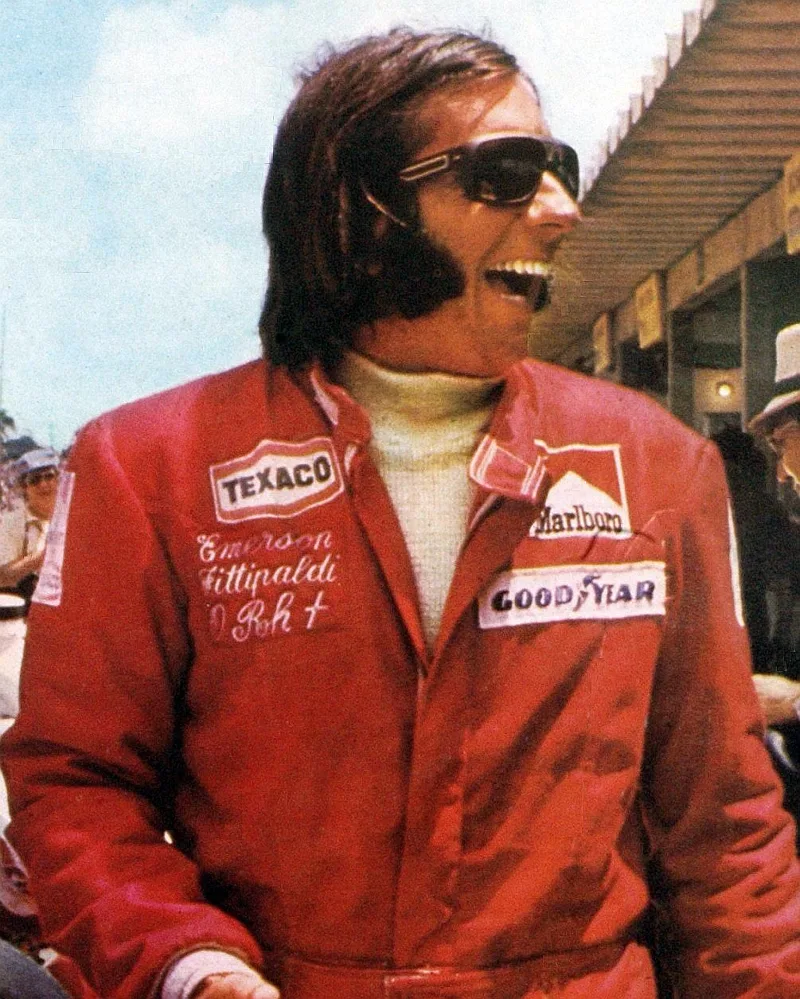
At the 1973 South African Grand Prix he went to help Clay Regazzoni after the two collided on the third lap. His overalls caught fire, but a fire marshal put the flames out and he returned to pull Regazzoni from his car. He was awarded the George Medal for the rescue. In 1974 he drove a Yardley-sponsored McLaren M23 and at times outpaced team leader Emerson Fittipaldi.
Between 1969 and 1971 he ran three full seasons in the European Shellsport F5000 series. In 1972 he finished second in the Tasman F5000 series, driving a TS8 Formula One chassis fitted with a 5000cc engine.
He was badly injured at the 1974 German Grand Prix at the Nurburgring and left Formula One soon after. He then moved to New Zealand, where he worked in marine engineering with the former McLaren manager Phil Kerr.
How did Hailwood return to racing in 1978?
Hailwood travelled to Australia in 1977 to ride large-capacity Ducatis in long-distance races, and in 1978 he rode demonstration laps on a Yamaha XS1100 with full fairing at Donington Park. He used these events to prepare for the Isle of Man again, after an absence of more than a decade from the mainstream of motorcycle racing.
On 3 June 1978 he returned to the TT in the Formula I race, which had been introduced for big road machines in 1977. Few observers expected him to be competitive at 38, but he rode a Ducati 900SS supplied by a Manchester dealership and won. He finished twelfth in the 250cc Junior race and retired from the Classic race that week. Readers of Motorcycle News named him Man of the Year for 1978.
The 1979 meeting was his last on the island. He won the Senior race on a two-stroke Suzuki RG 500, then used the same machine in the Unlimited Classic, where he battled Alex George over six laps and lost by two seconds. He retired for good that year, at 39.
What was the cause of Hailwood's death?
The fatal day began with a simple errand. On Saturday, 21 March 1981, Hailwood drove his Rover SD1 with his two children, Michelle and David, to pick up a fish supper. Near their home in Tanworth-in-Arden, on the A435 at Portway in Warwickshire, a lorry turned illegally across the barriers and into the path of the car. Nine-year-old Michelle died at the scene.
Both father and son were taken to hospital. Hailwood died two days afterwards from serious internal injuries, at the age of 40. David recovered from minor injuries, and the lorry driver received a fine of 100 pounds. The funeral on 1 April 1981 drew family, friends and many figures from motor sport, among them Giacomo Agostini, Alain Prost and Niki Lauda.
Hailwood had long claimed that a fortune teller in South Africa had warned he would not reach 40 and would die under a truck. He told that story to Elizabeth McCarthy, whom he had met at the 1967 Canadian Grand Prix, and she repeated it in a 1981 memoir.
What was Hailwood like as a person?
Hailwood had a comfortable upbringing and, during his early career, a playboy lifestyle. He was the highest-paid rider in the world before he moved from MV to Honda in 1966, and he travelled around the world to circuits, covering tens of thousands of road miles and many more in the air each year.
In 1964 he published The Art of Motorcycle Racing with the commentator Murray Walker. In 1975 he was the subject of an episode of This Is Your Life, in which Eamonn Andrews surprised him. That same year he married the model Pauline, and the couple had a daughter, Michelle, born in 1971, and a son, David.
What did Hailwood's career leave behind?
The record shows 76 Grand Prix wins, 112 podiums at that level, 14 TT victories and nine world titles. Looking only at the 500cc class, his tally was 37 wins, 48 podiums, six TT victories and four championships. The FIM recognised him as a Grand Prix Legend in 2000, the year he entered the AMA Motorcycle Hall of Fame. The International Motorsports Hall of Fame followed in 2001.
After the 1978 victory Ducati sold a 900SS-based Mike Hailwood Replica, and about 7,000 of them found buyers. In 1981 a section of the Snaefell Mountain Course gained the name Hailwood's Rise, which leads to a high point called Hailwood's Height. The Mike Hailwood Centre opened at the TT Grandstand in 1984, and the annual memorial run ended after the 2011 event.