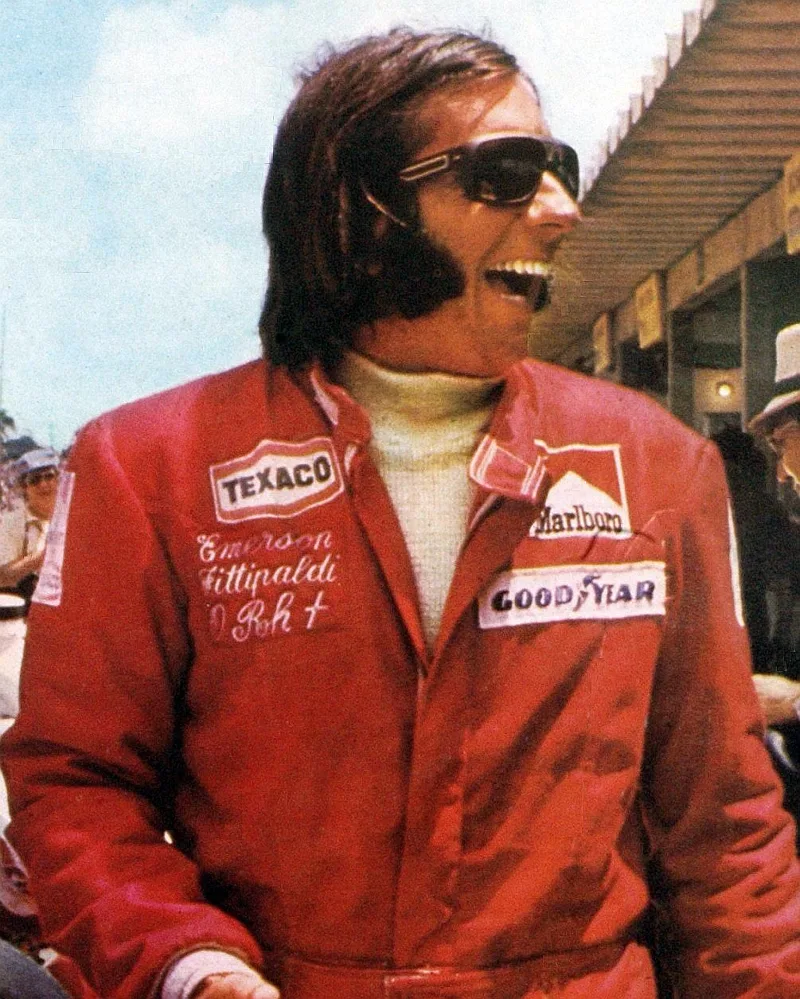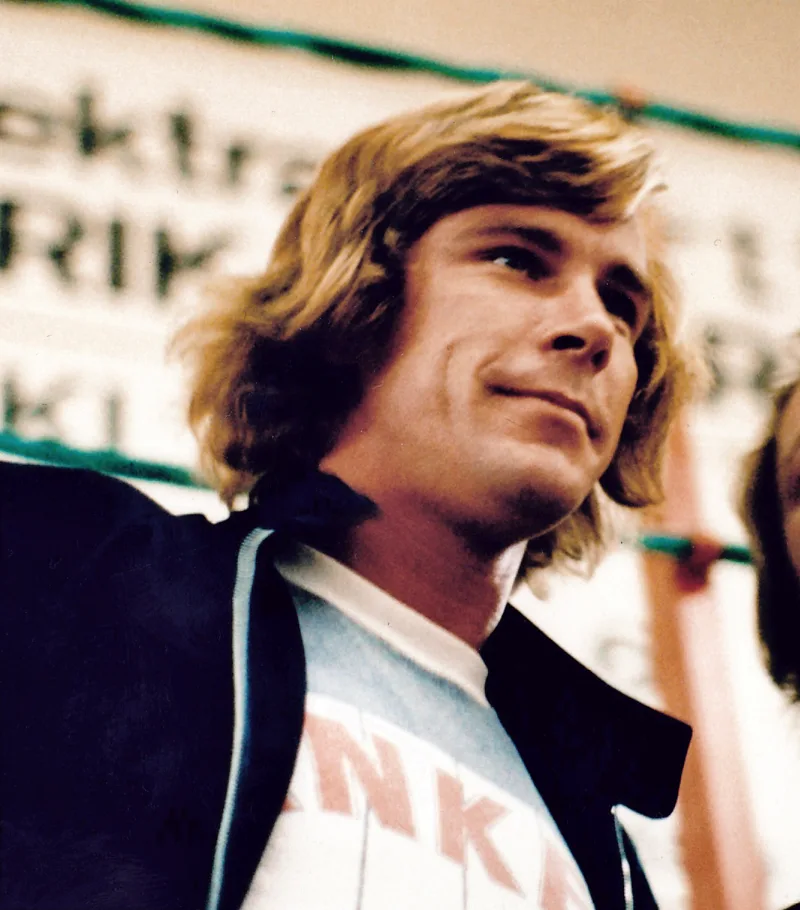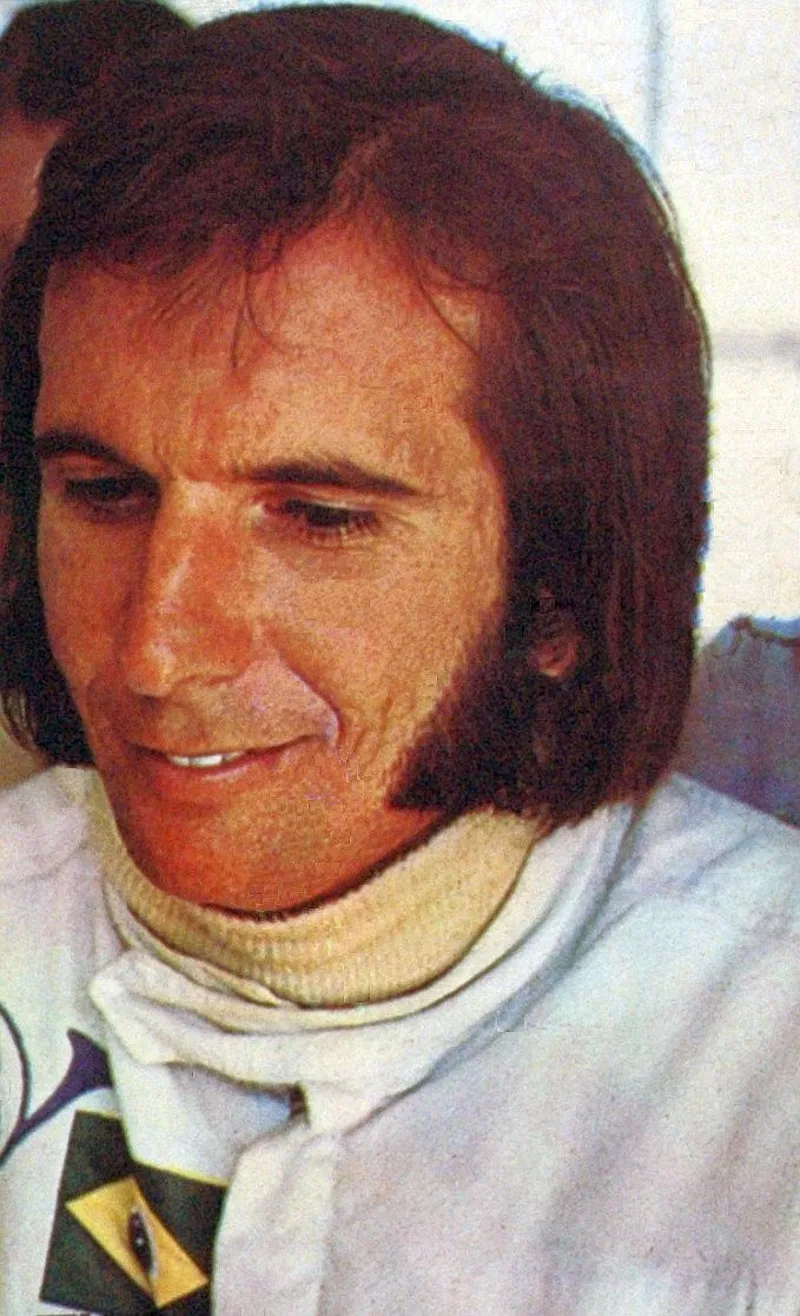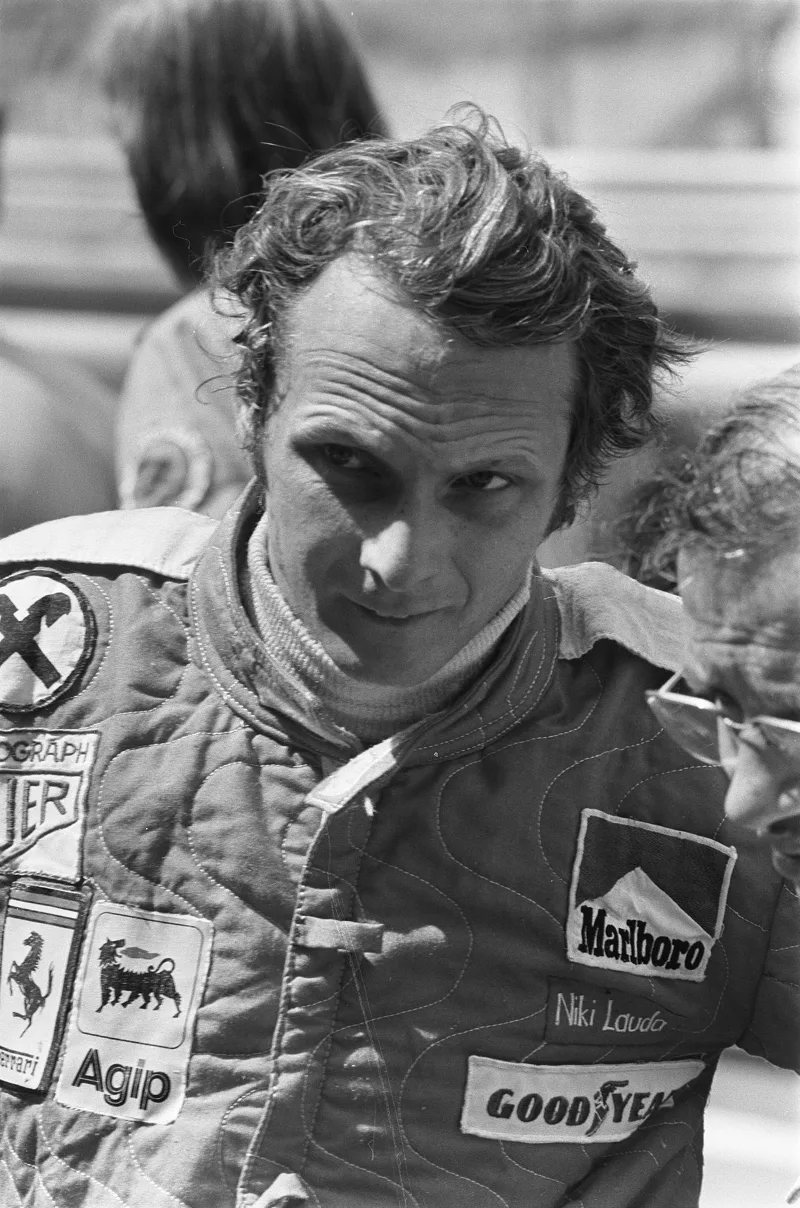
Stewart clinched a third title at Monza, Peterson and Fittipaldi pushed Lotus to the manufacturers' crown and tragedy struck at Zandvoort and Watkins Glen.
Jackie Stewart won his third Drivers' Championship for Tyrrell in 1973, finishing on 71 points. Lotus took the manufacturers' title, helped by Tyrrell's withdrawal from the final race.
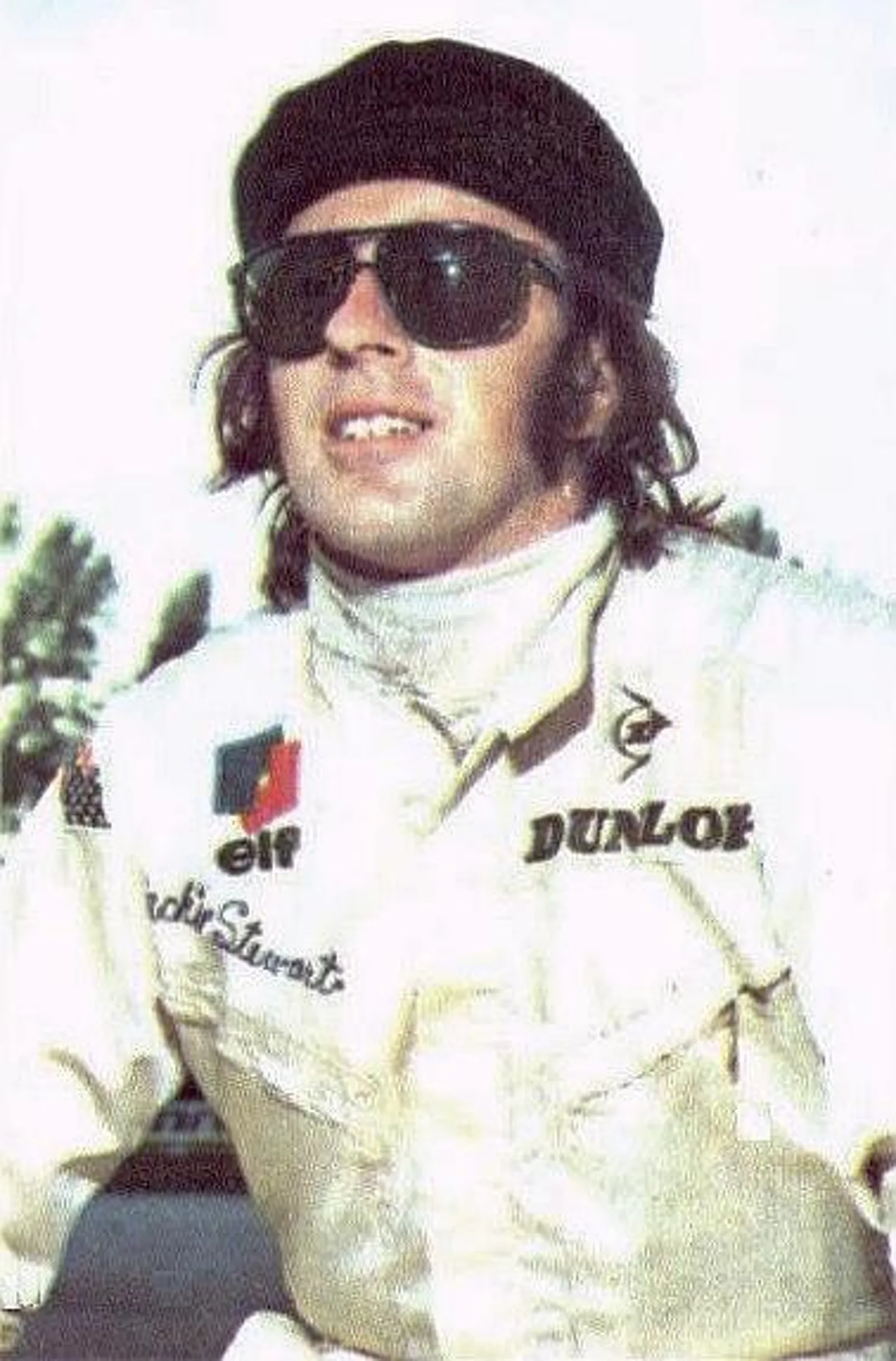
The 1973 Formula One season was the 27th year of the championship, and it was decided by Jackie Stewart, who won his third title for Tyrrell before the final race. The season was also marked by the deaths of Roger Williamson and Francois Cevert.
Who won the 1973 Formula One championship?
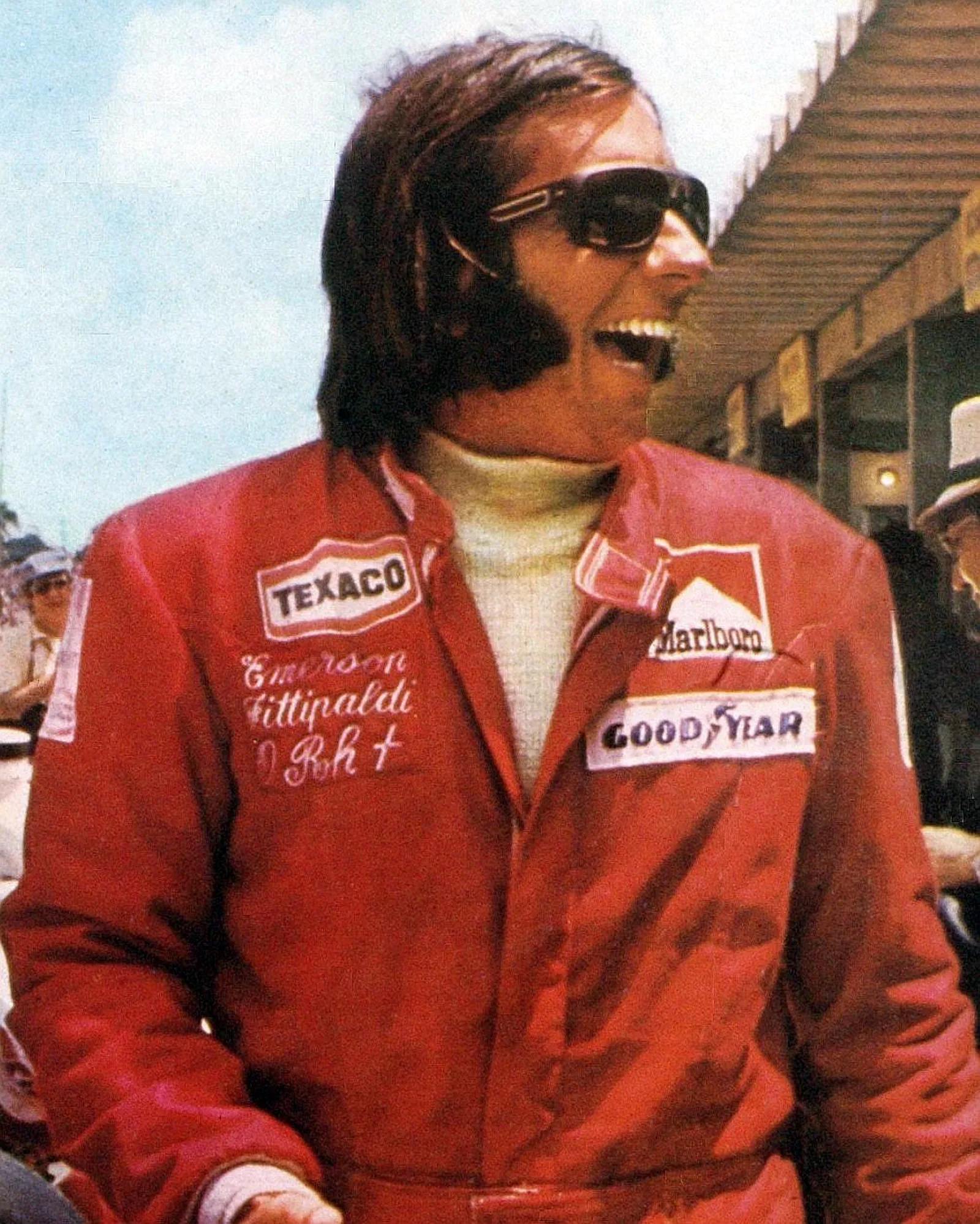
Jackie Stewart won the 1973 Drivers' Championship for Elf Team Tyrrell with 71 points, his third title. Emerson Fittipaldi of Lotus was second on 55 points and Ronnie Peterson, also of Lotus, third on 52, while Lotus took the International Cup for Manufacturers with 92 points.
The season was contested over fifteen races between 28 January and 7 October, with the drivers and manufacturers' titles running together. Stewart clinched the title at Monza by finishing fourth or higher, and he announced his retirement afterwards, although he had decided on it earlier in the year.
Tyrrell's final race ended badly. Francois Cevert, Stewart's teammate, crashed during Saturday practice for the United States Grand Prix and was killed instantly. Tyrrell withdrew from the race, which handed the manufacturers' title to Lotus.
Stewart won a third title, Lotus won the manufacturers, and the season was marked by two fatal crashes.
How did the teams change in 1973?
There were few changes at the top, but plenty further down the order. Matra withdrew after cutting back to one car in 1972, and the season was the first without a French constructor since 1966. Shadow arrived as the first American entry since Eagle, with technical support from the ex-BRM designer Tony Southgate.
BRM signed Clay Regazzoni and Niki Lauda alongside Jean-Pierre Beltoise, but the team scored just twelve points and finished seventh in the manufacturers' standings. Lotus signed Ronnie Peterson from March, and Frank Williams had to find two new drivers after Carlos Pace and Henri Pescarolo left.
Some of the newcomers were short-lived. Tecno folded with three races to go after a toxic atmosphere in the team, and Chris Amon moved to Tyrrell. Hunt made his Formula One debut at Monaco in a March entered by Hesketh Racing, and David Purley debuted at the same race for his own LEC team.
How did the early rounds unfold?
Argentina opened the year with Clay Regazzoni on pole for BRM, but Francois Cevert took the lead before the first corner. Emerson Fittipaldi then overtook Stewart late in the race and won, finishing five seconds ahead of Cevert, while Stewart took third.
The first Brazilian Grand Prix, held at Interlagos in Sao Paulo, was a Lotus show. Peterson took pole, but Fittipaldi won with a comfortable lead over Stewart, with Denny Hulme third for McLaren.
In South Africa, Stewart was going faster and faster in practice until a brake failure sent him spinning through three layers of fence. He was relegated to sixteenth on the grid. Clay Regazzoni then crashed into the stationary car of Mike Hailwood, and Hailwood pulled him from the burning BRM. Stewart recovered through the field, took the lead and won, although three drivers reported him for overtaking under yellow flags, and he received a severe reprimand.
Barcelona hosted the Spanish Grand Prix on a street circuit with blind corners. Peterson led until his gearbox failed on lap 55, and Fittipaldi won from Cevert and Follmer. After four rounds Fittipaldi led on 31 points, ahead of Stewart on 19 and Cevert on 12.
How did the title fight develop through the middle of the year?
Stewart won at Zolder and then at Monaco, and by the French Grand Prix he had overtaken Fittipaldi in the points. The two rivals were always close, and the championship was shaped by their results and by a few unexpected winners.
The Belgian Grand Prix at Zolder had a track that was prepared too late. The GPDA threatened strike action because the tarmac was breaking up, and after a quick resurfacing the race ran on a slippery surface. Stewart won after Cevert spun, and Fittipaldi slowed with fuel pressure problems.
At Monaco, Stewart took pole and won, finishing within 1.3 seconds of Fittipaldi, who had got past teammate Peterson for second. Sweden was a surprise. Denny Hulme won his first Grand Prix, after Fittipaldi's brakes faded and Peterson wore out his tyres.
Peterson won his first Grand Prix in France at Paul Ricard, after Jody Scheckter had led for 42 laps until he was hit from behind by Fittipaldi. After France, Stewart led on 42 points from Fittipaldi on 41, with Cevert third on 31. Lotus led the manufacturers on 52 points from Tyrrell on 51.
What happened at Silverstone and Zandvoort?
The British Grand Prix at Silverstone was marked by a huge first-lap pile-up at Woodcote. Scheckter lost the back of his McLaren, hit the pit wall, and Revson hit his rear wing, bringing nine other cars together. The race was suspended while marshals rescued Andrea de Adamich, who had a broken ankle.
When the race restarted about ninety minutes later, Peterson led until Revson took him in a brief rain shower and won the first Grand Prix of his career. Hulme was third and James Hunt fourth.
The Dutch Grand Prix at Zandvoort was overshadowed by tragedy. Roger Williamson crashed on lap 8 and was trapped in his overturned, burning March. Marshals mistook David Purley, who had stopped to help, for the driver who had crashed, and tried to drag him away. Stewart went on to win ahead of Cevert and Hunt, who took his first podium finish.
How did the final rounds decide the title?
Peterson won in Austria, with Stewart second and Pace third. Stewart needed a result of third or higher at Monza to clinch the championship, and Peterson on pole kept Fittipaldi second behind him. Stewart got a flat rear tyre, dropped to nineteenth, and recovered to fourth.
In Canada, Lauda took the lead in the wet, and Peterson crashed out on lap 16. A pace car was deployed after Scheckter and Cevert crashed, but no one was sure who led. Revson was declared the winner three hours after the race.
| Race | Winner | Note |
|---|---|---|
| Argentina | Fittipaldi (Lotus) | Won five seconds ahead of Cevert |
| Brazil | Fittipaldi (Lotus) | First Brazilian Grand Prix |
| South Africa | Stewart (Tyrrell) | Recovered from sixteenth on the grid |
| Spain | Fittipaldi (Lotus) | Peterson's gearbox failed |
| Monaco | Stewart (Tyrrell) | Pole and win |
| Sweden | Hulme (McLaren) | First Grand Prix win |
| France | Peterson (Lotus) | First Grand Prix win |
| Britain | Revson (McLaren) | First Grand Prix win |
| Austria | Peterson (Lotus) | Stewart second and Pace third |
| Italy | Peterson (Lotus) | Stewart fourth, title secured |
| Canada | Revson (McLaren) | Declared winner three hours after the race |
| United States | Peterson (Lotus) | Pole position |
What was the final picture for 1973?
Stewart finished the Drivers' Championship on 71 points, ahead of Fittipaldi on 55 and Peterson on 52. Lotus won the International Cup for Manufacturers on 92 points, ahead of Tyrrell on 82 and McLaren on 58.
Peterson won the United States Grand Prix from pole, with Hunt second and Reutemann third, and it was another win for Lotus in a season that had been decided by Stewart's consistency. The year ended with Stewart's title, Cevert's death, and the manufacturers' trophy going to Lotus.