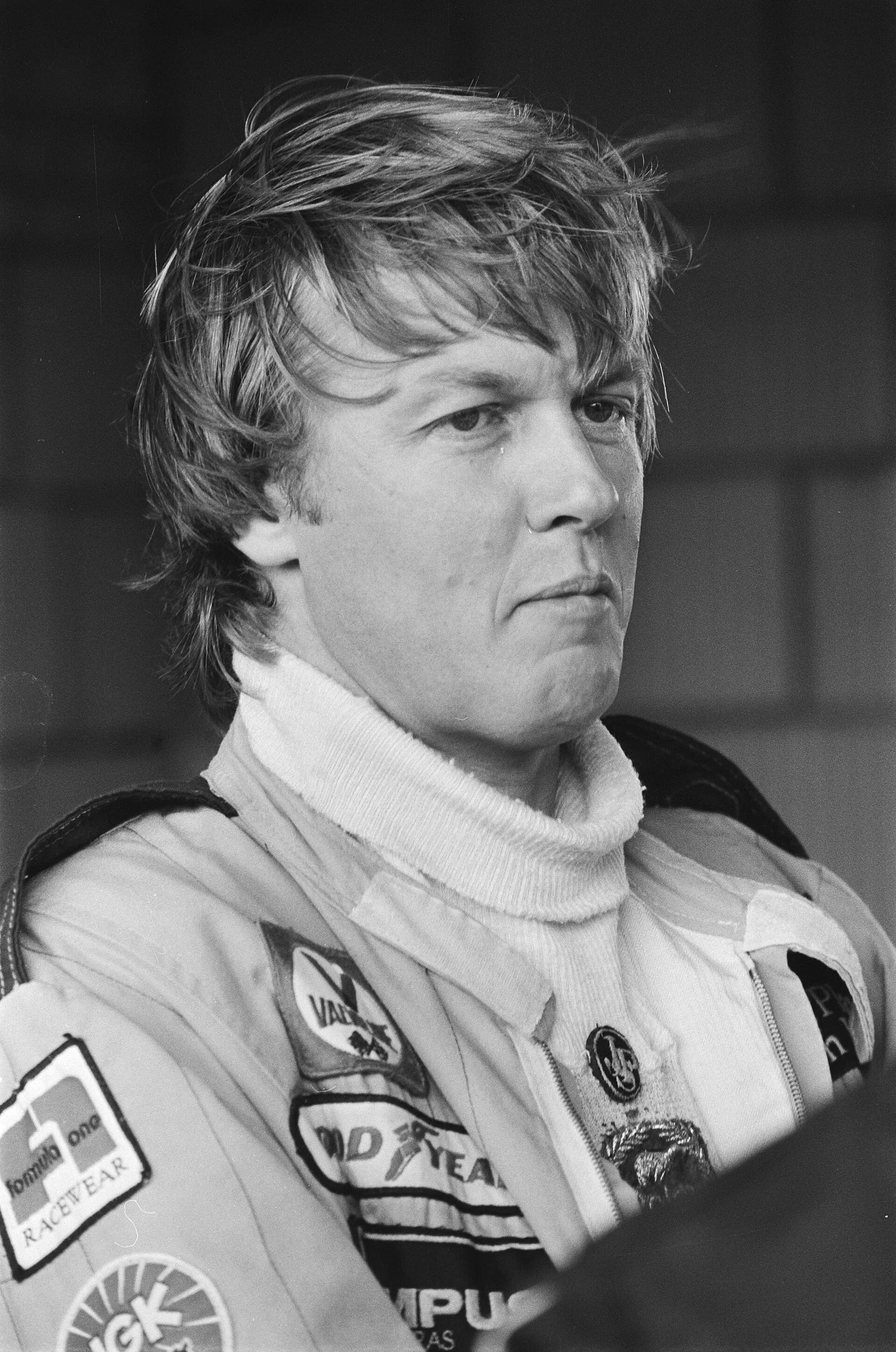
A Swedish driver with ten Grand Prix wins, two runner-up finishes in the championship and a career cut short by the 1978 Italian Grand Prix.
Swedish driver Ronnie Peterson competed in Formula One between 1970 and 1978, winning ten Grands Prix. He was runner-up in the championship in 1971 and 1978, and his life ended after a crash at Monza in the 1978 Italian Grand Prix.
Ronnie Peterson was a Swedish driver who raced in Formula One from 1970 to 1978 and won ten Grands Prix. He finished runner-up in the drivers' championship in 1971 and again in 1978, and he is remembered as one of the quickest drivers of his generation. His career ended after a first-lap accident at the 1978 Italian Grand Prix at Monza.
Who was Ronnie Peterson?
Bengt Ronnie Peterson was born on 14 February 1944 in Almby, a borough of Orebro in Sweden. He was nicknamed Superswede, and he became one of the most admired drivers of the 1970s. His Formula One career covered nine seasons with three teams, and he scored ten Grand Prix wins before his death in 1978.
He developed his driving in karting, where he rose to the top of European karting before he switched to cars. Peterson's early reputation was built on raw speed, and that reputation followed him through his years at March, Lotus and Tyrrell.
Ten Grand Prix wins, two championship runner-up finishes and a reputation for speed that outlasted a single tragic afternoon at Monza.
How did Peterson get into racing?
Karting gave him two Swedish titles, won in 1963 and 1964. He then moved into Formula Three, where he worked with a 1-litre car called the Svebe, a Brabham-derived design that he co-developed with his father Bengt, a baker by trade, and Sven Andersson.
Tecno signed him in 1968, and the Italian company's backing produced the 1969 Formula Three Championship. That season he also won the Monaco Formula Three race, a support event for the Grand Prix. He also won the FIA European Formula 3 Championship that year. In 1971 he added the European Formula Two Championship with March.
How did his Formula One career start?
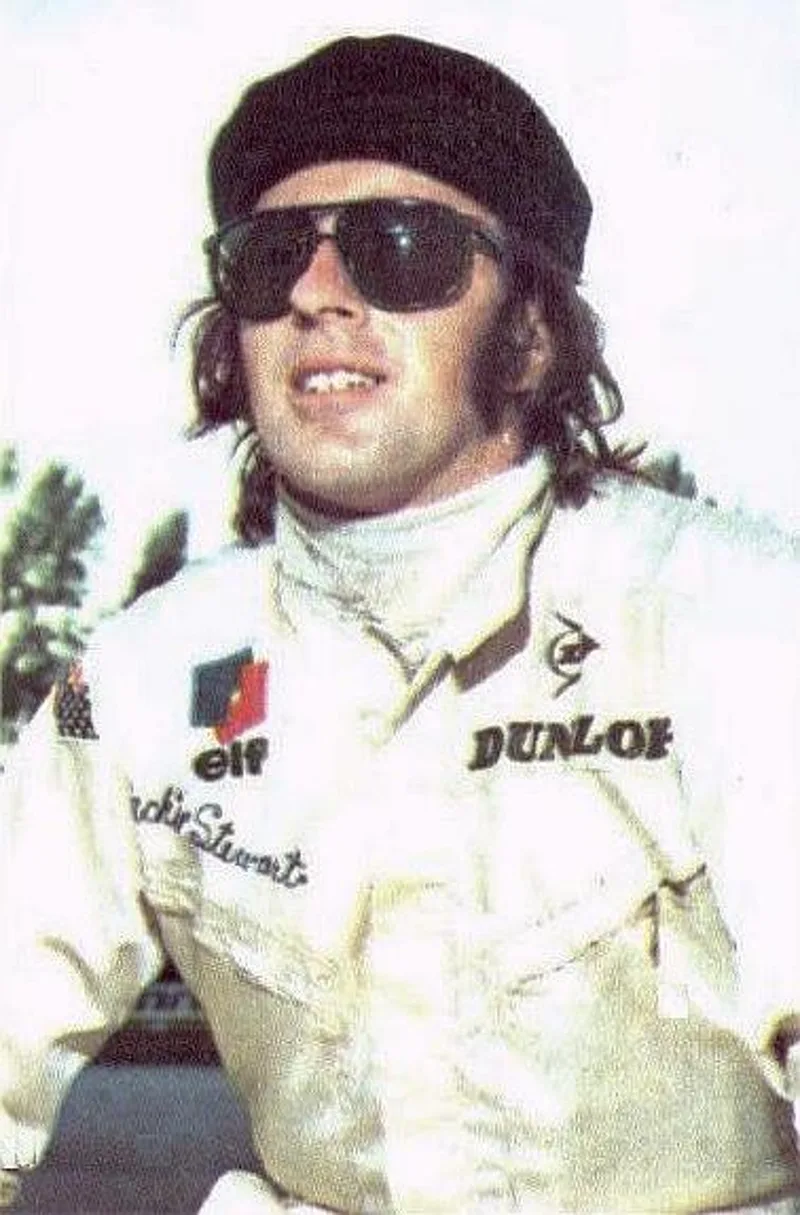
Peterson made his Grand Prix debut at the 1970 Monaco Grand Prix in a March 701 entered by Colin Crabbe's Antique Automobiles Racing Team. The privateer squad had a limited budget, and Peterson qualified 12th of 16 cars before finishing seventh, the only March driver to reach the flag. On the grid he was ten places back from Jackie Stewart and Chris Amon, who started on the front row in newer cars, while he sat just behind the more experienced Jo Siffert.
In 1971 he moved up to the full March works team. He made an immediate impression, collecting five second-place finishes in Grands Prix and ending the year as runner-up to Jackie Stewart in the championship. He also drove an Autodelta Alfa Romeo in the World Sports Car Championship, winning the Watkins Glen 6 hours.
He also won the 1971 European Formula Two Championship with March, a result that showed his success was not limited to Grand Prix cars.
Why was 1971 his most important season?
The 1971 season was the one that established Peterson as a title contender. He finished runner-up to Jackie Stewart, a result built on consistent points-scoring finishes rather than a run of victories. It also showed that he could be as quick as the leading drivers when given a competitive car.
Peterson remained with March until 1973, then moved to John Player Team Lotus, where Emerson Fittipaldi, the defending champion, was his teammate. That move took him to the top of the sport, and it began the longest period of success in his career.
How successful was Peterson at Lotus in 1973 and 1974?
Peterson won his first Grand Prix at the 1973 French Grand Prix at Paul Ricard, driving a Lotus 72. He added three more wins that year, at Austria, Italy and the United States, but unreliable machinery held him to third in the standings. His career-best 52 points came from that season.
The 1974 Lotus 76 was a failure, and both Peterson and his teammate Jacky Ickx disliked it. The team switched them back to the older Lotus 72, and Peterson responded with three more victories at the French, Italian and Monaco Grands Prix. Across his first two Lotus seasons he took seven wins in total.
What happened to Peterson's form in 1975 and 1976?
1975 went badly for Lotus, and both Peterson and Ickx had to race the outdated Lotus 72, with the team's results suffering. Peterson had signed for Shadow, but Colin Chapman persuaded him to stay with Lotus, promising faster development of the Lotus 77.
Peterson drove the Lotus 77 in the first race of 1976 and then returned to March. Behind the wheel of the March 761 he took the Italian Grand Prix, his final victory for the team. He also raced sports cars for BMW in 1974 and 1975, and in November 1975 he and Hans-Joachim Stuck started from pole in the BMW 3.0 CSL at the South African Wynn's 1000 before finishing second.
Peterson and Hans-Joachim Stuck raced together for BMW in Europe, Africa and North America, which made the BMW programme one of his most varied outside Formula One.
Why was 1977 a difficult year at Tyrrell?
In 1977 Peterson drove for Tyrrell, which ran the six-wheel Tyrrell P34B. He retired from the first four races, including a crash involving Jochen Mass and Clay Regazzoni in Brazil, and he suffered fuel system problems in South Africa and the United States West.
His only podium that year was third at a rain-affected race in Belgium. He finished eighth in Spain, retired at Monaco with brake failure and picked up fifth in Austria. The season ended with retirements in Canada and Japan, where he collided with Gilles Villeneuve's Ferrari. Hopes were high in Sweden, where he retired with ignition trouble, and he later finished 12th in France and ninth in Germany.
How did the 1978 Lotus season unfold?
Peterson returned to John Player Team Lotus for 1978 as the number two driver to Mario Andretti. He won the South African Grand Prix with a last-lap pass on Patrick Depailler, and he took the Austrian Grand Prix in the ground effect Lotus 79. The two Lotus drivers scored four 1-2 finishes, each one with Andretti in front.
The Lotus 79 was an innovative ground effect car, and much of the team's development work went into bringing the Lotus 78 and 79 to their full potential.
Many observers felt Peterson was the faster of the two on raw pace, but Andretti's development work brought the Lotus 78 and 79 to their full potential. Peterson dismissed the team order speculation, and he was offered a seat at McLaren for 1979 all the same.
What happened at the 1978 Italian Grand Prix?
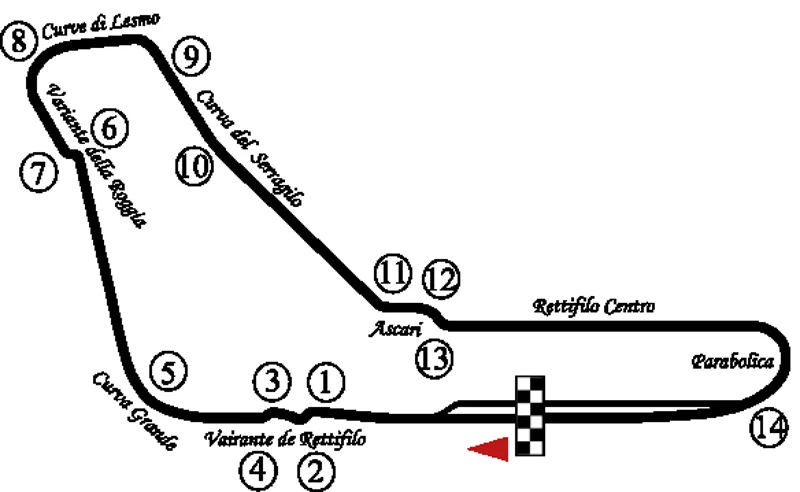
The Monza weekend went wrong early for Peterson, who wrecked his Lotus 79 in practice beyond quick repair and bruised his legs. The team's spare 79 had been built for Andretti and did not fit him comfortably, so he was left with the previous year's Lotus 78.
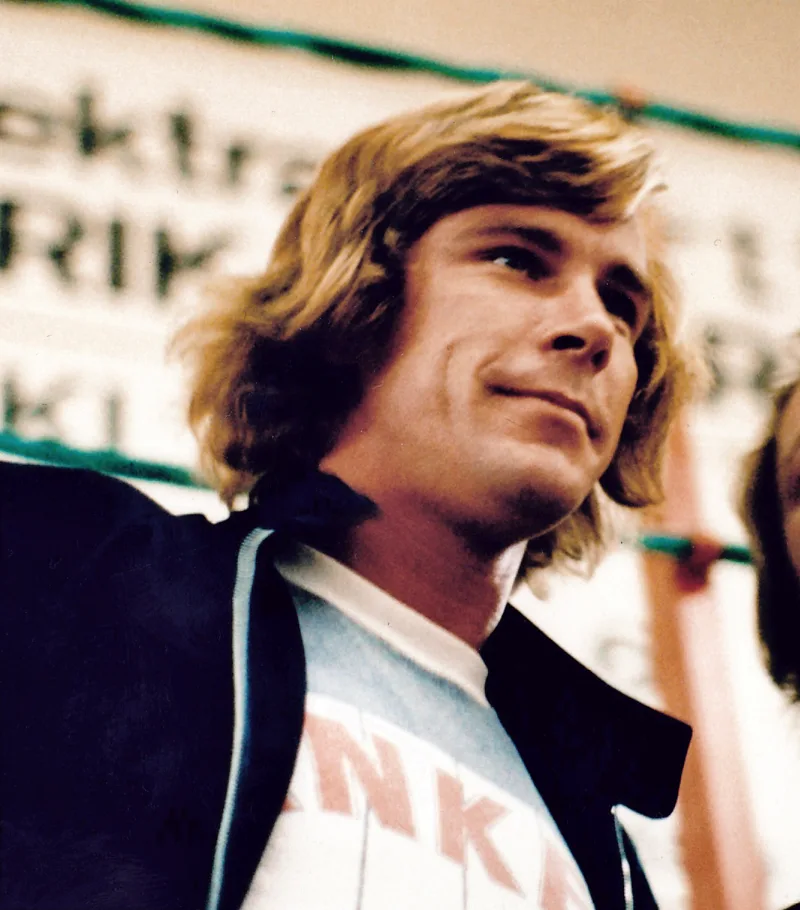
At the start, the race starter gave the green light early, and cars in the rear rows were still rolling. Peterson made a poor start from the third row and was passed by several rivals. He was caught up in the first-lap melee, in which James Hunt collided with him as the field bunched at the first chicane.
The Lotus slammed into the barriers, caught fire and bounced back onto the track. Hunt, Clay Regazzoni and Patrick Depailler freed him from the burning wreck, and he was laid on the track with serious leg injuries. Sid Watkins's medical team then turned to Vittorio Brambilla, who had been struck on the head by a flying wheel.
Brambilla was seriously hurt and did not race in Formula One again for a year. The race was restarted once the track had been cleaned up, and Hunt later recalled that he and Didier Pironi tried to keep Peterson from seeing his injured legs, which was a kindness at a difficult moment.
How did Peterson die?
At the hospital, Peterson's X-rays showed about 27 fractures in his legs and feet. Surgeons prepared to stabilise the bones, but during the night his condition worsened. He was diagnosed with a fat embolism, and by morning he was in full kidney failure.
He was declared dead on 11 September 1978 at a hospital in Milan. Andretti, his teammate, clinched the title at that same race, an outcome that Andretti described as painful to celebrate. Peterson was posthumously placed second in the drivers' standings for 1978.
How many races did Peterson start and win?
His tally reached 123 Grand Prix starts, of which ten were victories. He took the South African and Austrian victories in 1978, and his other wins came at Lotus and March across the early and mid 1970s.
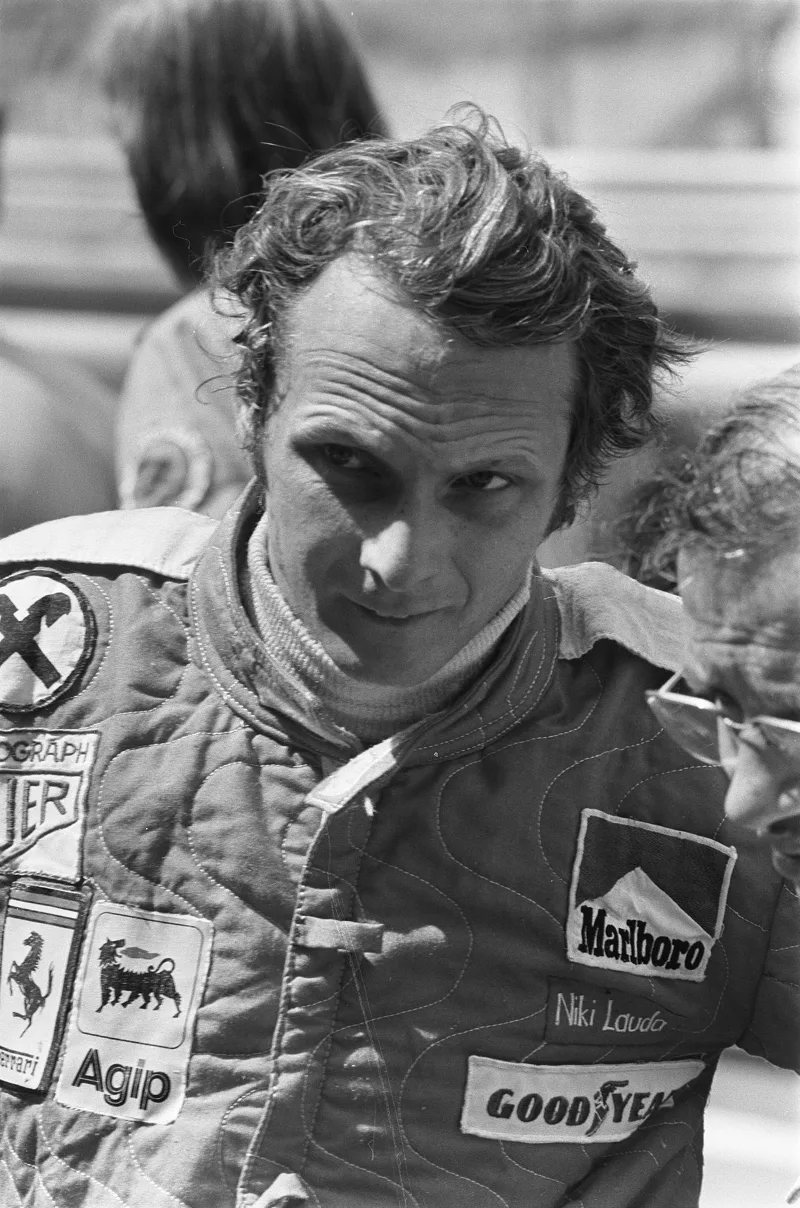
His pallbearers at his funeral included James Hunt, Jody Scheckter, John Watson, Emerson Fittipaldi and Niki Lauda, a reflection of the respect he commanded in the paddock.
How is Peterson remembered today?
Peterson is regarded by many as one of the finest Formula One drivers never to win a world championship, and as the best racing driver Sweden has produced. A 2016 academic study that compared the influence of driver and machine placed him 21st among Formula One drivers of all time and sixth among those who never won a title.
His memory has been kept alive in several ways. George Harrison wrote a song and video called Faster in 1979, a statue of Peterson stands in Orebro, and the Ronnie Peterson Museum opened there on 31 May 2008 before closing in October 2009. A 2017 film called Superswede, directed by Henrik Jansson-Schweizer, had contributions from Andretti, Fittipaldi, Nina Kennedy and Niki Lauda.
Italian prosecutors charged Riccardo Patrese with manslaughter, arguing that an unsafe manoeuvre was a primary cause of the wreck, and they also charged race director Gianni Restilli, who was accused of contributing through the early start. Both men were cleared of criminal charges in late October 1981.