Niki Lauda won at Monza after Andretti and Villeneuve were penalised, but the afternoon was overshadowed by the first-lap crash that fatally injured Ronnie Peterson.
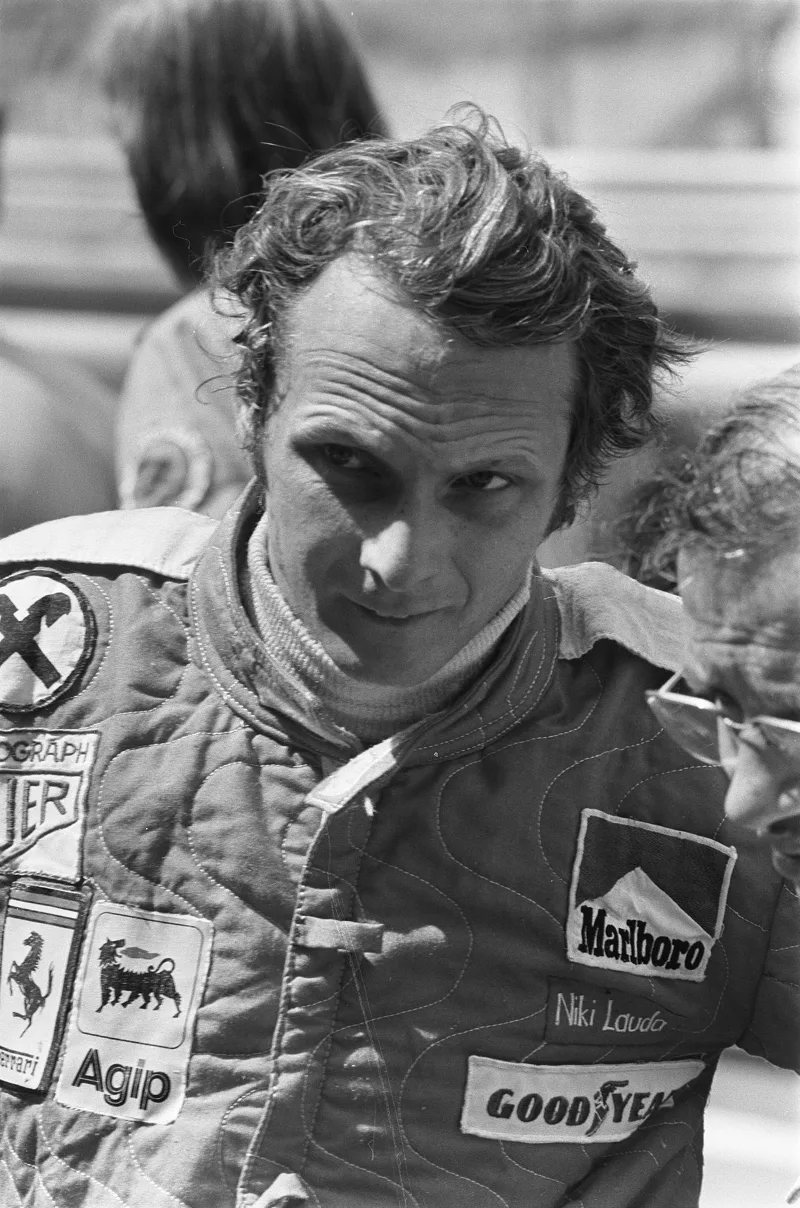
Lauda took the 1978 Italian Grand Prix at Monza on 10 September for Brabham-Alfa Romeo. Watson and Reutemann followed him onto the podium, after Andretti and Villeneuve were penalised for a jump start. The afternoon is remembered mainly for the first-lap crash that fatally injured Ronnie Peterson, who died the following morning.
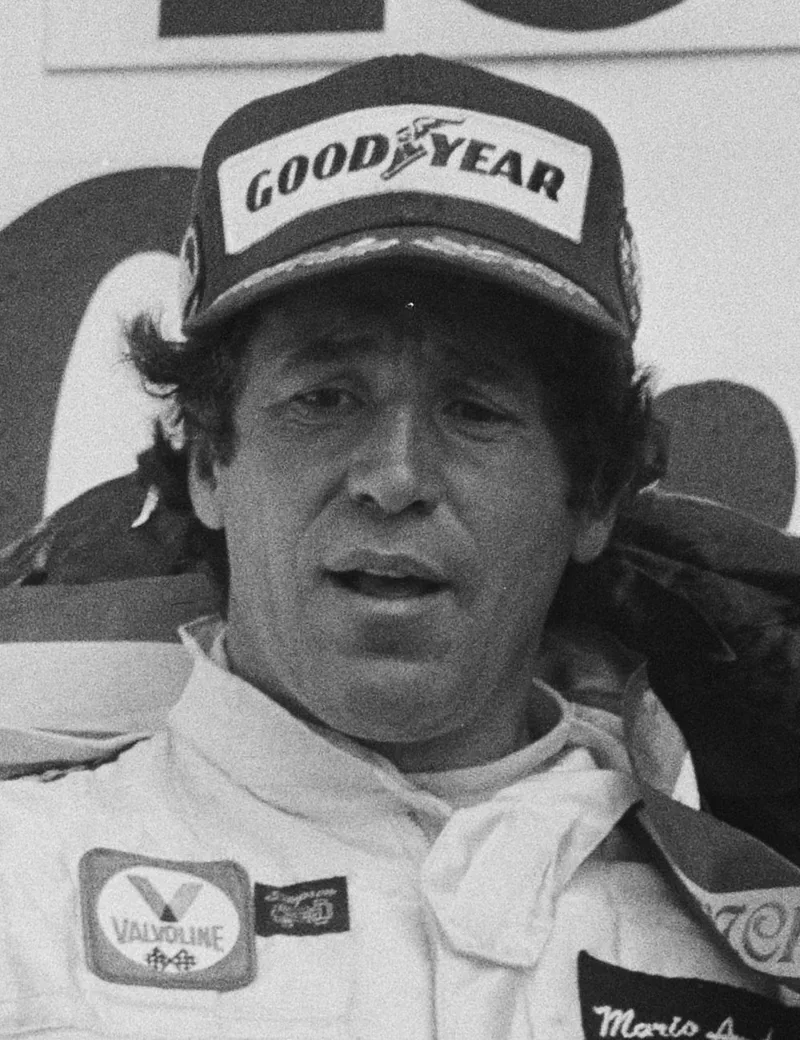
The 1978 Italian Grand Prix was the 14th race of the Formula One season, and it is remembered mainly for the first-lap accident that fatally injured Ronnie Peterson. Niki Lauda won for Brabham-Alfa Romeo after Mario Andretti and Gilles Villeneuve were demoted to sixth and seventh for a jump start. Andretti still became world champion, having entered the weekend with a 12-point lead.
What was the championship situation before Monza?
Andretti led the drivers' championship by 12 points from Peterson, who was his teammate at Lotus. Lauda was third, 28 points behind Andretti, and with only nine points for a win he could not overtake him on points alone. Three races remained in the season.
Lotus led Brabham by 33 points in the constructors' standings. Andretti and Lotus were close to clinching the championship, and the race would prove to be the final drivers' and constructors' title won by the team, which had taken six drivers' and seven constructors' championships before it.
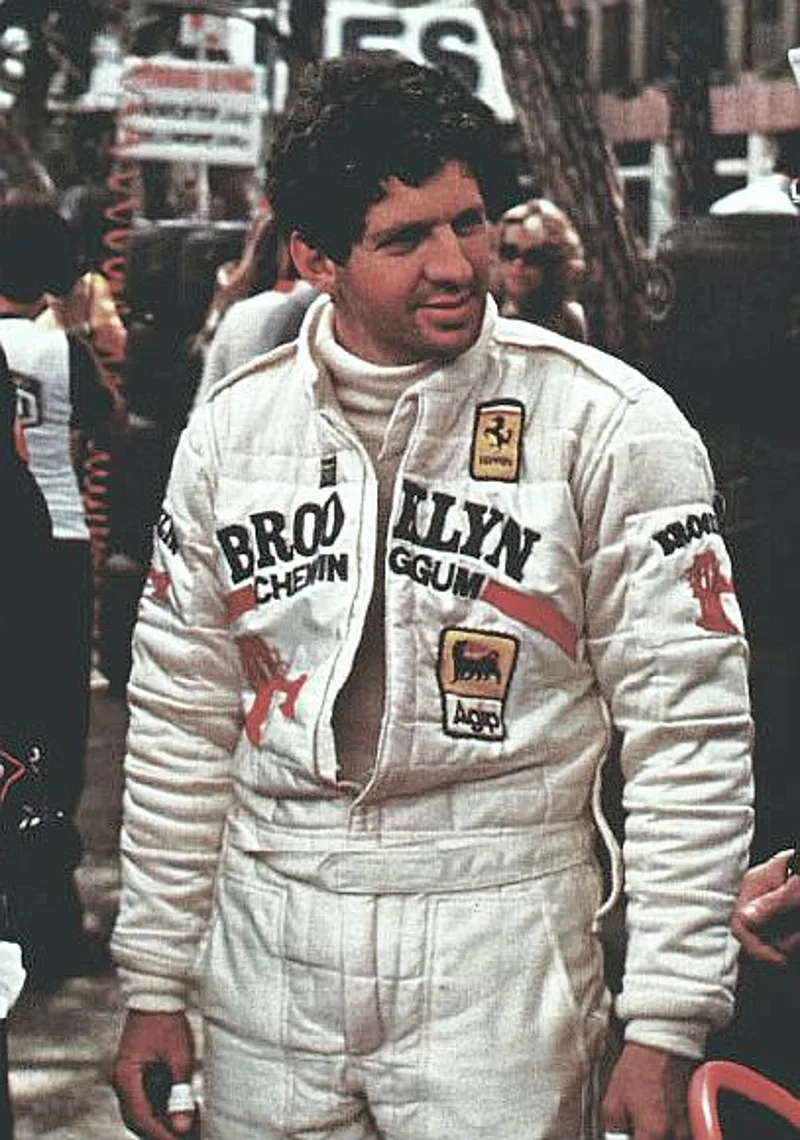
Andretti took pole position at Monza alongside Villeneuve on the Ferrari front row. Jean-Pierre Jabouille was third in a Renault, Lauda fourth and Peterson fifth. The starting order gave Andretti a clear chance to extend his lead, and Peterson was in position to challenge for the title as well.
A first-lap crash, a delayed restart and a title decided by a penalty made Monza 1978 one of the most painful afternoons in Formula One history.
What happened in the warm-up before the race?
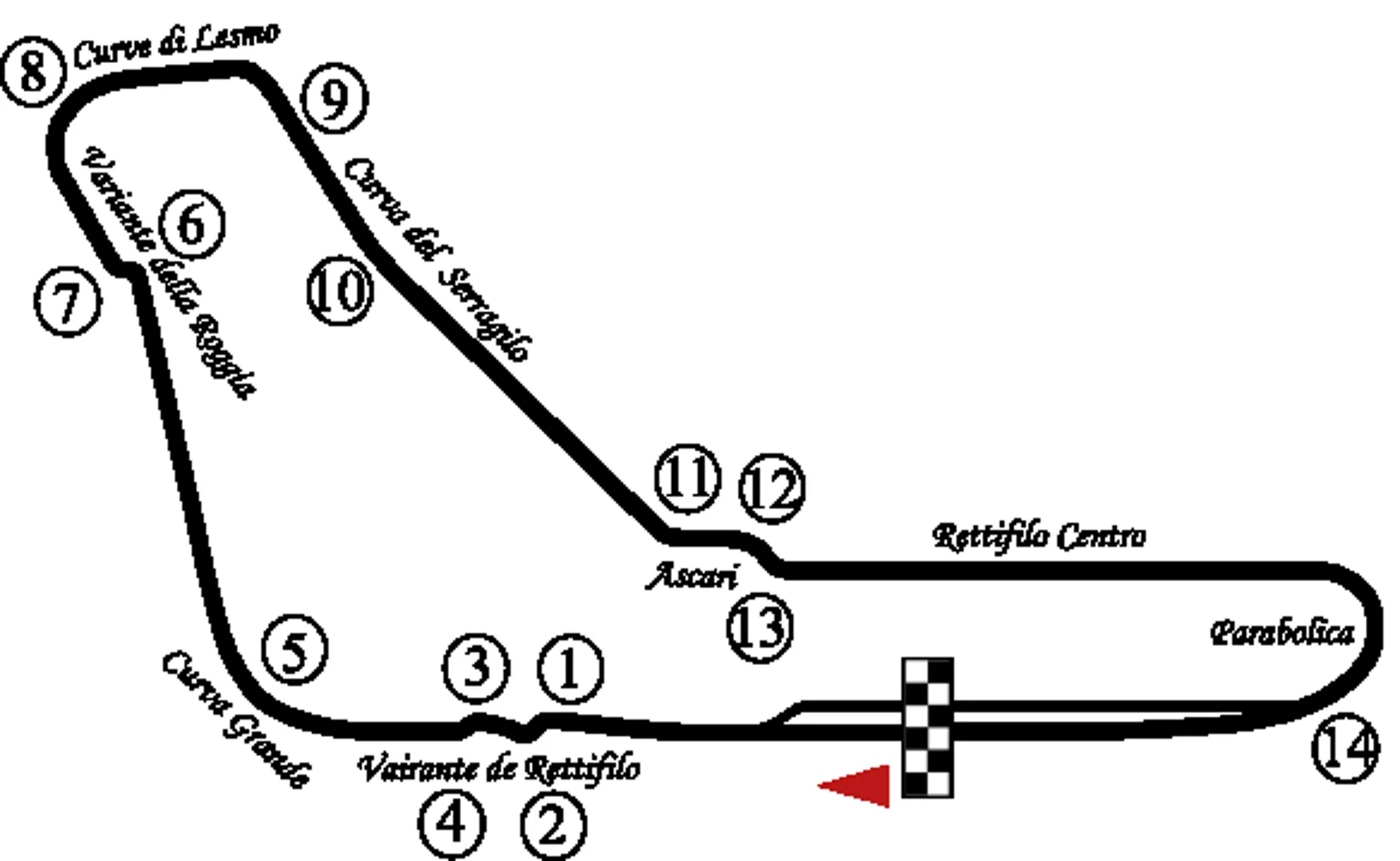
Peterson suffered a rear brake failure during the morning warm-up and crashed his Lotus 79/3 at the Della Roggia chicane. He switched to his backup Lotus 78 for the race, a decision that later became a significant part of the controversy around the afternoon.
Monza is a circuit with long straights, and the first corner is a narrow point after a wide starting area. That layout would matter once the race began, because the cars bunched together as they approached the chicane.
How did the first start end in disaster?
The race began at 15:30 Central European Time, and the starter Gianni Restelli turned on the green lights before every car had lined up. The cars approaching the first chicane formed a funnel, and little room was left for manoeuvring.
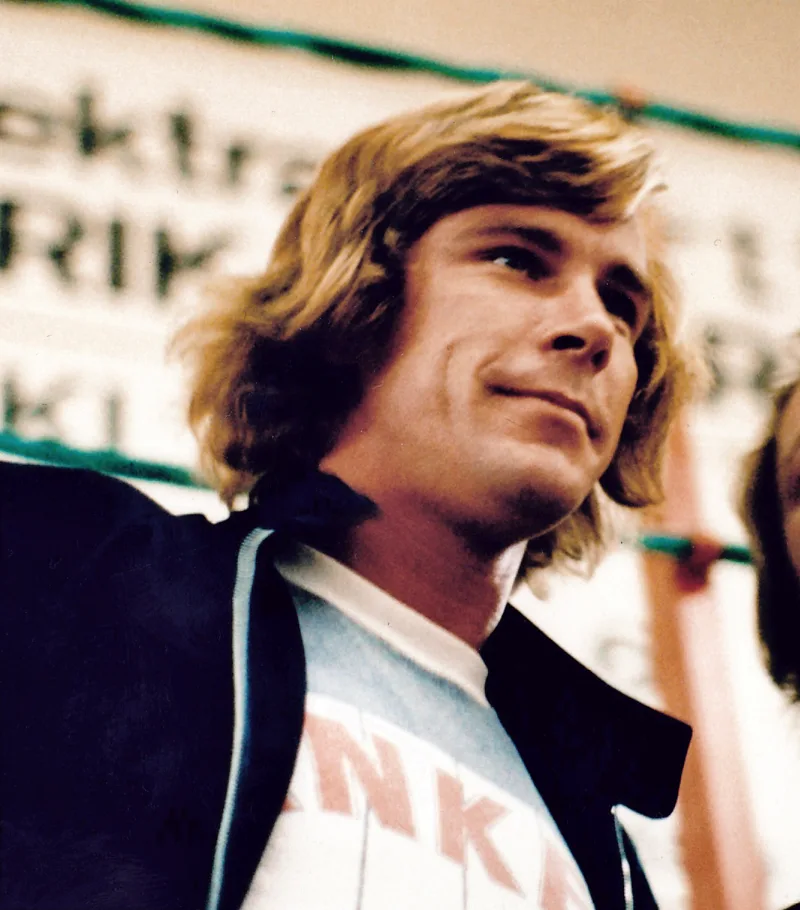
Riccardo Patrese passed James Hunt on the right, and Hunt veered left and struck the rear right wheel of Peterson's Lotus. Brambilla, Stuck, Depailler, Pironi, Daly, Regazzoni and Lunger were also caught up in the melee that followed. Peterson's car hit the barriers hard on the right and caught fire.
Peterson was trapped in the wreck. Hunt, Regazzoni and Depailler managed to free him before he suffered more than minor burns, and he was then dragged clear and laid on the track. He was fully conscious but had severe leg injuries. Medical help took about twenty minutes to reach the scene.
Brambilla had been struck on the head by a flying wheel and was unconscious with a skull fracture. Firefighters freed him from his car, and both drivers were taken by ambulance to the Niguarda hospital in Milan.
How long was the delay before the restart?
The first start was followed by a long hold-up. Stuck was not allowed to restart because of concussion from the wheel strike, Pironi did not start because Tyrrell had only one spare car and it was set up for Depailler, and Lunger had no spare car available.
Jody Scheckter's Wolf lost a wheel on the way from the pit lane to the grid and crashed at the second Lesmo curve, bending the Armco barrier beside the track. Scheckter was unhurt, and he took the spare car for the restart. Several drivers then refused to start until the barrier had been repaired, because it was leaning dangerously.
Because of the time lost, the race was shortened from 52 laps to 40 at 17:50, to avoid running into darkness, since sunset was at 19:44. The restart was made at 18:15. Crowds whistled and shouted during the delay, as few details were given to the spectators about what had happened.
How did the restarted race unfold?
Andretti had led the field into the restart, so Villeneuve's move was a significant reversal. By the end of the lap the two were side by side. Villeneuve held the lead, and the pair pulled away from Jabouille, who was third with Lauda behind him.
After four laps Regazzoni pitted in the spare Shadow with brake problems. Jabouille had engine trouble after six laps, which allowed Lauda to take up the chase. Race control gave Villeneuve and Andretti a one-minute penalty each for jumping the start, and Andretti passed Villeneuve with only five laps left.
With Jabouille out, Lauda finished third ahead of Watson, Reutemann, Laffite and Tambay. All of them finished less than a minute behind, so Andretti and Villeneuve dropped to sixth and seventh. Nelson Piquet finished ninth, his first finish in Formula One, after dodging the wreckage of Peterson's car at the start.
Lotus and Ferrari protested the penalties, but the protests were rejected. Andretti had won the championship, but there was little celebration, because Peterson was in hospital.
What happened to Ronnie Peterson in hospital?
Peterson suffered 27 fractures in both legs, according to the new Formula One doctor Sid Watkins. Surgeons were to stabilise the bones in intensive care, and the team's medical advisers discussed the options with his manager, who insisted on surgery at Niguarda rather than a transfer.
Peterson's parents watched the crash live on television and were contacted in their home in Orebro, Sweden by his manager, Staffan Svenby, who was in Monza. Peterson's wife, Barbro, was in Monaco and was contacted by Colin Chapman an hour after the crash. Watkins reassured her by telephone that he expected Peterson to recover. Svenby and Watkins booked a hotel close to the hospital that night, having already checked out of their regular hotels that morning.
By 04:00 the following morning Peterson was unconscious and had developed breathing problems. X-rays showed multiple emboli in his lungs, which were caused by fat from the bone marrow entering his bloodstream, and his kidneys began to fail. Watkins identified fat globules in the small arteries of the retinas, and Peterson suffered full kidney failure before the team could complete further tests.
Peterson was declared dead at 09:55 on 11 September 1978.
How did the drivers and Monza react?
Emerson Fittipaldi was a friend of Peterson's and learned of the death at the hospital. He was overcome with grief and said the sport would change a great deal for him. Andretti, who was also a close friend, had been looking forward to racing against Peterson the following year, and he said the title felt empty.
Andretti renounced his appeal against the penalty after learning of Peterson's death. He later said he had badly wanted the title but did not want to win it that way. In later years he recalled that the celebration had been muted and that his best race had been the one he had lost by appeal. Lauda had given him the Grand Prix trophy, which Andretti still owns.
Peterson's first manager said Sweden had fallen quiet when the news broke, with workplaces closing and schoolchildren sent home. In the United States the race was shown on ABC's Wide World of Sports the Saturday after, ahead of coverage of a USAC event in which Andretti was due to race.
Stewart, who commentated for ABC, said Monza was among the best-kept circuits in the world and did not think it was too dangerous. He argued the start could be changed, because the funnel from the wide grid into the first corner and the starter's untidy procedure both contributed to the crash.
Brambilla woke from his coma after several days, and doctors were reassured that he would have no lasting effects from his skull fracture. His full-time Formula One career nonetheless came to an end.
At the Gould 150 in Michigan the following week, Andretti spoke warmly of Peterson's sincerity and of how willingly he had shared what he knew about the car. Andretti did not start that race because of an engine failure.
What changed after the 1978 race?
A medical car began to follow the cars on the opening lap of every Formula One race after the Italian Grand Prix. The start procedure was reviewed, and the way the field gathered before the first corner became a central point of debate for drivers and officials.
The event also marked a milestone in the sport's history. It was the 300th world championship Grand Prix, excluding the eleven Indianapolis 500 races held between 1950 and 1960, and it was one of the most controversial in that sequence.
The record books show other notable marks. Graham Hill was the most experienced driver with 176 starts, but he also had 71 retirements. Jim Clark had 33 pole positions, 28 fastest laps and 11 Grand Slams, while Jackie Stewart held the record for Grand Prix wins at 27, with 43 podium finishes.
Ferrari had raced 286 times by then, with 87 pole positions, 82 fastest laps and 22 Grand Slams, and it had won 71 races, level with Lotus. Ferrari held the most drivers' titles at eight, while Lotus held the record for constructors' titles at six.
How did the final order emerge?
| Position | Driver | Car | Note |
|---|---|---|---|
| First | Niki Lauda | Brabham-Alfa Romeo | Won after the penalties |
| Second | John Watson | Brabham-Alfa Romeo | Teammate of the winner |
| Third | Carlos Reutemann | Ferrari | Completed the podium |
| Fourth | Jacques Laffite | Ligier-Matra | Finished under a minute back |
| Fifth | Patrick Tambay | McLaren-Ford | Finished under a minute back |
| Sixth | Mario Andretti | Lotus-Ford | One-minute penalty for a jump start |
| Seventh | Gilles Villeneuve | Ferrari | One-minute penalty for a jump start |
| Ninth | Nelson Piquet | Brabham-Alfa Romeo | First Formula One finish |
The penalties decided the final order. Andretti and Villeneuve finished first and second on track, but the one-minute penalties pushed them to sixth and seventh. Lauda took the win ahead of his teammate Watson and Reutemann, while Laffite and Tambay filled the places behind them.