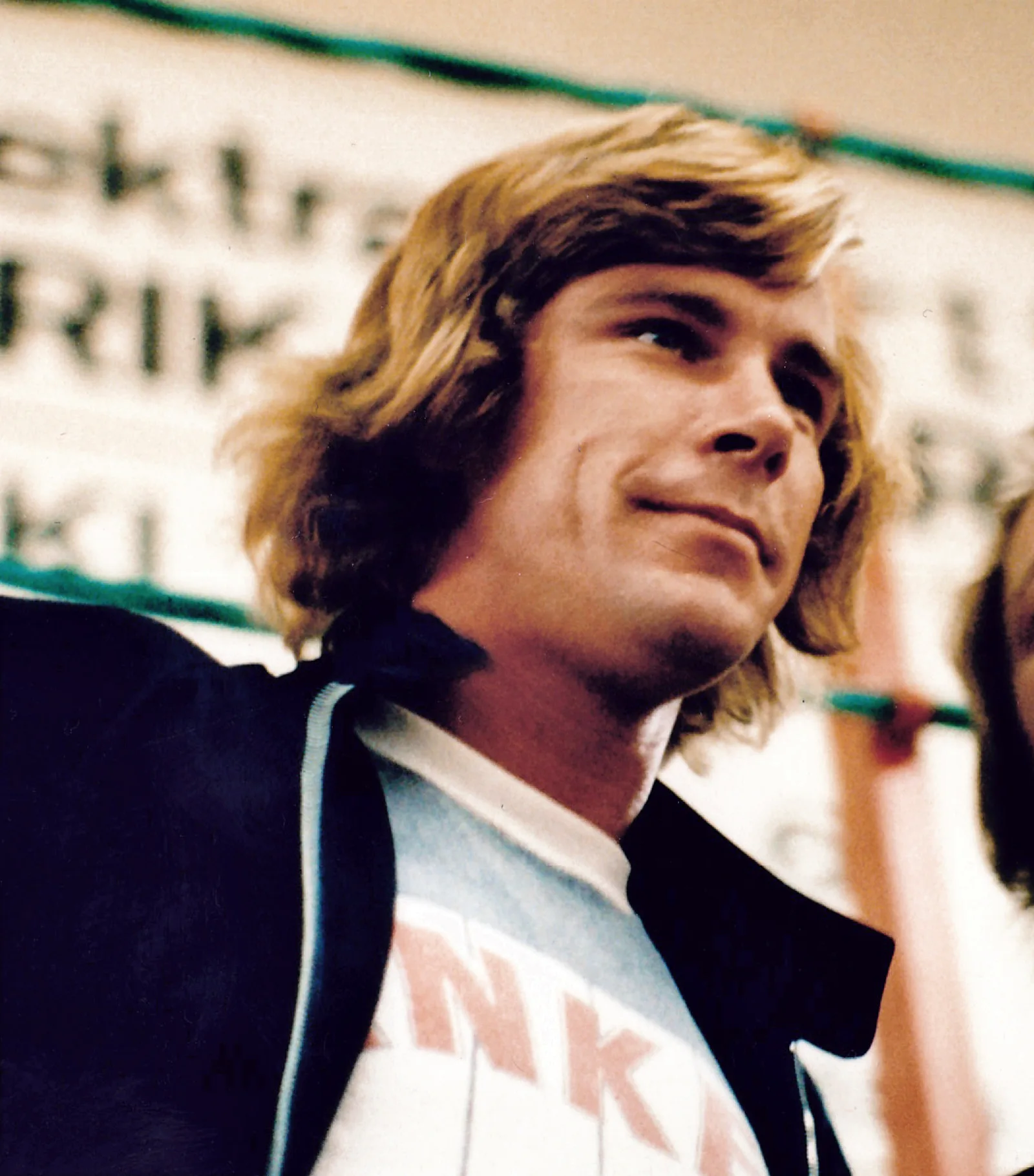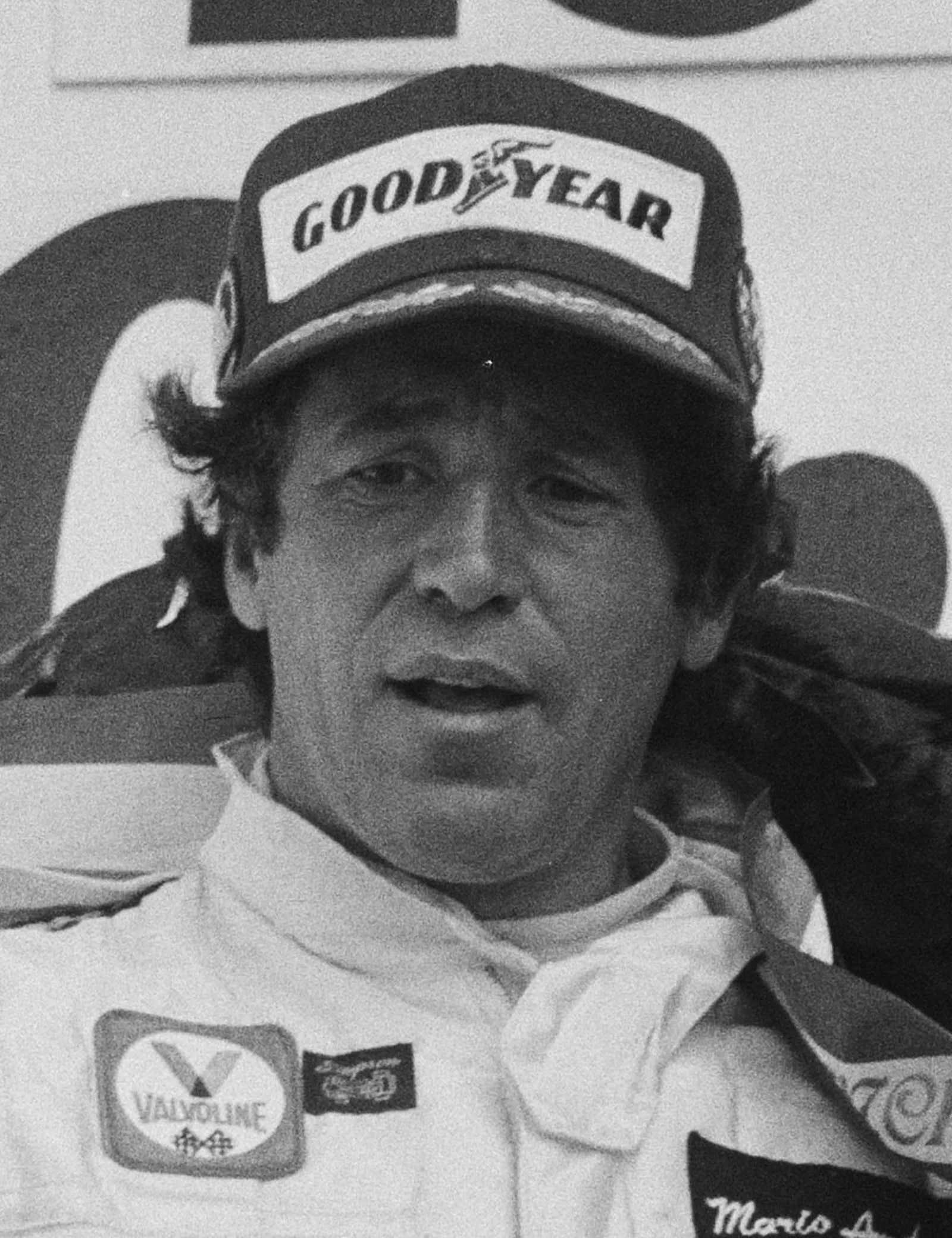
Sixteen races, a title for Mario Andretti at JPS-Lotus and a crash at Monza that cost Ronnie Peterson his life the following day.
Sixteen rounds made up the 1978 Formula One championship, held between 15 January and 8 October. Andretti took the drivers' crown with JPS-Lotus, Lotus won its last constructors' title, and Peterson's death at Monza shaped the closing months.
The 1978 season ended with an American at the top of the table for the last time, and it is remembered as much for Ronnie Peterson's death as for Lotus's success. Sixteen races took the field from Buenos Aires to Montreal, and the title turned on a tragic afternoon at Monza.
What was the 1978 Formula One season?
The 1978 season was the 32nd year of FIA Formula One racing and ran for sixteen races from 15 January to 8 October. Mario Andretti won the drivers' title for JPS-Lotus, and Lotus took its final constructors' championship, while Ferrari and Brabham struggled to repeat their earlier form.
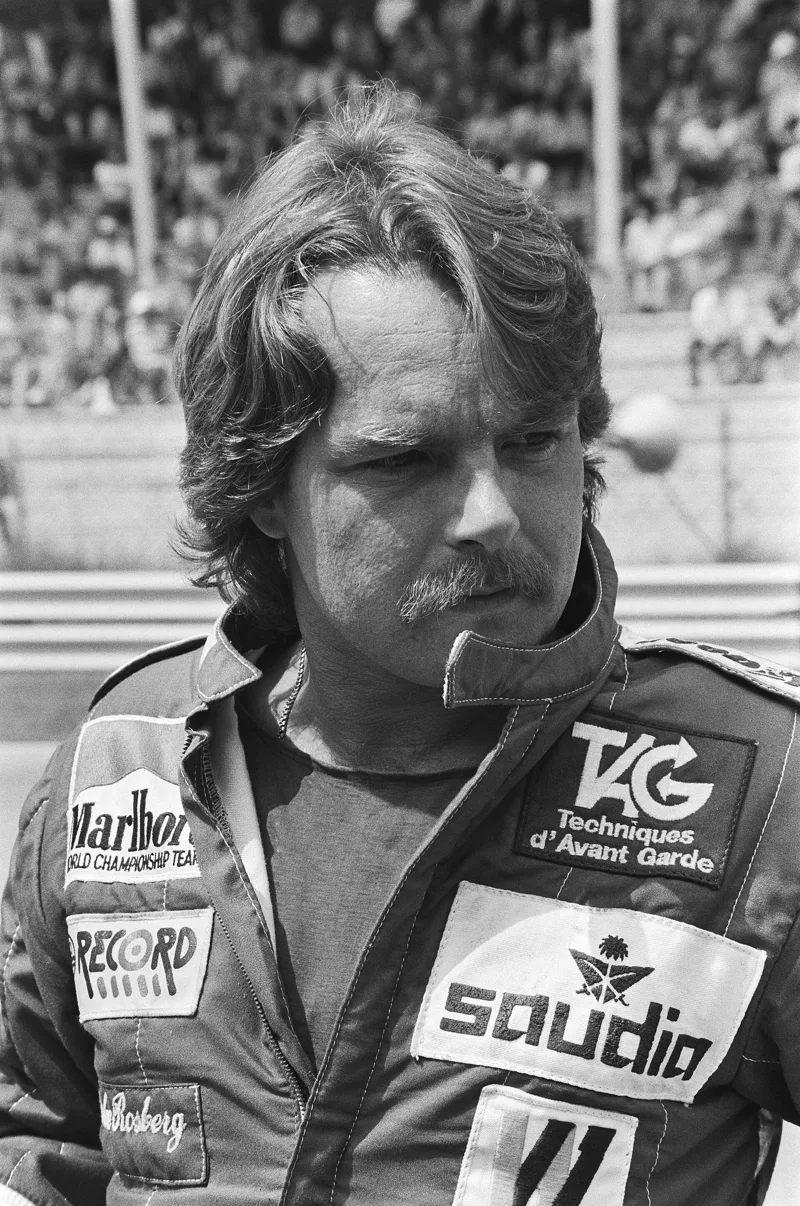
A non-championship event, the BRDC International Trophy at Silverstone, was also held. It was the last time that race ran under Formula One regulations, and Keke Rosberg won it in only his second Formula One event.
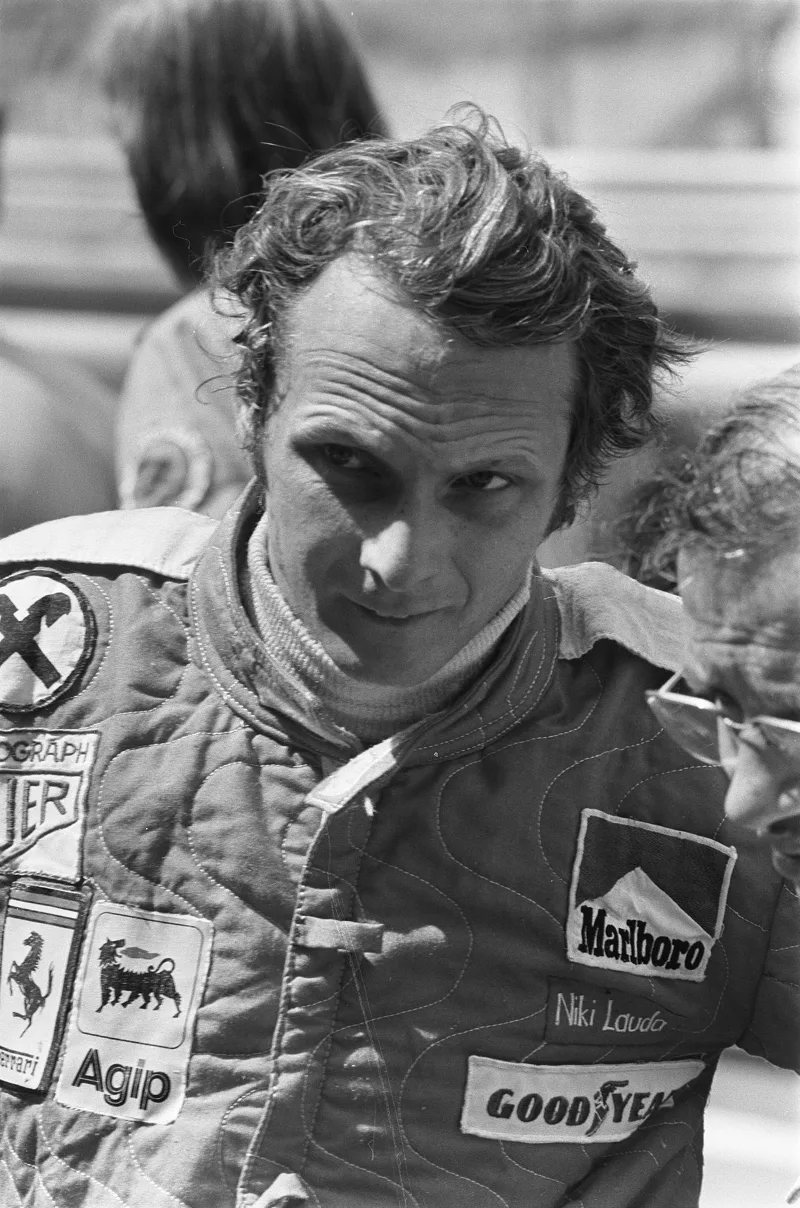
Niki Lauda, the defending champion, had parted ways with Ferrari late in 1977. He moved to Brabham, and both he and Ferrari found the previous seasons hard to repeat. Carlos Reutemann finished third in the championship in the lead Ferrari, while Lauda ended fourth.
A season that began with a championship for Lotus ended with a crash at Monza that the sport would never forget.
Who joined and left the grid in 1978?
Gilles Villeneuve took over Lauda's Ferrari seat for 1978, while Ronnie Peterson left Tyrrell for Lotus. Didier Pironi made his debut in the Tyrrell seat that Peterson vacated, and Lauda moved to Brabham in place of Hans-Joachim Stuck, who went to Shadow.
Several other seats changed hands. Clay Regazzoni moved from Ensign to Shadow, Patrick Tambay was signed by McLaren, and Ensign found Danny Ongais from the folded Penske team along with the inexperienced Lamberto Leoni. Jochen Mass found a seat at ATS, a team built on the remains of Penske and March.
Several teams arrived with their own cars. Williams entered its first self-made chassis, and Martini, Merzario and Theodore also debuted with chassis of their own. BRM had folded before the season began.
Arrows was a newcomer that had signed Gunnar Nilsson, but Nilsson was diagnosed with terminal cancer and retired before the season started. Riccardo Patrese and Rolf Stommelen eventually drove for the team.
Which race results shaped the 1978 title?
Andretti won six races, Reutemann four, and Peterson and Lauda two each. Andretti also took eight pole positions, the most of any driver, and his six wins came in Argentina, Belgium, Spain, France, West Germany and the Netherlands. The table lists the pole sitter and the top three finishers for every round.
| Round | Race | Pole | Winner | Second | Third |
|---|---|---|---|---|---|
| 1 | Argentina | Andretti | Andretti | Lauda | Depailler |
| 2 | Brazil | Peterson | Reutemann | Fittipaldi | Lauda |
| 3 | South Africa | Lauda | Peterson | Depailler | Watson |
| 4 | United States West | Reutemann | Reutemann | Andretti | Depailler |
| 5 | Monaco | Reutemann | Depailler | Lauda | Scheckter |
| 6 | Belgium | Andretti | Andretti | Peterson | Reutemann |
| 7 | Spain | Andretti | Andretti | Peterson | Laffite |
| 8 | Sweden | Andretti | Lauda | Patrese | Peterson |
| 9 | France | Watson | Andretti | Peterson | Hunt |
| 10 | Great Britain | Peterson | Reutemann | Lauda | Watson |
| 11 | West Germany | Andretti | Andretti | Scheckter | Laffite |
| 12 | Austria | Peterson | Peterson | Depailler | Villeneuve |
| 13 | Netherlands | Andretti | Andretti | Peterson | Lauda |
| 14 | Italy | Andretti | Lauda | Watson | Reutemann |
| 15 | United States East | Andretti | Reutemann | Jones | Scheckter |
| 16 | Canada | Jarier | Villeneuve | Scheckter | Reutemann |
How did the early rounds unfold?
Andretti set the tone in Argentina, where he took pole and won comfortably, with Lauda second and Depailler third. Watson's engine failed with ten laps left, which moved Lauda up to second place. The race was an unusual one, because the pole sitter did not retire.
Brazil was the first visit to the new Jacarepagua circuit in Rio de Janeiro, after six years at the bumpy Interlagos track in Sao Paulo. The heat and humidity were oppressive. Reutemann won comfortably, and Hunt spun out on lap 26 after struggling in the conditions, Tambay and Villeneuve also retired later on.
The season then moved to Kyalami for the 300th World Championship Grand Prix. Lauda took pole for Brabham, but Peterson won after catching and passing Depailler on the final lap. Depailler's Tyrrell had been trailing smoke, and Watson completed the podium.
Long Beach saw Reutemann take pole ahead of his teammate Villeneuve, but Villeneuve collided with a backmarker and retired. Reutemann won comfortably ahead of Andretti and Depailler. Monaco followed, where Depailler won his first career race from Lauda and Scheckter.
How did the Lotus 79 shape the middle of the season?
The Lotus 79 was ready to race at Zolder, and Andretti wasted no time in showing its speed, taking pole ahead of Reutemann and Lauda. The car gave Andretti a clear advantage in the races that followed, and Lotus finished one-two in Belgium, Spain, France and the Netherlands.
At Zolder Andretti converted pole into a first-corner lead, while Reutemann had a bad start and caused a chain reaction in which Lauda was hit by Scheckter and retired. Villeneuve and Peterson followed, but neither could keep pace, and Andretti cruised to victory. Peterson finished second, with Reutemann completing the podium.
At Jarama in Spain the new Lotus again showed its speed. Andretti took pole with Peterson alongside, and Peterson moved into second once Hunt's tyres began to fail. Andretti won over Peterson in another Lotus one-two, and Laffite took third.
What happened at the Italian Grand Prix?
The Italian round ended in tragedy when a crash at the start led to a multi-car pile-up. Peterson's Lotus broke in two and caught fire, and he died the following day from complications. Lauda was declared the winner after one-minute penalties were added to the times of Andretti and Villeneuve.
At the start, Patrese got a rolling start when the starter released the field early, and he rejoined just in front of the blocked entrance to the old Monza banking. Hunt was surprised, veered left and hit Peterson's Lotus with his front wheel. Peterson spun into the right-hand barrier head-on, and his car was crushed at the front. Several other drivers, including Reutemann, Depailler and Regazzoni, were caught up in the accident.
Peterson was taken to hospital with severe leg injuries, including 27 fractures in his legs and feet. He was diagnosed with a fat embolism, and kidney failure later proved fatal. Vittorio Brambilla, in the Surtees, was struck on the head by a flying wheel and sat unconscious in his car. He recovered and returned to Formula One a full year later.
The race restarted almost four hours after the original start. Andretti and Villeneuve had gone too early and were given penalties. Andretti's title was confirmed as a result, although he did not celebrate it and mourned Peterson alongside his fellow drivers.
Where did Peterson finish in the standings?
Ronnie Peterson finished second in the Drivers' standings, a place awarded to him posthumously after he died from complications of the Monza accident. Mario Andretti took the title, Reutemann was third for Ferrari, and Lauda, the defending champion, was fourth with Brabham.
Peterson's death overshadowed the rest of the season. The races that followed Monza, at Watkins Glen and in Canada, were run with the loss still fresh.
Why did Brabham's fan car cause a stir?
Brabham brought a new fan car to Sweden, which angered other teams, but the FIA allowed it to race despite their objections. Watson qualified second and Lauda third while running on full fuel tanks, and Andretti continued his run of poles regardless.
Andretti led at the start, but a mistake just after mid-distance let Lauda through. Lauda went on to win, his first win for Brabham, after Andretti's challenge ended with an engine failure. Patrese and Peterson took second and third.
The Anderstorp race was the last Swedish Grand Prix to date. With the deaths of Peterson and Nilsson, Swedish interest in Formula One faded, and there was no money to hold the race again.
How did the final rounds play out?
The penultimate round at Watkins Glen was overshadowed by the accident at Monza. Patrese could not race, because the Grand Prix Drivers' Association had judged him responsible for Peterson's death. Andretti was shaken but still took pole, and Reutemann won comfortably from Jones, with Scheckter third.
At Watkins Glen, Jarier ran out of fuel with four laps left, which gave the place back to Scheckter. The season ended in Canada, where the circuit had moved to the Ile Notre-Dame in Montreal because of safety concerns at Mosport Park.
In Canada Jarier qualified on pole ahead of Scheckter and Villeneuve, but he retired with an oil leak. Villeneuve took his first career win in his home race, ahead of Scheckter, with Reutemann third.
How did the calendar change for 1978?
The Brazilian Grand Prix moved from Interlagos in Sao Paulo to Jacarepagua in Rio de Janeiro. The Spanish race moved from early May to early June, and the French and British rounds switched to Paul Ricard and Brands Hatch. Canada left Mosport Park for the Ile Notre-Dame circuit.
A Japanese Grand Prix at Suzuka had been scheduled for 16 April, after the Fuji contract was torn up. It was cancelled for safety and financial reasons, and Japan did not return to the calendar until the 1987 season.
Jacarepagua was visited by Formula One for the rest of the following decade, so the Brazilian switch was a lasting one. The Canadian change came because of track safety and organisation problems at Mosport Park.
How were points scored in 1978?
Points were awarded to the top six classified finishers in each race. The International Cup for F1 Constructors counted only the points of the highest-finishing driver for each team in every race. The best seven results from rounds 1 to 8 and the best seven from rounds 9 to 16 were counted in both competitions.
Numbers without brackets in the published standings were championship points, and numbers in brackets were total points scored. Those two figures could differ, which is why the standings show both.
What was the legacy of the 1978 season?
Andretti's title made him the last American to win the championship, and his win at the Dutch Grand Prix was the last victory by an American driver. Lotus also won the constructors' title for the final time, closing a chapter for a team that had been at the front of the field for much of the year.
Peterson's death shaped the season's legacy. He had won in Austria earlier that year, and his posthumous second place in the standings remains a record of his season.