From a Winfield Racing School scholarship to a 1982 World Championship challenge with Ferrari, a Hockenheim crash and a final race in offshore powerboats.
Didier Pironi was a French driver born in 1952 who raced in Formula One from 1978 to 1982 and finished runner-up in the 1982 championship with Ferrari. He also won the 1978 Le Mans 24 Hours and was killed in an offshore powerboat race in 1987.
Didier Pironi raced cars in France and later powerboats offshore, with Formula One as the main stage of his driving career from 1978 to 1982. He was runner-up in the 1982 World Drivers' Championship with Ferrari, won the 1978 24 Hours of Le Mans with Renault and died in an offshore powerboat accident in 1987.
Who was Didier Pironi?
Pironi was born on 26 March 1952 in Villecresnes, in the Val-de-Marne region of France. He won three Formula One Grands Prix, scored 13 podiums and 101 championship points, and took four pole positions across five seasons. His 1982 Ferrari season remains the reference point for his career.
He also competed in endurance racing and in the BMW M1 Procar Championship, where he won a race. He had four editions of the 24 Hours of Le Mans behind him, from 1976 to 1980. His career ended in offshore powerboats, the sport he chose after a serious leg injury ended his Formula One career.
A Ferrari title challenger whose 1982 season ended at Hockenheim, and who later found a new kind of speed in offshore powerboats.
How did Pironi come up through the ranks?
Pironi first studied engineering, then enrolled at the Winfield Racing School at Paul Ricard, where the training pointed him towards a driving career. He graduated as the best student of 1972 and won a Volant Shell Competition Scholarship, which gave him a free Formule France season.
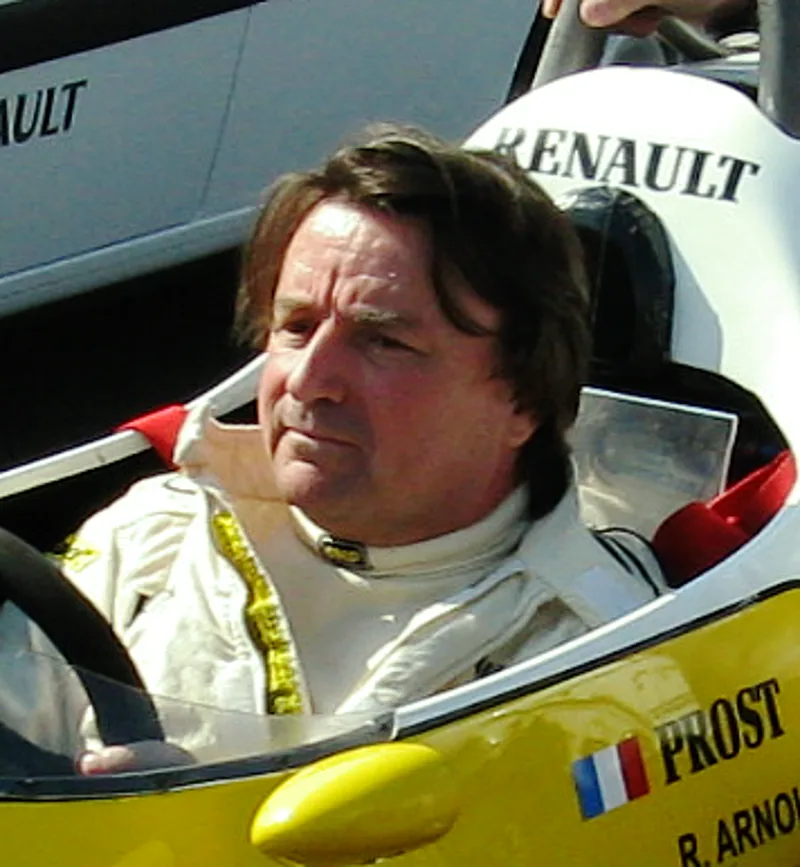
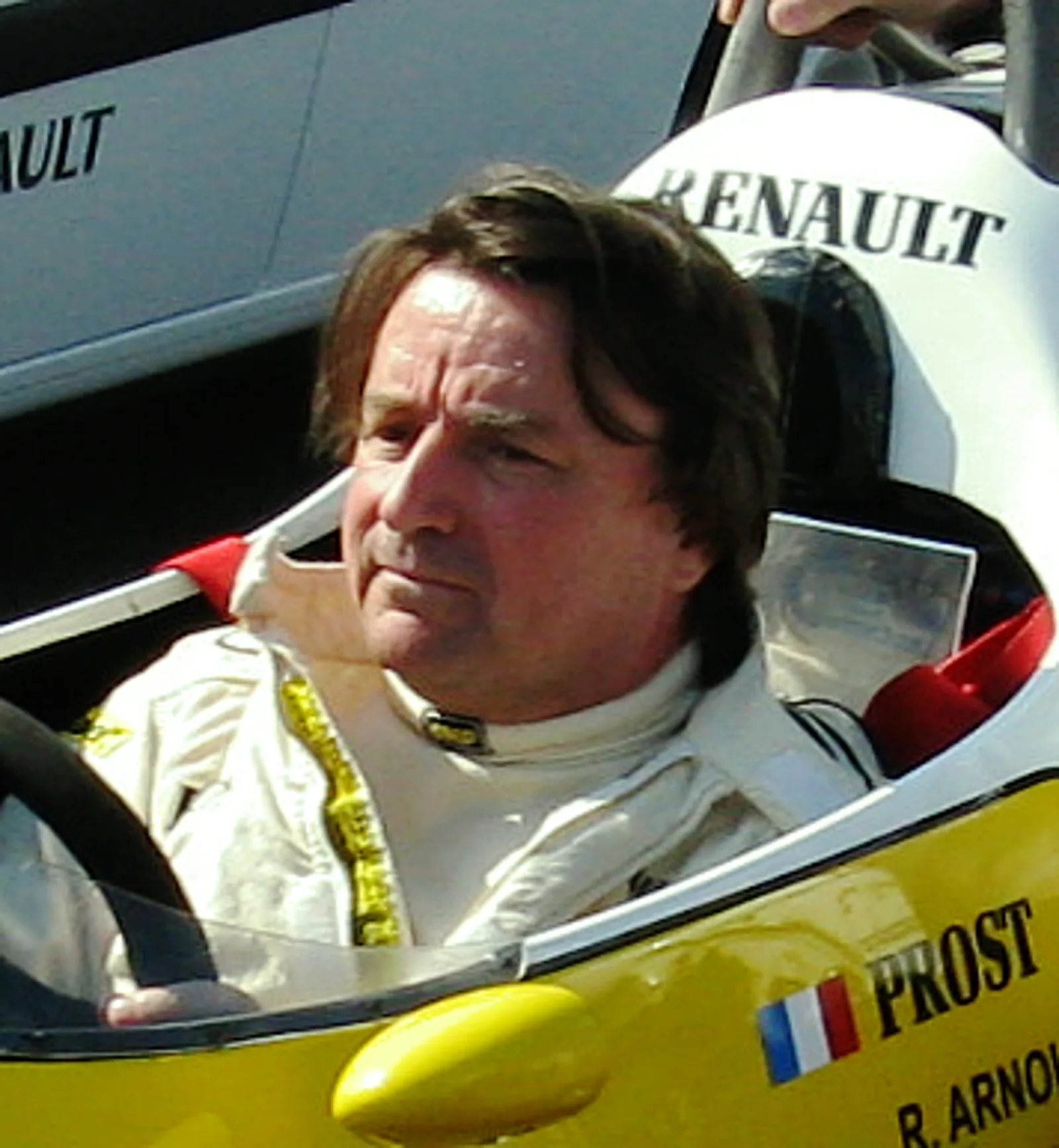
The programme was designed to develop young talent, and it also led Alain Prost, Rene Arnoux and Patrick Tambay into Formula One. Pironi followed a similar route through the Formula Renault ranks. Pironi became Formula France champion in 1974, won the Eurocup in 1974 and 1976, and took the Super Renault title in 1976.
He finished third in the 1977 European Formula Two Championship and won the Monaco Grand Prix Formula Three support race that same year. That record took him into Formula One in 1978.
What did Pironi achieve with Tyrrell and Renault?
Pironi signed with Tyrrell and made his Formula One debut at the Argentine Grand Prix on 15 January 1978. Tyrrell had a working relationship with Elf that dated back to the late 1960s. Pironi had come to the team straight from his junior successes, which made the debut a significant step.
In the same year Pironi was part of the Renault squad that entered the 24 Hours of Le Mans. He shared the team's second car, the unusual bubble-roofed Renault Alpine A442B, with Jean-Pierre Jaussaud, and the pair won the race by four laps from the Porsche 936s.
The following season Pironi kept his Tyrrell seat, and he scored his first podium at the Belgian Grand Prix. Tyrrell was an underfinanced team, and the results from those two seasons showed enough promise for Guy Ligier to sign him for 1980.
How did Pironi's Ligier season go?
Pironi joined Ligier for 1980 to partner Jacques Laffite. He won his first Formula One race at the Belgian Grand Prix at Zolder that year, and he also took several podium finishes on the way to fifth in the drivers' standings.
The Ligier JS11/15 was an excellent car, but the team did not allow it to reach its full potential. Laffite held firm political control at Ligier, and Pironi was not going to win the championship with the team.
Why did Pironi join Ferrari in 1981?
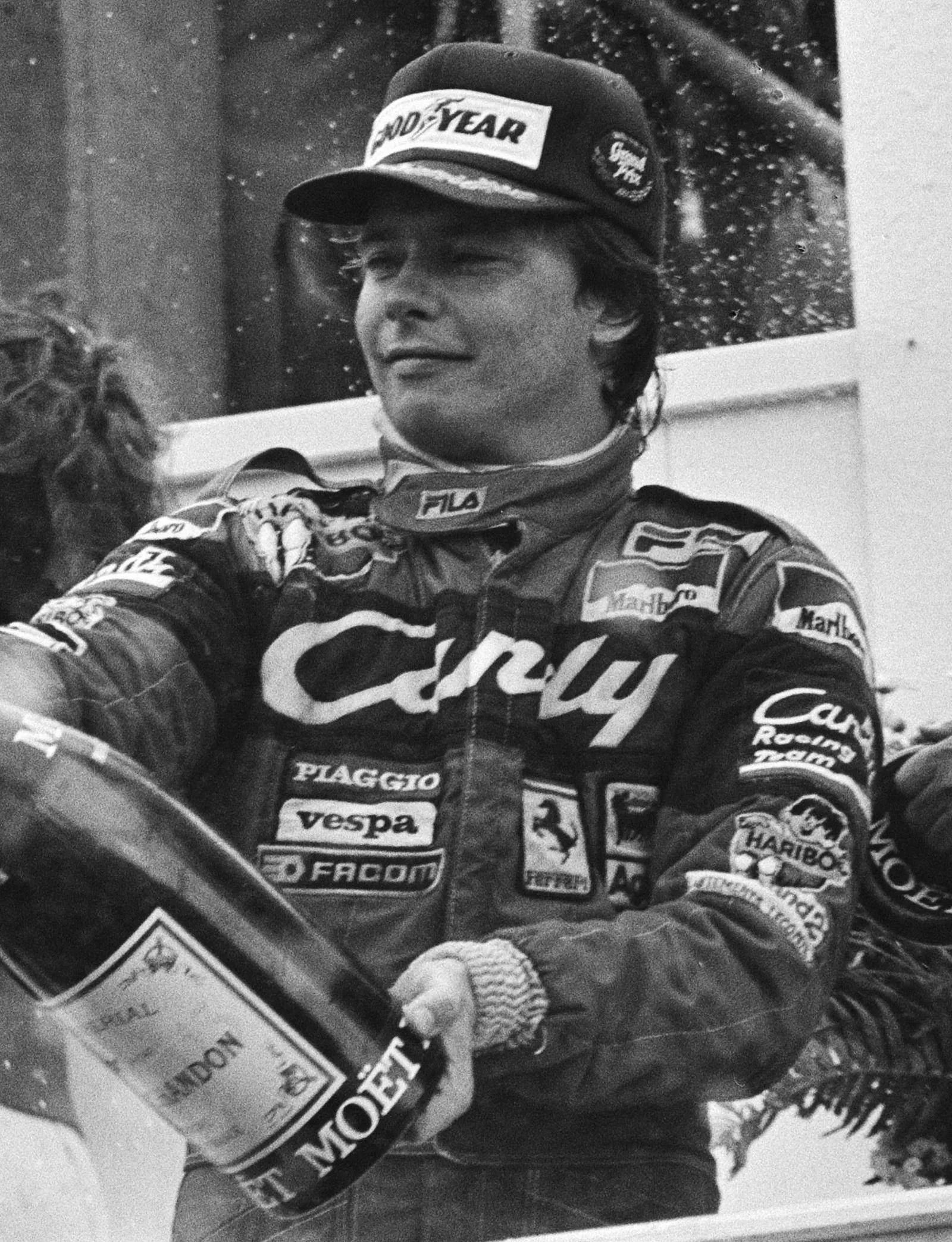
Enzo Ferrari signed Pironi for 1981 after his performances at Ligier attracted attention, and the move put him in a team with one of the sport's most popular drivers. Ferrari later praised the way he settled into Maranello, both as an athlete and in the way he went about his work.
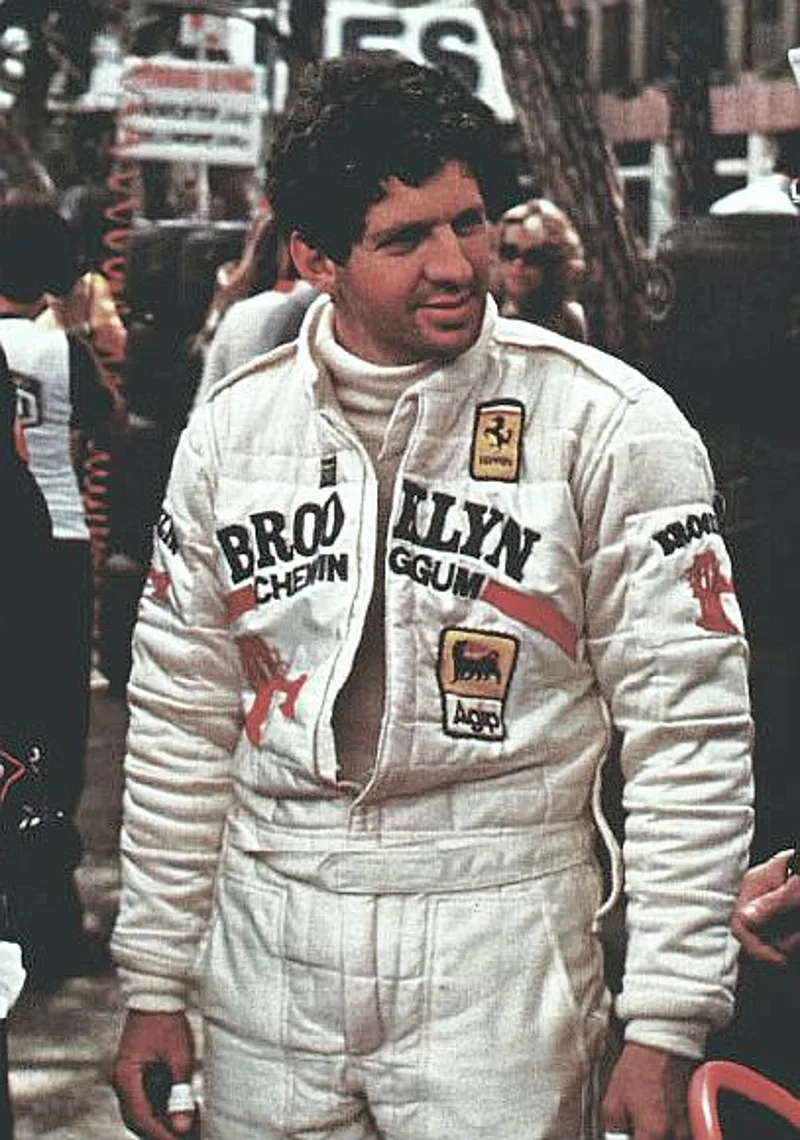
He was teamed with Gilles Villeneuve, who welcomed him and treated him as an equal. In his first season at Ferrari, Pironi was slower in qualifying than Villeneuve but steadier in races.
What happened at the 1982 San Marino Grand Prix?
The 1982 San Marino Grand Prix was a controversial race between the two Ferrari drivers, and the accounts that followed differ. Several people involved gave their own explanations of how the finish came about, and those explanations do not fully agree.
Marco Piccinini described the finish in a 2002 interview with Motor Sport as a genuine misunderstanding triggered by a mistake from Villeneuve. Harvey Postlethwaite, co-designer of the 126C2, said the press had blown the drama out of proportion.
Pironi also pointed to a technical reason for the swapping of places, saying that turbo boost on the Ferrari 126C was very difficult to control. Whatever the cause, Villeneuve was killed in qualifying two weeks later at Zolder, and many people believe he was focused on beating Pironi's lap time at the time of his fatal accident.
How did the 1982 German Grand Prix end Pironi's career?
Pironi took pole position for the German Grand Prix at Hockenheim. Before the race he had been testing a new Goodyear rain tyre in untimed practice, and he was up to 2.5 seconds a lap faster than his new teammate, Patrick Tambay, who was driving the sister Ferrari.
The race was run in changing conditions, and the spray from the ground-effect cars created a fog that made cars in front hard to see. When Pironi tried to pass Derek Daly's Williams, his Ferrari 126C2 ran into the back of Alain Prost's Renault.
He survived, but he suffered multiple fractures to both legs and never raced in Formula One again. He had been leading the championship at the time. Medics working with Professor Sid Watkins never weighed amputation as a way of getting him out of the wreck.
The crash came three months after Villeneuve's death, and it ended the title chase that Pironi had been leading.
Did Pironi lose the 1982 title by a narrow margin?
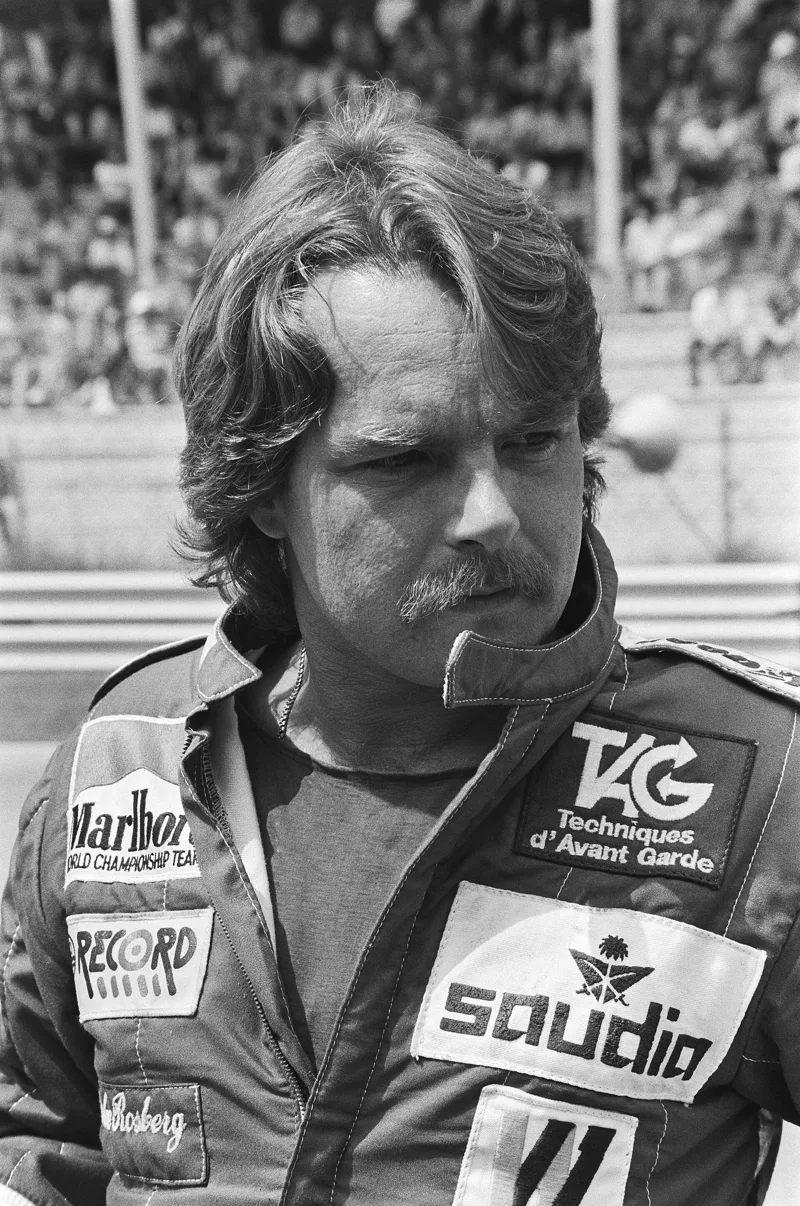
Yes. At the time of the crash Pironi had 39 points, ahead of Watson on 30 and Keke Rosberg on 27. Rosberg passed him to become World Champion, and Pironi lost the title by five points after missing four of the fourteen races in the year.
His final figures in Formula One were three wins, 13 podiums, four pole positions, five fastest laps and 101 points.
What did Pironi do after the crash?
In 1986 Pironi walked unaided again and tested for the French AGS team at Circuit Paul Ricard. He then tested the Ligier JS27 at Dijon-Prenois and proved he was still fast, but a return to Formula One was not practical because of the extent of his injuries.
His insurance payout was based on the premise of career-ending injuries, and he would have had to repay it if he returned to the sport. It is believed he had reached an agreement with his insurer to return in 1988 and had signed a pre-contract with the Larrousse and Calmels team.
When a return looked impossible, Pironi turned to offshore powerboat racing. On 23 August 1987 he was killed in the Needles Trophy race near the Isle of Wight. Two crew members also died when the boat, Colibri 4, flipped over after running into a rough wave.
How do his results compare across series?
| Period | Series | Result |
|---|---|---|
| 1972 | Winfield Racing School | Volant Shell scholarship; best student |
| 1974 | Formula France | Champion |
| 1977 | European Formula Two | Third in the championship |
| 1978 | Formula One | Debut at the Argentine Grand Prix with Tyrrell |
| 1978 | 24 Hours of Le Mans | Winner with Jean-Pierre Jaussaud, Renault |
| 1980 | Formula One | Winner at Zolder; fifth in the championship with Ligier |
| 1982 | Formula One | Runner-up by five points with Ferrari |
| 1987 | Offshore powerboat racing | Fatal accident at the Needles Trophy, Colibri 4 |