Fifteen rounds, a championship lead that changed hands for most of the season, a flat-bottomed car rulebook and a finale in South Africa that decided the title.
Fifteen rounds made up the 1983 Formula One World Championship, held between 13 March and 15 October. Nelson Piquet won the drivers' title for Brabham by two points from Alain Prost, while Ferrari took the Constructors' Championship.
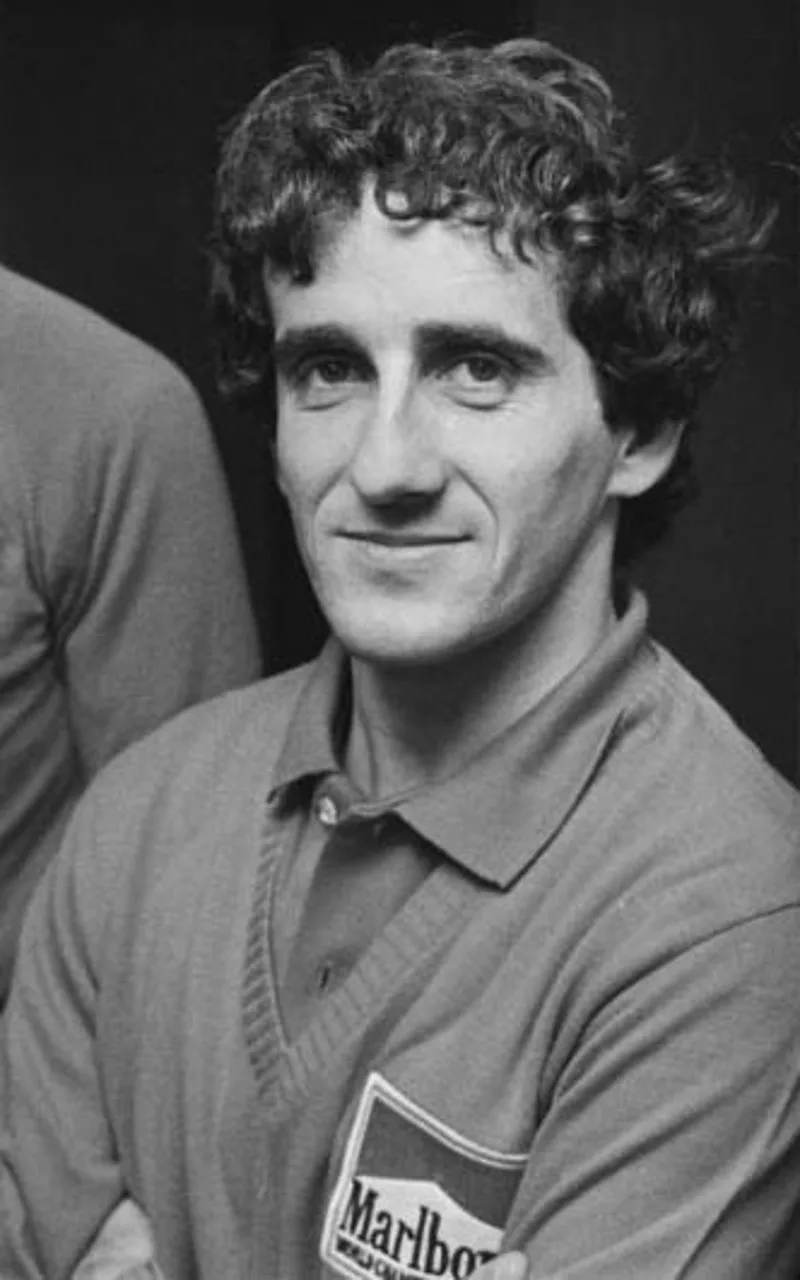
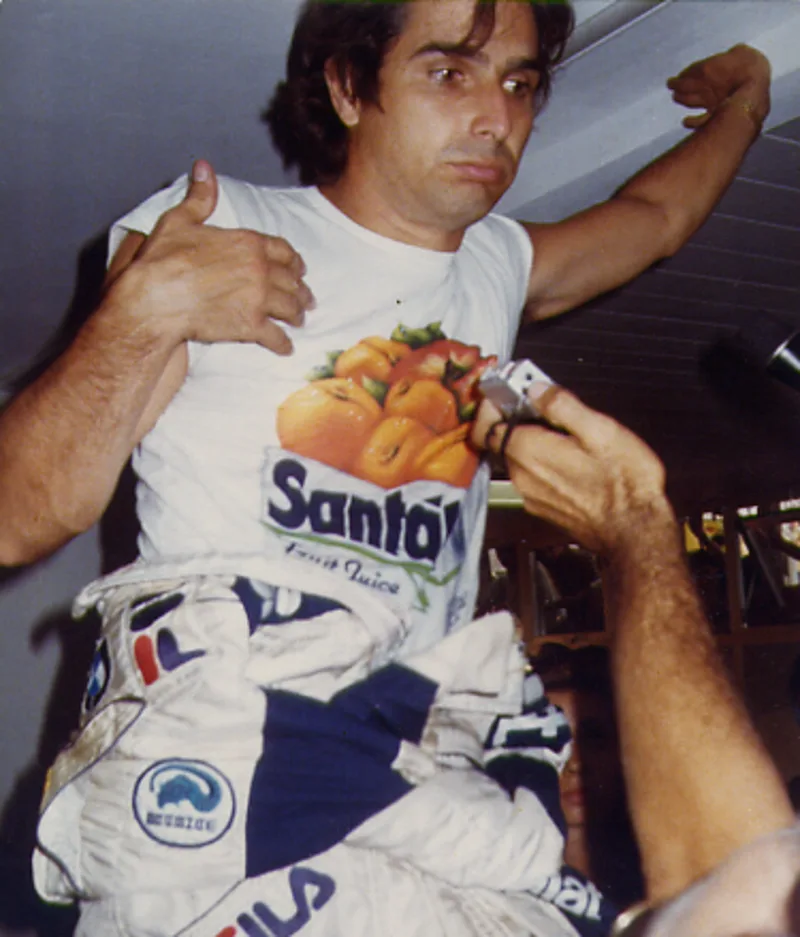
The 1983 season was decided in the last race of the year. Nelson Piquet beat Alain Prost to the title by two points, after Prost led the championship from the Belgian Grand Prix until South Africa, where his turbo failed and Piquet finished third.
What was the 1983 Formula One World Championship?
The 1983 championship was the 37th season of FIA Formula One racing and ran for fifteen races between 13 March and 15 October. Piquet won the Drivers' Championship for Brabham, his second title, while Ferrari took the Constructors' Championship for the second year in succession.
Piquet's title was the first won by a driver using a turbocharged engine, and it was the last title by a Brabham driver. His team finished third in the Constructors' standings, a result that made his championship unusual among recent champions.
Ferrari's success was also unusual. Neither of its drivers finished in the top two of the Drivers' Championship, and Rene Arnoux, its best-placed driver, finished only third in the standings.
A title decided by two points in a flat-bottomed era, won by a driver whose team finished third.
How did the 1983 rules change the cars?
A major technical change required a flat undertray, and it outlawed ground effect, the technology Lotus had introduced with its 78 car in 1977. The change was made because downforce and cornering speeds had reached dangerous levels in 1982, a season marked by violent and fatal accidents.
Four-wheel drive was outlawed, as were cars with more than four wheels. Cars had to weigh at least 540 kg (1,190 lb), and the red light at the back of the car had to have a power of at least 21 W.
The rules came after several months of uncertainty. Six weeks before the planned opening round, the governing body had banned ground effects and sliding skirts, and the organisers agreed to move the South African race from the opener to the finale to give teams time to adapt.
Why did the turbo engines dominate the year?
There was a clear trend of manufacturers switching from naturally aspirated engines to turbocharged units, attracted by their power. Most teams ran old and new cars side by side before switching to turbo power, and several made the move during the season.
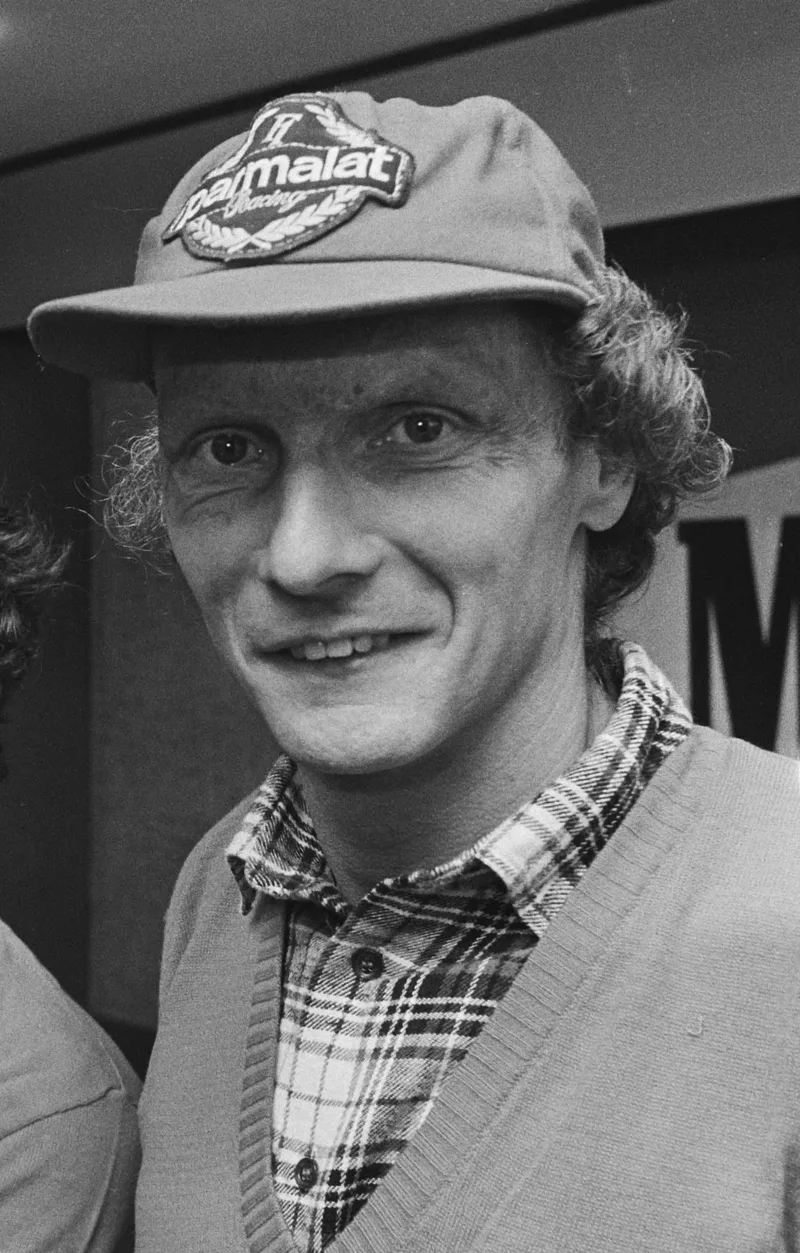
Lotus moved Elio de Angelis to the Renault V6 turbo after the Brazilian opener, and McLaren fitted the Porsche-built TAG turbo for Lauda at the Dutch Grand Prix. Williams switched to Honda V6 turbos for the final round, and Brabham used BMW turbo power in its BT50 cars.
The turbo era had its own difficulties. Some engines were unreliable, and the turbo cars were quick but hard to manage. Ferrari's and Renault's turbo cars took the bulk of the victories, and the ones using Cosworth engines were at a disadvantage on the faster circuits.
What changed in the teams and drivers?
Colin Chapman died of a heart attack on 16 December 1982, aged 54, and Lotus was left in the hands of Peter Warr. Ensign was merged into the Theodore team, and Fittipaldi closed its doors due to insufficient funds. Several squads also changed their engine suppliers.
Arnoux left Renault for Ferrari, where he partnered Patrick Tambay. Renault signed Eddie Cheever from Ligier, and Laffite moved from Ligier to Williams. Ligier signed Jean-Pierre Jarier from Osella and Raul Boesel from March, and the changes reshaped several line-ups for the year.
Several drivers made one-off appearances. Alan Jones came out of retirement for a one-time drive with Arrows, Thierry Boutsen made his debut at his home race, and Jonathan Palmer made his Formula One debut in a third Williams car at Brands Hatch.
How did the calendar change in 1983?
The South African Grand Prix was moved from the season opener to the finale. The French Grand Prix moved from July to April, and the Belgian race was held at Spa-Francorchamps rather than Zolder, after the Monaco round. Brands Hatch was dropped as the British venue for the year.
The Dutch Grand Prix moved to the end of August. The Swiss Grand Prix at Dijon-Prenois and the Caesars Palace race in Las Vegas were removed from the calendar. The provisional calendar had shown 18 races, but only 15 were confirmed.
The Race of Champions at Brands Hatch on 10 April was the last non-championship Formula One race. The European Grand Prix at Brands Hatch later in the year used the championship title for a standalone event for the first time.
How did the season open in Brazil?
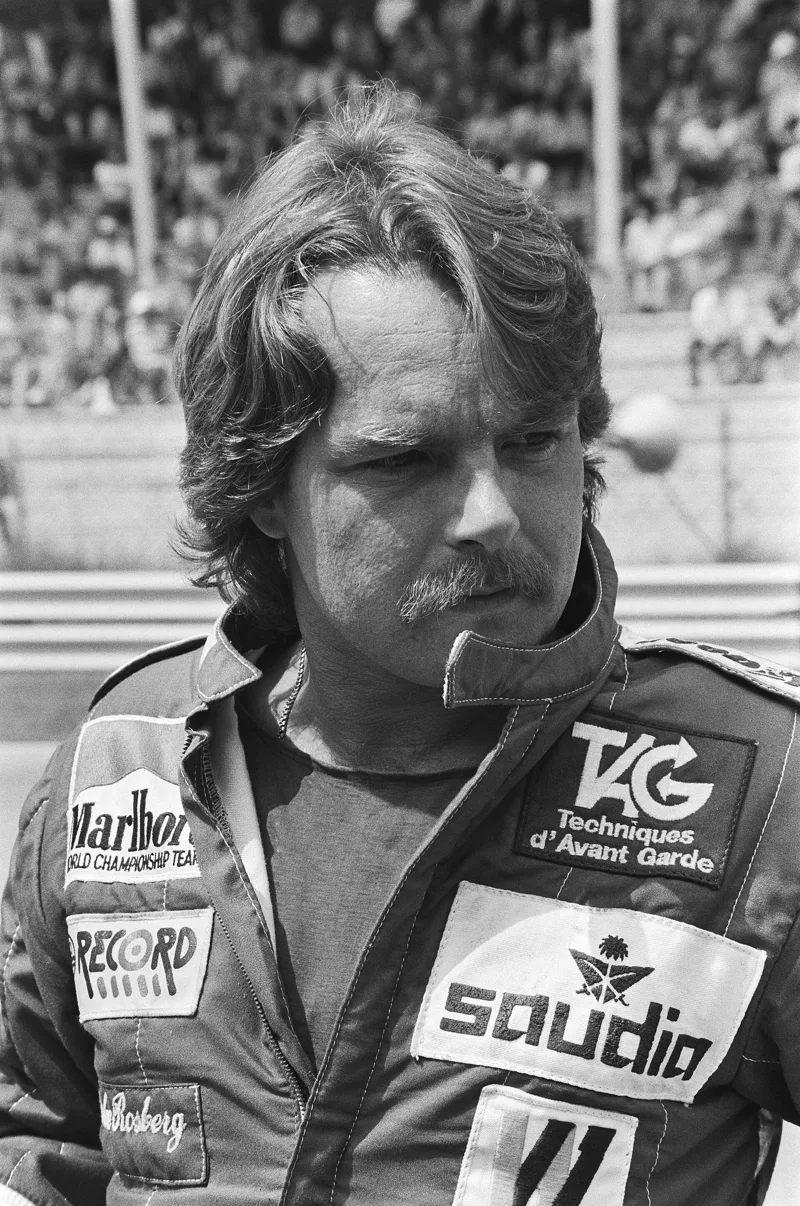
The first race was in Brazil at the Jacarepagua circuit in Rio de Janeiro. Rosberg took pole and led for six laps, but Piquet passed him on lap 7 and stayed ahead, with his BMW-powered Brabham proving faster on the back straight.
Rosberg's car caught fire during his pit stop, but he fought back to second before being disqualified for a push start in the pits. The organisers did not promote Lauda, who had finished third, and the second place was left vacant. Only five drivers scored points.
Laffite finished fourth despite starting 18th, and Marc Surer took the final point. Renault struggled, with Prost a lap down in seventh and Cheever out with brake failure.
What happened at Long Beach and in France?
At Long Beach, Tambay started from pole and led until lap 25, when a collision with Rosberg ended his race. Laffite took the lead and pushed Rosberg into a collision, and the McLaren pair of Watson and Lauda came through from 22nd and 23rd on the grid.
Watson led his teammate home for a McLaren one-two, a result that still stands as the victory from the lowest qualifying position. It was also the last United States Grand Prix West, because the organiser had decided Formula One was too expensive.
In France, Prost took pole, victory and fastest lap at Paul Ricard, leading all but three laps. Piquet led those laps during the pit stops and finished second, while Cheever came home third in the second Renault.
How did the European rounds shape the title race?
At San Marino, Patrese led for much of the race until he ran wide on the exit of Aqua Minerale and hit the tyre wall. Tambay took the lead and won for Ferrari at home, with Prost and Arnoux finishing behind him.
At Monaco, Rosberg started on slicks on a damp track and led every lap to win. Laffite had looked set for a Williams one-two before a gearbox failure. The rain brought multiple collisions, and Prost dropped back through the field.
Prost won at Spa, with Tambay second and Cheever third. De Cesaris had led for the first twenty laps, but a slow pit stop and engine trouble dropped him out of contention.
Who won the North American races?
At Detroit, Arnoux took pole, but Piquet led at the start. Arnoux regained the lead, but his electrics failed, and Alboreto inherited the lead when Piquet's slow puncture dropped him to fourth. It was Alboreto's second career victory, and Rosberg finished second with Watson third.
In Canada, Arnoux won for Ferrari for the first time, leading for most of the race. Cheever came second, his best result of the year, and Tambay took the second Ferrari to third. Jacques Villeneuve made his debut for RAM at his home race, but he failed to qualify.
How did the mid-season championship swing?
At Silverstone, Arnoux lost the lead to Tambay at the start, and Prost passed both Ferraris by lap 20. Piquet finished second with Tambay third, and Mansell took fourth with Lotus's first turbo power. The win allowed Prost and Renault to extend their championship leads.
At Hockenheim, Arnoux won his second race of the season after Tambay's engine failed. De Cesaris finished second for Alfa Romeo, Patrese third, and Piquet's chance of second was lost to a fire three laps from home.
Prost won at the Osterreichring after Tambay's car retired with low oil pressure. Prost then held a 14-point lead over Piquet, with Arnoux and Tambay further back.
What were the closing rounds like?
At Zandvoort, Piquet took his first pole of the season and led until lap 41, when Prost tried to pass him and the two collided. Arnoux won, Watson was third, and Lauda's debut with the TAG engine came at the same race.
At Monza, Piquet jumped both Ferraris and won, his first victory since Brazil. Arnoux was second and Cheever third. Piquet then won again at Brands Hatch, becoming the first driver to win two consecutive races that season.
Going into South Africa, Prost led with 51 points to Arnoux's 49 and Piquet's 46, while Tambay had 40. The points left on the board made the title open until the end.
How did the South African finale decide the title?
At Kyalami, Tambay took pole with Piquet second, and Piquet assumed the lead at the start. Prost fought his way up to third, but his turbo failed on lap 44. Piquet then needed only to finish in the top four, and he backed off.
Patrese won the race and became the season's eighth winner. Piquet was third, which was enough for his second world title by two points. De Cesaris finished second for Alfa Romeo, and Ferrari secured the Constructors' title for the second year in succession, while Renault lost the title it had been chasing.
What were the race winners in 1983?
Prost won four races, Piquet and Arnoux won three each, and Watson, Tambay, Rosberg, Alboreto and Patrese won once. Eight drivers won races during the year. Prost's four wins were the most of any driver, yet a turbo failure in the last race ended his title hopes.
| Race | Winner | Team | Note |
|---|---|---|---|
| Brazil | Piquet | Brabham | Rosberg disqualified; second left vacant |
| United States West | Watson | McLaren | Started 22nd; a McLaren one-two |
| France | Prost | Renault | Pole, victory and fastest lap |
| San Marino | Tambay | Ferrari | Patrese ran into the tyre wall |
| Monaco | Rosberg | Williams | Started on slicks on a damp track |
| Belgium | Prost | Renault | First race at Spa since 1970 |
| Detroit | Alboreto | Tyrrell | Second career victory |
| Canada | Arnoux | Ferrari | First win for Ferrari |
| Britain | Prost | Renault | Mansell fourth with turbo power |
| West Germany | Arnoux | Ferrari | Second win of the year |
| Austria | Prost | Renault | Passed Arnoux near the end |
| Netherlands | Arnoux | Ferrari | Prost and Piquet collided |
| Italy | Piquet | Brabham | First win since Brazil |
| Europe (Brands Hatch) | Piquet | Brabham | Second win in a row |
| South Africa | Patrese | Brabham | Piquet third, enough for the title |
How were points scored in 1983?
Points went to the top six classified finishers. The Drivers' Championship counted each driver's best eleven results, but no driver scored in more than eleven races, so no drop rounds applied. Because the best eleven results were the whole of each total, every finish mattered. The Constructors' Championship counted every round.
Published standings separated championship points, shown without brackets, from total points scored, shown in brackets. With a title decided by two points, the distinction mattered.
What was the legacy of the 1983 season?
The season was the last for the Brabham team to win the Drivers' title, and it was the first title won by a turbo-engined driver. The Ferrari success showed that a team could take the Constructors' title while its best driver finished only third.
The flat-undertray rules changed the shape of the cars for the years that followed, and the turbo engines that took over the sport in 1983 remained central to its development.