A French team had lost to Porsche twice in a row, then took the 1978 race when the favourites broke down, and the win ended its sports-car programme.
This race was run on 10 and 11 June 1978. Renault Alpine won with Didier Pironi and Jean-Pierre Jaussaud after the Porsche 936s broke down, a first Le Mans victory for the team. The team then left sports-car racing that year.
Renault Alpine had a disastrous showing the year before, but in 1978 its cars took the race. Didier Pironi and Jean-Pierre Jaussaud took the flag after the Porsche 936s, the favourites, hit reliability trouble through the night. The result gave Renault its first Le Mans victory, and it came with the announcement that the team would leave sports-car racing.
What rules applied to the 1978 race?
The race regulations were left untouched. The FIA Group 6 championship had effectively collapsed, so Le Mans became the sole major event mixing Group 6 prototypes with Group 5 sports cars. The race was also not counted for any championship points, which left the teams to race for the win alone.
Across the Atlantic the IMSA GT Championship had added a Le Mans GTX class, and the Automobile Club de l'Ouest could merge the IMSA and GTX cars into one class. IMSA's rules allowed a lighter minimum weight and wider rear tyres than Group 5. The series also launched the World Challenge for Endurance Drivers, which was not sanctioned by the FIA, and it linked Daytona, Sebring, Talladega, Le Mans and the Nurburgring. The Daytona-Le Mans Trophy was run again.
Renault beat the favoured Porsches at Le Mans and then left sports-car racing in the same year.
How thin was the 1978 entry list?
Only 70 applications reached the ACO, the lowest total for ten years. It chose 60 cars for qualification and kept seven in reserve. Only Porsche and Renault fielded works teams, and the rest of the grid was made up of small specialists such as Mirage, Osella and WM.
Porsche came back with the 936 for a single race. Its 2140cc flat-six, with twin KKK turbochargers, quad camshafts and 1.4bar of boost, made 580 bhp. Wound up to 1.7bar, the car topped 345 km/h (215 mph), though it was also faster over a full lap. Water cooling was added to the air-cooled engine for the first time.
How did Renault prepare its cars?
After a disastrous showing the year before, Renault Alpine reworked its turbo engines with more than 30 modifications. Its chassis had more than 10,000 miles (16,000 km) of running at Paul Ricard and Istres. Two short-tail cars from the previous season received the new engine, and a brand-new chassis was built.
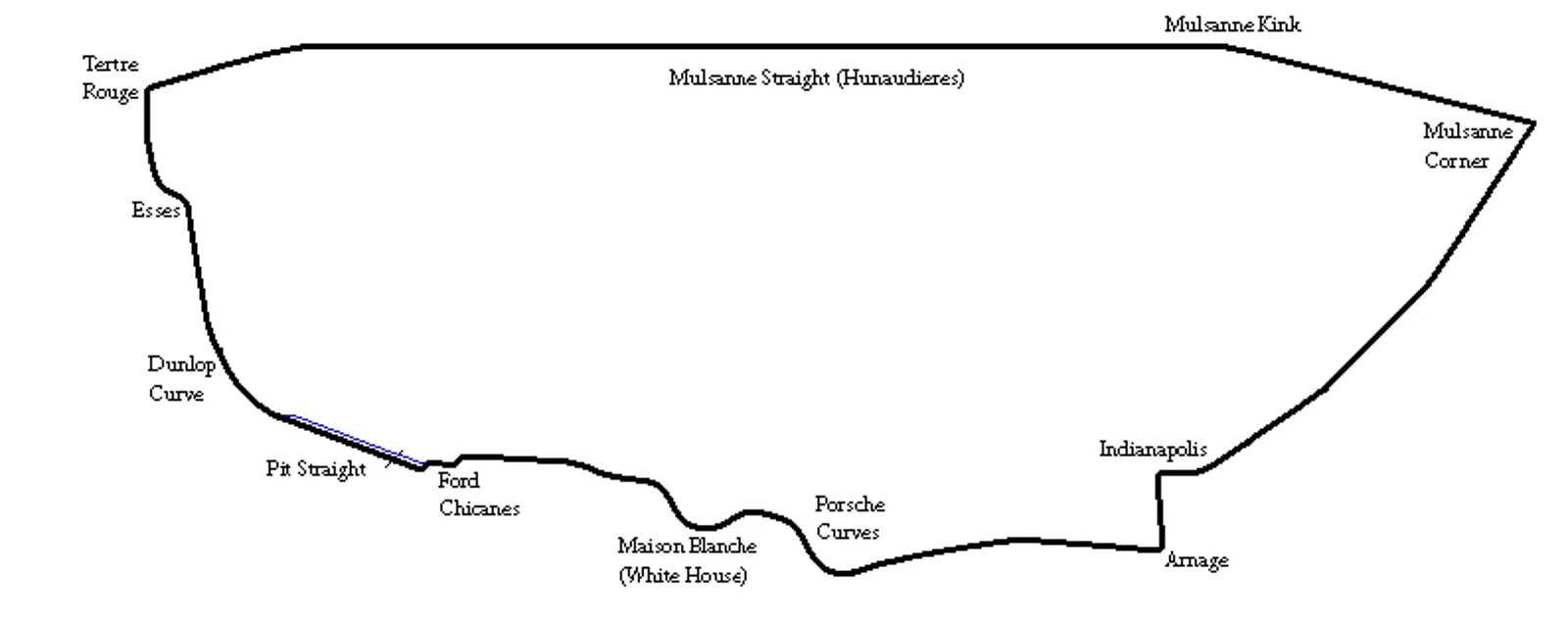
The new A443 had a wheelbase 15 cm longer than before and was wider to carry bigger wheels. Its single-turbo engine, a 2138cc unit, produced 520 bhp and reached 360 km/h (225 mph) on the Hunaudieres straight. Jabouille and Depailler shared the A443, while Jaussaud and Pironi took the A442B.
Mirage's engineer John Horsman developed the M8 into the M9, which kept a 490 bhp Renault turbo engine in a lower, narrower body with a long tail. Vern Schuppan and Jacques Laffite drove one car, while Sam Posey and Michel Leclere shared the other.
Which Group 5 cars were the Porsche customers?
Porsche built 15 935s for its customer teams. The 1978 cars had twin turbos and a rear wing in two tiers to add downforce. The works team had developed its third-generation car, the 935-78 nicknamed Moby Dick, with a 3.2-litre flat-six producing a claimed 750 bhp.
The Kremer brothers fielded three 935s, but they lost their two main drivers to the works team and brought in inexperienced pairings. Georg Loos's Gelo team entered one car with its strongest line-up, John Fitzpatrick and Toine Hezemans. The rest of the Group 5 field was made up of cars from ASA-Cachia, Mecarillos and Konrad. AMG had planned a Mercedes entry, but it was listed as a reserve and never called up. Hans Heyer later presented a far more radical Mercedes for Group C.
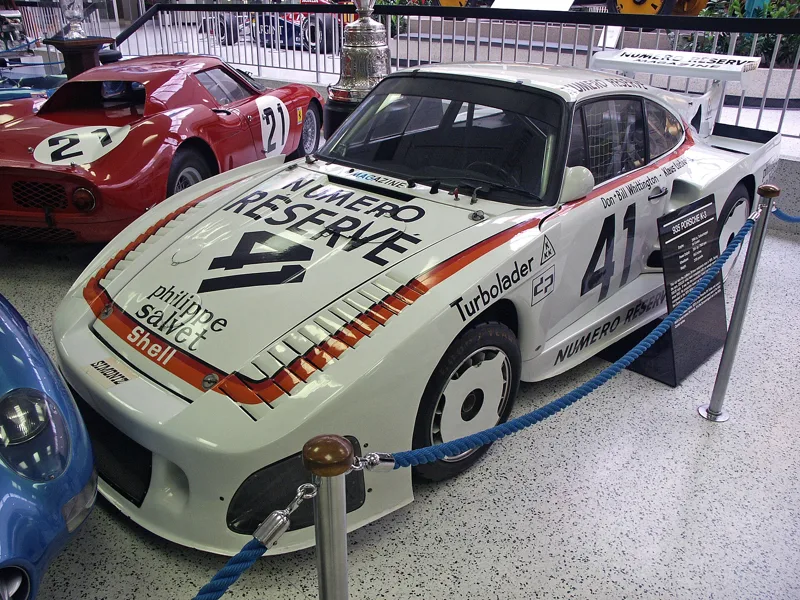
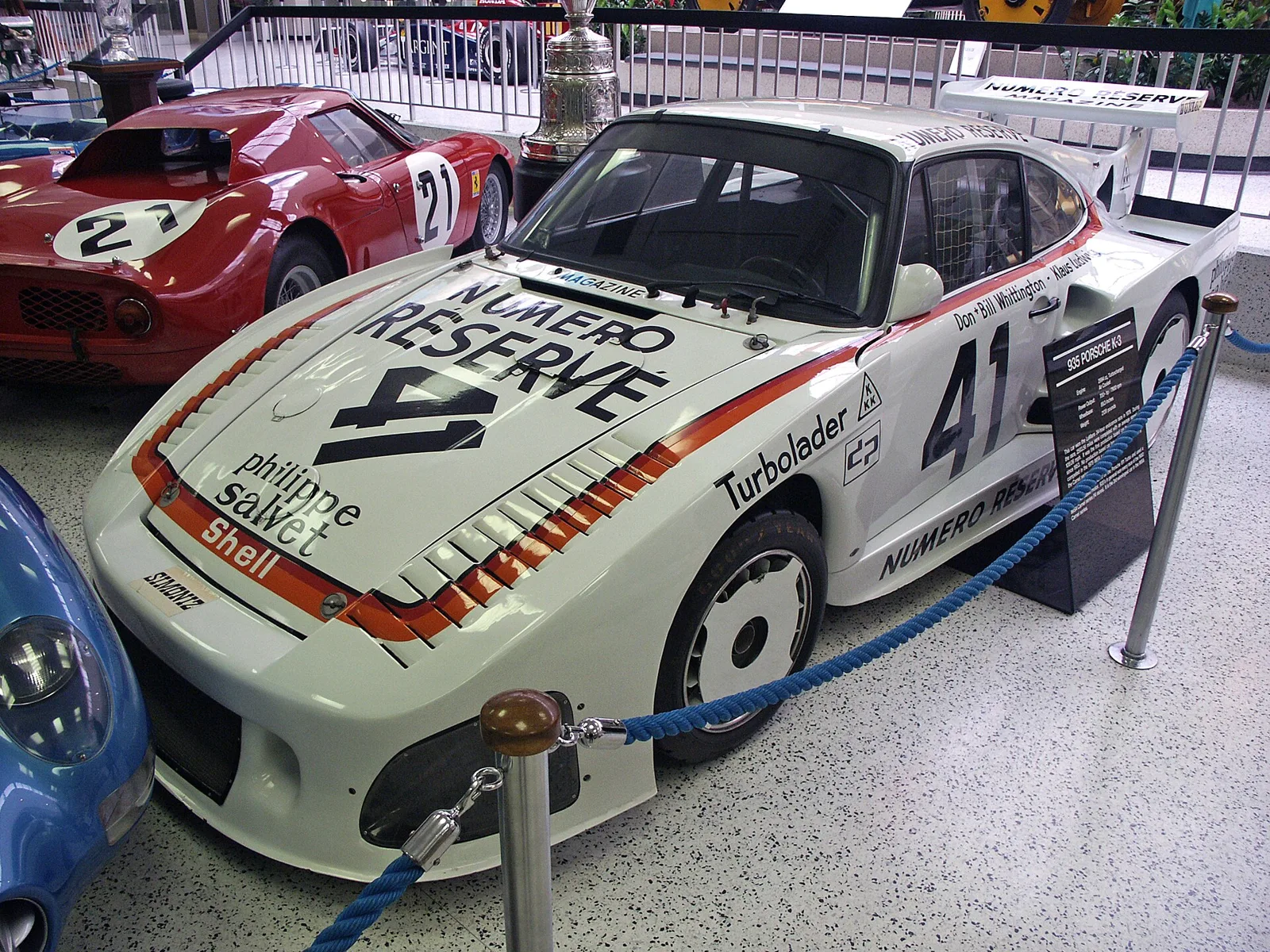
Porsches dominated the IMSA class too. Dick Barbour brought two cars, one driven by Brian Redman with John Paul Senior and one by Barbour himself, while the Whittington brothers, Bill and Don, took over Joest's car and signed Franz Konrad. Five Ferrari 512 BBs were entered, and an American Chevrolet Monza ran a 5.7-litre engine. Ferrari's 4.9-litre engines came in factory IMSA specification.
How did practice set the grid?
Jacky Ickx set a new lap record of 3:27.6 to take pole for Porsche. Jean-Pierre Jabouille was almost a second behind in the first Renault, and Rolf Stommelen reached third with 3:30.9. Bob Wollek was next in the second works Porsche at 3:35.2.
Practice was not without drama. Stommelen was driving the 935-78 for the first time, and on Thursday the team chose to drive the car through the streets of Le Mans for publicity. The traffic overheated the engine and holed a piston, which forced an unplanned engine change. Twenty-four entries got under four minutes this year, where twelve had done so in 1976.
Pironi and Jaussaud kept the bubble canopy on their car, which they reckoned was worth about 15 km/h (10 mph) on the back straight. Jabouille and Depailler had the bubble removed, because it caused bad reflections at night. De Cadenet's second car was bumped from the grid despite a 19th-fastest time, because the slowest cars in several classes were culled.
How did Porsche lose its early advantage?
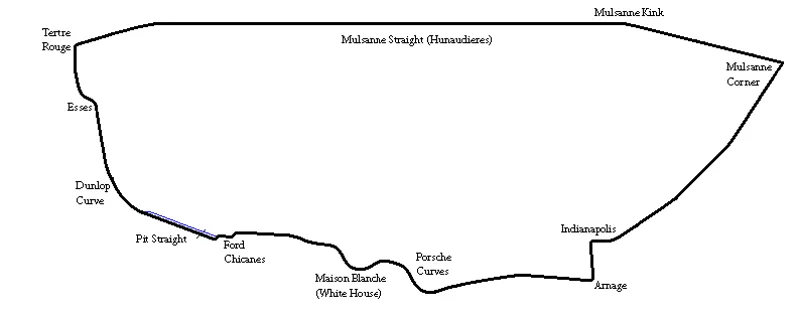
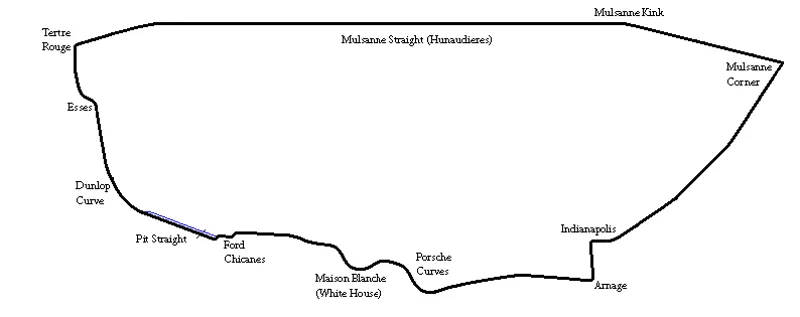
Two Porsches were already in the pits by the second lap. Jabouille passed Ickx into the Dunlop curve at the start, and by the end of the first lap he led Ickx by twelve seconds. Ickx had high fuel pressure, while Haywood's turbo pipes had come loose and his throttle had jammed, and both rejoined several laps later.
Before the main race, a half-hour event for historic cars was run on the Saturday morning. Stirling Moss, coming out of retirement, won in a Maserati 250F, with a pair of Jaguar D-Types behind him. Raymond Poulidor, the French cyclist who had recently retired, was the honorary starter for the main race.
Ickx had first been moved into the other Porsche, the Barth and Wollek car, and drove back through the field at night. Then that car lost fifth gear, and the repair cost half an hour. The Renaults stayed ahead, with Jabouille, Pironi and Jarier running 1-2-3 at the first stops.
The race had its own mechanical crises. The leading Renault came to rest out on the track with a gearbox that had jammed, and Jaussaud's sister car inherited the lead. Porsche pulled back two laps, but it could not catch the French car.
How did the middle of the race unfold?
Renault held 1-3-4 at the halfway point, with Porsches running 2-5-6-7 behind. The Porsche turbo pressure was raised from 1.4 to 1.5 bar, and a series of stops for wheel fittings slowed the car. Jarier and Bell's Renault broke a transmission at 2:30am, which left the French team uneasy.
Earlier, at dusk, Jabouille and Depailler had returned to the lead after Pironi's car spent seven minutes changing brake pads. Ickx, meanwhile, drove an epic stint through the night with Wollek, and together the two were consistently fast, while Porsche pushed its leading car's turbo pressure up to hunt the Renaults down.
A Toleman Osella crashed at high speed at the Mulsanne kink after a puncture, and Dieter Quester was cut on the face. At 4am Pescarolo pitted with electrical trouble and lost six laps, while Haywood lost four laps to a power loss and a 935 needed a new fuel pump. The Mirage throttle linkage then broke, which cost 80 minutes and dropped the car to 17th.
What happened to the cars in the morning?
In the cooler air Jabouille set the fastest lap of the race at 3:34.2. Bob Garretson rolled his Barbour 935 at the Mulsanne kink, and at 7am Tony Charnell's Mogil Chevron shed a suspension link at more than 260 km/h (160 mph) and ended up in the trees. Charnell was uninjured.
At 8.30am Christian Debias went off at full tilt in the turbo WM P78 on the Hunaudieres straight. The car broke in three and tore the barrier out of the ground, and Debias suffered a fractured skull and broken ribs. He made a full recovery.
The Porsche challenge faded when Wollek lost fifth gear at 9am, and that cost 37 minutes. Later Jochen Mass crashed in the Porsche Curves, and the works 935 spent nearly three hours in the pits.
Why did the Renault lead change hands?
Depailler's Renault had led for eleven hours until it coasted to a halt at Mulsanne with a holed piston. Pironi and Jaussaud, a lap down, inherited the lead, seven laps clear of the Haywood and Gregg Porsche. Jabouille was then switched to the Calberson car to help see it through.
Before noon the Barth, Wollek and Ickx car had overtaken its team-mate to take second place. Ickx had driven the car through the night and the morning. The Renault took the win with a comfortable margin, and the Porsches could not close the gap.
The leading finishers
| Position | Car and drivers | Note |
|---|---|---|
| 1 | Renault Alpine A442B: Didier Pironi, Jean-Pierre Jaussaud | Winner after a record race distance |
| 2 | Porsche 936: Jacky Ickx, Jurgen Barth, Bob Wollek | Five laps behind the winner |
| 3 | Porsche 936: Hurley Haywood, Peter Gregg | Works car, behind the Ickx car |
| 4 | Calberson Renault | Eleven laps behind its team-mates |
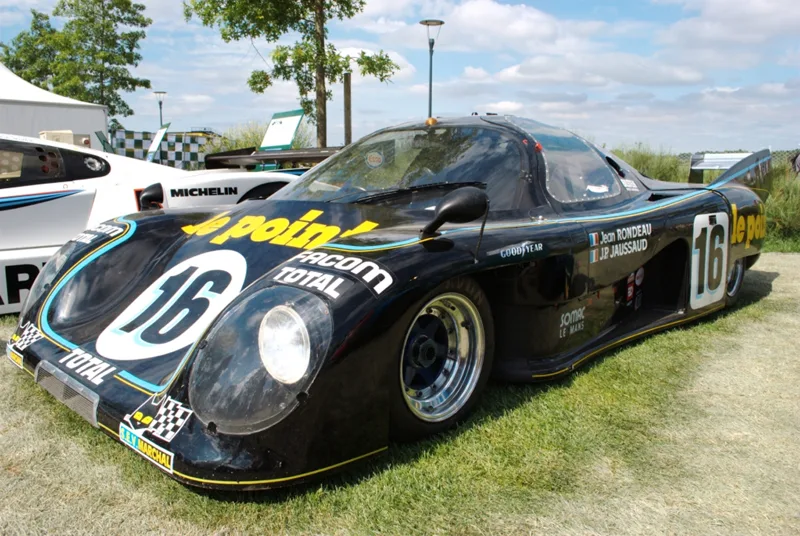
Four Porsche 935s finished next, and the IMSA-class winner was the Dick Barbour Racing car, which finished a lap ahead of Kremer's Group 5 entry. Brian Redman recorded his first Le Mans finish. Jean Rondeau won the GTP class for a third straight year, finishing 15 laps ahead of his former car.
Ickx's 3:27.6 practice pole came at an average of 236.53 km/h (146.97 mph), and Jabouille's 3:34.2 was the fastest race lap at 229.24 km/h (142.44 mph). About 150,000 spectators watched the race.
Schuppan and Laffite, in the Mirage, had three gearbox malfunctions and a broken turbo, which cost four hours in the pits, yet they still finished tenth.
Was 1978 the last Renault sports-car race?
Renault's win ended the company's sports-car programme. Bernard Hanon announced straight after the race that the team would withdraw to focus on Formula One. The team had put a large effort into the race, with unprecedented testing beforehand. Its sports-car era ended there.
Pironi was exhausted at the finish and needed medical attention, so Jaussaud took the trophy for both of them. Between them the two drivers had covered 5044 km in the 24 hours, a race record. Gerard Larrousse said the sales battle in Europe had never been tougher, and that a Le Mans win was worth more commercially than technically.
Who finished the race?
Eight cars were not classified, because they had not covered 70% of the winner's distance. Marc Surer and his Sauber team missed the cut by two laps, after a gearbox rebuild and an overheating engine. The Group 4 class was won by the Porsche 911 of Anny-Charlotte Verney, which finished twelfth overall.
The World Challenge for Endurance Drivers went to John Paul Senior, helped by the extra weight given to American races that most European teams skipped. Dick Barbour took the Daytona-Le Mans Trophy with a second place at Daytona.