Renault came with its full effort, but its cars failed one by one, and the win went to a Porsche after a marathon night drive and a clock on the steering wheel.
The 1977 race ran on 11 and 12 June, the 45th running of the event. Barth, Haywood and Ickx won in a Porsche 936 after the Renault team's cars failed through the night, and Ickx's long night drive was the decisive effort.
The 45th running of the endurance classic came in only the second season under the latest CSI rules. Renault arrived with a full works effort, but its cars failed one after another, and the win went to a Porsche 936 after a marathon night drive by Jacky Ickx.
Why did Porsche stay out of the Group 6 championship?
Porsche had pulled out of the Group 6 championship, arguing that there was not enough broad competition to justify the effort. Renault, meanwhile, put its main racing focus on Le Mans before its move into Formula One. That left the two works teams as the pre-race favourites, with privateers and specialists filling the rest of the entry.
The regulations had a familiar shape. The FIA kept two separate championships, one for Group 6 and another for Groups 4 and 5. The Automobile Club de l'Ouest again ran both classes in one race, which set it against the FIA, and the governing body excluded the event from its championships.
A marathon night drive, a clock on the steering wheel and a Porsche that finished on its last working cylinder.
How did the fuel rules change?
An octane rating of 100.6 was introduced, the same level used in Formula One, after Renault complained that fuel quality had hurt its cars the year before. Refuelling distance limits were dropped, although tanks were capped at 160 litres. The Index of Energy Efficiency returned, comparing average speed against a target fuel figure.
Checks at the hour-22 fuel stops meant cars could not gain by slowing late in the race. The GTP and GTX classes were borrowed from the ACO's own rules, and Group 6 allowed production engines up to 5 litres or racing engines up to 3 litres.
How big was the 1977 field?
Eighty-eight applications came in across seven classes, and 62 cars arrived for qualifying during race week. Turbocharged cars were a growing share, and 23 of the 62 used turbos. Only Porsche and Renault fielded works teams, with Inaltera, Mirage, Osella and WM supplying small-scale specialist entries.
Renault had chosen to skip the championship and concentrate on a major effort for Le Mans before turning fully to Formula One.
What did Renault change for its cars?
The A442 was lengthened and given larger 14-inch front wheels to take bigger brakes. Its test car covered more than 11,000 km at Circuit Paul Ricard and on closed autoroutes. Renault's budget reached FF3 million (400,000 pounds), and sixty mechanics were on hand.
Engineers had traced the lone car's failure the year before to low-grade fuel, so fuel was a central concern for the 1977 effort.
Three driver pairings ran the cars. Jacques Laffite and Patrick Depailler shared one, Patrick Tambay and Jean-Pierre Jaussaud a second, and Jean-Pierre Jabouille and Derek Bell the third. Hugues de Chaunac, who ran Renault's Martini Formula Two team, entered the Renault test car for the young drivers Rene Arnoux and Didier Pironi.
The Mirage team's managers, Harley Cluxton and John Horsman, considered running Renaults but upgraded the M8 instead. It received the 490 bhp Renault turbo unit in place of its Cosworth engine. Schuppan partnered Jarier in one car, and Posey shared the other with Leclere. Renault's sports director agreed to the arrangement on the condition that each car had a French driver.
How strong was the Porsche 936 challenge?
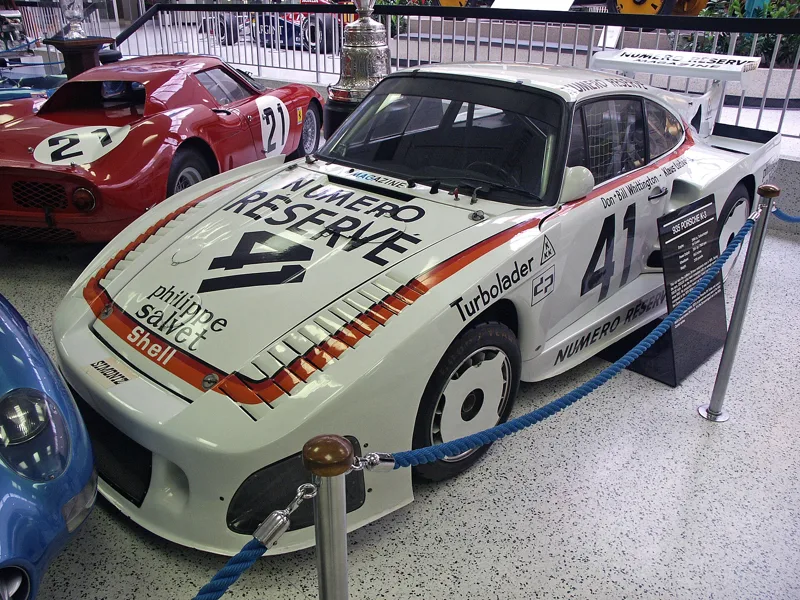
Porsche's 936 had a more aerodynamic shell. Its 2.1-litre flat-six, with twin KKK turbochargers and two exhausts, produced 540 bhp and could reach almost 350 km/h (215 mph) with the boost wound up. Ickx and Henri Pescarolo shared one car, while Barth was paired with the debutant Haywood in the other.
Alain de Cadenet returned with a modified Lola T380, the LM77, alongside Chris Craft. Rondeau's team had three Inalteras, and two of them were lightened by 95 kg to compete in Group 6. Beltoise drove one of the lightened cars with the American Al Holbert, and the other was entered by the all-female pairing of Lella Lombardi and Christine Beckers. Robin Hamilton's Aston Martin DBS V8, with 510 bhp, was the heaviest car in the field, and the French fans gave it the nickname le petit camion.
What did the smaller classes look like?
Eleven two-litre cars entered. Three ROC B36 Chevrons, which were the lightest machines in the field, ran alongside Lolas from Dorset Racing, GVEA and Lemerle. The Osella FA5 used a BMW two-litre engine, and Peter Sauber's C5 used the same engine.
In the GTP class Welter Racing's P77 had a KKK turbo that lifted it to 380 bhp, and Bernard Decure entered an Alpine A310 with the V6 engine. Robert Neyret's Lancia Stratos returned with a modified 2.4-litre Ferrari V6, and Christine Dacremont was partnered by Marianne Hoepfner.
Group 4 pitted Porsche's 934 turbos, with 480 bhp, against 911 Carreras with 340 bhp. Porsche built 13 cars for general sale at 35,000 pounds each, and the Group 5 entry list was Porsche's alone. BMW's Art Car was painted by Roy Lichtenstein that year.
Martini's works 935 went to Rolf Stommelen and Manfred Schurti, because Ickx was running the 936 and Jochen Mass had stopped doing 24-hour events. Georg Loos entered two cars, one for Klaus Ludwig with Toine Hezemans and one for Tim Schenken with Hans Heyer, the DRM champion.
How did practice set the grid?
Jabouille took pole with a lap of 3:31.7 that broke the record. Laffite was second on Thursday, and Ickx was third, seven seconds faster than his qualifying time the year before. Stommelen's Porsche was the fastest Group 5 car in sixth.
Eighteen cars got under four minutes, against twelve the year before. Wollek's Kremer was the fastest GT entry in 17th, and Osella's two-litre Group 6 car was 18th. Rondeau's Inaltera qualified 20th in 4:00.7, and the Aston Martin was the last qualifier at 4:31.8.
Tragedy touched the paddock during practice. A French translator for Dorset Racing collapsed after toxic fumes built up in the showers at the track medical centre, and he died the following day without regaining consciousness.
How did the race begin?
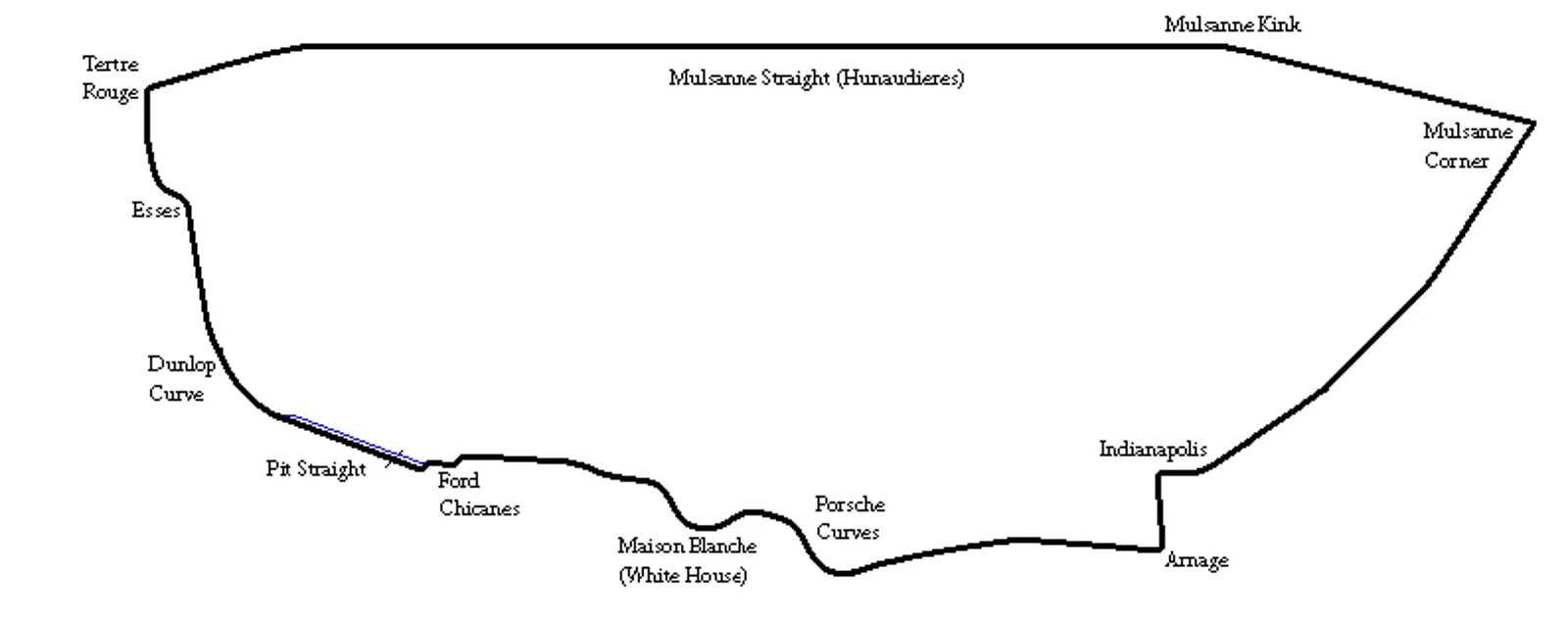
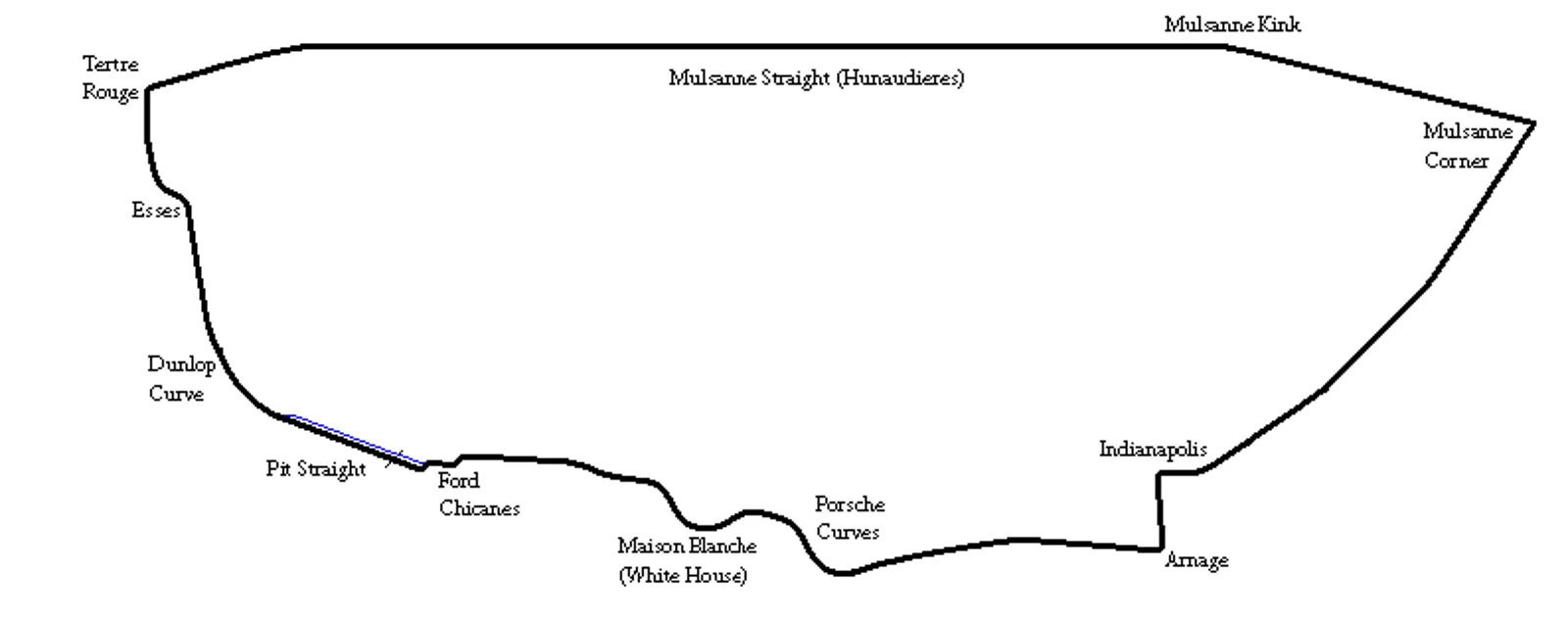
Race-day was cool and blustery, with Pierre Ugeux, president of the CSI, as honorary starter. Jabouille led the field away, while Pironi took his role as the hare. Pironi's Renault then suffered an oil-line split and caught fire on the Hunaudieres straight, but he climbed out unhurt at the Mulsanne firepost.
The first hour was hectic in the pits. Ludwig's Gelo Porsche blew its engine after four laps, and Stommelen's car came in after eight laps with a loose rocker shaft and was out before nightfall. Barth and Haywood lost 20 minutes to a faulty fuel pump and then 30 more to a blown head gasket, which dropped them to 41st. Fitzpatrick's Kremer retired on lap 15 with burnt cylinder liners.
Two hours in, Jabouille, Ickx and Laffite had each completed 31 laps, and the Renaults were refuelling after 18 or 19 laps. The Porsches managed 23 laps between stops, which gave them a fuel advantage that soon showed.
How did the night turn in Ickx's favour?
Ickx took over the sister Porsche, then 15 laps behind the leaders, and drove a night stint the equivalent of five Formula One races. His pace in the dark was barely two seconds a lap slower than in qualifying, and by midnight he had climbed from 41st to fifth.
The team had effectively ordered him to win or wreck the car, and he broke the lap record again and again as he went.
At 9pm Beltoise's Inaltera was refuelled when a hose came loose and fuel poured into the cockpit. A spark set off a flash fire, and the car took 70 minutes to get going again. At 3am Tambay's Renault engine died with no oil pressure, and an hour later Laffite and Depailler's car was parked for more than half an hour while its gearbox was rebuilt.
How did the Renaults fall away?
Jabouille's Renault blew its engine after leading for more than 17 hours, and Tambay's car had already retired in the small hours. The Porsche then led, two laps ahead of Laffite and Depailler. Ickx handed the car to Barth at 9.10am, having driven the maximum time a single driver could.
As dawn broke, a heavy shower caught out many drivers. Jabouille spun badly at the Ford chicane but avoided a collision, and Chris Craft aquaplaned off the road. By 6am the leader was 41 laps clear of the tenth-placed car, and the Sauber in tenth retired with a broken gearbox.
The Gelo Porsche was running third before 11am when it came into the pits smoking. A turbo change took only 12 minutes, but further stops failed to cure the problem, and the engine gave up on the track an hour later. The last Renault broke a piston near midday, leaving the Porsche 16 laps ahead of the Mirage.
How did Barth bring the Porsche home?
Less than an hour from the finish, Haywood came in with smoke trailing from the Porsche, and it was another holed piston. The mechanics cut out the faulty cylinder, and Barth was told to wait. With ten minutes to go and five laps lost, he went out again with a clock fixed to the steering wheel.
He completed two careful laps to take the win, with the margin over the Mirage trimmed to 11 laps. That was still the biggest winning margin of the decade. Ballot-Lena and Gregg finished third in a Porsche 935, 16 laps further back.
The leading finishers
| Position | Car and drivers | Note |
|---|---|---|
| 1 | Porsche 936: Jurgen Barth, Hurley Haywood, Jacky Ickx | Winner after a holed piston and careful final laps |
| 2 | Mirage: Vern Schuppan, Jean-Pierre Jarier | Eleven laps behind the winner |
| 3 | Porsche 935: Claude Ballot-Lena, Peter Gregg | Group 5 winner, 16 laps further back |
By the final hours only 23 cars were still running. The Porsche led the Mirage by 16 laps around midday, and the gap closed to 11 laps by the flag.
How did the Mirage team survive the fuel rules?
The Mirage team had missed the high-speed testing needed for the long Le Mans straights, so its cars were starved of air on the turbos. They ran very fuel-rich and used one fifth more fuel than the works cars, which kept the engines cooler and protected the pistons.
Jabouille's 3:31.7 was also the fastest practice lap, and Ickx's fastest race lap was run at 226.81 km/h (140.93 mph). The crowd was put at 170000.
Why did the 1977 win matter?
Ickx's fourth Le Mans victory equalled Olivier Gendebien's mark, and Gendebien was at the track to see it. The Renault effort ended with no car finishing in the top two, which left the result to the Porsche and Mirage teams.
After the race the Inaltera chairman left the team, and its board sold the cars. Rondeau could not raise the money to buy them, so they went to the Swiss race-engine specialist Heini Mader.