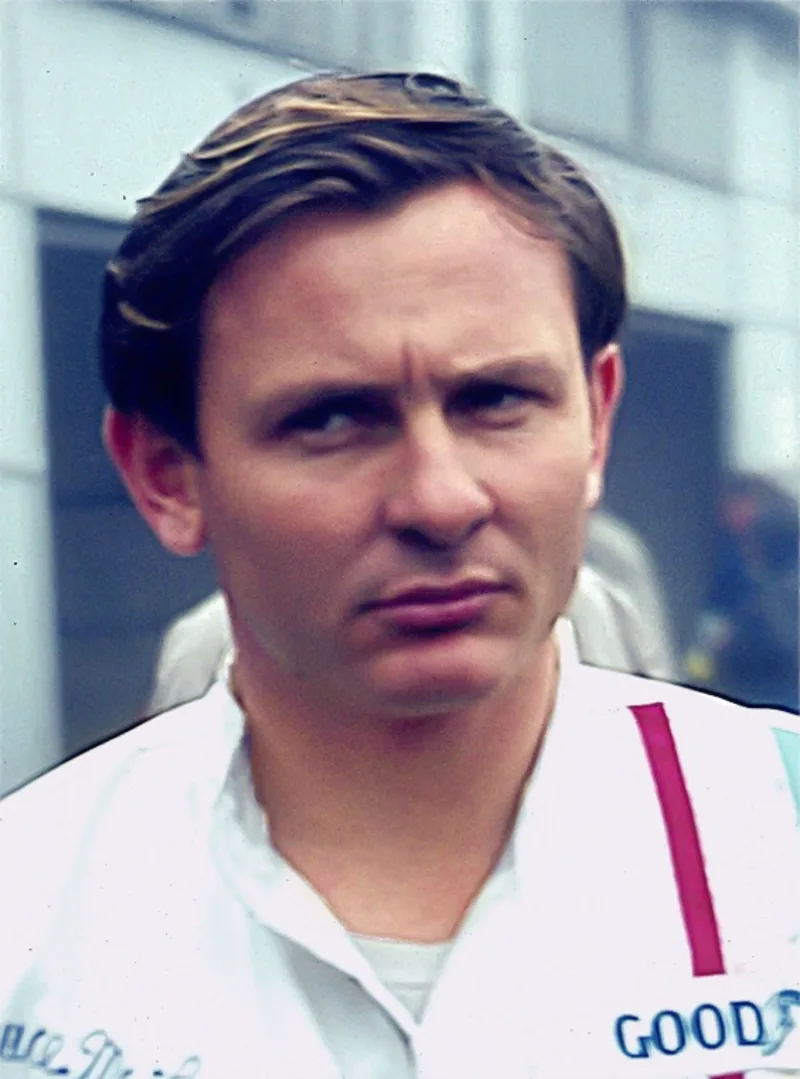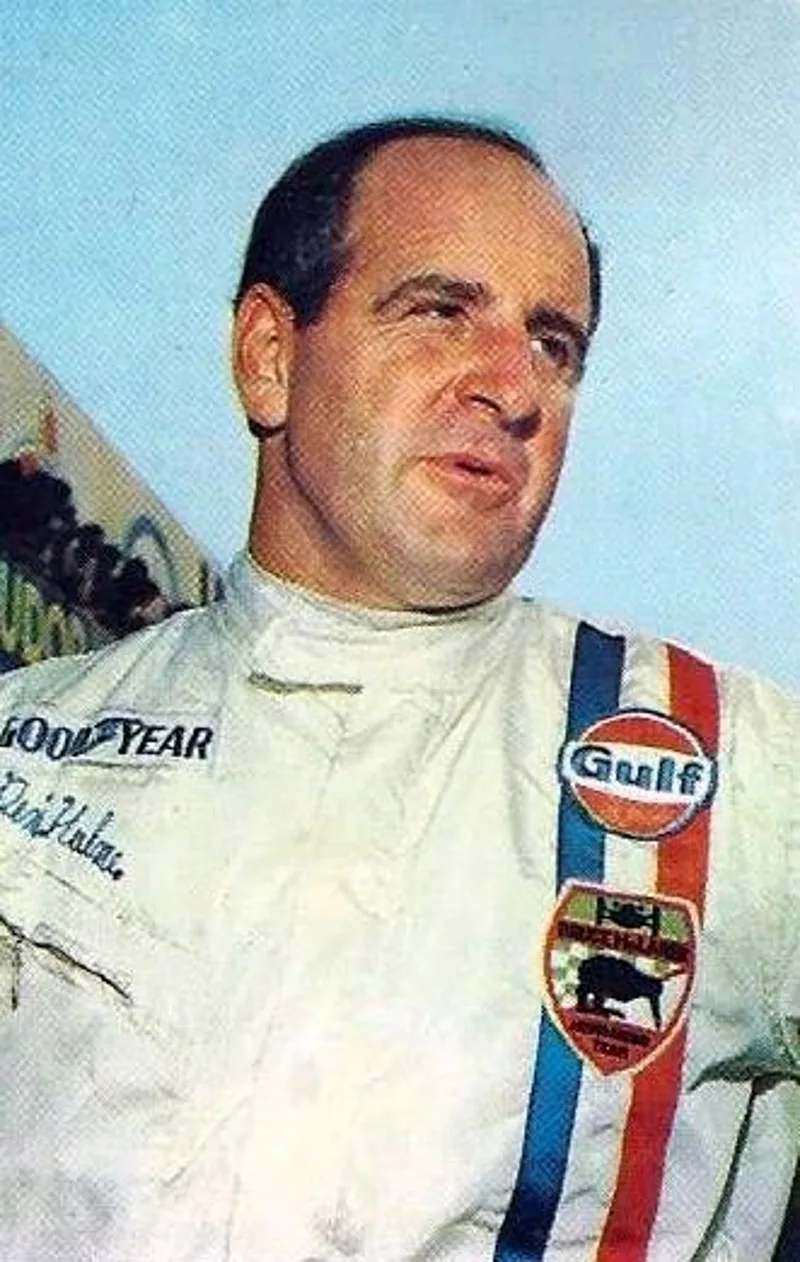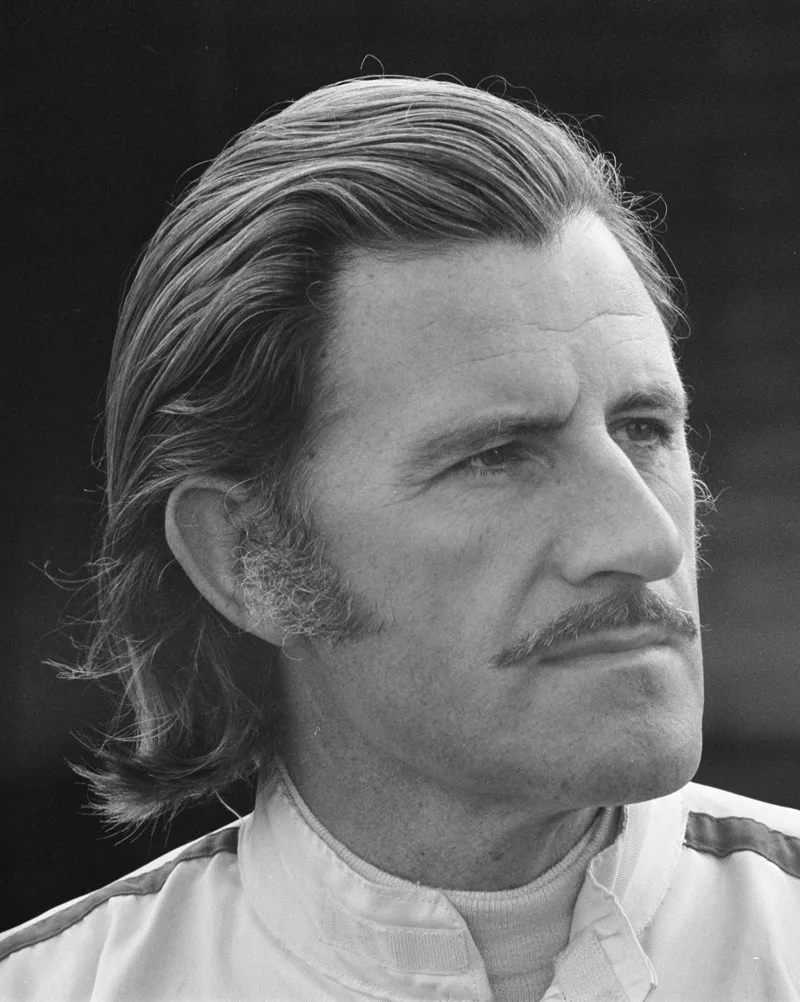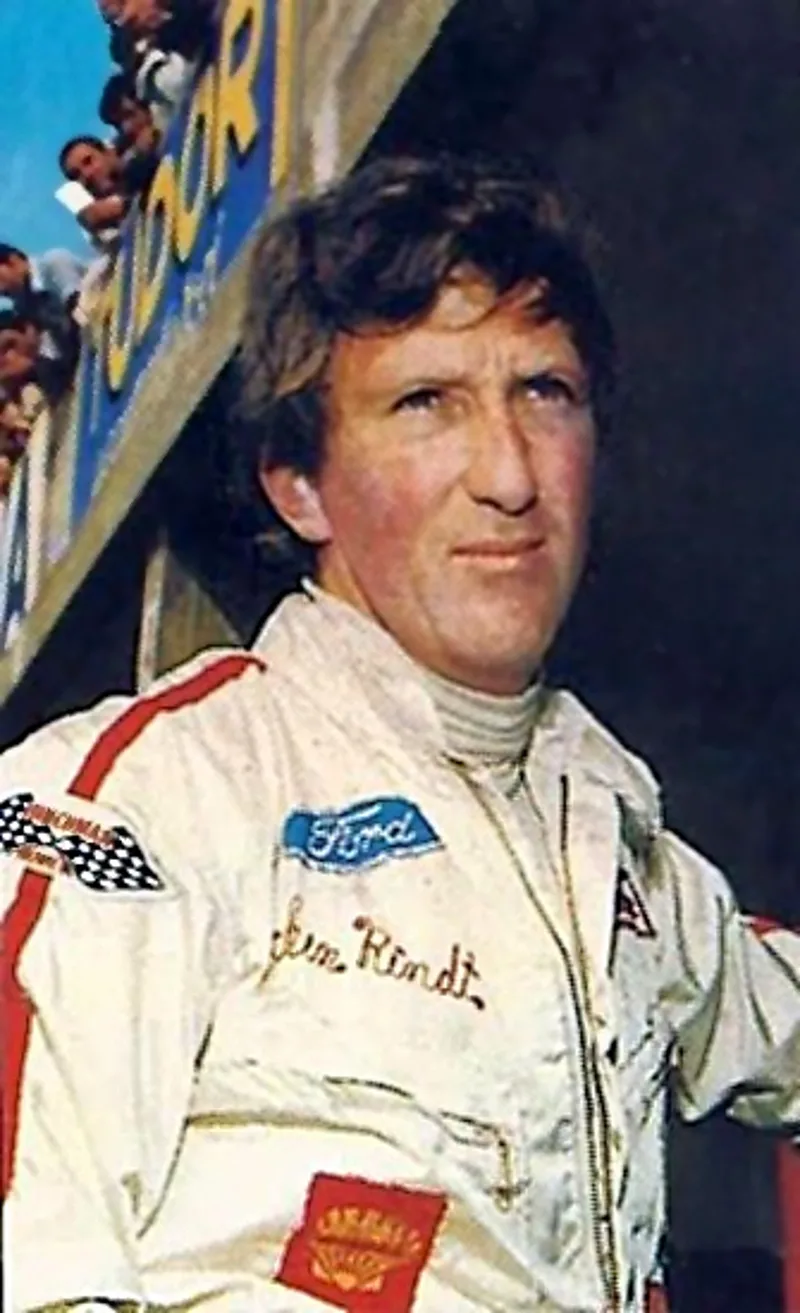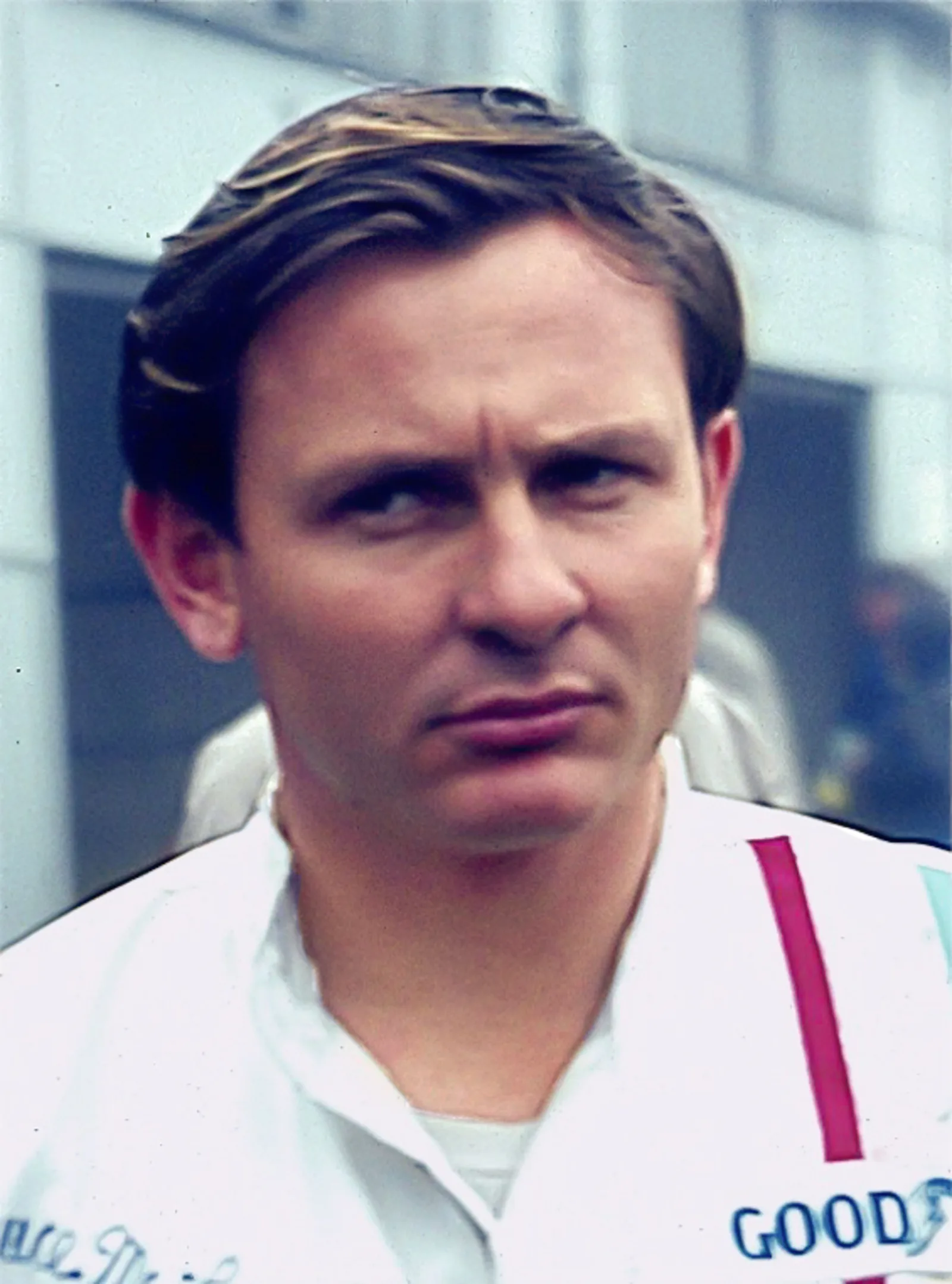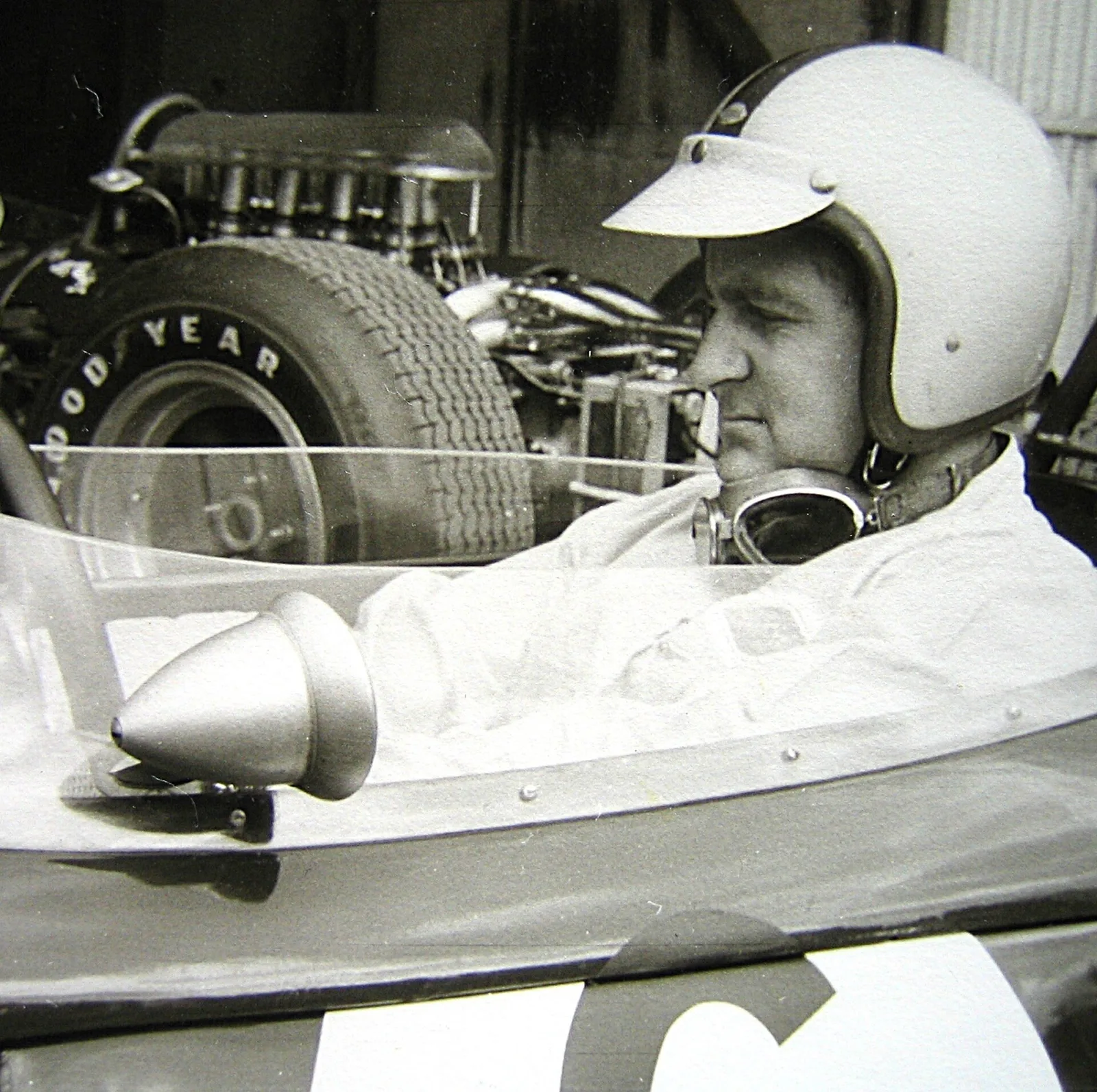
A New Zealand racer who took the 1967 Formula One title for Brabham, dominated Can-Am with McLaren and died at the wheel at Bathurst in 1992.
Denny Hulme was a New Zealand driver who won the 1967 Formula One world title for Brabham and took two Can-Am championships with McLaren. He won eight Grands Prix, reached the podium 33 times and died at the wheel during the 1992 Bathurst 1000.
Denny Hulme was a New Zealand racing driver who claimed the Formula One world title in 1967 while driving for Brabham. He was the only New Zealander to take that title, and he later won two Can-Am championships with McLaren. His career ended on the track in 1992, when he died at the wheel during the Bathurst 1000.
Who was Denny Hulme?
Denis Clive Hulme was born on 18 June 1936 on his family's tobacco farm at Motueka, New Zealand. Known as 'The Bear', he raced in Formula One from 1965 to 1974, won eight Grands Prix and reached the podium 33 times. His career also included Can-Am titles, Indianapolis 500 starts and sportscar wins.
His father, Clive Hulme, had been awarded a Victoria Cross as a sniper in the Battle of Crete in 1941. Denny first handled a truck perched on his father's knee, and by six he was driving alone. Later the family farm at Pongakawa, near Te Puke, became the setting for his early motoring.
Hulme had a gruff manner that hid a more sensitive side. People who knew him said he found it hard to express his feelings away from a racing car. He raced barefoot early in his career because he believed it gave him a better feel for the throttle, and he stopped that habit when he moved into the more tightly regulated European championships in 1960.
The Bear won a world title, two Can-Am crowns and a reputation for speed on every type of track.
How did Hulme start his racing career?
Hulme started in hillclimbs with an MG TF and later bought a Cooper-Climax. He was picked for New Zealand's Driver to Europe programme and raced Formula Junior and Formula Two. He won the 1961 New Zealand Gold Star title, then joined Jack Brabham's Formula Two squad after a season with Ken Tyrrell's team.
The early European years were not easy. In 1960 Hulme won the Gran Premio di Pescara in Formula Junior, but New Zealand newspapers barely mentioned it and wrote almost only about Bruce McLaren. The same year fellow New Zealander George Lawton crashed fatally at Roskilde in Denmark, and Hulme was with him as he died.
Hulme also took a class win at Le Mans for Abarth in the S850 class. Back in single-seaters, he worked as a mechanic in Brabham's Chessington garage while racing for the team, and in 1963 he won seven International Formula Junior races. That season he also took his first big saloon car victory, in the Motor-sponsored Six-Hour. Victory came only after the cars that had led on the road were struck off for engine irregularities, and Hulme shared the win with Roy Salvadori.
By 1964 Hulme and Brabham were a dominant pairing in Formula Two. They finished one-two in the FFSA Trophees de France series that year and repeated the feat in 1966. Hulme also won the non-championship Grote Prijs van Limborg in 1964 and the Spring Trophy in 1965, and his Formula One opportunities came through these results.
How did Hulme win the 1967 world title?
Hulme made his Formula One debut at Monaco in 1965 and scored his first points that year. In 1967 he won at Monaco and on the Nurburgring Nordschleife, and he took the Drivers' Championship by five points from Jack Brabham. He was the first and, to date, only New Zealander to win the world title.
His first full season, in 1966, saw him finish as the outright number two at Brabham behind Jack himself. He ended the year fourth in the standings. Reims brought a third place, Brands Hatch a runner-up finish, and he set the quickest lap at Zandvoort. Ignition problems ended his race there after he had set the fastest lap.
The 1967 season was largely an internal contest inside the Brabham organisation. Lotus, with its new car, gave Jim Clark and Graham Hill a chance to challenge at the front, while Brabham and Hulme were the consistent and reliable pairing. Hulme's Monaco win came in a race marred by the fatal crash of Lorenzo Bandini, who had been chasing Hulme when he went off.
The Nordschleife win was just as important. The circuit, often called the Green Hell, demanded a different kind of car control from Monaco, and Hulme's success there showed his versatility on any type of track. The title was decided by five points over Brabham and a further five over Clark.
Why did Hulme move to McLaren in 1968?
Hulme moved to McLaren for 1968, joining the squad run by fellow New Zealander Bruce McLaren. The pair had already dominated the Can-Am sports car series from 1966, while McLaren's Formula One record was less impressive. The arrival of the Cosworth DFV V8 in the M7A chassis gave the team its first real step forward that season.
The first season was a slow start. At the South African race, held at Kyalami, Hulme used an older BRM V12 engine on an old M5A chassis and still brought the car home fifth. The team then installed the Cosworth DFV V8 in the new M7A chassis, and the results improved quickly.
Hulme won the BRDC International Trophy that year, a non-championship event, and then finished second at the Spanish round at Jarama. He added wins at Monza and in Canada, which left him with a real chance of defending his title. The championship was decided at Mexico City, where a suspension failure on his McLaren ended his hopes.
What were Hulme's McLaren years like from 1969 to 1974?
Hulme's McLaren years from 1969 to 1974 were mixed, with a difficult start followed by a series of race-winning moments. Reliability problems and personal tragedy hit the team hard, and Hulme still managed wins in 1972, 1973 and 1974. He finished third in 1972 with 39 points and sixth in 1973.
1969 was a poor year. The revised M7A chassis struggled for reliability, and Hulme scored only 20 points, with one win at the final round in Mexico. He finished sixth in the drivers' standings, and the season showed how much depended on a chassis that was not yet right.
1970 brought a far heavier blow. Bruce McLaren was killed while testing the M8D Can-Am car at Goodwood, and the team lost its leader and friend. During practice for the Indianapolis 500, Hulme also suffered burns to his hands in a methanol fire, and he missed the Dutch Grand Prix as a result. He still finished fourth in the championship with 27 points.
The 1970 Mexican Grand Prix produced a third place, but the race was dangerous. Estimates put the crowd above 200,000, and spectators sat at the trackside, stood against the guard-rails and crossed the track itself. Drivers feared someone would be killed, and during qualifying Hulme nearly struck children who were playing a game of chicken with the cars.
1971 was poor by any measure. At Kyalami Hulme led comfortably until the rising-rate suspension ended his race after a handful of laps, and he finished ninth in the standings without a podium. The Yardley sponsorship of the team in 1972 brought fresh results. Partnered with his close friend Peter Revson, Hulme won in South Africa, took several podiums, finished third in the standings with 39 points and won the non-championship International Gold Cup at Oulton Park.
In 1973 Hulme scored his only Formula One pole position in a McLaren M23 at Kyalami, a venue he seemed to favour. He was outshone by Revson that season and finished sixth, 12 points behind his team-mate. The Belgian Grand Prix that year saw McLaren debut the Graviner life-support unit in F1, which supplied the driver with breathable air in the event of a fire.
Hulme won the Swedish Grand Prix that year. Ronnie Peterson had seemed set for a home-crowd victory, but both Lotuses ran into trouble, and Hulme chose harder tyres to pass Peterson on the penultimate lap. Hulme later said he was sorry to have taken that win from Peterson.
The end of Hulme's Formula One career came in 1974. Peter Revson was killed in March that year during testing at Kyalami, when a front suspension failure sent his car into the barriers. Hulme tried to save him, without success. He went on to win the Argentine Grand Prix after inheriting the lead, finished second in Austria, and retired at the end of the season.
How dominant was Hulme in Can-Am racing?
Hulme claimed the Can-Am crown in 1968 and 1970 and was runner-up four times. Across 52 races from 1967 to 1972 he scored 22 wins, the most of any driver in the series. Most of those results came in McLaren cars, often alongside Bruce McLaren and later Peter Revson.
The Can-Am series ran under FIA Group 7 rules, and it began in 1966. Hulme drove a Lola T70 for Sid Taylor that year without a win in Can-Am events. In 1967 he joined McLaren, taking over from Chris Amon, who had moved to Ferrari. That partnership became so successful that American fans called it the 'Bruce and Denny Show'.
The results were consistent. Hulme finished second to Bruce McLaren in 1967 with three wins in six races. He won the 1968 title with three victories in six races and 35 points. In 1969 he scored five wins in eleven races, collected 160 points and finished second to his team-mate in the standings.
The 1970 season was hard for the team after the loss of Bruce McLaren, but Hulme led with six wins in ten races and took his second Can-Am title with 132 points. Revson won the 1971 title, with Hulme second on three wins. In 1972 Hulme drove the McLaren M20 to second in the championship with 65 points and two wins in the nine-race season, which was also his final year in the series.
Did Hulme succeed at Le Mans and Indianapolis?
Hulme finished second at the 1966 Le Mans race in a Ford GT40 Mk II, sharing the car with Ken Miles. He started four Indianapolis 500 races between 1967 and 1971, finishing fourth in 1967 and 1968 and earning Rookie of the Year in 1967. A methanol fire burned his hands and kept him out of the 1970 race.
The Le Mans finish came from a plan that did not work. Two Shelby-American Ford GT40s ran first and second with Hulme and Miles in the lead, and the team had arranged for the cars to cross the line together for a dead-heat. The timekeepers ruled a dead-heat impossible because Hulme's car had qualified faster, which gave it a shorter distance. The official result gave the win to Bruce McLaren and Chris Amon.
At Indianapolis his best results came in 1967 and 1968, both fourth places. His rookie season earned the Rookie of the Year title.
How did Hulme race outside single-seaters?
Hulme also raced sportscars, touring cars and trucks outside single-seaters. He ended the 1964 Tasman Series in third place, with one victory and three podiums, and he returned to the series in 1967 and 1968, collecting a podium each year. Between 1965 and 1969 he won 12 races in the British Sportscar Championship, mostly in a Lola T70.
His sportscar record included three RAC Tourist Trophies, one of them counted toward the 1965 World Sportscar Championship.
After leaving Formula One he went back to New Zealand, where he raced occasionally in the Benson and Hedges 500 at Pukekohe Park Raceway, first in Chrysler Chargers and later in a Volkswagen Golf. In 1982 he resumed regular racing with amateur driver Ray Smith, building a team around a Holden Commodore V8 that won the New Zealand Production Car Series in 1983 and 1984.
He moved to Australia as well, racing for Frank Gardner's JPS Team BMW. The car took a class runner-up spot in the 1984 Bathurst 1000. In 1986 he returned to Europe in the European Touring Car Championship, driving a Tom Walkinshaw-prepared Rover Vitesse, and that campaign brought his fourth win in the RAC Tourist Trophy, 18 years after his third.
Hulme later linked up with Larry Perkins and joined the Holden Racing Team in 1988. His last podium came that year, when he finished second in the South Australia Cup. He also took up truck racing, running Scania trucks in New Zealand and later in the European Truck Championship.
What happened to Hulme at Bathurst in 1992?
Hulme died on 4 October 1992 after a heart attack at the wheel of his BMW M3 at Bathurst. The car drifted into the left-hand wall at about 230 km/h (140 mph) on Conrod Straight, then slid to a controlled stop against the barrier. Marshals found him still strapped in, but he was pronounced dead at Bathurst Hospital.
Hulme had reported blurred vision through the team radio during the race, a problem first put down to the heavy rain. The Bathurst 1000 at Mount Panorama was one of his favourite events, and he was driving a semi-works BMW for Benson and Hedges Racing when he collapsed.
His son, Martin Clive, had died on Christmas Day 1988, aged 21. Family accounts from that period say his health declined after that loss, and his sister later said he had died of a broken heart. That account is a family view rather than a medical finding, and it should be read as such.
What legacy did Hulme leave?
Hulme is remembered as New Zealand's only Formula One world champion, and his awards and memorials reach across both countries. He was named New Zealand Sportsman of the Year in 1967 and won the Hawthorn Memorial Trophy in 1967, 1970 and 1974. The 1992 honours list made him an OBE for services to motorsport.
Halls of fame have recognised him in several countries. He entered the New Zealand Sports Hall of Fame in 1993, the New Zealand Motorsports Wall of Fame in 1994, and the Motorsports Hall of Fame of America in 1998, before the International Motorsports Hall of Fame inducted him in 2002.
Two trophies carry his name: the Denny Hulme Memorial Trophy awarded at Targa Tasmania, and a trophy in the Toyota Racing Series in New Zealand. Ben Collins played him in the 2019 film Ford v Ferrari,.
Career summary by series
| Series | Years | Key results |
|---|---|---|
| Formula One | 1965 to 1974 | 8 wins, 1 pole, 9 fastest laps, 33 podiums, world champion in 1967 |
| Can-Am | 1967 to 1972 | 22 wins in 52 races; champion in 1968 and 1970; runner-up four times |
| Indianapolis 500 | 1967 to 1971 | 4 starts; fourth in 1967 and 1968; Rookie of the Year in 1967 |
| Le Mans | 1966 | Second with Ken Miles in a Ford GT40 Mk II |
| Tasman Series | 1964, 1967, 1968 | Third in 1964 with one win and three podiums; podium in 1967 and 1968 |
| British Sportscar Championship | 1965 to 1969 | 12 wins, mostly in a Lola T70; three RAC Tourist Trophies |
| Touring cars | 1982 to 1988 | New Zealand Production Car Series wins in 1983 and 1984; Rover Vitesse RAC Tourist Trophy win in 1986 |