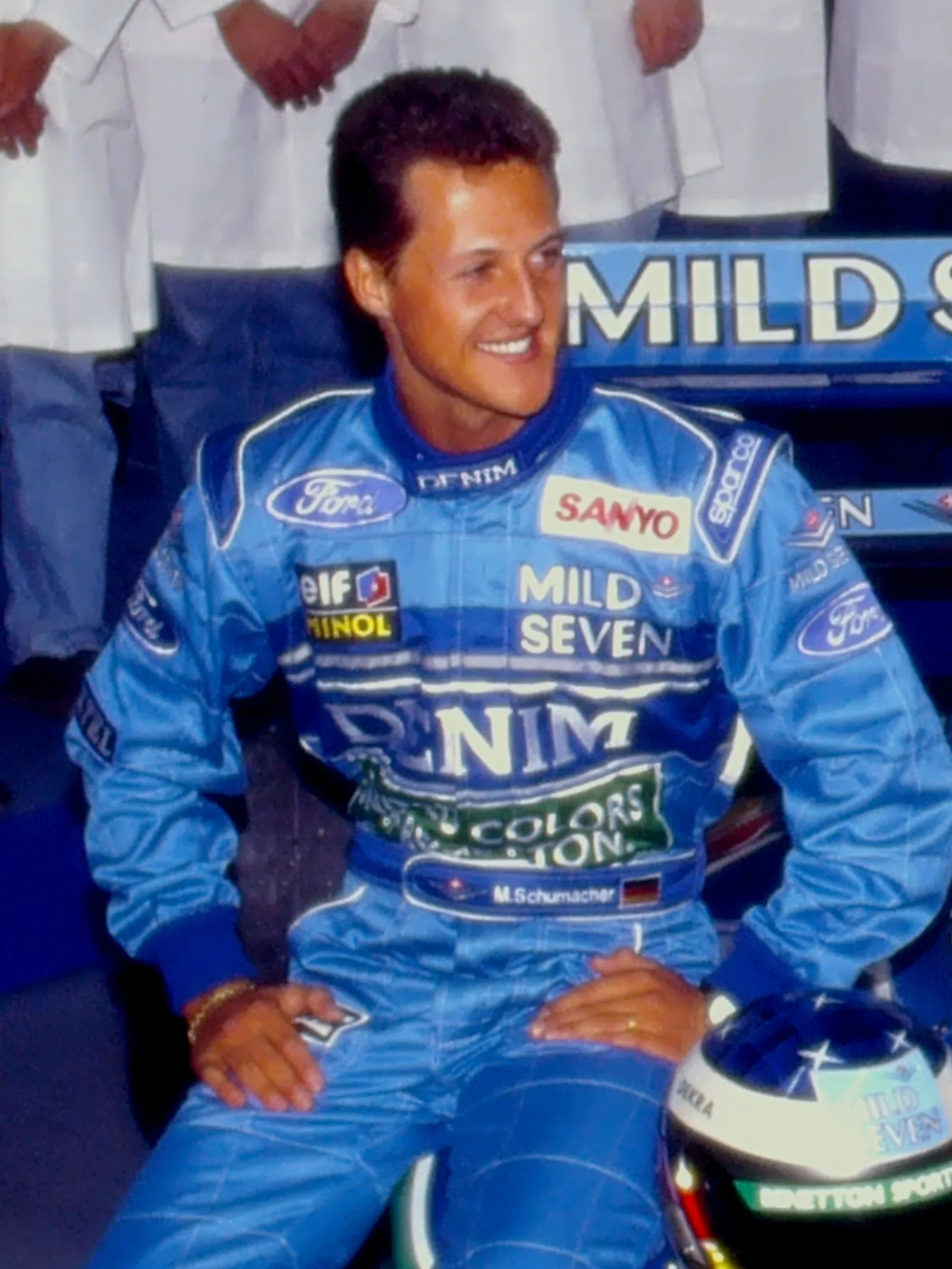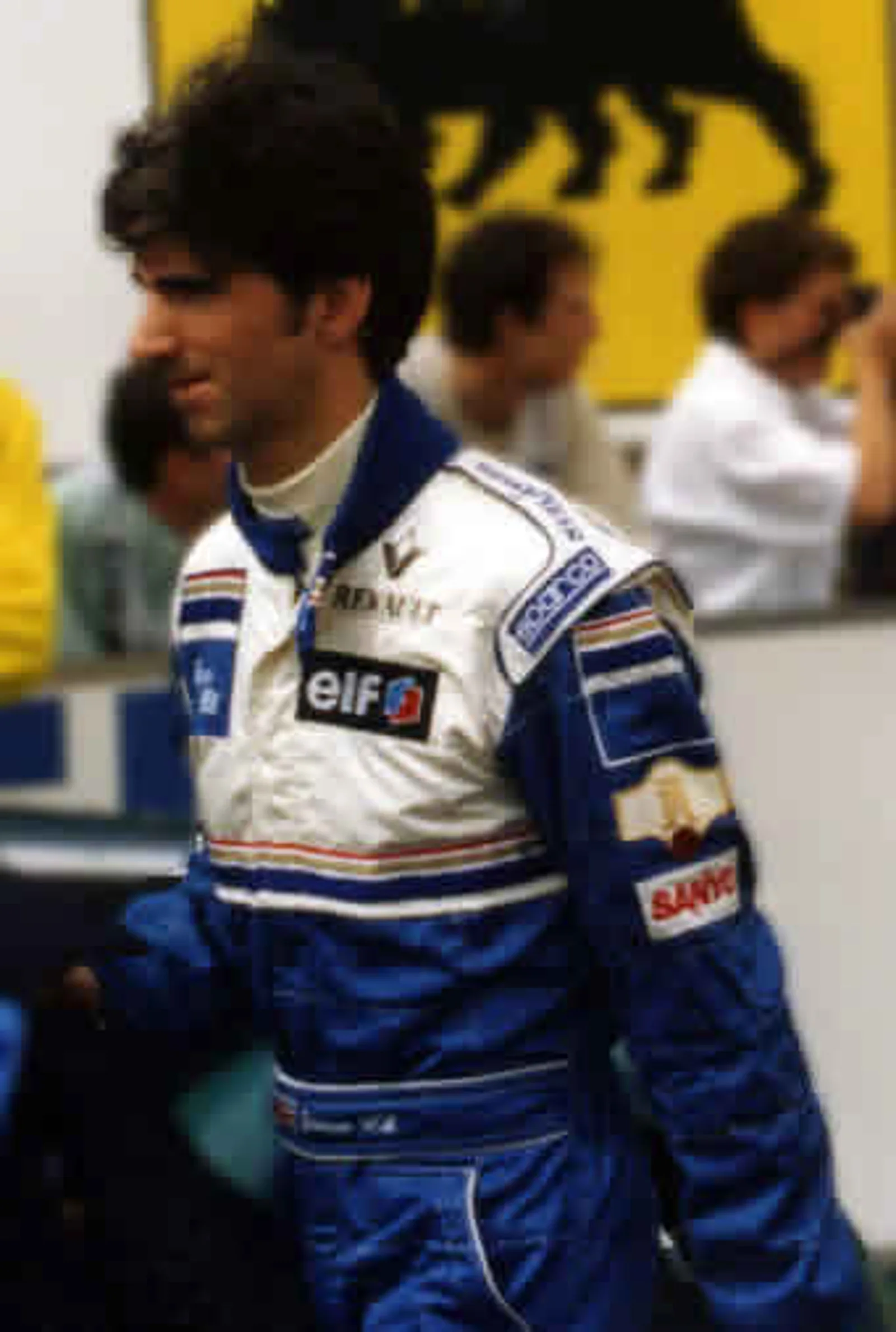
Damon Hill beat his own teammate Jacques Villeneuve to the crown on the final day in Japan, while Michael Schumacher's first season at Ferrari ended with a Spanish win that became legend.
The 1996 Formula One World Championship was the 50th season of FIA Formula One racing, with 16 races between March and October. Damon Hill won the Drivers' title in Japan, becoming the first son of a former world champion to take the crown himself.
The 1996 season opened in Australia on 10 March and closed in Japan on 13 October. Hill's title came on the last day, ahead of his Williams teammate Villeneuve, while Schumacher's first season at Ferrari produced three wins and a second place in the Constructors' table.
What changed in the rules for 1996?
The cockpit sides were raised, the cockpit opening was enlarged, and needle-like nosecones were banned. The minimum weight rose to 600 kg (1,323 lb), and a 107% rule meant cars had to be within 107% of pole time to race.
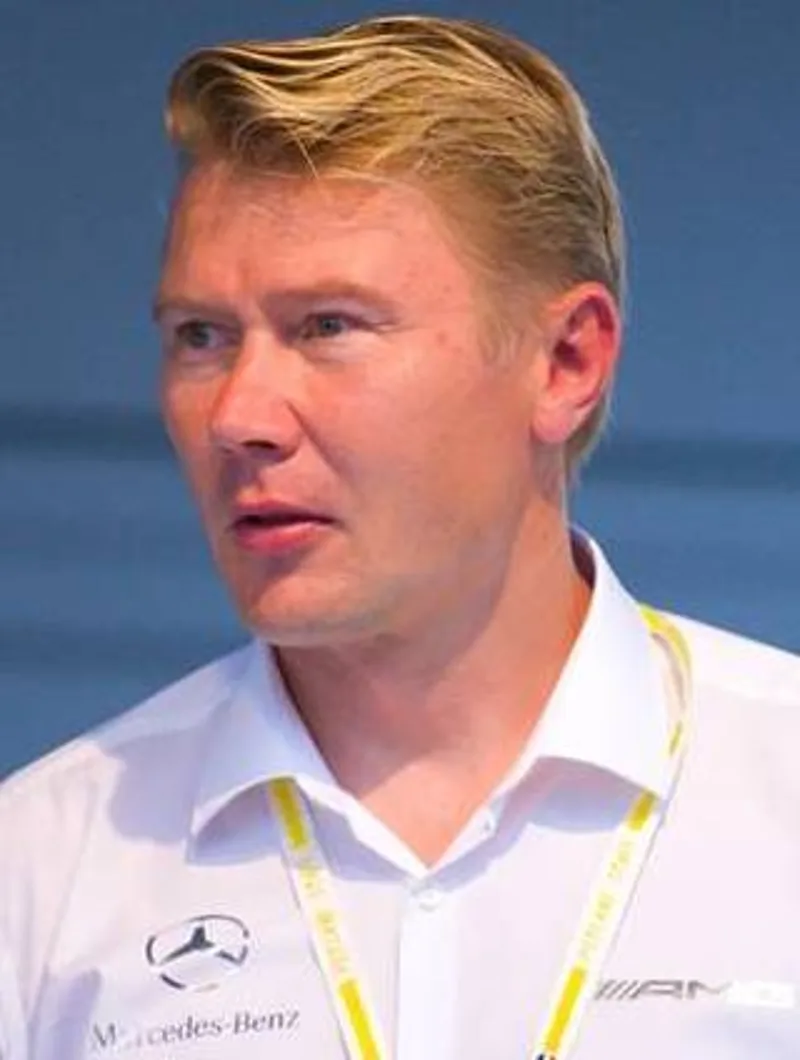
The cockpit sides rose to mid-helmet height, and a wraparound foam head restraint was added after Hakkinen's head injuries in qualifying for the 1995 Australian Grand Prix. The front tip of the cockpit opening moved to 625 mm (24.6 in) from the front wheel centre line, from 750 mm (30 in).
Needle-like nosecones with a sharp point, such as those on the McLaren MP4/10, the Forti FG01 and the Tyrrell 023, were banned. Endplates on the front wing now needed a thickness of at least 10 mm (0.39 in), protecting other cars' tyres, and the minimum weight with driver rose from 595 kg (1,312 lb) to 600 kg (1,323 lb).
The weekend format changed too. Free practice rose from two sessions to three, and the laps allocated for each day went from 23 to 30. Friday qualifying was dropped in favour of one Saturday session, with each driver limited to 12 laps.
The old red and green start lights gave way to five red lights that switch on in sequence before going out together. Car numbers were reallocated for the first time since the 1974 system, and the new system, which ran until 2013, set numbers by the previous season's constructors' order. Ferrari received numbers 1 and 2, Benetton 3 and 4, Williams 5 and 6 and McLaren 7 and 8, and number 13 was skipped.
Mercedes-Benz began supplying safety and medical cars to Grands Prix, replacing circuit-owned cars that had sometimes proved unsuitable. Continued work on circuits brought the number of high-risk corners down to two.
A title decided on the final day, a Williams team fighting itself and Schumacher's first Ferrari season set 1996 apart.
Who were the main drivers and teams in 1996?
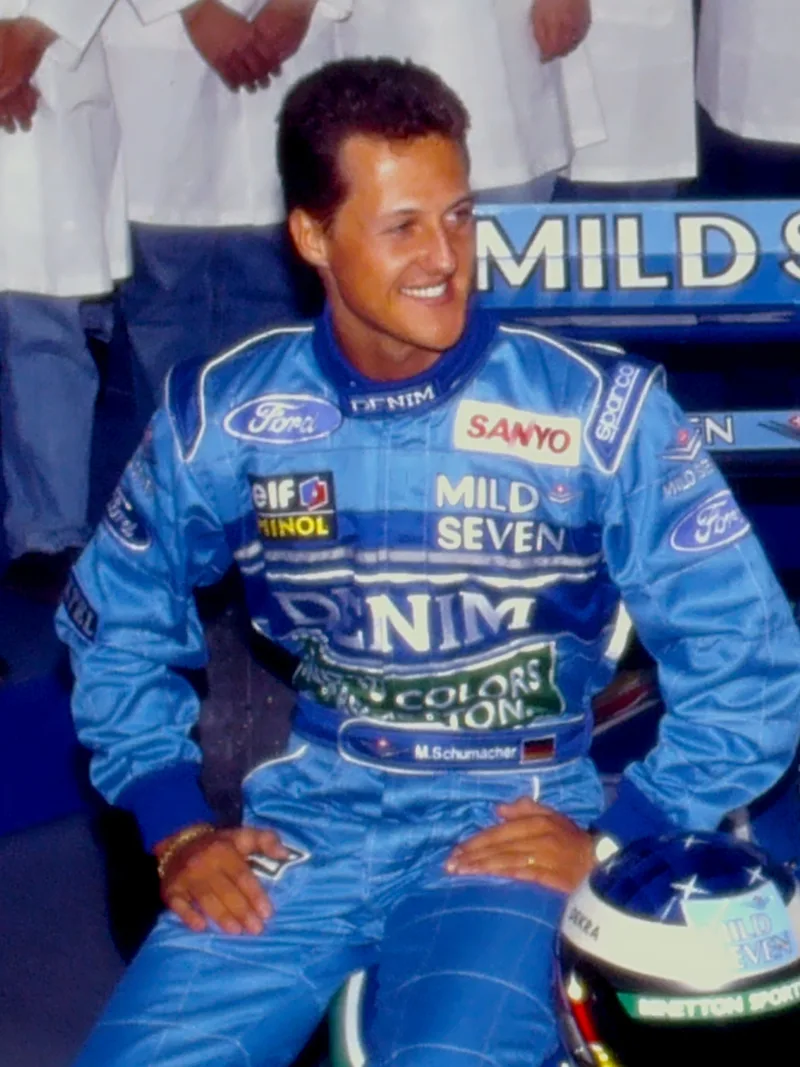
Michael Schumacher left Benetton for Ferrari, Jacques Villeneuve joined Williams as the 1995 CART champion, and Gerhard Berger moved to Benetton alongside Jean Alesi. Ferrari switched from V12 engines to V10s, the first season since 1988 with no V12 on the grid.
Schumacher's move displaced Alesi, who went to Benetton, and Ferrari filled its other seat with Eddie Irvine from Jordan. Martin Brundle replaced Irvine at Jordan and partnered Rubens Barrichello.
Williams dropped David Coulthard, who moved to McLaren alongside Mika Hakkinen, and recruited Villeneuve to partner Hill. Villeneuve arrived as a rookie after winning the 1995 CART title and the Indianapolis 500. Johnny Herbert joined Sauber alongside Heinz-Harald Frentzen after Berger's decision cost him his Benetton seat.
Benetton officially became an Italian constructor by licence, although it kept operating from its base in Britain.
Several smaller teams changed heavily. Footwork had an entirely new line-up, with Jos Verstappen and Ricardo Rosset replacing all three of its 1995 drivers. Forti fielded Luca Badoer and Andrea Montermini, while Minardi brought in Giancarlo Fisichella to partner Pedro Lamy. Tyrrell was the only team to keep its driver line-up, with Ukyo Katayama and Mika Salo unchanged.
Fisichella missed several races for Alfa Romeo commitments, and Giovanni Lavaggi replaced him from the German Grand Prix. Forti were declared bankrupt after the British Grand Prix, which left both of their drivers without a seat.
How did the opening rounds go?
Hill won the first three races in Australia, Brazil and Argentina, and Villeneuve took his first Grand Prix win at the Nurburgring in only his fourth race. The opener was the first Grand Prix at Albert Park, which had replaced Adelaide's street circuit.
The Australian race was won by Hill, but only after Williams told Villeneuve to swap places with him because of an oil leak. Irvine finished third. In Brazil, Hill took pole and won in heavy rain, with Alesi second and Schumacher third.
Hill won in Argentina despite a bout of food poisoning, and Villeneuve took second for a Williams one-two. Verstappen scored his only point of the season there. Pedro Diniz was involved in two incidents, and his Ligier later caught fire when a fuel tank valve jammed open.
At the Nurburgring, Villeneuve won the European Grand Prix, Schumacher was second and Coulthard third, just ahead of Hill in fourth. At San Marino Hill won from second on the grid, with Schumacher second despite a front brake that seized on the final lap and Berger third. Villeneuve retired near the end after being hit by Alesi.
How did the middle of the season turn?
Michael Schumacher won in Spain for his first Ferrari victory, and Damon Hill built a gap by winning in Canada, France and Germany. Villeneuve took wins in Britain and Hungary to keep the title fight open, and the standings stayed close throughout.
Monaco ran in wet conditions and finished with only three cars still running, a record for the fewest at the flag. Olivier Panis won, the only victory of his career, which was also the last Grand Prix win for Ligier and the first for Mugen engines. Coulthard was second, and Herbert scored his only points of the season with third for Sauber.
In Spain Schumacher overcame a weak start, passed Villeneuve for the lead on lap 13, and then dominated in torrential rain, earning the nickname Rainmaster. Alesi finished more than 45 seconds behind in second, and Hill's race ended on lap 12 after two spins and a trip into the pit wall.
In Canada Hill won from pole, with Villeneuve second and Alesi third. In France Schumacher took pole, but his engine blew on the warm-up lap. Hill won again, with Villeneuve second and Alesi third.
Villeneuve took his second win of the year at Silverstone, with Berger second for Benetton and Hakkinen third for his first podium since his 1995 crash. Hill retired after a wheel nut problem made him spin at Copse Corner while he was trying to pass Hakkinen.
Hill won at Hockenheim from pole, his seventh win of the season, and opened a 21-point lead over Villeneuve with five races remaining. Berger had led until his engine failed three laps from the end. Villeneuve then won in Hungary from third on the grid, with Hill second, giving Williams its fifth 1-2 finish of the season.
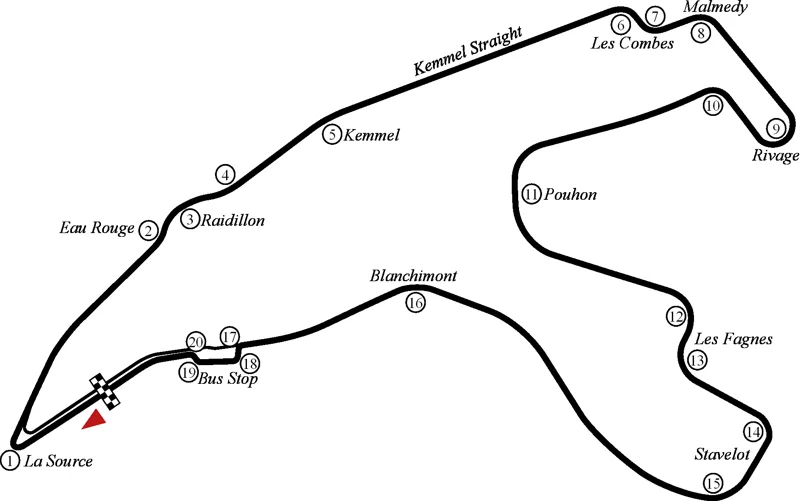
Schumacher won in Belgium after a crash in Friday practice, while Villeneuve from pole finished second. He then won at Monza, Ferrari's first win there since 1988, ahead of Alesi and Hakkinen, while Hill had taken pole and spun off on lap 6.
How did the title fight go down to Japan?
Villeneuve won in Portugal, which kept the title open into the final round in Japan. There Hill won his eighth race of the year and the title, while Villeneuve retired after a wheel came off his car, leaving the crown with Hill.
Portugal was the penultimate round. Villeneuve won from Hill in second and Schumacher third, while Alesi finished fourth. The win was Villeneuve's fourth of the season and guaranteed that the championship would be decided in Japan. Irvine and Berger survived a last-lap collision to finish fifth and sixth.
Hill led the standings before Japan, so Villeneuve needed to win with Hill failing to score. Villeneuve took pole but made a poor start, and later retired when a wheel fell off. Hill won, and Schumacher's second place for Ferrari also lifted the team above Benetton in the Constructors' table. Hakkinen finished third.
Hill's family history was unusual: his father Graham had been champion twice, in 1962 and 1968, and Damon was now a champion too.
Race-by-race results
| Race | Winner | Notable point |
|---|---|---|
| Australia | Damon Hill | Villeneuve told to swap places over an oil leak |
| Brazil | Damon Hill | Pole to win in heavy rain |
| Argentina | Damon Hill | Won despite food poisoning |
| Europe (Nurburgring) | Jacques Villeneuve | First win in his fourth race |
| San Marino | Damon Hill | Schumacher second, Berger third |
| Monaco | Olivier Panis | Only career win; three cars running at the end |
| Spain | Michael Schumacher | First Ferrari win, in torrential rain |
| Canada | Damon Hill | Villeneuve second, Alesi third |
| France | Damon Hill | Schumacher pole, engine failed on the warm-up lap |
| Britain | Jacques Villeneuve | Berger second, Hakkinen third |
| Germany | Damon Hill | Seventh win of the season |
| Hungary | Jacques Villeneuve | Williams one-two with Hill second |
| Belgium | Michael Schumacher | Second win of the season |
| Italy | Michael Schumacher | First Ferrari win at Monza since 1988 |
| Portugal | Jacques Villeneuve | Fourth win of the season |
| Japan | Damon Hill | Title decider; eighth win of the year |
Hill won eight races, Villeneuve four, Schumacher three and Panis one. The Williams pair therefore took twelve of the sixteen wins between them, which was the foundation of Williams' constructors' title.
Williams won the Constructors' title easily, as no rival was strong enough to post a consistent challenge through the season. Ferrari took second in the constructors' table from Benetton on the final day.
What was the legacy of 1996?
Hill's title made him the first son of a world champion to win the Drivers' crown himself, after finishing runner-up in each of the two previous seasons. He was also the last British champion until Lewis Hamilton in 2008.
Schumacher's first year at Ferrari came with numerous reliability problems, but the team had gradually become a front-runner by the close of the season.
The season also marked the start of the end of Williams' 1990s dominance. Hill and designer Adrian Newey were due to leave at the close of the season, and Renault would withdraw after 1997. Benetton slipped down the grid after losing key personnel and failed to win a single race.
It was the last year in which Goodyear supplied every team, before Bridgestone joined for 1997 and began a tyre war. The season also ended with no Brazilian driver on the podium, the first time since 1979.