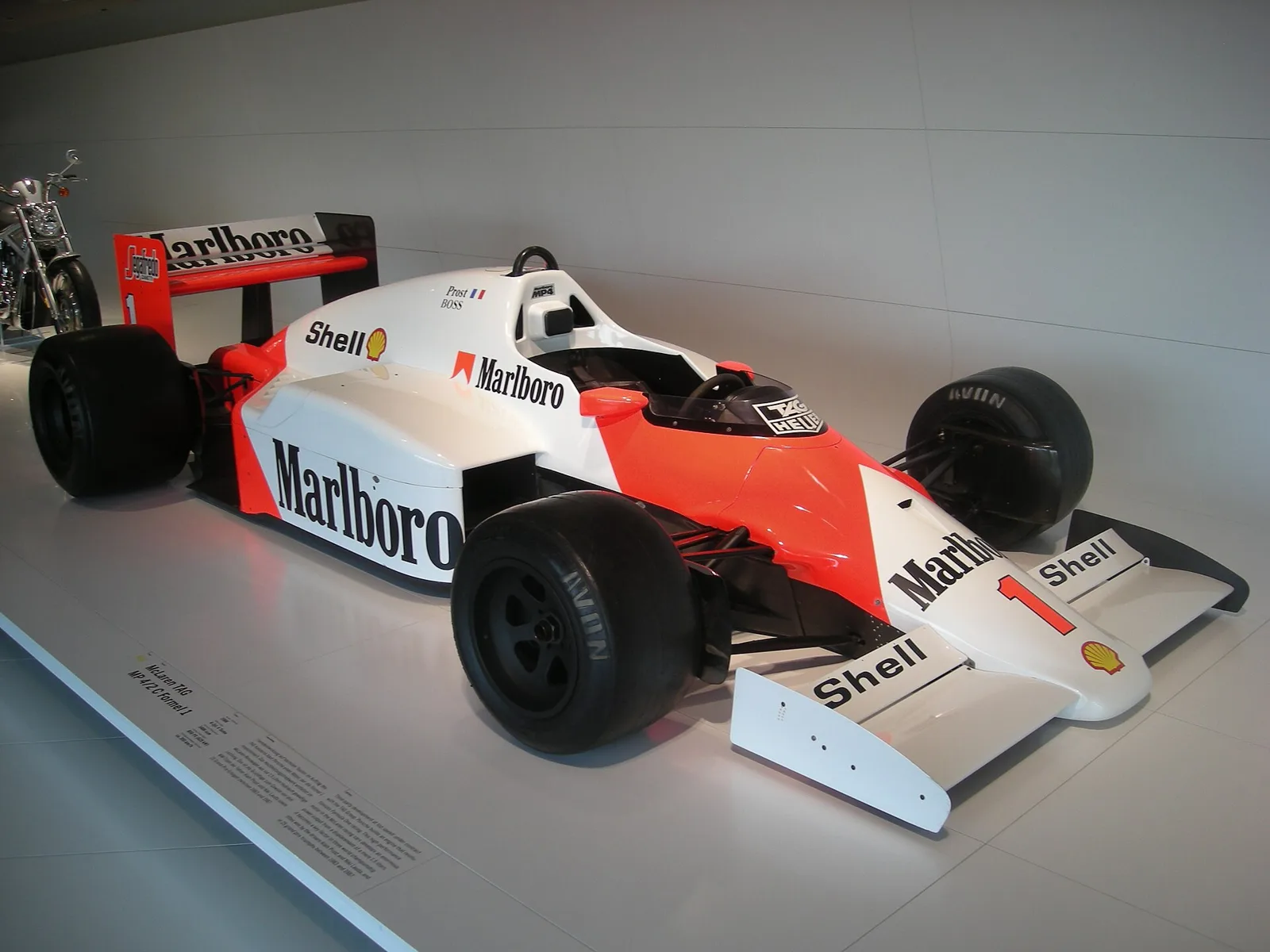
A carbon fibre TAG-Porsche car that won 22 Grands Prix across three seasons and carried Lauda and Prost to championship glory.
The McLaren MP4/2 was a turbo Formula One car raced by McLaren from 1984 to 1986, powered by a TAG-Porsche V6. It won 22 Grands Prix and contributed to three Drivers' titles, including Niki Lauda's 1984 championship by half a point. Its updates, the MP4/2B and MP4/2C, kept the car competitive until the end of 1986.
Raced by McLaren from 1984 to 1986, the MP4/2 used a TAG-Porsche turbo V6 and a carbon fibre chassis. It won 22 Grands Prix, helped secure two Constructors' titles and three Drivers' titles, and still ranks among the most successful racing chassis ever built. Its aerodynamic efficiency and reliability gave rivals a problem they struggled to solve.
Where did the MP4/2 come from?
The MP4/2 was built for the 1984 season and closely followed the MP4/1E, a test car that ran in the final races of 1983. Its carbon fibre chassis was designed by John Barnard with several colleagues. The engine was a 1.5 litre, 90 degree V6 turbo built by Porsche and designed by Hans Mezger.
The MP4/1 had previously raced with a Cosworth DFY V8, and it was modified to take the new engine. The turbo unit made its debut at the 1983 Dutch Grand Prix, after Niki Lauda insisted it needed race testing before a championship challenge. Porsche built the engines while TAG Electronics funded the whole programme.
Lauda showed the potential of the package at the final race of 1983 at Kyalami. He was second with six laps left, but an electrical failure ended his race on lap 71.
A turbo V6 car that won 22 Grands Prix and helped deliver three drivers' titles.
Who drove the MP4/2 in 1984?
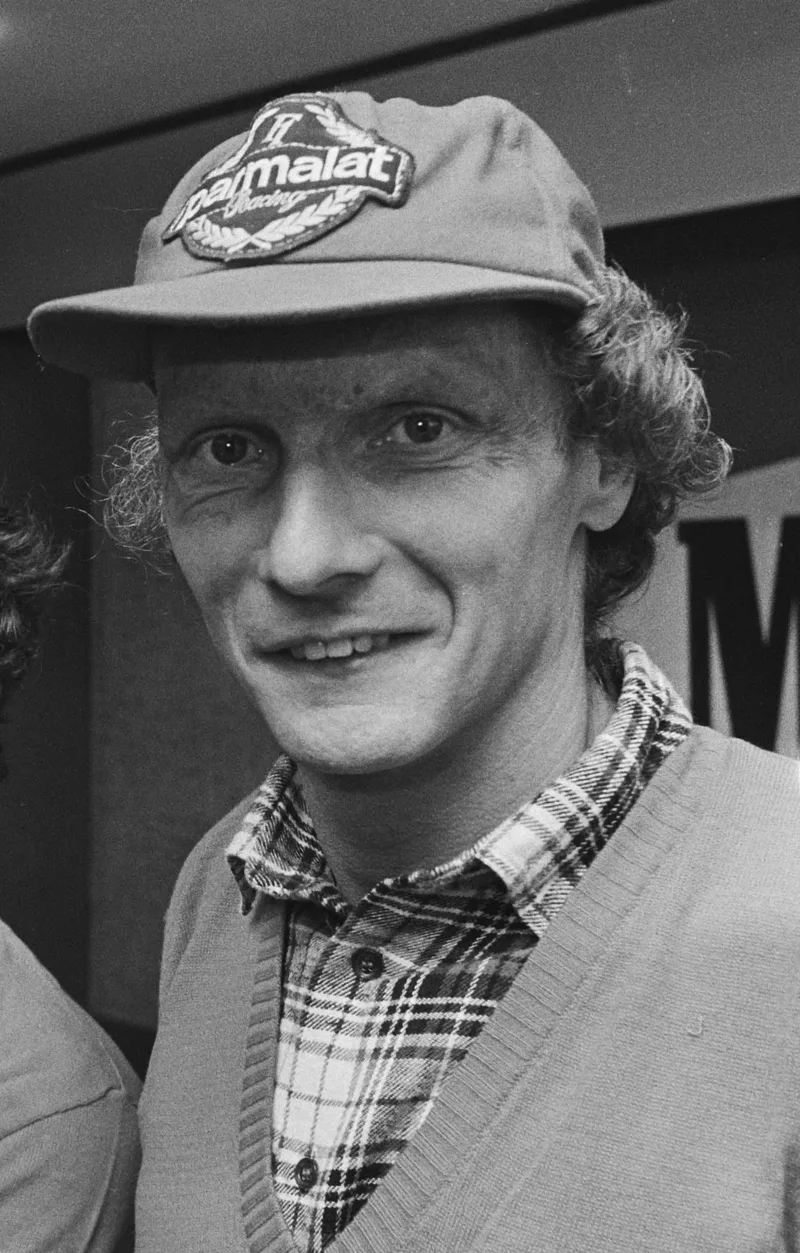
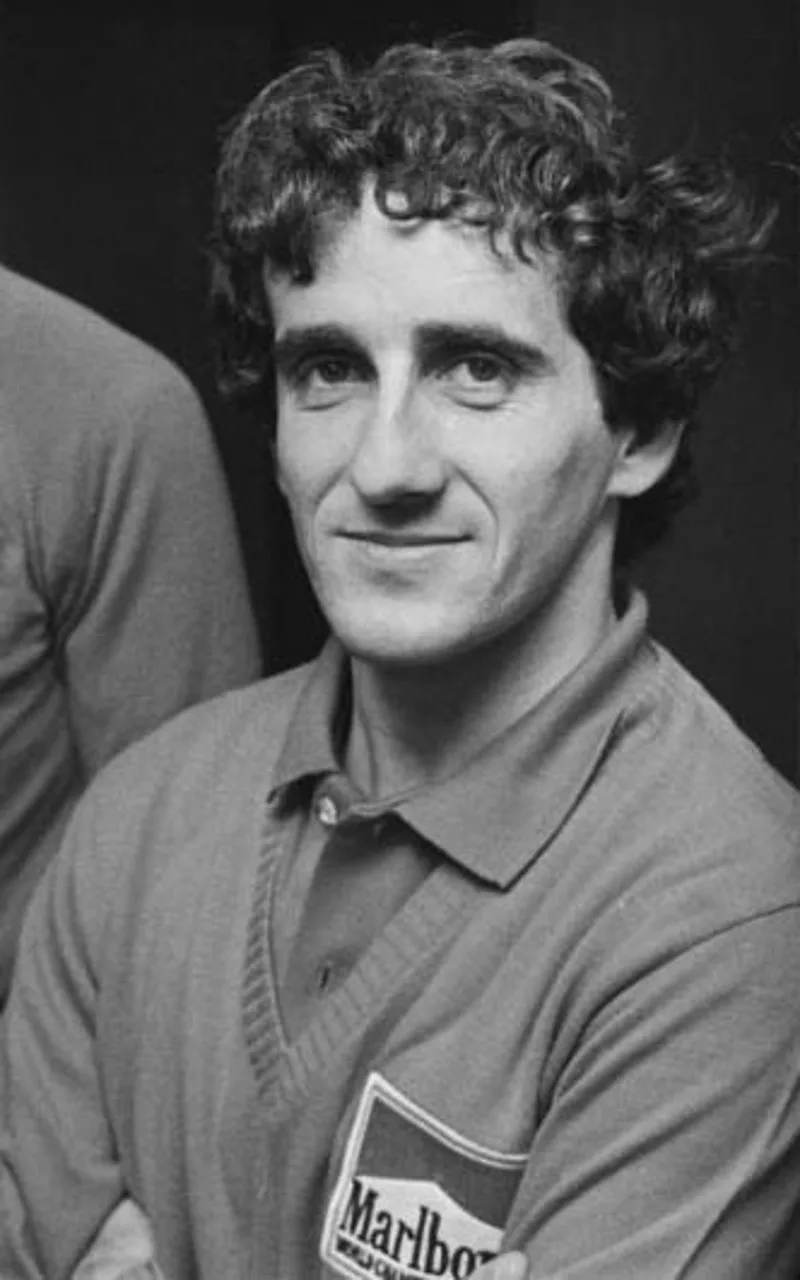
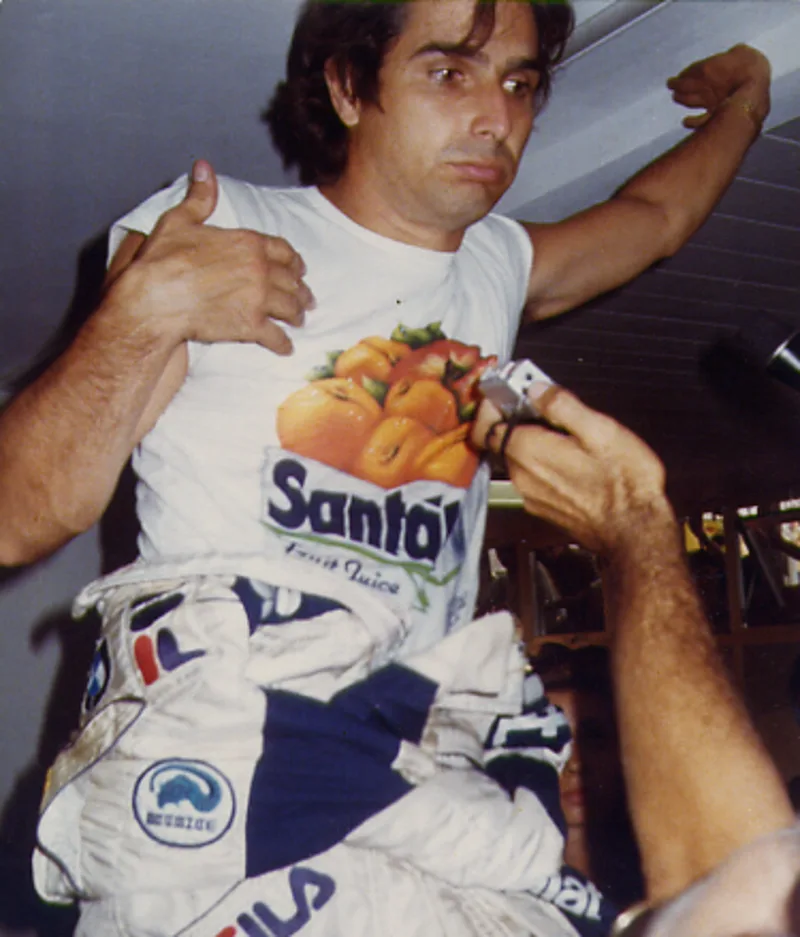
Niki Lauda and Alain Prost drove the car for 1984. Prost had narrowly lost the 1983 title to Nelson Piquet by two points before being fired by Renault two days after that season ended. Both men gave detailed feedback that pushed development further than rival teams could manage.
Lauda, twice a World Champion in 1975 and 1977, had shown in the Cosworth-powered car that he was still a winner. He often made races harder for himself by qualifying poorly, and his average grid position in 1984 was eighth. Prost averaged third, and Lauda never out-qualified his teammate.
Prost had already won nine races for Renault and was widely regarded as the best driver in the sport. He needed only a quick, dependable car to show it. The pair's input on the car and the engine kept the development programme ahead of most of the field.
Why did the MP4/2 win so often in 1984?
The MP4/2 scored 12 wins in 1984, the most by a single team in one season at that time. Its carbon brakes, efficient use of the 220 litres of fuel allowed and the skill of its drivers gave it a clear edge. The car was reliable and consistent, even if it was not always the fastest in qualifying.
Carbon brakes were an advantage on most circuits, although steel brakes lasted longer on the hot street tracks of Detroit and Dallas. The car handled best in long, high-speed corners, where its aerodynamic efficiency and rear-end traction counted most. Jacarepagua, Dijon, Silverstone, Zandvoort, Spa and Kyalami all suited it well.
Qualifying was the weak point. McLaren was the only top team not running special qualifying engines, so Nelson Piquet's Brabham BT53-BMW took nine pole positions that year. Only twice did the McLarens look outclassed on pure pace, at Zolder, where Ferrari's Michele Alboreto won, and in Canada, where Piquet won.
Both McLarens failed to finish only twice in 1984, at Belgium and Dallas, and they logged four one-two finishes across South Africa, Germany, Holland and Portugal. The team clinched the constructors' title at Zandvoort, scoring 143.5 points to Ferrari's 57.5.
The drivers' title went down to the last race. In Portugal Prost needed to win with Lauda finishing third or lower. Lauda finished second and took the championship by half a point, the closest finish in Formula One history, even though Prost had seven wins to Lauda's five.
How did the 1984 title race unfold?
The title race turned on reliability and results at the back end of the season as much as on pure speed. Lauda's win at Monza turned the drivers' contest into a two-horse race, after Elio de Angelis's gearbox failed. McLaren had already secured the constructors' title at Zandvoort, which left the drivers' fight to decide the season.
At Monza, de Angelis had a mathematical chance of upsetting the McLarens until his gearbox failed on lap 14, while Lauda went on to win. Prost's race was far shorter, finished after three laps when the TAG engine let go.
Kyalami's opening weekend began with a crash in the morning warm-up that wrecked Piercarlo Ghinzani's Osella and kept him out of the race. McLaren gained about 30 minutes to fix a misfire in Lauda's TAG-Porsche, which needed a complete electrical system replacement. Prost's car then developed a fuel pump fault as the grid cleared, so he started from the pit lane in the spare car that Lauda had used all weekend, and still finished on the lead lap.
Clive James, narrating the official season review, observed that the quick McLarens kept breaking while dependable cars arrived later at the finish. He made the remark after the second round, yet it proved an accurate summary of the team's dominance across the year.
Austria gave Lauda his only home Grand Prix win in 1984, and the Osterreichring suited the car so well that all three MP4/2 variants won there in successive years, from 1984 to 1986.
What changed for 1985 and 1986?
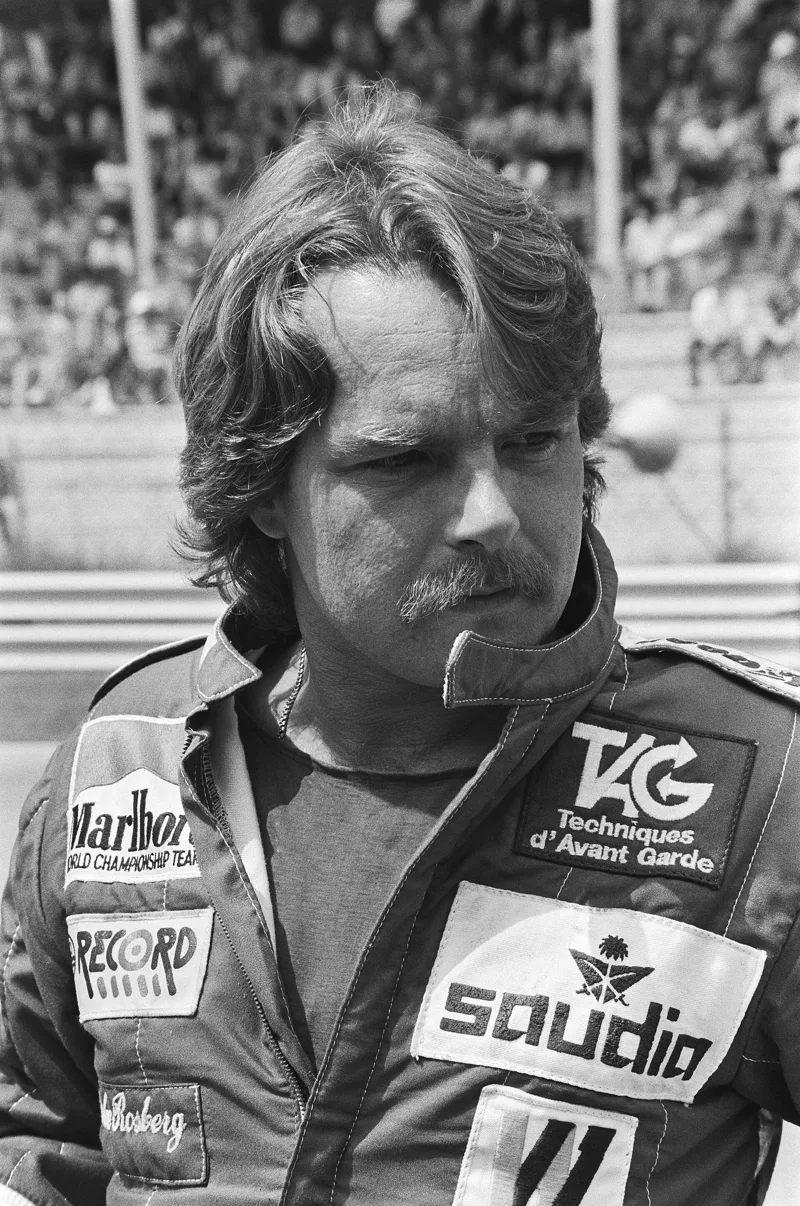
The MP4/2B arrived for 1985 with cleaner aerodynamics, redesigned wings to meet new rules banning rear winglets, and a refined TAG engine with more power. Prost won his first title that year. For 1986 the MP4/2C had only aerodynamic tweaks, and Keke Rosberg joined as Prost's teammate.
The 1985 update followed a forced change of tyre supplier. Michelin left Formula One, so McLaren switched to Goodyear and had to redesign its suspension. Porsche refined the TAG engine, lifting race output to 850 bhp (634 kW; 862 PS) and qualifying output to 960 bhp (716 kW; 973 PS).
Comments from the time pointed to a shortage of power. The engine programme was described as six months behind, and the engine would not accept much turbo boost. Prost often sat two or three seconds slower in qualifying, but in the race-morning warm-up he was usually the fastest of the field. Eddie Cheever, Prost's former Renault team-mate, later said rivals had no need to worry about him in qualifying unless he took pole, but the warm-up was the time to start worrying.
Michele Alboreto's Ferrari 156/85 fought Prost for much of the season, but McLaren's reliability and its strength on high-speed circuits told in the end. Prost clinched his first title with two rounds to spare, finishing fourth at Brands Hatch. He admitted he did not enjoy driving for points, but after losing the previous two titles by two points and half a point, he did not want a third defeat.
Lauda retired at the end of 1985, adding one final victory at Zandvoort in the Dutch Grand Prix, where he finished 0.232 seconds ahead of Prost. McLaren gave no team orders for that race, only a rule that the drivers should not take each other out. The team won the constructors' title again with 90 points to Ferrari's 82, while Williams-Honda and Lotus-Renault finished level on 71 points each.
For 1986 the MP4/2C received only aerodynamic changes. Keke Rosberg, the 1982 World Champion, joined Prost, but his heavy right foot and his ground-effect style of driving did not suit a car designed around smoother drivers. Barnard resisted changes to the set-up until mid-season, and by then he had announced he was leaving for Ferrari.
Rosberg announced his retirement before the German Grand Prix at Hockenheim, and only then was he allowed to change the set-up. He qualified on pole there, his only pole of the year, although his heavy right foot had already run him out of fuel in a few early races.
Williams' FW11 had pulled ahead of McLaren by 1986. The MP4/2's fuel tank shrank from 220 litres to 195 litres, and fuel economy suffered as speeds rose. The TAG unit still made roughly 850 bhp in race trim, against about 900 bhp (671 kW; 912 PS) from the Honda, Renault and BMW units. In qualifying, BMW was rated at about 1,400 bhp, while Renault and Honda were near 1,200 bhp. Ferrari's F1/86 struggled badly except on the very smoothest circuits.
Prost won his second title at the season-ending Australian Grand Prix. He trailed Nigel Mansell by seven points going into the race, with Nelson Piquet a further two points behind him. Rosberg, in his final grand prix, built a 30-second lead before a tyre failure on lap 62. A lap later Mansell suffered a far more dramatic tyre failure at about 180 mph (290 km/h) on the Brabham Straight.
Piquet, who inherited the lead, pitted to avoid the same problem and handed it to Prost, who finished ahead of Piquet and Ferrari's Stefan Johansson. That made Prost the first man to take two titles in a row since Jack Brabham, who had done so in 1959 and 1960.
Career record at a glance
| Measure | Figure |
|---|---|
| Seasons raced | 1984 (MP4/2), 1985 (MP4/2B), 1986 (MP4/2C) |
| Engine | TAG-Porsche 1.5 litre V6 turbo |
| Grand Prix wins | 22 (Prost 16, Lauda 6) |
| Pole positions | 7 (Prost 6, Rosberg 1) |
| Points scored | 327.5 |
| Wins in 1984 | 12 |
| Constructors' titles | 2 |
| Drivers' titles | 3 (Lauda in 1984, Prost in 1985 and 1986) |
| Fuel tank | 220 litres in 1984, 195 litres by 1986 |
Jenson Button, the 2009 World Champion, later drove Prost's MP4/2C at the 2010 Goodwood Festival of Speed, a sign of how the car's reputation has lasted. In 1986 the car also carried a yellow Marlboro logo at the Portuguese Grand Prix to promote Marlboro Lights.
The car's reputation rests on consistency, and its three seasons show how one chassis could be developed under two different drivers without losing its edge. It was not always the fastest on a single lap, yet it kept finishing, which is why it is still counted among the great chassis of its era. Rosberg was expected to push Prost hard for the title in 1986, but his style never suited the car.