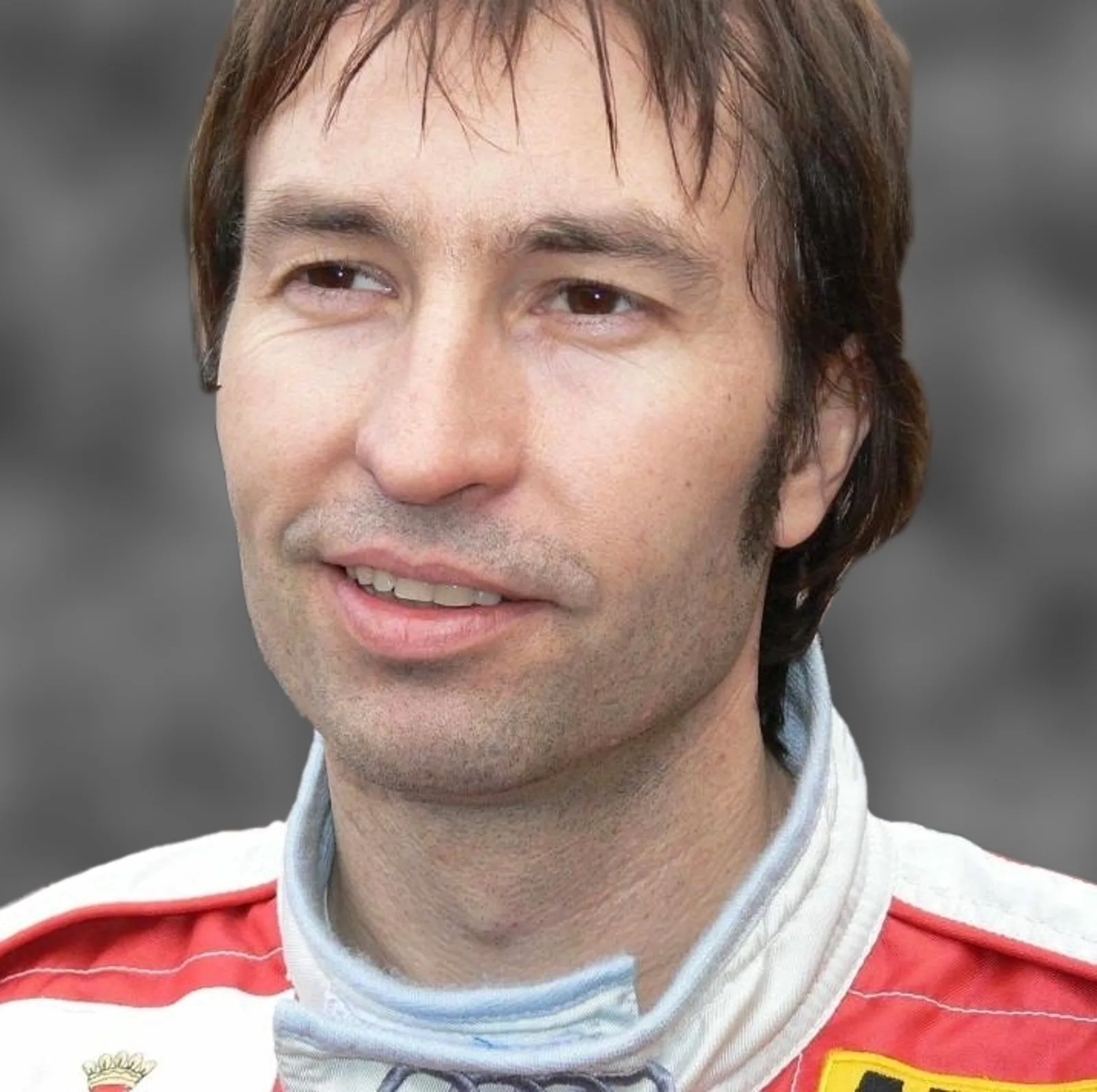
Jacques Villeneuve took the title on the final day in Spain after Michael Schumacher's deliberate collision, a finish that cost Schumacher his championship standing.
Villeneuve's 1997 title was settled at Jerez, where Schumacher's collision led to his disqualification from the championship. Williams won the Constructors' title by 21 points over Ferrari, in Bridgestone's first full season of supply.
The 1997 FIA Formula One World Championship was the 51st season of the sport and ran over 17 races from 9 March to 26 October. Jacques Villeneuve won the Drivers' title on the final day in Spain, after Michael Schumacher's deliberate collision with him, while Williams took the Constructors' title by 21 points over Ferrari.
What changed in the 1997 rules?
The 1997 season saw very few technical changes. The only real change was a fuller account of how the impact structures at both ends of the car were to be judged, leaving the design itself largely unchanged from 1996.
The sporting rules changed more. The maximum number of races rose from 16 to 17, and the first version of the sporting regulations abolished Friday free practice, although that change was later reversed in the document. Teams could choose between two tyre types in practice, but had to pick one for qualifying and the race.
Starts behind the safety car became allowed in wet conditions, a rule that would shape several races in the second half of the year. A revised Concorde agreement for 1997 to 2001 was signed by the FIA and eight of the eleven teams that had raced in 1996.
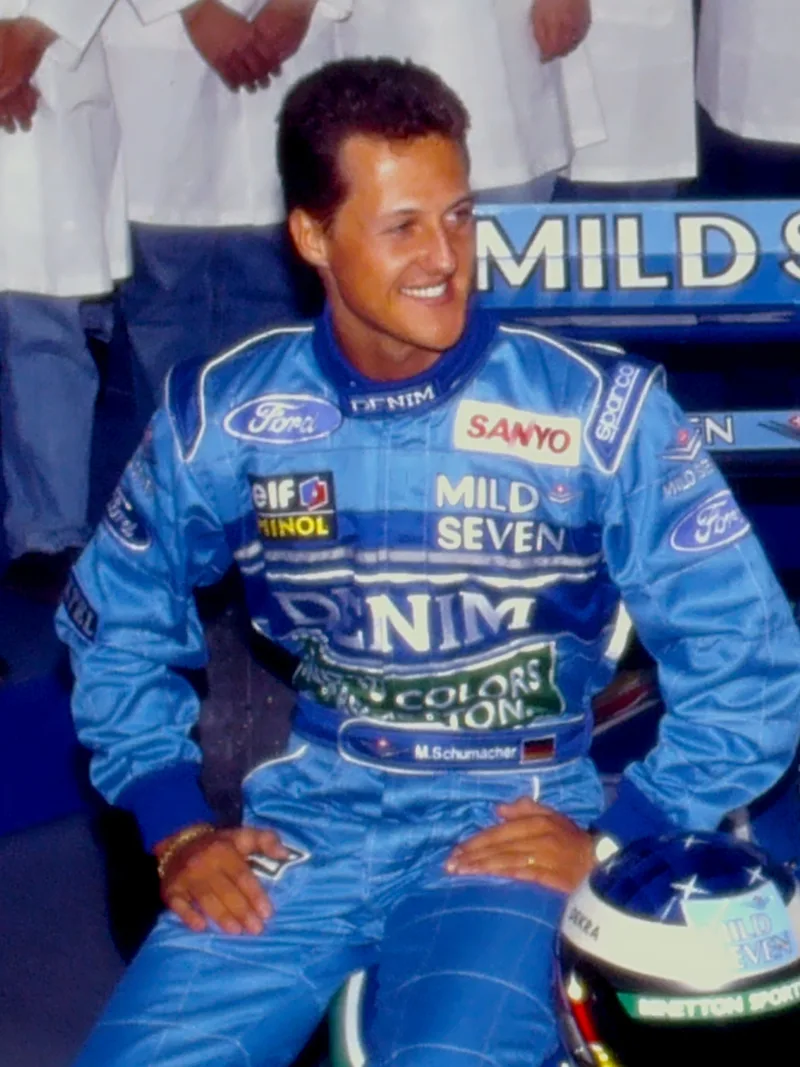
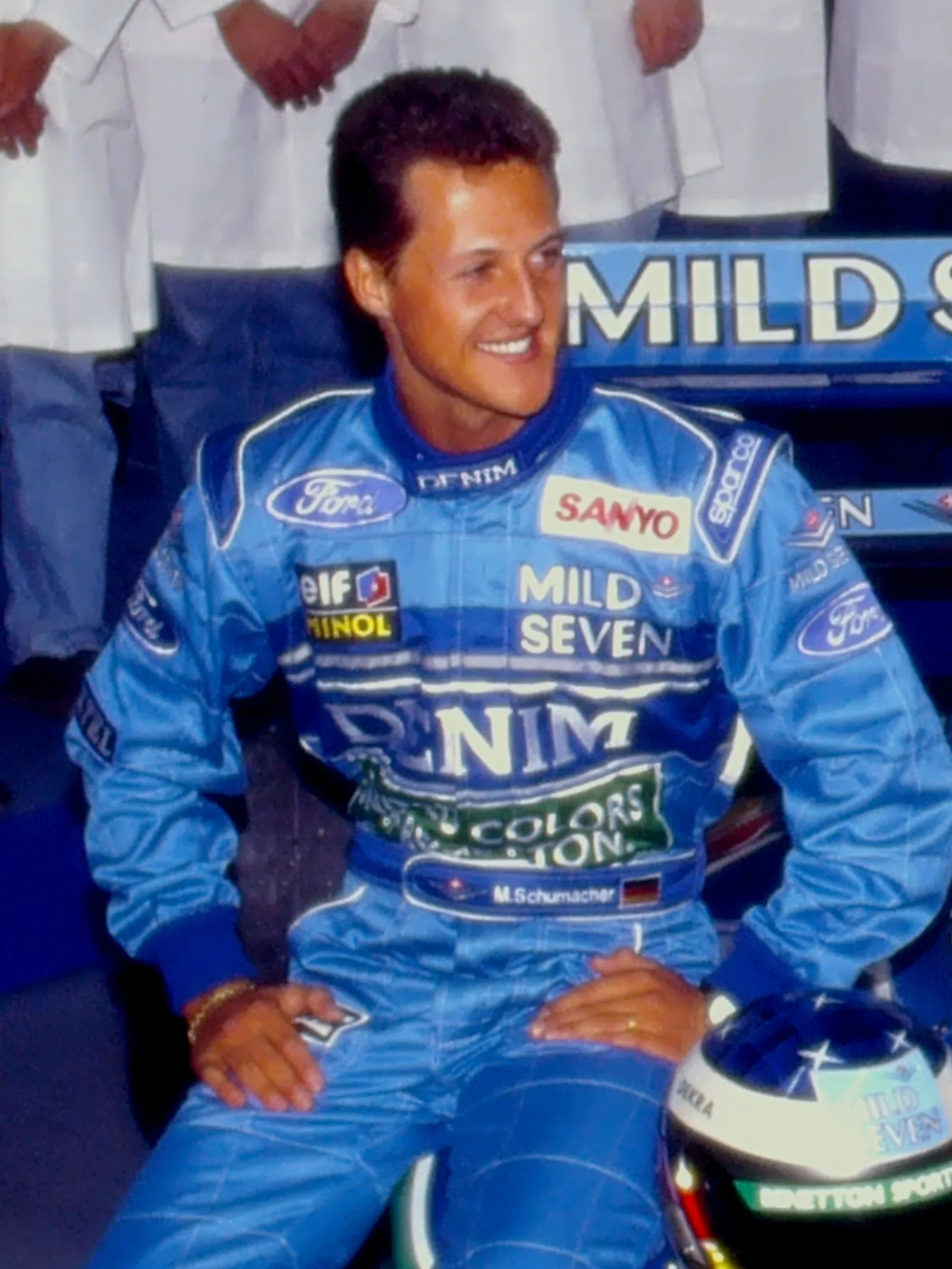
A collision at Jerez settled the 1997 title and cost Schumacher his place in the standings.
Who moved teams and debuted in 1997?
The biggest news at the start of the season was Damon Hill's departure from Williams, which made way for Heinz-Harald Frentzen. Hill joined Arrows, partnered by Brazil's Pedro Diniz, who had come from Ligier. It was the only time in Arrows' history that the team carried the number 1 after signing the reigning champion.
Stewart Grand Prix made its Formula One debut with factory backing from Ford. Lola also entered, but its drivers failed to qualify in Australia, and the team withdrew at Brazil after its sponsors left. Ligier was sold by Flavio Briatore to Alain Prost and became Prost Grand Prix.
Jos Verstappen moved from Arrows to Tyrrell, while Ukyo Katayama moved from Tyrrell to Minardi. Ralf Schumacher debuted at Jordan alongside Giancarlo Fisichella. Barrichello moved to Stewart with Jan Magnussen, and Nicola Larini replaced Frentzen at Sauber.
Engine supply also changed. Arrows switched from Hart to Yamaha, Tyrrell moved from Yamaha to Ford, and Sauber built Petronas-branded engines using Ferrari-licensed components. It was the first season since 1993 that Ferrari supplied more than one team. Bridgestone supplied tyres to Arrows, Prost, Minardi, Stewart and Lola.
How did the opening rounds set up the title race?
Villeneuve took pole and then retired early in Australia, where Coulthard won ahead of Schumacher and Hakkinen. Villeneuve won in Brazil and Argentina, and after four races he led the title race from Schumacher. The early season suggested a close battle between the two Williams drivers and Ferrari.
In Australia Villeneuve collided with Herbert at the first corner and was out. Coulthard won his second career race, and Schumacher finished second, with Hakkinen third. Brazil saw Villeneuve take the lead from Berger after a restart, while Panis finished third.
Argentina was Villeneuve's third straight pole, and this time it was Schumacher who was out at the first corner after a clash with Barrichello. Villeneuve won, Irvine finished second and Ralf Schumacher took a debut podium in third.
At San Marino Frentzen won his first and only Grand Prix for Williams, with Schumacher second and Irvine third. Villeneuve retired with a gearbox failure, which left him on 20 points at the head of the table after three races, with Schumacher on 14.
Which races shaped the middle of the season?
Monaco was wet, and Frentzen's pole ended Villeneuve's run of poles, but the race went to Schumacher, with Barrichello second and Irvine third, a result that kept Schumacher in the hunt. Barrichello's second place was Stewart's first podium and first points finish. Spain then brought Villeneuve's win from his fifth pole, with Panis second and Alesi third, and the points were tight.
Canada and France both went to Schumacher. In Canada he was followed by Alesi and Fisichella, and in France Frentzen was second with Irvine third. Villeneuve won at Silverstone from his sixth pole of the season, with Alesi second and Wurz third, which gave Renault an all-Renault podium.
Berger was ill before Canada and missed several races, and he returned to win the German Grand Prix, his final win. Schumacher was second and Hakkinen third. Berger's win was also Benetton's only win as an Italian-licensed team.
After Britain, Schumacher led with 47 points to Villeneuve's 43, with Alesi on 21, Frentzen on 19 and Irvine on 18.
How did the autumn races change the title race?
The autumn races kept the title open. Villeneuve won in Hungary, Schumacher won at Spa, and Villeneuve took the lead back at Luxembourg, while Italy went to Coulthard and kept Frentzen in the mix. Austria left the two rivals separated by a single point.
Hungary was one of the most memorable races of the year. Villeneuve won in the final lap, which gave Williams its 100th Grand Prix victory. Schumacher took pole with Villeneuve alongside him, and Hill, who had qualified ninth, led for much of the race before reporting a problem.
At Spa Schumacher won after the first safety car start in Formula One history, and Fisichella and Frentzen completed the podium. Villeneuve had dropped to sixteenth before recovering to fifth, and the title race tightened again.
Italy saw Coulthard win for McLaren, with Alesi second and Frentzen third. Austria went to Villeneuve from his seventh pole, with Coulthard second and Frentzen third. After the race the gap between the two championship rivals had closed to a single point.
Luxembourg was held at the Nurburgring, and Villeneuve won again after both McLarens broke down. Alesi was second and Frentzen third. For the first time since Spain, Villeneuve led the championship.
How did the Jerez finale decide the title?
Villeneuve, Schumacher and Frentzen all set the same fastest time in qualifying at Jerez, and Villeneuve took pole because he had set the time first, the final pole of his Formula One career. Schumacher got away well and took the lead, but Villeneuve closed in during the late laps and tried to pass on the inside at Dry Sac.
On lap 48 Schumacher turned into Villeneuve, and the Ferrari's front right wheel struck the Williams' sidepod. Schumacher retired on the spot, and Villeneuve dropped to third, which gave him four points and enough to take the title. Hakkinen won his first race, with Coulthard second, and McLaren scored its only one-two of the year.
The FIA ruled that Schumacher had caused an avoidable accident deliberately and disqualified him from the championship, although his results on the day stood. Williams still won the Constructors' title by 21 points, and Frentzen moved up to second in the drivers' table, six points ahead of Coulthard and Alesi.
Larini left Sauber after a series of disagreements with Peter Sauber, and Gianni Morbidelli replaced him after the Monaco round. Morbidelli then broke an arm in testing between Canada and France, and Norberto Fontana drove for Sauber for three races. Morbidelli returned at the Hungarian round, but he suffered another testing accident after Japan, so Fontana competed again at Jerez.
Other races in more detail
In Japan, where Villeneuve had taken his eighth pole of the year, he was judged to have ignored the yellow flags in qualifying, and a disqualification hung over him while his appeal was heard. He started the race and finished fifth. Schumacher won, and Williams dropped its appeal after the race, which left Villeneuve without points and put Schumacher back one point ahead.
Canada was the round where Olivier Panis crashed heavily and broke his leg. Jarno Trulli replaced him, and Tarso Marques later took over. Panis missed seven races and returned at Luxembourg. Schumacher won, with Alesi second and Fisichella third.
Berger returned at the German round after missing three races through illness and the death of his father. He took pole, fastest lap and the win.
Luxembourg was the first race added to the World Championship under that title, although it was held at the Nurburgring. Hakkinen took his first career pole, McLaren's first since 1993 and Mercedes's first since its return in 1994. Schumacher started fifth but was taken out at the first corner. Both McLarens then broke down, and Villeneuve won.
Race winners and standings
| Race | Winner | Notable point |
|---|---|---|
| Australia | David Coulthard | Villeneuve out at the first corner |
| Brazil | Jacques Villeneuve | Took the lead from Berger after a restart |
| Argentina | Jacques Villeneuve | Schumacher out at the first corner |
| San Marino | Heinz-Harald Frentzen | Frentzen's only Grand Prix win for Williams |
| Monaco | Michael Schumacher | Wet race; Barrichello second |
| Spain | Jacques Villeneuve | Panis second, Alesi third |
| Canada | Michael Schumacher | Alesi second, Fisichella third |
| France | Michael Schumacher | Frentzen second |
| Britain | Jacques Villeneuve | All-Renault podium |
| Germany | Gerhard Berger | His final win |
| Hungary | Jacques Villeneuve | Williams' 100th Grand Prix win |
| Belgium | Michael Schumacher | First safety car start in Formula One history |
| Italy | David Coulthard | Alesi second, Frentzen third |
| Austria | Jacques Villeneuve | Coulthard second, Frentzen third |
| Luxembourg | Jacques Villeneuve | Both McLarens broke down |
| Europe (Jerez) | Mika Hakkinen | Schumacher disqualified after the collision |
| Japan | Michael Schumacher | Frentzen second, Irvine third |
Villeneuve won seven races, Schumacher five, Coulthard two, and Frentzen, Berger and Hakkinen one each. Schumacher kept his five race wins after the disqualification.
Williams won the Constructors' title by 21 points, the last Constructors' title the team has won.
Why does 1997 still matter?
The 1997 season was the last championship for a non-European driver, as of 2026. Villeneuve, a Canadian, took the title with a Williams team that also won the Constructors' championship, and it was the last title for Williams in both categories.
It was also the last title won on Goodyear tyres, which had been the sole supplier for five seasons, and the first full season for Bridgestone. The change marked the start of a tyre war.
Renault engines, which had won six straight Constructors' titles from 1992 to 1997, were withdrawn from official involvement after the season. Renault returned to official involvement in 2001.