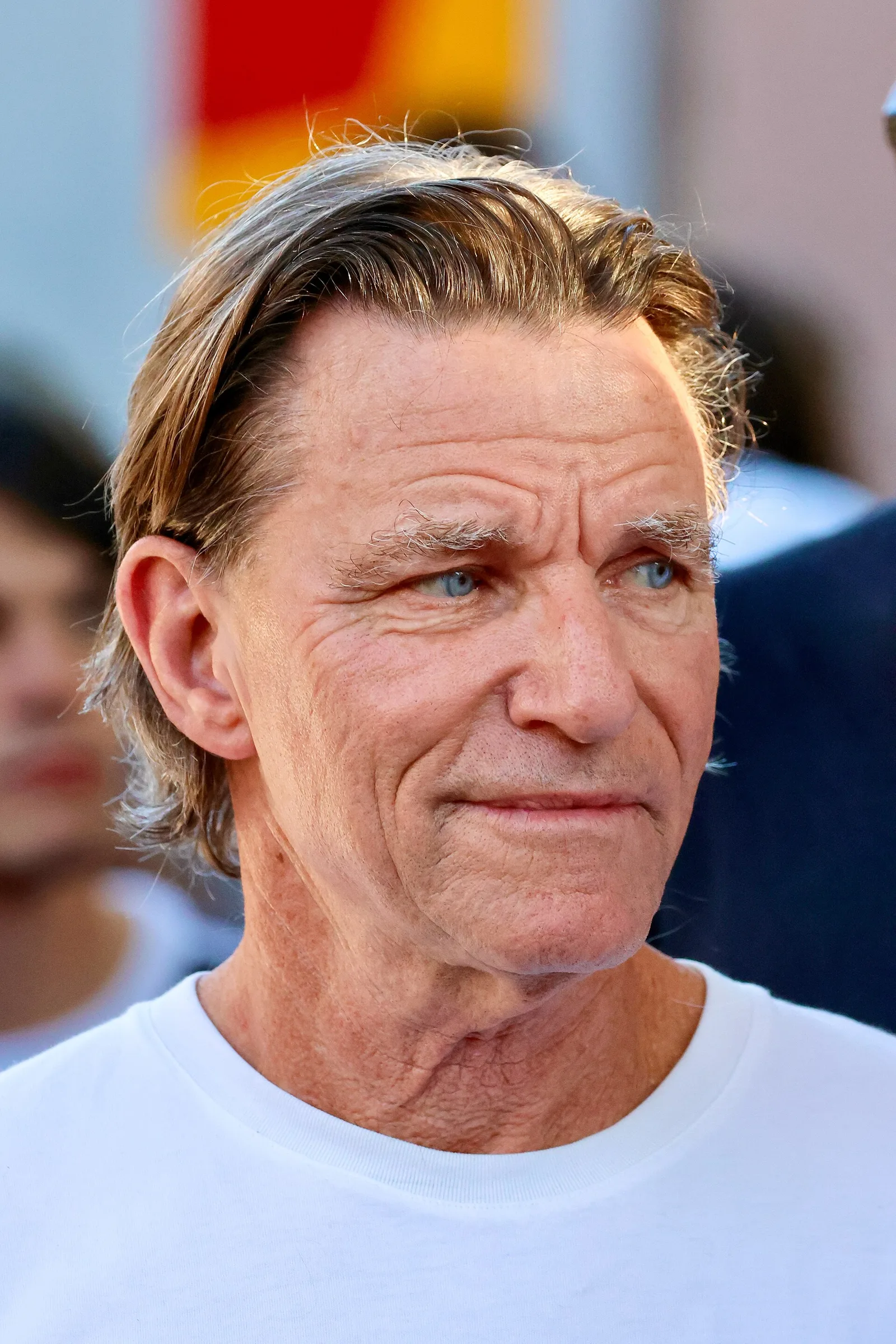
A Swedish driver with 103 Formula One starts and 12 podiums who later won at Sebring and Le Mans and became a manager of leading drivers.
Stefan Johansson is a Swedish former driver who competed in Formula One from 1980 to 1991. He took part in 103 Grands Prix and finished on the podium 12 times. He won the 1997 24 Hours of Le Mans and now manages several leading drivers.
Stefan Johansson is a Swedish former racing driver and motor sport executive. He competed in Formula One from 1980 to 1991, taking part in 103 Grands Prix and finishing on the podium 12 times. He also won the 1997 24 Hours of Le Mans with Joest Racing, and he later managed several leading drivers.
Where did Johansson's career begin?
Johansson was born on 8 September 1956 in Vaxjo, Sweden. He began in karting and won the Swedish Championship in 1973. He then moved into Formula Ford, winning the Swedish title in both 1977 and 1979, and in 1978 he started his British Formula Three career. He spent three seasons in that series, and in 1980 he took the title with Ron Dennis's Project Four team. His early years were spent in Vaxjo, where he was born and raised and began his career in kart racing. He later raced in Formula One, CART and sports car events.
Twelve Formula One podiums without a win, then a Le Mans victory and a second career as a manager of leading drivers.
When did Johansson make his Formula One debut?
Johansson made his Formula One debut on 13 January 1980 at the Argentine Grand Prix, driving for the Shadow team while he was still a Formula Three regular. He did not qualify for that race or for the next one in Brazil, and he was not seen in Formula One again until 1983. In 1982 he contested the European Formula Two series with Spirit Racing, collecting several race wins along the way. He ended the season eighth overall, with a best finish of third at Mugello in Italy.
His first race back with Spirit was a non-championship event, the 1983 Race of Champions at Brands Hatch, where an engine failure ended his race on lap four. He qualified the car fourteenth at the 1983 British Grand Prix, a credible performance given the team's development programme, and he raced in five more Grands Prix that year. His best finish was seventh in the Dutch Grand Prix at Zandvoort.
BBC commentator Murray Walker remarked on air that the Spirit and Honda pairing had covered a great distance in testing without trouble, which made the engine failure all the more surprising.
How did Johansson's 1984 season take shape?
In 1984 Johansson was replaced at Spirit by Mauro Baldi when the team lost its Honda engines to Williams. He then joined Tyrrell as a replacement for the injured Martin Brundle at the British Grand Prix at Brands Hatch. Later in the year he drove for Toleman in place of the injured Johnny Cecotto, and at Monza he finished fourth in the Italian Grand Prix. His teammate at Toleman was Ayrton Senna.
Why was Johansson's Ferrari spell so notable?
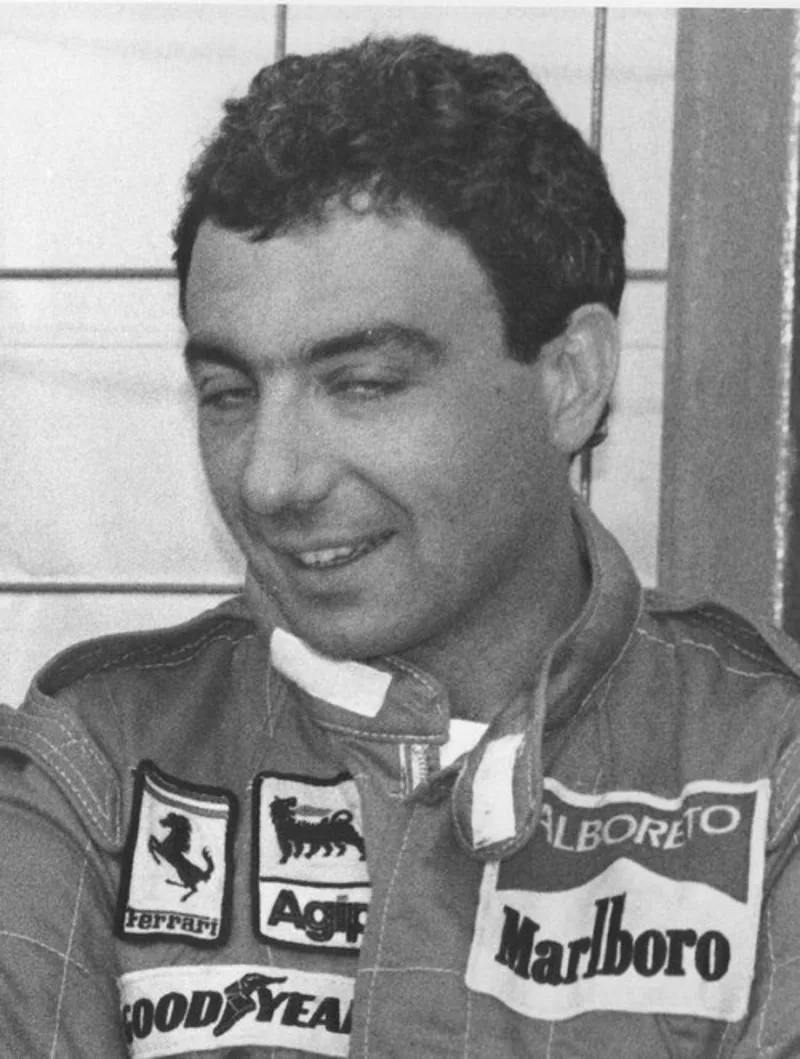
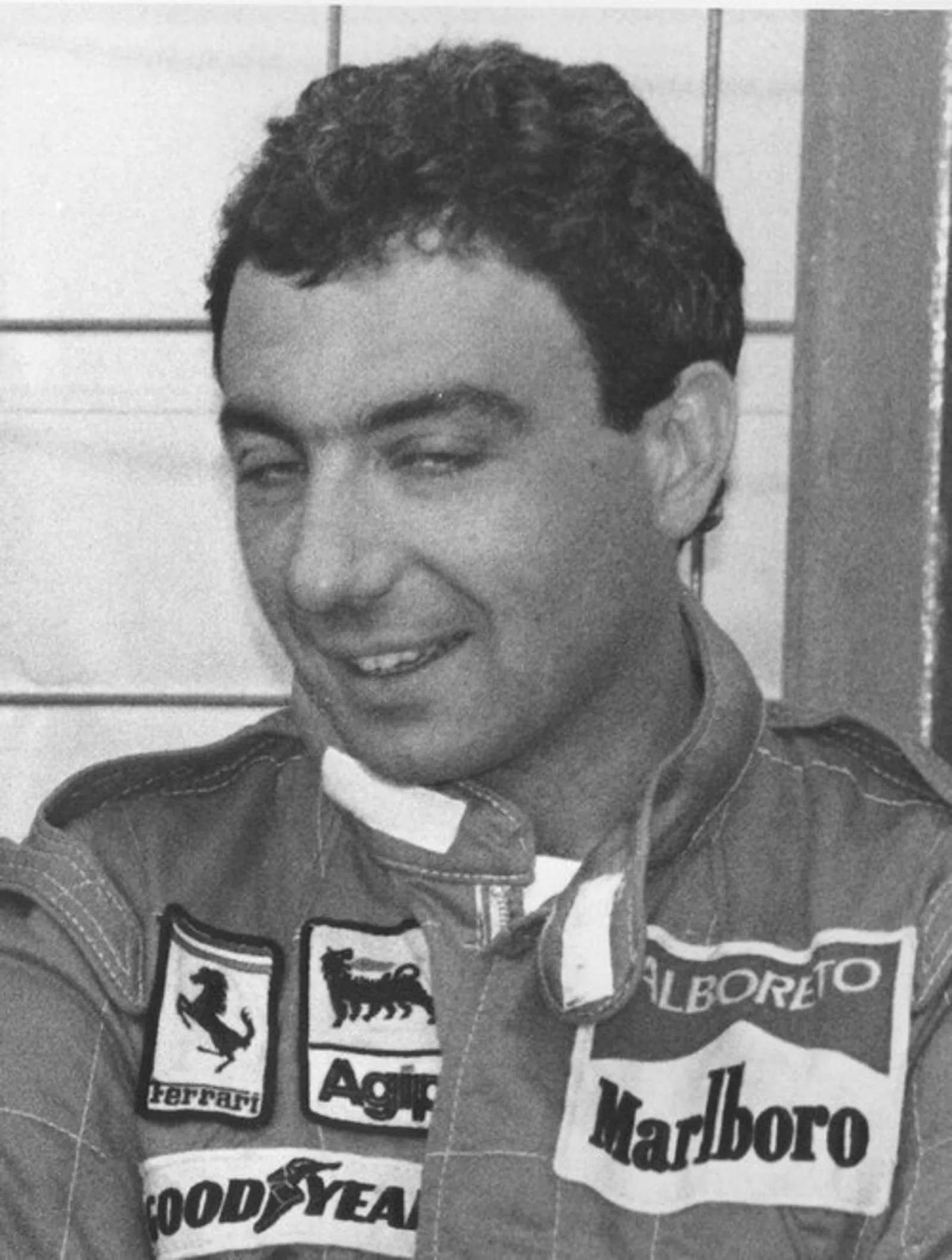
Johansson joined Ferrari in 1985 after Rene Arnoux was dismissed following the first race of the season in Brazil. At his second race with the team, the San Marino Grand Prix on the Tifosi's home ground, he passed Senna's stricken Lotus two laps from the end to take the lead, and he would probably have won had his own Ferrari 156/85 not run out of fuel half a lap later. His role in 1985 was mainly to support Michele Alboreto's title challenge, though he finished second in Canada and again in Detroit.
In 1986 he often outpaced Alboreto, who was the team's lead driver. The Ferrari F1/86 had plenty of power, but both drivers complained about the car's lack of downforce and its poor handling on anything other than the smoothest circuits. Johansson finished fifth in the drivers' championship, his best-ever position, while Alboreto ended ninth. Several observers, including the commentators Murray Walker and James Hunt, felt Ferrari had dropped the wrong driver.
What happened to Johansson at McLaren?
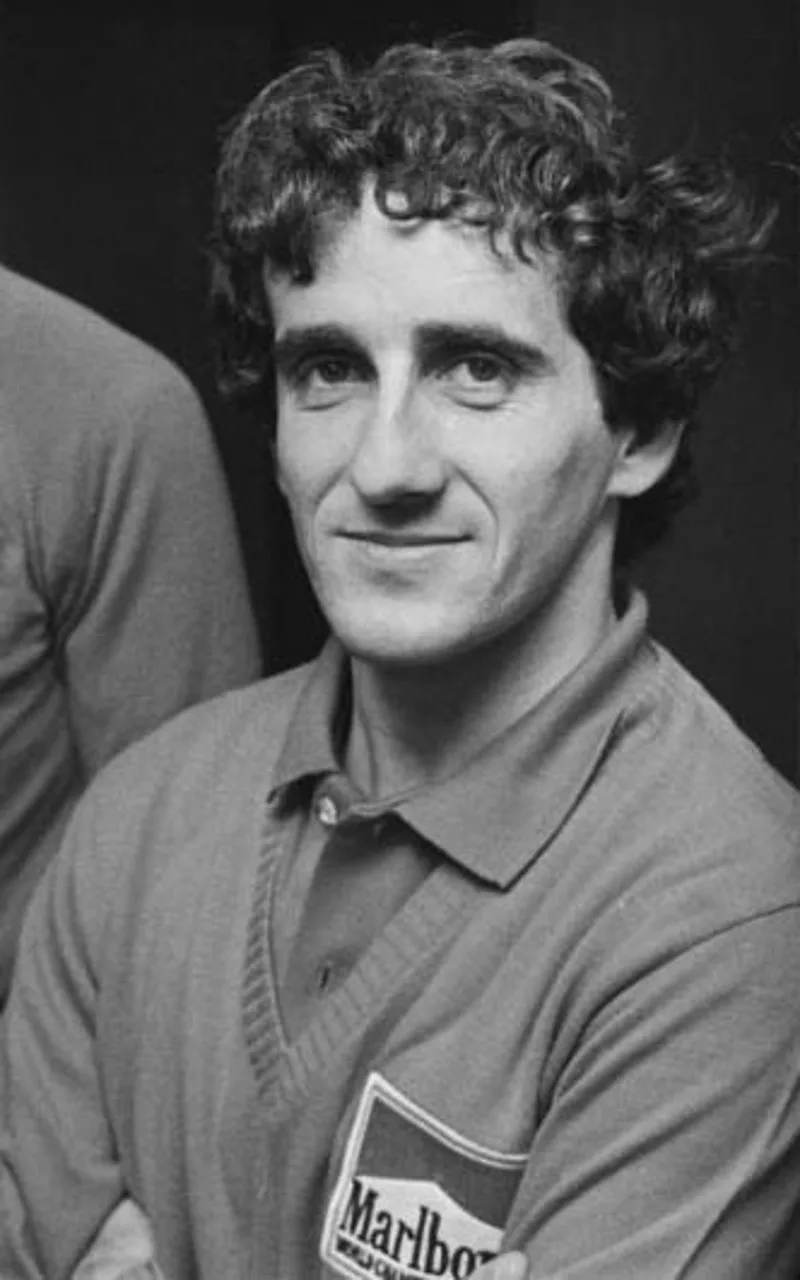
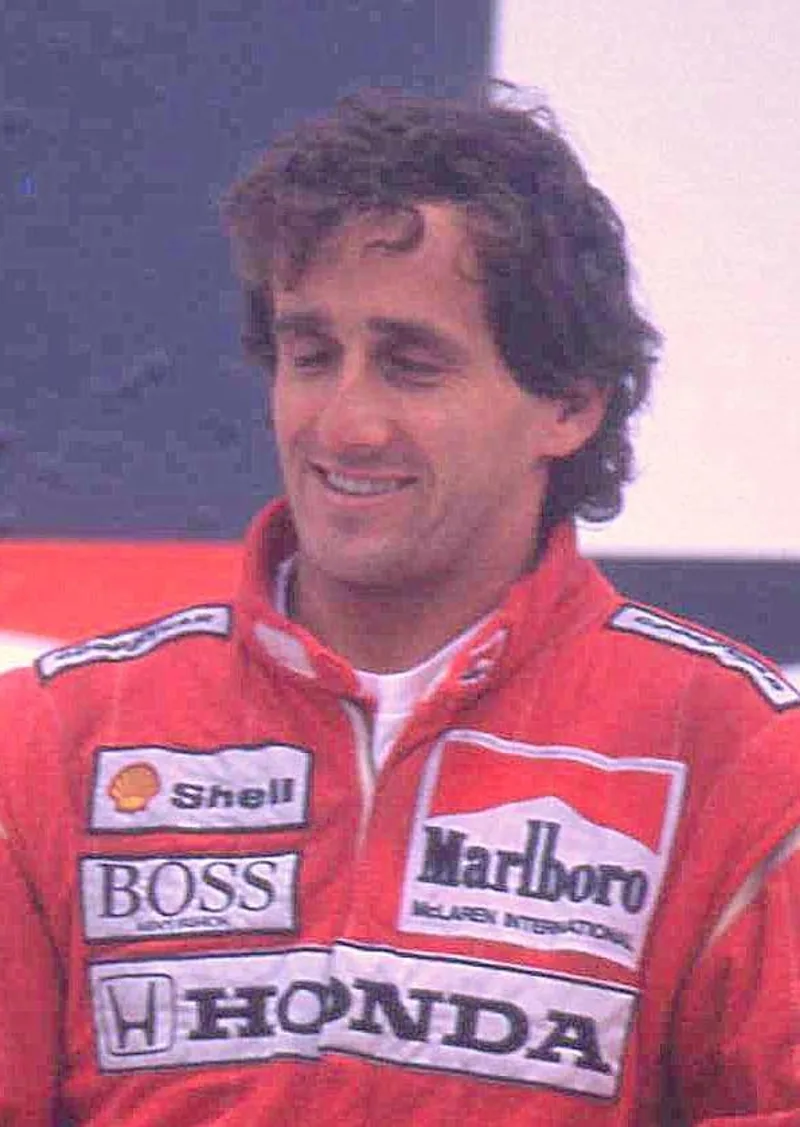
Johansson was replaced at Ferrari in 1987 by the Austrian Gerhard Berger, and he moved to McLaren as the number two driver behind Alain Prost. The team was less dominant than it had been in 1984 to 1986, and many considered Johansson a stopgap while Ron Dennis tried to sign Ayrton Senna for 1988. He still finished sixth in the championship that season.
Prost's 28th win in Portugal that year took him past Jackie Stewart's record of 27 Grand Prix victories, even though the team was less dominant than in its peak years.
He recorded a famous result at the 1987 German Grand Prix, where he finished on three wheels after a puncture on the final lap. He also finished second behind Prost in Belgium, and he added podiums in Brazil, Spain and Japan. Despite 11 podiums across three seasons, he had never won a race and was not wanted by a top team, and his hopes of joining Williams for 1988 came to nothing when the team chose Riccardo Patrese.
How did the Ligier and Onyx years go?
Johansson joined Ligier for 1988, alongside Rene Arnoux, but the team's naturally aspirated Judd V8 car was uncompetitive. It scored no points, and it often failed to qualify even against much smaller teams. Johansson failed to qualify six times that season, while his teammate failed only twice. Ninth places in the opening race in Brazil and the final race in Australia were the car's best results. The low point came at the French Grand Prix at Paul Ricard, where he and Rene Arnoux both failed to qualify in the first weekend of July.
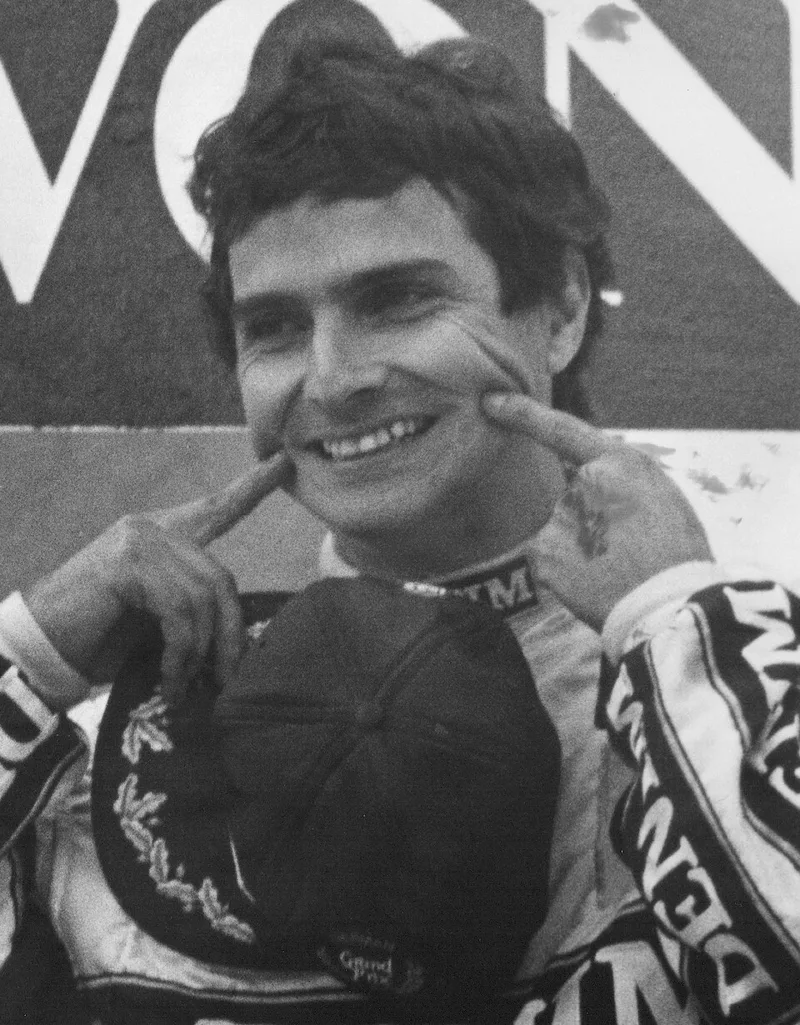
Nick Heidfeld matched his tally of podiums without a win at the 2009 Malaysian Grand Prix, and went on to surpass it at the 2011 event in the same country.
In 1989 he led the new Onyx team and finished a popular third in Portugal, the only podium for the team. He fell out with the new owner, Peter Monteverdi, in early 1990 and was dropped after the Brazilian Grand Prix. He made further appearances for AGS and Footwork in 1991, and then left Formula One after 103 starts with ten different teams.
In 1990 he returned to McLaren in a test-driver role, running the Honda V12 engine at Suzuka and helping to develop a paddle shifter and a new gearbox.
How did Johansson perform in CART?
Johansson switched to CART for 1992, when he took the rookie title with a pair of third-place finishes. He finished ahead of the Belgian Eric Bachelart in the rookie standings. His first pole position came at Portland in 1993, though a race win again eluded him. Between 1992 and 1996 he made 73 starts and also contested the Indianapolis 500 from 1993 to 1995. His strongest championship season was 1994, when he finished eleventh overall.
His CART career ended tragically in 1996. At the Molson Indy Toronto he was involved in a wheel-to-wheel incident with Jeff Krosnoff, whose car struck the barriers and then a tree and a lamp post placed too close to the track. Krosnoff died instantly, and a track marshal, Gary Avrin, also died in the accident. Johansson retired from CART at the end of the season.
Which sports car races did Johansson win?
Johansson had raced at Le Mans before his Formula One career. In the 1980s he won two World Sportscar Championship races: the 1983 round at Mugello with Bob Wollek in a Joest Porsche 956, and the 1988 race at Spa-Francorchamps in a Sauber C9 with Mauro Baldi.
After leaving CART he returned to sports car racing. In 1997 he won the 12 Hours of Sebring in a Ferrari 333 SP with Andy Evans, Fermin Velez and Yannick Dalmas. Later that year he won the 24 Hours of Le Mans in a TWR-Porsche WSC-95 for Joest Racing, alongside his former Ferrari teammate Michele Alboreto and Tom Kristensen. That was the first of Kristensen's record nine wins at the race.
His Le Mans career ran for 15 editions between 1983 and 2012. In 2012 he returned to the event in a Lola B12/80, and he also contested the inaugural FIA World Endurance Championship. Other highlights included a second place with Chip Ganassi Racing at Mont-Tremblant in 2005, a year that ended with the pair fifth in the Grand-Am standings and a spell with the Courage-Acura team in the American Le Mans Series in 2007.
In 2006 he made occasional Grand-Am appearances for the Cheever and CITGO teams and kept a link with the works Zytek programme in the Le Mans Series. In 2007 he was due to race a Zytek at Le Mans, but a test-day accident meant the car could not be rebuilt in time, so he switched at the last minute to a works Courage.
In 2000 he formed Johansson-Matthews Racing with the American businessman Jim Matthews and raced a Reynard 2KQ in the American Le Mans Series. That car was not successful in its original form, and the partnership dissolved. In 2001 he campaigned an Audi R8 with Gulf Oil backing in the European and American Le Mans series and at Le Mans, where Tom Coronel replaced Guy Smith for the race, and in 2002 he drove an Audi R8 for Champion Racing alongside the former Formula One driver Johnny Herbert.
In 2008 he took part in the inaugural Speedcar Series, where accidents involving other drivers again cost him results. He had also been planned for a place with the Epsilon Euskadi team at Le Mans that year.
What did Johansson do after his racing?
Johansson founded a successful Indy Lights team in 1997, and his drivers included Scott Dixon and Ben Collins. In 2003 he ran American Spirit Team Johansson in CART with Jimmy Vasser and Ryan Hunter-Reay. The team was under-funded and folded at the end of the season, although Hunter-Reay won the wet Australian race that year.
The team's seats were filled by Fredrik Larsson and Jeff Ward in 1997, by Guy Smith and Luiz Garcia Jr in 1998, and by Scott Dixon and Ben Collins for 1999.
He is also a driver manager, with clients including the New Zealander Scott Dixon, the Swede Felix Rosenqvist, who won the 2026 Indianapolis 500, the Canadian Zachary Claman DeMelo, Romain Grosjean and Ed Jones. Outside the cockpit he runs several business ventures, works as a keen artist known for his watch designs, and has offered expert commentary on Viasat Motor during some Formula One races. He was also the inspiration for the song Speedway at Nazareth by Mark Knopfler, a tribute that reflects how far his career reached beyond the cockpit.