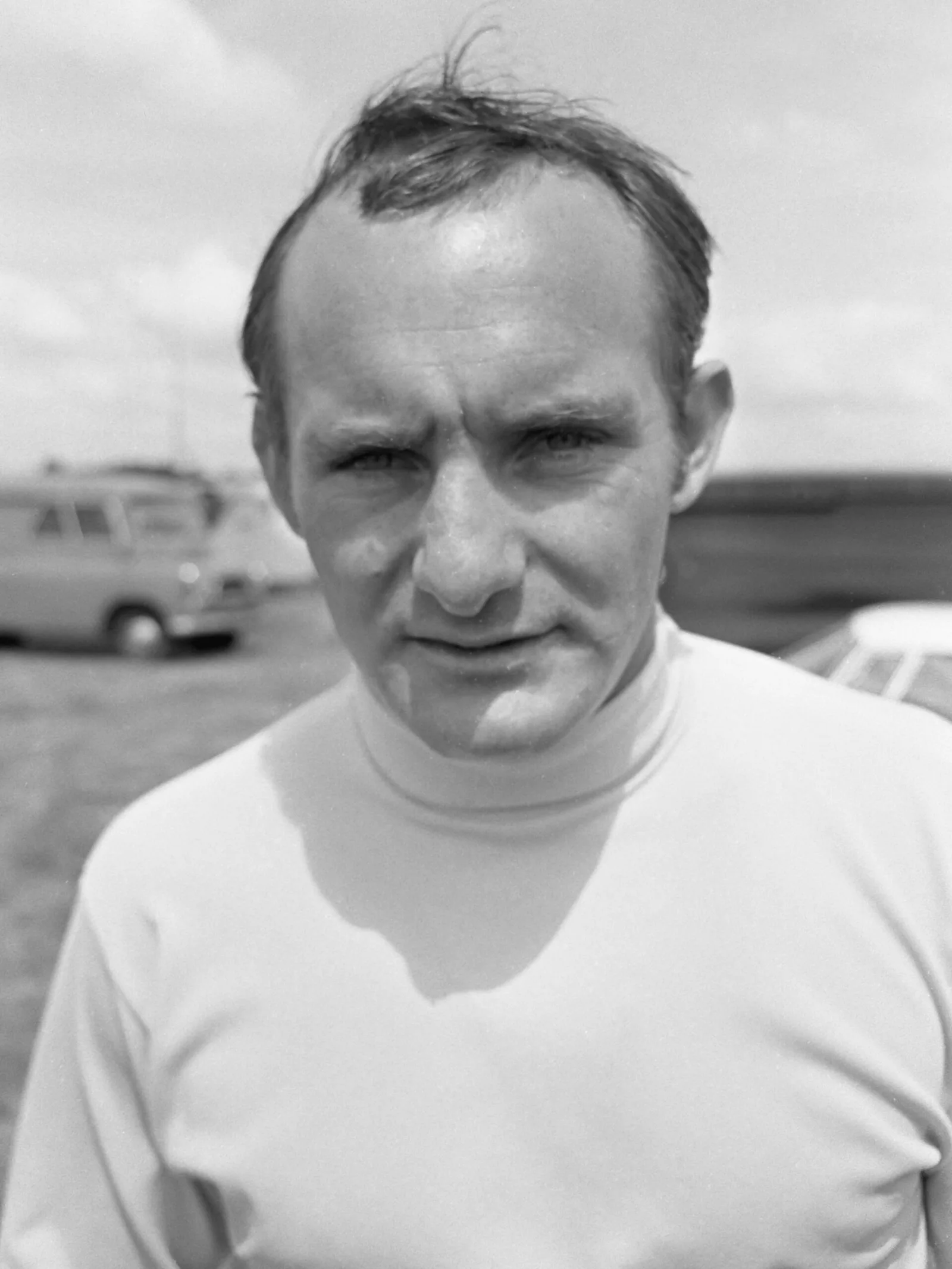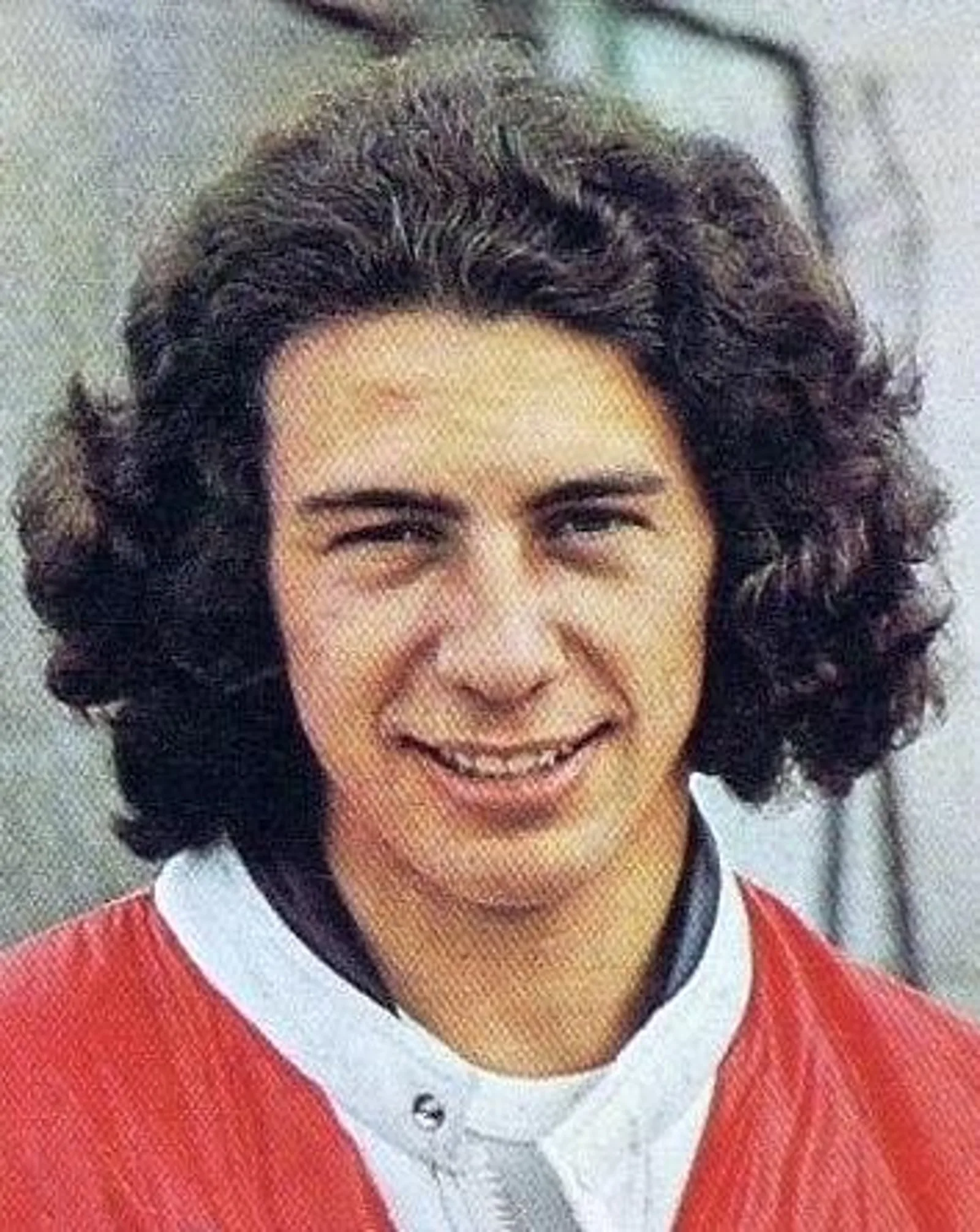
A Venezuelan rider who won the 350cc world title at 19, then moved into cars, raced in Formula One and won touring car titles in Italy and Germany.
Johnny Cecotto was a Venezuelan rider who won the 350cc motorcycle world championship in 1975, aged 19. He then raced cars, including 23 Formula One Grands Prix in 1983 and 1984, and later became a touring car champion in Italy and Germany.
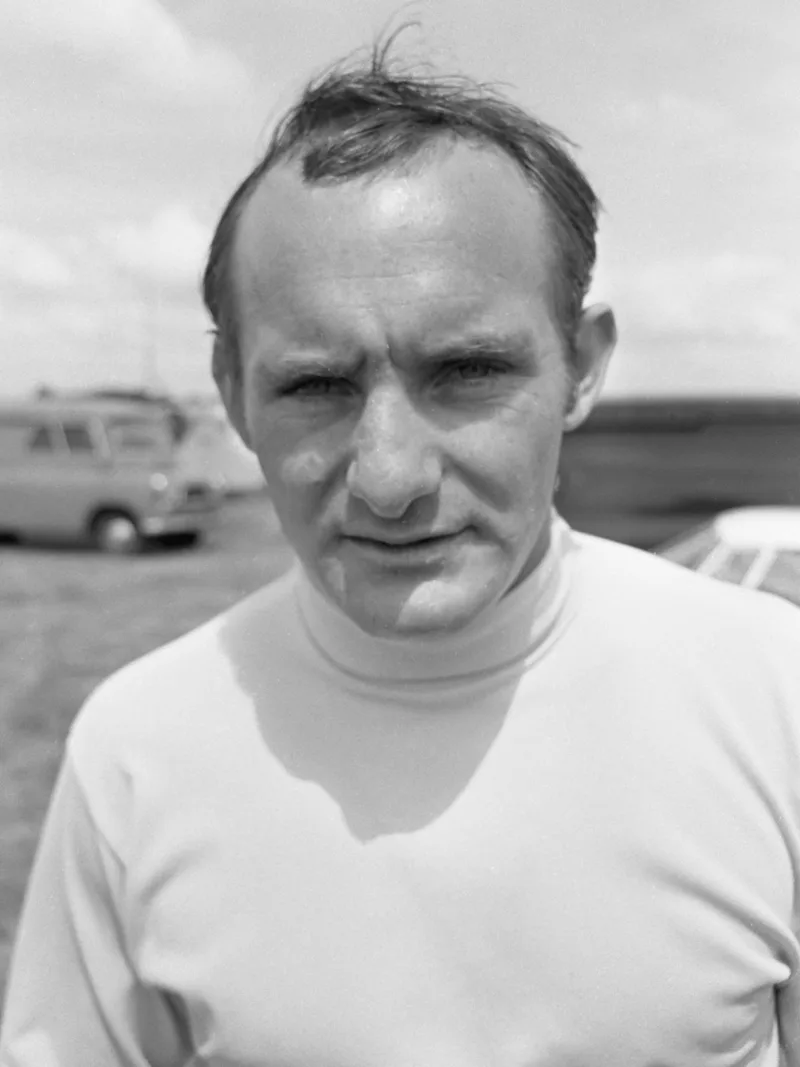
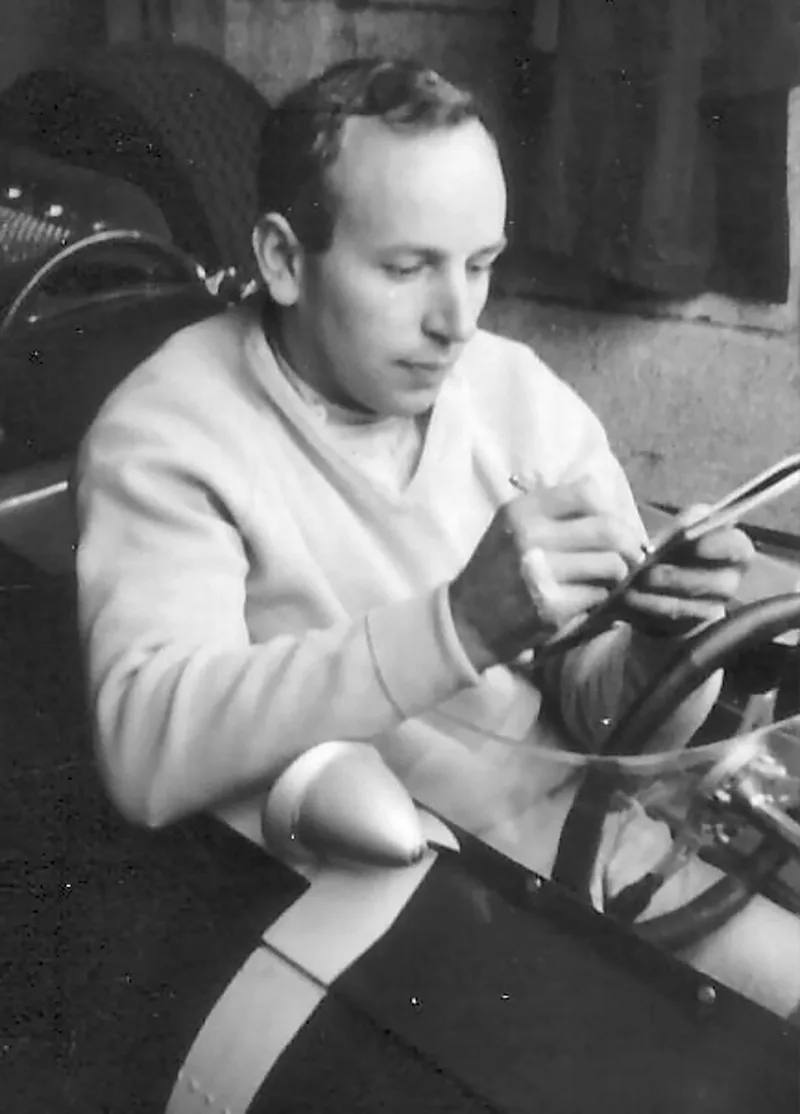
Johnny Cecotto is a former Venezuelan racer who competed at the highest level on motorcycles and in cars. He was 19 when he became the 350cc world champion in 1975, and he later raced in Formula One and in touring cars. He belongs to a small group, including John Surtees and Mike Hailwood, who competed at the top of both disciplines.
His career falls into three phases: a teenage run in motorcycle road racing, a short spell in Formula One and a long touring car career. The motorcycle years produced his most celebrated results, while the car years gave him the widest range of machinery.
How did Cecotto become a motorcycle prodigy?
Cecotto was born in Caracas to Italian immigrant parents and started racing young, following his father, a shop owner and former racer. He rode Honda and Kawasaki machines before the Venezuelan Yamaha importer backed him. He won the Venezuelan road racing title on a Yamaha TZ350 at 17, then retained it in 1974.
His father had won the Venezuelan national championship on a 500cc Norton, so motorcycle sport was familiar at home. His first title on a Yamaha TZ350 set the pattern for the decade that followed, with Yamaha as the constant thread. The Venezuelan championships and the South American title gave him a platform, and his Daytona exposure followed soon after.
In 1974 he also won the South American championship at Interlagos, near Sao Paulo. His first race outside South America was the Daytona 200 that year, where he finished 35th on a Yamaha 350cc. At the Imola 200 a mechanical failure ended his race after five laps.
He adopted a new helmet after Jarno Saarinen died at the 1973 Nations Grand Prix. The design had two pointed red stripes, based on Saarinen's own colours, and Cecotto kept it for the rest of his riding career.
Teenage speed on two wheels, then a crash that ended his Formula One career before it had properly begun.
Why was the 1975 Daytona 200 so important?
At the 1975 Daytona 200 Cecotto raced as an unknown rookie on an unmodified Yamaha TZ750 and finished third. He qualified on the front row, was briefly removed from the grid over a puddle beneath his bike, and then passed half the field on the first lap. The result put his name in front of the international paddock.
On the front row Cecotto lined up with Kenny Roberts, who had taken pole, plus Gene Romero, Teuvo Lansivuori and Steve Baker. Just before the start, officials pulled his machine from the grid because fluid was pooling beneath it. The fluid turned out to be water from the radiator, and officials let him rejoin the race at the back.
He moved from last place to 26th after two laps, 18th by the fifth lap and tenth by the end of the tenth lap. On lap 50 he passed Giacomo Agostini for third, but his bike began to overheat and he settled for third behind Gene Romero and Steve Baker. In 1991 a panel convened by the American Motorcyclist Association named that ride the top performance in the race's first 50 years.
How did Cecotto win the 1975 350cc world title?
Cecotto won both the 250cc and 350cc races at the 1975 French Grand Prix, the season-opening round of the world championship. Sponsorship then came for a full season on an ex-Agostini Yamaha, and he secured the 350cc world title at 19.
At Paul Ricard he set the fastest lap on the way to the 250cc win. He then led the 350cc race from start to finish and won by 25 seconds over the seven-time 350cc champion Agostini. Over the year he beat Agostini in France, Italy and Finland, while Agostini beat him once, in Spain.
At 19 he was the youngest FIM world champion on record. Loris Capirossi later took that mark with the 1990 125cc title, aged 17. His 250cc campaign was also strong, with two wins and a lead in three other races, but a crash at the German Grand Prix and engine trouble left him fourth, two points behind Dieter Braun.
What went wrong when he moved up to the 500cc class?
Cecotto moved up to 500cc in 1976 with the Venemotos team, riding a Yamaha YZR500 that had once been Agostini's. He finished second behind Barry Sheene at the French round, but then fell 13 times in the following races. He scored no further points after France and finished the 500cc season 20th.
He had been offered a place in the Suzuki factory team for 1976 but chose to stay loyal to the Venezuelan Yamaha satellite team. Some observers thought he had won too early, without fully understanding why he had been fast. The Yamaha team manager, Rod Gould, said Cecotto was going fast without knowing why, and was now slowing down and crashing without knowing why either.
The team's own disorganisation did not help. Entry forms were sometimes not filed, garage space was not secured, and equipment that organisers required was occasionally missing. The 1976 Daytona 200 offered a brighter picture, as he won on a full Yamaha factory team and beat his teammate Kenny Roberts after Roberts's tyre blew apart.
That season also cost him the 350cc title. He lost it in a tight battle with Walter Villa, who rode a Harley-Davidson.
How did injuries shape his motorcycle career?
A four-rider crash at the 1977 Austrian Grand Prix badly injured Cecotto and killed the Swiss rider Hans Stadelmann. He recovered in time for the Swedish Grand Prix, where he finished second, 2.9 seconds behind Barry Sheene. He then won the Finnish and Czechoslovak Grands Prix, and despite missing most of the season, he ended up fourth in the final standings.
In 1978 he won the Imola 200 for a second time. Kenny Roberts arrived that year as a serious rival, and Cecotto's inconsistent results and four mechanical failures cost him the 500cc title. Roberts won the world championship ahead of Sheene, with Cecotto third.
He did win the 1978 Formula 750 world championship, with three victories and three second places, even though Roberts took four wins. A broken kneecap at the 1979 Austrian Grand Prix at the Salzburgring then cost him half the season, and he finished third in Formula 750 with five wins after returning.
Yamaha withdrew its factory support after 1979. Roberts had won the 500cc title twice in a row for the team, and Cecotto's results had become inconsistent, so the company ended its backing.
What did the Bimota years look like?
That year he ran as a privateer: a Bimota frame with Yamaha power for the 350cc races, and a production Yamaha for the 500cc class. He opened the year with a victory at the Imola 200, which made him a three-time winner of that race alongside Kenny Roberts. He then won the season-opening 350cc French Grand Prix as well.
After that promising start, the bikes suffered repeated mechanical failures. Looking back, his privateer year shows how much a rider without a factory depended on the machinery in front of him, and it gave him a final run of 350cc and 500cc racing before he turned to cars. He could do no better than fourth in the 350cc championship and seventh in the 500cc standings. He retired at 24 to pursue car racing, with twelve 500cc pole positions from 28 starts, one of the highest pole-to-start ratios in motorcycle Grand Prix history.
Formula One: a short career cut off by injury
His first car race came in 1980, when he entered Formula Two with Minardi. In 1982, driving a March-BMW, he won three races and finished the season tied for first with his teammate Corrado Fabi. The tie-breaker relegated him to runner-up, but the form earned him a Formula One seat.
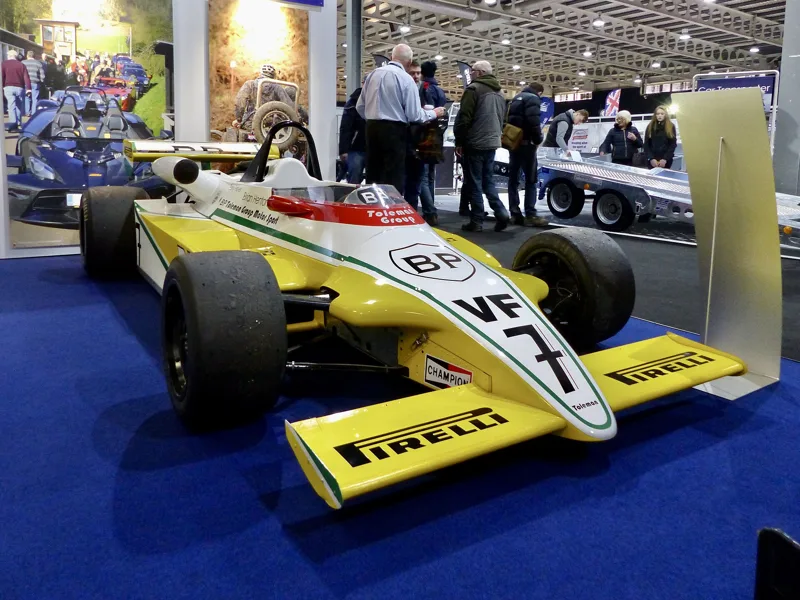
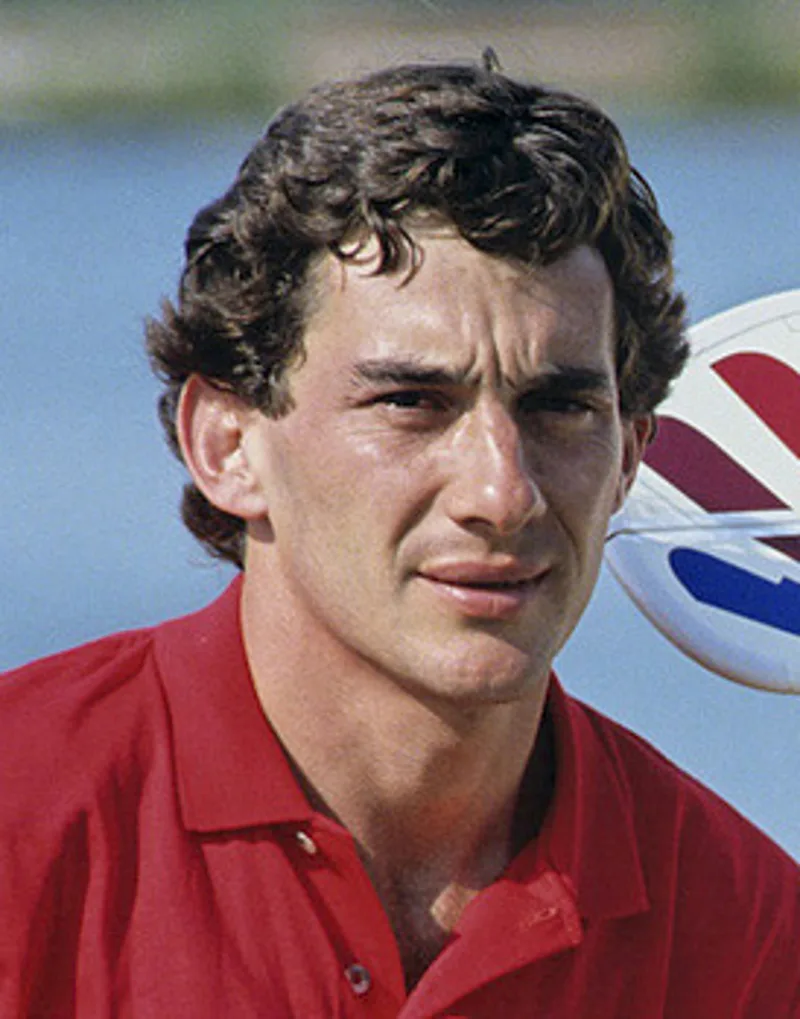
He made his Formula One debut on 13 March 1983 with Theodore Racing and scored a sixth place in only his second race. Funding ran out, and he missed the final two rounds of the season. For 1984 he joined Toleman alongside Ayrton Senna. In British Grand Prix qualifying he went off at Westfield and suffered two broken legs, an injury that effectively ended his Formula One career.
He competed in 23 Formula One races in total, spread across two seasons, and funding and team stability were recurring problems. His sixth at Long Beach stood as the best result by a Venezuelan driver until Pastor Maldonado won the Spanish Grand Prix 29 years later. The Long Beach result remains one of the few highlights of an otherwise brief spell in the sport's top category.
What did he achieve in touring cars?
After recovering, Cecotto returned to Group A touring cars with the Schnitzer Motorsport BMW team. The 1985 Spa 24 Hours brought him a runner-up finish alongside Dieter Quester and Markus Oestreich, and he then took second at the 1985 James Hardie 1000 at Bathurst. At Bathurst he and his co-driver Roberto Ravaglia were both credited with the rookie prize.
In 1986 he joined the Belgian-based RAS Sport Volvo team in a turbocharged 240T. He finished eighth in the championship with two wins at Hockenheim and Zolder. That year he also won the Guia Race at the Macau Grand Prix, and he won the InterTEC 500 at Fuji with Swedish teammate Anders Olofsson.
BMW brought him back for the 1987 World Touring Car Championship in an M3 run by the Italian CiBiEmme team, alongside Gianfranco Brancatelli. The pair won the 500 km de Bourgogne at Dijon-Prenois. Cecotto finished eighth in the championship with 158 points, and in 1989 he captured the Italian Touring Car Championship.
From 1988 to 1992 he raced in the Deutsche Tourenwagen Meisterschaft for Schnitzer in a BMW M3, finishing runner-up in 1990. He also won the 1990 24 Hours of Spa, the 1992 24 Hours of Nurburgring and the 1997 Mil Milhas Brasil. He won the German Super Tourenwagen Cup for BMW in 1994 and again in 1998, and he raced in the British Touring Car Championship for BMW in 1995.
Two V8Star crowns followed in 2001 and 2002, after he moved to an Irmscher Opel Omega. Those titles closed out a touring car career that had covered several countries and categories.
How is Cecotto remembered?
Cecotto is remembered as a rare rider who competed at the highest level on two wheels and four. His motorcycle titles came early and his car results were more mixed, but the range of his career is unusual even among drivers who raced in several series.
His two-wheel results came in the 1970s, while his car results came in the 1980s and 1990s, across Formula One, touring cars and endurance racing. That spread is what sets his record apart from most riders and drivers of his generation.
As of 2017 he devoted most of his time to supporting the professional racing careers of his sons, Johnny Cecotto Jr. and Jonathan Cecotto. His long run in touring cars and his early motorcycle success remain the core of his legacy.
Career summary by discipline
| Discipline | Years | Teams | Standout result |
|---|---|---|---|
| Motorcycle Grand Prix | 1975 to 1980 | Yamaha, Venemotos, Bimota | 350cc world title in 1975, aged 19 |
| Daytona 200 | 1975 and 1976 | Yamaha | Third in 1975, winner in 1976 |
| Formula One | 1983 and 1984 | Theodore, Toleman | 23 races, sixth at Long Beach |
| Touring cars | 1985 to 2002 | BMW, Volvo, Opel | Italian title in 1989, German Super Tourenwagen Cup in 1994 and 1998 |