Fourteen rounds, Williams's first world titles and a championship decided at Montreal, with Alan Jones taking the crown from a year of crashes and boycotts.
Fourteen rounds made up the 1980 Formula One championship, held from 13 January to 5 October. Alan Jones secured the drivers' crown for Williams in Canada, while the team won its first Constructors' Championship.
The 1980 season was a year of tension, accidents and a title that Alan Jones secured in Canada. Fourteen rounds took the field from Buenos Aires to Watkins Glen, and the season ended with Williams's first world titles while Ferrari's reigning champion, Jody Scheckter, retired.
What was the 1980 Formula One season?
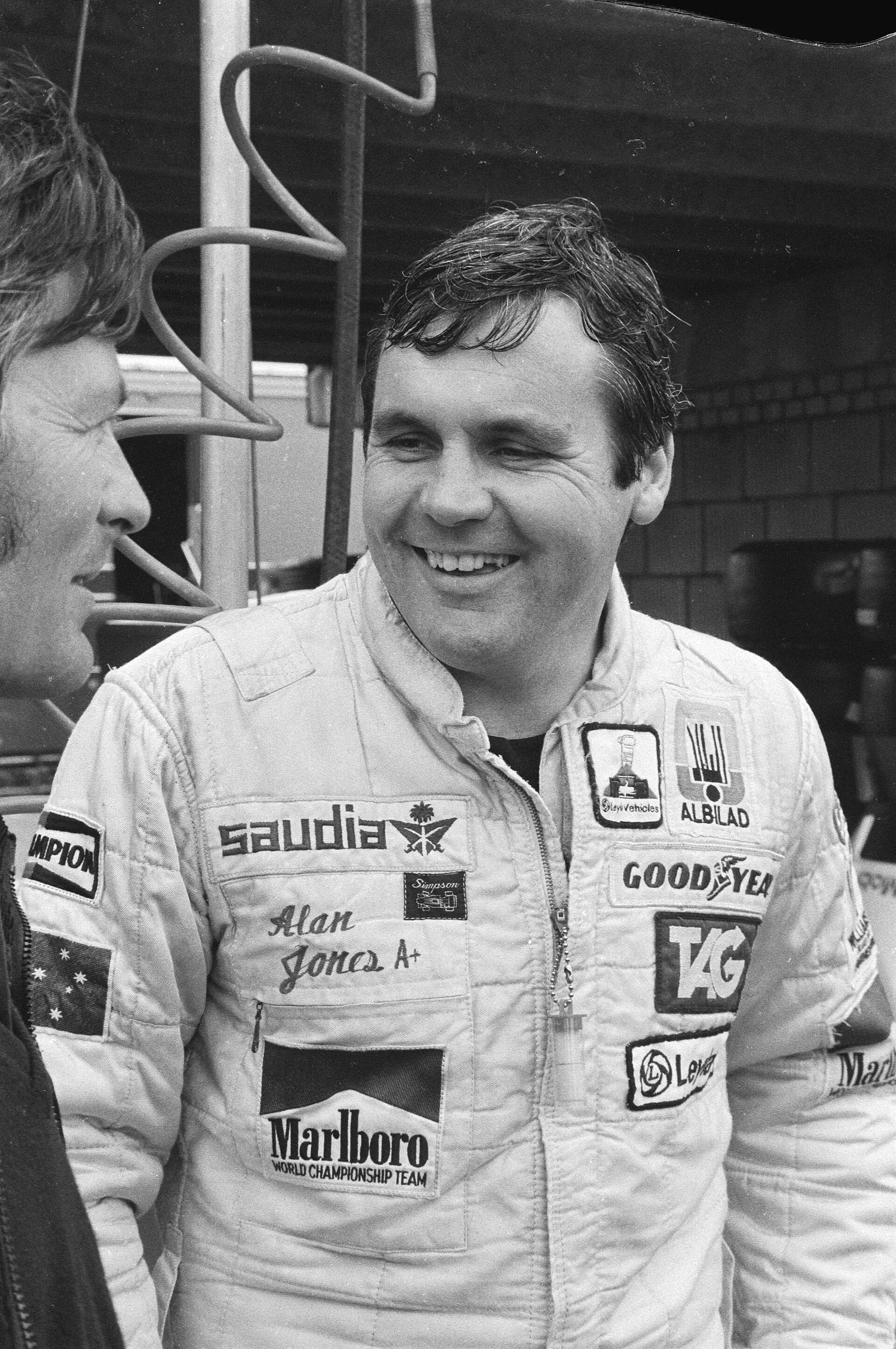
The 1980 season ran for fourteen championship rounds between 13 January and 5 October and was the 34th year of FIA Formula One racing. Alan Jones won the drivers' title in a Williams-Ford and became the first Australian champion since Jack Brabham in 1966. Williams also took its first Drivers' and Constructors' titles.
The calendar also included one non-championship race, the Spanish Grand Prix, which did not count towards the title. Nelson Piquet emerged as a serious championship contender, and two future champions, Alain Prost and Nigel Mansell, made their debuts.
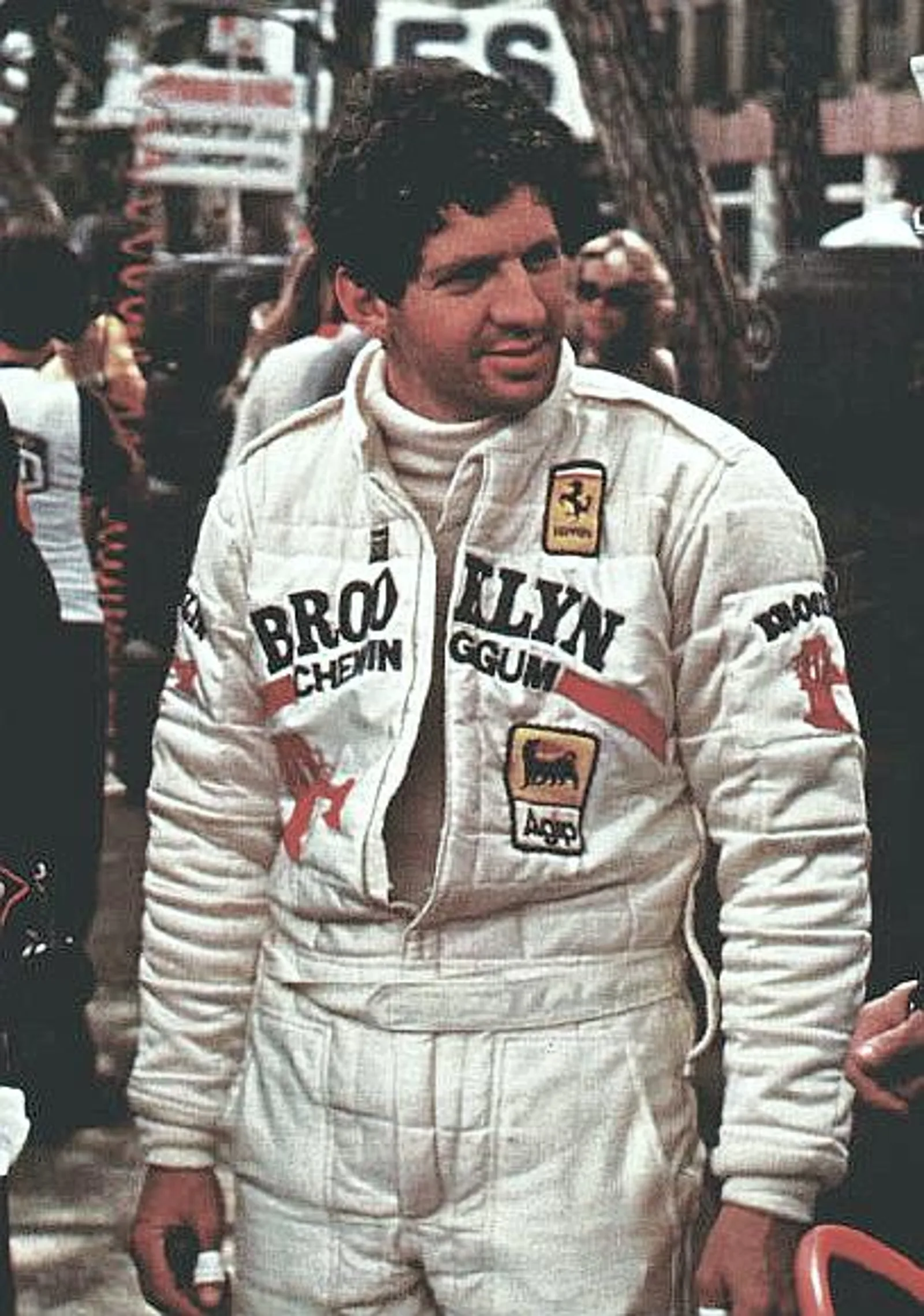
For Ferrari and Scheckter it was a terrible year. The team's reigning champion had a poor year, and he retired from the sport when the season ended.
A season of crashes and boycotts, settled by a Williams driver at Montreal and a title that changed the team forever.
Why did the early rounds cause so much trouble?
The first two rounds, in Argentina and Brazil, were marred by track conditions. The ground-effect cars and the heat broke up the Buenos Aires surface, and drivers led by Emerson Fittipaldi protested without success. The race went ahead, and many drivers were caught out by the disintegrating infield.
In Brazil the drivers, led by Jody Scheckter, protested about the safety of Interlagos, which they said was dangerous because of its surface and its limited run-off areas. The race was run anyway, and Rene Arnoux won from a Renault that dominated at the altitude of the Sao Paulo circuit.
Argentina itself went to Jones, who went off twice and dropped to fourth after a pit stop to clean grass out of his radiators. He recovered to win, with Piquet second and Keke Rosberg third, while Alain Prost finished sixth on his debut and scored his first World Championship point.
Who changed teams before the 1980 season?
Williams signed Carlos Reutemann, a driver who had finished third in the championship in 1975 and 1978. Clay Regazzoni rejoined Ensign, and Elio de Angelis moved to Lotus after Reutemann left. Jan Lammers moved from Shadow to ATS, and Shadow signed David Kennedy and Stefan Johansson.
Osella entered Formula One for the first time, taking Eddie Cheever with them, and Jacky Ickx's retirement at the end of 1979 left Didier Pironi to take the Ligier seat. Alain Prost replaced Patrick Tambay at McLaren, while Keke Rosberg moved to Fittipaldi after buying the remains of the Wolf team.
Several changes came mid-season. Hector Rebaque returned to Brabham from the British Grand Prix, and RAM Racing entered a 1979-spec Williams FW07 for Rupert Keegan. Nigel Mansell made his debut with three race starts for Lotus, and Mike Thackwell made his first Formula One start in Canada.
How did the FISA-FOCA war shape the calendar?
The conflict between the governing body FISA and the independent constructors' group FOCA reached a head in 1980. FISA, led by Jean-Marie Balestre, argued that the ground-effect cars were too fast through corners, while FOCA, led by Bernie Ecclestone and Max Mosley, argued that road-holding equalised the cars against the Renault engines.
The Spanish Grand Prix at Jarama was the flashpoint. Balestre announced before practice that it would not count towards the championship, and the manufacturer teams Renault, Ferrari and Alfa Romeo pulled out. Jones won the race, having also taken pole, and it remained outside the title fight.
The war also shaped the calendar in other ways. The Mexican and Swedish Grands Prix were cancelled before the season began, and the Caesars Palace Grand Prix was called off. The Italian round moved to Imola while Monza was upgraded.
Which drivers won the middle rounds?
Didier Pironi won his first career race in Belgium at Zolder, ahead of Jones and Reutemann. Reutemann then won at Monaco, after Pironi had led and crashed and Derek Daly had started a pile-up at the first corner. Laffite and Piquet completed the podium there.
At Paul Ricard, Jones beat the Ligiers of Laffite and Pironi, winning by 4.52 seconds. At Brands Hatch he held off Piquet to win the British Grand Prix, giving Williams a second consecutive British victory.
In West Germany, Laffite won for Ligier, but the race was marred by the death of Patrick Depailler. Jabouille won the Austrian Grand Prix by seconds from Jones, a victory that was his second and last in Formula One.
Why was the Italian Grand Prix held at Imola?
The Italian Grand Prix moved to the Autodromo Dino Ferrari near Imola while Monza was upgraded. The circuit sits near the Ferrari factory, just outside Bologna, and had agreed to alternate the Italian race with Monza, provided Monza improved its track safety and facilities.
Monza's owners had already made safety upgrades the year before, but the deal had been signed before those changes. As a result the race was not held at Monza for the first time since 1948, and it was the only time in the World Championship era that this happened.
Renault dominated qualifying at the fast Imola circuit, but its cars then fell out with mechanical problems. Piquet won and overtook Jones in the championship, with Jones second and his teammate Reutemann third.
What accidents marked the 1980 season?
Several serious accidents marked the season. Marc Surer crashed during qualifying at Kyalami and injured both legs, while Alain Prost broke his wrist after an accident at the Esses in South Africa. Those incidents came on top of a season in which safety was already at the centre of the argument between FISA and FOCA.
The most serious incident came at Long Beach, where Clay Regazzoni crashed at the end of Shoreline Drive when his brakes failed. He hit Ricardo Zunino's parked Brabham and then a concrete wall at high speed. Regazzoni was critically injured and paralysed from the waist down for the rest of his life.
Depailler was killed during private testing at Hockenheim, nine days before the German Grand Prix. His Alfa Romeo overturned and vaulted the barriers, causing fatal head injuries. Jabouille later crashed head-on into a tyre wall in Canada and broke both legs.
How did the title race finish in Canada?
At Montreal, the race had to be restarted after a multi-car pile-up at the start involving Piquet and Jones. Jones won, which secured his only Drivers' Championship and gave Williams its first Constructors' Championship. Jones had made the most of a difficult season, and his victory came after the restart.
Piquet took the spare car, but the short-lived qualifying engine in it blew early on. Jones's victory was enough to effectively secure the championship before the final round.
What happened at Watkins Glen in the final round?
The final round at Watkins Glen in New York State was the last championship race held at the circuit. Bruno Giacomelli took pole for Alfa Romeo, the first time an Alfa had started from pole since 1951, and led until his electrics failed on lap 32.
Jones went off at the first corner and dropped to sixteenth, but he raced back through the field. He took second from Reutemann and inherited the lead when Giacomelli retired, winning ahead of Reutemann and Pironi. Mario Andretti scored his only point of the season at the same circuit.
What were the 1980 race winners?
Jones won five championship races and Piquet three, while Arnoux took two. Laffite, Jabouille, Pironi and Reutemann each won once. Jones's six victories including the Spanish race made him the most successful driver of the year. Only three drivers won more than one championship race, which shows how open the year was.
| Round | Race | Winner | Car | Key point |
|---|---|---|---|---|
| 1 | Argentina | Jones | Williams-Ford | Recovered from fourth after a pit stop |
| 2 | Brazil | Arnoux | Renault | Jabouille led 25 of 40 laps before retiring |
| 3 | South Africa | Arnoux | Renault | Renault dominance at Kyalami altitude |
| 4 | United States West | Piquet | Brabham-Ford | Pole, fastest lap and led from start to finish |
| 5 | Belgium | Pironi | Ligier-Ford | First career victory |
| 6 | Monaco | Reutemann | Williams-Ford | Pironi led and crashed |
| 7 | France | Jones | Williams-Ford | Won by 4.52 seconds |
| 8 | Great Britain | Jones | Williams-Ford | Held off Piquet at Brands Hatch |
| 9 | West Germany | Laffite | Ligier-Ford | Depailler killed in testing nine days earlier |
| 10 | Austria | Jabouille | Renault | Second and last Formula One victory |
| 11 | Netherlands | Piquet | Brabham-Ford | Arnoux and Laffite followed |
| 12 | Italy (Imola) | Piquet | Brabham-Ford | Overtook Jones in the championship |
| 13 | Canada | Jones | Williams-Ford | Title secured after a restart |
| 14 | United States East | Jones | Williams-Ford | Reutemann and Pironi followed |
How were points scored in 1980?
Points went to the top six classified finishers in each race. The Constructors' Cup added together every driver's points for a team, and the Drivers' Championship counted each driver's best five results from rounds 1 to 7 and best five from rounds 8 to 14.
Published standings separated championship points, shown without brackets, from total points scored, shown in brackets, so the two figures in a table can differ. Those figures are the reason that counted and total points appear side by side.
What was the legacy of the 1980 season?
The season gave Williams its first world titles, and Jones's crown was the first for an Australian since Brabham in 1966. Piquet's three victories marked him as a serious contender, and the year also introduced Prost and Mansell to the grid.
The Watkins Glen race was the last championship event at the circuit. The corporation running it went bankrupt after failing to meet demands from Ecclestone and FOCA, and the circuit was dropped from the 1981 calendar. The United States Grand Prix did not return until 1989, on a street circuit in Phoenix, Arizona.